Africa's most iconic elephant destination — massive herds roaming open plains beneath the snow-capped peak of Mount Kilimanjaro, Africa's highest mountain.
Set in southern Kenya near the Tanzanian border, Amboseli National Park delivers one of Africa's most visually arresting safari experiences: massive elephant herds — some with exceptionally large tusks — roaming open plains beneath the snow-capped summit of Mount Kilimanjaro, Africa's highest peak at 5,895 metres.
Key Facts
Location
Southern Kenya, Kajiado County — near the Tanzanian border at the base of Kilimanjaro
Size
392 km² of protected park area
From Nairobi
~230 km south; 4–5 hours by road or 45 minutes by charter from Wilson Airport
Name Origin
From the Maa word for "salty dusty place" — a reference to the ancient lakebed and alkaline ecosystem
Ecosystem
Open savannah, seasonal wetlands, acacia woodland, alkaline lake bed
Managed By
Kenya Wildlife Service (KWS)
Fly-In Airstrip
Olkelunyiet airstrip, inside the park
Open
Year-round — rewarding in all seasons
What Makes Amboseli Different from Other Kenya Parks
Amboseli is compact by East African standards — 392 km² versus the Masai Mara's 1,510 km² — but what it lacks in size it more than compensates for in the combination of wildlife density and visual drama that no other park in the region replicates. The flat, open terrain means you can observe the full behavior of large elephant herds without vegetation obstruction. A single game drive in Amboseli regularly delivers what takes multiple days in denser parks.
The park's elephant families are among the most studied populations in the world — the Amboseli Elephant Research Project has tracked individual elephants continuously since 1972, making these animals among the most documented in Africa. The result is elephants that are highly habituated to safari vehicles, allowing exceptionally close observation without distress.
Underground springs fed by Kilimanjaro's snowmelt sustain the park's seasonal wetlands even through dry seasons — an ecological mechanism that concentrates wildlife around reliable water sources year-round and creates the rich birdlife for which the park is also renowned.
Amboseli National Park — elephant herds beneath Kilimanjaro, one of the most photographed scenes in all of AfricaWildlife & Big 5
Wildlife in Amboseli National Park
Amboseli's open terrain makes wildlife spotting easier than almost any other park in Kenya. These are the species you can expect — and what makes each encounter here specifically different from the Mara, Tsavo, or Samburu.
Elephants — The Undisputed Signature of Amboseli
No other park in East Africa delivers the same volume and quality of elephant encounters as Amboseli. Multi-generational family herds — some tracking back to individuals first identified in the 1970s — move across the open plains in full view. Several bulls in Amboseli carry tusks that reach the ground, a rarity in modern Africa directly attributable to decades of successful conservation and low poaching pressure in this ecosystem.
During the dry season, the seasonal wetlands fed by Kilimanjaro's underground springs become the primary gathering point. Herds converge at the water's edge in numbers that can exceed 50 individuals, creating elephant photography conditions found nowhere else in Kenya.
Big 5 and Beyond
All Big 5 species are present in Amboseli. Lions are regularly encountered on the open plains and around the marshes, particularly on early morning drives. Cheetahs are particularly well-sighted here — the flat terrain allows you to observe the full arc of a hunt from start to finish in a way that denser parks simply do not permit. Leopards are present in the acacia woodland areas but elusive. Buffalo herds share the grasslands and wetlands alongside the elephants. Black rhino are rarely seen but present.
Elephant herds at scale
Multi-generational families — some of the most studied elephants in the world — observable at close range in open terrain.
Cheetah on open plains
Flat terrain means you see the full hunt — not just the outcome. One of Kenya's best cheetah sighting environments.
400+ bird species
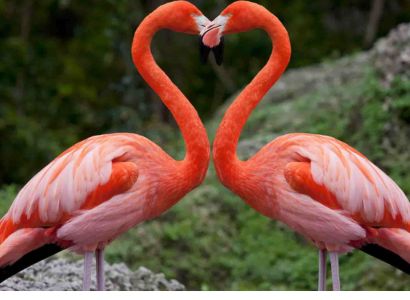
Flamingos, pelicans, crowned cranes, African fish eagles, and Goliath herons in the Kilimanjaro-fed wetlands.
Masai giraffe & zebra
Large populations of Masai giraffe, Burchell's zebra, and wildebeest roaming the open grassland zones year-round.
The Kilimanjaro Factor
On clear mornings and evenings — most reliable in January, February, and during the dry season — Kilimanjaro's snow-capped summit creates a backdrop for wildlife photography that is unmatched anywhere in East Africa. Elephant silhouettes against the mountain at sunrise is one of the most reproduced images in all of wildlife photography. Getting it requires patience and an early departure — clouds typically build around the peak by mid-morning.
Photographer's note: Amboseli's combination of habituated elephants, open terrain, and the Kilimanjaro backdrop makes it one of Africa's premier wildlife photography destinations. January and February offer the clearest mountain views. June to October offers the best overall light and wildlife concentration.
Safari Experiences
Amboseli Safari Experiences
Every Amboseli safari is shaped by a combination of game drives, cultural encounters, and photography opportunities that the park's unique geography enables. Here is what to expect — and what to prioritise in a well-built itinerary.
Morning & Evening Game Drives
The core Amboseli experience. Morning drives departing around 6:15am deliver the best predator activity, clearest Kilimanjaro views, and optimal elephant encounters around the wetlands. Evening drives reveal a different park — golden light, more active lion and cheetah behavior, and elephant herds returning to water. The park's flat terrain means both drives are exceptionally productive.
Wetland Circuit — Birds & Elephants
Amboseli's seasonal swamps — fed by underground springs from Kilimanjaro's snowmelt — are the ecological heart of the park. The wetland circuit reveals extraordinary bird concentrations including flamingos, pelicans, crowned cranes, and African fish eagles alongside elephant herds using the water. This circuit is particularly rewarding in both dry and wet seasons for different reasons.
Maasai Cultural Visits
The Maasai community has coexisted with Amboseli's wildlife for centuries. A guided visit to a traditional Maasai homestead near the park boundary offers insight into warrior traditions, beadwork artistry, cattle culture, and the community's relationship with conservation — adding genuine cultural depth to a wildlife itinerary.
Photography Safaris
Amboseli is one of Africa's finest wildlife photography destinations. The combination of habituated, non-stressed elephant herds, open unobstructed terrain, and the Kilimanjaro backdrop creates conditions that professional wildlife photographers specifically travel here for. Specialist photography-focused game drives with extended time at sightings are available through Beyond the Plains Safaris.
Day trip from Nairobi: Amboseli is one of very few major Kenyan national parks accessible as a day excursion from Nairobi — a 4 to 5 hour drive in each direction. A day trip is a worthwhile introduction, but a 2–3 night stay transforms the experience. Morning drives are the park's most productive window — and they are impossible on a same-day return trip departing Nairobi.
Getting There
How to Get to Amboseli National Park
Amboseli is approximately 230 km from Nairobi — one of Kenya's most accessible major parks. Two main options exist, with the choice primarily depending on your available time and budget.
By Road (Most Common)
The drive from Nairobi takes approximately 4 to 5 hours via two main routes. The Emali route (A109 to Emali, then south) is the most direct. The Namanga route (A104 south past the Tanzanian border junction) is slightly longer but passes through Maasai country and delivers early wildlife and cultural sightings along the way. All road transfers are in comfortable 4×4 safari vehicles with experienced drivers. Beyond the Plains Safaris handles all road logistics.
By Air (Recommended for Luxury and Short Itineraries)
Charter flights from Nairobi's Wilson Airport to Olkelunyiet airstrip inside the park take approximately 45 minutes. Flying removes the full day of road transfer from each end of your trip and is particularly recommended for stays of 2 nights or fewer, or for travellers combining Amboseli with the Masai Mara or other parks on a tight schedule.
By Road
~230 km; 4–5 hours from Nairobi via Emali or Namanga route. 4×4 safari vehicle, all transfers arranged by Beyond the Plains Safaris.
By Air
~45 minutes from Wilson Airport, Nairobi. Charter to Olkelunyiet airstrip inside the park. Recommended for short stays and luxury itineraries.
From Tanzania
Amboseli can be approached from Arusha via the Namanga border crossing — approximately 4 hours. Ideal for travelers combining Kenya and Tanzania.
Nearest Town
Loitokitok — a small Kenyan town near the Tanzanian border, approximately 20 km from the park's main gate.
Amboseli park entry fees are set by Kenya Wildlife Service (KWS) and structured by residency status. Understanding the full cost picture — including the difference between what the park charges and what a safari package costs — prevents confusion when comparing quotes.
Park Entry Fees (KWS)
Entry fees are charged per person, per day, across three categories: non-resident adults (most international visitors), East African residents, and Kenyan citizens. Children pay reduced rates. All fees are payable electronically — KWS does not accept cash at gates.
Important: KWS fees are quoted in USD but payable in Kenyan shillings at the prevailing rate. Always confirm current fee amounts with your operator at time of booking, as fees are revised periodically by KWS. All fees are included and itemised in Beyond the Plains Safaris quoted prices — no hidden charges at the gate.
What a Full Amboseli Safari Costs
BudgetFrom $200/day
Shared Safaris
Shared game drive vehicle, basic tented camp or budget lodge, full-board meals. Same wildlife access as higher tiers — different comfort level.
Mid-Range$400–$600/day
Private Vehicle Safaris
Private 4×4 vehicle and dedicated guide, mid-range lodge or tented camp with ensuite facilities, full-board, more flexibility on game drive timing.
Luxury$700+/day
Exclusive Lodges
Premium lodges with Kilimanjaro views, private vehicle and guide, gourmet dining, spa facilities, and fully bespoke programming from arrival to departure.
What affects your Amboseli safari cost: Time of year (peak dry season commands premium rates), accommodation tier, private vs. shared vehicle, group size, number of nights, fly-in vs. road transfer, and any multi-park extensions. Beyond the Plains Safaris provides fully itemised, personalised quotes for every enquiry — no generic pricing. Request your quote →
When to Visit
Best Time to Visit Amboseli National Park
Amboseli is one of Kenya's most reliable year-round destinations — the Kilimanjaro-fed underground springs mean wildlife is always concentrated around water. But different seasons deliver different versions of the park, and understanding what each offers prevents disappointment.
June to October — Long Dry Season
Peak Wildlife Viewing & Photography ⭐
The most popular window and the strongest all-round choice for first-time visitors. Vegetation thins across the savannah, animal concentrations around the wetlands intensify, and predator activity — particularly lions and cheetahs — is at its most visible on the open plains. Elephant herds gather in impressive numbers around the remaining water. The Kilimanjaro backdrop is reliably clear on early mornings throughout this period. Peak season rates apply at most lodges, and camps book out well in advance for July through September. If combining with the Masai Mara Great Migration (July–October), this window allows both parks in a single itinerary.
January to February — Short Dry Season
Best Kilimanjaro Views of the Year
The short dry season delivers some of the most consistently clear Kilimanjaro views of any period in the year, combined with excellent game viewing and significantly lower visitor numbers than the long dry season peak. Predator activity remains high as newborn calves from the preceding green season attract lions and cheetahs to the plains. Rates at most lodges are lower than June–October peak. For photographers specifically targeting the Kilimanjaro backdrop with elephant herds, January and February is frequently the strongest window.
November to December — Short Rains
Green Season Value & Photography
Brief afternoon showers transform the landscape — the dry brown savannah gives way to vivid green, and the Kilimanjaro snowline descends on clear days. Newborn animals attract predators for intense wildlife interactions. Lodge rates drop from peak levels. Bird species diversity increases as some migratory birds begin arriving from the north. Trails can become muddy after heavy rain but are generally manageable. An excellent value window for experienced travelers who prioritise landscape photography and solitude over guaranteed dry conditions.
March to May — Long Rains
Green Season — Birding & Lush Scenery
The heaviest rains fall in April and May, making some tracks challenging and Kilimanjaro views less reliable. Wildlife is still present and active — the park's underground springs mean year-round water access regardless of rainfall — but vegetation is densest and animals more dispersed. Migratory bird species arrive in large numbers, making this the richest birding period of the year. Lodge rates reach their lowest. Not recommended for visitors whose primary objective is Kilimanjaro photography or predator sightings. Well-suited to birding-focused travelers and those who actively seek remote, uncrowded conditions.
For Kilimanjaro views specifically: The mountain is most reliably clear in January, February, and during the long dry season (June–October) before mid-morning cloud formation. Afternoon and evening views can also be excellent after rain has cleared the air. Ask your guide to position for the mountain at first light — this is when the clearest views and the best photographic light coincide.
Where to Stay
Amboseli National Park Accommodation
Amboseli's lodge landscape is well-developed, with options at every budget tier. The most important accommodation decision is positioning — lodges inside or on the park boundary provide far more game drive time than those requiring long transfer drives in and out.
Luxury
Several premium properties offer direct Kilimanjaro views from rooms, private dining, spa facilities, and exclusive game drive vehicles. Luxury lodges inside or immediately on the park boundary maximise time in the field and eliminate the vehicle transfer overhead that budget options incur from further locations. The best luxury properties include dedicated photography vehicles and guides with deep knowledge of Amboseli's individual elephant families. Private conservation areas adjacent to the main park offer additional night drive access not available within the national park itself.
Mid-Range
Several well-positioned mid-range lodges and tented camps near the park boundary offer excellent value — comfortable ensuite accommodation, full-board meals, and good-quality shared game drive vehicles with experienced KWS-licensed guides. This tier suits most independent travelers, couples, and families seeking a quality Amboseli experience without luxury pricing. Beyond the Plains Safaris vets every mid-range property we recommend for guide quality, vehicle condition, and gate proximity.
Budget & Camping
Basic tented camps and guesthouses in and around Amboseli provide affordable access to the park's wildlife. KATO-registered operators offer shared game drive packages from budget accommodation at considerably lower rates than mid-range or luxury tiers. KWS public campsites inside the park are available for fully self-sufficient travelers with their own equipment. The wildlife access is identical to that of higher tiers — the difference is entirely in comfort and service level.
Accommodation positioning matters: Some budget properties are located 20–30 km from the park gate, which translates to 45–60 minutes of vehicle transfer on dusty roads at each end of every game drive. When comparing accommodation across price tiers, always ask how far the property is from the nearest gate — proximity directly affects how much time you spend watching wildlife versus driving to reach it.
Safari Packages & Itineraries
Amboseli Safari Packages
All itineraries are fully customisable to your travel dates, budget, and priorities. These are structured starting points — every safari Beyond the Plains Safaris designs is built specifically around the traveller taking it.
Day Trip from Nairobi
Amboseli Day Safari
A practical introduction to Amboseli's elephants and Kilimanjaro views for time-limited travellers who cannot commit to an overnight stay.
Depart Nairobi by road via the Emali or Namanga route. Arrive for lunch at camp. Afternoon game drive through the open savannah and wetland circuit — first encounters with elephant herds, Masai giraffe, and plains game. Early evening Kilimanjaro view from camp.
Day 2
Full Safari Day
Dawn game drive at 6:15am — the best window for Kilimanjaro clarity, predator activity, and elephant herd movement. Return for breakfast. Afternoon: optional Maasai cultural visit or wetland birding circuit. Sunset drive with the mountain as backdrop. Evening at camp.
Day 3
Final Sunrise Drive → Depart
Final dawn game drive before a relaxed breakfast. Depart by 10am. Options: road back to Nairobi (4–5 hours), onward charter flight to Masai Mara for a combined Kenya circuit, or crossover to Tanzania for Kilimanjaro or Serengeti.
Direct answers to the questions our clients ask most often. If your question is not here, our team responds to all enquiries within 24 hours.
Amboseli National Park is located in southern Kenya, in Kajiado County, near the Tanzanian border at the base of Mount Kilimanjaro. It is approximately 230 km from Nairobi — a 4 to 5 hour drive or 45-minute charter flight from Wilson Airport. The park name derives from the Maa word meaning "salty dusty place," a reference to its alkaline lakebed ecosystem.
Amboseli is best known for its large, free-ranging elephant herds — some of the most studied in the world, with individuals tracked since 1972 — and the dramatic backdrop of Mount Kilimanjaro, Africa's highest peak at 5,895m. Several Amboseli bulls carry exceptionally large tusks, a rarity in modern Africa due to decades of low poaching pressure. The park is also one of Kenya's top birding destinations with over 400 recorded species sustained by Kilimanjaro's underground spring system.
June to October (long dry season) and January to February (short dry season) are the best windows for wildlife viewing and the clearest Kilimanjaro views. January and February in particular offer the most consistently clear mountain sightings of the year. The green season (March–May and November–December) offers lush scenery, excellent birdwatching, fewer visitors, and lower lodge rates. Amboseli is genuinely rewarding year-round — Kilimanjaro's underground springs ensure wildlife is always concentrated near water.
Amboseli's signature species is the African elephant — the park hosts some of Africa's most well-documented and habituated herds. The Big 5 are all present: lion, leopard, elephant, buffalo, and black rhino (rhino sightings rare). Additionally: cheetah (excellent sightings on open plains), Masai giraffe, Burchell's zebra, wildebeest, hippos, Nile crocodiles, and over 400 bird species including flamingos, pelicans, African fish eagles, crowned cranes, and Goliath herons in the seasonal wetlands.
Budget shared safaris start from approximately USD 200–300 per person per day inclusive of accommodation, meals, game drives, and park fees. Mid-range private vehicle safaris run USD 400–600 per person per day. Luxury lodge experiences cost USD 700+ per person per day. Costs vary significantly by season, group size, accommodation tier, and whether a fly-in is included. Beyond the Plains Safaris provides fully itemised, personalised quotes for every enquiry. Request your quote →
Yes — on clear mornings and evenings, Kilimanjaro's snow-capped summit is highly visible and provides a dramatic backdrop for game drives and photography. Cloud formation typically obscures the peak from mid-morning, which is why early game drives (departing 6:15am) are critical for mountain views. January and February have the most consistently clear sightings. Evenings after rain has cleared the atmosphere can also offer exceptional clarity.
Yes — a day trip is worthwhile for time-limited travelers and delivers genuine elephant encounters and Kilimanjaro views. However, a 2–3 night stay transforms the experience significantly: morning game drives (when Kilimanjaro is clearest and predators most active) are impossible on a same-day return trip, evening drives reveal a different park entirely, and the overall pace allows for the kind of unhurried observation that defines a great safari. If time allows, 2 nights minimum is strongly recommended.
Yes — Amboseli pairs naturally with the Masai Mara, Lake Nakuru, Tsavo East, Samburu, and Ol Pejeta in multi-park circuits. The most popular combination is the 9-day Amboseli, Masai Mara, Lake Nakuru, and Ol Pejeta safari. Amboseli can also be combined with a Tanzania extension via the Namanga border crossing for Kilimanjaro or the Serengeti.
Expert-led Amboseli safaris — tailor-made from Nairobi, fully itemised pricing, no hidden fees
Plan Your Amboseli Safari with Beyond the Plains
Kilimanjaro's elephants, open plains, and one of Africa's great mountain backdrops are waiting. Whether you need a short escape or a fully customised Kenya safari circuit, we make it effortless. Tell us your dates, priorities, and budget — we respond within 24 hours.
Arrive in Kigali and journey into Volcanoes National Park for an intimate encounter with mountain gorillas — one of the world's most extraordinary wildlife experiences.
An unforgettable two-week journey through Kenya's finest parks, from the rhino sanctuary of Ol Pejeta and the flamingos of Nakuru to the Mara plains and the white sands of Zanzibar.
Create unforgettable memories with a customized Kenya and/or Tanzania safari. At Beyond the Plains Safaris, we help you plan your dream trip —
whether you’re exploring options or just need expert advice. Our team offers obligation-free guidance and curated safari experiences tailored to your schedule, budget, and preferences.