

- Home
- Kenya & Tanzania Safari Packages
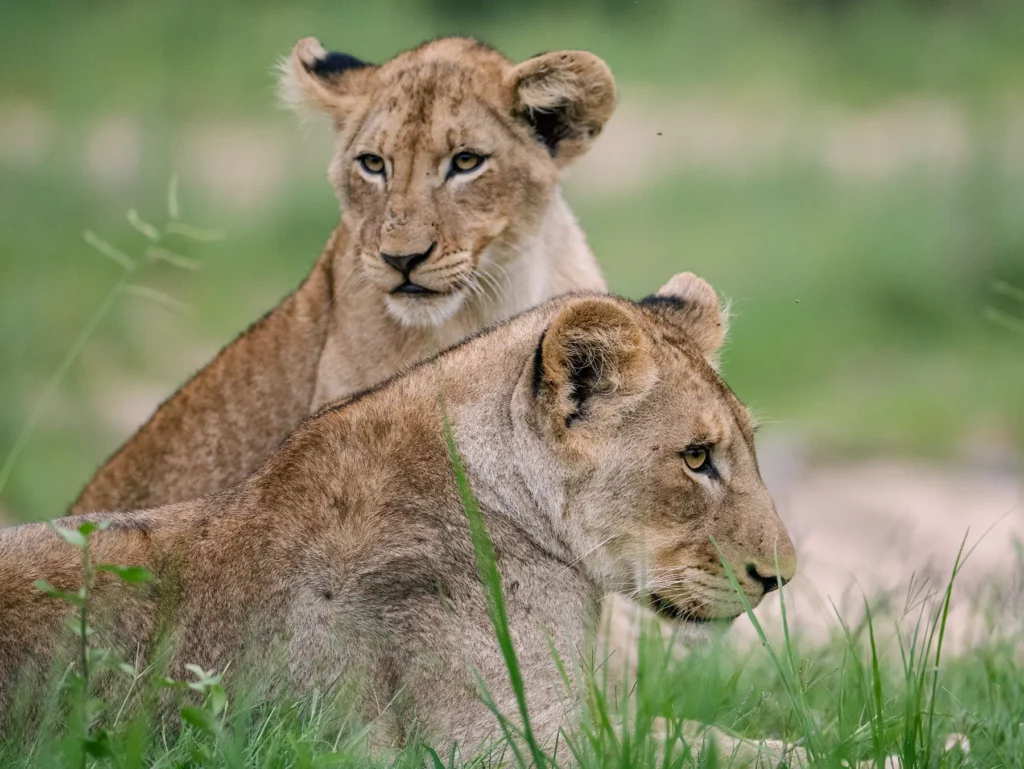
One Ecosystem, Two Countries
The Masai Mara in Kenya and the Serengeti in Tanzania are not two separate wildernesses — they are the same migration ecosystem, divided only by a political border the wildlife has never respected. A combined Kenya and Tanzania safari lets you follow that continuity rather than picking one side of it.
Below you'll find our combined cross-border itineraries only — genuine two-country routes, not single-country trips relabeled. Looking for a Kenya-only or Tanzania-only safari instead? See our full safari packages page.
Browse All Packages ›Why Combine Kenya & Tanzania?
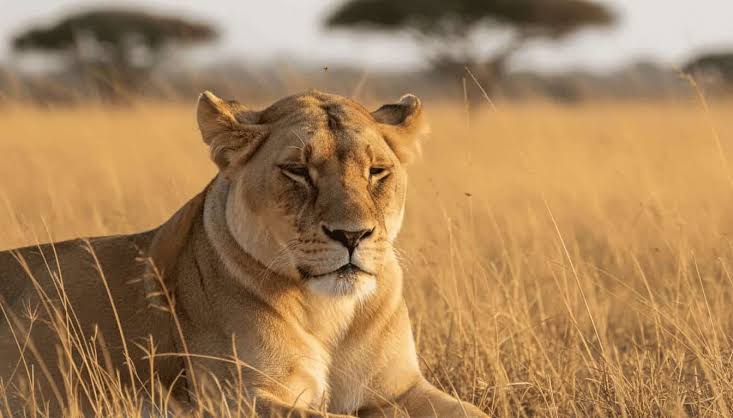


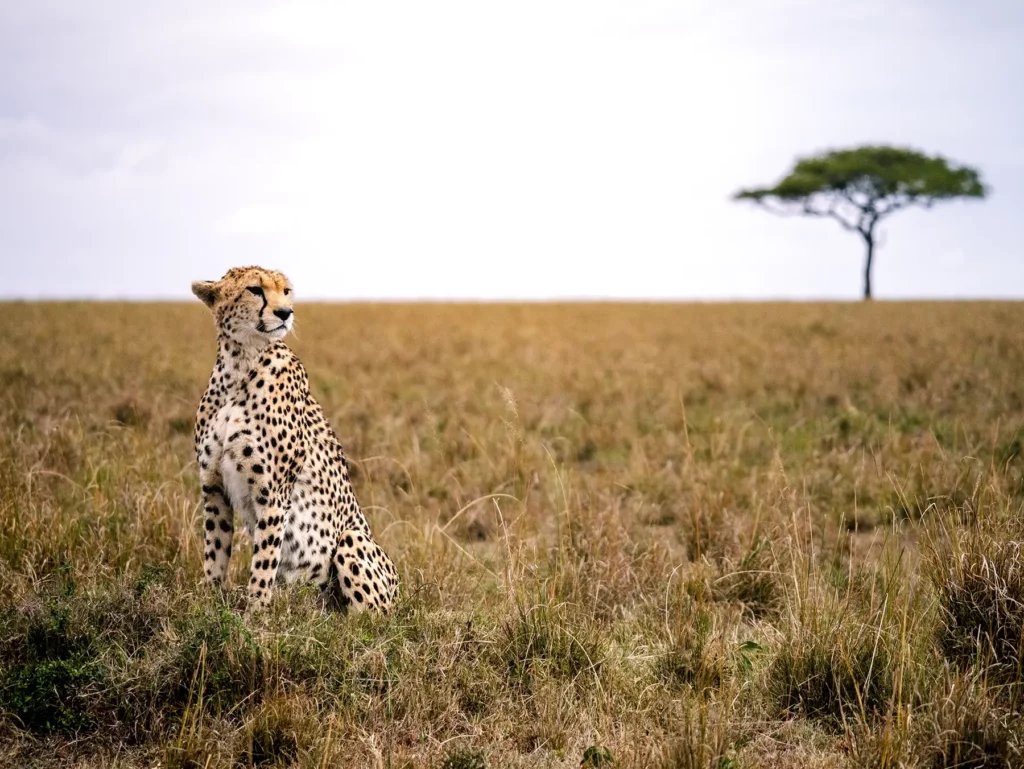
Kenya & Tanzania Safari Packages
Every itinerary below is a genuine cross-border trip, combining both countries in one route — from a short 7-day introduction to a full 15-day circuit with a Zanzibar finish.
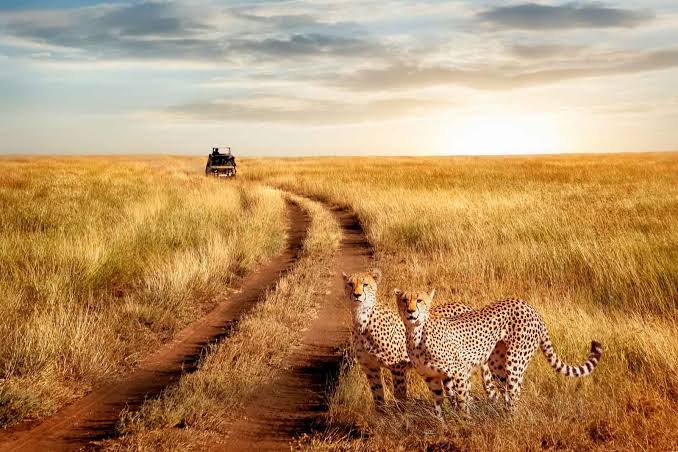 Combined
7 Days Best Of Kenya & Tanzania Safari
A genuine cross-border week covering both countries' highlight parks.
 Combined
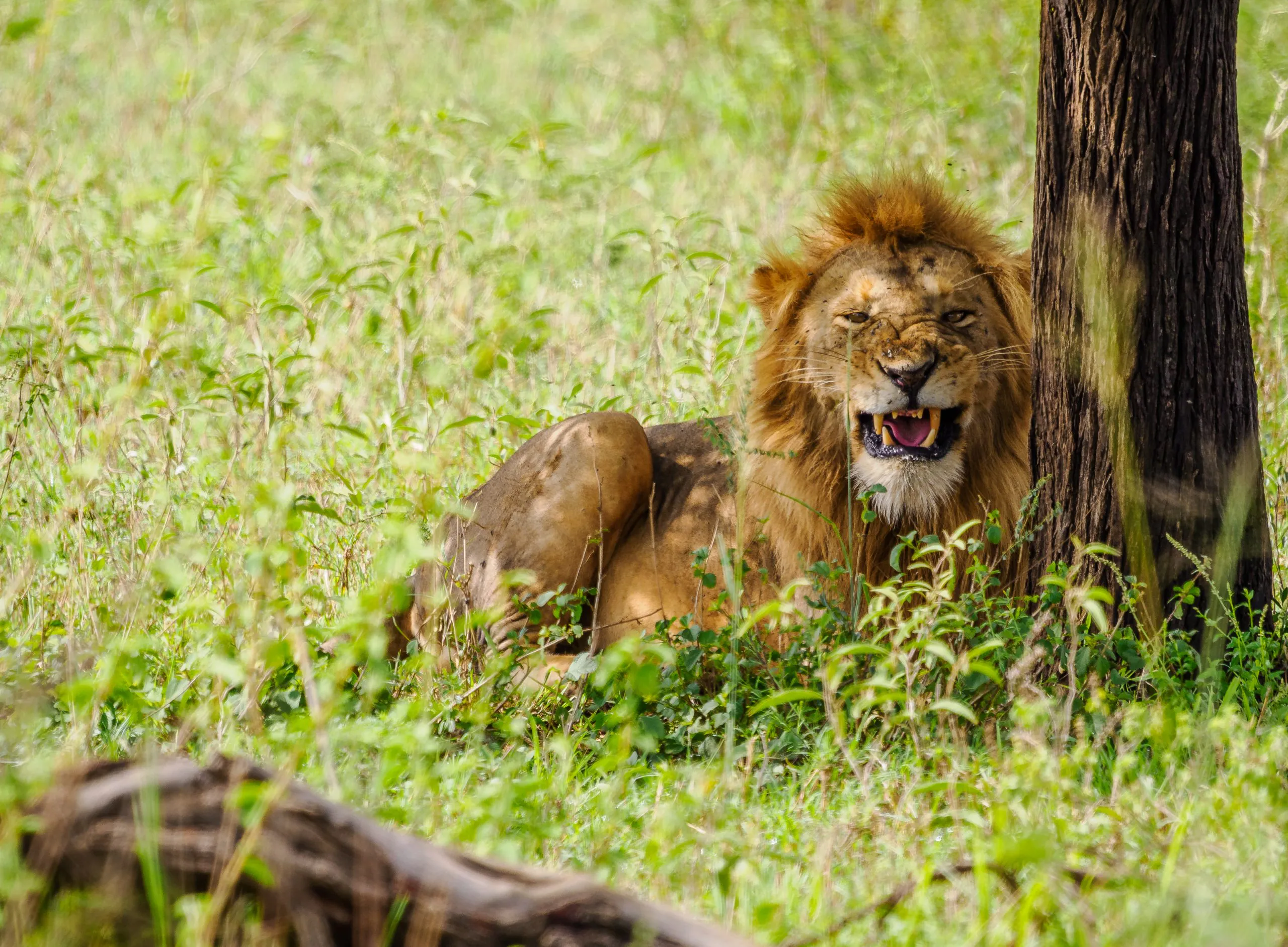
8 Days Amboseli & Tanzania Family Safari
A family-paced cross-border route from Amboseli into northern Tanzania.
 Migration
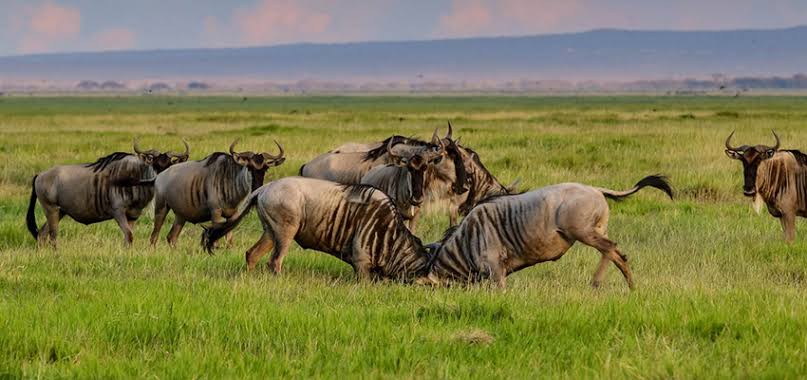
7 Days Great Migration Safari
Timed to the migration's movement across the Mara-Serengeti ecosystem.
 Combined
10 Days Kenya & Tanzania Safari
A cross-border ten-day route through the Masai Mara, Serengeti and Ngorongoro Crater. Route pending final confirmation.
 Combined
11 Days Kenya & Tanzania Safari, Extended
An extra night added to the 10-day route, in the Mara during migration season or the Serengeti/Ngorongoro otherwise.
 Combined
12 Days Kenya & Tanzania Safari
Lake Nakuru, Masai Mara, Serengeti and Ngorongoro, finishing with either Amboseli or a Zanzibar beach extension — two route variants available.
Combined
13 Days Kenya, Tanzania & Zanzibar Safari
The Masai Mara, Serengeti and Ngorongoro Crater, finishing with several nights unwinding on Zanzibar.
 Combined
14 Days Kenya, Tanzania & Zanzibar Safari
Lake Nakuru, Masai Mara, Serengeti and Ngorongoro, followed by an extended Zanzibar beach stay. Border-crossing point still to be confirmed.
Combined
15 Days Kenya, Tanzania & Zanzibar Safari, Extended
Our longest combined circuit — Amboseli, Lake Naivasha, the Masai Mara, Serengeti and Ngorongoro, ending with an extended Zanzibar stay.
Crossing Between Kenya & Tanzania
| Detail | Information |
|---|---|
| Road Border Crossing | Namanga or Isebania |
| Fly Instead | Nairobi/Mara – Kilimanjaro/Arusha |
| Minimum Trip Length | 8 days for a genuine 2-country trip |
| Recommended Length | 10–14 days |
| Beach Extension | Zanzibar or Diani, either end |
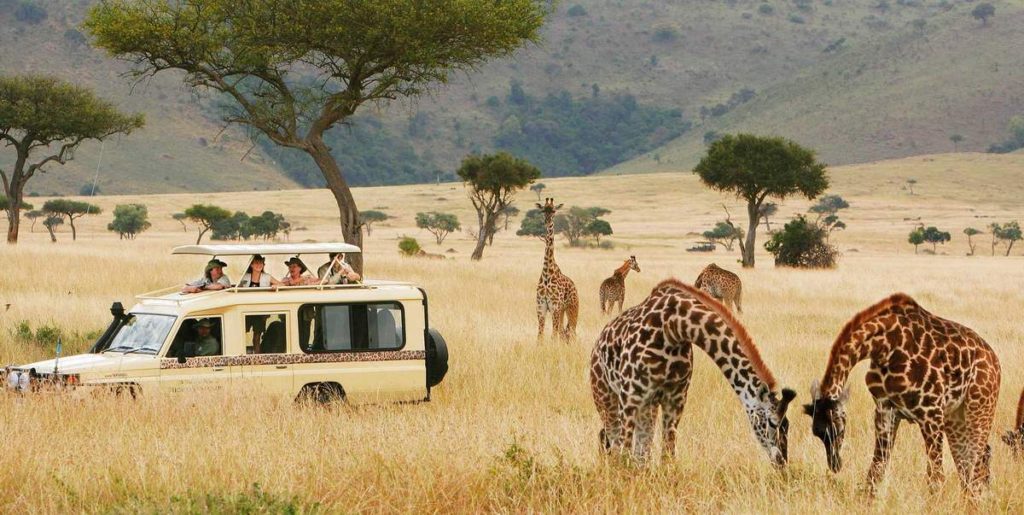
Kenya & Tanzania Safari Guide, Month by Month
Conditions shift month to month across both countries. Here's what to expect right now.
Warm, Dry, and the Migration Building Toward Calving
A short dry break settles over both countries after the November-December rains, with clear skies and warm days in the low-to-mid 20s°C to high 20s°C. It's a strong month for Kenya's resident wildlife and for the Kenyan coast, while in Tanzania the migration herds are gathering on the southern Serengeti's short-grass plains around Ndutu, setting up for the calving season about to begin.
Peak Calving Season in the Southern Serengeti
This is Tanzania's signature month: up to several thousand wildebeest calves are born daily on the Ndutu plains, drawing intense predator activity as lions, cheetahs, and hyenas take advantage of the newborns. Weather stays hot and largely dry (around 25-30°C) with lush green landscapes left over from December's rain. Kenya's Masai Mara is quieter during this window, since the migration herds are in Tanzania.
Long Rains Begin, Herds Start Moving North
The long rains arrive across both countries from mid-March, and the migration starts its push north from Ndutu through the central Serengeti. Roads can get muddy in low-lying areas, but rainfall usually falls in short, heavy afternoon bursts rather than all day. Landscapes turn vividly green, crowds thin out, and lodge rates begin to drop.
The Wettest Month — Lush, Quiet, and Good Value
April sits at the heart of the long rains, the wettest stretch of the year in both countries. Some park roads become difficult to access, but this is also when safaris are at their most affordable, with the fewest vehicles in any park. The migration continues moving north through the central Serengeti, and newborn wildlife is everywhere.
Rains Tapering Off, Herds Massing for the Move West
The long rains begin easing by late May, though afternoon showers are still common early in the month. The migration's columns start massing and moving toward Tanzania's western corridor and the Grumeti River. Landscapes remain green and photogenic, and this is still a strong shoulder-season month for lower rates and fewer crowds.
Dry Season Begins, First Crossings at the Grumeti
The rains end by late June, tracks firm up quickly, and mornings turn noticeably cooler (game drives in the Masai Mara can start around 12°C). The migration reaches the Grumeti River in the western Serengeti, where Nile crocodiles wait for the first river-crossing attempts of the year — a dramatic preview of what's coming at the Mara River.
Kenya's Peak Season Opens, First Herds Reach the Mara
July marks the start of Kenya's dry, cool peak safari season, with the first wildebeest columns crossing from Tanzania into the Masai Mara. Predators follow close behind. Mornings can be genuinely cold (down to around 10°C in the Mara), so warm layers matter for early game drives. In Tsavo, elephants concentrate along the rivers as water elsewhere becomes scarce.
Peak Mara River Crossings — the Migration's Most Dramatic Month
Widely considered the single best month for river crossings: thousands of wildebeest plunge into the Mara River at once, facing strong currents and waiting crocodiles. Weather is dry and comfortable, with daytime temperatures around 25°C. This is peak season pricing and peak crowds in the Mara, so book well ahead if August is your target month.
Crossings Continue, Clear Skies Throughout
September runs neck-and-neck with August for the best Mara River crossing viewing, with herds spread across both the Masai Mara and Tanzania's northern Serengeti around the Kogatende region. Rainfall is minimal, skies stay clear, and this remains full peak season across both countries.
Transition Month — Late Crossings, Then the Short Rains
October represents a transition month with variable conditions. Early October typically maintains dry conditions with sunny, warm days (25-30°C). However, short rains usually begin mid to late October, bringing afternoon thunderstorms. When rains begin, landscapes transform rapidly from brown to green, and the migration herds start their move back south toward the Serengeti.
Short Rains, Quieter Parks, Migration Heading South
The short rains typically begin in November's second half, ushering in Kenya's low season with fewer visitors and better rates. Rain tends to fall in brief afternoon showers rather than disrupting whole days. The migration herds continue moving south out of the Mara and back toward the Serengeti, retracing their route toward the December calving grounds.
Short Rains Ease, Herds Return South, Coast in Full Swing
The short rains taper off through December, giving way to clearer, warmer days again. The migration herds continue their journey back toward the southern Serengeti's short-grass plains, setting up for the following month's calving season. It's also a strong month for the Kenyan and Tanzanian coasts, including Zanzibar, with sunny, dry beach weather.
Sourced from SafariBookings, Expert Africa, Kenya Experience, and multiple migration-specialist guides — conditions vary year to year, so treat this as a general guide rather than a guarantee.
Kenya & Tanzania Safaris — Key Questions
Get Your Free Safari Quote
Plan Your Kenya & Tanzania Safari
Tell us your dates, budget, and whether you want one country or both. We'll build a fully itemised itinerary with no hidden costs.