

The Ultimate Guide to Capturing Stunning Safari Photos in Kenya:
Tips for Amateurs and Pros For many photographers, realizing their dream come true is exploring Kenya's wild beauty via a camera lens. Whether your level of experience is professional or enthusiastic amateur, catching the wonder of a Kenya Ol Pejeta Wildlife Conservancy safari trip or the vivid avian life during Kenya safari bird viewing trips calls for a deliberate approach. Here, we will explore basic advice for photographing Kenyan wildlife, with particular attention to what distinguishes your safari images.
Knowing the terrain and the light:
Kenya's terrain varies as much as its species. From the Maasai Mara's brilliant savannas to the deep bushlands of Ol Pejeta, great photography depends on knowing how to work with the surroundings. Golden hours, early morning and late afternoon are considered the greatest lighting for photography. Ideal for both landscape views and wildlife pictures, the soft, pleasant light not only improves colors but also lessens strong shadows. Steer clear of shooting in the middle of the noon sun if the light is too strong since it usually flattens the picture and reduces the vividness of the surroundings. Rather, spend this time scouting the terrain, making plans, or snapping close-ups of little objects like heat-loving insects or plants.
The Correct Equipment for Your Kenya Safari:
A good safari depends on selecting appropriate photographic gear. Interchangeable lenses on a DSLR or mirrorless camera will offer the flexibility required to photograph a great range of subjects on a safari. A telephoto lens between 200 and 600mm can let you capture animals from a safe distance without interfering with their natural behavior for long-range images, particularly of elusive species. If your main concentration is bird watching, a lens with rapid focusing can help you capture the quick motions of flying birds. During long views, particularly in low-light conditions, a tripod or monopod can help steady your camera to guarantee clean, clear shots.
Key to excellent wildlife shots is timing and patience:
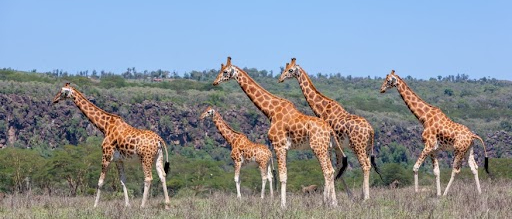
The foundation of wildlife photography is patience. Animals have no script; hence, waiting for the ideal moment calls for both time and endurance. On a safari trip to Kenya Ol Pejeta Wildlife Conservancy, one should closely watch animal behavior. Anticipating motions, like a giraffe lowering its neck to drink or a lion hunting, may produce amazing, dynamic images. For people on Kenya safari bird watching tours, timing is very crucial. Birds are most active early in the morning and late in the afternoon.Remain silent and stay a distance from your subjects to prevent frightening them off and so raise your chances of catching special events.
Taking Your Shot:
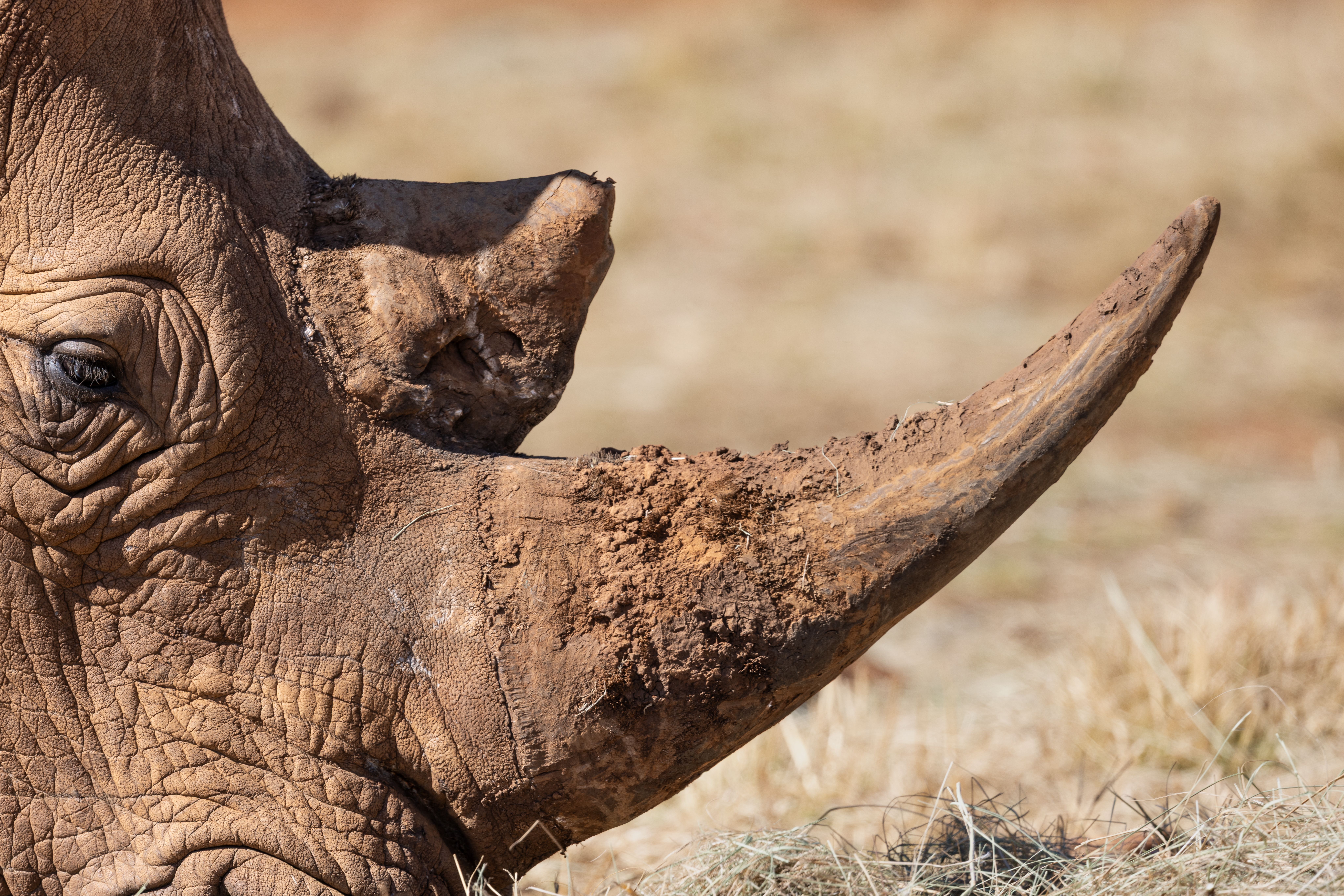
A basic wildlife picture can become a mesmerizing work of art, depending on the composition. A good rule of thumb for creating well-balanced photos is the rule of thirds. Set your topic off-center to let the frame incorporate the surrounding landscape. This gives your picture more complexity and background for where the creatures dwell and roam. In bird photography, concentrate on the eyes to life your subject. If you can catch a bird in flight, highlight its elegant motion using the sky or a hazy background. Filling the frame with your subject will have a strong visual effect in any natural environment, particularly for big creatures like elephants or rhinos.
Respecting the surroundings and wildlife:
Even if you are photographing Kenya's amazing fauna, you should nonetheless treat the surroundings and the creatures with care. To minimize upsetting the animals, keep a safe distance from them; follow the advice of your safari guide, who is familiar with the behavior of the species. Unless directed differently, always keep inside the car; never try to entice or harass animals for a picture. Furthermore, following environmentally friendly habits helps you to minimize your impact on the surroundings so that the unspoiled scenery of Kenya stays intact for the next generations of photographers and environmentalists.
Improving Your Safari Views: Post-Processing
Post-processing can assist your photographs in fully expressing themselves following your safari trip. To improve the mood of the pictures, basic editing programs such as Adobe Lightroom or Capture One let you change exposure, contrast, and color balance. Still, it's crucial to maintain post-processing subtlety and accuracy toward the scene's original beauty. Another useful method is cropping, particularly in cases where wildlife might have been filmed from a distance. Eliminating extraneous details from the frame preserves the integrity of the original scene while guiding the observer's focus on the subject.
Safari Planning: Location and Time
Plan well if you want to maximize your Kenya safari photography trip. Some periods of the year offer special chances for particular kinds of photography. For example, the wet season between November and May produces an explosion of vegetation and young animals; the dry season from June to October is perfect for witnessing big herds of animals surrounding waterholes. Renowned for its efforts at rhino preservation, Ol Pejeta Wildlife Conservancy is a must-see for photographers ready to picture threatened wildlife. Depending on the species you're interested in, Kenya safari bird viewing trips are ideal for bird buffs during the migration seasons.
Conclusion:
Taking pictures of a safari in Kenya is an unmatched experience since it allows one to produce breathtaking pictures that portray the grandeur of nature. Your images will capture the breathtaking beauty of the terrain and animals with the correct preparation, tools, and great respect for nature. Beyond The Plains, Kenya provides custom safari trips that maximize every shooting opportunity if you're seeking an unforgettable encounter.










Comments (0)
Leave a Comment
No comments yet. Be the first to comment!