

Kenya and Tanzania Safari Combo: The Ultimate Guide to the Great Migration & Iconic Wildlife Experiences
A Kenya and Tanzania safari combo is one of the most rewarding travel experiences in Africa. Combining these two world-renowned safari destinations gives you access to unmatched wildlife viewing, diverse landscapes, and authentic cultural encounters—all in one seamless journey.
Whether you want to witness the Great Migration, track the Big Five with expert guides, or explore East Africa’s rich birdlife, this cross-border safari delivers a complete and unforgettable adventure.
The Great Migration: East Africa’s Most Extraordinary Wildlife Event
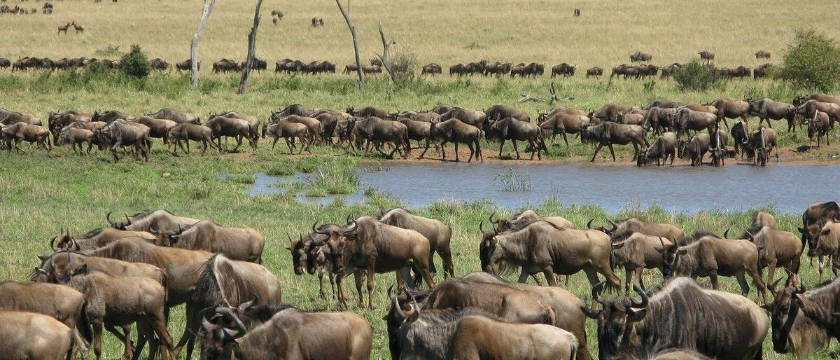
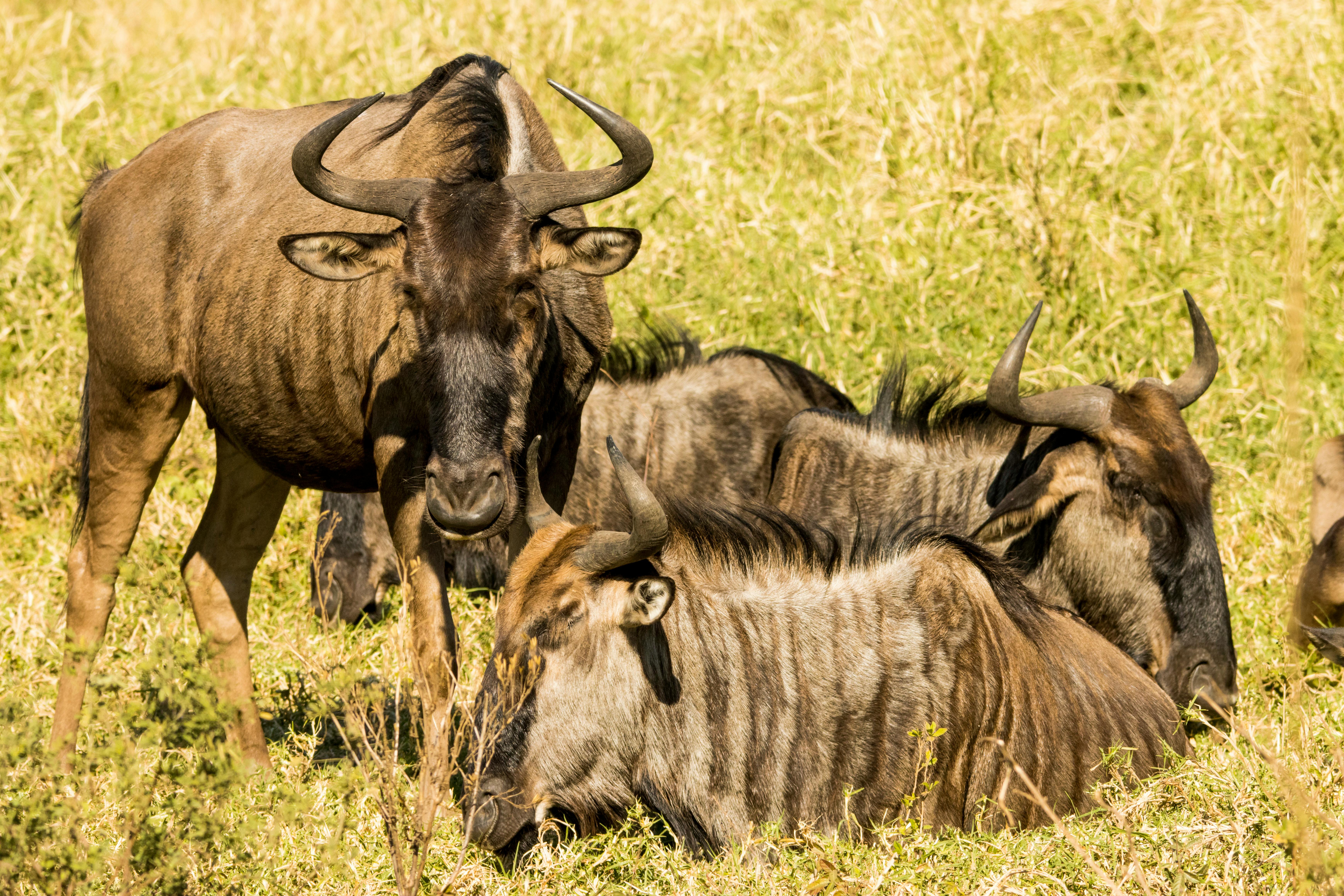
The Great Migration is the defining highlight of any Kenya and Tanzania safari. Each year, over 1.5 to 2 million wildebeest, zebras, and gazelles move across the vast Serengeti-Mara ecosystem in search of fresh grazing.
This natural cycle is not just a movement—it’s a survival drama.
- Herds travel thousands of kilometers
- Predators like lions, cheetahs, and crocodiles lie in wait
- River crossings test the strength of the animals
The most iconic moment happens at the Mara River crossings, where herds plunge into crocodile-infested waters—a powerful and emotional wildlife spectacle.
Where to See It Best
- Masai Mara (Kenya): July to October – peak river crossings
- Serengeti (Tanzania): December to July – calving season & migration buildup
From a guide’s perspective, timing and positioning are everything. Experienced safari operators track herd movements daily to give you the best viewing opportunities.
Beyond the Migration: Bird Watching in Kenya
While the migration draws global attention, Kenya’s birdlife is equally remarkable—and often overlooked.
With 1,100+ recorded bird species, Kenya ranks among the top birding destinations in Africa.
Top Birding Locations
- Lake Nakuru National Park
Famous for flamingos, pelicans, and other waterbirds in the Rift Valley - Lake Naivasha
A freshwater lake ideal for spotting fish eagles, kingfishers, and cormorants - Mount Kenya Region
Home to endemic species like Jackson’s Francolin and highland forest birds
Birding safaris offer a slower, more immersive way to experience nature—perfect for travelers who want depth beyond the classic game drive.
Tanzania Safari Highlights: More Than Just the Serengeti
Tanzania complements Kenya perfectly by offering vast wilderness areas and year-round wildlife viewing.
Serengeti National Park
The Serengeti is the heart of the migration and one of Africa’s most iconic safari landscapes. Even outside migration season, wildlife density remains exceptionally high.
Expect to see:
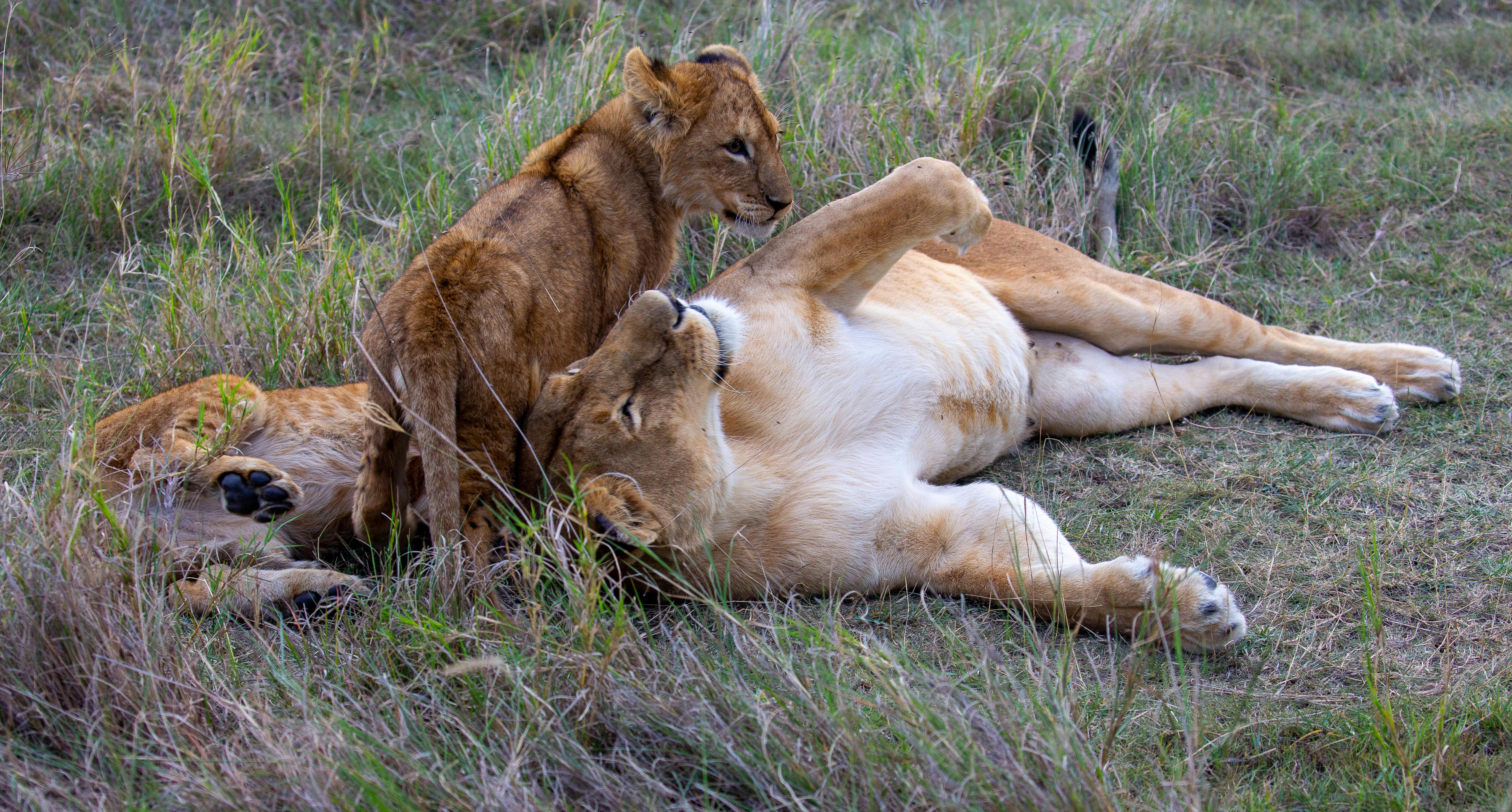
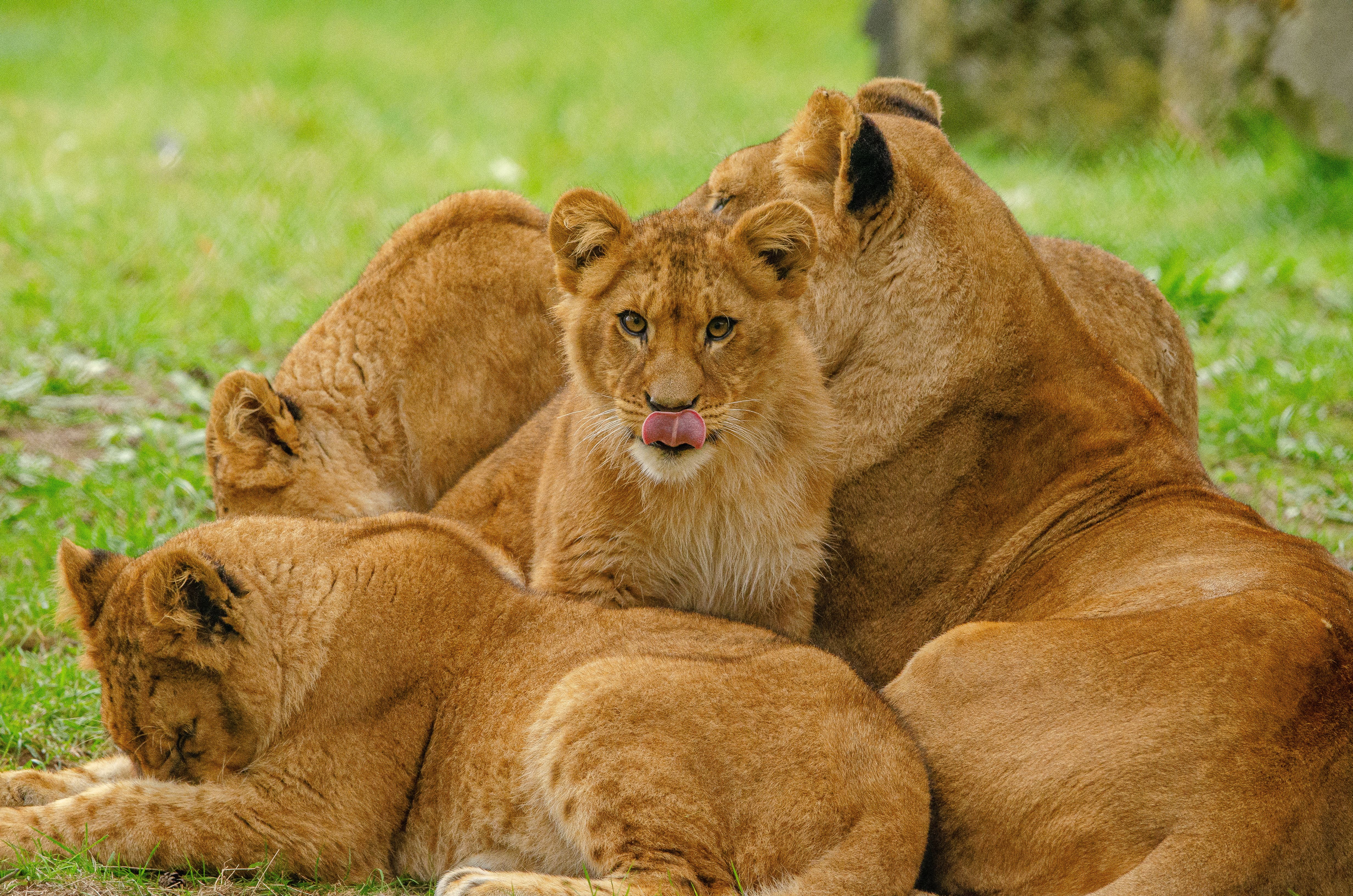
- Lions and leopards
- Large elephant herds
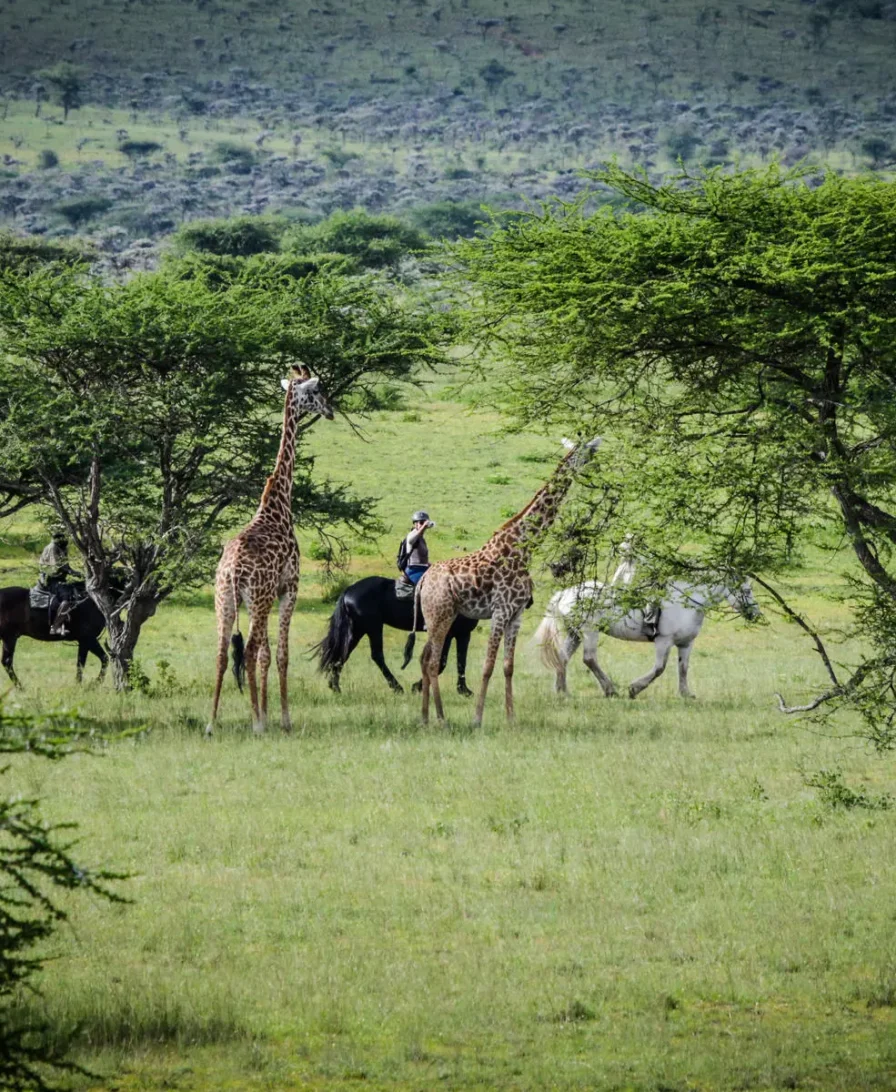
- Buffalo and giraffes
- Seasonal predator action
Ngorongoro Crater (UNESCO World Heritage Site)
The Ngorongoro Crater is one of the best places in Africa to see the Big Five in a single day.
Inside this natural caldera, you’ll find:
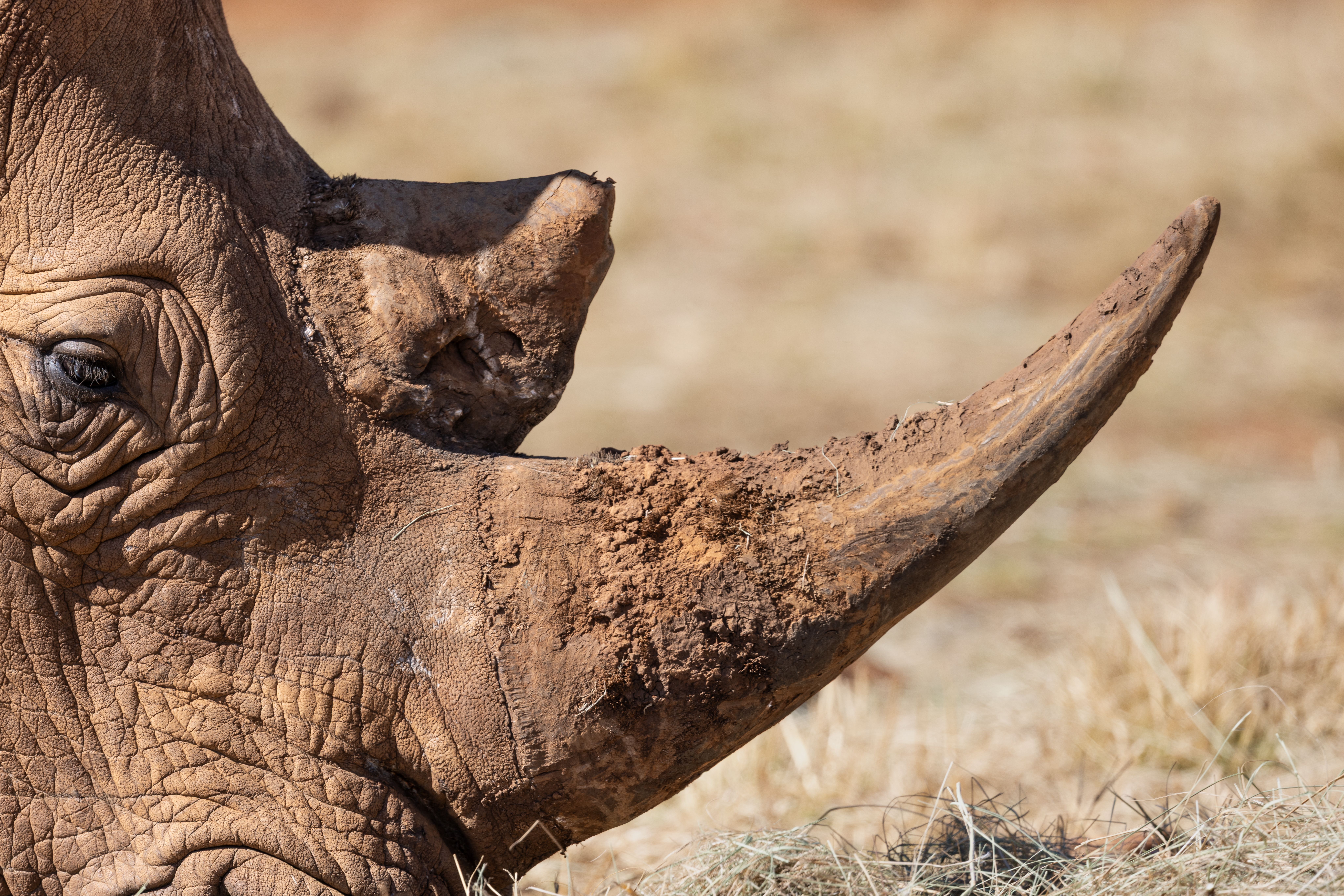
- Black rhinos (rare and protected)
- Hippos in freshwater pools
- Dense predator populations
- Over 500 bird species
For many travelers, this is a highlight that rivals the migration itself.
A Kenya–Tanzania safari itinerary gives you variety that a single-country trip simply can’t match.
What Makes This Combo Unique:
- Diverse ecosystems: savannahs, lakes, highlands, and volcanic landscapes
- Continuous wildlife experience: follow the migration across borders
- Cultural richness: Maasai communities and local traditions
- Better wildlife coverage: different parks offer different strengths
Instead of repeating similar landscapes, each destination adds something new—making every day of your safari feel distinct.
Best Time to Visit Kenya and Tanzania for Safari
Timing depends on your travel goals:
For the Great Migration
- July to October: Best for river crossings in Masai Mara
- January to March: Calving season in southern Serengeti
For General Wildlife Viewing
- June to October (Dry Season): Best visibility and game concentration
For Bird Watching & Green Landscapes
- November to May (Green Season): Fewer crowds, excellent birdlife, lush scenery
From experience, there’s no “bad” time—just different highlights depending on what you want to see.
Expert Insight: Planning a Seamless Safari Experience
A successful Kenya and Tanzania safari depends heavily on local expertise:
- Knowledge of animal movement patterns
- Access to well-located camps and lodges
- Experienced, multilingual safari guides
- Reliable 4x4 vehicles for varied terrain
Working with a trusted safari operator ensures your itinerary is optimized for both wildlife sightings and comfort.
Conclusion: A Once-in-a-Lifetime African Safari Journey
A Kenya and Tanzania safari combo brings together the very best of East Africa—from the raw drama of the Great Migration to the quiet beauty of bird-filled lakes and volcanic landscapes.
This is more than a holiday—it’s an immersive experience shaped by nature, guided by expertise, and remembered for a lifetime.
For travelers seeking a professionally curated journey, Beyond the Plains Safaris offers tailor-made Kenya and Tanzania safari experiences, backed by local knowledge, expert guides, and a deep understanding of the region.
1. What is the best time to visit Kenya and Tanzania for a safari?
The best time for a Kenya and Tanzania safari is during the dry season from June to October, when wildlife is easier to spot. For the Great Migration river crossings in the Masai Mara, July to October is ideal, while January to March is best for calving season in the Serengeti.
2. How many days do you need for a Kenya and Tanzania safari combo?
A well-paced Kenya and Tanzania safari typically requires 10 to 14 days. This allows enough time to explore key destinations like the Masai Mara, Serengeti National Park, and Ngorongoro Crater without rushing.
3. Is it worth combining Kenya and Tanzania in one safari?
Yes, combining Kenya and Tanzania offers a more complete safari experience. You get access to diverse landscapes, follow the Great Migration across borders, and visit iconic parks in both countries for a richer wildlife adventure.
4. How much does a Kenya and Tanzania safari cost?
The cost of a Kenya and Tanzania safari varies depending on travel style. Budget safaris can start from $250–$400 per person per day, while luxury safaris can exceed $800–$1,500 per person per day, including accommodation, park fees, and guided game drives.
5. What animals can you see on a Kenya and Tanzania safari?
You can see the Big Five—lion, elephant, leopard, rhino, and buffalo—along with giraffes, zebras, wildebeest, cheetahs, hippos, crocodiles, and over 1,000 bird species across different parks and ecosystems.










Comments (0)
Leave a Comment
No comments yet. Be the first to comment!