
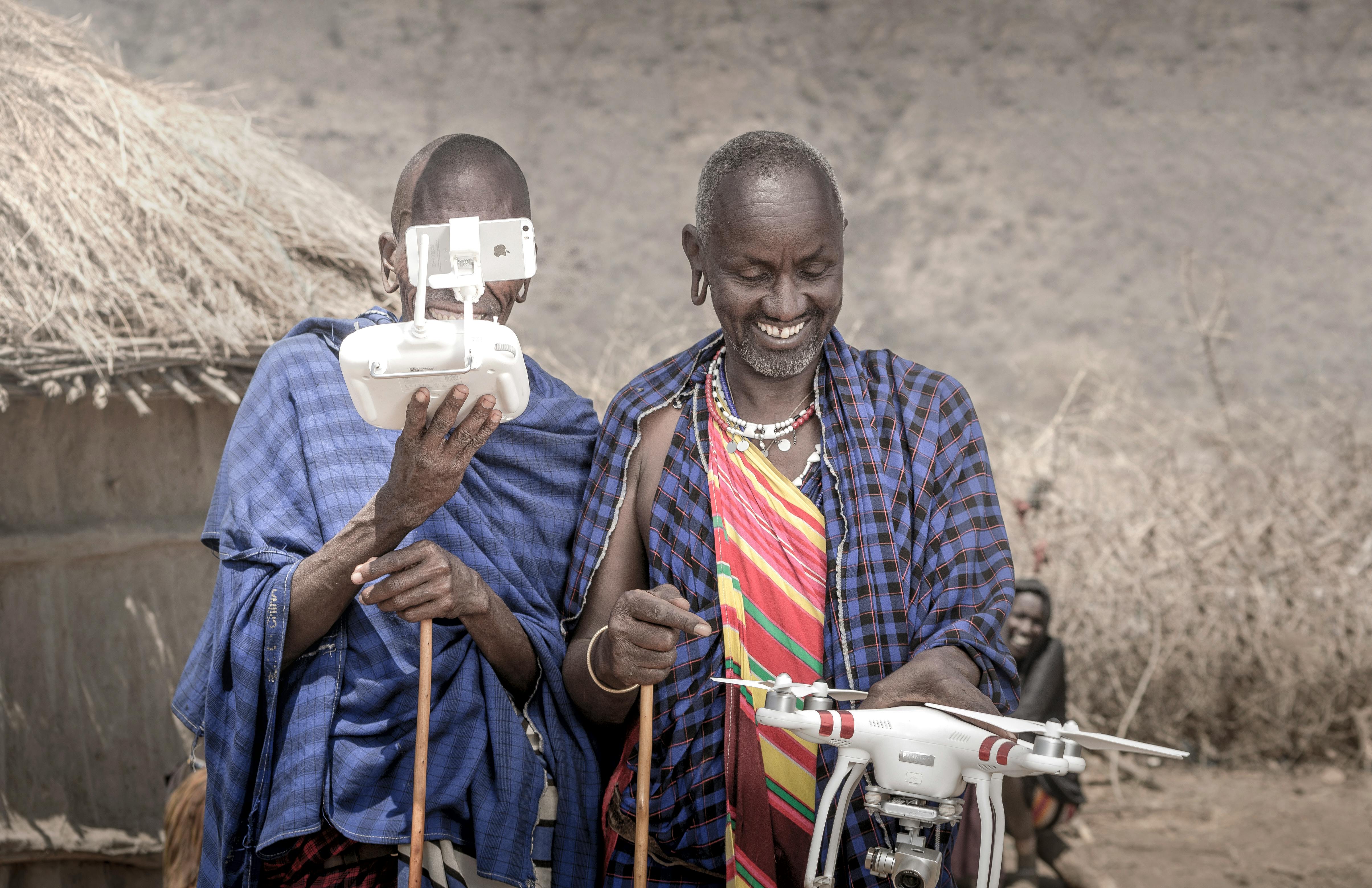
Can You Bring a Drone on an African Safari? The Complete Guide to Drone Rules in Kenya, Tanzania & East Africa
You've packed your drone dreaming of sweeping footage over the Serengeti at golden hour — and why wouldn't you? East Africa offers some of the most cinematic landscapes on earth. But what most safari-goers don't realize until they land is that drone regulations in Kenya, Tanzania, and the broader region are strict, country-specific, and carry real consequences — from confiscation at customs to hefty fines. In this guide, you'll get a clear, up-to-date breakdown of exactly what the rules are, how to get the permits you need, and what to do if flying your own drone simply isn't an option at your destination.
Key Takeaways
- Drones are not automatically banned across East Africa, but every country has distinct regulations requiring permits, registration, and in some cases, outright bans inside national parks and conservancies.
- Kenya's Civil Aviation Authority (KCAA) requires foreign drone operators to obtain a permit before flying; operating without one can result in confiscation and fines of up to KES 1,000,000 (approximately USD 7,700).
- Tanzania's TCAA similarly mandates advance permits, and most iconic safari areas — including the Serengeti and Ngorongoro Crater — prohibit drone flights entirely to protect wildlife and visitor experience.
- Many private safari lodges and conservancies enforce their own no-drone policies independent of national law, meaning a valid government permit does not guarantee you can fly at your chosen destination.
- Airline lithium battery rules apply to drone batteries regardless of destination; most carriers require batteries under 100Wh in carry-on luggage only, and spare batteries above 160Wh are prohibited on most flights.
- Applying for drone permits in Kenya and Tanzania typically takes 2–6 weeks and involves submitting flight plans, insurance certificates, and operator credentials — making last-minute applications impractical.
- Travelers who want aerial wildlife footage without the legal complexity can hire licensed local drone operators or book officially sanctioned aerial excursions through their safari operator.
What Does "Bringing a Drone on Safari" Actually Mean?
Bringing a drone on safari refers to traveling to East Africa with an unmanned aerial vehicle (UAV) — whether for personal wildlife photography, social media content creation, or professional videography — and operating it within or near safari destinations, national parks, or private conservancies.
This definition matters more than most travelers realize. Under East African aviation law, a "drone" is any remotely piloted aircraft, regardless of size or weight. That includes compact consumer models like the DJI Mini series, mid-range prosumer drones, and professional cinema rigs alike. The distinction between recreational use (personal travel footage) and commercial use (footage intended for broadcast, advertising, or sale) is critical, because most countries apply stricter permitting requirements to commercial operators.
For example, a traveler filming their family's safari experience occupies a different legal category than a filmmaker hired to produce a lodge promotional video — even if both fly identical equipment. If you are still deciding on the rest of your photography kit, our guide to the top 10 safari parks in Kenya will help you understand which destinations reward the most ambitious photographers — drone or otherwise. Understanding which category applies to your trip is the essential first step before you even consider packing your drone.
Why Drone Rules on Safari Matter More Than You Think
Drone regulations in East Africa matter because the consequences of non-compliance are severe, immediate, and can completely derail your trip. This is not a situation where ignorance of the law earns a polite warning — customs officials, park rangers, and police across the region are increasingly trained to identify and confiscate unauthorized UAVs.
First, consider what happens at the border. Several East African countries, including Kenya, require you to declare your drone at customs upon arrival. Failure to declare can result in immediate confiscation — not a fine, not a warning, but the permanent loss of your equipment. According to the Kenya Civil Aviation Authority, operating a drone without proper authorization is a criminal offence under the Civil Aviation Act, 2013, carrying penalties of up to KES 1,000,000 (roughly USD 7,700).
Beyond the legal risk, there is a genuine ecological reason these rules exist. Drones disturb wildlife. Research published in the journal Current Biology found that black bears' heart rates spiked dramatically when drones flew nearby, even when animals appeared visually calm — demonstrating that stress responses are often invisible to the naked eye. In environments where wildlife protection is the entire point of the visit, unauthorized drone flights can disrupt animal behavior, interfere with ranger operations, and damage the conservation ecosystems that make East African safaris possible.
Moreover, a single unauthorized flight caught on camera — by another guest, a ranger, or a security system — can result in criminal charges, deportation, and a permanent ban from returning to the country. The reputational and financial damage to tour operators is significant, which is why most reputable safari companies include strict drone clauses in their booking terms. Before you travel, review our Kenya safari tipping guide alongside this article — both are essential pieces of on-the-ground knowledge that first-time visitors frequently overlook until it's too late.
What Are Kenya's Drone Laws for Foreign Tourists? (KCAA Rules Explained)
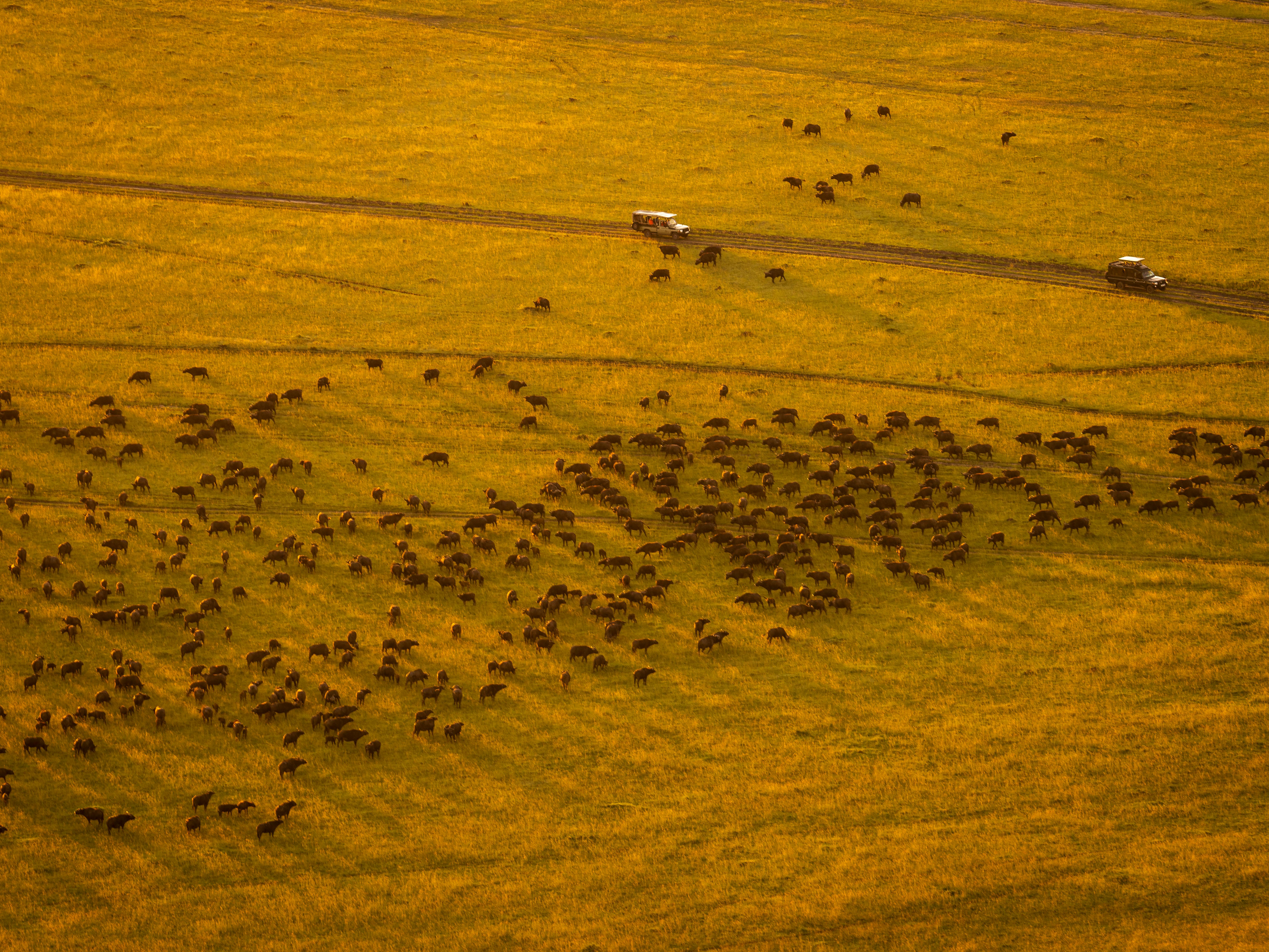
Kenya's Civil Aviation Authority (KCAA) requires all foreign nationals to obtain a drone operating permit before flying any unmanned aerial vehicle (UAV) within Kenyan airspace, including at private game reserves and safari lodges. This requirement applies regardless of the drone's weight, intended use, or flight duration.
Before diving into the permit process, it helps to understand Kenya's safari landscape holistically. Our guide to the best Kenya safari itineraries covers the destinations, timings, and logistics you need to plan around — all of which will influence where and whether you can legally fly.
How the KCAA Permit System Works
The KCAA classifies drones under the Civil Aviation (Unmanned Aircraft Systems) Regulations, 2020. Foreign operators must apply for a Temporary Permit through the KCAA online portal before arrival. The application requires proof of identity, a detailed flight plan, evidence of third-party liability insurance, and — for commercial operators — proof of relevant qualifications.
Processing typically takes two to four weeks, though applications submitted closer to peak season (July–October and December–January) may take longer. Fees vary based on the category of operation, but budget approximately KES 10,000–25,000 (USD 75–190) for a standard tourist permit application. The permit is granted for a specific geographic area, meaning you cannot simply fly anywhere in Kenya on a single approval.
Can You Fly a Drone in the Maasai Mara or Other Kenyan National Parks?
Drones are prohibited inside Kenya's national parks and national reserves, including the Maasai Mara, Amboseli, and Tsavo, regardless of whether the operator holds a valid KCAA permit. This ban is enforced by the Kenya Wildlife Service (KWS), which has its own regulations prohibiting UAV operations within protected area boundaries to preserve wildlife behavior and visitor safety.
This is a critical distinction that catches many travelers off guard. A KCAA permit covers national airspace — it does not override KWS park regulations. Even if you have spent weeks securing your permit, you will be turned away (or worse, prosecuted) if you attempt to fly inside park boundaries. For a full picture of what the Maasai Mara allows and restricts for visitors, see our dedicated Maasai Mara National Reserve destination page. Private conservancies adjacent to national parks — like Ol Kinyei or Naboisho — set their own policies, which must be confirmed directly with each conservancy management before your trip.
What Does Tanzania's TCAA Require for Drone Operators?
Tanzania's Civil Aviation Authority (TCAA) classifies drones as aircraft under national aviation law, meaning tourists must register their device and secure written authorization before any flight — even for recreational purposes. This makes Tanzania one of the stricter regulatory environments in East Africa for UAV operations.
Tanzania's national parks are among the most biodiverse on the planet, and understanding the rules that govern them goes well beyond drone policy. Our comprehensive guide to Africa Safari Tanzania covers everything you need to plan a responsible, rewarding Tanzanian safari from the ground up.
TCAA Registration and Permit Requirements
Under Tanzania's Civil Aviation (Unmanned Aircraft Systems) Regulations, all drones above 250 grams must be registered with the TCAA. Foreign operators must apply for a Special Flight Operations Certificate (SFOC) — the Tanzanian equivalent of a flight authorization — well in advance of travel. The application process requires a detailed flight plan, proof of liability insurance (minimum USD 100,000 coverage is typical), passport copies, and a letter of purpose explaining the nature of the intended footage.
Timeline-wise, budget three to six weeks for TCAA applications. Walk-in or last-minute applications are not accommodated. Fees are payable in Tanzanian shillings and vary based on operation type; commercial permits cost significantly more than recreational ones.
Are Drones Allowed in the Serengeti or Ngorongoro Crater?
Drone flight is prohibited inside most of Kenya's and Tanzania's national parks and UNESCO-listed conservation areas, including the Serengeti, Ngorongoro Crater, and Amboseli, regardless of whether the operator holds a valid national permit. Tanzania National Parks (TANAPA) and the Ngorongoro Conservation Area Authority (NCAA) maintain independent bans on UAV operations within their boundaries.
The reasoning is both ecological and experiential. The Ngorongoro Crater, a UNESCO World Heritage Site, hosts one of Africa's densest wildlife populations. TANAPA has documented multiple incidents where unauthorized drones caused stampedes and herd disruption. Our Ngorongoro Crater destination page explains what visitors can expect inside this extraordinary caldera — and what the conservation rules mean for the guest experience. For the Serengeti, see our Serengeti National Park page for a full visitor overview.
What Are the Drone Rules in Uganda, Rwanda, and Other East African Countries?
Drone regulations across East Africa vary significantly by country, and several destinations impose additional restrictions beyond standard national permit requirements. Here is a country-by-country overview.
| Country | Regulatory Body | Permit Required? | Key Restriction |
|---|---|---|---|
| Kenya | KCAA | Yes (foreign nationals) | Banned in all national parks (KWS) |
| Tanzania | TCAA | Yes (all operators) | Banned in TANAPA parks & NCAA |
| Uganda | UCAA | Yes | Banned near wildlife zones & borders |
| Rwanda | RCAA | Yes | Strict; must apply 30+ days in advance |
| Ethiopia | ECAA | Yes | Heavy restrictions; rarely granted |
| Zanzibar | Zanzibar Civil Aviation | Yes (separate from mainland TZ) | Banned on beaches without permit |
Uganda's Civil Aviation Authority (UCAA) requires a permit for all drone operations, including recreational flights. Importantly, flying near gorilla trekking zones in Bwindi Impenetrable Forest and Mgahinga is prohibited — the sound and presence of drones is known to agitate mountain gorillas, which can endanger both wildlife and trekkers. Our East Africa tours and safaris page outlines multi-country itinerary options that include Uganda and Rwanda, with guidance on navigating each country's unique entry and activity regulations.
Rwanda is particularly strict. The Rwanda Civil Aviation Authority (RCAA) requires permit applications at least 30 days before the intended flight date. Unauthorized drone use in Rwanda carries criminal penalties, and the country's border sensitivity means enforcement is taken seriously. For drone operators planning a gorilla trekking experience, applying through a licensed in-country operator is strongly advised.
Zanzibar, though part of Tanzania, operates under a separate civil aviation jurisdiction. Permits must be obtained from the Zanzibar Civil Aviation Authority (ZCAA) independently of any mainland Tanzania TCAA permit. Beach flights — popular for sunset aerial photography — require specific location approvals. Our dedicated Zanzibar Island destination page covers what to expect when visiting this archipelago, including the regulatory environment for visitors.
How Do You Apply for a Drone Permit in Kenya or Tanzania as a Tourist?
Applying for a drone permit in Kenya or Tanzania involves a multi-step process that must be completed weeks before your departure date. Last-minute applications are routinely rejected, and there is no expedited processing available to tourists.
Step-by-Step: Kenya KCAA Drone Permit
- Visit the KCAA online portal at kcaa.or.ke and create an operator account under the UAS section.
- Register your drone by providing the manufacturer's serial number, model, and weight class.
- Submit your flight plan, including proposed GPS coordinates, maximum altitude (KCAA generally limits recreational flights to 400 feet AGL), and flight duration.
- Upload supporting documents: a copy of your passport, proof of third-party liability insurance, and a letter of purpose.
- Pay the application fee via the portal's payment gateway (fees range from KES 10,000–25,000 depending on operation type).
- Await written approval, which typically arrives within 2–4 weeks.
- Carry printed proof of your permit at all times when traveling with your drone in Kenya.
Step-by-Step: Tanzania TCAA Drone Permit
- Contact the TCAA directly via their official website (tcaa.go.tz) or through a licensed Tanzanian aviation consultant — the online portal is less intuitive than Kenya's.
- Submit a formal application letter describing your intended flights, dates, locations, and purpose.
- Register your drone with the TCAA using your equipment's serial number and technical specifications.
- Provide insurance documentation (minimum USD 100,000 third-party liability coverage).
- Submit passport copies for all operators who will fly the drone.
- Pay the permit fee — commercial permits are substantially higher than recreational ones.
- Receive your SFOC (Special Flight Operations Certificate) in writing before departure.
Planning a trip that crosses both Kenya and Tanzania? Our popular Masai Mara and Serengeti safari tour package covers both countries, and our team can advise on the dual-permit requirements that apply when operating a drone across both jurisdictions.
What Happens If You Fly a Drone Without a Permit in East Africa?
Flying a drone without authorization in Kenya can result in fines of up to KES 1,000,000 (approximately USD 7,700), immediate confiscation of equipment, and potential criminal charges under the Civil Aviation Act. Tanzania's penalties are similarly severe, with unauthorized operation constituting a criminal offence under the TCAA's UAS regulations.
Beyond the financial penalties, consider the practical consequences. Your equipment will be confiscated on the spot — and recovering confiscated drones from East African government agencies is, in practice, nearly impossible. You may be detained for questioning, miss days of your safari, or face deportation. Several high-profile cases of tourists losing DJI Mavic and Phantom units at Kenyan and Tanzanian customs have been documented in travel forums, typically because travelers assumed small consumer drones were exempt from regulations.
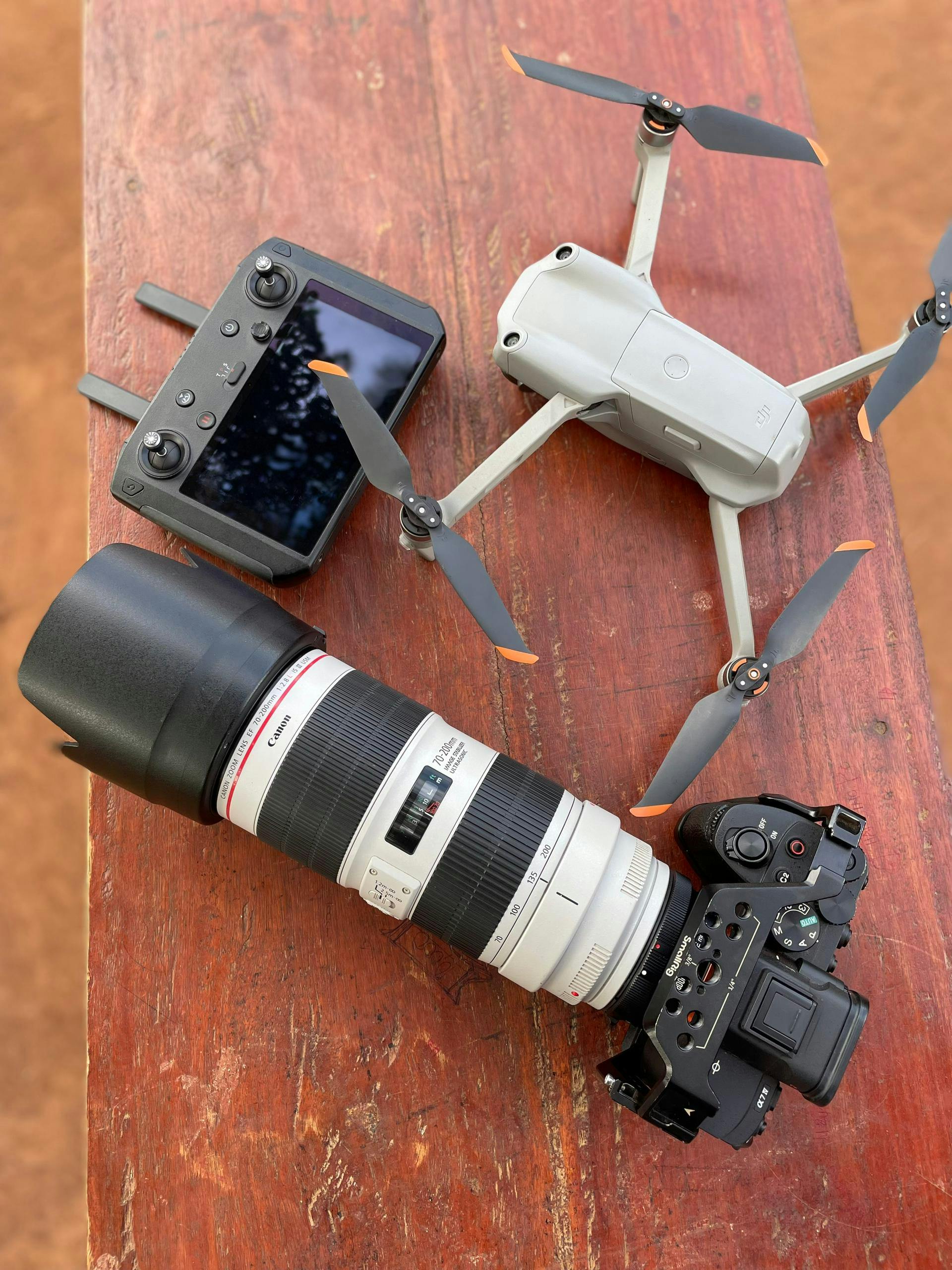
They are not. No weight threshold exempts a drone from East African aviation regulations. Even a DJI Mini 3, weighing just 249 grams, requires a valid permit before flight in Kenya and Tanzania. If you are unsure about how these regulations interact with your specific itinerary, our specialists at Beyond The Plains Safaris can advise — contact us before you book to get clarity before you pack.
Do Safari Lodges and Private Conservancies Have Their Own Drone Policies?
Many safari lodges and private conservancies enforce their own no-drone policies independent of national law, meaning a valid government permit does not guarantee you can fly at your chosen destination. This is one of the most frequently overlooked aspects of safari drone planning.
Private conservancies like the Mara Naboisho Conservancy, Ol Pejeta Conservancy, and the private lodges of the Laikipia Plateau have their own management rules governing guest behavior. Most have banned drones entirely — not because of aviation law, but because of guest experience and wildlife protection policies. Drone noise is jarring in wilderness environments and diminishes the experience for other guests. Many lodges have invested heavily in a sense of natural tranquility, and UAV operations directly undermine that.
Before your trip, contact your lodge or conservancy directly and in writing to ask about their drone policy. Do this before you apply for a government permit — there is no point in spending six weeks securing KCAA or TCAA authorization only to be told on arrival that the property bans all drone flights. Our 10 best luxury safari camps in Kenya guide includes notes on the photography and activity policies of top-rated properties, which is a useful starting point for drone policy research.
What Are the Airline Rules for Traveling with a Drone to Africa?
Lithium polymer (LiPo) drone batteries are subject to IATA dangerous goods regulations on international flights; most airlines require batteries under 100Wh to be carried in cabin baggage, and batteries exceeding 160Wh are generally prohibited from passenger aircraft entirely.
The drone body itself can generally be checked or carried on, subject to size restrictions. However, batteries must always travel in your carry-on luggage — they cannot be placed in checked baggage under any circumstances, per IATA Dangerous Goods Regulations (DGR). Here is a quick reference for common drone battery types:
- Under 100Wh (e.g., DJI Mini series, DJI Air 2S): Permitted in carry-on; no approval needed. Typically 2 spare batteries maximum per airline policy.
- 100–160Wh (e.g., DJI Mavic 3, Inspire series): Permitted in carry-on with airline approval; usually limited to 2 spares.
- Above 160Wh: Prohibited on most passenger aircraft. Seek freight-only shipping if required.
Always declare your drone and batteries at customs upon arrival in Kenya or Tanzania. Attempting to conceal the equipment risks confiscation and criminal charges separate from any aviation permit issues. Insure your drone for international travel through a specialist policy — standard travel insurance rarely covers professional photography equipment at full replacement value. For a broader overview of what to pack and protect on your trip, our guide to what to expect on an East Africa safari covers logistics from the moment you land.
Can You Hire a Licensed Drone Operator for Safari Footage Instead?
Hiring a licensed local drone operator is the most legally straightforward way to obtain aerial safari footage — and in many cases, it produces better results than self-operated consumer drones.
Licensed operators based in Kenya and Tanzania already hold the necessary KCAA or TCAA permits, carry appropriate insurance, and have established relationships with lodge managers and park authorities. Many specialize in wildlife cinematography and operate professional-grade equipment that produces footage far superior to what most consumer drones can capture.
For content creators and filmmakers, partnering with a licensed in-country production company is the cleanest solution. They handle all permits, liaise with authorities, and can often access locations that individual tourists cannot. At Beyond The Plains Safaris, we can connect you with vetted aerial operators as part of a tailored itinerary — schedule a consultation with our team to discuss what is possible for your specific trip. Hot air balloon safaris over the Maasai Mara are also a spectacular and fully legal alternative: they deliver cinematic, sweeping perspectives of the savanna that no drone footage can truly match, and every reputable operator holds the relevant aviation permissions. See our Masai Mara safari tour package for balloon safari options that can be added to your itinerary.
Your Pre-Safari Drone Compliance Checklist
Before traveling to East Africa with a drone, completing a pre-departure compliance checklist is essential to avoid confiscation, fines, or criminal charges. Use the framework below as your planning guide.
8–12 Weeks Before Departure
- Confirm whether your destination lodges and conservancies allow drones (contact them in writing)
- Determine whether your intended use is recreational or commercial — this affects permit category
- Begin KCAA or TCAA permit applications (allow 3–6 weeks minimum)
- Arrange third-party liability insurance meeting the minimum coverage requirements
4–6 Weeks Before Departure
- Submit all permit application documents and pay fees
- Confirm your drone is registered with the relevant aviation authority
- Notify your tour operator of your drone and its approved flight plan
1–2 Weeks Before Departure
- Receive written permit confirmation and print multiple copies
- Check your airline's battery policy and prepare carry-on battery storage in fireproof LiPo bags
- Review customs declaration requirements for your arrival country
On Arrival
- Declare your drone and batteries at customs proactively
- Carry your printed permit at all times when transporting or operating your drone
- Reconfirm lodge or conservancy drone policy on check-in
Frequently Asked Questions About Drones on Safari
Can I bring a DJI Mini drone to Kenya without a permit?
No. Kenya's Civil Aviation Authority (KCAA) requires a permit for all unmanned aerial vehicles, including sub-250g models like the DJI Mini series, regardless of weight. The common misconception — that drones under 250 grams are exempt from regulation — applies in some Western jurisdictions (such as the EU and UK) but does not apply in Kenya or Tanzania. Every foreign national who intends to fly any drone in Kenya must apply for a Temporary Permit through the KCAA online portal before arriving in the country. Flying without one exposes you to fines of up to KES 1,000,000, immediate equipment confiscation, and potential criminal charges under the Civil Aviation Act, 2013.
Are drones allowed in the Serengeti National Park?
Drones are strictly prohibited inside Serengeti National Park, regardless of whether the operator holds a valid Tanzania TCAA permit. Tanzania National Parks (TANAPA) enforces an independent ban on all UAV operations within park boundaries to protect wildlife and preserve the visitor experience. This restriction applies to every entry point of the Serengeti, including the Seronera Valley, the Northern Serengeti near the Mara River, and the Western Corridor. Even professionally licensed drone operators cannot fly inside the park without a specific, separately granted TANAPA authorization — which is exceptionally rare and not available to tourist applicants. Visitors seeking aerial perspectives of the Serengeti ecosystem are advised to book a licensed hot air balloon experience instead. See our Serengeti National Park destination page for more on what is and isn't permitted inside the park.
How long does it take to get a drone permit in Kenya or Tanzania?
Drone permit processing in Kenya takes approximately 2–4 weeks via the KCAA, while Tanzania's TCAA typically requires 3–6 weeks from the date of a complete application submission. Both authorities require advance applications — walk-in or same-day processing is not available to tourists. Applications submitted during peak safari season (July–October and December–January) may experience longer processing times due to higher volume. Incomplete applications — missing insurance documents, imprecise flight plans, or unsigned declarations — are rejected without refund of fees, restarting the timeline entirely. The practical implication is clear: if you intend to fly a drone legally in East Africa, begin your permit application a minimum of eight weeks before your departure date to allow for processing delays and potential resubmission.
What happens if my drone is confiscated at customs in Kenya or Tanzania?
If your drone is confiscated at customs in Kenya or Tanzania due to non-declaration or lack of a valid permit, recovering the equipment is extremely difficult and in most cases impossible within a tourist's travel window. Confiscated UAVs are held by the Kenya Revenue Authority (KRA) or Tanzania Revenue Authority (TRA) and released only after a formal review process that can take weeks or months — far longer than any safari itinerary. In addition to losing your equipment, you may face additional penalties including fines under aviation law and potential referral to the Kenya Civil Aviation Authority or TCAA for further action. The only reliable protection is declaration upon arrival and presentation of a valid, printed permit from the relevant aviation authority. Attempting to conceal a drone in checked luggage is not a reliable workaround — modern scanning equipment detects electronics routinely, and concealment itself constitutes a separate customs violation.
Can my safari operator arrange a drone permit on my behalf?
Some safari operators and in-country aviation consultants can assist with the drone permit application process in Kenya and Tanzania, but the permit itself must be issued in the name of the individual operator who will fly the drone. An operator can help you prepare and submit the correct documentation, liaise with the KCAA or TCAA on your behalf, and advise on feasible flight locations within your itinerary. However, they cannot hold the permit themselves or transfer it to you on arrival — the authorization is personal and non-transferable. At Beyond The Plains Safaris, our specialists can connect you with licensed aviation consultants in both Kenya and Tanzania who handle tourist drone permit applications regularly. Schedule a consultation with our team well in advance of your travel date to begin this process correctly.
Conclusion: Is It Worth Bringing a Drone on an African Safari?
The honest answer is: it depends on your preparation, destination, and patience for bureaucracy. East Africa's drone regulations are not designed to frustrate travelers — they exist to protect some of the world's most irreplaceable wildlife and wilderness environments, and to ensure that every guest's safari experience remains undisturbed.
If you are willing to invest the time — typically six to eight weeks of advance planning, permit applications, insurance arrangements, and lodge confirmations — it is possible to fly a drone legally in certain areas of Kenya and Tanzania. But the process is genuinely complex, the restrictions are significant, and the consequences of getting it wrong are severe.
For most safari travelers, the better path is to leave the drone at home and invest in exceptional ground-level photography. East Africa's wildlife, light, and landscapes reward patience and stillness in ways that aerial footage rarely captures. Our Big Five safari Kenya guide is a great place to start thinking about how to photograph lions, elephants, and leopards at close range — no permit required.
For those who truly need aerial footage, partnering with a licensed local operator or booking an aerial experience — like a balloon safari over the Maasai Mara — delivers stunning results without the legal exposure. The team at Beyond The Plains Safaris can help you navigate drone regulations, identify drone-friendly itineraries, and arrange licensed aerial photography experiences that capture East Africa the way it deserves to be seen. Get a free quote or schedule a consultation with our team today.
Written by John Dante, Director & Operations Manager, Beyond The Plains Safaris. John has over 15 years of experience designing bespoke safari itineraries across Kenya, Tanzania, and East Africa, and works closely with local aviation and wildlife authorities to ensure guests travel with accurate, up-to-date regulatory knowledge.
Reviewed by the Beyond The Plains Safaris Editorial Team, with input from licensed Kenyan and Tanzanian aviation consultants.
Disclaimer: This article was initially drafted using AI assistance. However, the content has undergone thorough revisions, editing, and fact-checking by human editors and subject matter experts to ensure accuracy. Drone regulations change frequently — always verify current requirements with the KCAA (kcaa.or.ke) and TCAA (tcaa.go.tz) before travel.










Comments (0)
Leave a Comment
No comments yet. Be the first to comment!