


Top 10 Safari Parks in Kenya
Kenya stands apart in the world of African wildlife travel. Few countries can match its combination of ecosystems, accessibility, and sheer wildlife density — and no other destination on earth offers the same breadth of safari experience within a single itinerary. From the golden savannah plains of the Masai Mara, where the Great Migration plays out each year, to the snow-capped volcanic highlands of Mount Kenya and the semi-arid northern frontier of Samburu, Kenya is a country of extraordinary ecological variety.
At Beyond the Plains Safaris, we have guided thousands of travellers through Kenya's parks and conservancies. The ten destinations below represent the full spectrum of what Kenya's wildlife landscape offers — each with a distinct character, unique species, and a different flavour of the safari experience. Whether you are planning your first African safari or your tenth, this guide will help you match the right park to your interests, travel style, and timeline.
Explore our full Kenya safari destination guide or browse our complete range of Kenya safari packages to begin planning your journey.
|
1. Masai Mara National Reserve |
Southwest Kenya · 1,510 km² · Great Migration · Big Five · Kenya's Premier Safari Destination
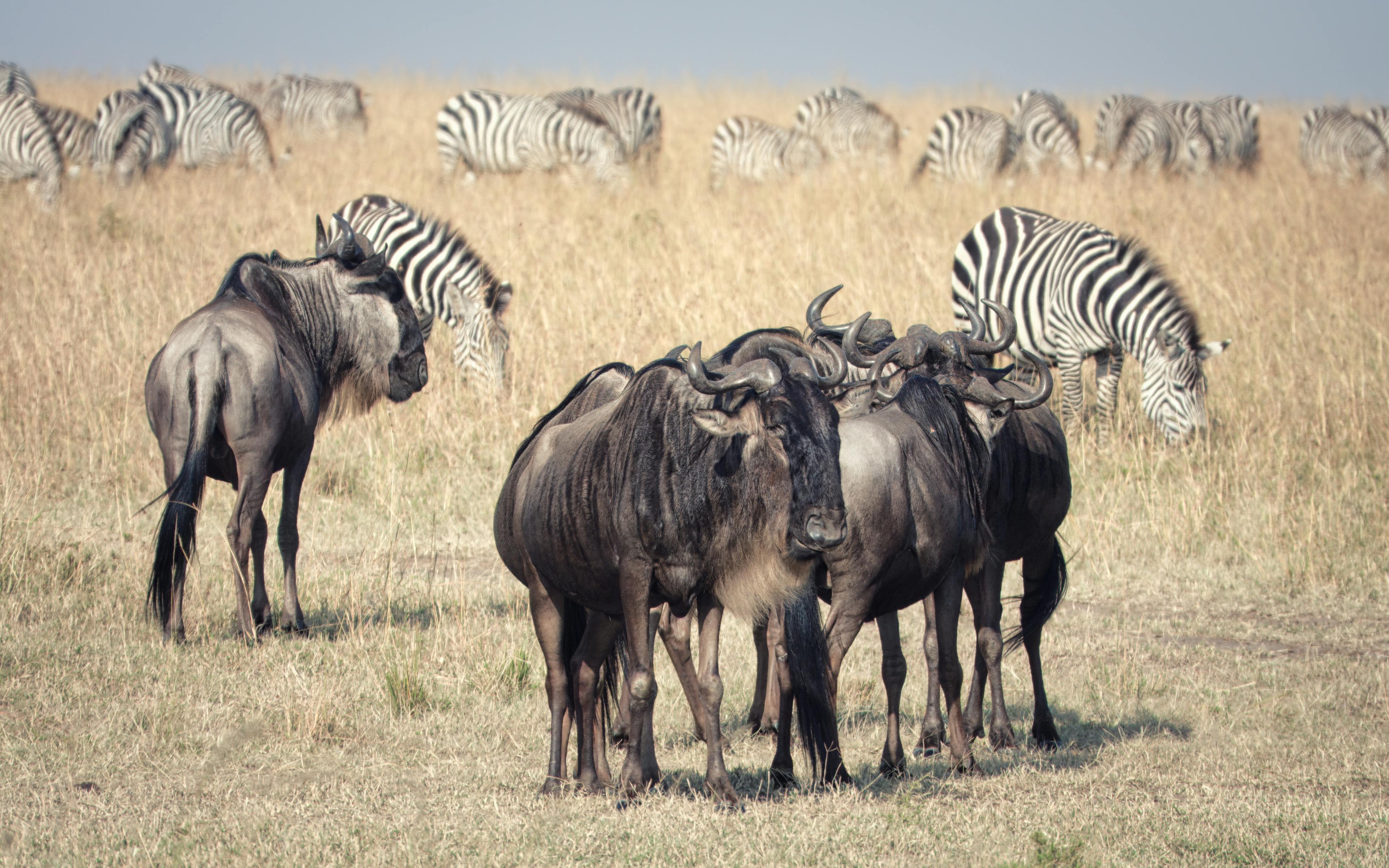
The Masai Mara National Reserve is Kenya's most celebrated safari destination and one of the world's greatest wildlife spectacles. Stretching across 1,510 km² of open savannah in southwest Kenya, the Mara forms the northern extension of the Serengeti ecosystem — and together they host the legendary Great Wildebeest Migration.
Every year between July and October, over 1.5 million wildebeest, accompanied by hundreds of thousands of zebra and gazelle, make their perilous crossing of the Mara River in search of fresh pasture. This natural event — described by wildlife biologists as one of the greatest shows on Earth — is the defining reason most travellers choose Kenya as their safari destination.
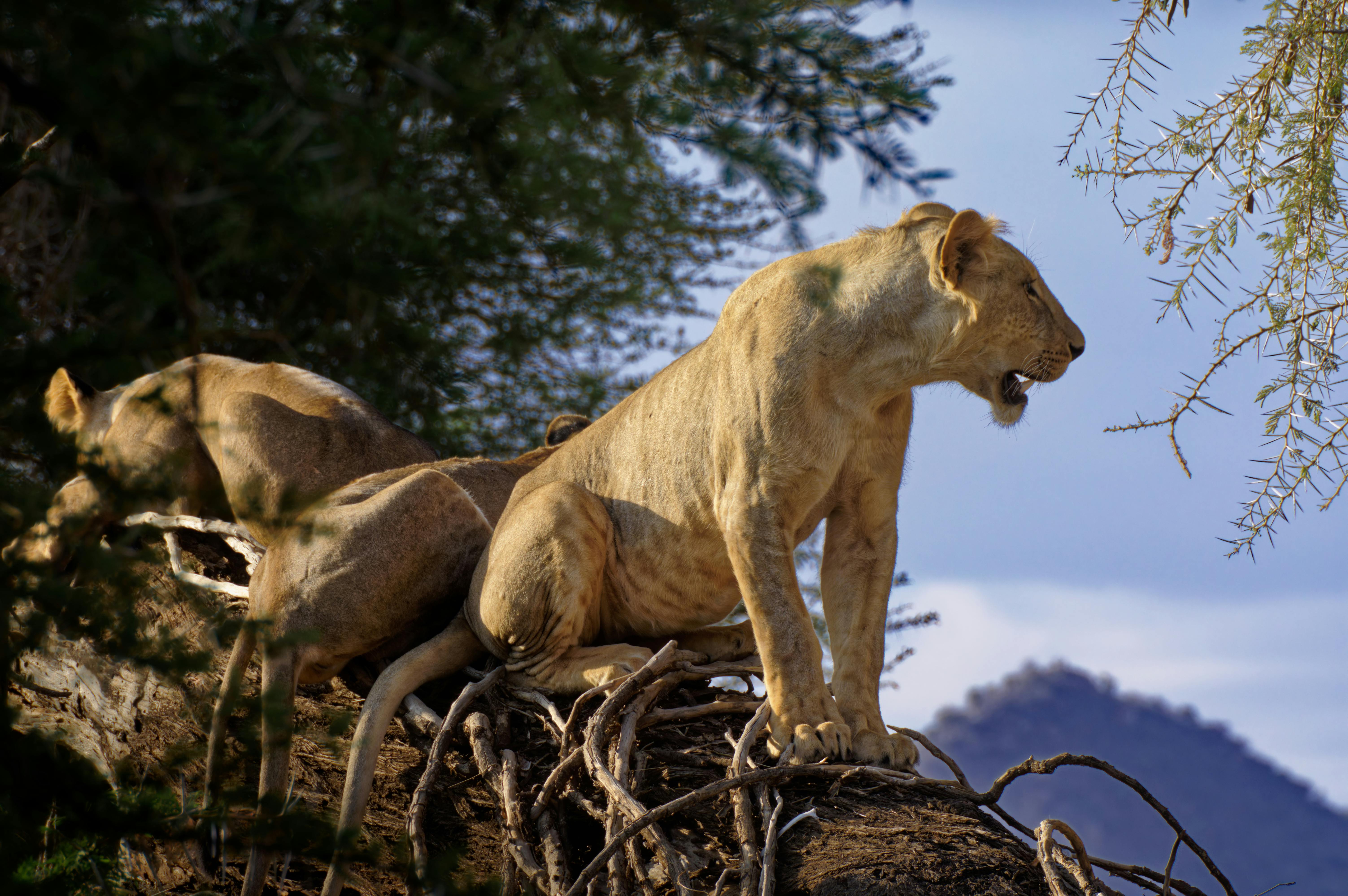
Beyond the Migration, the Masai Mara maintains exceptional year-round wildlife concentrations. It is one of the most reliable places on the African continent to see all members of the Big Five: lion, African elephant, leopard, African buffalo, and rhinoceros. The Mara's open terrain and world-class guide network make close, extended wildlife encounters the norm rather than the exception.
|
Best time to visit |
July – October (Great Migration); January – March (green season, newborns) |
|
Wildlife highlights |
Big Five, cheetah, hyena, wild dog, over 470 bird species |
|
Ecosystem type |
Open savannah grassland, riverine forest, Mara River wetlands |
|
Ideal for |
First-time safari visitors, wildlife photographers, luxury travellers, couples |
Learn more: Masai Mara National Reserve destination guide → | View Masai Mara Safari Packages →
|
2. Amboseli National Park |
Southern Kenya · 392 km² · Elephants & Mount Kilimanjaro · Africa's Most Iconic Safari View
Amboseli National Park offers what many argue is Africa's most photogenic safari experience: free-roaming elephant herds moving through acacia woodland against the snow-capped silhouette of Mount Kilimanjaro — Africa's highest mountain at 5,895 metres — rising dramatically across the Tanzanian border.
The park is fed by underground glacial meltwater filtering down from Kilimanjaro, creating permanent swamps in an otherwise semi-arid landscape. These wetlands attract enormous concentrations of wildlife: hippos, cape buffalo, hundreds of waterbirds, and the park's famous elephant population — some of the largest-tusked and most-studied elephants in Africa. Amboseli's elephants are remarkably relaxed around safari vehicles, allowing intimate, extended encounters.
Amboseli is also surrounded by Maasai community conservancies — Kimana Sanctuary, Elerai, and Selenkay — which extend the wildlife corridor and offer exclusive, off-the-beaten-track game drives away from the main park. The combination of iconic scenery, outstanding elephant viewing, and genuine Maasai cultural engagement makes Amboseli essential on any Kenya safari itinerary.
|
Best time to visit |
June – October and January – February (dry seasons, clearer Kilimanjaro views) |
|
Wildlife highlights |
Large-tusked elephant herds, hippo, lion, cheetah, 400+ bird species |
|
Ecosystem type |
Semi-arid savannah, permanent swamps, acacia woodland |
|
Ideal for |
Wildlife photographers, elephant enthusiasts, families, honeymoon couples |
Learn more: Amboseli National Park destination guide →
|
3. Tsavo East & West National Parks |
Southeast Kenya · 20,812 km² combined · Kenya's Vast Wilderness · Red Elephants · Lava Fields
Together, Tsavo East and Tsavo West National Parks form one of the largest terrestrial protected areas in the world — encompassing over 20,800 km² of diverse, largely undeveloped wilderness. They represent Kenya at its most raw and ancient, offering a genuine big-wilderness experience that contrasts sharply with the more curated parks of the Mara and Amboseli.
Tsavo East is defined by vast semi-arid plains bisected by the life-giving Galana River. Its signature wildlife are the 'red elephants' — large herds that roll in the iron-rich red laterite soil, giving them their distinctive russet colouring. The Lugard Falls gorge and the Yatta Plateau (the world's longest lava flow) add dramatic geological interest. Tsavo West offers more varied terrain: volcanic hills, Mzima Springs (where hippos and crocodiles share crystal-clear underground springs), lush riverine forest, and the Ngulia Rhino Sanctuary — one of Kenya's most important black rhino strongholds.
For travellers who value space, solitude, and an authentic wilderness atmosphere over high visitor density, Tsavo is an outstanding choice. Self-drive is popular here, and the park's network of tracks rewards explorers willing to venture beyond the main circuits.
|
Best time to visit |
June – October and January – March (dry seasons) |
|
Wildlife highlights |
Red elephants, lion, leopard, buffalo, black rhino, crocodile, 600+ bird species |
|
Ecosystem type |
Semi-arid savannah, volcanic terrain, riverine forest, Galana & Athi Rivers |
|
Ideal for |
Adventure travellers, self-drive enthusiasts, those seeking uncrowded wilderness |
Learn more: Tsavo East & West National Parks destination guide → | Tsavo West destination guide → | View Tsavo East Safari Packages →
|
4. Lake Nakuru National Park |
Rift Valley, Kenya · 188 km² · Flamingos · Black & White Rhino · Rift Valley Jewel
Lake Nakuru National Park is one of Kenya's most accessible yet most dramatically scenic parks, set within the Great Rift Valley around the alkaline soda lake of the same name. The lake's algae-rich waters have historically attracted millions of lesser and greater flamingos, turning its shores a vivid, almost surreal pink — an image that has appeared in natural history documentaries worldwide.
Beyond its flamingo fame, Nakuru is a critically important sanctuary for both black and white rhinoceros — Kenya Wildlife Service has established a protected rhino population here, making it one of Kenya's most reliable parks for rhino sightings. The park also supports Rothschild's giraffe (one of the world's most endangered giraffe subspecies), lion, leopard, cape buffalo, colobus monkey, and waterbuck in its acacia and euphorbia woodland zones.
Lake Nakuru pairs naturally with Ol Pejeta Conservancy or the Aberdare National Park as part of a Kenya highlands circuit, and its compact size (easily covered in a half-day) makes it an efficient addition to almost any Kenya safari itinerary.
|
Best time to visit |
June – September and January – February; flamingos present year-round |
|
Wildlife highlights |
Black and white rhino, flamingos, Rothschild's giraffe, lion, leopard, colobus monkey |
|
Ecosystem type |
Alkaline soda lake, acacia woodland, euphorbia forest, open grassland |
|
Ideal for |
Birdwatchers, rhino enthusiasts, short-break travellers, highlands circuit itineraries |
Learn more: Lake Nakuru National Park destination guide →
|
5. Samburu National Reserve |
Northern Kenya · 165 km² · Northern Specials · Grevy's Zebra · Unique Northern Kenya Wildlife
Samburu National Reserve sits in Kenya's semi-arid north, along the banks of the Ewaso Ng'iro River, and offers a safari experience unlike anything found in Kenya's southern parks. The reserve is most celebrated for the 'Samburu Special Five' — a group of species found nowhere else on the classic Kenya safari circuit: the Grevy's zebra (the world's largest and most endangered zebra species), the reticulated giraffe (the tallest giraffe subspecies), the beisa oryx, the Somali ostrich, and the gerenuk (a long-necked gazelle that feeds standing on its hind legs).
Beyond the Special Five, the riverine woodland along the Ewaso Ng'iro sustains impressive concentrations of elephant, lion, leopard, cheetah, and crocodile. The Samburu, Buffalo Springs, and Shaba reserves are often explored together, providing a rich mosaic of habitats across the northern plains. The dramatic landscape — termite mounds, doum palms, dry riverbeds flanked by grey-green thornbush — feels like a different Kenya entirely.
The cultural dimension is equally compelling: the Samburu people, with their vibrant ochre and bead adornments, maintain a living pastoral culture that complements the wildlife experience. Many camps run cultural village visits and guided walks with Samburu warriors.
|
Best time to visit |
June – September and January – March (wildlife concentrates along the river in dry season) |
|
Wildlife highlights |
Samburu Special Five, elephant, lion, leopard, cheetah, over 350 bird species |
|
Ecosystem type |
Semi-arid savannah, doum palm riverine woodland, dry riverbeds |
|
Ideal for |
Experienced safari-goers, rare-species enthusiasts, photographers, cultural travellers |
Learn more: Samburu National Reserve destination guide →
|
6. Ol Pejeta Conservancy |
Laikipia, Central Kenya · 364 km² · Rhino Sanctuary · Conservation Leader · Chimpanzee Rescue
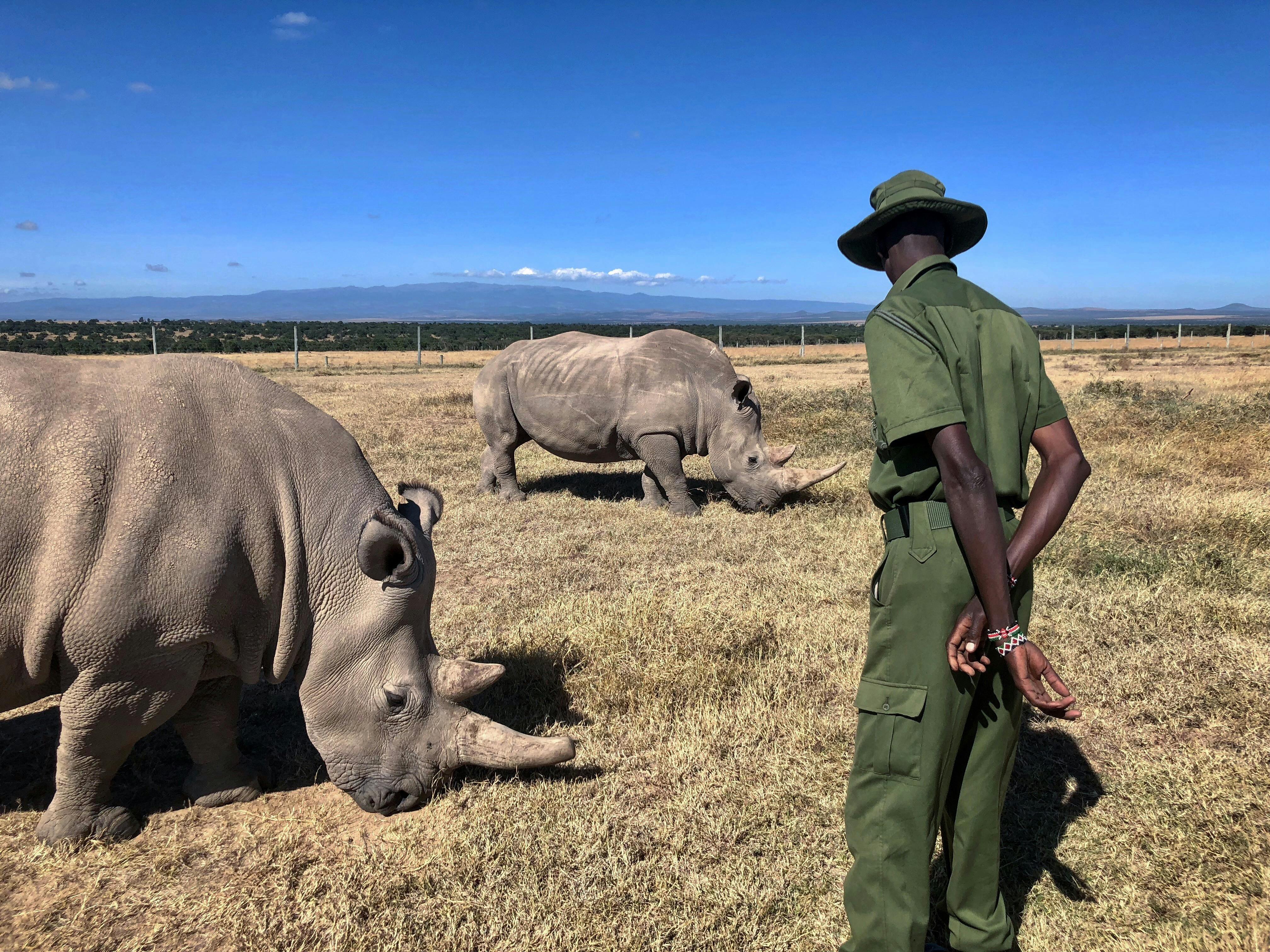
Ol Pejeta Conservancy is Kenya's leading private wildlife conservancy and a global benchmark for conservation-led safari tourism. Located on the fertile Laikipia Plateau at the foot of Mount Kenya, it is East Africa's largest black rhino sanctuary and the former home of the world's last two northern white rhinos — Sudan, who died in 2018, and his daughter and granddaughter who remain under 24-hour armed guard at the conservancy today.
Beyond rhinos, Ol Pejeta protects an exceptional diversity of wildlife across open plains, acacia woodland, and rocky kopjes: lion, leopard, cheetah, spotted hyena, African wild dog, elephant, buffalo, Grevy's zebra, and Jackson's hartebeest. It is also the only place in Kenya where you can encounter rescued chimpanzees from Central and West Africa — housed in a spacious sanctuary operated by the Jane Goodall Institute.
Ol Pejeta's conservation revenue model, which channels a significant portion of tourism income directly into community development and anti-poaching operations, has become a template for responsible safari business across Africa. Night game drives, off-road driving, guided bush walks, and rhino trekking are all permitted, providing a depth of experience impossible in a national park.
|
Best time to visit |
June – September and January – February |
|
Wildlife highlights |
Black rhino, lion, cheetah, wild dog, elephant, chimpanzee sanctuary |
|
Ecosystem type |
Open plains, acacia woodland, rocky kopjes, Mount Kenya foothills |
|
Ideal for |
Conservation-focused travellers, families, repeat safari-goers, rhino seekers |
Learn more: Ol Pejeta Conservancy destination guide → | View Ol Pejeta Safari Packages →
|
7. Meru National Park |
Central Kenya · 870 km² · Born Free Wilderness · Untouched & Biodiverse
Meru National Park is one of Kenya's best-kept secrets — a lush, river-fed wilderness in central Kenya made world-famous by Joy and George Adamson's true story of Elsa the lioness, immortalised in the 1966 film and book Born Free. Elsa's grave still lies in the park, maintained as a point of quiet pilgrimage for wildlife lovers.
Fed by 15 rivers draining Mount Kenya's southern slopes, Meru is unusually green and water-rich compared to most Kenyan parks. Its extraordinary biodiversity includes elephant, black and white rhino, lion, leopard, cheetah, African wild dog, hippo, buffalo, reticulated giraffe, Grevy's zebra, and over 300 bird species. The Tana River, which forms the park's southern boundary, adds dramatic riverine scenery.
After a difficult period of poaching in the 1980s and 1990s, Meru has been comprehensively rehabilitated through a joint effort between Kenya Wildlife Service and private conservation partners. Today it receives far fewer visitors than equivalent parks, offering a genuine sense of discovery and solitude that is increasingly rare in East African safari tourism.
|
Best time to visit |
June – October and January – March |
|
Wildlife highlights |
Big Five, cheetah, wild dog, reticulated giraffe, Grevy's zebra, 300+ bird species |
|
Ecosystem type |
Riverine forest, open grassland, bush, swamps; bordered by Tana River |
|
Ideal for |
Wildlife purists, birders, Born Free enthusiasts, travellers seeking solitude |
Learn more: Meru National Park destination guide →
|
8. Nairobi National Park |
Nairobi, Kenya · 117 km² · Wildlife on the City Skyline · World's Only Urban National Park
Nairobi National Park is one of Africa's most extraordinary wildlife experiences: a fully fenced national park just 7 kilometres from Nairobi's central business district, where lion, rhinoceros, cheetah, giraffe, cape buffalo, hippo, and hundreds of bird species roam freely against a backdrop of skyscrapers and city lights.
It is the world's only national park within the borders of a national capital — a fact that continues to astonish first-time visitors. Early-morning game drives in particular offer remarkable photographic opportunities: predators active in golden light with the Nairobi skyline shimmering in the distance. The park is also home to the David Sheldrick Wildlife Trust elephant orphanage (adjacent to the main gate), where rescued infant elephants are raised before eventual reintegration into the wild — a must-visit for families and conservation supporters alike.
Nairobi National Park works exceptionally well as a half-day addition at the start or end of any Kenya safari itinerary, allowing travellers to experience genuine African wildlife without the need for a long drive to more remote parks.
|
Best time to visit |
June – September (dry season, best game viewing concentration) |
|
Wildlife highlights |
Rhinoceros, lion, cheetah, giraffe, buffalo, hippo, 400+ bird species |
|
Ecosystem type |
Open grassland, highland forest, riverine bush, seasonal wetlands |
|
Ideal for |
Short-stay visitors, business travellers, families, overnight Nairobi stopovers |
Learn more: Nairobi National Park destination guide →
|
9. Aberdare National Park |
Central Highlands, Kenya · 766 km² · Highland Forest Safari · Night Game-Viewing · Royal History
Aberdare National Park offers Kenya's most atmospheric alternative to the classic savannah safari. Set high in the Aberdare mountain range on the eastern edge of the Great Rift Valley, the park encompasses dense Hagenia-Hypericum montane forest, bamboo thickets, open moorland, and dramatic waterfalls — all above 2,000 metres altitude.
The park is home to a rich cast of highland wildlife: elephant, cape buffalo, leopard, spotted hyena, black and white colobus monkey, waterbuck, bushbuck, giant forest hog, and the elusive bongo antelope — one of Africa's rarest forest antelopes. Two iconic tree lodges — Treetops (where Princess Elizabeth received news of her accession to the British throne in 1952) and The Ark — offer floodlit waterhole game viewing through the night, creating a uniquely intimate wildlife experience that is impossible to replicate in any savannah park.
The Aberdare pairs naturally with Ol Pejeta Conservancy, Lake Nakuru, or Mount Kenya as part of a Kenya highlands circuit. The cooler temperatures and lush scenery provide an excellent contrast to the heat and openness of the Mara or Amboseli.
|
Best time to visit |
January – March and June – September; night viewing year-round from tree lodges |
|
Wildlife highlights |
Elephant, leopard, buffalo, bongo antelope, colobus monkey, 290+ bird species |
|
Ecosystem type |
Montane forest, bamboo thicket, moorland, mountain streams and waterfalls |
|
Ideal for |
Night game-viewing enthusiasts, highland trekkers, birders, history lovers |
Learn more: Aberdare National Park destination guide →
|
10. Laikipia Plateau |
Central Kenya · ~9,500 km² conservancy network · Conservation Pioneer · Walking Safaris · Off-Road Adventures
The Laikipia Plateau is not a single national park but an interconnected network of private ranches, community conservancies, and wildlife corridors spanning roughly 9,500 km² across central Kenya — making it one of the most important wildlife areas in Africa outside a formally gazetted park.
Laikipia protects more black rhino and African wild dog than any comparable area outside a national park in Kenya. Key conservancies — Lewa Wildlife Conservancy (a UNESCO World Heritage Site), Borana, Ol Malo, Mugie, Sosian, and Il Ngwesi — each offer distinct landscapes and experiences, from open lava-rock plains to forested hillsides. All permit activities banned in national parks: off-road driving, guided walking safaris, camel safaris, mountain biking, night game drives, and fly camping.
The wildlife is exceptional: Grevy's zebra, reticulated giraffe, beisa oryx, lion, cheetah, wild dog, leopard, black rhino, and large elephant herds moving between Mount Kenya and the northern frontier. Visitor numbers are deliberately kept low, ensuring an exclusive, unhurried pace that defines Laikipia's singular appeal to experienced safari travellers.
|
Best time to visit |
June – October and January – March; accessible year-round |
|
Wildlife highlights |
Black rhino, wild dog, Grevy's zebra, reticulated giraffe, lion, cheetah, elephant |
|
Ecosystem type |
Open plains, lava rock, acacia woodland, forested conservancy hillsides |
|
Ideal for |
Experienced safari-goers, conservation advocates, walking/activity safari enthusiasts |
Learn more: Laikipia Plateau destination guide →
Choosing Your Kenya Safari Parks Itinerary
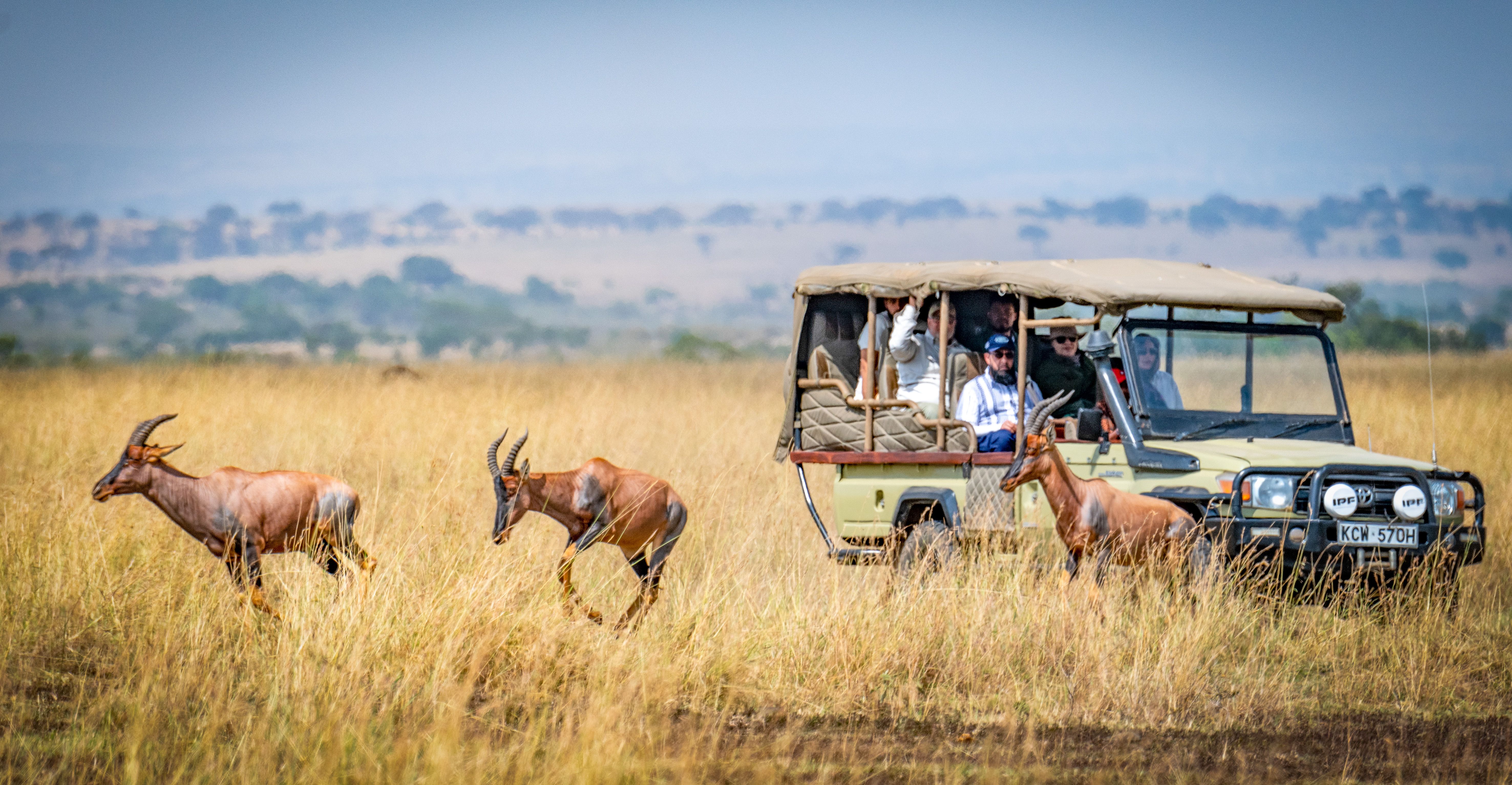
Kenya's safari parks are not interchangeable — and the best itinerary is one that has been matched carefully to your specific interests, travel dates, and the wildlife experiences that matter most to you. The ten parks and conservancies above represent radically different landscapes, ecosystems, and safari styles. Understanding those differences is the starting point for planning a truly exceptional Kenya journey.
For first-time visitors, a classic Masai Mara and Amboseli combination delivers the two most iconic Kenya safari experiences in an efficient 7–8 day itinerary. For those returning to Kenya or seeking something beyond the classic circuit, combining Samburu, Ol Pejeta Conservancy, and the Laikipia Plateau opens an entirely different side of the country — rarer species, fewer crowds, and a deeper conservation narrative.
Whatever combination you choose, align your travel dates with Kenya's dry seasons (June to October, January to March) for optimal game viewing conditions. Budget and luxury options exist across all parks — but the quality of your guide and the care of your itinerary planning will ultimately determine the quality of your experience
Browse our full range of East Africa safari packages or schedule a free consultation with one of our Kenya safari specialists to begin building your custom itinerary.
|
Ready to plan your Kenya safari? Get a free quote from Beyond the Plains Safaris → | Schedule a consultation → |
Frequently Asked Questions: Kenya Safari Parks
The following questions are commonly searched by travellers planning a Kenya safari. These answers are structured to provide clear, factual responses optimised for search engine featured snippets and AI-generated answers.
Q: Which Kenya safari park has the Big Five?
Several Kenya parks offer reliable Big Five (lion, elephant, leopard, buffalo, and rhino) sightings. Masai Mara is the most consistent year-round, with exceptional lion and leopard density. Ol Pejeta Conservancy, Tsavo East, Tsavo West, Lake Nakuru, Meru, and Nairobi National Park also protect all five species. Amboseli has the full Big Five but rhino sightings require specific guided walks into the swamp areas.
Q: What is the best time to visit Kenya for a safari?
Kenya's two primary dry seasons — June to October and January to March — offer the best wildlife viewing conditions, as animals concentrate around water sources and vegetation is less dense. The Great Migration river crossings at Masai Mara peak between July and September. The green season (April–May and November–December) brings fewer visitors, lower rates, lush scenery, and outstanding birding as migratory species arrive.
Q: Which park is best for first-time safari visitors?
Masai Mara is the definitive first safari choice: outstanding infrastructure, world-class guides, consistently high wildlife densities, and the dramatic spectacle of the Great Migration. Amboseli is also highly recommended for first-timers — particularly those drawn to elephant encounters and the iconic Kilimanjaro backdrop. Both parks offer accommodation across all budget ranges, from classic tented camps to ultra-luxury safari lodges.
Q: Can I combine multiple Kenya safari parks in one trip?
Absolutely — and most well-planned Kenya safari itineraries combine at least two parks. A classic 7–10 day circuit might pair Masai Mara with Amboseli, or Masai Mara with Samburu and Ol Pejeta. Kenya's network of bush airstrips allows efficient park-hopping by light aircraft, with most inter-park flights taking under 90 minutes. Beyond the Plains Safaris specialises in custom multi-park itineraries tailored to your specific interests, timeline, and budget.
Q: Where can I see rhinos in Kenya?
Kenya's most reliable rhino destinations are Ol Pejeta Conservancy (the largest black rhino sanctuary in East Africa), Lake Nakuru National Park (protected populations of both black and white rhino), Nairobi National Park (regular sightings), Lewa Wildlife Conservancy on the Laikipia Plateau, and Meru National Park (rehabilitated rhino population). Tsavo West's Ngulia Rhino Sanctuary also protects black rhinos but sightings are less predictable.











Comments (0)
Leave a Comment
No comments yet. Be the first to comment!