


The Maasai Mara National Reserve is one of Africa’s most iconic safari destinations and a top choice for travelers seeking authentic wildlife encounters. Located in southwestern Kenya, the reserve forms part of the greater Serengeti–Mara ecosystem, a vast wilderness that supports one of the highest concentrations of wildlife on the continent.
From the thunder of wildebeest river crossings to intimate encounters with lions, cheetahs, and elephants, a Maasai Mara safari offers a raw and unforgettable African experience. This in-depth guide covers when to visit, how much a safari costs, where to stay, and how to plan your trip effectively, helping you make informed decisions and avoid common mistakes.
Why Maasai Mara Is One of the Best Safari Destinations in Africa
What sets the Maasai Mara apart from other African parks is the sheer density and diversity of wildlife combined with open grasslands that allow for exceptional visibility. Unlike forested reserves where animals are harder to spot, the Mara’s rolling savannahs make game viewing easier and more rewarding.
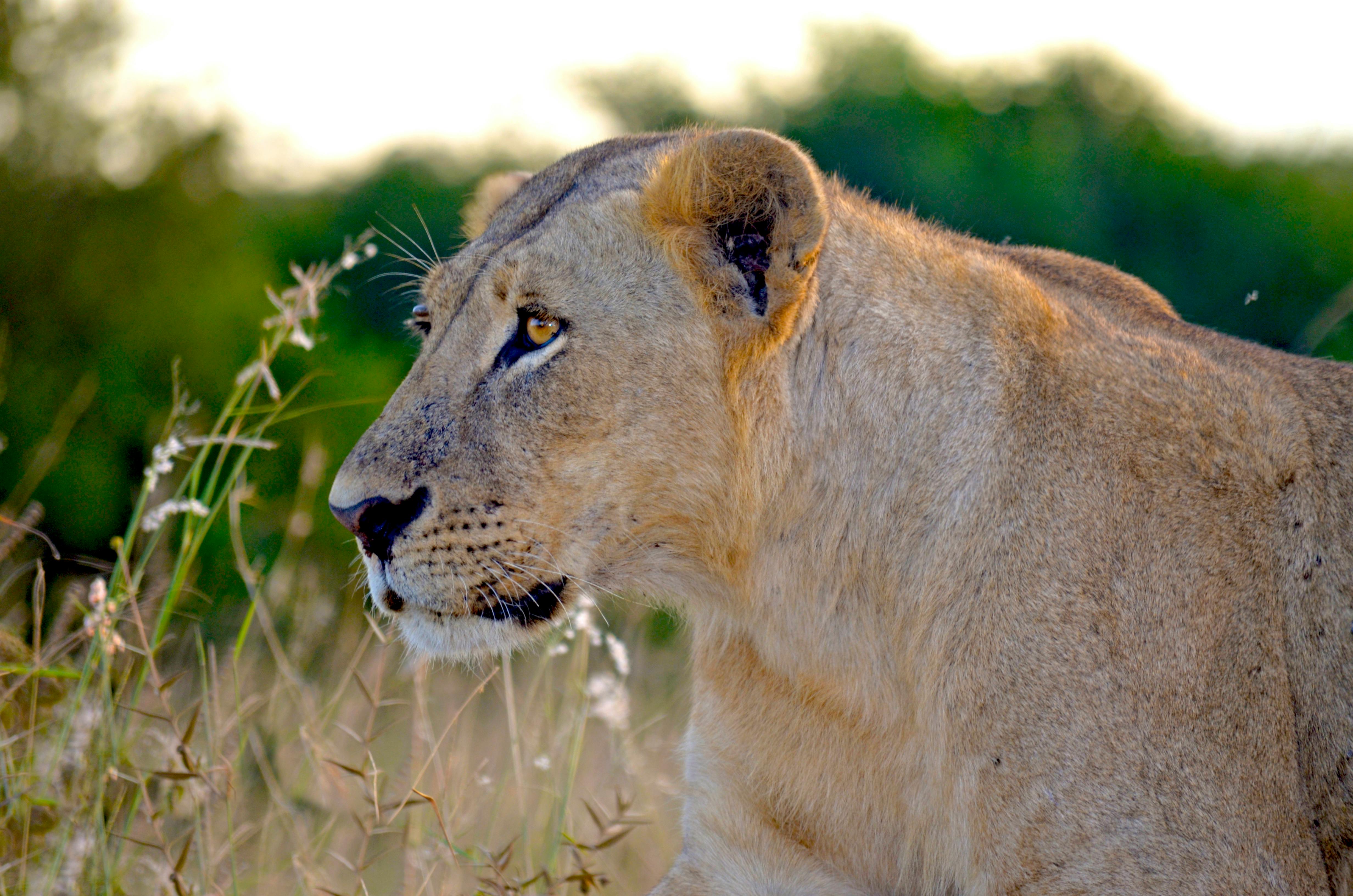
The reserve is globally famous for the Great Wildebeest Migration, but even outside migration season, Maasai Mara delivers year-round sightings of predators and herbivores. Lions are especially abundant here, and sightings of cheetahs hunting in open plains are among the best in Africa.
In addition to wildlife, the Maasai Mara offers a strong cultural dimension. The region is home to the Maasai people, whose traditions, dress, and way of life have remained largely intact for generations. Responsible cultural visits add depth to the safari experience.
Best Time to Visit Maasai Mara for Safari
Choosing the best time to visit the Maasai Mara depends on your priorities—whether you want to witness the migration, avoid crowds, save money, or enjoy lush landscapes.
July to October: Peak Safari Season & Great Migration
The period from July to October is widely considered the best time to go on a Maasai Mara safari. During these months, massive herds of wildebeest and zebras move into the Mara from Tanzania’s Serengeti in search of fresh grazing.
This is when visitors can witness the iconic Mara River crossings, where animals face strong currents and lurking crocodiles. Predator activity is intense, and wildlife sightings are almost guaranteed.
However, this popularity comes at a cost. Lodges are often fully booked months in advance, and prices are at their highest. Vehicle congestion near river crossings can also be an issue during peak weeks.
November to March: Green Season and Excellent Value
From November to March, the Maasai Mara transforms into a lush green landscape following short rains. While the migration herds move south, wildlife remains abundant, and predator sightings continue to be excellent.
This season is ideal for travelers who:
-
Prefer fewer crowds
-
Want better value for money
-
Enjoy birdwatching (migratory birds arrive during this time)
-
Appreciate vibrant landscapes and dramatic skies
January and February are particularly good months, with drier weather and many newborn animals, which attract predators.
April to May: Low Season and Budget-Friendly Safaris
April and May mark the long rainy season. While this period sees fewer tourists, it offers the lowest safari prices of the year. Some camps close temporarily, but those that remain open often provide significant discounts.
Although rain can affect road conditions, wildlife viewing is still possible, and the Mara looks exceptionally beautiful. This season is best suited for experienced travelers who value solitude and cost savings over perfect weather.
Maasai Mara Safari Costs Explained
Safari costs in the Maasai Mara vary widely depending on season, accommodation level, safari style, and duration. Understanding what influences pricing helps avoid unrealistic expectations.
Park Entry Fees
As of recent updates, non-resident park fees are approximately USD 200 per person per day. These fees contribute to conservation efforts and are usually included in organized safari packages.
Average Safari Package Prices
A typical Maasai Mara safari is sold as a package, covering accommodation, meals, game drives, park fees, and a professional guide.
-
Budget safaris generally range from USD 200 to 350 per person per day and use basic camps or lodges.
-
Mid-range safaris cost between USD 350 and 600 per person per day and offer comfortable lodges or well-equipped tented camps.
-
Luxury safaris start from USD 700 and can exceed USD 1,500 per person per day, featuring exclusive locations, private vehicles, and premium services.
Extra Costs to Budget For
Beyond the package price, travelers should consider optional activities such as:
-
Hot air balloon safaris (a premium experience over the Mara plains)
-
Maasai village visits
-
Tips for guides and lodge staff
-
Flights to and from the reserve
Knowing these extras in advance helps prevent budget surprises.
Where to Stay in Maasai Mara: Lodges, Camps & Conservancies
Accommodation choice plays a major role in your safari experience. The Maasai Mara offers everything from simple budget camps to some of Africa’s most luxurious safari lodges.
Staying Inside the Main Reserve
Lodges located inside the Maasai Mara National Reserve provide direct access to prime wildlife areas, especially during migration season. Staying inside reduces travel time to game viewing hotspots.
These accommodations are ideal for travelers who want to maximize time on game drives, particularly during peak wildlife activity hours.
Mara Conservancies: A More Exclusive Experience
Private Mara conservancies border the main reserve and offer a different kind of safari experience. These areas limit the number of vehicles and allow activities not permitted inside the main reserve, such as night game drives and walking safaris.
While conservancy stays are often more expensive, they provide:
-
Fewer crowds
-
More flexible safari schedules
-
Greater conservation impact
Accommodation by Budget Level
Luxury lodges and camps offer spacious tents or suites, fine dining, spa treatments, and personalized service. They are ideal for honeymooners and high-end travelers.
Mid-range camps strike a balance between comfort and affordability, offering en-suite tents, good food, and excellent guiding.
Budget camps focus on basic comfort and wildlife experiences, making them suitable for backpackers and cost-conscious travelers.
Wildlife and Game Viewing in Maasai Mara
The Maasai Mara supports over 95 species of mammals and nearly 500 bird species, making it one of the most biodiverse safari destinations in Africa.
The reserve is especially famous for:
-
Large lion prides
-
Frequent leopard sightings
-
Open-plains cheetah hunts
-
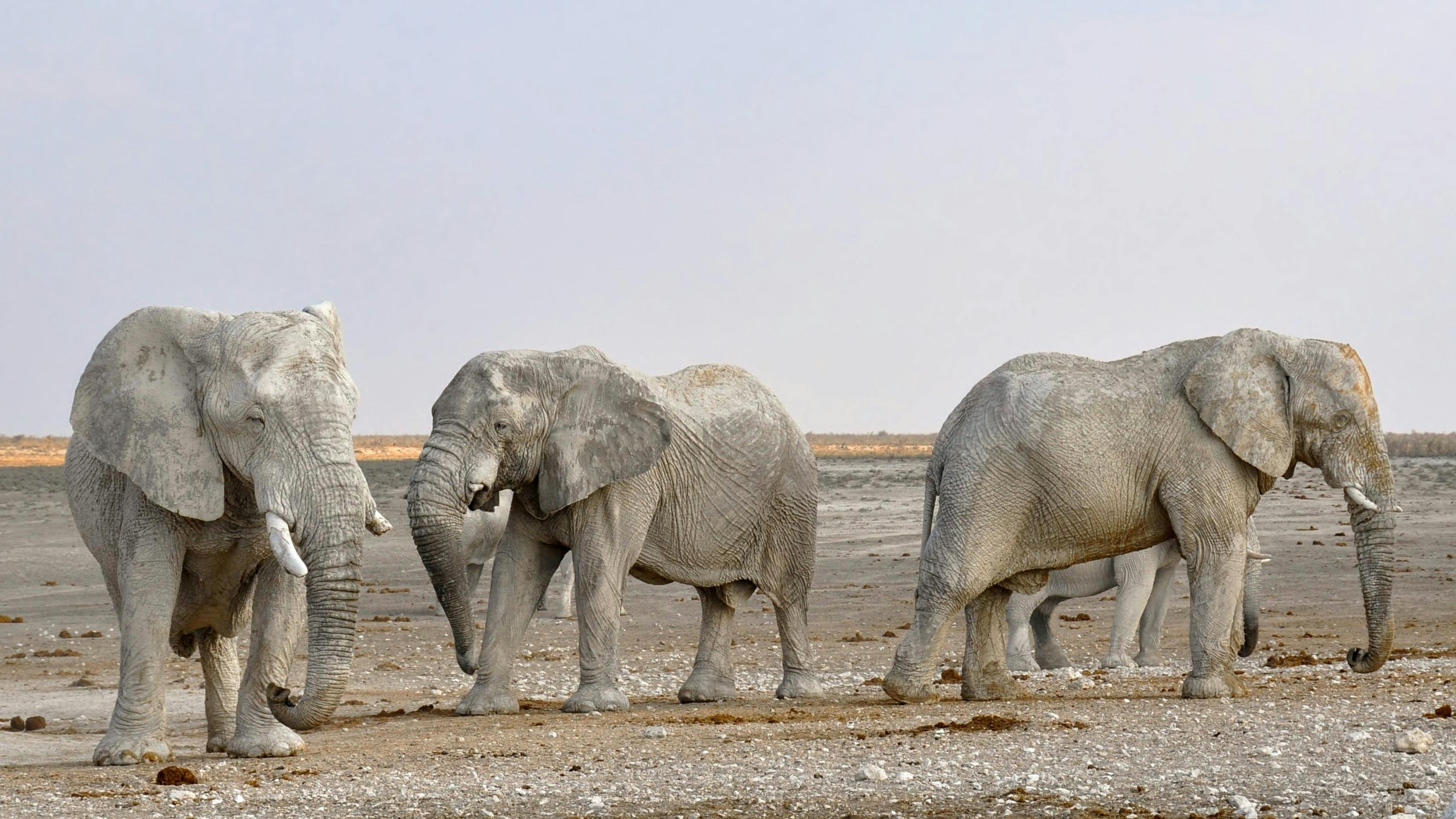
Massive elephant herds
-
Hippos and crocodiles in the Mara River
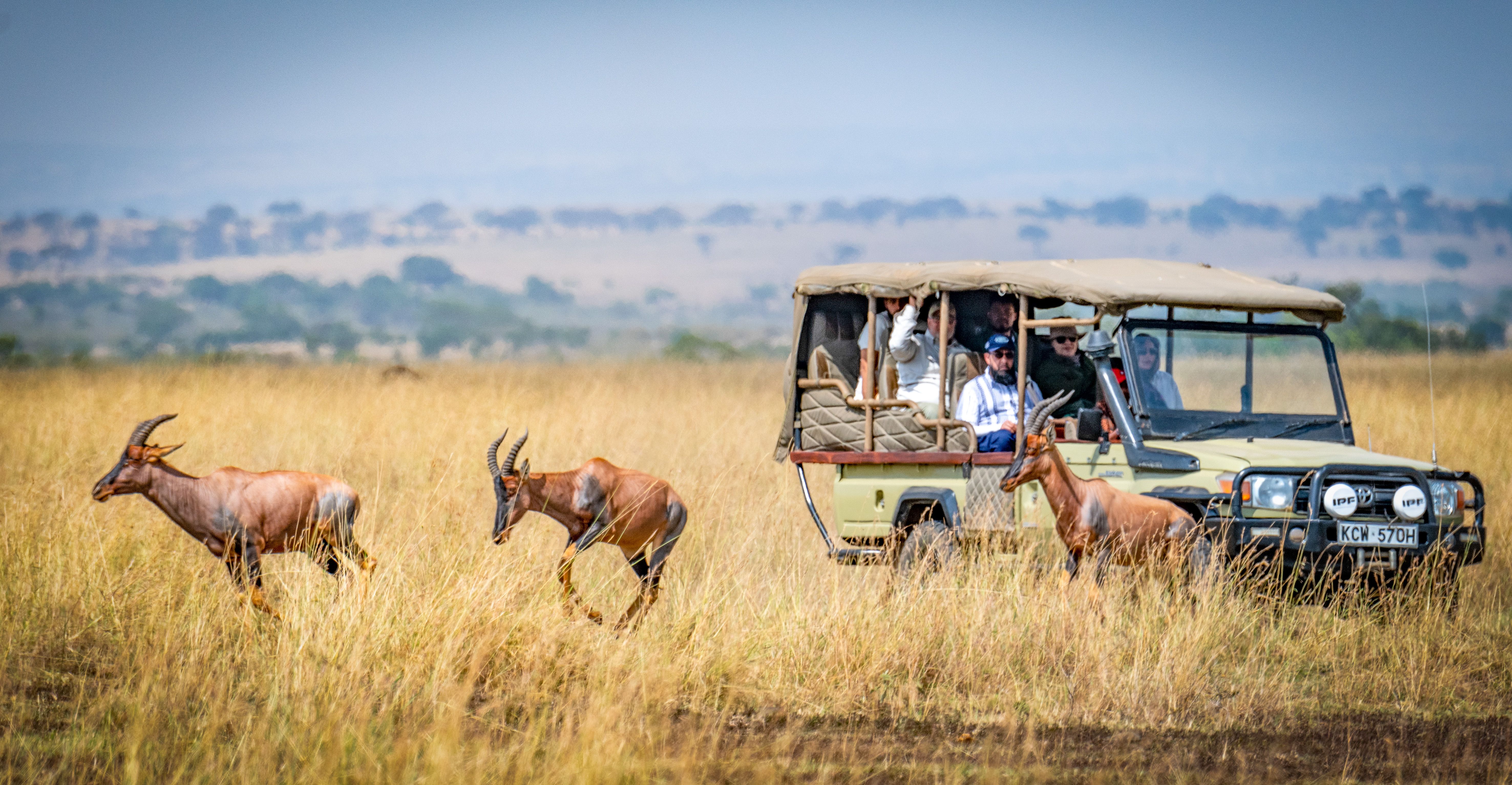
Because of the open terrain, sightings tend to be closer and longer compared to many other parks.
How to Get to Maasai Mara
Travelers can reach the Maasai Mara either by road or air.
By road, the journey from Nairobi takes about five to six hours and offers scenic views of the Great Rift Valley. This option is popular for budget and mid-range safaris.
By air, scheduled and charter flights from Nairobi’s Wilson Airport reach the Mara in about 45 minutes. This is the preferred option for luxury travelers and those with limited time.
Practical Tips for Planning a Maasai Mara Safari
Planning ahead ensures a smooth experience. Booking early is crucial during peak migration months. Choosing an experienced guide significantly improves wildlife sightings, as guides understand animal behavior and movement patterns.
Packing appropriate clothing, respecting wildlife rules, and allowing enough days in the reserve will greatly enhance your safari.
Frequently Asked Questions About Maasai Mara Safari
Is Maasai Mara worth visiting?
Yes. Maasai Mara consistently ranks among the best safari destinations in the world due to its wildlife density and iconic landscapes.
How many days do you need in Maasai Mara?
A stay of 3 to 5 days is ideal for meaningful wildlife experiences without rushing.
Can you see the Big Five in Maasai Mara?
Yes. The Maasai Mara is home to all members of the Big Five, with high chances of sightings.
Final Thoughts
A Maasai Mara safari is not just about seeing animals—it’s about experiencing one of the last great wilderness areas on Earth. With the right timing, accommodation, and planning, your visit can be both deeply enriching and unforgettable.
Whether you’re chasing the Great Migration or seeking a quieter, more affordable safari, the Maasai Mara delivers extraordinary value and unforgettable memories.










Comments (0)
Leave a Comment
No comments yet. Be the first to comment!