
Best Safari in Kenya: Ultimate Guide to Masai Mara, Samburu, Amboseli, Naivasha, Nakuru, and Nairobi
Kenya is synonymous with spectacular wildlife and world-class safaris. From the lush savannas of the Masai Mara to the snow-capped vistas of Mount Kilimanjaro at Amboseli, Kenya offers the best safari experiences in Africa. Its 23 national parks and reserves protect iconic animals – the famous “Big Five” (lion, leopard, rhinoceros, elephant, and Cape buffalo) – plus hundreds of other species and birds. Kenya’s protected areas cover diverse landscapes: savannah plains, wooded mountains, freshwater lakes, and bushland. This variety means travelers can enjoy classic game drives, walking safaris, balloon rides and more against backdrops ranging from pink-flamingo lakes to acacia-dotted plains. Whether you’re watching a lion stalk prey in the tall grass, marveling at the Great Migration of wildebeest and zebras, or spotting giraffes roaming among Lake Naivasha hippos, a Kenya safari is an unforgettable adventure for all ages and interests.
The vast Kenyan savanna teems with wildlife. Safaris in Kenya are world-renowned for sightings of the Big Five – lion, leopard, rhino, elephant and buffalo – as well as huge herds of zebras and wildebeest, especially during the annual Great Migration (June–October). In fact, Kenya has set aside about a quarter of its land for wildlife, with 23 national parks. Each park is unique: from the open grasslands of Maasai Mara to the riverine forests of Samburu and the lakes of the Great Rift Valley. Modern safari lodges, many built to eco-friendly standards, welcome visitors with luxe tents, hearty meals and expert guides. In short, a Kenya safari combines stunning scenery, rich wildlife, and top-notch accommodation into an experience few other countries can match.
What Makes a Safari in Kenya Unique
Kenya safaris stand out for their incredible diversity and authenticity. Not only is Kenya home to all of Africa’s Big Five, but its landscapes range from dry northern reserves to lush coastal forests to snow-capped highlands. For example, Lake Nakuru’s alkaline shores attract millions of flamingos, a spectacle found nowhere else. The Maasai Mara and Northern parks offer uninterrupted views of migrating herds, while a Nairobi safari lets you see wildlife with a city skyline in the background. Beyond scenery and animals, Kenyan safaris often include cultural experiences: you may visit Maasai or Samburu villages, chat with local warriors and learn how they co-exist with wildlife.
Key features that make Kenyan safaris special include:
- Great Migration: Each year, over a million wildebeest, zebra and other herbivores surge through the Mara-Serengeti ecosystem (June–October). Witnessing river crossings is a bucket-list wildlife encounter.
- Big Five & More: Kenya’s parks protect lions, elephants, rhinos, leopards and buffalo, plus cheetahs, giraffes, hippos and unique species like the gerenuk and Grevy’s zebra in Samburu.
- Unique Wildlife: In northern Kenya’s Samburu, you can see the so-called “Samburu Special Five” – reticulated giraffe, Grevy’s zebra, beisa oryx, gerenuk and Somali ostrich – alongside more common game.
- Scenic Spectacles: Mount Kilimanjaro rises above Amboseli’s plains, giving photographers iconic elephant-and-mountain vistas. The Great Rift Valley’s lakes (Nakuru, Naivasha, Bogoria) host thousands of pink flamingos and hippos.
- Safari Activities: In Kenya you can do every safari activity imaginable: game drives in 4×4 vehicles, guided bush walks, hot-air balloon flights over the savanna, night drives (in Nairobi NP), horseback safaris, boat trips on freshwater lakes, and even camel safaris or mountain trekking.
- Luxury and Comfort: Kenya offers luxury safari options from upscale tented camps to private villas. Many lodges in the Mara, Amboseli and Laikipia are solar-powered and blend into nature. Gourmets will enjoy fusion cuisine under the stars and spa treatments after a day on safari.
- Conservation & Culture: Kenyan safaris often involve community-run conservancies and outreach projects. For instance, special lodges let guests meet conservationists and support wildlife protection. Visitors can buy locally made crafts (like Maasai beadwork) to benefit tribes living near the parks.
- Accessibility: Kenya’s tourism infrastructure is strong. Regular domestic flights connect parks, roads are improving, and Nairobi’s international airport is a hub. Many lodges even have small airstrips for direct transfers.
In short, a safari in Kenya is not just a game drive – it’s a rich mix of wildlife, culture, and adventure. You’ll leave with memories of lions roaring at dawn, elephants splashing in waterholes, Maasai warriors sharing stories, and rainbows over African grasslands.
Masai Mara Safari: Wildlife, Migration, Best Time & Lodges
The Masai Mara National Reserve (often just “Mara”) is Kenya’s most famous safari destination. Bordering Tanzania’s Serengeti, it is renowned for its dense wildlife and the Great Migration. From July through October, vast herds of wildebeest, zebra and gazelles arrive from the Serengeti, culminating in dramatic river crossings (note: plan for crowds and book early, as prices rise during peak season).
Masai Mara safari highlights:
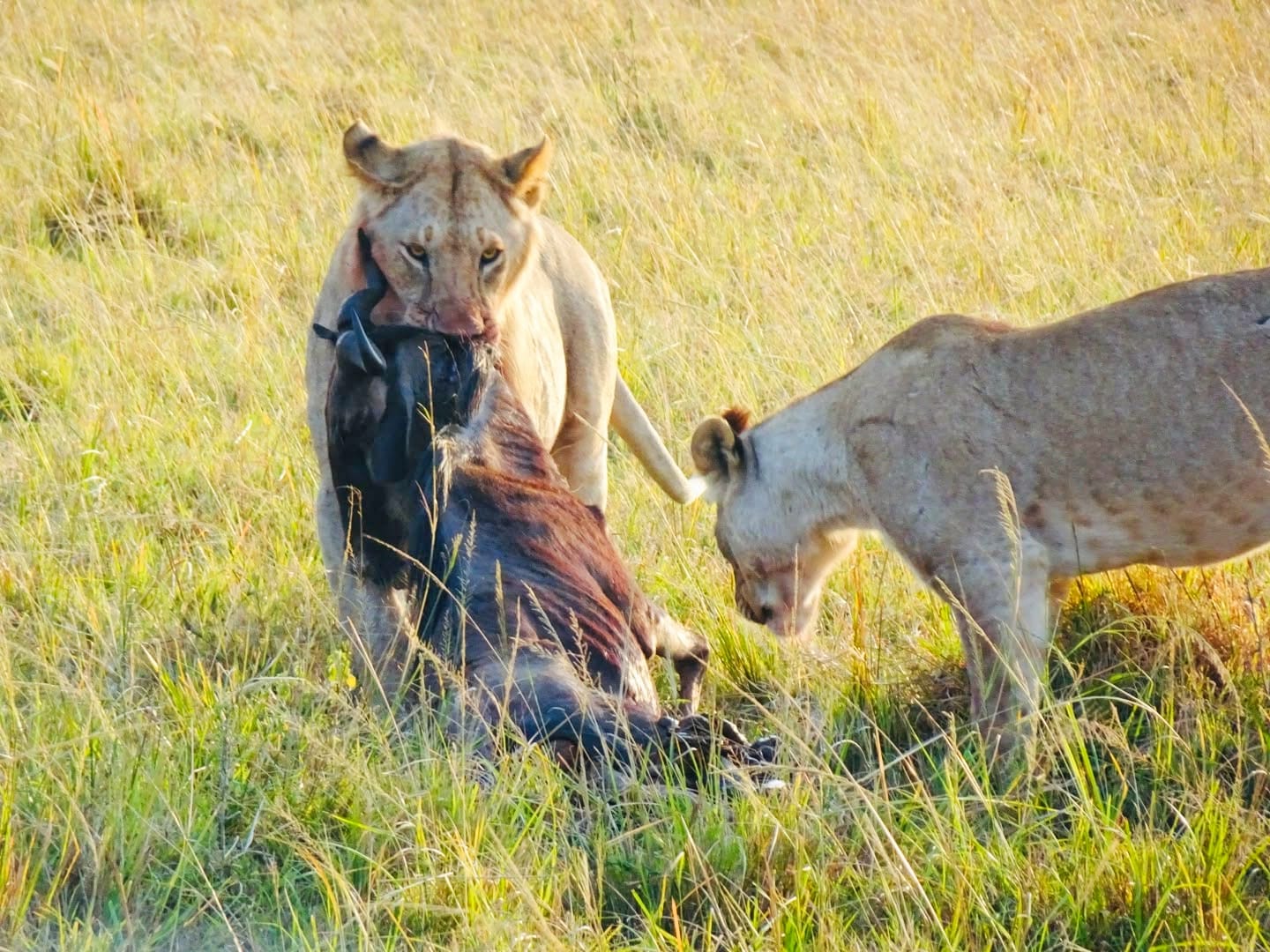
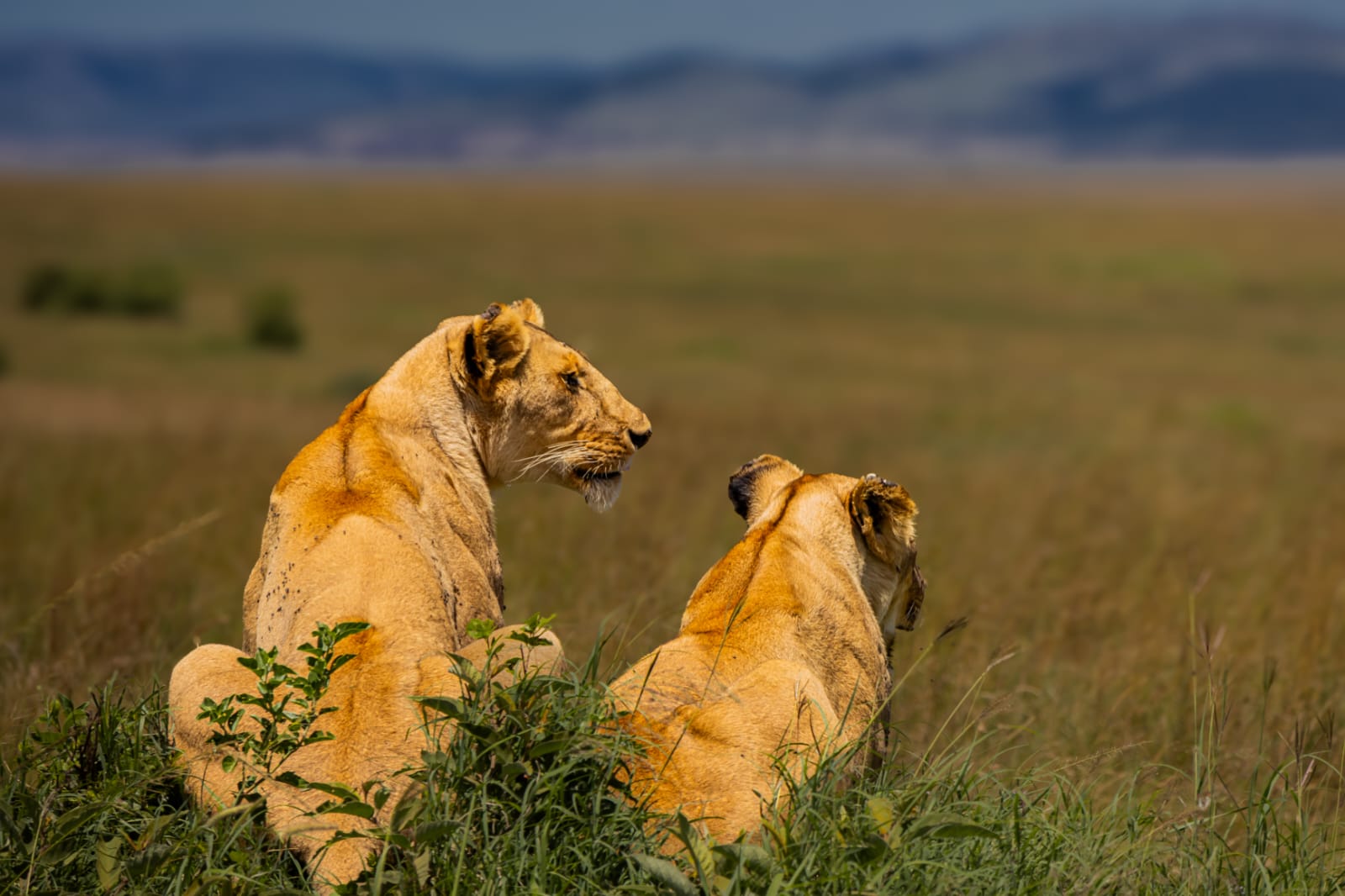
- Wildlife: Expect to see lion prides, leopards, cheetahs, elephants, hippos, crocodiles, buffaloes and countless antelopes. Birdlife is prolific, from secretary birds to vultures. It’s one of the best places on earth for predator sightings, including rare black-maned lions.
- Great Migration: Between June and October, over a million herbivores sweep into the Mara from Tanzania. The prime time for river crossings is August–September, though wildlife viewing is excellent throughout this period. (If you prefer fewer crowds, visit in June or September-October when visitor numbers taper off.)
- Best Time: Generally, June to October (dry season) offers the most predictable wildlife viewing. The Mara has mild temperatures in the dry season. July–October sees the peak of the migration, while January–February (short dry season) can also be good (animals gather near scarce water). Rainy months (Mar–May) see green landscapes but some roads may be muddy.
- Lodges and Camps: The area around the reserve has dozens of accommodations. Options include mid-range tented lodges (e.g. Mara Serena Safari Lodge, Governor’s Camp) and high-end camps (Angama Mara, Mahali Mzuri, Cottar’s 1920s). For a more exclusive experience, stay in one of the Mara conservancies (private community-run areas) like Olare Motorogi or Naboisho. These have limited bookings and longer game drive routes. For example, Olare Motorogi Conservancy offers camps like Porini Lion Camp and Kicheche Bush Camp – intimate camps with excellent big-cat sightings.
- Activities: The classic safari is a morning and evening game drive in a 4×4. Balloon safaris at dawn are unforgettable (floating over the savanna as the sun rises). Many camps also offer guided bush walks (with armed rangers) and visits to Maasai villages to learn about traditional culture.
- Booking Tips: The Mara fills up well in advance for July–September, so book early. Shoulder seasons (June, late Sept-Oct) have fewer tourists. Safari vehicles are limited by regulations, so it’s not possible to find a private game drive without a driver/guide; tour packages or driver-guided rentals are best.
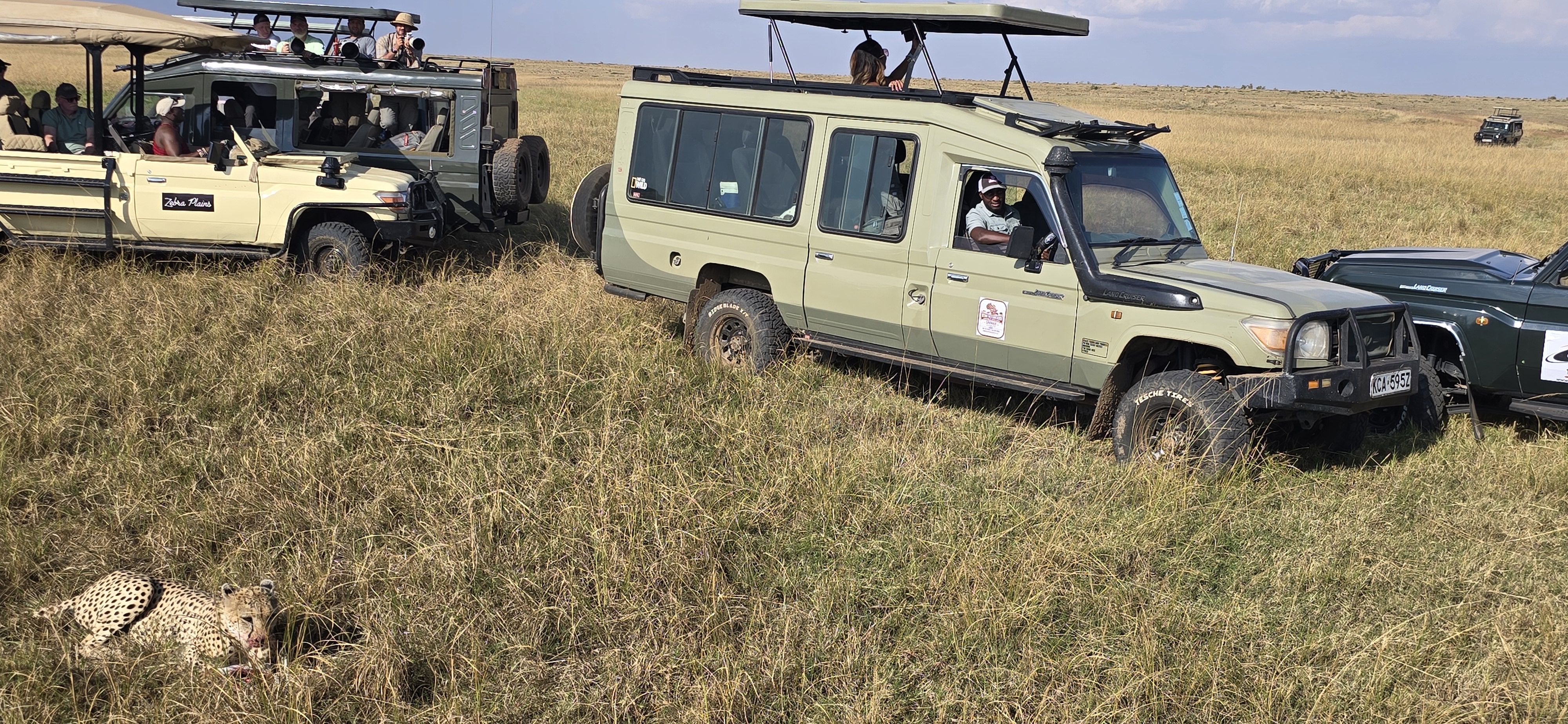
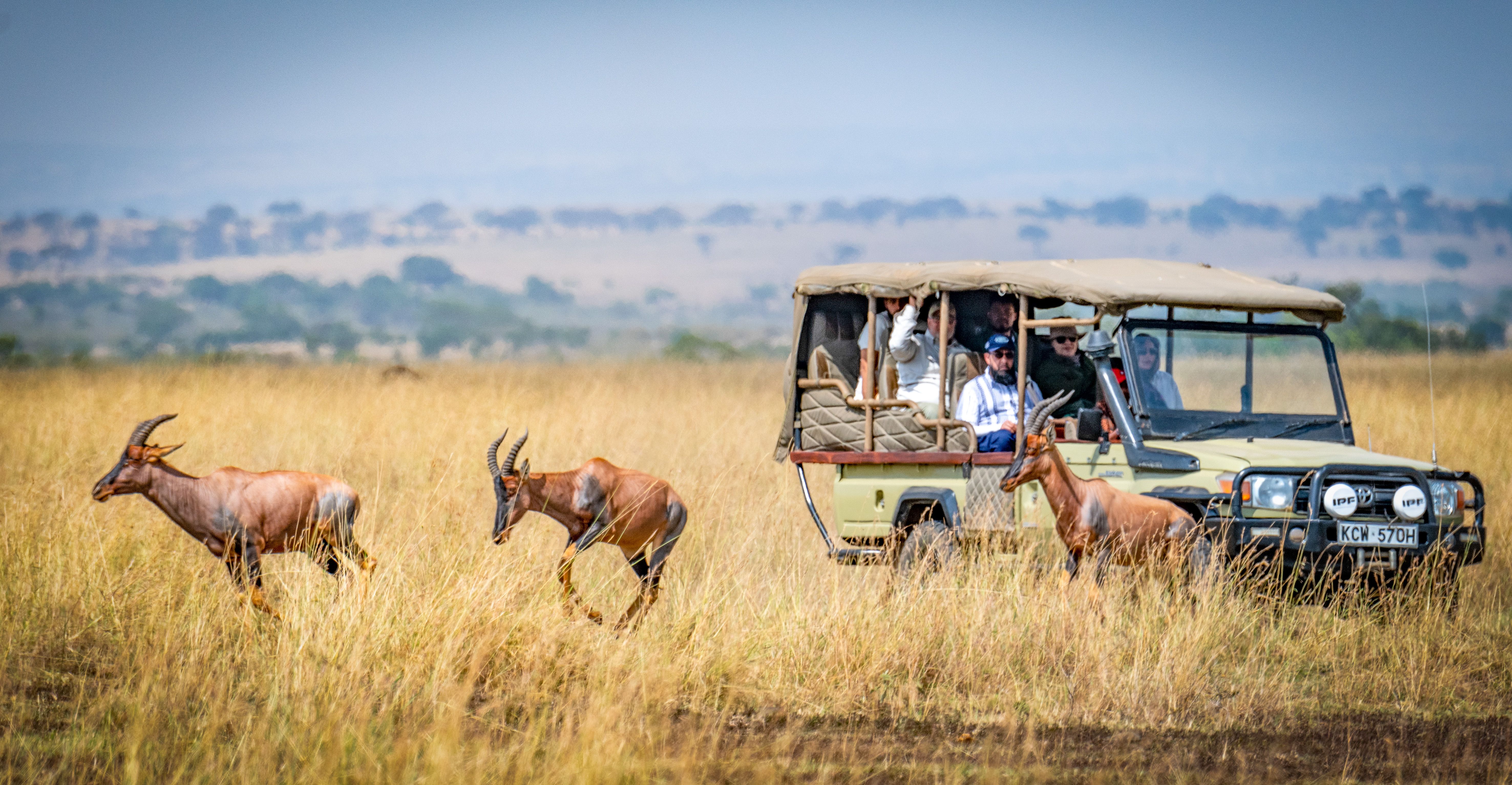
The Masai Mara grasslands are famous for abundant game. Game drives here can reveal large lion prides, elephants and, during migration season, vast herds of wildebeest crossing rivers. Lodges (from luxury tented camps to community-run camps) offer panoramic views and comfortable stays. Wildlife spotting is year-round, but the peak season (July–October) aligns with the Great Migration. Many visitors pair the Mara with other parks (e.g. Samburu or Amboseli) to see Kenya’s full diversity.
Samburu Safari: Unique Species, Culture, Lodges, When to Go
Samburu National Reserve (in northern Kenya) offers a very different safari from the Mara’s savanna. Its dry, arid landscape of acacia and doum palms is home to rare species called the “Samburu Special Five.” These are Grevy’s zebra, reticulated giraffe, gerenuk (a lanky gazelle), Somali ostrich, and beisa oryx. Seeing these unique animals, along with elephants, lions and the usual savanna game, is a highlight of any Samburu safari.
Key points for a Samburu safari:
- Wildlife and Culture: Wildlife densities are lower than in southern parks, but the species mix is unique. You’ll also meet the semi-nomadic Samburu people (cousins of the Maasai). Cultural experiences like visiting a Samburu manyatta (village) or attending the ancient Singing Wells ceremony (neighbors sing while digging water) are possible in the dry season.
- Special Species: Look for Grevy’s zebra (stripier and larger than its plains cousin), reticulated giraffe, the beisa oryx (with striking horns and facial markings), the gerenuk (known as the “giraffe gazelle”), and the Somali ostrich. Samburu also has healthy populations of elephant (800+ elephants nearby), lion and leopard.
- Best Time to Visit: The area has two rainy seasons (long rains Mar–May, short rains Oct–Dec). For game viewing and comfortable travel, go in the dry season – June through September or December to February. The skies are clear (good for stargazing) and animals cluster around water. (NatGeo notes the clearest skies are June–Oct and Dec–Mar, ideal for stars.) Avoid heavy rains (April and late Oct) when some lodges close or charters are cancelled.
- Lodges and Camps: Accommodation ranges from mid-range tented camps to luxury lodges. Elephant Watch Camp is famous for elephants (run by Douglas-Hamilton experts). Sasaab Camp (actually on the edge of Samburu) offers chic, Moroccan-inspired tents with views of the Ewaso Nyiro River. Saruni Samburu (in Kalama Conservancy just north of the reserve) is a spectacular cliff-side camp. For budget travelers, Samburu Intrepids Camp provides basic tenting near the park gate. Community-run camps like Umoja Village Camp offer very affordable stays and local hospitality (part of a women’s co-op).
- Safari Experience: Game drives take you along the Ewaso Nyiro River, which attracts wildlife to its banks. Birdwatching is excellent (270+ species), including Abyssinian ground hornbill and colorful bee-eaters. Some camps offer rhino tracking on foot in neighboring Sera Conservancy (the only place in northern Kenya to see white rhinos up close).
- Travel Tip: Samburu is remote; most travelers fly into Archer’s Post (local airstrip) or fly into Nanyuki and drive 2–3 hours. Many choose a light aircraft charter directly to Samburu. Even though it’s quieter than the Mara, it’s a very rewarding safari, especially for nature lovers who want “off-the-beaten-path” Kenya.
Samburu’s stark beauty and rare animals mean your safari here will be unforgettable. As NatGeo puts it, “Samburu feels more like a well-kept secret, its dramatic terrain and distinct ecosystems like nowhere else in Africa”.
Amboseli Safari: Elephants, Mt. Kilimanjaro Views & Photography
Amboseli National Park is famous as the land of giants – vast herds of big-tusked African elephants – set under Africa’s highest peak, Mount Kilimanjaro. Located on Kenya’s southern border (near Tanzania), Amboseli spans 392 square kilometers of marshes, woodlands and grasslands. It’s one of the smallest parks but offers some of the most striking photo-ops.
Highlights of an Amboseli safari:
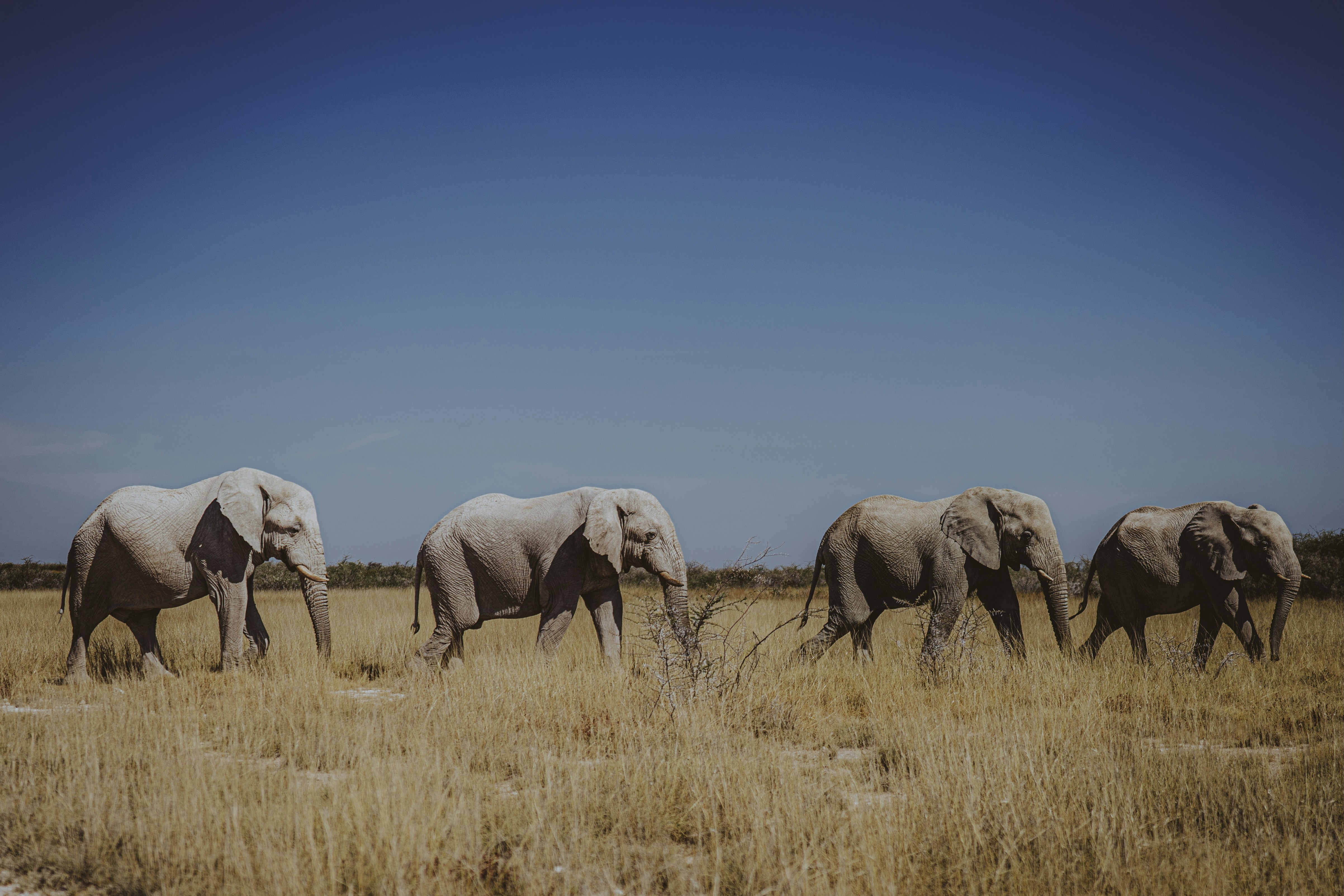
- Elephant Encounters: Amboseli is celebrated for large elephant families that gather in the park’s wetlands and swamps. It’s estimated to have hundreds of elephants (including trophy tuskers). You can often watch them at very close range – feeding, playing and dust-bathing. Their behavior (migrating between swamps and grazing areas) allows repeated sightings.
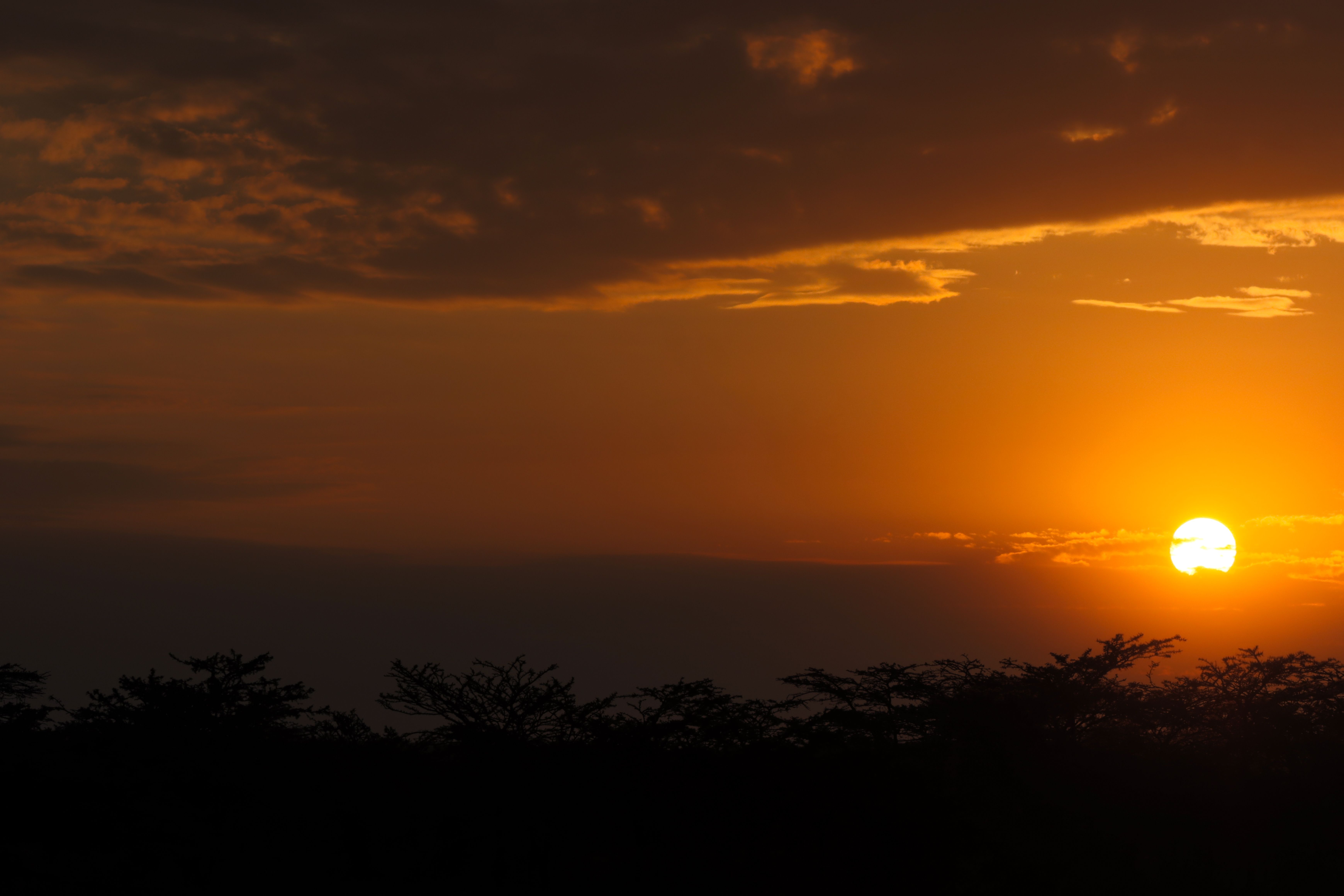
- Mount Kilimanjaro: On clear days, you’ll see Mount Kilimanjaro’s snow-capped summit towering above the plains. This view – elephants silhouetted against the mountain – is iconic. Photographers flock to Amboseli for the golden sunrises and sunsets with Kili as a backdrop.
- Birds and Scenery: Aside from elephants, Amboseli has 400+ bird species. Look for flamingos (on Lake Amboseli when it fills), pelicans, kingfishers and raptors. The varied terrain (lakes, acacia woodland, open plains) creates a classic African vista.
- UNESCO Biosphere Reserve: In 1991 Amboseli was designated a UNESCO Biosphere Reserve, reflecting its unique ecosystem. It’s criss-crossed by seasonal rivers and has springs that keep the marshes watered year-round.
- Best Time to Visit: Amboseli can be visited year-round, but dry season (June–October) yields the clearest views of Kilimanjaro and reliable wildlife sightings. The park is at 900–2400 m elevation, so mornings and evenings can be chilly (take layers). The rains fall Nov–May, making the landscape lush but some dirt roads muddy.
- Lodges and Camps: Top spots include Tortilis Safari Camp and Amboseli Serena Safari Lodge (both with Kili views), and Satao Elerai for luxury tents. Amboseli Elephant Lodge (near SW park gate) also has great wildlife and spa facilities. Many lodges offer open-view elephant-terraces and footbridges for photo viewing.
- Activity: Game drives are the main activity (often morning/evening to avoid midday heat). Some camps offer guided bush walks along the swamp edges (with armed escorts). Amboseli is also near the Southern Highland Maasai communities – you can visit a Maasai boma to learn about traditional life.
A majestic African elephant grazes in Amboseli National Park, with the peak of Mount Kilimanjaro rising behind. Amboseli is world-renowned for its large elephant herds and the dramatic backdrop of Kili. Visitors can enjoy game drives that take them through marshes and open grassland, maximizing the chance to photograph wildlife with the mountain in view. For photographers and wildlife lovers alike, Amboseli offers one of Kenya’s most beautiful safari scenes.
Lake Naivasha: Boat Safari & Crescent Island
Lake Naivasha (part of Hell’s Gate Naivasha ecosystem) is a freshwater lake in the Rift Valley, unique among the alkaline Rift lakes. It’s a popular spot to break up land journeys between Nairobi and the Mara (or to stay a night or two on the way to Mount Longonot). The lake’s calm waters and surrounding acacia woodland provide a lovely counterpoint to the dry savanna parks.
Key aspects of a Naivasha visit:
- Boat Safaris: The highlight is a boat ride on Lake Naivasha. On a calm boat trip you can float among hippos, pelicans and fish eagles, and see countless waterbirds. Guides point out the lake’s unique ecology. Hippopotamuses laze in the shallow waters (be careful!), and you may glimpse shy pythons or the rare bald ibis.
- Crescent Island: After the boat, many tours include a short transfer to Crescent Island Game Sanctuary. This is a fenced island (no predators) where you can walk on foot among giraffes, zebras, impala, and warthogs. It’s a really memorable experience to stroll right up to grazing wildlife.
- Other Wildlife: The thick papyrus and acacia along the lakeshore shelter buffalo, waterbuck and antelope. Rarely, lions or leopards are seen nearby, drawn by water. Over 400 bird species inhabit the area – look for the African fish eagle, herons, storks and 600+ great white pelicans. Lake Naivasha is also near Hell’s Gate NP (gorge walks, biking).
- Best Time: Water levels are highest after the short rains (Oct–Dec). However, the boat rides run year-round. Dry season (June–Sept) usually has fewer mosquitoes. Note that Naivasha can be busy on weekends with Nairobi residents coming for the day, so consider a weekday visit for quiet.
- Lodging: There are many lakeside lodges and camps. Options range from Lake Naivasha Sopa Lodge (family-friendly with boat docks) to Enashipai Resort (spa, horseback riding). For luxury, Crescent Island Lodge and Sauna Lodge provide upscale tented cottages by the water. All offer boat trip bookings and sundowner drinks by the lake.
Lake Naivasha is a peaceful oasis famous for its hippos and birdlife. A typical Kenya safari here includes a guided boat ride on the lake (spotting hippos, fish eagles, giraffes drinking on the shore) followed by a Crescent Island walk. The experience is relaxed and fun – cruise the clear water at sunrise, then set foot on an island wildlife park. Naivasha’s fresh air and scenery make it a great place to unwind between game drives.
Lake Nakuru Safari: Flamingos, Rhinos & Birdlife
Lake Nakuru National Park, in the Rift Valley just 2–3 hours from Nairobi, is famous for two things: its pink flamingos and its rhino sanctuary. This compact park (188 km²) surrounds a shallow soda lake whose algae attract millions of lesser flamingos. The concentrated bird spectacle has earned Nakuru the slogan “the greatest bird spectacle on earth.” (The best viewing point is Baboon Cliff, overlooking the flamingo-filled lake.)
Lake Nakuru highlights:
- Flamingo Spectacle: The alkaline water is ideal for micro-algae, a food source for hundreds of thousands of flamingos (often over a million). Their bright pink wings and landing flocks create a surreal scene. Even if water levels drop, thousands still feed along the shoreline.
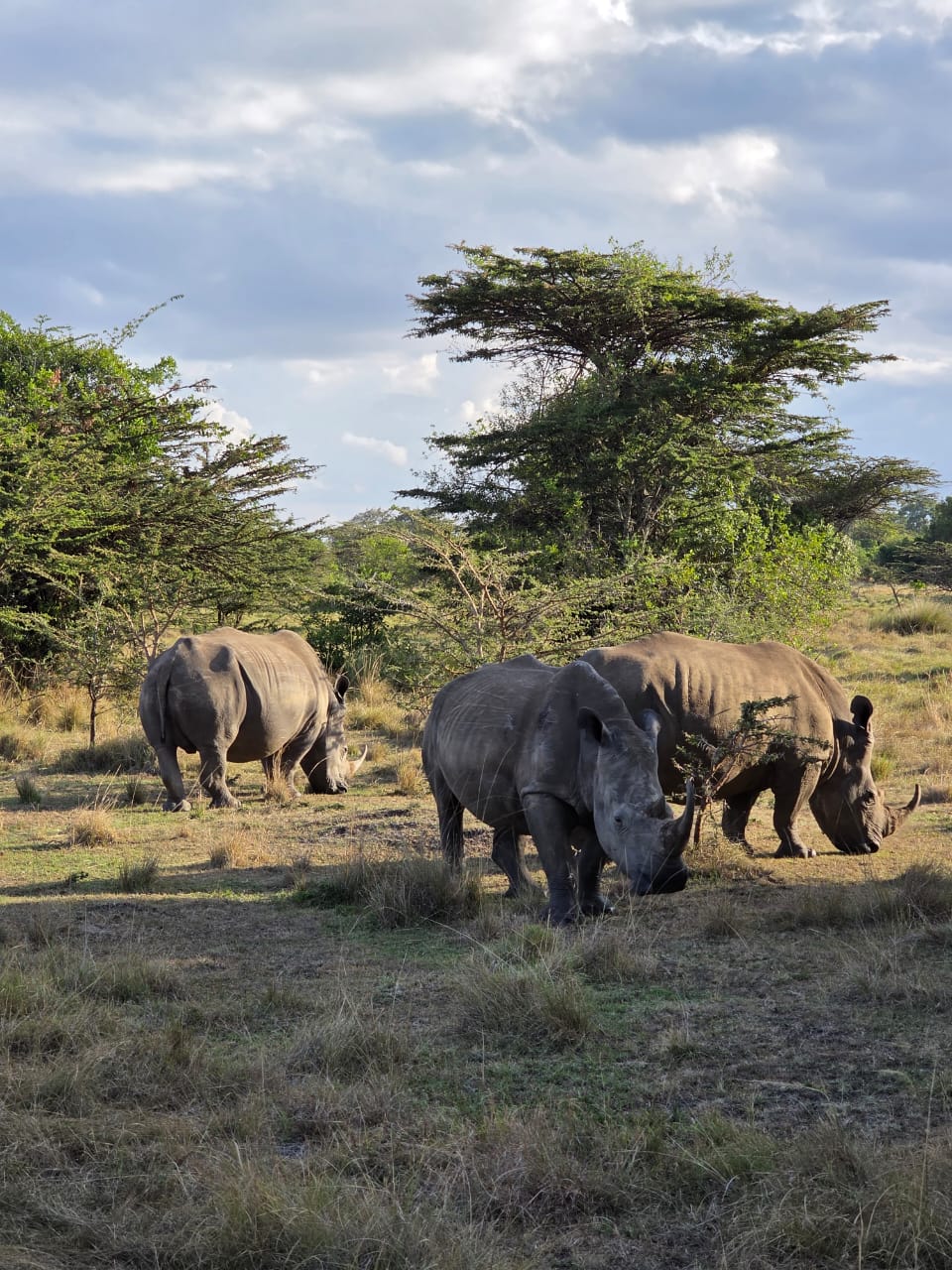
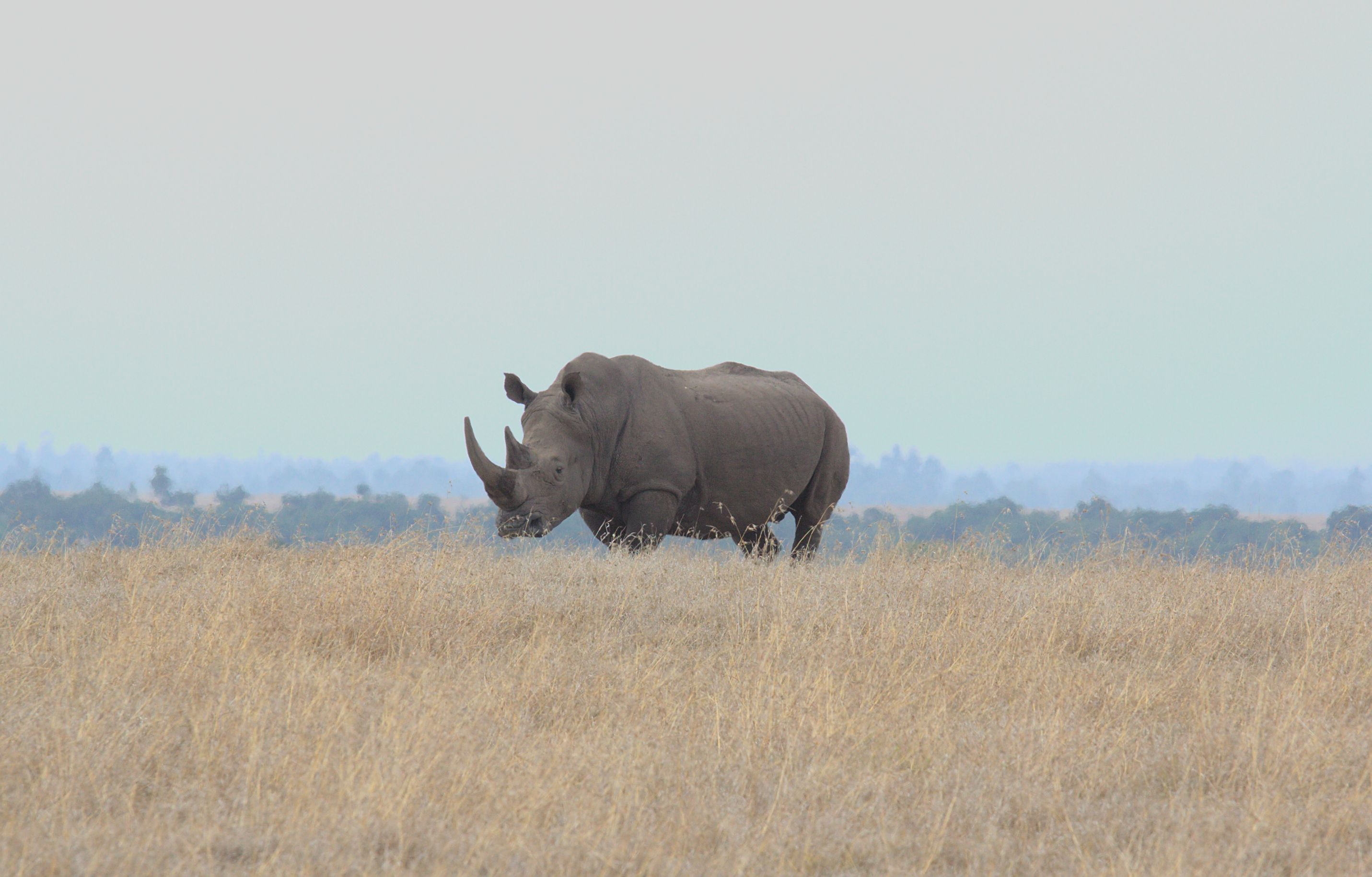
- Rhino Sanctuary: Nakuru protects both black rhinos (~25) and a larger herd of white rhinos (~70). Visitors can often see rhinos grazing near the hillsides. Rhino tracking (with park vehicles) gives a good chance to see these endangered animals safely.
- Other Wildlife: Though smaller than other parks, Nakuru hosts lions, leopards and hyenas. It’s common to see buffalo herds, giraffes, zebra, waterbuck and warthogs. Look for Rothschild’s giraffe at the park entrance area.
- Birdwatching: Over 450 species of birds have been recorded here. Besides flamingos, look for pelicans, kingfishers, and raptors like Verreaux’s eagle. The diverse habitats – lake, swamp, forests – make it a bird-watchers’ paradise.
- Scenery: The park’s landscape is lush and green due to higher rainfall. Rolling hills and rocky outcrops (Makalia, Nyandaru) provide nice viewpoints. The contrast of green acacia woodland with pink lake is photogenic.
- Best Time: Like Naivasha, Nakuru can be visited year-round. The flamingos are present whenever algae bloom (often after rains). Dry season (June–Sept) sees highest visibility of animals. Avoid the height of rains (Mar–May) if road access is a concern.
- Activities: Game drives are the main activity. Also popular are guided walks to the forested Lake Nakuru viewpoint or trips up the extinct Menengai Crater rim nearby. Photo stops at hot springs and baboon lookouts add variety.
Lake Nakuru is a highlight on many Kenya safari itineraries, offering a compact dose of diversity. You’ll marvel at the “sea of pink” flamingos and take pride in contributing to rhino conservation by visiting this park. Day trips from Nairobi are possible, but staying overnight (in Nakuru town or nearby Rift Valley lodges) lets you enjoy sunset on the lake and a morning game drive.
Nairobi Safari: National Park, Elephant Orphanage & Giraffe Centre
Nairobi, Kenya’s bustling capital, surprisingly hosts its own national park right next to the city. Nairobi National Park (just 20 km from downtown) is a unique attraction where you can see real African wildlife with the city skyline as backdrop. A quick morning or afternoon drive here can tick off lions, giraffes, buffaloes, warthogs and a special rhino sanctuary.
Highlights and activities in Nairobi:
- Nairobi National Park Safari: Despite its small size (117 km²), Nairobi NP supports a surprising array of wildlife: black rhinos, lions, leopards, zebras, giraffes and over 400 bird species. The park’s acacia and grassland areas host game similar to larger savanna reserves. It’s common to spot the Nairobi skyline beyond the trees. A typical safari here is a 3–4 hour game drive (often early morning) accompanied by a park guide.
- David Sheldrick Wildlife Trust – Elephant Orphanage: Located next to Nairobi NP, this famous elephant nursery allows you to watch baby elephants being fed and playing in the mud (feeding hour at 11 AM daily). It’s a moving conservation experience (orphaned calves raised until release).
- Giraffe Centre: In Nairobi suburbs, this center is home to endangered Rothschild’s giraffes. Visitors can hand-feed them from raised platforms and learn about giraffe conservation. It’s fun for kids and adults.
- Kenya’s First Safari: Nairobi NP is Kenya’s oldest wildlife sanctuary (established 1946). A drive through it can show off a well-rounded sample of Kenyan wildlife. (Pro tip: drive from Jomo Kenyatta Airport through the park – you might spot rhinos grazing by the road!)
- Cultural Stops: On a city trip to Nairobi, you can also visit the Karen Blixen Museum (Out of Africa author’s home), Kazuri Beads Women’s Cooperative (ceramic bead crafts), and local markets. But these are outside the wildlife context.
- Logistics: Visiting Nairobi NP is easy: it’s open daily with morning and afternoon slots. Entry fees are modest. Guided tours and self-drive safaris are both options.
Visiting Nairobi should be part of any Kenya safari itinerary, even if just for a day. It provides a warm-up safari and memorable contrasts – from skyscrapers to safari jeep – and supports urban wildlife conservation. As one guide puts it, Nairobi NP is “the world’s only wildlife capital,” offering a real safari feel within minutes of the city.
Suggested Kenya Safari Itinerary (7–10 Days)
Kenya’s key safari regions can be combined into a 7–10 day journey. Below is a sample Kenya safari itinerary that covers major highlights. (Adjust days based on interests – you might swap Samburu for Amboseli, or extend at a favorite park.)
- Day 1: Nairobi to Amboseli. Arrive in Nairobi. If time permits, visit the David Sheldrick Elephant Orphanage or Giraffe Centre. In the afternoon, drive (or fly) to Amboseli National Park (approx. 4–5 hours by road). Evening game drive en route to your lodge.
- Day 2: Amboseli. Full-day game drives in Amboseli at dawn and dusk. Look for elephants with Kilimanjaro views. Stay overnight in Amboseli (camps like Amboseli Serena or Satao Camp).
- Day 3: Amboseli to Naivasha. After breakfast, drive via the Great Rift Valley escarpment toward Naivasha. Stop at Mt. Longonot view. Overnight at Naivasha (lodges like Enashipai or Nakuru Simba Lodge).
- Day 4: Naivasha to Nakuru. Early morning boat ride on Lake Naivasha with hippos and birds. Transfer to Crescent Island for guided walk among zebras and giraffes. Afternoon drive to Lake Nakuru National Park. Overnight near Nakuru (Sarova Lion Hill or similar).
- Day 5: Nakuru to Maasai Mara. Morning game drive in Lake Nakuru NP (view flamingos and rhinos). After lunch, drive to Maasai Mara (approx. 4–5 hours). Evening game drive in Mara. Overnight in Mara (many camps such as Kicheche Mara or Mara Serena Lodge).
- Day 6–7: Masai Mara. Two full days in Mara Reserve. Dawn and dusk game drives searching for lions, cheetahs, herds and the migration. Optional hot-air balloon ride early one morning. Overnight in Mara conservancy or reserve camp.
- Day 8: Optional Samburu or Return. If time allows 8–10 days, fly to Samburu for 2 nights (Day 8–9) and experience northern wildlife. Alternatively, depart Mara after breakfast and head back to Nairobi via scenic route. Overnight near Nairobi.
- Day 9–10: Nairobi and Depart. Spend your last day relaxing in Nairobi or booking a half-day Nairobi NP safari. Fly home from Nairobi.
Alternative: A 7-day northern route could start with Samburu (fly Nairobi→Samburu, 2 nights), then drive to Aberdare or Naivasha, Lake Nakuru, Mara, and Nairobi. Or focus south: Amboseli→Tsavo East→Naivasha→Mara. Many tour companies offer customizable Kenya safari packages to suit your schedule.
Most itineraries include overnight lodge or camp stays, booked through safari operators or directly. Each destination above aligns with keywords: Masai Mara safari, Amboseli National Park safari, Lake Naivasha boat ride, Lake Nakuru flamingos, and Kenya safari itinerary. This itinerary is aggressive but covers Kenya’s safari icons in about 7–10 days.
Kenya Safari Travel Tips (Packing, Health, Visas)
A successful Kenya safari requires a bit of preparation. Here are some expert travel tips to keep you safe, comfortable and prepared:
- Packing List: Bring neutral-colored lightweight clothing (khaki, olive, tan), long sleeves and pants for sun and mosquitoes. Wide-brimmed hat, sunglasses and sunscreen are essential. A warm fleece or jacket is needed for early mornings/nights, especially near mountains. Comfortable walking shoes or boots, plus one pair of sandals. Don’t forget insect repellent (DEET), binoculars, camera with extra batteries/SD cards, and any personal medications. A waterproof daypack or dry bag helps keep gear safe on boat trips.
- Health & Vaccinations: Visit a travel clinic 4–6 weeks before your trip. CDC recommends malaria prophylaxis for travel to most Kenyan parks (altitude <2500m) – common choices are atovaquone-proguanil (Malarone) or doxycycline. Take medications as directed before, during and after your safari. Use malaria precautions: mosquito nets (lodges often have them), repellent, and cover up at night. Routine vaccines (MMR, tetanus, etc.) should be up-to-date. Hepatitis A, Typhoid and yellow fever vaccines are also recommended. Yellow Fever: Required for entry only if arriving from a WHO-listed country (e.g. if transferring through a YF-endemic country), but many travelers get the shot as precaution.
- Visas & Entry: Electronic Visa (eVisa) is mandatory for most nationalities. Apply online through eTA Kenya website before travel. The visa fee and validity vary by country. You need a passport valid for 6 months with blank pages. Keep photocopies of your passport. At entry, you may need to show proof of yellow fever vaccination (if arriving from an endemic area).
- Money: The Kenyan currency is the Kenyan Shilling (KES). Credit cards are accepted at lodges and big shops, but carry cash in small bills for tips and remote purchases. ATMs are available in cities and some larger towns. Tipping safari guides (approx. $10–15 per person per day) and lodge staff is customary.
- Safety: Kenya is generally safe for tourists. Always follow your guide’s instructions in parks. Stay seated in vehicles during game drives (for safety and not to disturb wildlife). Avoid night drives outside designated parks (to minimize road accident risk and wildlife encounters). Keep valuables secure in Nairobi; in parks, theft is rare. Check Kenya’s travel advisories before your trip for any regional alerts.
- Communication: English and Swahili are official languages. Learning some Swahili phrases (e.g. “Jambo” for hello, “Asante” for thank you) is appreciated. Mobile reception (Safaricom network is strongest) is usually available in lodges and towns. Many camps have wifi (often limited bandwidth) or satellite phone for emergencies.
- Safari Etiquette: Stay on designated paths, keep a safe distance from animals, and do not make loud noises or flash lights. Preserve the wilderness: do not litter, and do not feed wildlife. Your safari guides are experts – follow their advice and trust their keen eyes.
- Time Zone: Kenya is UTC+3 (East Africa Time); no daylight savings. Plan flights accordingly.
- What to Expect: Park facilities vary – some remote camps have basic amenities (no hot water showers or Wi-Fi), so check before you go. Altitudes are generally modest except the Aberdares and Nairobi (1600–3000m), so most people won’t need altitude medicine.
- Travel Insurance: Always purchase comprehensive travel insurance covering medical evacuation. Kenya’s medical facilities in cities are good, but in emergencies it’s wise to have an evacuation plan.
- COVID-19 (if applicable): Check current entry requirements (vaccination proof, tests) as policies can change. Many lodges require mask use indoors and temperature checks.
- Photography Gear: Bring a good zoom lens (200–300mm or more) and a teleconverter if possible. A sturdy tripod is useful for bird photography. Pack lens cleaning cloths (dust is common). Have spare batteries and memory cards handy.
By packing smart and taking health precautions (malaria meds, vaccines, eVisa), you’ll be ready to focus on what matters most: enjoying your Kenyan safari adventure.
Sustainable Tourism & Responsible Travel in Kenya
Kenya has become a leader in conservation and sustainable tourism. Over 12% of Kenya’s land is now formally protected, and innovative community conservancies are changing the game. When planning your safari, consider the following responsible travel practices:
- Choose Ethical Lodges and Guides: Stay in camps that prioritize conservation and local community support. For example, community-owned conservancies like Lewa, Borana and Ol Lentille direct tourism revenue into schools, clinics and ranger wages. Many luxury camps use solar power, recycle water and source local food (Emboo River Camp in the Mara runs silent electric safari vehicles).
- Respect Wildlife: Keep a respectful distance (vehicles usually stop at 5–10 meters) and never try to feed or pet wild animals. Stay quiet to avoid stress on wildlife. Only get out of the vehicle with your guide’s permission (e.g. on authorized paths or at rock viewpoints).
- Support Local Communities: Buy locally made handicrafts (Maasai beadwork, wood carvings) directly from artisans, ideally through lodge shops. Book activities that benefit residents (village walks led by community guides, visits to local projects). Stay in community-run camps if possible – the fees help people who live alongside wildlife.
- Follow Park Rules: Only park in designated campsites or lodges. Stick to marked roads on game drives. Rangers enforce these rules to protect the habitat and animals.
- Minimize Footprint: Bring a refillable water bottle (some lodges provide filtered water). Pack out all trash and avoid single-use plastics (lodge guests sometimes use biodegradable products). Switch off lights and AC/fans when you leave your room.
- Educate Yourself: Learn about the challenges Kenya faces (poaching, human-wildlife conflict, habitat loss). Ask your guide about the latest conservation efforts. This awareness makes the safari experience more meaningful.
- Donate & Volunteer (Optional): If interested, consider short volunteer stints or simply donate to reputable Kenyan conservation organizations (e.g. David Sheldrick Trust, local elephant charities). Even supporting park entrance fees helps anti-poaching and community programs.
Tourism has been one of Kenya’s greatest conservation successes. Well-managed wildlife reserves and conservancies show how people and animals can co-exist. By traveling responsibly and supporting eco-friendly operators, you help ensure Kenya’s wild places thrive for generations. As one safari writer notes, “the new face of sustainable tourism in Kenya… is built on umoja (unity) and uhifadhi (conservation)”.
Frequently Asked Questions (FAQs)
Q: What is the best time of year to go on the best safari in Kenya?
A: The optimal time is during Kenya’s dry season (June–October), when wildlife congregates around water and the weather is pleasant. This period covers the wildebeest Great Migration through the Masai Mara (peaking July–Sept). Another good window is January–March (short dry season) for smaller crowds and good wildlife viewing. The “shoulder” months of June and September–October are ideal for fewer tourists with still-excellent game viewing. Luxury Kenya safari operators often book these shoulder times to combine good weather with lower rates.
Q: How do I see the Big Five in Kenya?
A: The Big Five (lion, leopard, elephant, buffalo, rhino) can be spotted in several Kenyan parks. The Masai Mara and Serengeti ecosystems have lions and buffalo. Amboseli and Tsavo offer elephants and buffalo. Ol Pejeta and Lewa Conservancies (north of Mt. Kenya) are famous for rhinos (both black and white) and elephants. However, no single park guarantees all five; the conservancies of Laikipia (Lewa, Borana) have reliable sightings of all five species together. To maximize your chances, plan to visit at least two different parks. Remember, focusing only on ticking species misses the richer Kenya safari experience of scenery, culture and diverse wildlife.
Q: What can I expect on a Nairobi National Park safari?
A: A half-day Nairobi National Park safari is a unique experience: you’ll drive on park roads and see wildlife like buffalo, giraffes, zebras, ostrich and even lions and leopards, all within 20 km of the city. The park is famous for its rhino sanctuary, so seeing a black rhino is likely. As one guide notes, it’s the only wildlife park with skyscrapers on the horizon. After the game drive, you can visit the David Sheldrick Elephant Orphanage to watch baby elephants at feeding time, and then head to the Giraffe Centre to feed giraffes by hand. These attractions make a Nairobi National Park safari ideal for a short visit or a day trip from the city.
Q: What makes Masai Mara different from other Kenya safaris?
A: The Masai Mara is known as the quintessential Kenya safari destination. Its vast rolling plains teem with predators and ungulates year-round. What sets it apart is the Great Migration, when huge herds of wildebeest and zebra cross from Tanzania. Watching a crocodile-infested river crossing is a dramatic spectacle. The Mara also borders community conservancies where tourism revenues help Maasai landowners, giving guests options for exclusive lodges with fewer crowds. Compared to drier northern parks, Mara’s open savanna and classic big-game density deliver the “classic” Africa image many travelers seek.
Q: What special animals can I see on a Samburu safari?
A: Samburu National Reserve hosts rare species not found in Kenya’s southern parks. The Samburu Special Five include Grevy’s zebra, reticulated giraffe, gerenuk, beisa oryx, and Somali ostrich. You’ll also see African elephants (often larger tuskers) and the usual savanna big cats. Birdlife is rich with desert species and raptors. Culturally, you’ll meet the Samburu people (cousins of the Maasai) whose villages and traditions add a unique cultural layer to the safari. In short, expect an arid, dramatic landscape with wildlife like nowhere else in Kenya.
Q: Why is a Lake Naivasha boat ride a popular safari activity?
A: Lake Naivasha’s calm freshwater makes it perfect for boat safaris. On board, you’ll float among hippos and see shoals of cormorants, pelicans and egrets up close. It’s common to spot giraffes and other herbivores coming down to drink at the shore. A guided Crescent Island walk (right after the boat) lets you get face-to-face with zebras, giraffes and antelopes. This two-part experience (boat + island walk) is ideal for families and photographers. For a Kenya safari itinerary, it provides a relaxing change of pace and a chance to appreciate Kenya’s freshwater wildlife. (It’s often paired with Hell’s Gate Park, where you can hike or bike through a dramatic gorge afterwards.)
Q: What is Lake Nakuru known for on safari?
A: Lake Nakuru is most famous for its tens of thousands of flamingos that line the lake’s pink-shored waters. It’s one of the world’s great bird spectacles. Nakuru is also a safe haven for black and white rhinos – with about 70 white rhinos and 25 black rhinos in the park, rhino sightings are very likely. Visitors enjoy watching flamingos take to flight and searching for rhinos on the grassy ridges. Beyond that, Nakuru has lions, leopards and many other mammals, plus 400+ bird species. A safari here is guaranteed to include “Lake Nakuru flamingos” in your wildlife photo collection.
Q: Are luxury safaris available in Kenya?
A: Yes – Kenya has many high-end safari options. Luxury Kenya safari travelers can choose from ultra-luxe tented camps and private villas. In the Mara, consider Angama Mara (on a cliff above the Mara) or Mahali Mzuri (Richard Branson’s camp). In Amboseli, Ol Donyo Lodge and Tortilis offer top-tier service. Lewa and Ol Pejeta Conservancy have exclusive lodges (Sirikoi, The Emakoko, etc.) with private guides and beautiful design. Luxury safaris emphasize spacious tents or cottages, gourmet food, even private plunge pools. These trips often include extras like hot-air balloon rides, spa treatments, and personalized itineraries. If your budget allows, a luxury safari provides the highest level of comfort and privacy in Kenya.
Q: What Kenya safari activities should I consider?
A: Kenya offers a wide range of safari activities beyond the standard game drive. Popular Kenya safari activities include: morning and evening 4×4 game drives, guided bush walks (to learn about flora, animal tracks and small creatures), night drives (in Nairobi NP and some conservancies to see nocturnal wildlife), hot air balloon rides (esp. in Masai Mara at sunrise), boat safaris (Naivasha, Ndutu), camel or horse safaris (in some community conservancies), and cultural visits to Maasai and Samburu villages. Many lodges also arrange birdwatching tours, photography safaris, and specialized experiences like elephant or rhino tracking on foot. If visiting the coast (after a wildlife safari), add snorkeling or beach relaxation for a complete Kenya adventure.

Comments (0)
Leave a Comment
No comments yet. Be the first to comment!