

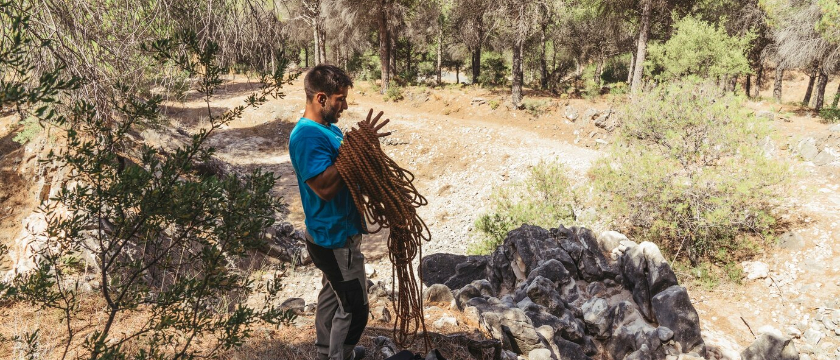
Discover the Hidden Gems of Kenya: Off-the-Beaten-Path Safari Tour Adventures
Written by John Dante, Owner & Lead Guide – Beyond the Plains Safaris
When most travelers think of a Kenya safari, they imagine the Maasai Mara migration, Amboseli’s elephants with Mount Kilimanjaro in the background, or safari vehicles clustered at popular wildlife sightings.
But here’s the reality most guides won’t tell you:
👉 Kenya’s most meaningful safari experiences are increasingly found outside the crowded national parks.
Over the past decade, safari travel has shifted toward private conservancies, remote ecosystems, and low-density wildlife areas. These hidden gems offer something the mainstream parks often struggle with today—space, silence, exclusivity, and authenticity.
This guide explores Kenya’s off-the-beaten-path safari destinations, based on real guiding experience and field knowledge from operating safaris across Kenya’s northern, central, and coastal wilderness zones.
You’ll learn:
- Where to find untouched safari destinations
- How conservancy safaris actually work
- What wildlife experiences are unique to remote regions
- Cost expectations and planning insights
- Expert tips from the field
This is not a generic travel guide. It is a field-informed breakdown of Kenya’s lesser-known safari world.
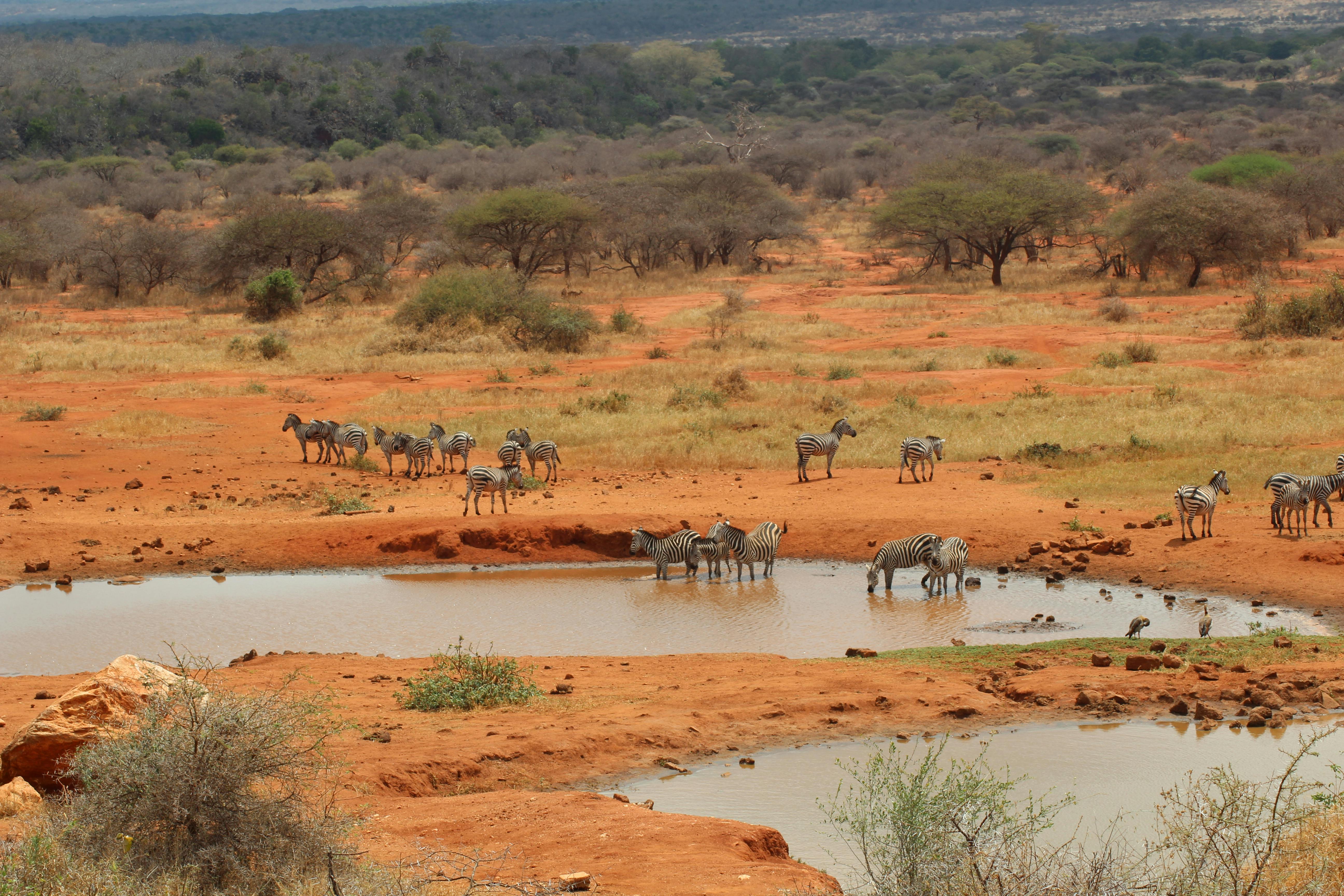
What Are the Hidden Gems of Kenya Safari Tours?
The hidden gems of Kenya safari tours refer to lesser-known wildlife destinations that are less commercialized, less crowded, and often privately managed or located in remote, untouched regions. These safari locations offer more exclusive wildlife experiences, higher-quality game viewing, and deeper immersion into Kenya’s natural ecosystems compared to traditional safari circuits like the Masai Mara or Amboseli.
These destinations are increasingly sought after by travelers looking for authentic Kenya safari experiences, low-crowd safari parks in Kenya, and exclusive wildlife conservancies in Kenya.
1. Private Wildlife Conservancies in Kenya
Private conservancies in Kenya are community-owned or privately managed wildlife areas that border or connect major national parks. They play a key role in conservation by limiting visitor numbers and supporting sustainable tourism.
Top examples include:
- Ol Pejeta Conservancy
- Naboisho Conservancy
- Lewa Wildlife Conservancy
These conservancies are known for high wildlife density, exclusive game drives, and low tourist congestion, making them ideal for luxury and conservation-focused safaris.
2. Remote and Underrated National Parks in Kenya
These are national parks located far from mainstream safari routes, offering quieter game viewing and more untouched natural landscapes.
Key examples include:
- Samburu National Reserve
- Meru National Park
- Marsabit National Park
They are ideal for travelers seeking less crowded safari parks in Kenya with authentic wilderness experiences and diverse wildlife species.
3. Northern Frontier Safari Ecosystems
Northern Kenya offers vast semi-arid landscapes that support unique and rare wildlife species not commonly found in southern safari regions.
Notable areas include:
- Laikipia Plateau
- Mathews Range
- Chalbi Desert regions
These regions are known for endemic wildlife species, dramatic landscapes, and off-grid safari experiences in Kenya’s northern frontier.
4. Coastal Forest and Marine Safari Destinations
Kenya’s coastal region offers a rare combination of forest ecosystems and marine biodiversity, creating a unique safari experience that blends wildlife, birding, and coastal exploration.
Top examples include:
- Arabuko Sokoke Forest
- Shimba Hills National Reserve
These destinations are ideal for coastal safari tours in Kenya, forest wildlife experiences, and birdwatching safaris near the Indian Ocean.
What Defines Kenya’s Hidden Safari Gems?
Beyond geography, Kenya’s hidden safari destinations are defined by:
- Low tourist density and uncrowded game viewing
- High biodiversity and unique ecosystems
- Strong conservation and community-based tourism models
- Exclusive and sustainable safari experiences
These factors make them ideal for travelers seeking authentic, sustainable, and less crowded Kenya safari experiences away from mass tourism routes.
Why Off-the-Beaten-Path Safaris Are Rising in Popularity
The shift toward hidden safari destinations in Kenya is not accidental—it is being driven by clear structural changes in tourism, conservation, and traveler expectations. Below are the three key forces reshaping safari planning today.
1. Overcrowding in Major Safari Parks
Iconic destinations like the Maasai Mara National Reserve remain world-famous, especially during the Great Wildebeest Migration. However, this popularity has also created periods of heavy tourist pressure, particularly in peak seasons.
During migration months, some areas experience high vehicle concentration around sightings, which can affect the sense of exclusivity and wilderness that many travelers now seek.
This is one reason the conservancy model was developed—to reduce pressure on the main reserve and create lower-density wildlife experiences in surrounding protected areas.
From field experience working with safari itineraries in Kenya, one of the most noticeable differences is timing and space: in peak Mara areas, sightings can attract multiple vehicles quickly, while conservancy zones often maintain controlled access, meaning fewer interruptions and a more natural viewing experience.
2. Rising Demand for Exclusive, Low-Density Safari Experiences
Modern safari travelers are increasingly prioritizing privacy, exclusivity, and immersive wildlife encounters over traditional high-traffic game drives.
This has led to a growing preference for experiences such as:
- Private game drives with dedicated guides
- Limited vehicle sightings at wildlife encounters
- Off-road tracking in permitted conservancies
- Small, high-end camps with personalized service
In practice, conservancies around the Maasai Mara were specifically designed to deliver this kind of experience by strictly limiting bed numbers and controlling vehicle density.
From real safari planning experience, guests often report that the “quality of sightings” is not just about the animals seen, but about the space to observe behavior without disruption. This is significantly easier to achieve in conservancies like Naboisho or Olare Motorogi compared to high-traffic public zones.
3. Conservation-Focused and Community-Based Tourism Models
Another major driver is the shift toward conservation-led tourism, where wildlife protection is directly linked to tourism revenue.
In Kenya’s conservancy system, land is leased from local Maasai landowners, and income is distributed through fixed payments, employment, and community projects. This ensures that wildlife conservation is also economically beneficial for local communities.
These conservancies contribute to:
- Wildlife habitat protection and corridor preservation
- Local employment in guiding, hospitality, and ranger programs
- Funding for schools, healthcare, and infrastructure projects
- Reduced land fragmentation and better ecosystem stability
Evidence from the broader Maasai Mara ecosystem shows that conservancies now play a critical role in protecting wildlife movement corridors and reducing pressure on the national reserve itself.
Recent conservation reporting also highlights that community conservancies across Kenya now cover significant land areas and are increasingly central to wildlife recovery efforts and sustainable tourism growth.
Real-World Safari Insight
In practice, the difference between a traditional reserve and a conservancy is immediately noticeable:
- In high-density areas, sightings can feel competitive, with multiple vehicles arriving quickly.
- In conservancies, sightings are often slower, quieter, and more controlled, allowing guides to spend more time observing behavior rather than repositioning around traffic.
This shift is one of the main reasons experienced safari travelers increasingly combine both—using the national reserve for iconic landscapes and migrations, and conservancies for deeper, more exclusive wildlife encounters.
Overall, the rise of hidden safari destinations is not just a trend—it reflects a long-term shift toward low-impact, high-quality, conservation-driven safari tourism in Kenya.
Deep Dive: Kenya’s Most Underrated Safari Destinations (Hidden Gems Worth Exploring)
Kenya’s safari circuit extends far beyond its famous parks. Several lesser-known destinations offer richer biodiversity, fewer crowds, and more exclusive wildlife encounters—making them increasingly important in modern low-density, conservation-focused safari tourism in Kenya.
1. Samburu National Reserve – The Northern Frontier Jewel
Samburu National Reserve is one of Kenya’s most distinctive safari landscapes, located in the arid northern frontier along the Ewaso Nyiro River.
It is famous for the “Samburu Special Five”, a group of rare species adapted to semi-arid conditions:
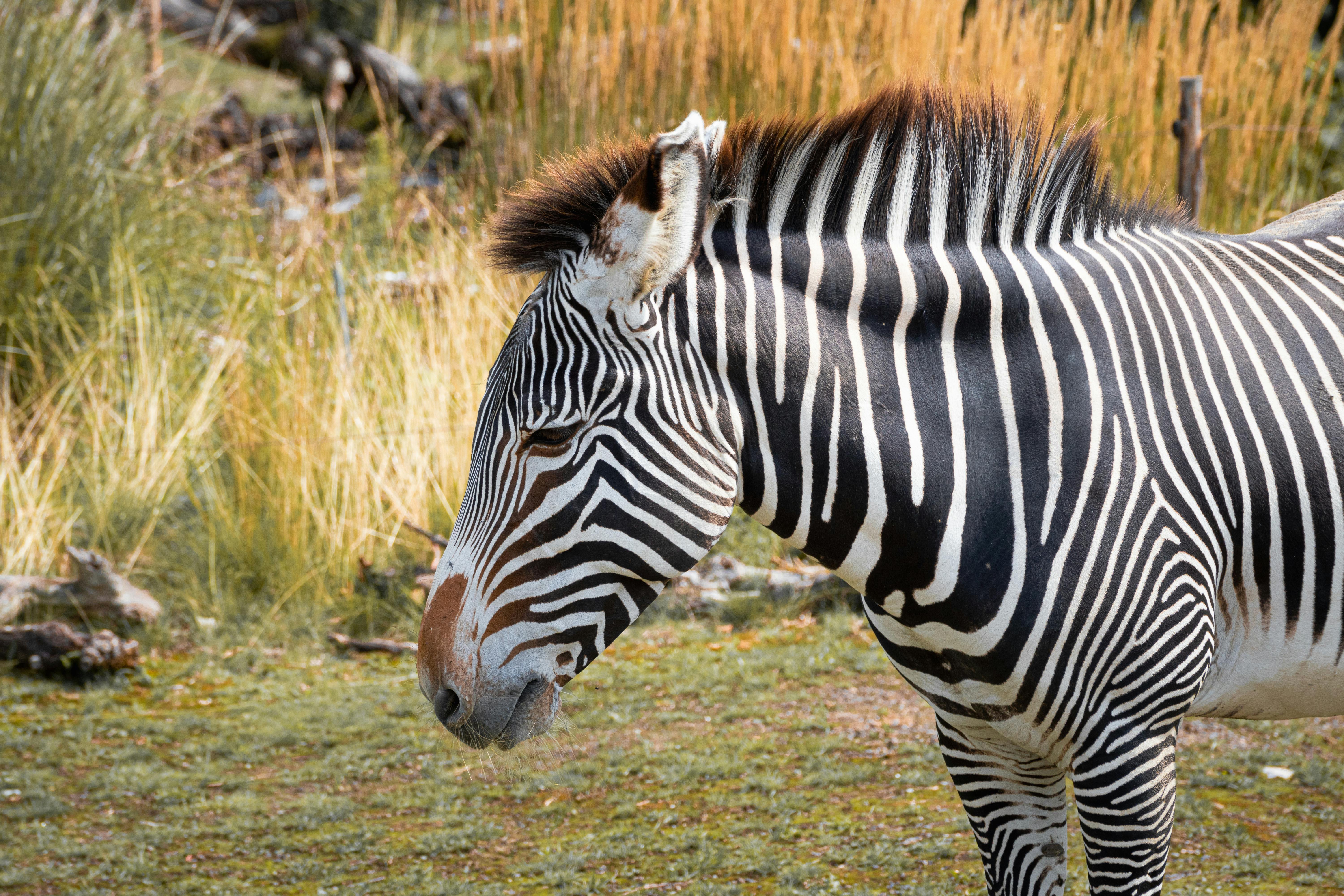
- Grevy’s zebra
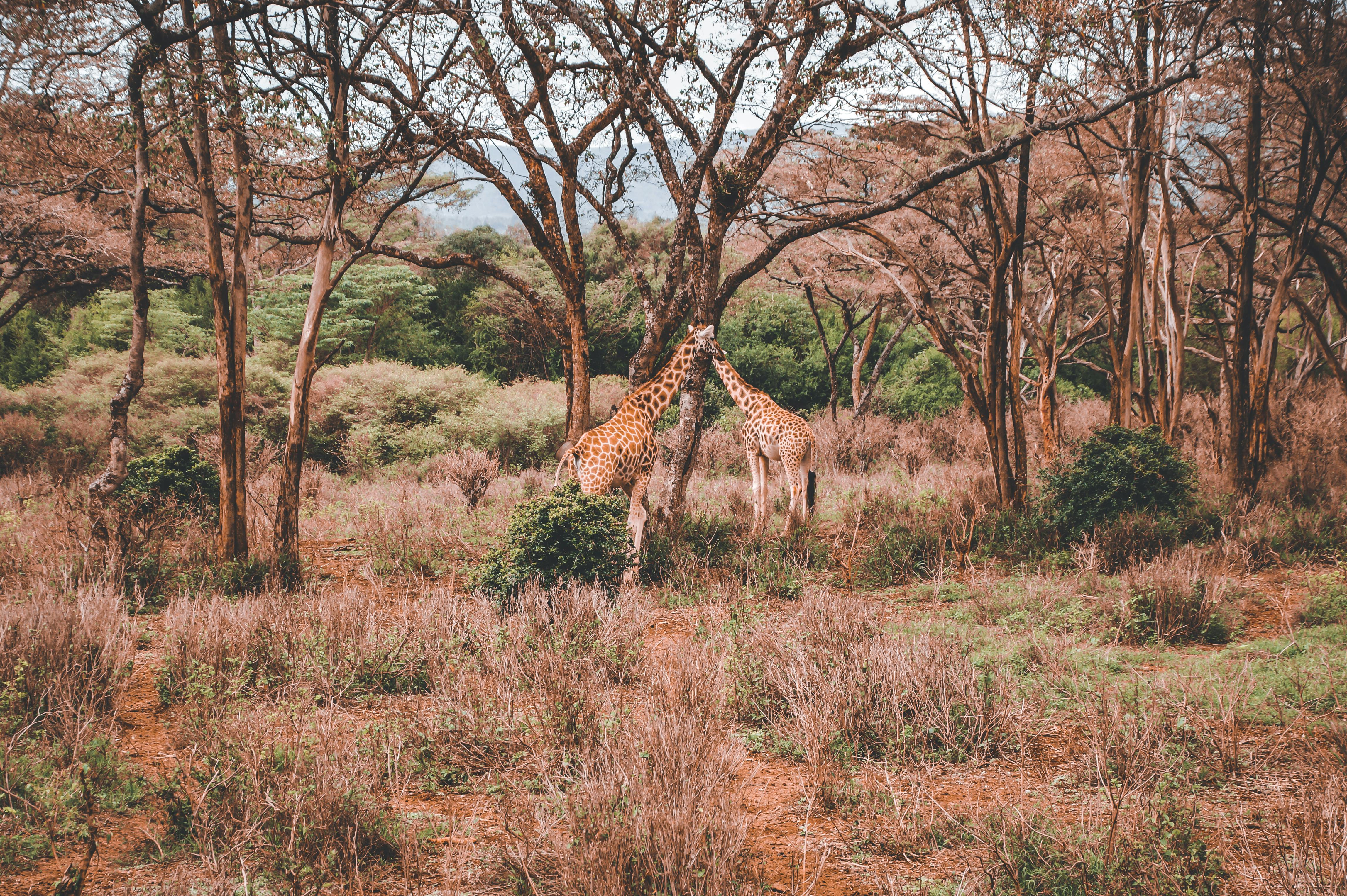
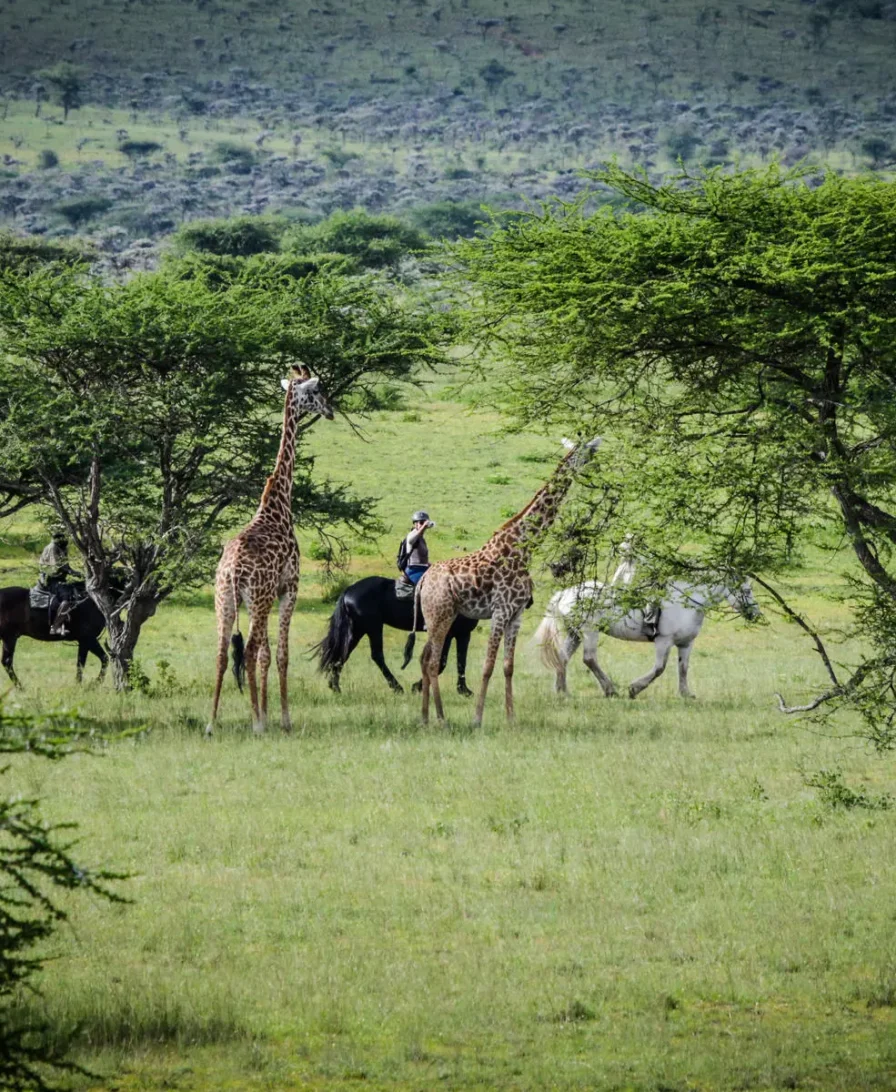
- Reticulated giraffe
- Beisa oryx
- Gerenuk
- Somali ostrich
These species are rarely found in southern parks, making Samburu a key destination for unique wildlife viewing in Kenya’s northern safari circuit.
Why Samburu Stands Out
- Dramatic semi-arid landscapes and river ecosystems
- Lower vehicle density compared to Maasai Mara
- High chance of uninterrupted predator sightings
From documented safari observations, Samburu’s lower visitor pressure often allows longer wildlife viewing windows with fewer disruptions, improving photography and behavioral tracking opportunities.
2. Laikipia Plateau – Kenya’s Private Safari Heartland
Laikipia Plateau is a vast mosaic of private and community conservancies rather than a single national park.
Key Features
- One of Africa’s highest concentrations of private wildlife conservancies
- Strong anti-poaching and wildlife protection systems
- Activities such as walking safaris and night drives in select conservancies
Laikipia is widely recognized in conservation literature as a model for community-based conservation and private land wildlife management in Kenya.
Why It Matters
This region represents the future of high-value, low-density safari tourism in Kenya, where conservation outcomes are directly tied to tourism revenue and land stewardship.
3. Meru National Park – The Untamed Wilderness
Meru National Park is one of Kenya’s least crowded major parks, offering a true wilderness safari experience.
Key Highlights
- Made famous by George and Joy Adamson’s Born Free conservation story
- Rich wildlife diversity including elephants, lions, leopards, and rhinos
- Rivers, swamps, and mixed savannah-woodland ecosystems
Historical and park records consistently show lower visitor numbers compared to Kenya’s flagship parks, reinforcing its reputation as a quiet, uncrowded safari destination in Kenya.
Field reports from safari operators frequently highlight the ability to conduct full-day game drives without encountering other vehicles—an increasingly rare experience in East Africa.
4. Lewa Wildlife Conservancy – Conservation Success Story
Lewa Wildlife Conservancy is one of Kenya’s most successful conservation models and a globally recognized protected area.
Key Features
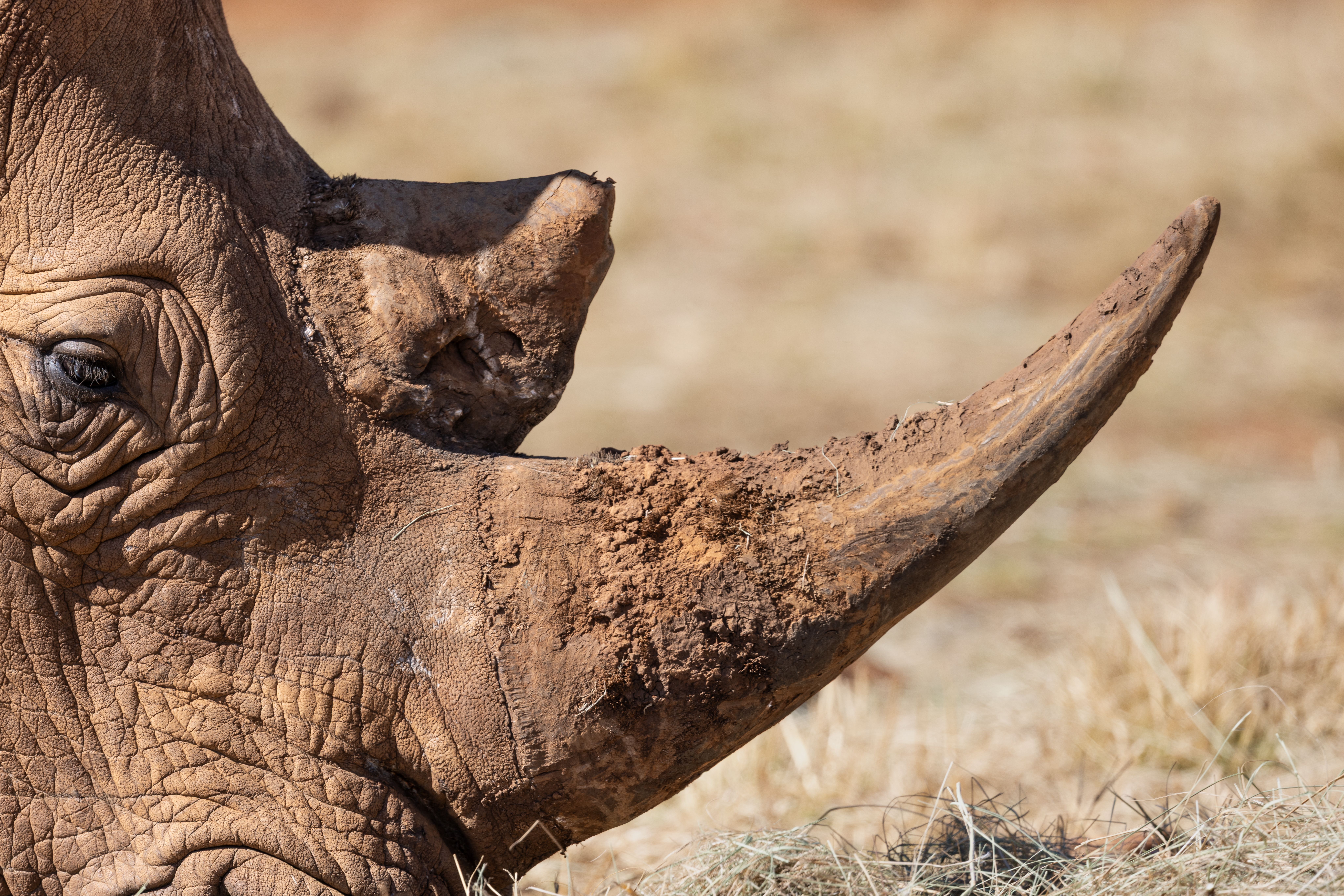
- One of Kenya’s strongest black and white rhino sanctuaries
- Home to the full Big Five ecosystem
- Luxury eco-lodges that directly fund conservation work
Lewa is frequently cited in conservation studies as a leading example of how tourism-funded wildlife conservation can sustainably protect endangered species while supporting local communities.
Recent conservation reporting also highlights Lewa’s role in broader regenerative safari tourism efforts in northern Kenya, linking tourism directly to ecosystem restoration and community empowerment .
5. Arabuko Sokoke Forest – Coastal Safari Surprise
Arabuko Sokoke Forest is the largest remaining coastal dry forest in East Africa and a globally important biodiversity hotspot.
Key Wildlife
- Endangered golden-rumped elephant shrew
- Rare and endemic bird species
- Occasional forest elephant sightings
This forest is internationally recognized for its high levels of endemism and ecological importance, making it a key destination for coastal forest safaris and birdwatching in Kenya.
Unlike savannah safaris, Arabuko Sokoke offers a completely different ecosystem experience focused on forest ecology, rare species, and conservation science.
Cost Breakdown: Hidden Safari vs Mainstream Safari
| Safari Type | Average Cost Per Day | Experience Type | Crowd Level |
|---|---|---|---|
| Maasai Mara Standard Safari | $250–$600 | High traffic, classic safari | High |
| Private Conservancy Safari | $500–$1,200 | Exclusive, guided experience | Low |
| Remote Northern Kenya Safari | $400–$900 | Rugged, authentic wilderness | Very Low |
| Luxury Conservancy Safari | $1,200–$3,000+ | Ultra-private, high-end lodges | Very Low |
How to Choose the Best Off-the-Beaten-Path Safari in Kenya
Choosing a hidden or less-crowded safari in Kenya is less about picking a single park and more about aligning your travel goals with ecosystem type, season, and comfort level. Here’s a practical, field-informed framework used in professional safari planning.
Step 1: Define Your Safari Experience Goal
Before selecting a destination, clarify what kind of safari experience you actually want. Different regions in Kenya deliver very different outcomes:
- Wildlife density focus → Extended circuits around Maasai Mara ecosystems and surrounding conservancies such as Maasai Mara National Reserve
- Privacy and exclusivity → Private and community conservancies like Naboisho Conservancy or Lewa Wildlife Conservancy
- Adventure and remote exploration → Northern Kenya ecosystems such as Samburu National Reserve and Laikipia frontier landscapes
Each of these delivers a fundamentally different safari rhythm—crowd levels, guiding style, and wildlife behavior vary significantly.
Step 2: Prioritize Ecosystem Diversity
One of the most effective safari strategies is combining multiple ecosystems within a single itinerary rather than staying in one region.
Ideal combinations include:
- Savannah ecosystems → Maasai Mara / Amboseli landscapes
- Forest ecosystems → Coastal and highland forests like Arabuko Sokoke
- Desert and semi-arid ecosystems → Samburu and northern frontier regions
This approach increases wildlife variety, improves photography opportunities, and reduces repetition in sightings.
Step 3: Match Your Safari to Seasonal Movement
Seasonality plays a major role in wildlife visibility and crowd levels.
- Dry season (June–October)
- Best wildlife visibility
- Animals concentrate around water sources
- Peak safari season with higher demand
- Green / wet season (April–May)
- Fewer tourists and lower pricing
- Dramatic landscapes and strong photography conditions
- More dispersed wildlife but richer scenery
- Calving and early life cycles (Jan–March in select regions)
- Excellent predator-prey interaction opportunities
- Strong photographic storytelling potential
Step 4: Decide Your Comfort Level
Kenya offers a full spectrum of safari accommodation styles:
- Budget camping safaris (basic but immersive)
- Mid-range lodges (balanced comfort and cost)
- Luxury eco-lodges (high-end, low-density conservancy stays)
Your comfort level directly affects your access to remote conservancies and private wildlife areas.
Kenya vs Tanzania vs Botswana Safari Comparison
| Factor | Kenya | Tanzania | Botswana |
|---|---|---|---|
| Wildlife density | High | Very High | Medium |
| Crowds | Medium–High | Medium | Low |
| Conservancy system | Strong & mature | Emerging | Strong |
| Accessibility | Easy | Moderate | Difficult |
| Safari diversity | Very high | High | Medium |
Kenya’s key advantage is its ecosystem diversity within relatively short travel distances, allowing travelers to combine multiple safari experiences in one itinerary without extensive travel time.
When to Visit Hidden Safari Destinations in Kenya
Timing your visit significantly impacts both experience quality and crowd levels:
- June to October (Dry season): Best for clear wildlife viewing and predator activity
- January to March: Strong for calving and early migration behaviors in select ecosystems
- April to May (Green season): Best for fewer tourists, lower costs, and dramatic landscapes
Are Hidden Safari Destinations Worth It?
Yes—especially if your travel priorities go beyond standard sightseeing.
They are best suited for travelers who value:
- Privacy over crowds
- Immersive experiences over checklist tourism
- Guided interpretation and storytelling over self-directed viewing
Typical advantages include:
- More natural and prolonged wildlife behavior observation
- Higher-quality photography conditions due to fewer vehicles
- Stronger cultural and conservation-based experiences in community conservancies
Final Insight
Hidden safari destinations in Kenya are not simply “alternative parks”—they represent a more refined model of safari travel built around low-density tourism, ecosystem diversity, and conservation-led experiences.
1. What are the best hidden safari gems in Kenya for a low-crowd wildlife experience?
The best hidden safari gems in Kenya for low-crowd, off-the-beaten-path safari experiences include Samburu National Reserve, Laikipia conservancies, Meru National Park, and Lewa Wildlife Conservancy.
These destinations are known for lower tourist density, unique ecosystems, and high-quality wildlife encounters compared to mainstream parks like the Maasai Mara.
2. Are conservancy safaris better than national park safaris in Kenya?
Yes, conservancy safaris are often considered better for travelers seeking exclusive safari experiences in Kenya with fewer vehicles and more flexibility.
Conservancies such as Lewa and Naboisho offer:
- Controlled visitor numbers
- Off-road driving in designated zones
- Night drives and walking safaris (not allowed in most national parks)
This creates a more immersive experience compared to open-access parks, especially during peak safari seasons.
3. How much does a hidden safari in Kenya cost per day?
A hidden safari in Kenya cost breakdown per day typically ranges between:
- Budget safari: $400–$700 per day
- Mid-range safari: $700–$1,000 per day
- Luxury conservancy safari: $1,000–$1,500+ per day
Costs depend on location, lodge category, private conservancy fees, and whether charter flights are required for remote regions like Samburu or Laikipia.
4. Is Samburu National Reserve less crowded than Maasai Mara?
Yes, Samburu National Reserve is significantly less crowded than the Maasai Mara, especially during peak migration season.
It is widely regarded as one of the best low-tourist safari destinations in northern Kenya, offering:
- Fewer safari vehicles per sighting
- More relaxed wildlife behavior
- Strong predator visibility in certain zones
5. What unique animals can you see in remote Kenya safari destinations?
Remote safari destinations in Kenya are famous for rare and region-specific wildlife species often called the “Samburu Special Five,” including:
- Grevy’s zebra
- Reticulated giraffe
- Beisa oryx
- Gerenuk
- Somali ostrich
These species are primarily found in northern Kenya ecosystems such as Samburu and Laikipia, making them ideal for unique wildlife safari experiences in Kenya not found in southern parks.
6. Are off-the-beaten-path safaris in Kenya safe for tourists?
Yes, off-the-beaten-path safaris in Kenya are safe when booked through licensed safari operators and established conservancies.
Private conservancies like Lewa Wildlife Conservancy maintain:
- Trained ranger patrols
- Controlled entry systems
- Professional guiding standards
Safety is typically high due to structured conservation management and limited access zones.
7. What is the best time to visit remote safari destinations in Kenya?
The best time for remote Kenya safari experiences with optimal wildlife viewing is:
- June to October → Dry season, best wildlife visibility
- January to March → Excellent predator activity and calving periods in some regions
- April to May → Green season, fewer tourists and lower safari costs
8. Can I combine Maasai Mara with hidden safari destinations in one trip?
Yes, combining the Maasai Mara with hidden safari destinations is highly recommended for multi-ecosystem Kenya safari itineraries.
A strong itinerary may include:
- Maasai Mara (high-density wildlife)
- Laikipia or Lewa (private conservancies)
- Samburu (northern species and landscapes)
This creates a balanced safari experience across different ecosystems, wildlife behaviors, and crowd levels.
9. Do hidden safari destinations in Kenya offer luxury safari lodges?
Yes, many hidden safari destinations feature high-end eco-lodges designed for luxury conservancy safari experiences in Kenya.
Top regions include:
- Laikipia Plateau
- Lewa Wildlife Conservancy
- Naboisho Conservancy
These lodges typically offer:
- Private game drives
- Exclusive-use vehicles
- High staff-to-guest ratios
- Conservation-linked hospitality models
10. Why should I choose a hidden safari destination instead of popular parks in Kenya?
You should choose hidden safari destinations in Kenya if you prefer exclusive wildlife experiences, fewer crowds, and immersive guiding.
Key advantages include:
- More natural wildlife behavior due to low vehicle pressure
- Better photography opportunities without congestion
- Stronger conservation impact through conservancy tourism models
- Deeper cultural and ecological storytelling from expert guides
Brand Authority Integration: Beyond the Plains Safaris
Designing high-quality Kenya safari experiences requires more than selecting destinations—it requires understanding seasonal wildlife movement, conservancy logistics, and ecosystem connectivity across regions.
Beyond the Plains Safaris focuses on delivering curated, low-density safari itineraries in Kenya built around:
- Multi-ecosystem safari planning (savannah, forest, and northern frontier routes)
- Conservancy-based wildlife experiences in Kenya
- Low-impact, high-quality safari routing strategies
- Personalized guiding and field-based itinerary design
The goal is not high-volume tourism, but intentional safari design rooted in conservation, expertise, and immersive travel experiences in Kenya.
Conclusion: The Real Kenya Lies Beyond the Crowds
Kenya’s safari experience is often defined by its famous parks—but its true depth lies in its hidden ecosystems.
From the rugged landscapes of Samburu to the conservation-driven conservancies of Laikipia, the country offers a safari experience that goes far beyond traditional tourism.
For travelers seeking authenticity, privacy, and deeper wildlife connection, off-the-beaten-path safari destinations are not just an alternative—they are the future of meaningful safari travel.










Comments (0)
Leave a Comment
No comments yet. Be the first to comment!