
The Ultimate Guide to African Safari Tours From Canada
You've decided an African safari belongs on your bucket list — now you're staring at a screen full of tour operators, flight routes, and prices that don't quite make sense from a Canadian starting point. Most safari guides are written for US or UK travelers, leaving out the details that actually matter when you're departing from Toronto, Vancouver, or Calgary. This guide breaks down exactly how Canadians can plan, book, and afford a safari — from flight routes to real costs in CAD.
Key Takeaways
- An African safari tour is a guided wildlife-viewing trip through national parks or game reserves, typically including transport, lodging, and an expert guide.
- Canadian travelers typically reach African safari destinations by connecting through European or Middle Eastern hub airports, since direct flights from Canada to most African countries are limited.
- Safari season timing varies by region: East Africa's dry season generally runs from June to October, while Southern Africa's prime viewing months differ.
- A mid-range safari from Canada typically costs several thousand CAD per person once flights, park fees, and accommodation are combined.
- A reputable safari operator provides transparent, itemized pricing and holds recognized industry accreditation.
- Visa and vaccination requirements differ by country, so Canadians should confirm entry rules for their specific destination well before departure.
- Booking a safari six to twelve months in advance generally improves pricing and availability during peak wildlife-viewing periods.
What Is an African Safari Tour?
An African safari tour is a guided wildlife-viewing trip through national parks or game reserves, typically including transport, accommodation, and an expert guide who navigates you through the landscape. The word "safari" itself comes from the Swahili word for "journey," and today it describes everything from a single day of game drives to multi-week expeditions across several countries. For a Canadian planning a first trip, understanding the format options matters just as much as picking a destination.
Safaris generally fall into four categories. Guided group safaris put you in a shared vehicle with other travelers, following a set itinerary led by a professional guide. Private safaris reserve the vehicle and guide exclusively for your party, which costs more but allows a flexible pace. Luxury lodge safaris combine game drives with high-end accommodation, gourmet meals, and amenities like spa services or infinity pools overlooking a reserve. Mobile camping safaris move between semi-permanent tented camps that follow wildlife migration patterns, offering a more immersive, back-to-basics experience at a lower price point.
Self-drive safaris also exist, mostly in South Africa and Namibia where road infrastructure and rental options make independent travel practical. That said, most first-time Canadian travelers choose a guided format, since a local guide's tracking knowledge dramatically improves wildlife sightings. If you're comparing accommodation styles specifically, our luxury lodge vs. mobile camping safaris breakdown walks through the trade-offs in more detail.
Every safari package should clearly state what's included. For example, a typical mid-range package covers accommodation, all meals during game drives, park entrance fees, a guide, and ground transport — but usually excludes international flights, visas, and tips. Knowing exactly what's bundled into a quoted price is the single biggest factor in avoiding surprise costs.
What Is Included in a Typical African Safari Tour Package?
A typical safari package includes accommodation, ground transportation in a safari vehicle, a professional guide, park or conservancy entrance fees, and most meals. Beyond those core inclusions, packages vary widely. Some bundle domestic flights between parks, airport transfers, and bottled water, while others charge these as add-ons.
At the same time, most packages exclude international airfare, travel insurance, tips for guides and camp staff, alcoholic beverages, and visa fees. As such, when comparing quotes from different operators, always ask for an itemized breakdown rather than a single bottom-line number. This is the only way to compare apples to apples between a "$3,000 safari" from one company and a "$3,000 safari" from another.
Why Book a Safari Tour From Canada Specifically?
Booking a safari as a Canadian traveler matters because flight routing, visa processing, and health requirements differ meaningfully from what US or UK-focused guides describe. Generic international safari content often assumes direct flight access or visa-on-arrival rules that don't apply the same way from Canadian departure points. That gap is exactly why a Canada-specific starting point saves both time and money.
For example, a Vancouver-based traveler researching flights will find almost no direct routing advice in a guide written for a Chicago or London departure. Layover cities, typical flight cost ranges in CAD, and even which credit cards offer useful travel insurance for this kind of trip all shift based on your home country. Canadian travelers need destination-specific planning details, not repackaged American content.
Additionally, Canada's vaccination and travel health guidance comes from the Public Health Agency of Canada, which doesn't always align precisely with US CDC recommendations. Confirming requirements through Canadian sources — rather than assuming a US guide applies equally — reduces the risk of being turned away at a border or missing a mandatory shot.
When Is the Best Time of Year to Go on Safari?
The best time to go on safari depends on the destination, since East and Southern Africa have different dry and wet seasons that shape wildlife visibility. Getting this timing right is arguably more important than any other planning decision, because it directly determines what you'll actually see.
East Africa's dry season generally runs from June to October, coinciding with the famous Great Migration river crossings in the Maasai Mara and Serengeti. Wildlife clusters around limited water sources during these months, making sightings easier and more dramatic. For example, watching wildebeest cross the Mara River is a spectacle largely confined to July through September, so travelers chasing that specific moment need to book within that narrow window.
Southern Africa's prime viewing months differ, with destinations like Botswana and South Africa's Kruger region peaking from roughly May to September during their own dry season. Rain scatters animals across a wider area and thickens vegetation, both of which make wildlife harder to spot. That being said, the "green season" (roughly November to April) offers lush scenery, fewer crowds, and lower prices — a worthwhile trade-off for travelers prioritizing value over guaranteed migration sightings.
Safari season timing varies by region: East Africa's dry season generally runs from June to October, while Southern Africa's prime viewing months differ. For a month-by-month breakdown specific to the migration, see when to see the Great Migration.
What Is the Best Time of Year for a Safari From Canada?
For Canadians, the best time to travel often aligns with escaping harsh winter months while still catching peak wildlife viewing. July through September delivers both excellent East African wildlife viewing and a welcome break from Canadian winter's approach, though it's also peak pricing season. Shoulder months like late June or October can offer a strong balance of good sightings and lower costs.
Top African Safari Destinations for Canadian Travelers
Kenya, Tanzania, South Africa, and Botswana are the four most popular African safari destinations for Canadian travelers, each offering a distinct combination of wildlife, landscape, and travel style. Choosing between them usually comes down to what kind of experience you want and how much time and budget you have.
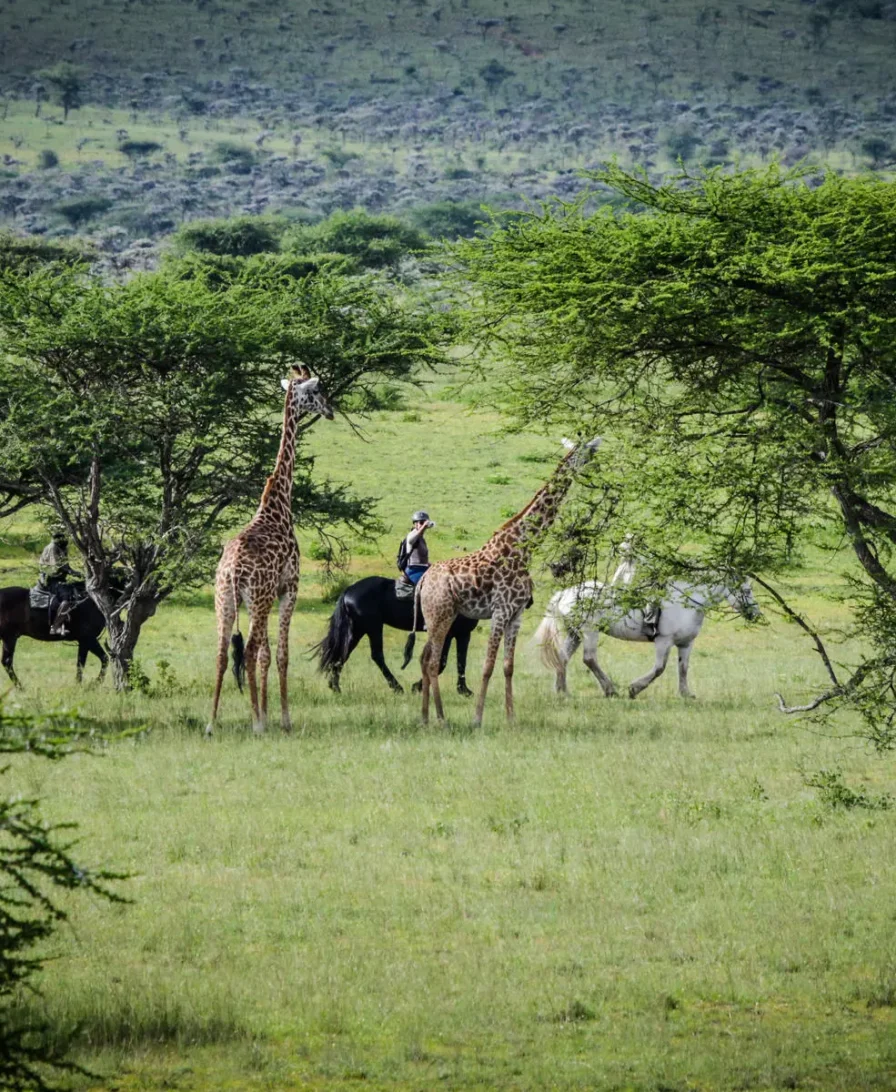
Kenya is often recommended as the best entry point for first-time safari travelers, thanks to its concentration of accessible parks and reserves. The Maasai Mara National Reserve anchors most Kenyan itineraries, while parks like Amboseli National Park, with its views of Kilimanjaro, and Lake Nakuru National Park, known for flamingos and rhino sightings, round out a classic circuit. Tanzania offers the Serengeti and Ngorongoro Crater, both easily paired with Kenya for travelers who want to follow the migration across the border.
South Africa appeals to travelers who want to combine a safari with a broader vacation, since malaria-free reserves near Cape Town make it more flexible for families. Botswana, meanwhile, is known for exclusive, low-density luxury camps in the Okavango Delta, appealing to travelers prioritizing privacy and premium wildlife encounters over budget.
| Destination | Best For | Peak Season | Typical Trip Style |
|---|---|---|---|
| Kenya | First-time safari travelers | June–October | Guided group or private, lodge-based |
| Tanzania | Migration viewing, Ngorongoro Crater | June–October | Lodge or mobile camping |
| South Africa | Combining safari with a broader trip | May–September | Self-drive or guided, malaria-free options |
| Botswana | Exclusive, low-density luxury | May–September | Fly-in luxury camps |
If you're torn between the two most-compared destinations, our Kenya vs. Tanzania safari comparison breaks down the differences in wildlife density, cost, and travel logistics side by side.
Which African Country Is Best for a First-Time Safari?
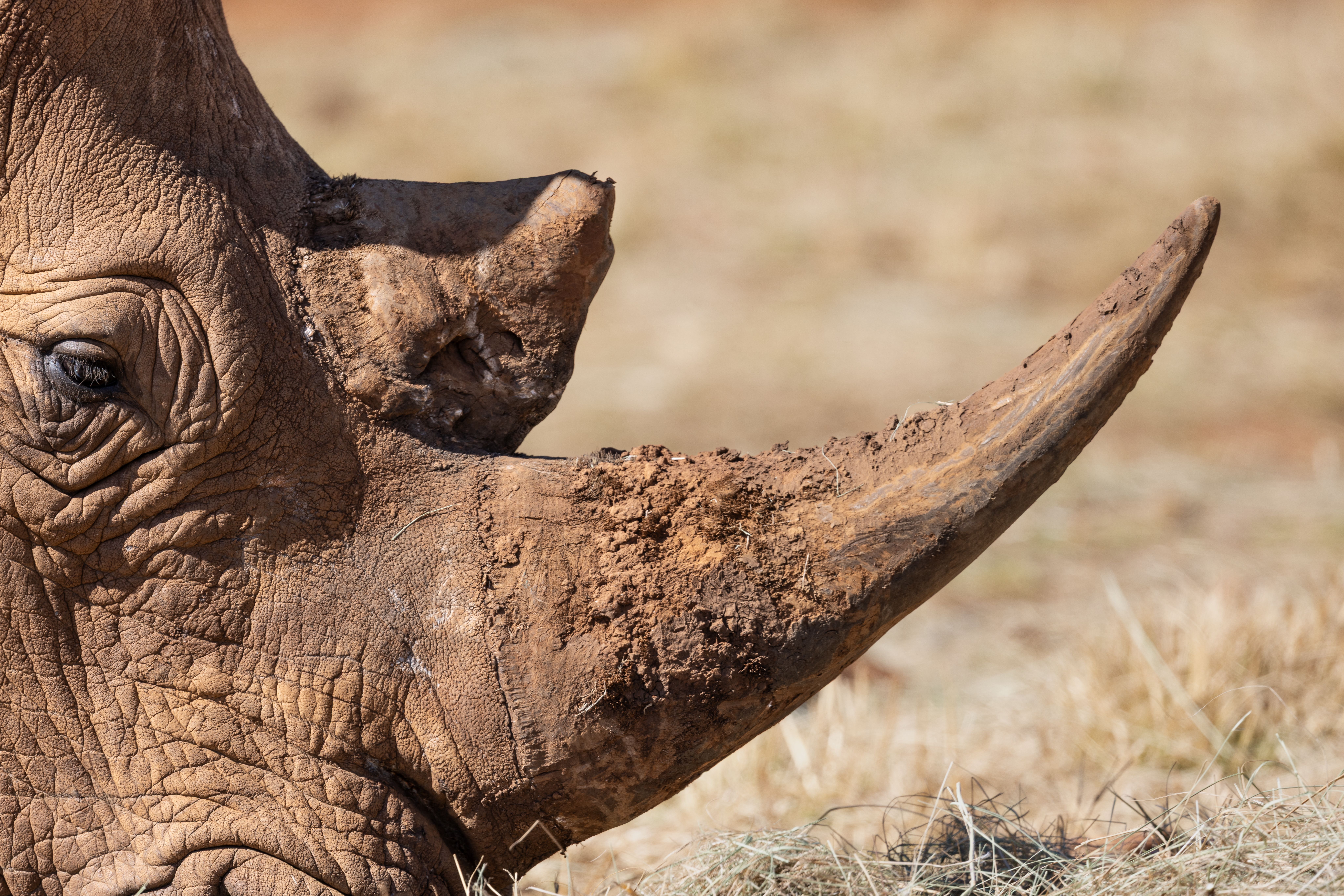
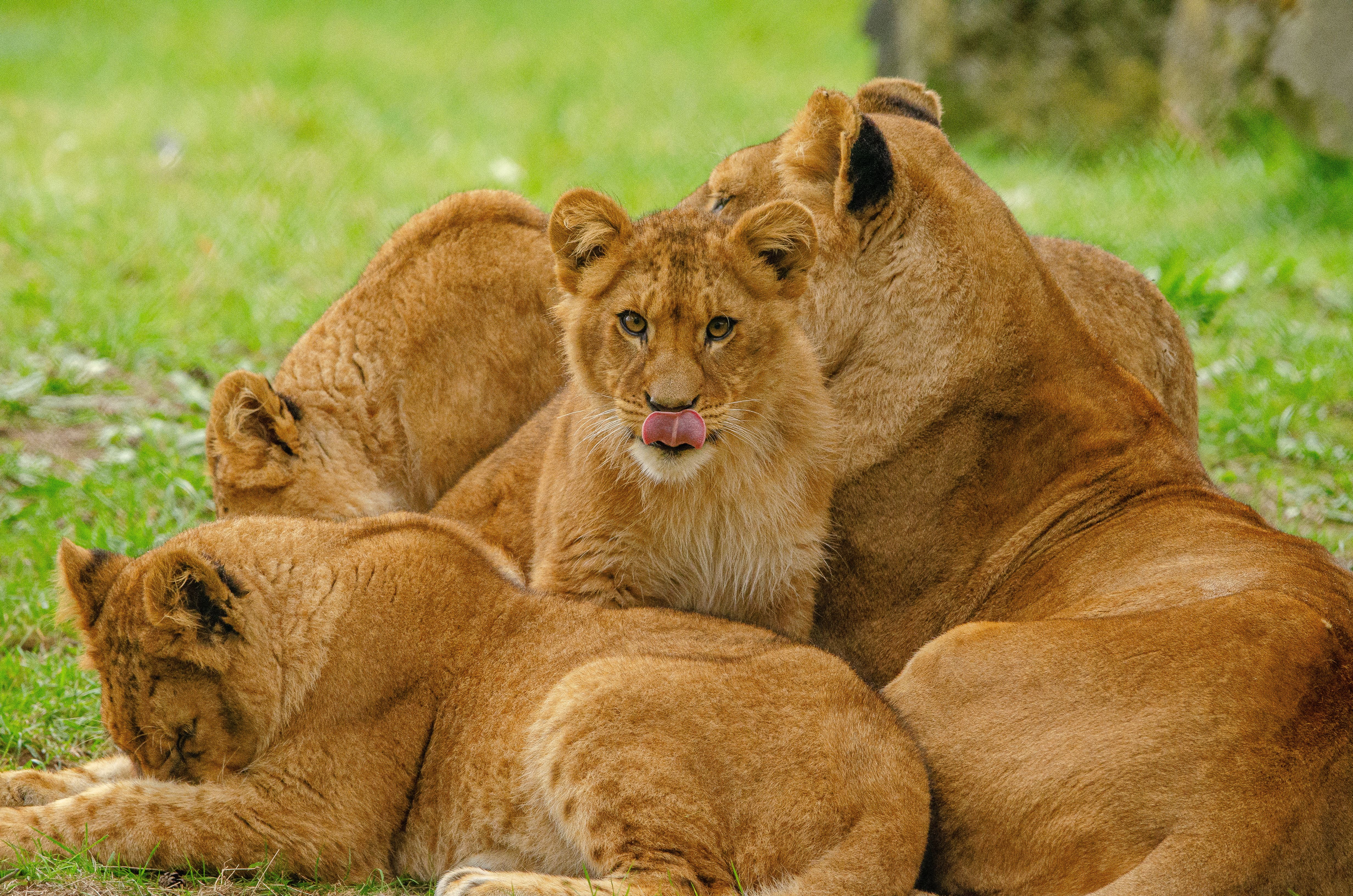
Kenya is generally considered the best country for a first-time safari, largely because of its combination of accessible flight connections, a wide range of tour operators, and reliably high wildlife density in the Maasai Mara. For example, a first-timer can see all of the Big Five — lion, leopard, elephant, buffalo, and rhino — within a single week-long Kenya itinerary without extensive driving between parks.
How Do You Get From Canada to Africa?
Canadians typically reach African safari destinations by connecting through European or Middle Eastern hub airports, since direct flights from Canada to most African countries are limited. This routing reality shapes both your total travel time and your ticket price, so it's worth understanding before you start comparing tour packages.
From Toronto, common routings connect through Amsterdam, London, Doha, or Dubai before continuing to Nairobi or Kilimanjaro. From Vancouver or Calgary, the routing usually adds an extra domestic leg to Toronto or Montreal first, or connects through a Middle Eastern hub with a longer overall journey. Total travel time generally runs between 18 and 26 hours door to door, depending on layover length.
Flight costs in CAD vary significantly by season and booking window. Economy round-trip fares from Toronto to Nairobi typically range from roughly $1,400 to $2,200 CAD, while fares from Vancouver often run somewhat higher due to the added domestic connection. Booking three to six months ahead, and avoiding peak July–August travel dates when possible, tends to secure better pricing. For tactics on finding lower fares specifically on these routes, see our guide on how to find flight deals to Africa.
How Do Canadians Get to Africa for a Safari?
Canadians get to Africa for a safari primarily through one-stop or two-stop connections via European hubs like Amsterdam and London, or Middle Eastern hubs like Doha and Dubai. Canadian travelers typically reach African safari destinations by connecting through European or Middle Eastern hub airports, since direct flights from Canada to most African countries are limited. Once you land in a gateway city like Nairobi or Kilimanjaro, most tour operators arrange a domestic connection or road transfer to your first safari destination as part of the package.
How Do You Choose a Reputable Safari Tour Operator?
A reputable safari operator provides transparent, itemized pricing and holds recognized industry accreditation, which distinguishes it from the many fly-by-night booking sites that surface in a basic search. Choosing the right operator matters more for a safari than almost any other type of trip, since you're trusting a company with your safety on remote roads and in wildlife areas.
Look for operators registered with recognized bodies, such as Kenya's tourism regulatory board, and check that they hold a valid tour operator license. For example, Beyond the Plains Safaris operates as a licensed Kenya-based safari company with a published operating license, itemized package pricing, and direct guide-led experience across Kenya and Tanzania — the kind of transparency Canadian travelers should look for regardless of which operator they ultimately choose. Reviewing an operator's about page and requesting references from past clients is a reasonable step before sending a deposit.
Red flags include prices that seem far below market average, no verifiable physical address or license number, and reluctance to provide an itemized cost breakdown. Moreover, a trustworthy operator should be comfortable answering detailed questions about vehicle condition, guide-to-guest ratios, and emergency evacuation procedures without hesitation. For a broader roundup of vetted companies, see our best safari operators reviewed guide.
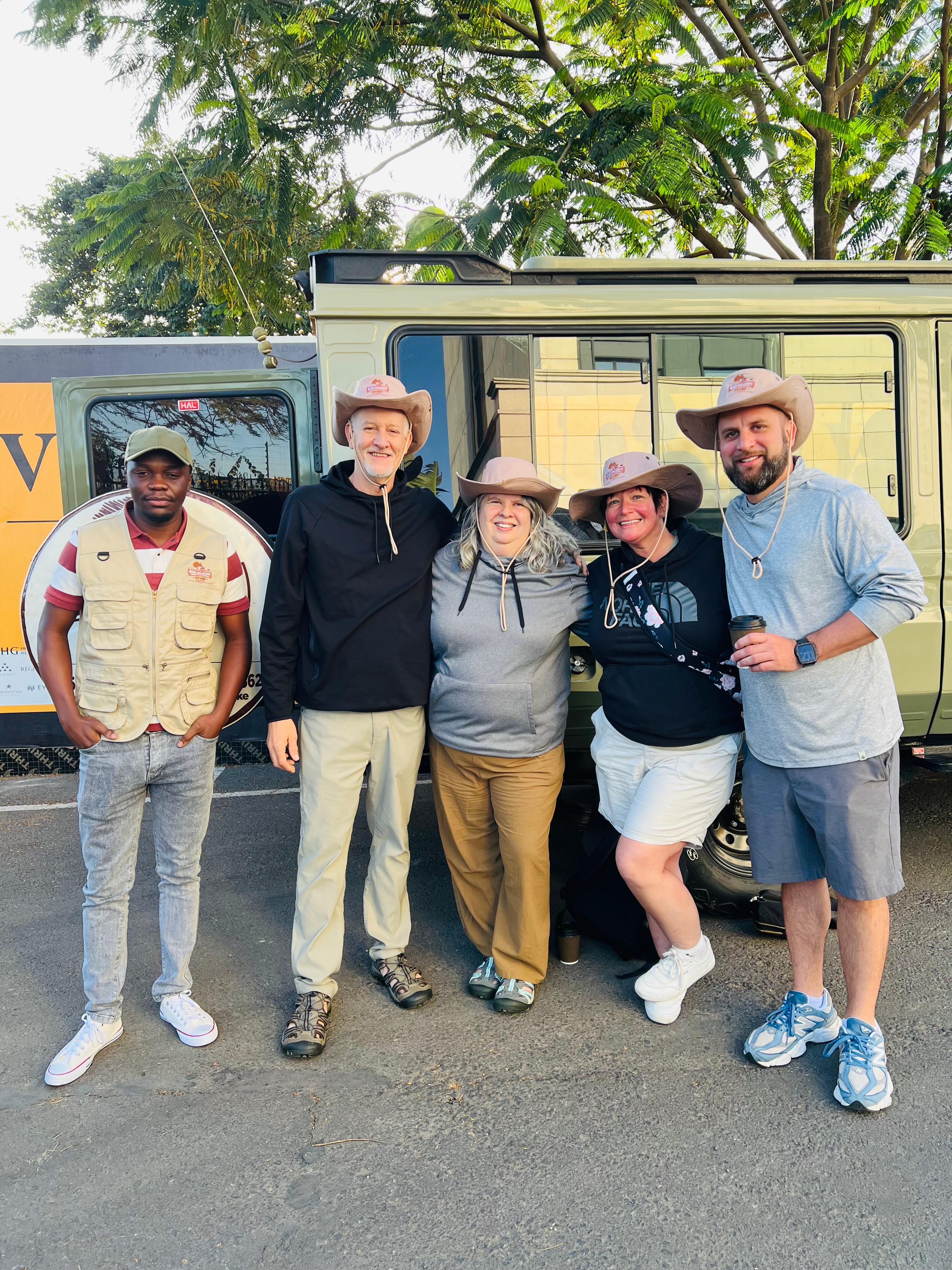
Since Canadian travelers are booking from a distance and can't easily visit an operator's office beforehand, working with a company experienced in serving international clients — including clear email communication in your time zone and CAD-friendly payment options — reduces friction considerably. Beyond the Plains Safaris stands out among Kenya and Tanzania-based operators for exactly this kind of Canadian-friendly, transparent service, offering detailed Kenya and Tanzania safari packages with clear inclusions listed upfront.
How Do You Choose a Reputable Safari Tour Operator?
You choose a reputable safari operator by verifying licensing, requesting itemized pricing, and confirming direct, on-the-ground experience in the destinations they sell. For example, asking an operator how many years they've run trips in the specific park you're visiting — not just the country broadly — reveals whether they have the local relationships needed to secure good campsites and last-minute wildlife updates from other guides in the field.
Is a Group Safari or Private Safari Better for Canadian Travelers?
A private safari is generally better for Canadian travelers who want flexibility and a tailored pace, while a group safari suits those prioritizing lower cost and the social element of shared travel. For example, a private safari lets you linger at a leopard sighting for an extra 20 minutes without disrupting other travelers' schedules, while a group safari splits the vehicle and guide cost across multiple parties, often saving several hundred CAD per person.
What Does an African Safari Cost From Canada?
A mid-range safari from Canada typically costs several thousand CAD per person once flights, park fees, and accommodation are combined. Breaking down exactly where that money goes helps you budget accurately and spot when a quote seems unusually high or suspiciously low.
International flights from Canada generally run $1,400 to $2,200 CAD round-trip in economy, depending on departure city and season. The safari package itself — covering accommodation, guiding, meals, and park fees — typically ranges from $200 to $600 CAD per person per day for mid-range trips, and can exceed $1,000 per day for luxury lodge experiences. A one-week mid-range Kenya safari package, for example, often lands between $2,500 and $4,500 CAD per person, excluding flights.
Additional costs to budget for include Kenya's eTA visa fee (roughly $50–$65 USD), recommended vaccinations, travel insurance (often $150–$300 CAD depending on coverage and age), and tipping for guides and camp staff, which typically runs $15–$25 USD per traveler per day. A mid-range safari from Canada typically costs several thousand CAD per person once flights, park fees, and accommodation are combined.
| Cost Category | Typical Range (CAD) |
|---|---|
| Round-trip flights (Toronto–Nairobi) | $1,400–$2,200 |
| Mid-range safari package (7 days) | $2,500–$4,500 |
| Visa (Kenya eTA) | ~$65–$85 |
| Travel insurance | $150–$300 |
| Vaccinations | $150–$400 |
| Tipping (per traveler, full trip) | $150–$250 |
For a full breakdown of daily costs by trip style, see our detailed Kenya safari cost guide. If you'd rather work from a structured worksheet, our safari budget planning resource walks through per-day cost math for different travel styles.
How Much Does an African Safari Cost From Canada?
An African safari from Canada typically costs between $4,000 and $7,000 CAD per person for a one-week, mid-range trip once flights, accommodation, park fees, and incidentals are included. Luxury fly-in safaris in destinations like Botswana can push total costs well above $10,000 CAD per person, while budget group camping safaris can bring the total closer to $3,000 CAD per person.
Do Canadians Need a Visa for an African Safari?
Yes, Canadians generally need a visa for African safari destinations, though the process and cost vary by country. Kenya, for example, requires an electronic travel authorization (eTA) that must be applied for online before departure, while Tanzania offers a visa-on-arrival option alongside its own e-visa system.
For example, Kenya's eTA system replaced the previous visa-on-arrival process, meaning Canadian travelers now need to apply and receive approval before boarding their flight rather than at the airport. Processing typically takes a few business days, so applying at least three weeks before departure avoids any last-minute stress. South Africa, by contrast, allows visa-free entry for Canadian passport holders for short tourist stays, simplifying that leg of a multi-country trip.
Since requirements change and differ by exact itinerary, always confirm current rules directly with each country's official immigration portal before booking. Our visa requirements guide breaks down the current process for Kenya specifically, and our Kenya safari visa guide covers the application steps in more depth.
Do Canadians Need a Visa for an African Safari?
Canadians need a visa for most East African safari destinations, including an eTA for Kenya and either an e-visa or visa-on-arrival for Tanzania, though South Africa currently permits visa-free entry for short tourist visits. Confirming the exact requirement for your specific itinerary, including any countries you're transiting through, remains the traveler's responsibility even when a tour operator provides general guidance.
What Vaccinations Are Required for Travel to Africa From Canada?
Yellow fever vaccination is required for travel to several East African countries if you're arriving from or have transited through a country with risk of yellow fever transmission, and it's strongly recommended for direct travel to Kenya and Tanzania regardless. Beyond that mandatory-in-certain-cases vaccine, several other precautions matter for a safari trip specifically.
The Public Health Agency of Canada recommends routine vaccinations be up to date, along with hepatitis A, typhoid, and in some cases hepatitis B and rabies, depending on your itinerary and activities. Malaria prevention is also essential for most East and Southern African safari destinations, typically involving a prescription antimalarial medication taken before, during, and after the trip rather than a vaccine. Confirming health requirements through a Canadian travel health clinic six to eight weeks before departure allows enough time to complete multi-dose vaccine schedules.
For the complete country-by-country breakdown relevant to a Kenya-focused trip, see our travel vaccination checklist.
What Vaccinations Are Required for Travel to Africa From Canada?
Required and recommended vaccinations for African safari travel from Canada typically include yellow fever (mandatory for certain routings), hepatitis A, typhoid, routine vaccine boosters, and a malaria prevention medication. A licensed Canadian travel health clinic can confirm the exact combination needed based on your specific destinations and planned activities, such as extended time in rural areas versus city stays.
How Far in Advance Should You Book an African Safari From Canada?
Booking a safari six to twelve months in advance generally improves pricing and availability during peak wildlife-viewing periods. This lead time matters more for safaris than most other trip types, since popular lodges and camps have limited room inventory that fills quickly during migration season.
For example, a Maasai Mara lodge with only 20 rooms can sell out its July availability by the previous December, particularly for camps positioned near known river-crossing points. Booking early also typically locks in better flight pricing, since airfare on these long-haul routes tends to rise sharply within 60 days of departure. Booking a safari six to twelve months in advance generally improves pricing and availability during peak wildlife-viewing periods.
That said, last-minute deals do occasionally surface for shoulder-season travel, so travelers with flexible dates and a lower priority on guaranteed lodge choice can sometimes find value booking closer to departure.
Tools and Resources for Planning Your Trip
Planning a safari from Canada involves coordinating flights, visas, vaccinations, and packing — and a handful of tools make that process considerably easier to manage. Having the right resources on hand before you start booking prevents the scramble that often happens in the final weeks before departure.
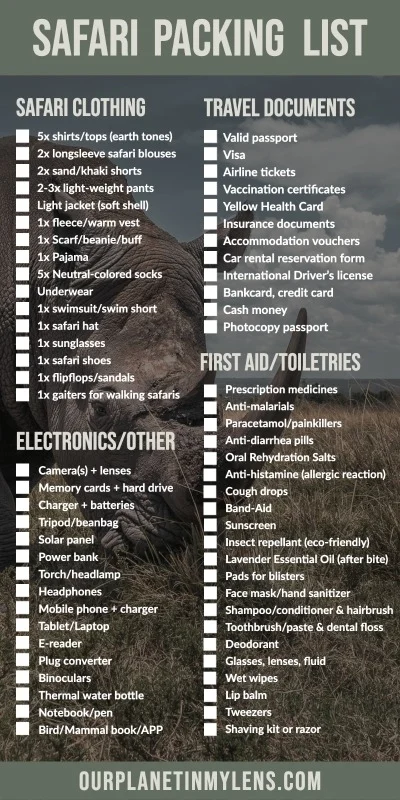
A packing list built specifically for safari conditions — neutral-colored clothing, layers for cold early-morning game drives, and a good pair of binoculars — saves you from either overpacking or forgetting essentials. Our best safari packing list for Canadian travelers covers exactly what to bring and what to leave at home, including a detailed take on what not to bring on a Kenyan safari.
For health and entry documentation, keep a single folder — digital or physical — with your passport copy, eTA approval, vaccination record, and travel insurance policy number. Free tools like the Government of Canada's official travel advisory site provide up-to-date entry requirement information alongside any operator-provided checklists. Pairing that free resource with an operator's own FAQ page gives you both the official government guidance and practical, trip-specific answers in one place.
When comparing operators, request quotes side by side using a simple spreadsheet with columns for inclusions, exclusions, per-day cost, and accreditation. This makes it far easier to spot which "cheaper" quote is actually missing key inclusions like park fees or airport transfers.
What's Next: Steps to Book Your Safari
Booking an African safari from Canada follows a fairly predictable sequence once you know what to look for at each stage. Following these steps in order helps avoid the common mistake of booking flights before confirming your safari dates are actually available.
- Choose your destination and season based on the wildlife experience you want, using the Kenya, Tanzania, South Africa, and Botswana comparison above as a starting point.
- Request itemized quotes from two or three licensed operators, such as Beyond the Plains Safaris, and compare inclusions line by line rather than just total price.
- Confirm your safari dates and lodge availability with your chosen operator before booking any flights, since safari availability is generally more constrained than flight availability.
- Book your international flights, aiming for routings through Amsterdam, London, Doha, or Dubai with reasonable layover times.
- Apply for your visa or eTA as soon as your travel dates are confirmed, allowing at least three weeks of processing buffer.
- Book a travel health consultation six to eight weeks before departure to complete any multi-dose vaccinations.
- Purchase travel insurance that specifically covers trip cancellation, medical evacuation, and adventure activities.
- Finalize packing using a safari-specific checklist about two weeks before departure.
If you'd rather skip the back-and-forth of gathering quotes yourself, booking a free consultation with a Kenya-based operator lets an experienced planner build a Canada-specific itinerary around your dates and budget directly.
Conclusion
Planning an African safari from Canada comes down to a handful of decisions: choosing the right destination and season, understanding your real all-in cost in CAD, confirming visa and health requirements early, and vetting your tour operator carefully before booking. Get those pieces right, and the logistics that once felt overwhelming turn into a straightforward checklist. Your bucket-list trip through the Maasai Mara or Serengeti is closer than that first confusing search made it feel — start with a licensed, transparent operator and the rest of the planning falls into place.










Comments (0)
Leave a Comment
No comments yet. Be the first to comment!