

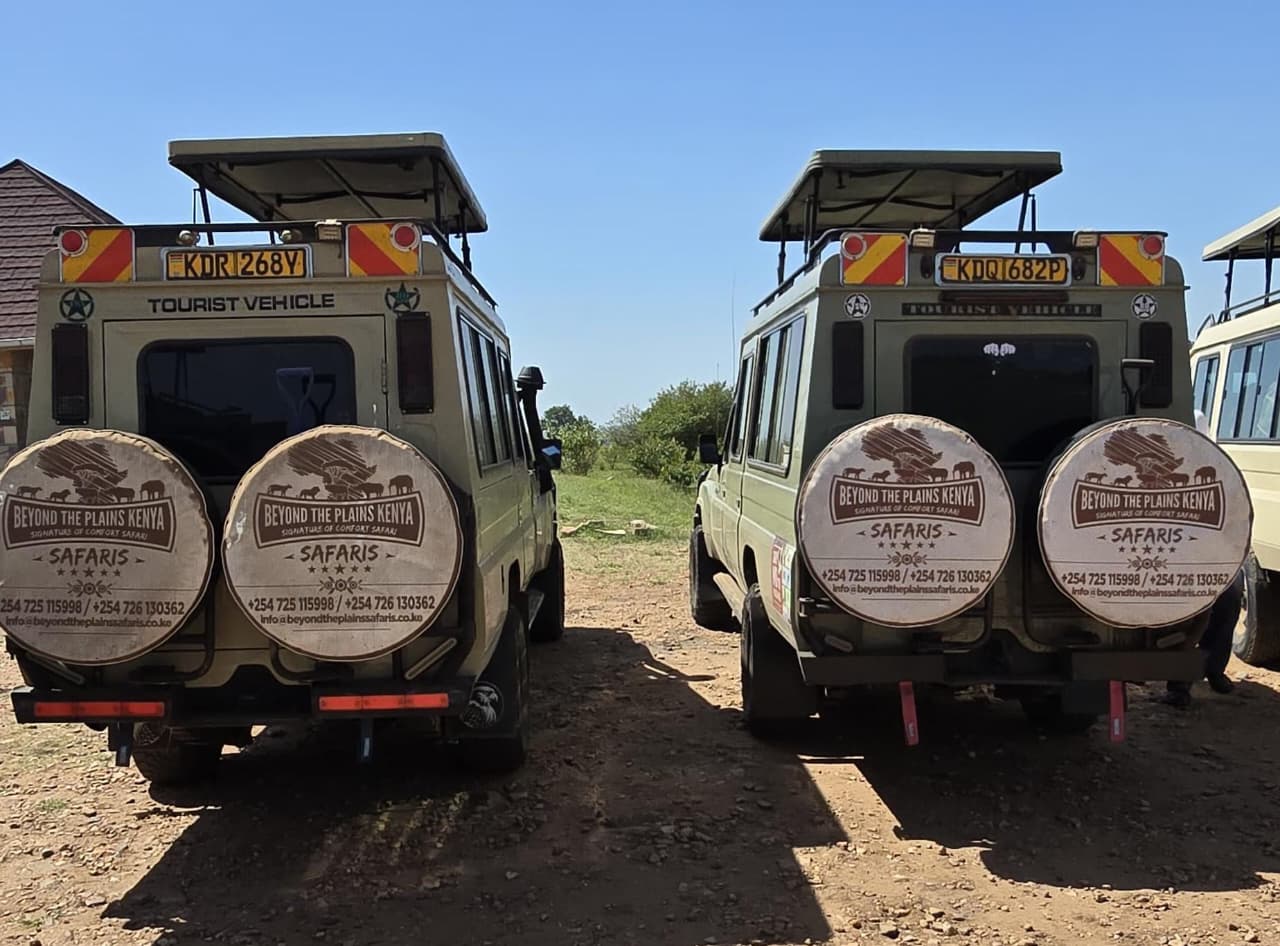
The Ultimate Kenya Safari Guide for Chinese Travellers: Visa, Cost, and Best Time to Go
You've seen the photos — golden savannah, lions at sunrise, herds stretching to the horizon — and Kenya has landed on your travel list. But between visa rules that changed in 2024, unfamiliar costs, and the sheer number of parks to choose from, most Chinese travellers aren't sure where to actually start planning. This guide walks through everything from the eTA application to the best months for the Great Migration, so you can book your first Kenya safari with confidence.
Key Takeaways
- A Kenya safari typically combines game drives across parks like the Maasai Mara, Amboseli, and Tsavo with stays at lodges or tented camps, usually over five to ten days.
- Kenya replaced its visa-on-arrival system with an Electronic Travel Authorisation (eTA) in January 2024, and Chinese citizens must apply online before travel and typically receive approval within a few business days.
- The Great Migration river crossings in the Maasai Mara are most visible between July and October, while January to March offers calving season and fewer crowds.
- Safari costs vary widely by lodge tier, with budget camping trips, mid-range lodges, and luxury tented camps representing three distinct price brackets that Chinese travellers should compare before booking.
- Yellow fever vaccination is only required if arriving from an endemic country, but malaria prevention and comprehensive travel insurance are strongly recommended for all visitors.
- Cash in US dollars or Kenyan shillings, mobile money (M-Pesa), and major credit cards are all used in Kenya, though rural lodges may have limited card access.
- Choosing a licensed tour operator with transparent itineraries and English- or Mandarin-speaking guides significantly reduces planning risk for first-time visitors to East Africa.
What Is a Kenya Safari?
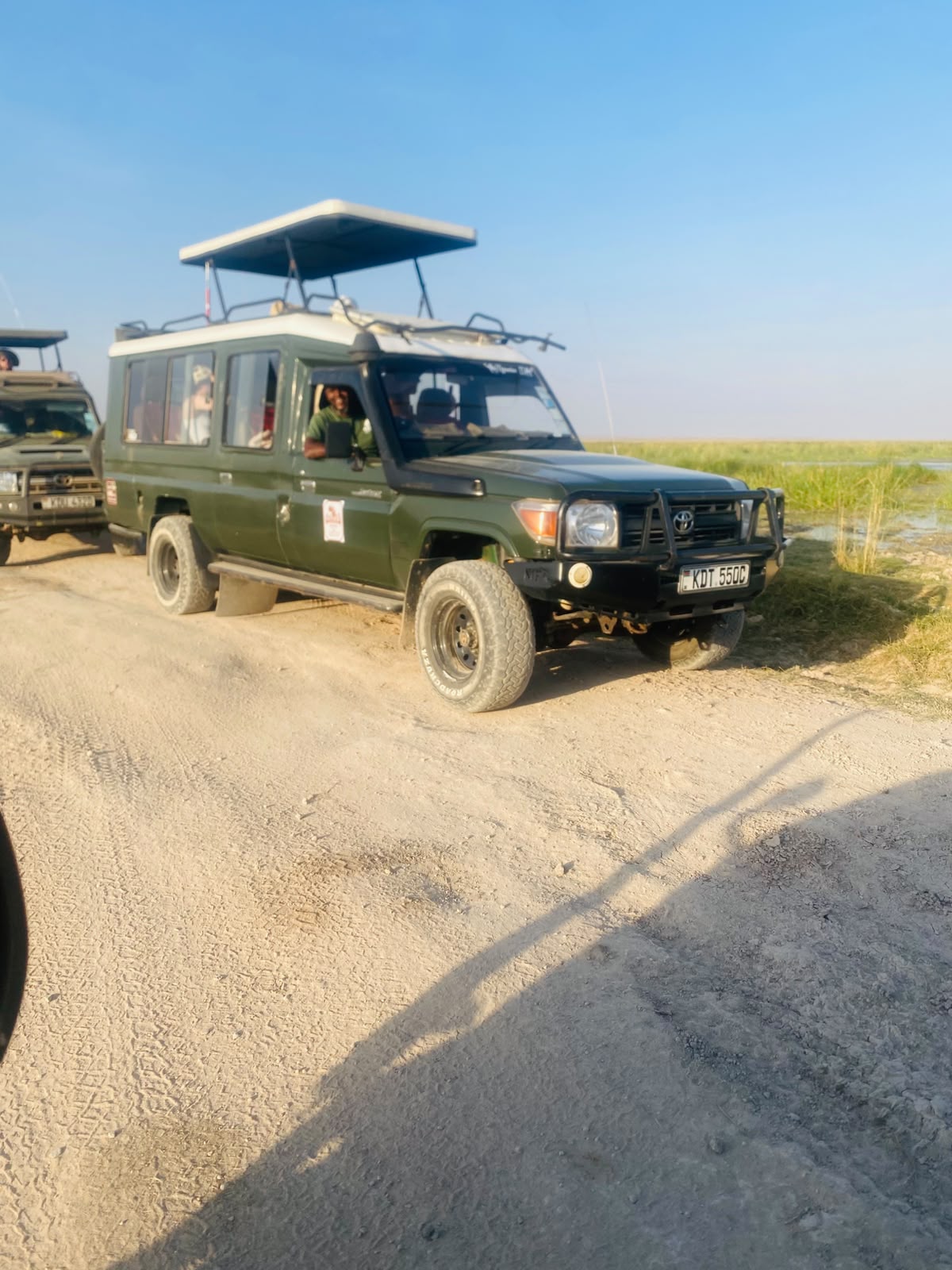
A Kenya safari is a guided wildlife-viewing trip through parks and reserves such as the Maasai Mara, Amboseli, and Tsavo, typically combining game drives with stays at lodges or tented camps. First, most safaris are organized around morning and afternoon game drives in a 4x4 vehicle with a professional driver-guide, timed around when animals are most active. For example, a typical day might start with a 6:30am departure to catch predators before the heat sets in, followed by brunch back at camp and a second drive in the late afternoon.
Second, accommodation ranges from simple tented camps to five-star lodges with private plunge pools, and this choice shapes both your budget and your experience. Lodges are permanent structures with hotel-style rooms, restaurants, and often a pool, while tented camps offer canvas rooms with real beds and en-suite bathrooms, giving a closer feel to the bush without sacrificing comfort. As such, neither option is objectively better — it comes down to whether you want a hotel-like base or a more immersive night-time experience listening to the sounds of the savannah.
Third, most first-time visitors combine two or three parks over five to ten days rather than staying in a single location. This lets you compare ecosystems — the open plains of the Mara against the elephant herds of Amboseli, for instance — without spending your entire trip on transfers. For a closer look at how these stops fit together, our sample 7-day Kenya itinerary breaks down a realistic pacing for a first visit.
Finally, a safari is not a single fixed product — it can be a self-drive budget trip, a mid-range group tour, or a fully bespoke luxury itinerary with a private guide. Roughly 1.3 million international tourists visited Kenya in 2023, with wildlife tourism driving the majority of that demand — Source: Kenya Tourism Board, 2024. Understanding this range early helps you set realistic expectations before you start comparing operators or prices.
Why Kenya Is a Top Safari Destination for Chinese Travellers
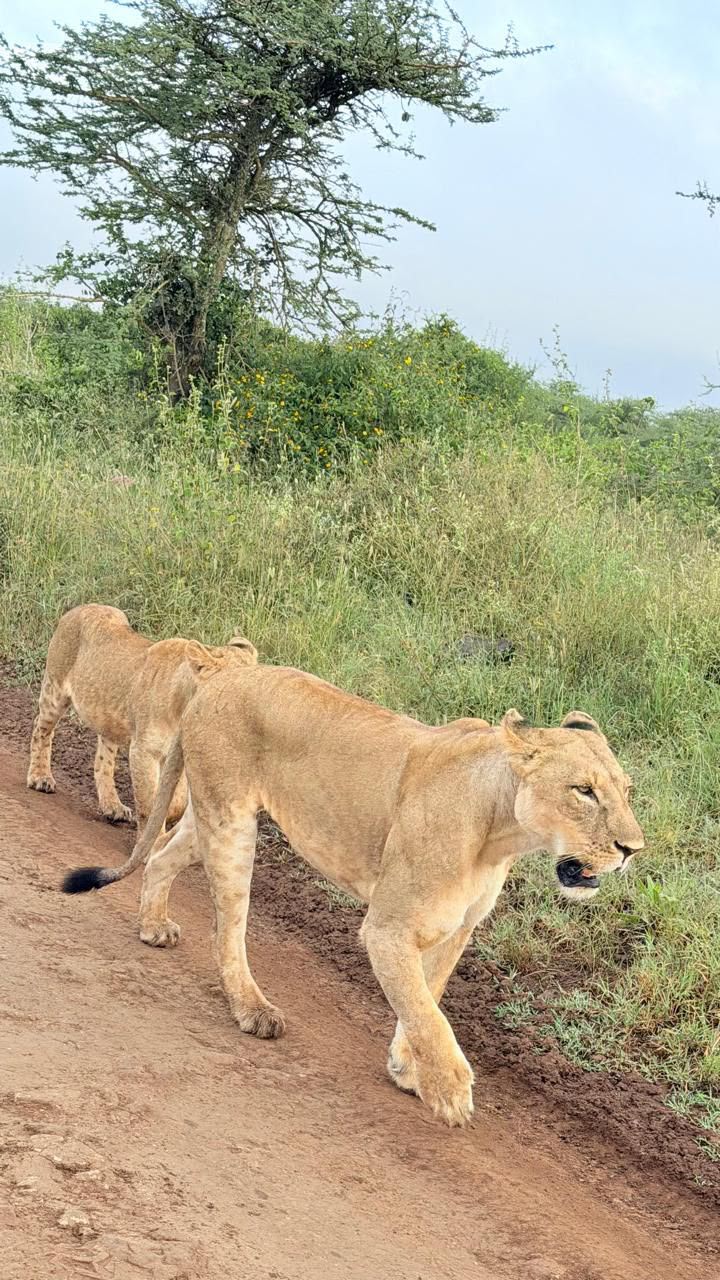
Kenya remains one of the top safari destinations for Chinese travellers because it combines the Big Five, the Great Migration, and improving direct flight access in a single, relatively compact country. First, Kenya is home to the so-called Big Five — lion, leopard, elephant, buffalo, and rhino — all of which can realistically be seen in a single well-planned trip through the Maasai Mara and Amboseli. This concentration of iconic wildlife in a small geographic area is rare even by African standards.
Second, the Great Migration, in which roughly two million wildebeest and zebra move between the Serengeti and the Maasai Mara, is one of the most-searched wildlife events in the world and draws visitors specifically to witness it. For example, the dramatic river crossings at the Mara River, where crocodiles wait for wildebeest attempting to cross, have become a signature image associated with African safaris in Chinese media and social platforms like Xiaohongshu and Douyin.
Third, flight access between China and Kenya has been improving steadily. China Southern Airlines currently operates non-stop flights between Guangzhou and Nairobi roughly four times a week, with a flight time of around 11 hours — Source: FlightConnections, 2026. Kenya Airways has also announced plans to launch direct Nairobi–Beijing flights, which would further shorten the routing for travellers from northern China. In the meantime, connecting options through Addis Ababa, Doha, or Dubai remain widely used and generally reliable.
Moreover, China-Kenya travel and trade ties have deepened over the past decade, which shows up in more Mandarin-speaking guides, Chinese-friendly payment options, and a growing number of Chinese-owned or Chinese-oriented tour operators based in Nairobi. This growing infrastructure can meaningfully reduce the communication anxiety that often comes with a first trip to Africa. At the same time, Kenya tends to offer strong value compared to other African safari destinations, since its park fee structure and lodge pricing are generally more moderate than comparable experiences in Botswana or the private conservancies of South Africa.
How Does the Kenya eTA Application Process Work for Chinese Citizens?
The Kenya eTA is Kenya's mandatory online travel authorisation, and Chinese citizens must apply for it and receive approval before departure since there is no visa-on-arrival option. Kenya's Electronic Travel Authorisation (eTA) replaced visa-on-arrival for all foreign visitors starting 1 January 2024, and applications must be submitted at least three days before travel. This means that arriving without an approved eTA can result in denied boarding at your departure airport, so this is not a step to leave until the last minute.
First, the application is completed entirely online through Kenya's official government portal, and it should never be submitted through a third-party site, since unofficial platforms often charge inflated fees or produce invalid approvals. You will need a passport valid for at least six months, a digital passport photo, your flight itinerary, and accommodation details for your stay. For a step-by-step walkthrough matched to Chinese passport requirements, see our Kenya eTA application walkthrough.
Second, the standard processing fee is USD 30 per traveller, payable by credit or debit card at the time of application, and this fee is non-refundable regardless of the outcome. The Kenya eTA allows a single entry and permits a stay of up to 90 days for tourism, business, or transit purposes. Each traveller — including infants and children — requires their own separate application and payment; there is no reduced or family-bundled fee.
Third, processing is usually completed within a few business days. Standard applications are typically approved within roughly 48 to 72 hours, though an expedited option exists for immediate processing at an additional cost. That being said, Chinese travellers should still apply at least one to two weeks before departure to leave a buffer for document corrections, since mismatched details between your passport and itinerary are the most common cause of delay.
Finally, once approved, you'll receive your eTA by email as a downloadable document. Print a physical copy to carry alongside your passport, since immigration officers at Jomo Kenyatta International Airport commonly ask to see the printed approval even though the system is fully digital.
When Is the Best Time to See the Great Migration in the Maasai Mara?
The best time to see the Great Migration river crossings in the Maasai Mara is between July and October, when the herds move north from Tanzania's Serengeti in search of fresh grazing. The Great Migration river crossings are most visible in Kenya's Maasai Mara between July and October, according to seasonal wildlife tracking data. This is also Kenya's dry season, which means better road conditions, easier wildlife spotting due to thinner vegetation, and generally sunnier weather for photography.
At the same time, this period is also peak tourist season, so lodges book up early and prices climb accordingly. For example, a Mara tented camp that charges around USD 300 per night in the low season can rise to USD 500 or more per night during peak migration weeks. Chinese travellers planning around Golden Week or Chinese New Year should book well in advance, since both periods can overlap with high international demand.
For those who prefer smaller crowds, January to March offers a different but equally rewarding experience: the calving season, when hundreds of thousands of wildebeest give birth on the southern Serengeti-Mara plains, drawing predators close behind. This period also tends to bring lower lodge rates and shorter waiting times at popular sighting spots. Plus, the short rains typically fall in November, and the long rains fall from April to May, so travellers who are flexible on timing but want to avoid heavy rainfall should generally target the dry windows outside those two stretches.
Our Great Migration monthly calendar breaks down month-by-month migration positioning if you want to plan your trip around a specific event, such as a river crossing versus a calving-ground visit.
Which Kenya National Parks Should First-Time Visitors Prioritize?
First-time visitors to Kenya should prioritize the Maasai Mara, Amboseli, Tsavo, and Lake Nakuru, since each offers a distinct landscape and wildlife focus rather than overlapping experiences. Let's take a look at what makes each one worth including.
| Park/Reserve | Best Known For | Ideal Trip Length | Distinctive Feature |
|---|---|---|---|
| Maasai Mara | Big Five, Great Migration | 2-3 nights | River crossings, highest predator density |
| Amboseli | Elephant herds, Mt. Kilimanjaro views | 1-2 nights | Iconic elephant-and-mountain photography |
| Tsavo (East & West) | Red elephants, vast wilderness | 1-2 nights | Kenya's largest park system, fewer crowds |
| Lake Nakuru | Rhinos, flamingos, birdlife | 1 night | Reliable rhino sightings in a fenced sanctuary |
First, the Maasai Mara is Kenya's flagship reserve and the top priority for most visitors, since it offers the highest concentration of predators anywhere in the country alongside the Great Migration. Second, Amboseli National Park is famous for its large, free-roaming elephant herds set against the backdrop of Mount Kilimanjaro, which sits just across the border in Tanzania and makes for some of Africa's most photographed scenery.
Third, Tsavo, split into Tsavo East and Tsavo West, is Kenya's largest protected area and is known for its red-dust elephants, which get their colour from bathing in iron-rich soil. This park sees fewer tourists than the Mara, which makes it appealing for travellers who want a quieter, more open-wilderness feel. Fourth, Lake Nakuru National Park is smaller and easier to combine with a short itinerary, and it's one of the more reliable places in Kenya to see both black and white rhino in a protected, fenced sanctuary.
For a side-by-side look at how to split your time between the two most-requested parks, read our Maasai Mara vs. Amboseli comparison, which covers driving distances, scenery, and which one suits a shorter trip.
How Much Does a Kenya Safari Cost for a Chinese Traveller?
A Kenya safari for a Chinese traveller generally falls into three cost tiers — budget, mid-range, and luxury — with total trip cost driven mainly by accommodation choice, park fees, and international flights. First, international flights from major Chinese cities typically range from roughly USD 700 to USD 1,400 round-trip depending on season and routing, with direct China Southern service from Guangzhou generally landing at the lower end of that range compared with multi-stop itineraries.
Second, park entrance fees are charged per person per day and vary by park; Maasai Mara fees, for example, are generally higher than Tsavo or Lake Nakuru because of its popularity and conservation costs. These fees are usually built into your tour operator's quoted package rather than paid separately, which is one reason itemized quotes matter when comparing operators.
Third, accommodation is the biggest cost swing in any safari budget:
- Budget tier (camping or basic guesthouses): roughly USD 150-250 per person per night, all-inclusive
- Mid-range tier (comfortable lodges and tented camps): roughly USD 250-500 per person per night, all-inclusive
- Luxury tier (premium tented camps and private conservancies): USD 500-1,200+ per person per night, all-inclusive
For example, a couple booking a mid-range 6-night safari covering the Mara and Amboseli might expect to pay somewhere between USD 3,000 and USD 5,000 per person, inclusive of park fees, meals, and ground transport, before international flights. If a private-conservancy luxury experience appeals to you, our roundup of luxury tented camps in Kenya covers the top-tier properties and what sets them apart.
Fourth, tipping is customary and typically expected in cash: a common guideline is USD 10-15 per day for your driver-guide and USD 5-10 per day for camp staff, though this can vary by operator and group size. Fifth, on currency and payment methods, Kenya widely accepts cash in US dollars or Kenyan shillings, and mobile money through M-Pesa has become the default payment method for many local transactions.
Can You Use Mobile Payments or UnionPay Cards in Kenya?
Yes, major hotels, lodges, and tour operators in Kenya generally accept Visa and Mastercard, and UnionPay acceptance has been expanding at larger properties and in Nairobi, though it remains less universal than in major Chinese cities. That being said, remote camps and rural lodges may have limited or no card connectivity due to unreliable internet access, so carrying some US dollar cash as a backup is strongly advisable. M-Pesa, Kenya's mobile money platform, is primarily used by residents and local merchants, but many tour operators can arrange cash-equivalent transactions on your behalf if needed. For a fuller breakdown of how this system works for visitors, see our guide on how M-Pesa works for tourists.
Is Kenya Safe for Chinese Tourists Traveling Independently or in Groups?
Kenya's main tourist circuits — the Maasai Mara, Amboseli, Tsavo, and Nairobi's established hotel districts — are generally safe for both independent and group Chinese travellers when using a licensed, reputable operator. First, safari lodges and camps operate within controlled, gated properties with staff trained in wildlife safety protocols, so the core "in the bush" experience is closely managed rather than left to chance. This addresses one of the most common misconceptions: that safari travel means unsupervised exposure to dangerous animals, when in practice all game viewing happens from a vehicle with a trained guide.
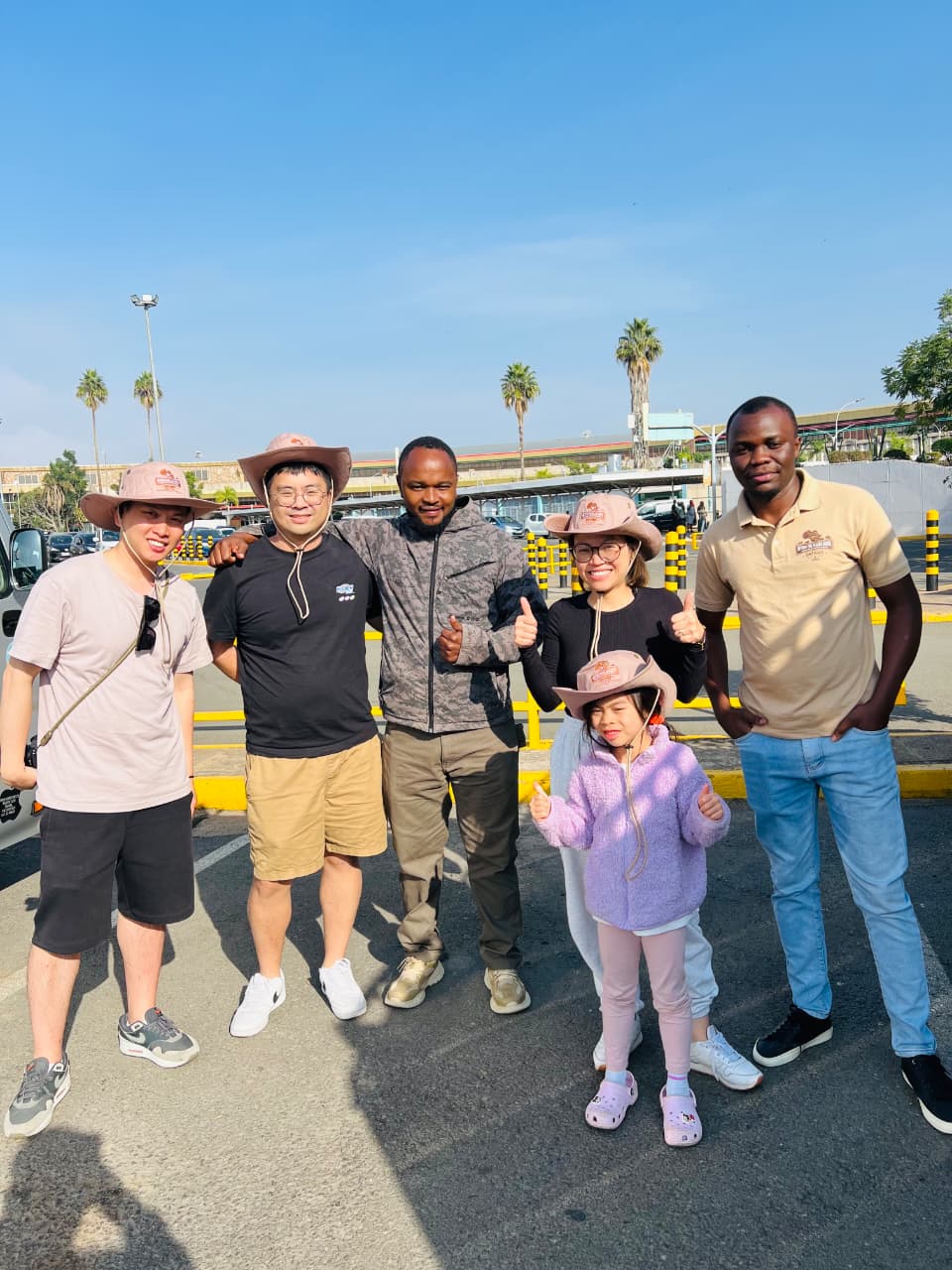
Second, most safety concerns that do arise relate to general urban travel precautions in Nairobi, similar to what you'd apply in any major city — avoiding unlit areas at night, using hotel-arranged transport rather than hailing unmarked vehicles, and keeping valuables secured. As such, travellers who book through an established operator rarely encounter these issues directly, since transfers and activities are pre-arranged door-to-door. Moreover, growing numbers of Mandarin-speaking guides and Chinese-oriented tour desks in Nairobi have made communication and reassurance easier for FIT travellers who don't speak English fluently.
For broader context on precautions and current advisories, our Kenya travel safety tips page covers practical, up-to-date guidance for both group and independent travel styles.
What Vaccinations and Health Precautions Are Needed Before a Kenya Safari?
Yellow fever vaccination is only mandatory for travellers arriving in Kenya from a country with risk of yellow fever transmission, not for all visitors. Since China is not classified as a yellow fever risk country, Chinese travellers flying directly from China generally do not require this vaccination for entry — though it's worth confirming your specific routing, since transiting through a yellow-fever-endemic country can change this requirement.
First, malaria prevention is strongly recommended for all Kenya safari destinations at lower elevations, including the Maasai Mara, Amboseli, and Tsavo, since these areas fall within malaria-risk zones. This typically means taking a prescribed antimalarial medication starting before, during, and after your trip, combined with mosquito repellent and long sleeves during dawn and dusk game drives. For a fuller explanation of medication options and timing, our guide on malaria prevention for East Africa travel walks through the standard precautions.
Second, comprehensive travel insurance covering medical evacuation is strongly advised, since remote safari camps can be hours from the nearest hospital and emergency evacuation by air can be costly without coverage. Most reputable operators can recommend policies or, in some cases, include basic evacuation coverage as part of their package. Third, routine vaccinations — such as tetanus, hepatitis A, and typhoid — are commonly recommended by travel clinics for East Africa, though requirements vary by individual health history, so a pre-trip consultation with a travel medicine clinic is worthwhile.
What Should You Pack for a Kenya Safari?
A Kenya safari packing list should prioritize neutral-colored clothing, layers for temperature swings, and gear suited to dusty, open-vehicle game drives. First, pack earth-toned clothing — khaki, olive, tan — since bright colors and pure white can startle wildlife and dark blue or black can attract tsetse flies in certain areas. Second, bring layers, since early morning game drives can start near 10-15°C while afternoons often climb into the high 20s or low 30s, especially in low-elevation parks like Tsavo.
Third, essential gear includes a wide-brimmed hat, sunglasses, high-SPF sunscreen, and insect repellent, plus a light rain jacket if traveling during the shorter rains in November. In addition, binoculars significantly improve the experience for distant sightings, and most experienced safari-goers consider them close to essential rather than optional. Moreover, bring more camera memory and battery capacity than you think you'll need, since remote camps may have limited charging access, and a zoom lens in the 200-400mm range captures wildlife far better than a phone camera alone.
For a complete, checklist-style packing guide organized by trip length and season, see our packing checklist for African safaris
How Do You Choose a Reliable Safari Tour Operator in Kenya?
Choosing a reliable safari tour operator in Kenya starts with verifying that they hold a valid license from the Kenya Tourism Regulatory Authority, since this confirms baseline compliance with safety and business standards. First, look for transparent, itemized itineraries that clearly state which meals, park fees, transport, and activities are included, rather than vague all-in packages that leave key costs unclear until after booking. This transparency matters because hidden costs — like park fee surcharges or optional activity add-ons — are one of the most common sources of traveller frustration after the fact.
Second, prioritize operators with English- or Mandarin-speaking guides, since clear communication with your driver-guide directly affects both safety briefings and how much context you get about the wildlife you're seeing. For example, an experienced guide can explain animal behavior in real time — why a pride is resting near a kill, or why elephants are moving in a particular direction — turning a simple sighting into a genuinely educational experience. Third, check recent reviews across multiple platforms rather than relying on a single source, and ask directly about group size, vehicle type, and whether pop-up roofs are available for standing photography.
Our guide to choosing a licensed Kenya tour operator covers the specific questions worth asking before you commit a deposit.
What Does a Typical 5-Day Kenya Safari Itinerary Look Like?
A typical 5-day Kenya safari itinerary combines Nairobi arrival, two to three nights in the Maasai Mara, and a shorter stop in a second park such as Lake Nakuru or Amboseli before returning to Nairobi for departure. Here's a realistic day-by-day structure many first-time visitors follow:
- Day 1 — Arrival in Nairobi. Land at Jomo Kenyatta International Airport, transfer to a Nairobi hotel, and rest ahead of an early departure the next morning.
- Day 2 — Transfer to the Maasai Mara. Fly or drive to the Mara (roughly a 45-minute flight or 5-6 hour road transfer), settle into camp, and take an afternoon game drive.
- Day 3 — Full day in the Maasai Mara. Morning and afternoon game drives focused on predator sightings and, seasonally, migration crossings.
- Day 4 — Transfer to a second park. Move to Lake Nakuru or Amboseli for a change of scenery, with an afternoon game drive on arrival.
- Day 5 — Final game drive and return to Nairobi. A morning drive followed by transfer back to Nairobi for an evening or next-day international departure.
For a road transfer between Nairobi and the Mara specifically, our page on Nairobi to Maasai Mara transport options compares flying versus driving, including cost and time trade-offs. If you have more time available, extending to seven days allows a third park and a less rushed pace, which our sample 7-day Kenya itinerary lays out in full.
[Insert image: Map illustrating a 5-day Nairobi–Maasai Mara–Lake Nakuru safari route | Alt text: "5-day Kenya safari itinerary map for Chinese travellers"]
What's Next: Planning Your Kenya Safari Step by Step
Now that you understand the full picture, here's how to move from research to a booked trip. First, apply for your Kenya eTA as soon as your travel dates are set, since this is the one step with a hard deadline — submit at least a week in advance to leave a buffer for any document corrections. You can start this process directly through our Kenya eTA application walkthrough.
Second, pick your season based on whether you prioritize the dramatic river crossings of July to October or the quieter calving season of January to March, keeping in mind that peak months require earlier lodge bookings. Third, shortlist two or three licensed operators, request itemized quotes, and compare what's actually included — park fees, meals, transport, and guide language — rather than comparing headline prices alone. You can browse verified itineraries and operator details directly on Beyond the Plains Safaris to see how a fully transparent quote should look.
Fourth, book your flights once your safari dates are confirmed, since lodge availability — not flight availability — is usually the tighter constraint during peak migration season. Finally, browse our full Kenya safari planning blog for deeper dives into each of the topics covered here, from packing lists to park-by-park comparisons.
Conclusion
Planning a first Kenya safari can feel overwhelming from a distance, but the process breaks down into a manageable sequence: secure your eTA, choose your season, pick your parks, set your budget, and select a licensed operator you trust. A well-planned Kenya safari remains one of the most rewarding trips available to Chinese travellers, combining the Big Five, the Great Migration, and improving direct flight access in a single, achievable itinerary. The golden savannah, the sunrise game drives, the herds stretching to the horizon — none of it has to stay a photo on your phone. With the eTA process now digital and predictable, and with growing Mandarin-language support across Kenya's safari industry, there has never been an easier moment to turn this trip from a wish list item into a booked reality.










Comments (0)
Leave a Comment
No comments yet. Be the first to comment!