


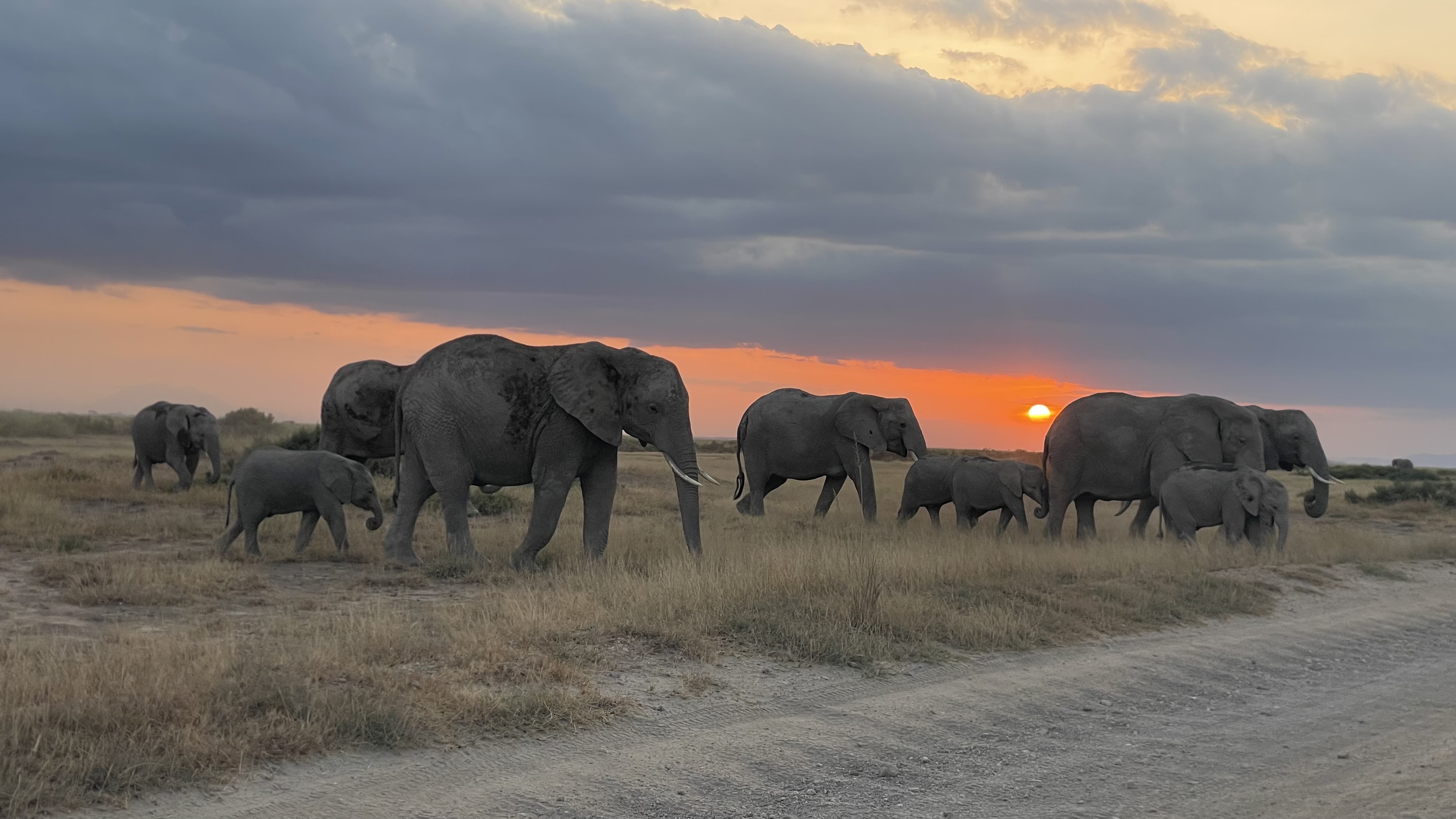
Tours and Safaris Kenya: The Expert Guide to Planning Your Perfect Kenya Safari
By John Dante, Director & Operations Manager, Beyond the Plains Safaris
I've watched a leopard drag a Thomson's gazelle into a fever tree at 6:14 a.m. — not because I was lucky, but because I knew which tree she used and positioned the vehicle accordingly at first light. That kind of knowledge isn't in any travel guide. It comes from fifteen years of reading tracks, managing lodges, and running tours and safaris across Kenya's most demanding terrain. At Beyond the Plains Safaris, we've built our entire operation on this field-level intelligence — and this guide distils what I genuinely tell clients before they book: what to expect, what to budget, and where most operators quietly cut corners.
Whether you're considering your first Kenya safari package or returning to push deeper into the northern frontier, what follows is the most operationally honest planning resource you'll find.
What Makes Kenya the World's Premier Safari Destination?
Kenya's competitive advantage isn't any single park — it's the density and variety of wildlife ecosystems compressed into a single country. According to Kenya Wildlife Service (KWS), Kenya protects approximately 8% of its total land area across 23 national parks and 34 national reserves, a network that spans savannah, montane forest, semi-arid scrub, freshwater lakes, and Indian Ocean coast.
The numbers are specific and worth citing. Kenya is home to an estimated 35,000 elephants (African Wildlife Foundation, 2024), over 1,000 bird species — roughly 10% of the world's total avian diversity — and supports the world's largest terrestrial mammal migration, with approximately 1.5 million wildebeest, 200,000 zebra, and 500,000 Thomson's gazelle crossing between the Serengeti and the Masai Mara annually (IUCN, 2023). No comparable East African destination offers this breadth within a single itinerary.
What separates Kenya from Tanzania for multi-destination travellers is road infrastructure and airstrip access. Kenya's internal charter network connects Nairobi to bush airstrips in under 90 minutes, meaning a well-designed 10-day Kenya wildlife safari can cover three distinct ecosystems without sacrificing field time to long drives. That operational efficiency is something I factor into every itinerary we build. If you're weighing up both countries, our detailed guide to Kenya vs Tanzania safaris works through the decision honestly.
Kenya's photographic light is also underrated in planning conversations. The country sits just south of the equator, which produces flat golden light from roughly 6:00 to 8:30 a.m. and again from 4:30 to 6:30 p.m. — the two windows when most predator activity peaks and photography is optimal. Plan game drives around this window, not lodge meal schedules.
The Main Kenya Safari Destinations: What Each Park Actually Delivers
Masai Mara National Reserve
The Masai Mara National Reserve covers 1,510 square kilometres of open savannah in Kenya's southwest, and it earns its reputation. The resident lion population is one of the densest in Africa — KWS estimates approximately 850–900 lions across the greater Mara ecosystem — and big cat sightings are more consistent here than anywhere else I operate. The wildebeest crossing at the Mara River runs from late July through October, peaking in August, and the spectacle is genuine. What most operators don't tell you: the most productive crossing points shift year to year depending on river levels. We track this in real time through our Mara-based guide network and adjust client positioning accordingly.
Amboseli National Park
Amboseli National Park is Kenya's elephant capital. The park's population of approximately 1,600 elephants is among the most studied in the world, and these animals are habituated to vehicles at close range — you can observe genuine herd social dynamics without disturbing behaviour. The backdrop of Kilimanjaro (when cloud-free, typically morning) produces iconic photographic compositions that define the Kenya safari aesthetic. Amboseli sits at 1,220 metres and benefits from cooler morning temperatures. Minimum recommended stay: two nights to allow for both morning and evening game drives.
Samburu National Reserve
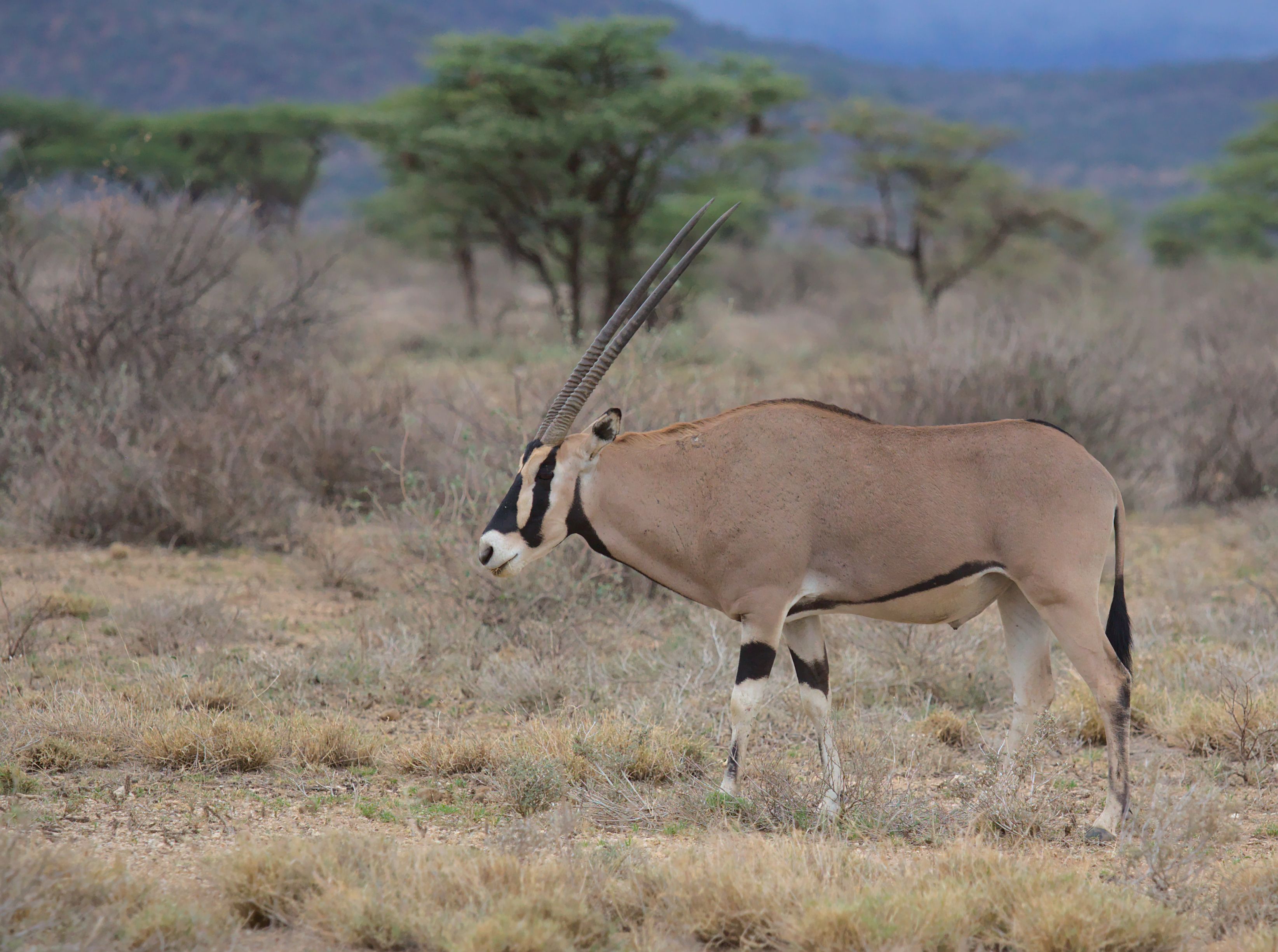
Samburu Game Reserve is where serious safari clients come for species they cannot see further south. The reserve hosts the so-called Samburu Special Five: Grevy's zebra, reticulated giraffe, Beisa oryx, Somali ostrich, and gerenuk — all arid-specialist species found nowhere else on a Kenya safari itinerary. The Ewaso Ng'iro river that bisects the reserve concentrates wildlife, particularly during the dry season, making sightings reliably dense along a compact riverine strip. Samburu is also Kenya's premier leopard reserve on a per-drive basis. Plan three nights minimum to explore both the main reserve and adjacent Buffalo Springs.
Tsavo East and West National Parks
Combined, Tsavo covers 21,812 square kilometres — making it Kenya's largest protected ecosystem, roughly the size of Wales. Tsavo's red elephants (iron-rich soil stains their skin) number approximately 15,000, the largest single elephant population in Kenya. Tsavo East and Tsavo West together form a legitimate wilderness: fewer vehicles, longer distances between sightings, and a landscape that rewards patience. I recommend Tsavo for clients who have already done the Mara and want something less curated. Don't compress Tsavo into a day — it requires at least three nights to do justice to both parks.
Laikipia Plateau / Ol Pejeta Conservancy
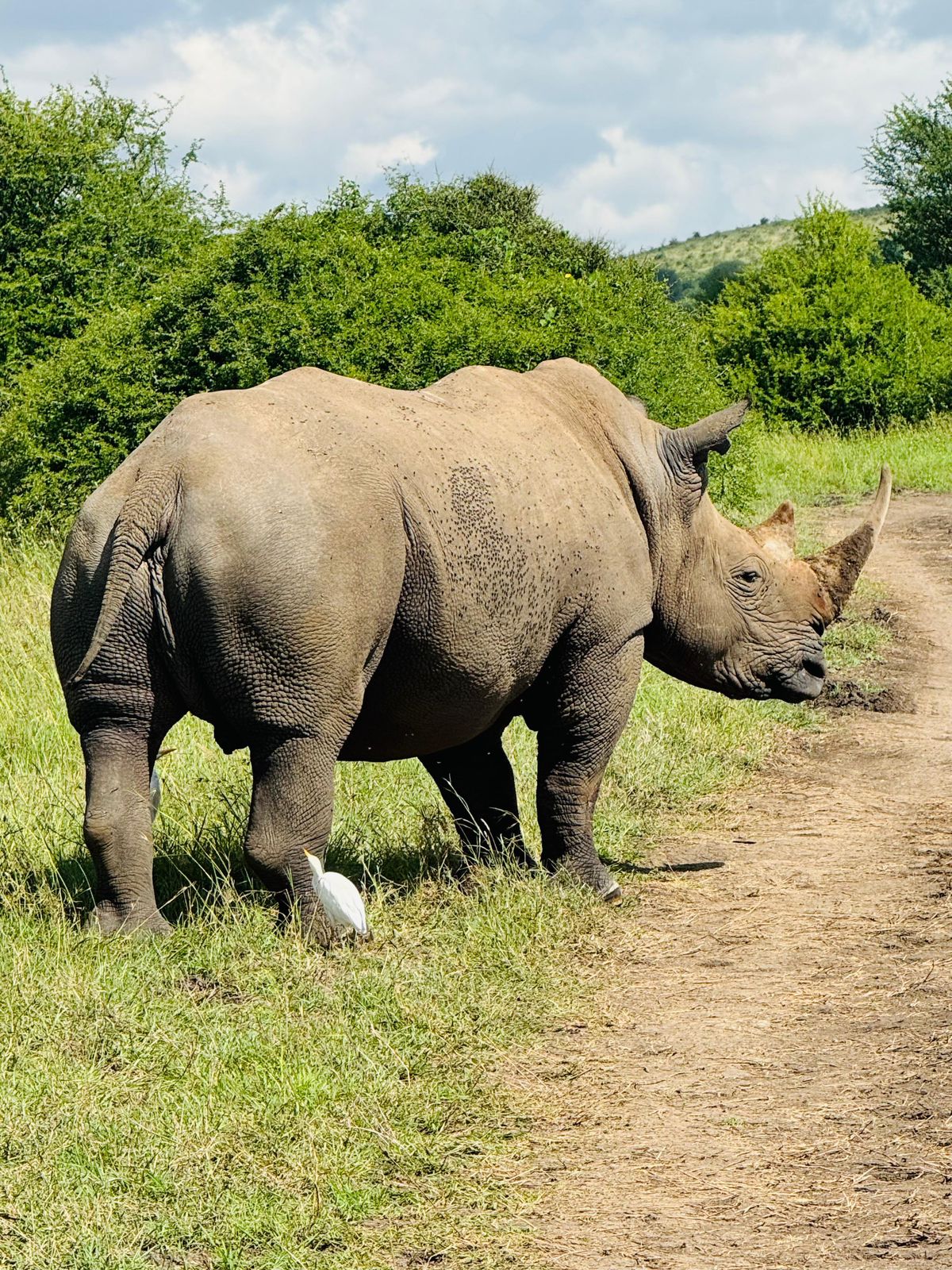
Laikipia is Kenya's most operationally progressive wildlife destination. Ol Pejeta Conservancy alone supports over 130 black rhino — the largest population in East Africa — as well as chimpanzee sanctuary access and the world's last two northern white rhinos. What distinguishes Laikipia from the national parks is the conservancy model: night game drives, walking safaris, and horseback safaris are permitted here, offering experiences that park regulations prohibit elsewhere. For a Kenya safari package combining wilderness and conservation depth, Laikipia should be on every serious itinerary.
How to Choose the Right Kenya Safari Package for You
The first decision is private versus group safari. A private Kenya wildlife safari means a dedicated vehicle, departure times set by you, and the ability to stay with a sighting as long as you choose. A group safari — typically 6–7 passengers per vehicle — runs fixed schedules and democratic sighting decisions. For photography clients, families with flexible children, or anyone with specific wildlife priorities, private is always the right call. Group works for solo travellers or pairs on tighter budgets who want social interaction. We've written a full breakdown of group vs private safari experiences in Kenya if you want to work through the tradeoffs in detail.
Budget tiers (per person per night, fully inclusive):
| Tier | Accommodation Type | Approx. Cost (USD) |
|---|---|---|
| Budget | Tented camps, shared facilities | $200–$400 |
| Mid-range | Comfortable lodge or private tented camp | $400–$700 |
| Luxury | Premium tented camp, en-suite, full service | $700–$1,500 |
| Ultra-luxury | Exclusive-use or high-end concession camp | $1,500–$3,500+ |
These figures include accommodation, meals, twice-daily game drives, and park fees. International flights, visas, and tips are always excluded — an important distinction when comparing quotes.
On duration: I tell every client the same thing. Five nights is the minimum for a meaningful two-park Kenya safari. Seven to ten nights is the sweet spot for three parks done properly. Anything under four nights produces rushed game drives and insufficient acclimatisation to field conditions. The most common client regret I hear is not booking more time. For a worked example of what's actually included — and what gets quietly left out — read our guide to Kenya safari packages: what's included and how to choose.
What's routinely excluded from advertised Kenya safari packages: internal charter flights ($150–$450 per sector), park conservancy fees in the Mara ($80–$120 per person per night beyond park entry), premium room supplements at peak season, and travel insurance. Scrutinise any quote carefully.
The Best Time for Tours and Safaris in Kenya
Kenya has no universally bad month for wildlife — but conditions vary significantly across the calendar, and most online advice oversimplifies the tradeoffs. For a month-by-month breakdown with rainfall data and park-specific notes, our best time to visit Kenya for a safari guide covers every scenario in full.
January–February: Peak dry season outside the Mara. Excellent game viewing in Amboseli and Samburu. Vegetation is sparse, animals concentrate at water sources, and photographic backgrounds are clean. Considered by many guides — myself included — to be the finest time in Amboseli.
March–May: Long rains. Landscapes transform; most highland camps close for maintenance. Samburu and the Northern Circuit receive less rain and remain operational. Rates drop 20–40%, and parks are uncrowded. If your priority is privacy over greenery, March can be exceptional.
June–July: Short dry season begins. Vegetation thins, predator activity increases, and the early wildebeest advance into the Mara begins from late June. This is the beginning of peak season.
August–October: Peak migration season. Wildebeest river crossings are at their most frequent in August. Vehicle concentrations at the Mara River are real — managing this requires knowing which crossings to avoid and which concession areas to position in. These are the most expensive months across all Kenya safari packages.
November: Short rains. Brief and usually manageable. Bird life peaks as migratory species arrive. A genuine shoulder season bargain.
December: Festive season premium pricing, but conditions are excellent. Families dominate lodge bookings; book 12+ months ahead for December travel.
My personal recommendation: late January or early February for a first Kenya safari. The light is extraordinary, the parks are dry and concentrated, migration crowds are absent, and the combination of Amboseli and Samburu in this window produces some of the most consistent game viewing of any month. For clients whose priority is the wildebeest migration specifically, commit to August and manage expectations about vehicle density — it's manageable with the right guide and positioning.
What to Expect on a Kenya Wildlife Safari: A Day in the Field
The alarm in your tent goes off at 5:30 a.m. The canvas around you is cold and damp. You dress in layers — mornings in the Mara sit around 12°C in July, even though you packed for Africa. By 6:00 a.m. you're in the vehicle with a flask of coffee and your guide is already scanning the grass line 400 metres out.
In fifteen years, I've learned that the first ninety minutes after sunrise determine the quality of an entire game drive. Predators that hunted through the night are either feeding, moving to shade, or caching a kill. If you're not moving before 6:15, you're arriving late to the best of the day.
We drive silently toward an area where we found lion tracks yesterday afternoon — fresh, heading southeast toward the lugga. The tracker reads the substrate without me asking. Dew still sits on the grass, which tells us the prints are from last night. The lions moved at 2:00–3:00 a.m. We follow, not because we're chasing, but because we're building a picture.
At 7:40 a.m. we find three cheetah brothers — a coalition — scanning from a termite mound. They're hunting. Every guide in the vicinity will converge within fifteen minutes. We position the vehicle to the east so the light stays behind us, engine off. I tell clients: watch the body language, not the prey. The cheetahs will show you what's about to happen thirty seconds before it does.
By 11:00 a.m. we're back at camp. Breakfast, rest, and the park to yourself while every other vehicle sits at the crossing waiting for wildebeest that may not come. I've learned that the midday hours belong to birds, leopards in acacia canopy, and the kind of quiet observation that produces the memories clients talk about years later. If you want to know what our guides are specifically doing in those first critical minutes, we wrote about it here: what guides do in the first 15 minutes of a game drive.
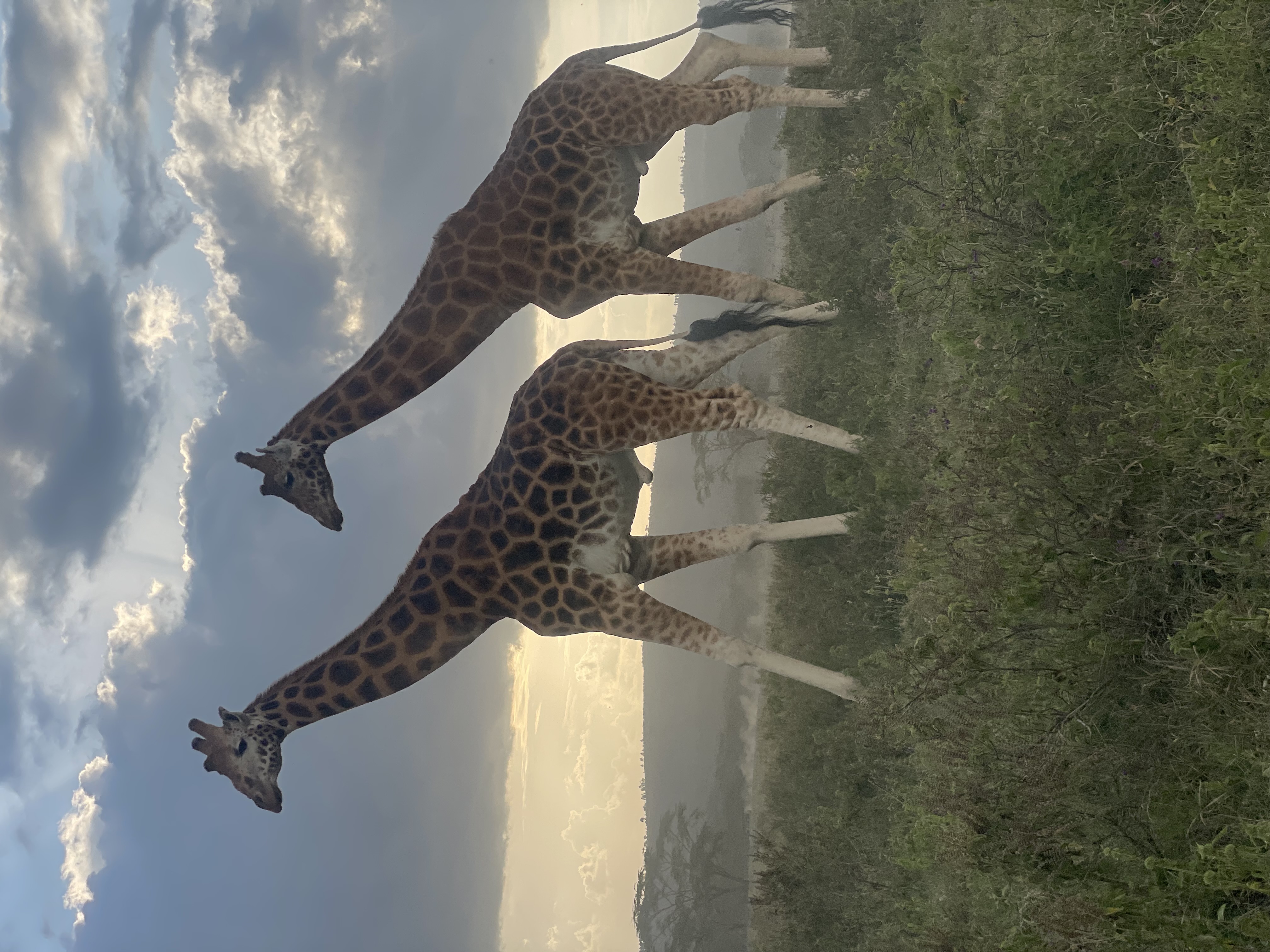
Afternoon drive departs at 4:00 p.m. Sunset at 6:30 p.m. Dinner at 7:30, in bed by 9:00. Tomorrow we do it again. After three days, you'll find yourself genuinely changed by the rhythm.
Kenya Safari Costs: What You Should Actually Budget
The most common mistake I see on client budgets is under-accounting for everything outside accommodation. Here is an honest, itemised breakdown for a 7-night private Kenya safari (two people, mid-range tier):
| Cost Item | Approx. Cost (USD) |
|---|---|
| International return flights (Europe) | $1,200–$1,800 per person |
| Kenya eVisa | $53 per person |
| Nairobi airport hotel (pre/post) | $150–$300 per night |
| Internal charter flights (3 sectors) | $350–$600 per person |
| Safari accommodation, 7 nights, mid-range | $500–$700 per person per night |
| Park entry fees (KWS, included in above) | $70–$150 per person per day |
| Masai Mara conservancy fees (per night) | $80–$120 per person per night |
| Guide and vehicle (private safari) | Typically included |
| Tips (guide, camp staff) | $15–$25 per person per day |
| Travel insurance | $100–$250 per person |
Realistic total for 7 nights, two people, mid-range: USD $8,000–$14,000 per person including international flights. Budget safaris (shared vehicle, simpler accommodation) can reach $3,500–$5,000 per person for the same duration. Ultra-luxury — exclusive camps, private concessions, premium charters — begins at $20,000 per person. For a granular daily cost breakdown, see our dedicated post on how much a Kenya safari costs per day.
A note on luxury safari Kenya pricing: the price gap between mid-range and ultra-luxury is real, but what you're paying for is access, not just aesthetics. Ultra-luxury camps occupy private concessions where no public vehicles can enter, which means the Mara you experience has four vehicles in it, not forty.
Why Choose Beyond the Plains Safaris for Your Kenya Tour
Beyond the Plains Safaris is a KATO-registered, TRA-licensed Kenya tour operator with a 15-year operational track record across every major ecosystem in the country. In 2025, we were named 1st Runners-Up, Best Tour Operator in Kenya at the Tourism Excellence Awards — recognition that reflects client feedback, guide standards, and operational consistency across hundreds of annually run safaris.
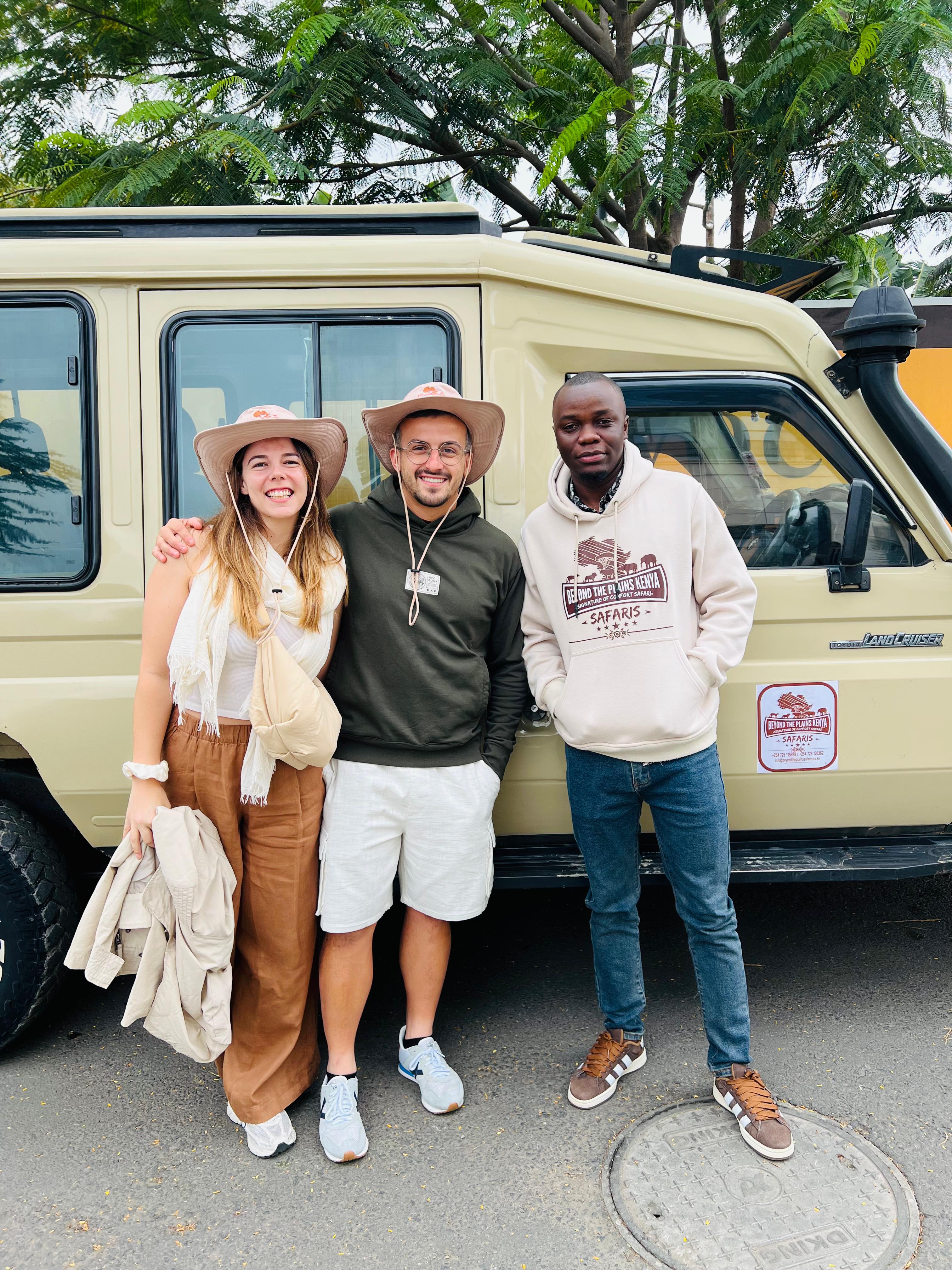
Our fleet consists exclusively of purpose-built 4x4 Land Cruiser safari vehicles with pop-up roof hatches, individual window seats, and charging points — not converted minibuses. Every guide on our team holds a minimum Kenya Professional Safari Guides Association (KPSGA) Silver certification, and senior guides hold Gold. We do not subcontract ground operations. When you book with us, the vehicle, the guide, and the camp relationships are ours.
We guarantee a custom safari proposal within 24 hours of enquiry. No generic package PDFs — every itinerary is built around your specific dates, interests, and mobility. We've run safaris for solo travellers, multi-generational families with children under five, photography professionals on assignment, and conservation researchers requiring off-road permits. Each required a different operational approach, and each received one. You can read 28 specific reasons clients choose us over other operators in this post from our team.
Our proprietary field intelligence network — guides stationed year-round across the Mara, Amboseli, Samburu, and Laikipia — means we know where the leopard with cubs was seen this morning, which Mara crossing had activity yesterday, and whether the rains have moved the elephants out of Amboseli's north basin. That information is what we use to build your daily drive plan. It doesn't exist on any comparison website.
Frequently Asked Questions
How much does a Kenya safari cost?
A Kenya safari costs between $3,500 and $7,000 per person for a 7-night budget to mid-range trip, excluding international flights. Mid-range private safaris typically cost $8,000–$14,000 per person including flights from Europe or North America. Ultra-luxury Kenya safari packages in exclusive concessions begin at $20,000 per person for a comparable duration. Park fees, internal charter flights, visas, and gratuities are generally excluded from advertised base rates and should be budgeted separately.
What is the best time to visit Kenya for a safari?
The best time to visit Kenya for a safari depends on your priorities. January and February offer the finest dry-season game viewing in Amboseli and Samburu with minimal crowds. July through October is peak migration season in the Masai Mara, with wildebeest river crossings most frequent in August. June and November are excellent shoulder months with lower rates and strong wildlife sightings. Kenya's climate makes year-round safaris viable, but June–October is the single most recommended window for first-time visitors.
How many days do you need for a Kenya safari?
A minimum of five nights is required for a meaningful two-park Kenya safari. Seven to ten nights is the optimal duration for covering three distinct ecosystems — typically the Masai Mara, Amboseli, and either Samburu or Laikipia — with adequate time for game drives in each. Safaris shorter than four nights produce rushed scheduling and insufficient time at each destination to observe natural wildlife behaviour across full diurnal cycles.
Is Kenya safe for tourists?
Kenya is safe for safari tourists when travelling with licensed, established operators through established tourist circuits. The Kenya Tourism Board and KWS maintain security protocols across all major national parks and reserves. The Foreign Commonwealth & Development Office (UK), US State Department, and equivalent European agencies currently rate Kenya's main tourist areas as generally safe for travel, with standard precautions recommended in urban centres. Beyond the Plains Safaris monitors FCO, US State Department, and local KWS advisories in real time and adjusts itineraries when any security flag arises.
What is the difference between a budget and luxury Kenya safari?
A budget Kenya safari uses shared vehicles (up to 7 passengers), fixed departure times, and simpler tented camps with shared bathroom facilities, typically costing $200–$400 per person per night. A luxury Kenya safari provides a private vehicle for exclusive use, fully en-suite tented accommodation with hot showers and electricity, gourmet dining, and often access to private conservancies where public vehicles are prohibited. The fundamental experiential difference is flexibility and exclusivity: a private luxury vehicle can stay with a cheetah hunt for two hours; a shared budget vehicle leaves when the majority vote to move on.
Plan Your Kenya Safari with Beyond the Plains Safaris
The question I'm asked most often is: "Where should I go first?" My answer is always the same — start with the Masai Mara for the sheer scale of what Africa's savannah can produce, add Amboseli for the elephant experience that will reframe every nature documentary you've seen, and if your schedule allows a third park, Samburu will show you a Kenya that most visitors never reach.
Tours and safaris in Kenya reward specificity. The more precisely you know what you want to see, when, and with what level of privacy, the better the field team can deliver it. Vague requests produce average safaris. Detailed briefs produce exceptional ones.
Beyond the Plains Safaris builds custom Kenya safari packages for every budget tier, duration, and travel style. Contact us for a no-obligation custom itinerary — delivered within 24 hours of your enquiry, built around your specific requirements, and priced with complete transparency from the first proposal.
John Dante is Director and Operations Manager of Beyond the Plains Safaris, a KATO-registered, TRA-licensed Kenya tour operator. He has led and designed safaris across East Africa for over 15 years and was named 1st Runners-Up, Best Tour Operator in Kenya at the 2025 Tourism Excellence Awards









Comments (0)
Leave a Comment
No comments yet. Be the first to comment!