
The Ultimate Guide to Luxury Kenya Safaris and Holidays in 2026/2027
You already know Kenya is home to the Great Migration and some of Africa's most iconic wildlife, and you've probably pictured yourself watching a sunset from a private veranda with a herd of elephants in the distance. What most travelers don't realize is how dramatically pricing, availability, and experience quality shift between camps, seasons, and regions for 2026 and 2027. This guide breaks down exactly when to go, where to stay, and how to choose a luxury safari experience worth every shilling.
Key Takeaways
- Luxury Kenya safaris combine premium accommodation, low guest-to-guide ratios, and highly personalized itineraries, distinguishing them from standard mid-range or budget safari packages.
- The Great Migration typically moves through Kenya's Maasai Mara between July and October, making this the most sought-after and highest-priced travel window for 2026/2027.
- Kenya's top luxury safari regions include the Maasai Mara, Amboseli, Laikipia, and Samburu, each offering distinct landscapes, wildlife specialties, and lodge styles.
- Luxury safari pricing for 2026/2027 generally reflects exclusivity, conservation fees, and service levels rather than just accommodation quality alone.
- Private conservancies and fly-in camps offer greater exclusivity and flexibility than public reserves, often at a premium price point.
- Early booking, typically 9 to 12 months ahead, is essential for securing prime camps during peak migration season in 2026/2027.
- Choosing a reputable operator with strong local conservancy partnerships is critical to ensuring both experience quality and ethical, sustainable travel.
What Makes a Safari "Luxury" Versus Standard or Budget in Kenya?
A luxury Kenya safari is defined by premium accommodation, low guest-to-staff ratios, highly personalized guiding, and exclusive access to private conservancies rather than just high price alone. It's the combination of these elements, not any single feature, that separates a luxury trip from a standard one. A high price tag without genuine exclusivity or service quality isn't luxury — it's just expensive.
At a budget or mid-range level, you'll typically share a vehicle with strangers, stay in larger tented camps or lodges with dozens of rooms, and follow a fairly fixed itinerary. A luxury safari flips that model. Private vehicles, dedicated guides, and camps capped at 8 to 16 tents are the norm, which means your daily schedule bends around your interests rather than a group consensus.
Service ratio is one of the clearest differentiators. Many top-tier Kenyan camps run close to a 1:1 or 2:1 staff-to-guest ratio, covering everything from butler service to private chefs and dedicated trackers. For example, a guest at a luxury Laikipia conservancy camp might have their own vehicle, guide, and spotter for the entire stay, while a budget camper shares one guide across six or seven guests in a minibus.
Luxury also means access, not just comfort. Standard reserves like the main Maasai Mara National Reserve are open to any licensed operator, which can mean dozens of vehicles converging on a single sighting during peak season. Private conservancies cap visitor numbers, restrict vehicle density, and often allow off-road driving, night drives, and walking safaris that the public reserves don't permit. That structural difference is what genuinely justifies the price gap, not just thread count and infinity pools.
| Feature | Budget Safari | Mid-Range Safari | Luxury Safari |
|---|---|---|---|
| Guide-to-guest ratio | 1 guide : 6–7 guests | 1 guide : 4–6 guests | 1 guide : 1–4 guests (often private) |
| Vehicle | Shared minibus | Shared 4×4 | Private 4×4 with pop-up roof |
| Camp size | 20+ tents/rooms | 12–20 tents | 6–16 tents, often owner-run |
| Access | Public reserve only | Public reserve | Private conservancies + reserve |
| Activities | Game drives only | Game drives, some extras | Walking safaris, night drives, bush dinners, hot-air balloon |
| Typical cost per person/night (2026/2027) | $100–$250 | $250–$500 | $600–$2,000+ |
Why Is Kenya Considered One of the Best Luxury Safari Destinations in Africa?
Kenya remains a top luxury safari destination because it pairs the Great Migration spectacle with an unmatched diversity of ecosystems, decades of luxury hospitality infrastructure, and a globally respected conservation model. Few countries on the continent let you move between savannah, desert, mountain, and private conservancy landscapes within a single, well-connected itinerary.
First, Kenya is one of only two countries where the wildebeest migration plays out, and the Maasai Mara delivers the most dramatic river crossings of the entire circuit. Roughly 1.5 to 2 million wildebeest, along with hundreds of thousands of zebra and gazelle, move through the Mara ecosystem during the peak window — Source: Kenya Wildlife Service, 2025. That single event anchors most luxury itineraries built around July through October travel.
Second, Kenya's ecosystems are genuinely varied. In a 10 to 12 day trip, you can move from the rolling grasslands of the Mara to the elephant herds beneath Kilimanjaro in Amboseli, then on to the arid, otherworldly landscapes of Samburu, without ever feeling like you're repeating the same safari twice. This breadth is part of why honeymoon and milestone-anniversary travelers in particular gravitate toward Kenya over single-ecosystem destinations.
Third, Kenya's luxury lodge infrastructure is mature, built over decades by operators who pioneered the tented-camp concept long before "glamping" became a buzzword elsewhere. This means more genuinely excellent properties to choose from, more experienced guides, and more refined logistics — private airstrips, charter networks, and established conservancy partnerships that newer safari destinations are still building.
Finally, conservation credibility matters to today's luxury traveler. Kenya's network of private conservancies, such as those in the private conservancy safaris in Laikipia, channels tourism revenue directly into land leases and community programs, which is precisely the kind of ethical, sustainable model that discerning travelers increasingly demand. Tourism is one of Kenya's top foreign exchange earners, generating over KES 392 billion in 2024 — Source: Kenya Tourism Board, 2025.
When Is the Best Time to Go on a Luxury Kenya Safari in 2026/2027?
The best time for a luxury Kenya safari depends on whether your priority is the Great Migration, dry-season game viewing, or avoiding peak-season crowds and prices. There isn't a single "best" month — there's a best month for your specific goals.
Great Migration Season (July to October)
The Great Migration typically reaches Kenya's Maasai Mara region between July and October, making this the peak season for luxury safari bookings in 2026 and 2027. This is when the herds cross the Mara River from Tanzania's Serengeti, and it's the window every wildlife documentary you've seen was almost certainly filmed in. Expect the highest camp rates of the year, the busiest skies for fly-in safaris, and the need to book your preferred camp 9 to 12 months in advance.
For more detail on exact crossing windows by year, see our guide on best time to see the Great Migration.
Dry Season Outside Migration (January to March)
This window offers excellent general game viewing, warm and reliably dry weather, and noticeably thinner crowds than July through October. Vegetation is low, so animals are easier to spot around remaining water sources. Rates at most luxury camps drop by 20% to 40% compared to peak migration pricing, making this a strong choice for travelers who want a five-star experience without the highest-season premium.
Green Season (April to June, November)
The so-called "green season" brings short rains, lush landscapes, and dramatically lower rates — sometimes the lowest of the year at top-tier camps. Some roads become harder to navigate and a handful of camps close for maintenance, but fly-in safaris largely sidestep this issue, since you skip the road transfers entirely. Bird life is also at its best during these months, which matters for travelers with a specific photography or birding focus.
Quick Seasonal Comparison
| Season | Months | Migration Status | Crowd Level | Relative Pricing |
|---|---|---|---|---|
| Peak migration | July–October | River crossings, peak herds | Highest | Highest (100%) |
| Dry, non-migration | January–March | Herds in Serengeti/Southern Mara | Moderate | 20–40% lower |
| Green season | April–June, November | Calving season (Jan–Feb is calving peak) | Lowest | 30–50% lower |
Where Should You Stay for the Best Luxury Safari Experience in Kenya?
The best luxury safari regions in Kenya include the Maasai Mara, Amboseli, Laikipia, and Samburu, each offering a genuinely different landscape, wildlife focus, and lodge style. Choosing the right region — or combining two or three — matters more to your overall experience than choosing any single "best" camp.
Maasai Mara
The Maasai Mara is Kenya's flagship safari destination and the heart of the Great Migration experience. Within the broader ecosystem, you can choose between the bustling National Reserve and the quieter, more exclusive private conservancies that surround it — places like Mara North, Olare Motorogi, and Naboisho. For a deeper comparison of camps inside the reserve versus conservancy stays, see our Maasai Mara luxury camps guide.
Amboseli
Amboseli National Park is famous for one specific, unforgettable image: large herds of elephants framed against the snow-capped backdrop of Mount Kilimanjaro. It's a smaller, more intimate ecosystem than the Mara, which makes it an excellent add-on for travelers who want classic safari scenery without a long flight or drive. Read more in our dedicated Amboseli safari experiences guide.
Laikipia
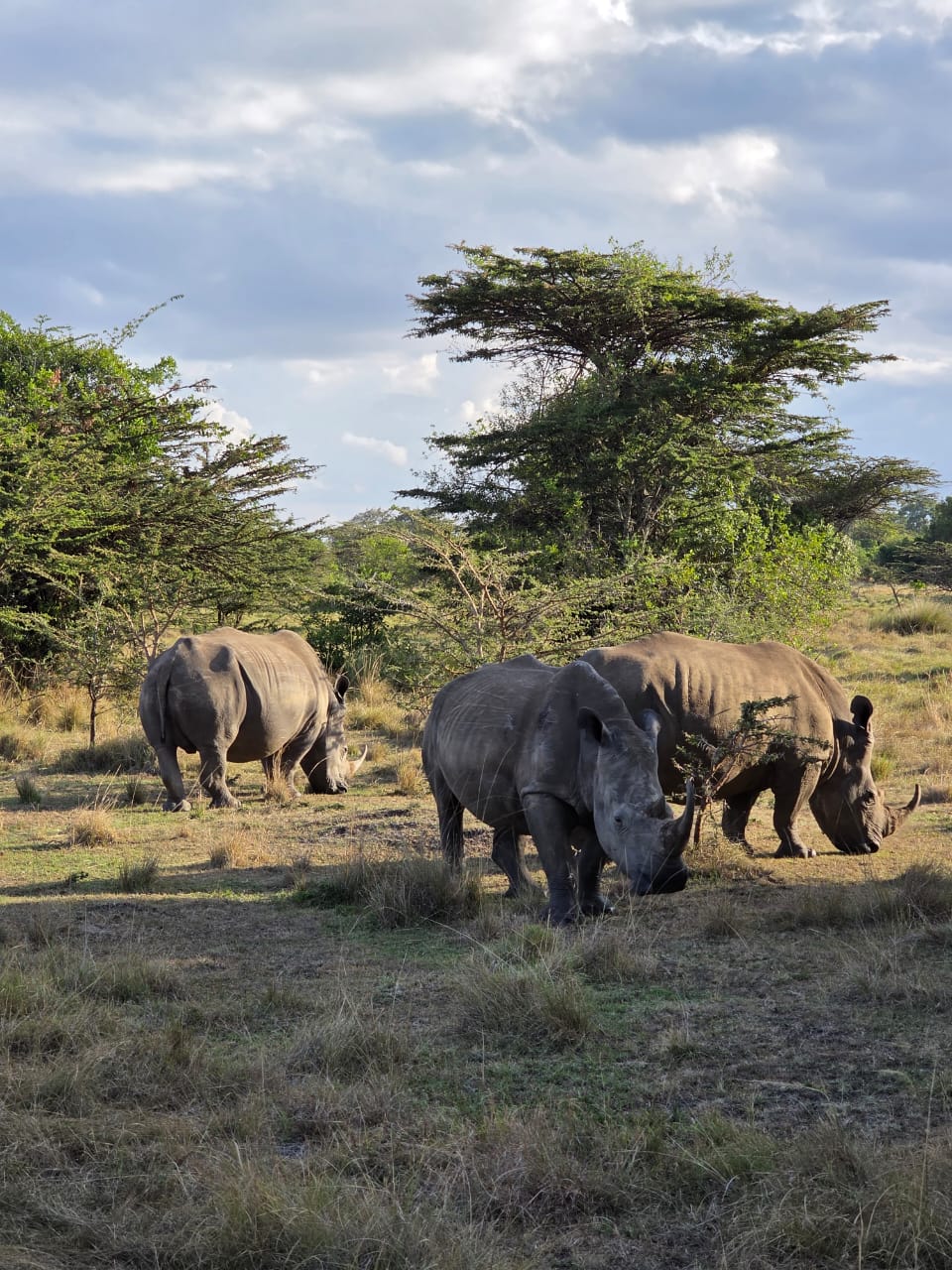
Laikipia sits north of Mount Kenya and is built almost entirely around private, community-owned conservancies rather than a single public reserve. This is where Kenya's most exclusive, conservation-forward luxury experiences live — think rhino sanctuaries, walking safaris, and camps that cap guest numbers in the single digits. It's an ideal region for honeymooners and repeat safari travelers who've already done the classic Mara circuit.
Samburu
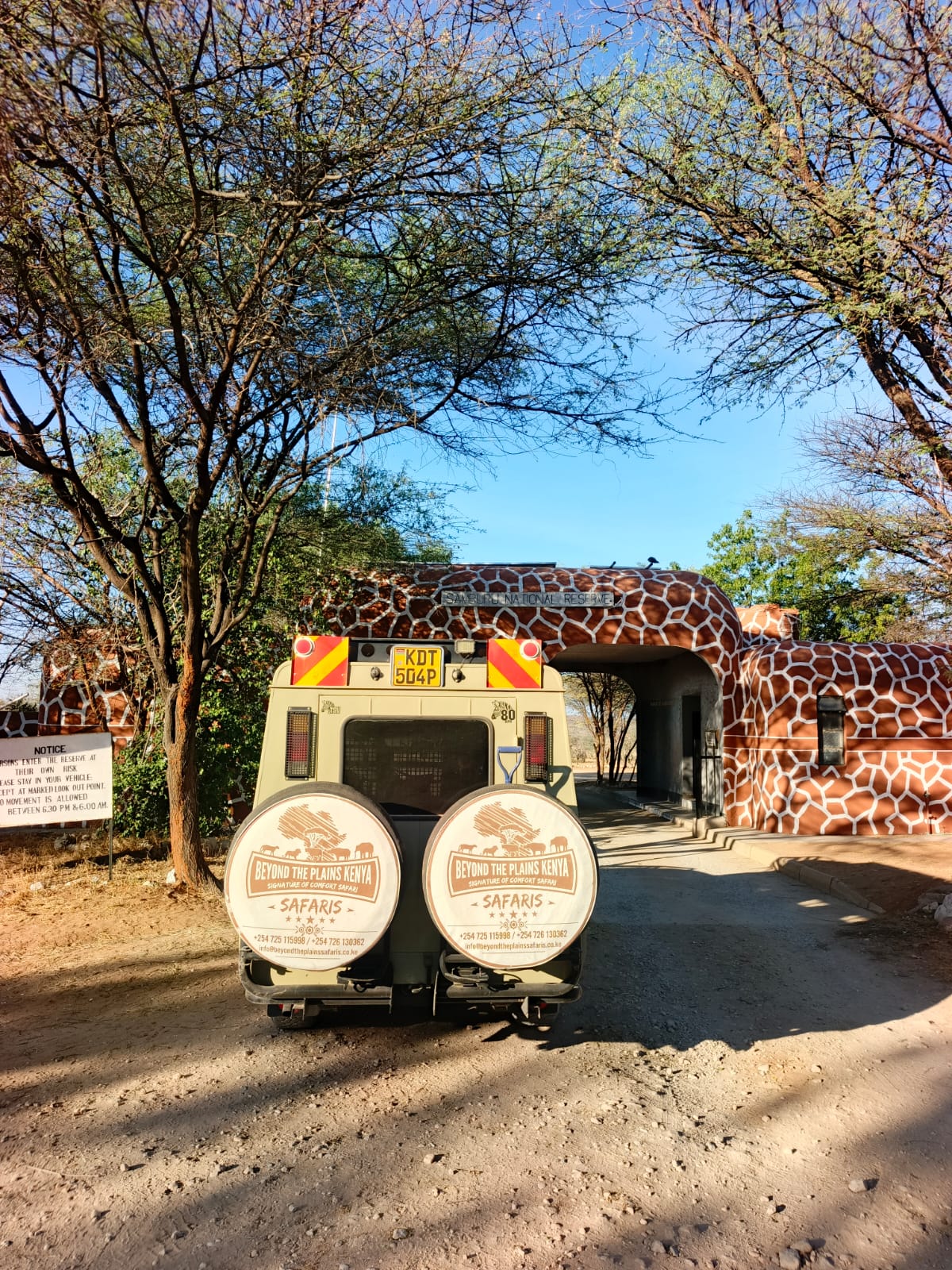
North of the equator, Samburu National Reserve offers a starkly different, semi-arid landscape and a set of "special five" species you won't see further south — the reticulated giraffe, Grevy's zebra, Somali ostrich, gerenuk, and Beisa oryx. Samburu pairs beautifully with the Mara or Laikipia as part of a multi-region itinerary, giving discerning travelers genuine landscape variety within one trip.
What Types of Luxury Safari Experiences Are Available in Kenya?
Luxury safari experiences in Kenya range from classic tented camps to private villas, fly-in circuits, and conservancy-based stays, each suited to a different kind of traveler. Understanding the differences helps you match the experience type to your travel style rather than booking based on photos alone.
Tented Camps vs. Private Villas
Luxury tented camps remain the most iconic safari accommodation style — canvas structures with hardwood floors, en-suite bathrooms, and verandas, often without fences between you and the wilderness. Private villas and houses, by contrast, offer an entire property exclusively to your group, frequently with a dedicated chef, vehicle, and staff team, and they've become increasingly popular with multi-generational families who want privacy and flexible scheduling over a fixed camp routine.
Fly-In Safaris vs. Road Safaris
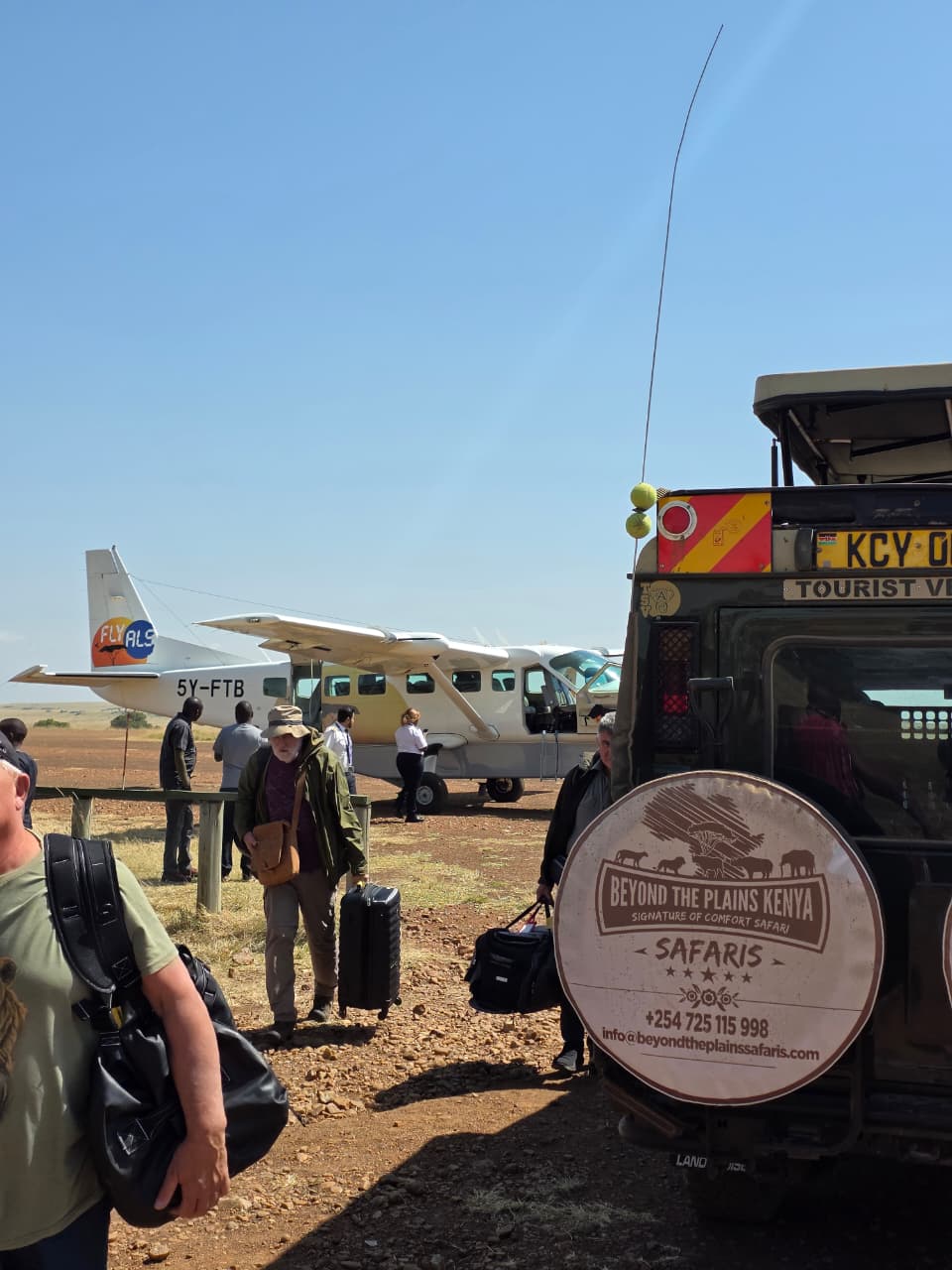
A fly-in safari uses small chartered aircraft between regions and camp airstrips, cutting what might be a seven-hour drive down to 45 minutes. This matters enormously for travelers with limited vacation time who want to cover multiple regions, such as the Mara and Samburu, without losing days to road transfers. For a full breakdown of when each approach makes sense, see our comparison of fly-in safari versus road safari options.
Conservancy Stays
Staying inside a private conservancy means your camp has near-exclusive access to its surrounding land, which translates into fewer vehicles at every sighting and activities — night drives, walking safaris, off-road tracking — that aren't permitted in public reserves. This is generally the closest thing to a truly private safari experience available in Kenya today.
Honeymoon vs. Family Itineraries
Honeymoon itineraries typically favor smaller, adults-focused camps with private dining, sundowner setups, and minimal group interaction, often combined with a few days on the coast afterward. Family itineraries, especially multi-generational ones, lean toward larger family tents or villas, kid-friendly activity programs, and camps explicitly set up to host children of varying ages. Our detailed honeymoon safari itineraries in Kenya page walks through specific routing options for couples.
How Much Does a Luxury Kenya Safari Cost in 2026/2027?
A luxury Kenya safari for 2026/2027 generally costs between $600 and $2,000+ per person per night, with most full luxury itineraries of 7 to 10 days landing between $6,000 and $20,000 per person depending on season, region, and exclusivity level. Pricing in this market reflects far more than room comfort — it reflects access, conservation fees, and service ratio.
Park and conservancy fees are a major, often underestimated cost driver. The Maasai Mara National Reserve charges non-resident adults roughly $100 per person per day in the January–June low season and around $200 per day from July through December, set by the Narok County Government — Source: Narok County Government, 2026. Private conservancies layer an additional $80 to $150 per person per day in conservation fees on top of that, which is typically folded into your all-inclusive camp rate rather than billed separately.
Beyond park fees, the biggest cost variables are camp tier, season, and whether you fly or drive between regions. A 4-day, 3-night luxury Mara safari during peak migration season typically runs $2,000 to $3,500 per person, including a private vehicle, full board, and often a domestic flight, while the same trip during the green season can drop closer to $1,200 to $2,000 per person — Source: industry rate aggregation, 2026.
For our full Kenya safari cost breakdown, including line-by-line estimates for flights, gratuities, and optional extras like hot-air ballooning, see our dedicated pricing guide.
| Trip Length | Mid-Range Estimate (per person) | Luxury Estimate (per person) | Peak Migration Premium |
|---|---|---|---|
| 4 days / 3 nights | $1,200–$1,800 | $2,000–$3,500 | +30–50% |
| 7 days / 6 nights | $2,500–$4,000 | $5,000–$9,000 | +30–50% |
| 10 days / 9 nights | $4,000–$6,500 | $8,000–$15,000+ | +30–50% |
What Is Included in a Typical Luxury Safari Package?
A luxury safari package typically includes private guiding, all meals and select beverages, internal flights or transfers, and access to exclusive activities such as private bush dinners or guided walking safaris. Knowing exactly what's bundled, versus what's billed separately, is essential before comparing quotes from different operators.
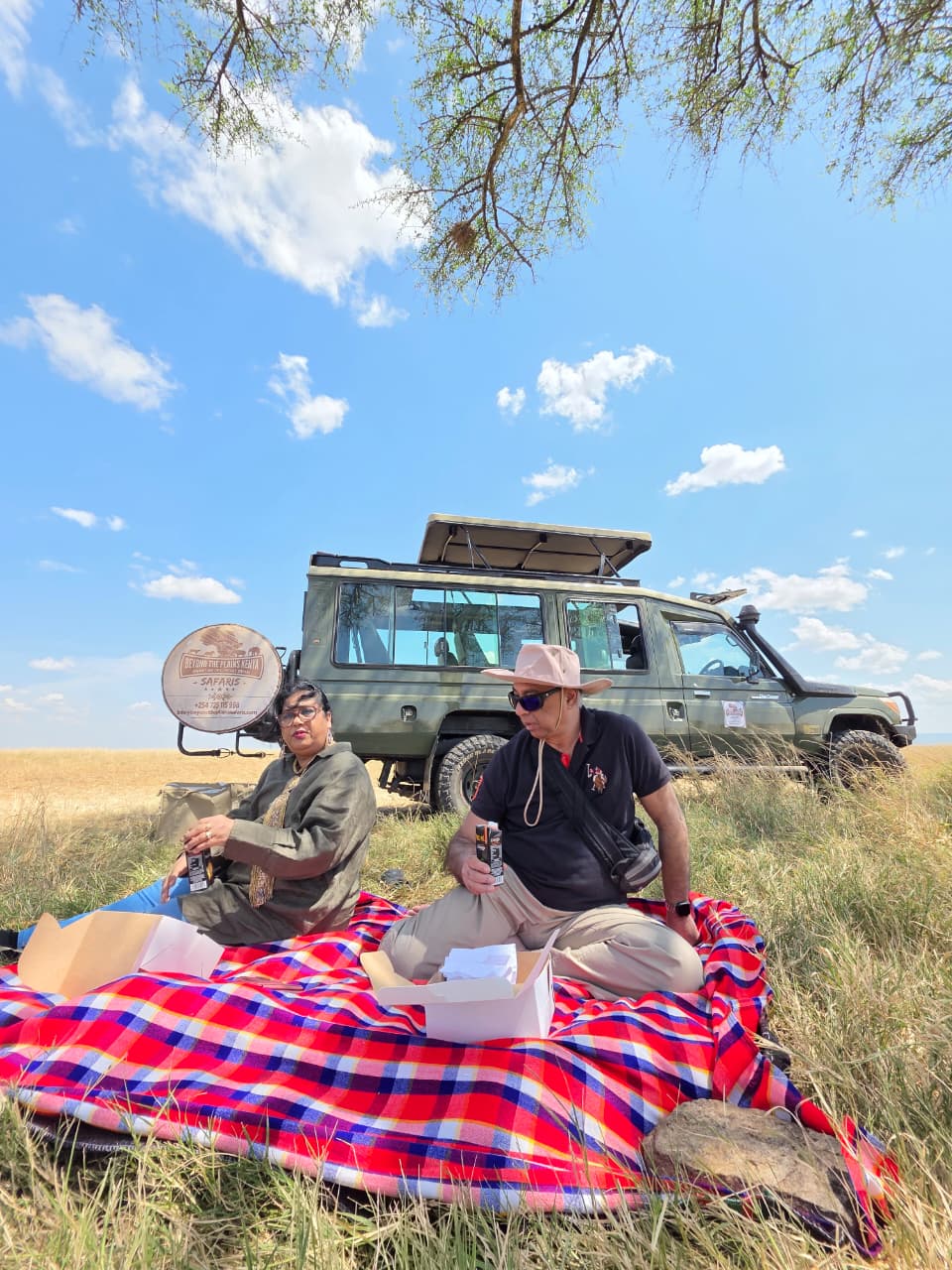
Standard inclusions at most luxury Kenyan camps cover full-board accommodation, all game drives in a private or semi-private vehicle, park and conservancy fees, airport or airstrip transfers, laundry, and most non-premium drinks. Many top-tier properties also bundle in at least one signature activity per stay, such as a sundowner bush dinner, guided nature walk, or Maasai cultural visit.
Common exclusions to budget for separately include premium imported wines and spirits, hot-air balloon safaris (typically $450–$550 per person), gratuities for guides and camp staff, travel insurance, and your Kenya visa requirements for travelers eTA application fee. As of 2026, Kenya's eTA system requires every visitor, including infants, to apply online in advance, since visa-on-arrival was discontinued in January 2024 — Source: Directorate of Immigration Services, Kenya, 2024.
By clarifying inclusions line-by-line before you book, you can avoid the most common source of post-trip sticker shock: discovering that balloon rides, tips, and premium drinks weren't part of the quoted price.
How Do You Choose a Reputable Luxury Safari Operator in Kenya?
You choose a reputable luxury safari operator in Kenya by verifying their licensing, conservancy relationships, on-the-ground presence, and transparency about pricing and inclusions before you commit a deposit. The luxury safari market is crowded with similar-sounding marketing language, so credibility signals matter more than superlatives.
First, confirm licensing and association membership. A legitimate Kenyan operator should hold a current Tourism Regulatory Authority (TRA) license and ideally belong to the Kenya Association of Tour Operators (KATO). These aren't guarantees of quality on their own, but their absence is a clear red flag.
Second, ask about direct conservancy and camp relationships. Operators with established partnerships can often secure availability and rates that aggregator websites can't match, particularly during peak migration season when prime conservancy camps sell out 9 to 12 months ahead. For a full vetting checklist, see our guide on questions to ask your safari operator before booking.
Third, look for specificity in their proposals, not just enthusiasm. A reputable operator will name actual camps, give realistic per-person pricing with clear inclusions and exclusions, and explain trade-offs between regions and seasons rather than simply pushing whichever package earns them the highest commission.
Red flags include vague pricing that only appears after you've shared personal details, an unwillingness to provide references or reviews, and pressure to book immediately without time to compare options. Beyond the Plains Safaris, for instance, is a Tourism Regulatory Authority-licensed, KATO-member operator built around direct relationships with conservancies across the Mara, Laikipia, and Amboseli ecosystems, with safari specialists like Lilian Wairimu working directly with travelers to match itineraries to their specific goals rather than offering one-size-fits-all packages.
Is a Private Conservancy Better Than a Public Reserve for a Luxury Safari?
Private conservancies in Kenya, such as those in Laikipia, limit visitor numbers and vehicle density, offering a more exclusive wildlife viewing experience than public national reserves. Whether that makes a conservancy objectively "better" depends on what you're optimizing for, but for most luxury travelers, the answer leans firmly toward conservancies.
Public reserves like the main Maasai Mara National Reserve are open to any licensed operator and any number of vehicles, which means a single popular sighting — a lion kill, a river crossing — can draw 50 or more vehicles during peak season. The wildlife is genuinely spectacular, but the experience can feel more like a shared event than a private one.
Conservancies flip that dynamic. Because access is restricted to guests staying within that specific conservancy, your guide can often park alone at a sighting for as long as the animals stay put. Conservancies also typically permit off-road driving, night drives, and walking safaris, none of which are allowed in the public reserve. The trade-off is a separate conservation fee, usually $80 to $150 per person per day, layered on top of whatever reserve fees apply if you cross into the National Reserve itself.
The most common luxury strategy is to combine both — spending part of a trip in a private conservancy for the exclusivity and a portion inside the National Reserve to maximize odds during the river-crossing window, particularly between July and October.
How Far in Advance Should You Book a Luxury Kenya Safari for 2026/2027?
Luxury safari travelers should book 9 to 12 months in advance of their intended 2026 or 2027 travel dates to secure availability at top-tier camps during peak season. This isn't marketing pressure — it's a direct function of how few rooms exist at the most sought-after conservancy camps, many of which cap total capacity at 12 to 24 guests.
For July through October migration-season travel in particular, the best-positioned camps near known river-crossing points often sell out a full year ahead, especially for larger groups or specific room categories like family tents. If you're targeting 2026 peak season and haven't started planning yet, treat this as urgent, since many premium conservancy camps for that window are likely already filling.
For green-season or shoulder-season travel (April–June, November), a 4 to 6 month booking window is usually sufficient, though earlier is always safer for multi-generational family trips needing several connecting tents or villas.
Most luxury operators require a deposit of 20% to 30% at booking, with the balance due 60 to 90 days before travel — terms worth confirming directly, since they vary by operator and camp.
What Should First-Time Luxury Safari Travelers Know Before Booking?
First-time luxury safari travelers should know that pricing varies dramatically by season and region, that an eTA is mandatory for nearly all foreign visitors, and that health preparation should start at least six weeks before departure. These three areas account for the vast majority of pre-trip confusion among first-timers.
On the entry requirements side, Kenya replaced its visa system entirely with the Electronic Travel Authorization (eTA) in January 2024, and every visitor — including infants — must apply online before boarding their flight, since visa-on-arrival no longer exists — Source: Directorate of Immigration Services, Kenya, 2024. The eTA costs $30, is typically processed within a few days, and should be applied for well ahead of departure to avoid any last-minute issues. Full details are covered in our Kenya visa requirements for travelers guide.
On health preparation, a yellow fever certificate is required if you're arriving from or transiting through a yellow fever endemic country, and anti-malarial prophylaxis is strongly recommended for most safari regions — something to discuss with your doctor roughly six weeks before travel. Our Kenya travel health and safety tips guide covers this and broader safety questions region by region.
Finally, first-timers consistently underestimate how much vehicle policy and group size affect the overall feel of a trip. Asking specifically about private versus shared vehicles, and how many other vehicles typically converge at sightings in your chosen region, will tell you more about your actual experience than any brochure description.
Practical Tools for Planning Your Luxury Kenya Safari
Beyond choosing camps and dates, a few practical tools make the planning process considerably smoother. The official Kenya eTA portal at etakenya.go.ke is the only legitimate channel for entry authorization — third-party "visa" sites that charge extra fees should be avoided entirely.
[Insert image: Screenshot of the official Kenya eTA application portal homepage | Alt text: "Apply for Kenya eTA at etakenya.go.ke for 2026/2027 safari travel"]
For mapping out a multi-region itinerary, a simple visual comparing flight times between regions (Nairobi to Mara: roughly 45 minutes by air versus 5 to 6 hours by road; Nairobi to Samburu: roughly 1 hour by air versus 5 to 6 hours by road) helps clarify why fly-in safaris dominate the luxury segment for multi-region trips.
[Insert image: Custom diagram comparing flight versus road transfer times between Nairobi, Maasai Mara, Amboseli, and Samburu | Alt text: "Compare fly-in versus road safari transfer times across Kenya regions"]
A detailed Kenya safari packing list is also worth reviewing well before departure, since luxury camps and fly-in safaris both impose specific baggage restrictions (often a 15kg soft-bag limit for bush flights) that differ from standard international luggage allowances.
What's Next — How to Start Planning Your 2026/2027 Luxury Kenya Safari
Once you've settled on rough dates and regions, the practical next steps are straightforward, but the order matters. Start with your travel dates and lock in your preferred region's camp availability first, since accommodation — not flights — is the real bottleneck for 2026/2027 peak season.
- Decide your priority: migration crossings, general wildlife density, or a quieter conservancy experience. This single decision shapes everything else.
- Choose your regions — the Mara alone, or a multi-region combination with Amboseli, Laikipia, or Samburu — based on the trip length and pace you want.
- Contact a licensed, conservancy-connected operator for a detailed proposal with named camps, transparent pricing, and clear inclusions.
- Apply for your eTA at the official portal once your itinerary and flight dates are confirmed, ideally at least a week before departure.
- Schedule a health consultation roughly six weeks out to cover anti-malarial medication and any required vaccinations.
- Pay your deposit to lock in camp availability, particularly critical for July–October 2026 and 2027 travel.
For travelers still comparing operators at this stage, our guide on Kenya travel health and safety tips and our Kenya safari packing list are useful next reads before you finalize your itinerary.
Conclusion
A luxury Kenya safari in 2026/2027 isn't just an expensive version of a standard trip — it's a fundamentally different way of experiencing one of the world's last great wildlife landscapes, built on exclusivity, conservation partnership, and genuinely personalized service. Whether you're drawn to the thunder of the Great Migration crossing the Mara River, the quiet privacy of a Laikipia conservancy, or the otherworldly landscapes of Samburu, the regions and seasons covered in this guide give you the framework to plan with confidence rather than guesswork.
The window for prime 2026 migration-season camps is narrowing, and the best private conservancy properties simply don't have unlimited capacity. Start the conversation with a licensed, conservancy-connected operator now, and you'll spend the months ahead anticipating your trip instead of scrambling for availability.
Written by Lilian Wairimu, Safari Specialist at Beyond the Plains Safaris, with direct experience curating luxury itineraries across Kenya's Maasai Mara, Amboseli, Laikipia, and Samburu ecosystems for international travelers.
Reviewed by John Dante, Director & Operations Manager at Beyond the Plains Safaris, a Tourism Regulatory Authority-licensed and KATO-member safari operator.









Comments (0)
Leave a Comment
No comments yet. Be the first to comment!