
10 Best Private Conservancies in Kenya: What You Can Do That You Can't in the National Reserve
By John Dante, Director & Operations Manager, Beyond the Plains Safaris
You already know that Kenya's Masai Mara is one of the greatest wildlife destinations on Earth — the wildebeest migration, the lion prides, the endless golden plains. But if you're planning your safari around the national reserve alone, you're missing a category of experience that most travelers never even know exists. In this guide, you'll discover Kenya's 10 best private conservancies, understand exactly what sets them apart from national reserves, and learn which one belongs in your itinerary.
Key Takeaways
- Private conservancies in Kenya are community-managed or privately owned wildlife areas that operate under different rules than national reserves, allowing activities like night drives, walking safaris, and off-road game drives.
- Activities prohibited inside national reserves — including night game drives, bush walks with armed guides, and unlimited time at wildlife sightings — are standard offerings in most private conservancies.
- Kenya's top conservancies, including Ol Kinyei, Naboisho, and Lewa, maintain strict low-density tourism models, meaning fewer vehicles at sightings and a far more exclusive wildlife experience.
- Many private conservancies border major national reserves like the Masai Mara, offering access to the same wildlife corridors and migration routes — with none of the crowd-related restrictions.
- The conservancy model directly funds local Maasai landowners who lease their land for wildlife use rather than livestock grazing, creating a financial incentive to protect rather than compete with wildlife.
- Conservancy fees — typically charged per person per night — are separate from lodge costs and go directly to wildlife protection and community programs.
- Combining one or two nights in a private conservancy with a national reserve visit is widely considered the optimal Kenya safari itinerary for wildlife diversity and experiential depth.
What Is a Private Conservancy in Kenya and How Is It Different from a National Reserve?
A private conservancy in Kenya is a community-owned or privately managed wildlife area operating under a separate legal framework from national parks and reserves, which allows activities such as night game drives, walking safaris, and off-road vehicle tracking that are prohibited within government-managed protected areas. Unlike Kenya Wildlife Service (KWS)-administered parks such as the Masai Mara National Reserve or Amboseli National Park, conservancies are governed by private or community land trusts that set their own operational rules — within the bounds of national wildlife law.
The distinction matters enormously for your safari experience. In a national reserve, you drive on designated tracks, return to camp before dark, and move along when other vehicles arrive at a sighting. In a conservancy, the rules are yours to shape with your guide — and that changes everything.
National parks are fully government-owned and protected. National reserves are managed by county governments but similarly regulated. Private conservancies, by contrast, are typically formed when Maasai or other indigenous landowners lease their land to a conservation entity, which manages wildlife and tourism in partnership with the community. If you're still deciding whether Kenya is the right destination for your first safari, our Kenya Safari: The Complete Beginner's Guide is the best place to start.
There are over 160 registered conservancies in Kenya today, covering more than 11 million acres of land — more than double the area protected by the national park system — Source: Kenya Wildlife Conservancies Association (KWCA), 2023.
Why Do Private Conservancies Matter for Kenya's Wildlife and Communities?
Private conservancies matter because they extend critical wildlife habitat beyond the boundaries of government-managed parks, fund local communities directly, and apply low-density tourism models that produce measurably better conservation outcomes. Without conservancies, the land surrounding Kenya's national reserves would largely convert to agriculture or grazing — fragmenting wildlife corridors and cutting off migration routes.
The financial mechanism is elegant. Maasai landowners who once competed with wildlife for grazing land now receive monthly lease payments from conservancy operators. A single acre of conservancy land can generate more income per year than the same acre under livestock — Source: African Wildlife Foundation, 2022. This makes wildlife economically valuable to the community, transforming former poachers into rangers.
Low-density tourism is the conservancy's defining commercial model. Each conservancy limits the number of guests per square kilometer — often to just a few hundred visitors per month across the entire area. The result is a wildlife experience that feels nothing like a traffic jam around a lion pride. To understand how this translates into a real Big Five encounter, read our Ultimate Big Five Safari Kenya Guide.
Moreover, conservancies serve as buffer zones around national reserves, absorbing elephant and predator populations during seasonal movements. This reduces human-wildlife conflict in surrounding villages and increases the total viable habitat available to the Big Five.
What Activities Are Allowed in a Private Conservancy That Are Banned in Kenya's National Reserves?
Unlike national reserves where vehicles must remain on designated tracks and return to camp before dark, private conservancies permit off-road driving and 24-hour wildlife access, making it possible to track predators at night and spend unlimited time at sightings without other vehicles present. This single operational difference transforms the nature of a safari from a viewing exercise into an immersive wildlife encounter.
Here's a direct comparison of what each setting permits:
| Activity | National Reserve | Private Conservancy |
|---|---|---|
| Night game drives | ❌ Prohibited | ✅ Permitted |
| Off-road driving | ❌ Prohibited | ✅ Permitted |
| Walking safaris | ❌ Prohibited | ✅ Permitted (armed ranger) |
| Bush breakfasts/sundowners | ❌ Prohibited | ✅ Permitted |
| Fly camping (overnight in the bush) | ❌ Prohibited | ✅ Permitted |
| Unlimited time at sightings | ❌ Restricted (move-on rule) | ✅ Unrestricted |
| Predator tracking on foot | ❌ Prohibited | ✅ Permitted |
| Vehicle limit at sightings | ❌ Uncontrolled | ✅ Strictly enforced |
Night Game Drives: The After-Dark Advantage
Night game drives are among the most requested and most restricted activities in African safari tourism — and private conservancies are one of the few settings where they are both legal and expertly guided. After dark, the bush transforms. Leopards drag kills through the shadows. Genets and civets emerge along the torch beam. Hyenas conduct their chaotic social rituals in the open. For wildlife photographers especially, the low-light challenge and the behavioral access to nocturnal predators make night drives a non-negotiable. If you're thinking of bringing camera gear, review our guidance on drone rules in Kenya and East Africa before you pack.
Walking Safaris: The Ground-Level Experience
A walking safari with an armed ranger is the most intimate wildlife encounter available in Kenya — and it is exclusively a conservancy activity. On foot, your senses recalibrate. The smell of buffalo dung, the crack of a twig, the angle of a termite mound become navigation tools rather than backdrop. Kenya Wildlife Service regulations prohibit foot travel in national reserves for visitor safety and habitat protection, but conservancies operate under their own safety protocols — typically guided by KWS-licensed rangers carrying .458 rifles.
Off-Road Driving: Following the Animal, Not the Track
Off-road driving allows your guide to leave the designated vehicle track and follow wildlife directly — a capability that makes the difference between watching a cheetah disappear into the grass and staying with it through the hunt. In the Masai Mara National Reserve, off-road driving is strictly prohibited by KWS and results in fines. In a conservancy, your driver-naturalist can position the vehicle for optimal light, wind direction, and behavioral access — turning a sighting into a story.
The 10 Best Private Conservancies in Kenya
Kenya's best private conservancies range from the Mara ecosystem's rolling grasslands to the northern highlands of Laikipia, each offering a distinct wildlife experience and a specific set of exclusive activities. Below, each entry is rated for the experiences it does best — not just where it sits on a map. For the best time to visit each area, see our Best Time to Visit Kenya for a Safari: A Complete Month-by-Month Guide.
1. Naboisho Conservancy — Best for Big Cat Density
Naboisho Conservancy is a 50,000-acre community conservancy bordering the Masai Mara National Reserve, widely regarded as having the highest lion density in Africa. Managed by a consortium of Maasai landowners and leading safari operators, Naboisho limits guest numbers to under 200 at any time across its entire area. Pride encounters here routinely involve multiple prides in a single morning, often without another vehicle in sight.
Location: Mara ecosystem, adjacent to Olare Motorogi Conservancy Flagship experience: Multi-pride lion encounters; cheetah and leopard sightings Exclusive activities: Night drives, walking safaris, off-road tracking, bush sundowners Best for: Big cat enthusiasts, honeymooners, photographers Best time to visit: July–October (migration); January–February (predator activity)
2. Ol Kinyei Conservancy — Best for Exclusivity
Ol Kinyei is a 9,000-acre private conservancy inside the Mara ecosystem, one of the smallest and most exclusive conservancies in Kenya, hosting no more than two camps at any time. Because of its intimate size and strict guest limits, sightings here routinely occur with zero other vehicles present. Ol Kinyei is considered a pioneer of the community conservancy model — local Maasai landowners receive monthly payments, school bursaries, and medical support through its conservation revenue.
Location: Northeast Masai Mara ecosystem Flagship experience: Private sightings of resident leopards and lion prides Exclusive activities: Night drives, guided walks, off-road game drives, bush breakfasts Best for: Couples, solo travelers, wildlife purists Best time to visit: Year-round; July–October for migration crossings nearby
3. Mara North Conservancy — Best for Migration Access
Mara North Conservancy is a 74,000-acre community conservancy that borders the Masai Mara National Reserve along the Mara River — placing guests directly on the wildebeest migration route without national reserve restrictions. The conservancy runs along several of the most dramatic river crossing points, meaning guests can watch the Great Migration Kenya from private, off-road-capable vehicles and then follow the herds wherever they move.
Location: Northwest Mara ecosystem, bordering the Masai Mara National Reserve Flagship experience: Private migration river crossings; bull elephant populations Exclusive activities: Night drives, off-road following of migration herds, fly camping Best for: Migration-focused travelers, families, adventure seekers Best time to visit: July–September (peak migration)
4. Olare Motorogi Conservancy — Best for Photographic Safaris
Olare Motorogi Conservancy is a 35,000-acre conservancy adjacent to the Masai Mara that consistently produces some of the most photographed wildlife encounters in Africa, due to habituated big cat populations and strict vehicle limits at sightings. The Marsh Pride — one of Kenya's most famous and studied lion prides — roams between Olare Motorogi and the Masai Mara, giving conservancy guests access to celebrated individuals without the crowds that form inside the reserve.
Location: Northeast of Masai Mara National Reserve Flagship experience: Habituated big cats; intimate cheetah mother-cub encounters Exclusive activities: Night drives, off-road photography positioning, guided walks Best for: Wildlife photographers, serious naturalists Best time to visit: June–October; January–March for calving season
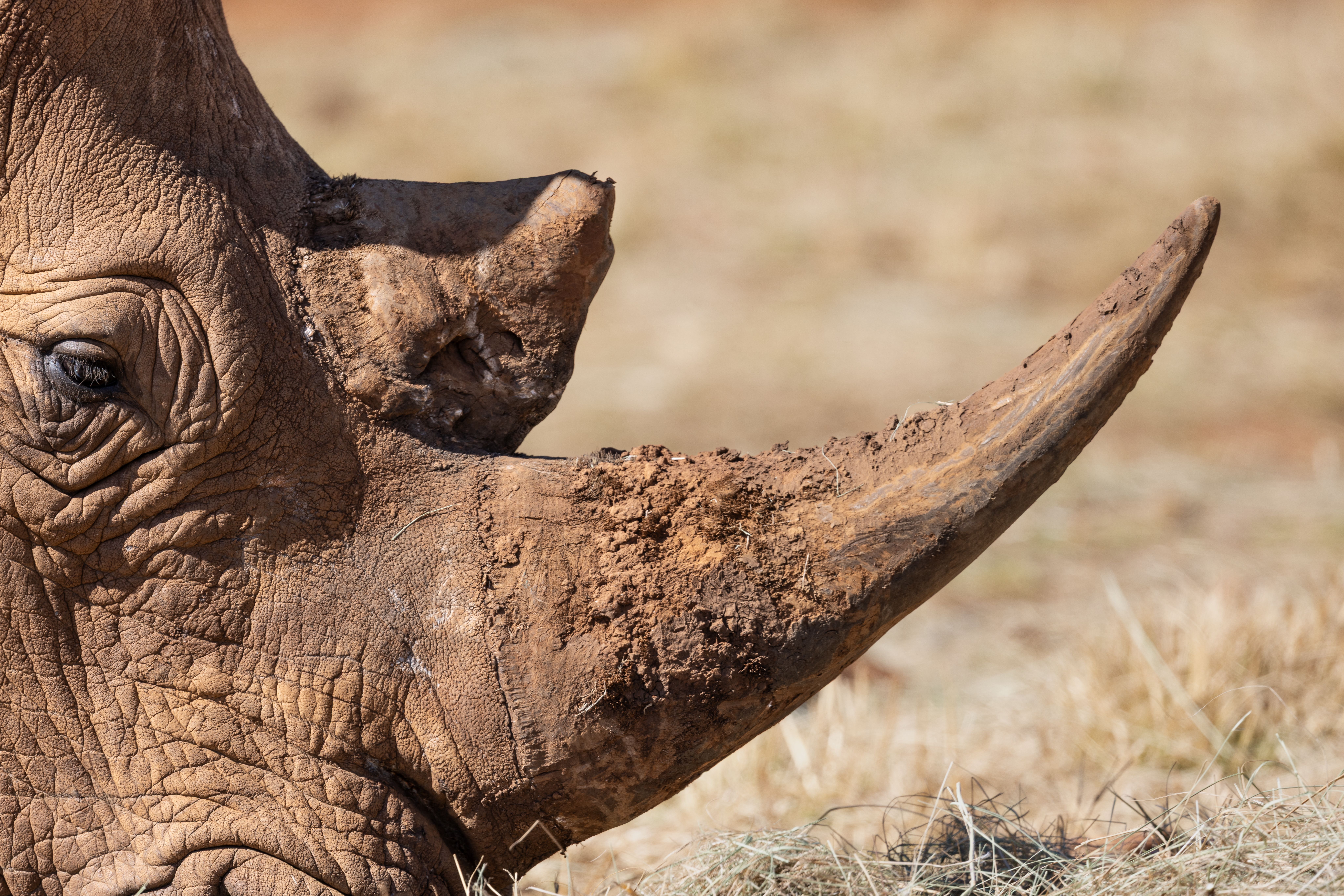
5. Lewa Wildlife Conservancy — Best for Rhino and Northern Species
Lewa Wildlife Conservancy is a 62,000-acre UNESCO World Heritage Site in Laikipia County that protects the largest single population of Grevy's zebra and one of Kenya's most important black and white rhino sanctuaries. Unlike the Mara ecosystem conservancies, Lewa's landscape is semi-arid highland — a completely different sensory world of open plains, cedar forest, and rocky escarpments. It is also one of Kenya's most established conservancies, founded in 1995 after a cattle ranch converted entirely to wildlife use — Source: Lewa Wildlife Conservancy, 2024.
Location: Laikipia County, northern Kenya; 30 minutes by air from Nairobi Flagship experience: Rhino tracking on foot; Grevy's zebra herds; wild dog sightings Exclusive activities: Horseback safaris, camel safaris, rhino tracking walks, night drives Best for: Adventurous travelers; rhino and wild dog enthusiasts Best time to visit: June–October; January–February (dry season viewing)
6. Ol Pejeta Conservancy — Best for Conservation Impact
Ol Pejeta Conservancy is a 90,000-acre non-profit conservancy in Laikipia that houses the world's last two northern white rhinos and Africa's largest black rhino sanctuary, making it the most conservation-significant wildlife area in Kenya. A portion of every guest's conservancy fee funds the Ol Pejeta research and anti-poaching programs directly — giving travelers measurable conservation impact alongside exceptional wildlife access. Chimpanzees rescued from Central African bushmeat trade also reside here in a dedicated sanctuary.
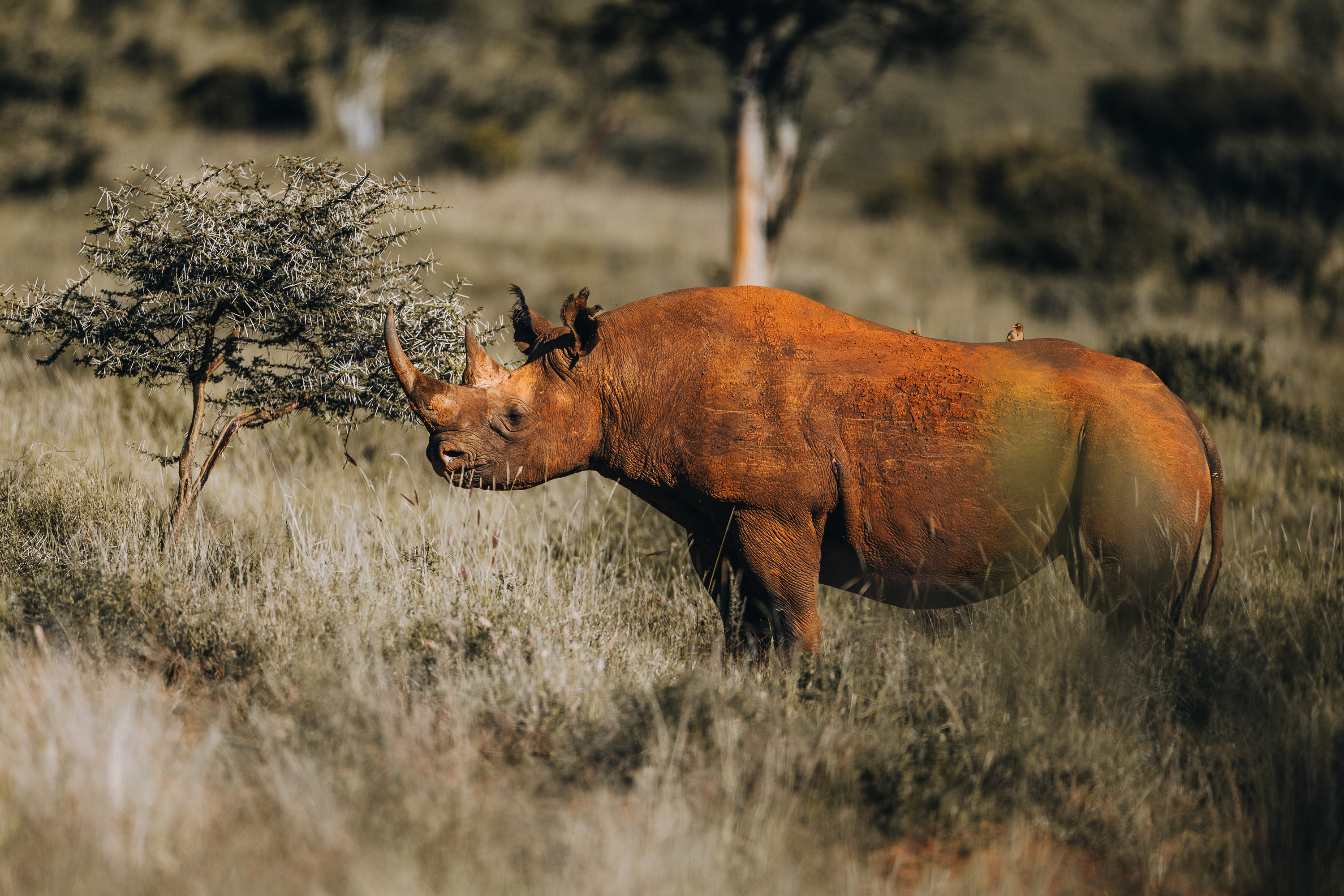
Location: Laikipia County, between Mount Kenya and the Aberdares Flagship experience: Black rhino tracking; northern white rhino encounter; chimpanzee sanctuary Exclusive activities: Night drives, guided rhino tracking walks, behind-the-scenes conservation tours Best for: Conservation-focused travelers; families; educators Best time to visit: Year-round; June–October for dry season wildlife concentration
7. Il Ngwesi Conservancy — Best for Cultural Immersion
Il Ngwesi Conservancy is a 16,000-acre community-run conservancy in Laikipia owned and operated entirely by the Il Ngwesi Maasai community, offering one of Kenya's most authentic cultural safari experiences alongside wildlife access. Guest fees here fund community development projects including schools and clinics in a direct, transparent model — every shilling is traceable. The conservancy's eco-lodge is one of the most architecturally distinctive in Kenya, built from local materials with open-air rooms that frame the landscape.
Location: Laikipia, northern Kenya Flagship experience: Community-guided wildlife walks; cultural encounters with Maasai Exclusive activities: Walking safaris, night drives, cultural village visits, beading workshops Best for: Cultural travelers; conservation advocates; repeat Kenya visitors Best time to visit: June–October; January–February
8. Solio Game Reserve — Best for Rhino Density
Solio Game Reserve is Kenya's oldest private wildlife sanctuary and the world's most successful black rhino breeding program, hosting over 150 black and white rhinos across 45,000 acres of highland Laikipia. Because of its elevation and fencing, Solio offers guaranteed rhino encounters of a kind that are extremely rare elsewhere in Africa. Lions, leopards, and buffalo also populate the reserve. Visiting Solio works best as part of a broader Laikipia circuit combined with Ol Pejeta or Lewa. For a full itinerary that incorporates Laikipia into your Kenya trip, see our 10 Best Kenya Safari Itineraries guide.
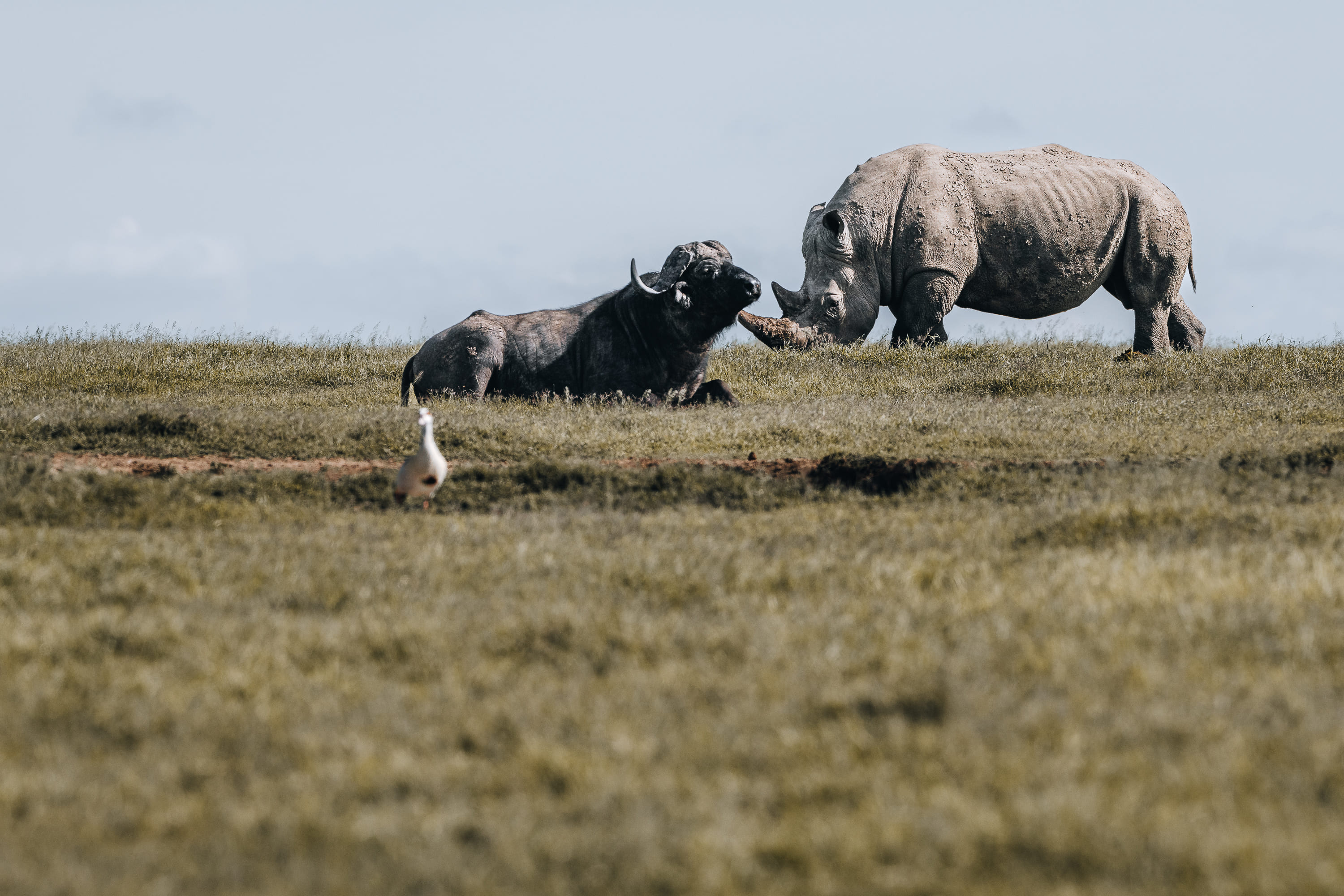
Location: Laikipia, Central Kenya; 2.5 hours from Nairobi by road Flagship experience: Black rhino in extremely high density; guaranteed close encounters Exclusive activities: Guided rhino walks, off-road game drives, night drives Best for: Rhino enthusiasts; short-stay visitors from Nairobi Best time to visit: Year-round
9. Chyulu Hills Conservancy — Best for Off-the-Beaten-Path Adventure
Chyulu Hills Conservancy is a 740,000-acre UNESCO-recognised landscape straddling Amboseli and Tsavo ecosystems, offering dramatic volcanic terrain, ancient lava tubes, and an elephant corridor used by one of Africa's largest elephant populations. This is Kenya's most geologically spectacular conservancy — black lava flows, highland forest, and open savannah layered together beneath Kilimanjaro's snowcap. The landscape here feels nothing like the Mara. It is wilder, stranger, and almost entirely crowd-free.
Location: Between Amboseli and Tsavo, southern Kenya Flagship experience: Elephant corridor; Big Five in volcanic landscape; Kilimanjaro views Exclusive activities: Fly camping, walking safaris through lava tubes, night drives, horse riding Best for: Adventure travelers; experienced safari-goers; elephant lovers Best time to visit: June–October; January–February
10. Borana Conservancy — Best for Horseback and Camel Safaris
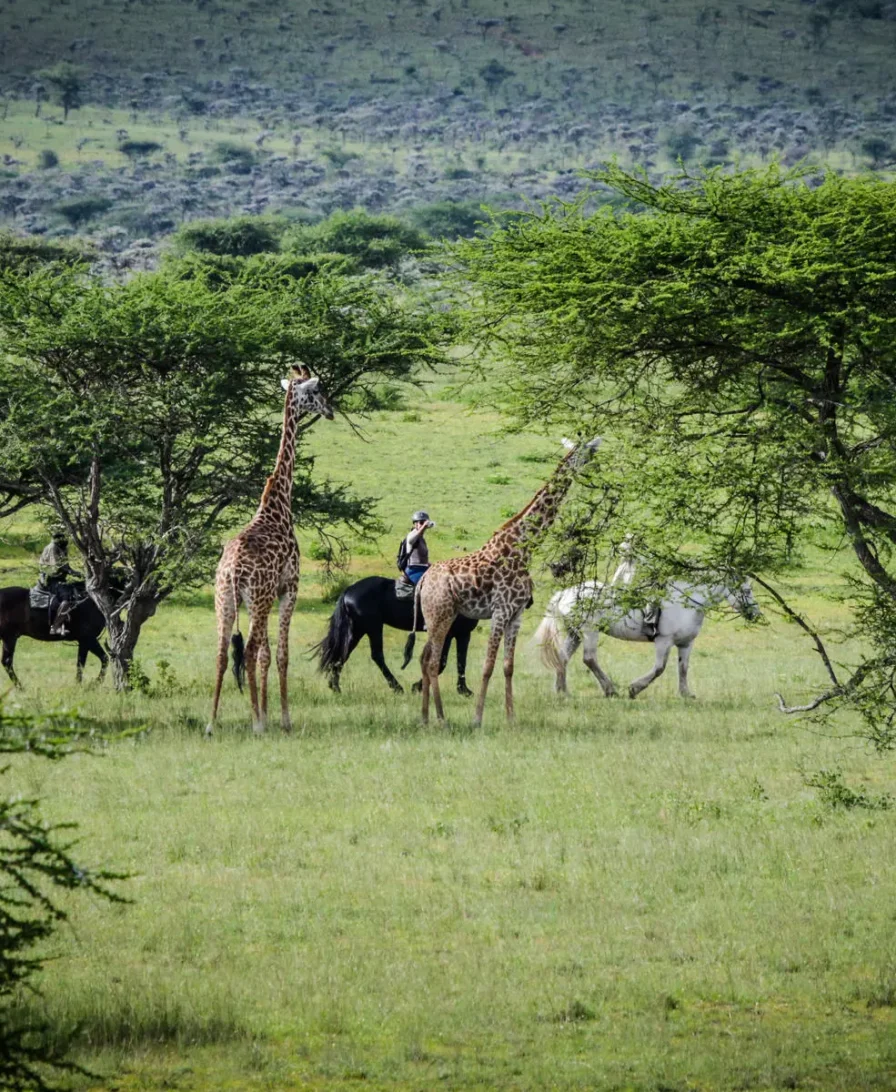
Borana Conservancy is a 35,000-acre private conservancy in Laikipia that pioneered horseback and camel safaris in Kenya, allowing guests to approach wildlife silently and at close range in a way that no motorized vehicle can replicate. Adjacent to Lewa Wildlife Conservancy, Borana shares the same ecosystem — and the same rhino populations — while maintaining its own distinct guest experience. Its cattle-ranching heritage gives it an open, park-like quality with exceptional predator activity.
Location: Laikipia, adjacent to Lewa Wildlife Conservancy Flagship experience: Horseback safaris among wildlife; rhino on foot; leopard activity Exclusive activities: Horseback safaris, camel safaris, guided walks, night drives Best for: Horse riders; adventurous couples; guests seeking a ranching aesthetic Best time to visit: Year-round; June–October optimal
Which Private Conservancy in Kenya Offers the Best Big Cat Sightings?
Naboisho and Olare Motorogi conservancies consistently produce the highest big cat sighting rates in Kenya, driven by large resident lion prides, habituated cheetah females with cubs, and leopards that have grown accustomed to vehicles. Research conducted across the Mara ecosystem found that conservancy guests recorded an average of 4.2 big cat encounters per day, compared to 1.7 per day for national reserve visitors — Source: Mara Conservancy Research Report, 2022. The difference comes not from animal density alone but from the ability to follow and position off-road.
For visitors whose primary goal is leopard, Olare Motorogi leads the field. Leopards here are so habituated to vehicles that nighttime encounters — only possible on a conservancy night drive — are frequently at arm's length. Cheetah mothers with cubs in Naboisho have been continuously observed for seasons at a time, giving researchers and guests alike a window into family dynamics impossible to observe from a moving convoy. For a full breakdown of which parks and conservancies are best for each of the Big Five, visit our Ultimate Big Five Safari Kenya Guide.
What Is Low-Density Tourism and Why Does It Matter for Your Safari Experience?
Low-density tourism is a conservation and commercial model that strictly limits the number of guests, vehicles, and lodges operating within a defined wildlife area in order to protect both habitat and the quality of the visitor experience. In practice, it means you will rarely see more than one or two other vehicles at any sighting — and often none at all. The contrast with peak-season Masai Mara, where lion sightings can attract fifteen or twenty vehicles simultaneously, is stark.
Private conservancies enforce low-density tourism through bed-night quotas assigned by the conservancy management. The Naboisho Conservancy, for example, permits a maximum of roughly 200 beds across its entire 50,000 acres — approximately one bed per 250 acres. Compare that to the Masai Mara National Reserve, where no such limit applies and peak-season demand routinely overwhelms sighting zones.
The conservation benefit of low-density tourism is measurable. When fewer vehicles crowd around a cheetah mother, she abandons hunts less frequently — which directly improves cub survival rates. Studies in the Mara ecosystem found that cheetah hunt success rates were 41% higher in conservancy zones than in high-vehicle-density national reserve areas — Source: Cheetah Conservation Fund Kenya Study, 2021. To see how conservancy camps compare on the luxury scale, read our 10 Best Luxury Safari Camps in Kenya Ranked by Conservancy.
How Do Private Conservancies Support Maasai Communities and Wildlife Conservation?
The conservancy model generates direct revenue for local Maasai landowners who lease their land for wildlife use rather than livestock grazing, creating a financial incentive for communities to protect — rather than compete with — wildlife. This is not charity — it is a land-use economics transformation. When a Maasai family can earn more per acre from wildlife tourism than from cattle, the calculus of land management changes permanently.
In the Mara ecosystem alone, conservancy lease payments to Maasai landowners exceeded KES 800 million (approximately USD 6 million) in 2022 — Source: Maasai Mara Wildlife Conservancies Association, 2023. These payments are structured monthly, land-by-land, ensuring predictability for families. Additional community benefits include school fee support, medical funds, anti-poaching ranger employment, and cultural program funding.
Rangers employed by conservancies are typically drawn from the landowning communities themselves. This creates a dual incentive — economic participation in tourism and active ownership of wildlife protection. Poaching rates in conservancy areas are measurably lower than in comparable unprotected buffer zones.
How to Choose the Right Conservancy for Your Safari Style
Choosing the right conservancy depends on four variables: your primary wildlife priority, your preferred activity mix, your budget range, and the season you're traveling. No single conservancy is objectively best — each is optimized for a different kind of traveler. Use the framework below to narrow your decision.
By Wildlife Priority
- Big cats first: Naboisho, Olare Motorogi, Ol Kinyei
- Rhino experience: Lewa, Ol Pejeta, Solio
- Great Migration access: Mara North, Naboisho
- Elephant corridors: Chyulu Hills, Amboseli ecosystem conservancies
- Rare and endemic species: Lewa (Grevy's zebra), Borana (wild dogs)
By Activity Mix
- Walking safari focus: Ol Pejeta, Chyulu Hills, Lewa
- Horseback or camel: Borana, Lewa
- Photography optimization: Olare Motorogi, Naboisho
- Cultural immersion: Il Ngwesi
- Adventure/fly camping: Chyulu Hills, Mara North
By Traveler Type
First-time safari travelers do best in Mara ecosystem conservancies (Naboisho, Mara North, Ol Kinyei) — wildlife density is high and the Big Five are reliably present year-round. Experienced travelers seeking something beyond the Mara should head to Laikipia (Lewa, Borana, Ol Pejeta) or Chyulu Hills for genuinely different ecosystems and encounters. Families have a separate set of considerations — our 10 Best Kenya Safari Experiences for Families covers the conservancy options that work best with children.
What Does It Cost to Stay in a Private Conservancy in Kenya?
A private conservancy stay in Kenya typically costs between USD 400 and USD 2,500 per person per night, all-inclusive of accommodation, game activities, and meals — with a separate conservancy fee of USD 50 to USD 150 per person per night paid directly to the conservation fund. This fee structure ensures that conservation funding is ring-fenced from lodge revenue, with community and wildlife programs guaranteed their share regardless of operator profitability.
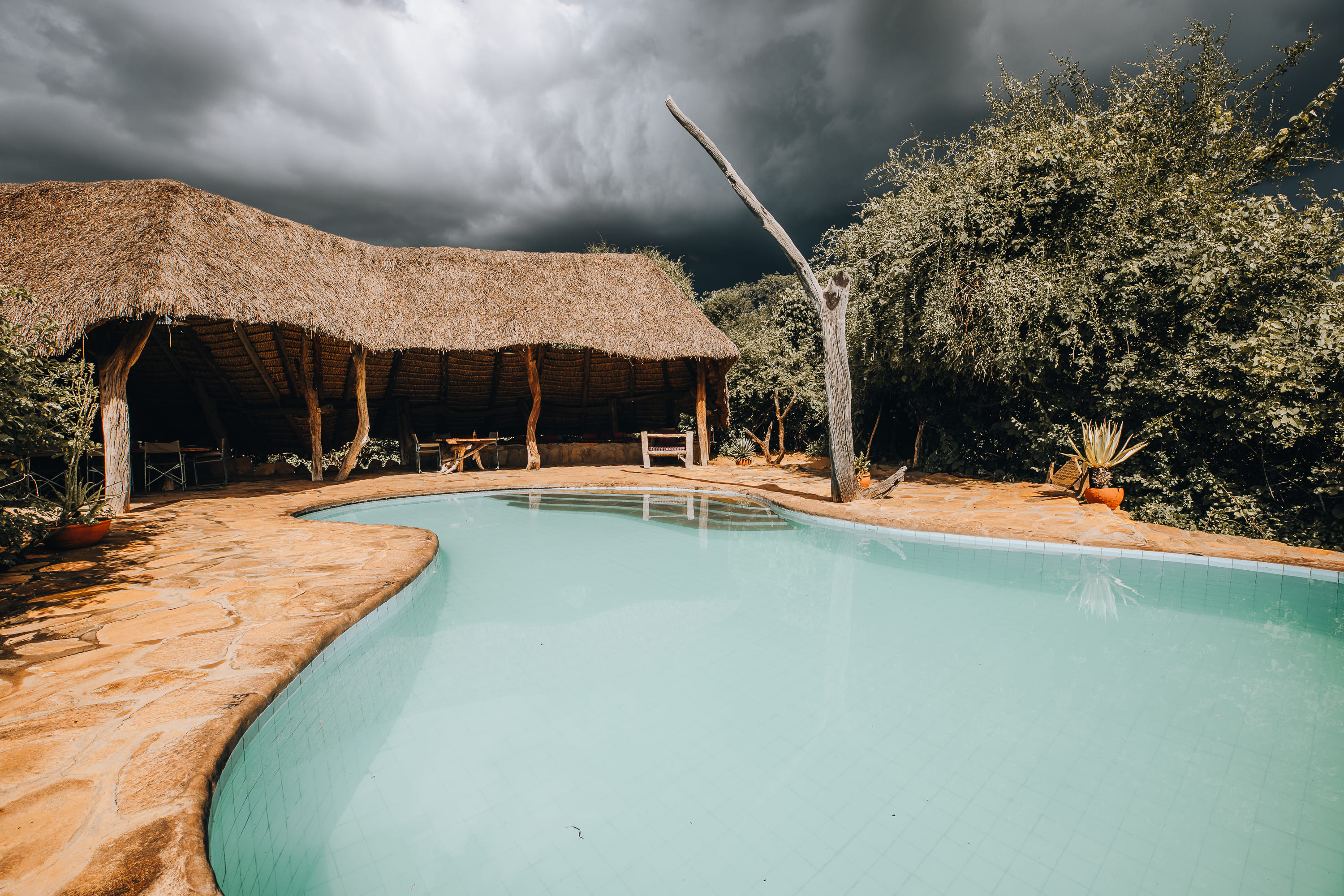
Conservancy fees are non-negotiable and non-waivable — they exist by agreement with the landowning communities. When comparing conservancy stays to national reserve options, factor in the activity inclusion: night drives, walking safaris, and off-road game drives are typically included in conservancy packages but would require expensive add-on packages — or are simply unavailable — in national reserve lodges. For a complete cost breakdown covering budget, mid-range, and luxury safari options, read our How Much Does a Kenya Safari Cost Per Day guide.
How Do You Book a Stay in a Private Conservancy in Kenya?
The most reliable way to book a private conservancy stay is through a specialist Kenya safari operator, as most conservancy camps do not accept direct public bookings and allocate beds exclusively through trusted tour operators. Camps in Naboisho, Ol Kinyei, and Olare Motorogi, for example, work with a curated list of operators who understand the conservancy's conservation ethos and guest profile requirements. Booking through an operator also ensures that transfers, conservancy fee administration, and activity scheduling are handled correctly.
For travelers flying in, the logistics of getting between Nairobi and the Mara — and then onward to a conservancy — are important to plan carefully. Our Nairobi to Masai Mara: Complete Road vs. Fly-In Guide covers real costs and local tips for both transfer options.
Can You See the Great Migration from a Private Conservancy?
Yes — several private conservancies in the Mara ecosystem are positioned directly on the Great Migration route, offering access to wildebeest river crossings and herd movements without the vehicle congestion found at national reserve crossing points. Mara North Conservancy, in particular, borders the Mara River at crossing points that attract thousands of wildebeest daily during peak migration months (July–September). For a month-by-month breakdown of where the herds are and when, see our Great Migration Kenya guide.
Unlike national reserve guests who must queue in long vehicle lines at popular crossings, conservancy guests can position off-road on the riverbank — sometimes with only their own vehicle present — and stay for the full duration of a crossing without being asked to move on. This is the defining experiential difference during migration season. Peak migration coincides with the short rains' absence, making July through October the optimal window. For a full timing breakdown, visit our Best Time to Visit Kenya for a Safari.
How Do You Combine a Private Conservancy with the Masai Mara National Reserve?
Combining one or two nights in a private conservancy with the Masai Mara National Reserve is widely considered the optimal Kenya safari itinerary, delivering the broadest possible wildlife experience while layering exclusive conservancy activities onto the reserve's unmatched scale. The standard approach is to begin in the national reserve for the landmark experience — migration, large predator groups, the iconic landscape — then transfer to a conservancy for the more intimate, activity-rich second act.
A proven 5-night itinerary looks like this:
- Nights 1–2: Masai Mara National Reserve (morning and afternoon game drives; landmark wildlife; wildebeest spectacle)
- Night 3: Transfer to adjacent conservancy (walking safari afternoon; first night drive)
- Nights 4–5: Conservancy (bush breakfast; off-road tracking; sundowner in the field; fly camping option)
This sequence works because the national reserve's sheer scale and wildlife density orientates first-time visitors, while the conservancy's intimacy and activity freedom then recontextualizes everything they've seen. For those who want to extend the experience into Tanzania after their conservancy stay, our Ultimate Kenya & Tanzania Safari Guide shows how to combine both destinations seamlessly. And if you're weighing the Mara against the Serengeti as part of that decision, our honest Masai Mara vs Serengeti comparison will help you decide.
[Insert image: Map showing Masai Mara National Reserve and surrounding conservancies with transfer routes indicated | Alt text: "Plan your Kenya safari itinerary combining Masai Mara with private conservancies"]
Conclusion: Why Private Conservancies Are the Future of Safari in Kenya
Private conservancies in Kenya are not an alternative to the national reserve experience — they are its essential complement, and for a growing number of safari travelers, they are the experience itself. The combination of exclusive wildlife access, prohibited-activity permissions, strict low-density limits, and direct community funding creates a safari model that is simultaneously more intimate, more impactful, and more aligned with the future of conservation in Africa.
Kenya's private conservancies are considered by many safari experts to offer the most exclusive and ecologically responsible wildlife experience available on the continent, combining intimate wildlife access with measurable conservation impact. When you choose a conservancy stay, you are not simply upgrading your accommodation — you are changing the land-use economics of a Maasai family's acreage, funding an anti-poaching ranger's salary, and ensuring that the lion pride you encounter at midnight will still be there for the next generation of travelers.
The bush belongs to the darkness after six o'clock. Make sure you're in a conservancy when the sun goes down.
Ready to plan your conservancy safari? Contact Beyond the Plains Safaris for a tailored itinerary that combines the best of Kenya's national reserves and private conservancies for your travel dates and wildlife priorities. You can also browse our Kenya safari packages or schedule a free consultation with our team.
Written by: John Dante, Director & Operations Manager, Beyond the Plains Safaris. John has over 15 years of experience designing and leading high-end safari itineraries across Kenya and East Africa, with specialist knowledge of the Mara ecosystem conservancy network and northern Kenya's Laikipia plateau.
Reviewed by: Beyond the Plains Safaris Editorial Team, with additional review by conservancy management representatives in the Mara and Laikipia ecosystems.
Disclaimer: This article was initially drafted using AI assistance. However, the content has undergone thorough revisions, editing, and fact-checking by human editors and subject matter experts to ensure accuracy.










Comments (0)
Leave a Comment
No comments yet. Be the first to comment!