
10 Best Luxury Safari Camps in Kenya Ranked by Conservancy: The Definitive Guide
By Lilian Wairimu, Senior Safari Specialist at Beyond the Plains Safaris
You've probably already shortlisted a few famous camp names — Mahali Mzuri, Mara Plains, maybe Angama — and now you're trying to figure out which one to book. But most travelers make the same costly mistake: they choose a camp without first understanding the conservancy it sits in, which is what actually determines your wildlife experience, your permitted activities, and how many other vehicles will be sharing your sunrise. In this guide, we rank the 10 best luxury safari camps in Kenya by their conservancy, so you can match your priorities to the right ecosystem before you ever look at a room rate.
Key Takeaways
- Kenya's private conservancies restrict access exclusively to camp guests, limiting vehicles at sightings and permitting night drives, walking safaris, and off-road driving — all of which are banned inside national parks and reserves.
- Choosing your conservancy before your camp is the single most important decision in planning a Kenya luxury safari, because the conservancy determines wildlife specialisms, crowd levels, and permitted activities.
- Olare Motorogi Conservancy holds the densest lion population in East Africa, with just 95 beds across its 33,000 acres — one bed per 650 acres — making it one of the most exclusive wildlife areas on the continent.
- Mara Naboisho, covering 50,000 acres and established by 425 Maasai landowners, is widely regarded as the best conservancy for leopard and cheetah sightings and offers the widest range of luxury camp options.
- Conservancy fees of $80–$150 per person per night are usually bundled into your camp rate and flow directly to Maasai landowners as lease payments — a direct investment in community-led conservation.
- The "Big Four" Mara conservancies — Olare Motorogi, Naboisho, Mara North, and Ol Kinyei — each specialize in distinct wildlife experiences: lions, big cats, migration herds, and walking safaris, respectively.
- Luxury conservancy camps in Kenya range from $500 to $2,500+ per person per night and typically include all meals, twice-daily game drives, and conservancy fees — but day trips into the national reserve for river crossings are usually charged separately.
What Is a Kenya Safari Conservancy and How Is It Different from a National Reserve?
A Kenya safari conservancy is a privately managed wildlife area leased from Maasai or local community landowners and operated in partnership with safari camps, where access is restricted exclusively to overnight guests — enabling off-road driving, night game drives, and walking safaris that are prohibited in national parks and reserves.
This distinction is not merely administrative. Inside a national reserve like the Maasai Mara, any licensed vehicle can enter, meaning dozens of minibuses may converge on a single cheetah sighting. Inside a conservancy, only the guests of partnering camps are permitted — and strict vehicle-per-sighting limits (typically two to four vehicles maximum) are enforced. The result is a fundamentally different experience: quieter, more intimate, and ecologically more considerate.
Conservancy standards are built around density ratios. The benchmark is approximately one bed per 350 to 650 acres, depending on the conservancy — a figure that ensures the land is never overburdened by tourism infrastructure. This model is how Olare Motorogi, at 33,000 acres with only 95 beds across eight camps, maintains the most exclusive lion-watching conditions in East Africa.
For a thorough look at how conservancy and national reserve experiences compare on the ground, read our field guide on Kenya conservancy safari vs national reserve: which gives better wildlife sightings.
Why Safari Experts Always Recommend Choosing Your Conservancy Before Your Camp
The conservancy you choose determines more about your safari experience than the camp's thread count, the design of the tents, or the brand behind the logo. Four factors are fixed by conservancy choice and cannot be changed by upgrading your room: wildlife specialisms, permitted activities, crowd density, and community conservation model.
Consider two hypothetical couples, each spending $1,200 per person per night. One stays at a beautifully appointed camp in a conservancy bordering the Mara River — they watch wildebeest crossings, encounter diverse herds, and take a night drive every evening. The other books an equally stylish camp inside the national reserve proper — they share every sighting with eight other vehicles, cannot drive after dark, and cannot leave the defined tracks. Same budget. Radically different safari.
The four major Mara conservancies — Olare Motorogi, Mara Naboisho, Mara North, and Ol Kinyei — each specialize in distinct wildlife experiences: Olare Motorogi for lions, Naboisho for leopards and cheetahs, Mara North for Great Migration herds, and Ol Kinyei for walking safaris. Knowing this matrix before you book is the difference between a good trip and the trip. For help structuring your overall Kenya itinerary around these conservancies, explore our best Kenya safari itineraries guide.
The Major Kenya Conservancies: A Quick-Reference Guide
Kenya's top conservancies collectively expand the Maasai Mara ecosystem by hundreds of thousands of private acres, each with its own wildlife character, size, and guest-bed allocation. Here is a concise breakdown of the conservancies featured in this guide.
The "Big Four" Mara Conservancies
Olare Motorogi covers 33,000 acres and supports the densest concentration of lions in East Africa, with only 95 beds distributed across eight luxury camps — a ratio of one bed per 650 acres. Year-round lion sightings are its calling card, with prides regularly tracked by camp guides who know individual animals by name.
Mara Naboisho, established in 2010 by 425 Maasai landowners across 50,000 acres, is one of the largest community-owned conservancies in Africa and limits total accommodation to 50 rooms to preserve an exclusive, low-impact wildlife experience. It is the premier destination for leopard and cheetah sightings in the Mara ecosystem.
Mara North Conservancy stretches across approximately 70,000 acres — the largest of the Big Four — and sits on the northern boundary of the Maasai Mara National Reserve. Its sheer size and habitat diversity make it the top choice for Great Migration viewing from July through October. For detailed crossing calendars and seasonal context, read our comprehensive guide on the best time for a Kenya safari.
Ol Kinyei is the smallest of the group at 18,700 acres, but it punches well above its weight for walking safaris and off-road game drives. Its compact size means guides know every inch of the terrain, translating to extraordinary predator-tracking sessions on foot.
Beyond the Mara: Laikipia's Conservancies
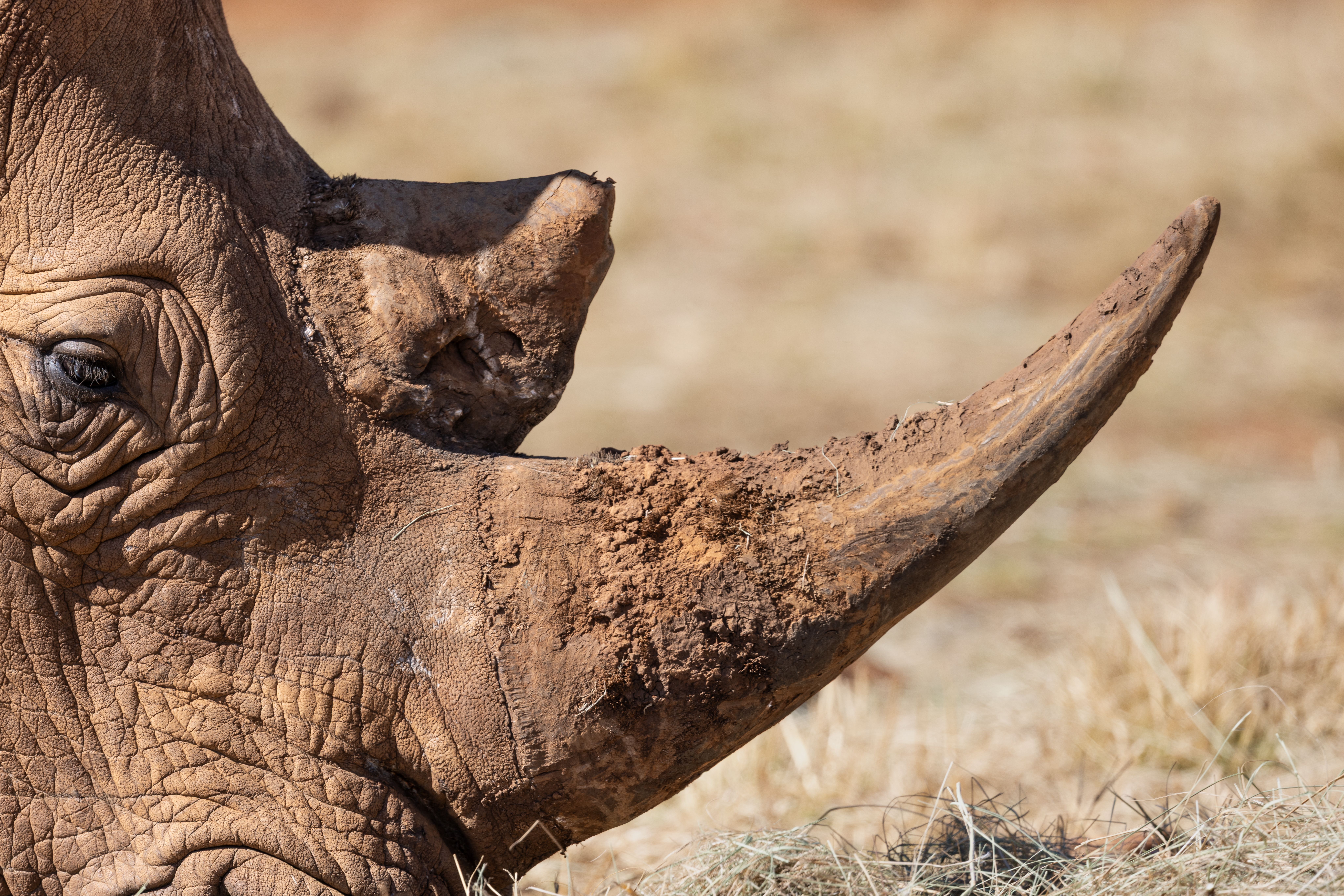
Ol Pejeta Conservancy in Laikipia is Kenya's largest black rhino sanctuary and home to the world's last two northern white rhinos. At 90,000 acres, it offers a radically different safari character from the Mara — drier, more open, with rhino encounters that simply cannot be replicated anywhere else on Earth. Our dedicated Ol Pejeta Conservancy destination page covers the full scope of what this ecosystem offers.
Loisaba Conservancy covers 56,000 acres of dramatic Laikipia plateau, famous for elephant and wild dog sightings, starbed sleeping platforms, and sweeping escarpment landscapes. Kalama Conservancy, adjacent to Samburu Game Reserve, provides the setting for a northern Kenya safari entirely unlike the Mara — camels, reticulated giraffes, Grevy's zebras, and gerenuk replace the wildebeest herds of the south.
Conservancy Quick-Comparison Table
| Conservancy | Size | Wildlife Specialism | Total Beds | Activities | Best Season |
|---|---|---|---|---|---|
| Olare Motorogi | 33,000 acres | Lions | 95 | Night drives, off-road, walks | Year-round |
| Mara Naboisho | 50,000 acres | Leopard, cheetah | ~50 rooms | Night drives, off-road, walks | Year-round; green season excellent |
| Mara North | ~70,000 acres | Migration herds, diversity | Varied | Night drives, off-road, walks | Jul–Oct (migration); year-round |
| Ol Kinyei | 18,700 acres | Walking safari, predators | Limited | Night drives, walks, off-road | Jul–Oct; quiet season Jan–Mar |
| Ol Pejeta | 90,000 acres | Rhino, Big Five | Varied | Day/night drives, walks, cycling | Year-round; dry season best |
| Loisaba | 56,000 acres | Elephant, wild dog | Limited | Night drives, horse riding, starbed | Dry season (Jun–Oct) |
| Kalama/Samburu | Varies | Northern Specialist Five | Limited | Night drives, cultural visits | Jun–Sep; Jan–Feb |
The 10 Best Luxury Safari Camps in Kenya, Ranked by Conservancy
The camps below represent the finest accommodation options across Kenya's top conservancies, selected on the basis of exclusivity, wildlife access, guiding quality, and conservation credentials — not marketing budget.
Olare Motorogi Conservancy
1. Mara Plains Camp
Mara Plains Camp is widely considered one of the finest small luxury camps in Africa, offering just eight tented suites within Olare Motorogi's 33,000-acre lion heartland. Operated by &Beyond, it sits on the Ntiakitiak River and delivers the kind of lion encounters — prides at close range, cubs playing at dusk, hunts witnessed from open Land Cruisers — that justify the conservancy's reputation.
Standout features include full off-road access, dedicated vehicles per suite, and a maximum of 16 guests at any time. Night drives here are genuinely exceptional: the camp's guides maintain long-term relationships with resident prides, meaning your spotlight often finds lions rather than searching for them. Activities include walking safaris, night drives, hot air balloon options, and Maasai cultural visits. For a broader picture of the Mara ecosystem surrounding this conservancy, visit our Maasai Mara National Reserve destination guide.
- Price range: $1,500–$2,000+ per person per night (all-inclusive)
- Best for: Serious lion photographers, couples celebrating milestones, repeat safari travelers seeking the purest Mara experience
2. Mahali Mzuri
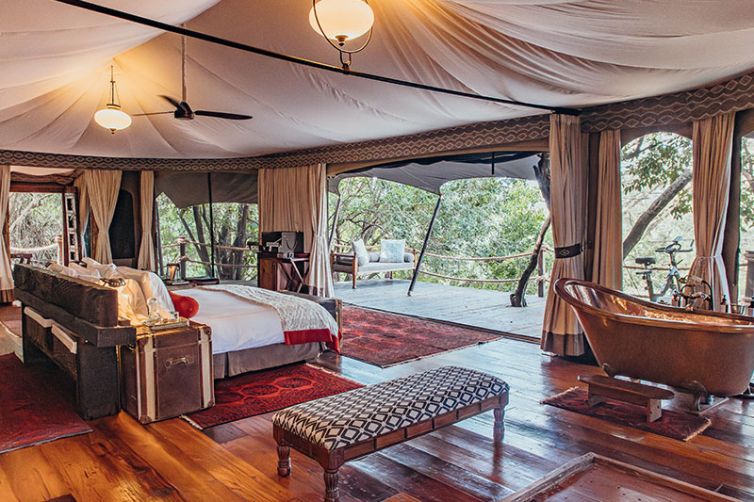
Mahali Mzuri is Sir Richard Branson's Virgin Limited Edition camp in Olare Motorogi, comprising 12 tented suites on a ridge with panoramic views across the conservancy. It has become one of the most recognizable names in Kenya luxury safari — and it mostly lives up to the recognition.
The camp's elevated position provides extraordinary sunrise views, and the private plunge pools attached to each suite are a rare luxury at a tented camp. Wildlife access is identical to Mara Plains — full off-road, night drives, and walking within Olare Motorogi's lion-dense terrain. Where it differs is in atmosphere: Mahali Mzuri leans into a boutique-hotel polish that some guests love and purists occasionally find slightly over-designed. If you're weighing this camp as part of a longer Kenya itinerary, our guide on common Kenya safari itinerary mistakes is worth reading before you commit.
- Price range: $1,200–$1,800 per person per night (all-inclusive)
- Best for: Honeymoons, design-conscious travelers, first-time luxury safari guests who want a recognizable brand with genuine wildlife credentials
Mara Naboisho Conservancy
3. Mara Nyika Camp
Mara Nyika is &Beyond's flagship camp in Mara Naboisho, a five-tented suite property that represents some of the most thoughtful conservation-integrated design in the Mara ecosystem. "Nyika" means wilderness in Swahili — an apt name for a camp where cheetah sightings are almost routine and leopard encounters genuinely common.
The camp employs a community conservation model that directs a meaningful portion of revenue to the 425 Maasai landowner families who established Naboisho in 2010. Walking safaris here are particularly rewarding: Naboisho's terrain — a mix of open savannah and acacia thicket — is ideal for tracking on foot, and the camp's guides are among the most knowledgeable in the ecosystem.
- Price range: $1,400–$2,000 per person per night
- Best for: Cheetah and leopard specialists, conservancy ethos-driven travelers, walkers
4. Kicheche Valley Camp
Kicheche Valley Camp is one of the most credible small-group camps in the Naboisho Conservancy, operating with a strict maximum of eight guests and a philosophy that prioritizes guiding quality over amenity extravagance. It regularly appears on specialist "best guiding" lists — Source: Condé Nast Traveler Readers' Choice — and the praise is deserved.
The ratio of guides to guests here is exceptional: with eight guests maximum and dedicated vehicles, you effectively have a private safari. Night drives in Naboisho's big-cat territory, combined with Kicheche's tracking expertise, make this a serious contender for the best overall wildlife experience per dollar in Kenya. To compare the relative merits of conservancy-based camps like this one against national reserve options, read our Kenya conservancy vs national reserve field guide.
- Price range: $900–$1,300 per person per night
- Best for: Solo photographers, serious wildlife enthusiasts, travelers who prioritize guiding over glamour
Mara North Conservancy
5. Richard's River Camp
Richard's River Camp is the Great Migration specialist in Mara North, positioned near the Mara River and operating exclusively within the conservancy's 70,000-acre expanse. During the July–October migration window, this camp's location is arguably unmatched: wildebeest crossing action, lion prides following the herds, and crocodile ambushes at the river bends — all accessible on exclusive conservancy drives without the national reserve's traffic.
The camp runs a tightly managed maximum of 16 guests and is known for highly personalized service. Off-season, Mara North's year-round resident wildlife — significant elephant herds, leopards, and diverse birdlife — keeps the game driving excellent. For a definitive seasonal breakdown, visit our guide on the best time for a Kenya safari. If you're considering combining this camp with Tanzania's Serengeti circuit, our Masai Mara vs Serengeti comparison explains how the two ecosystems connect across the border.
- Price range: $1,100–$1,600 per person per night
- Best for: Migration-focused travelers, wildlife generalists, those who want the Mara's full diversity
6. Kicheche Mara Camp
Kicheche Mara Camp brings the same guiding-first philosophy of its Naboisho sibling to the larger, more diverse terrain of Mara North. With just 12 guests maximum and a strong guiding reputation, it offers a quieter, more expert-led alternative to the larger lodges in the same conservancy.
Mara North's combination of open plains, riverine forest, and proximity to the national reserve boundary means wildlife variety here is genuinely exceptional. Kicheche Mara also offers some of the best value in the top-tier conservancy camp market, without sacrificing the exclusivity that makes conservancy safaris worth the premium. If you're planning a family trip anchored here, our guide to Kenya safari experiences for families will help you assess whether the camp's format suits all ages in your group.
- Price range: $900–$1,200 per person per night
- Best for: Value-conscious luxury travelers, repeat Mara visitors wanting a new conservancy, mixed wildlife priorities
Ol Kinyei Conservancy
7. Porini Mara Camp
Porini Mara Camp in Ol Kinyei is the gold standard for walking safari experiences in the Mara ecosystem, operating with a maximum of 12 guests and a community ownership model that returns 65% of revenue directly to Maasai landowners as lease payments — Source: Gamewatchers Safaris.
Ol Kinyei's 18,700 acres are managed with extraordinary intensity: the conservancy maintains a low-intervention approach that keeps habitats natural and predator populations healthy. Bush walks here are guided by Maasai trackers who have spent lifetimes reading this landscape — it is a fundamentally different sensory experience from a vehicle-based game drive. For families considering whether Ol Kinyei's walking-focused model is appropriate for younger guests, our Kenya safari experiences for families guide offers practical guidance.
- Price range: $700–$1,000 per person per night
- Best for: Walking safari enthusiasts, conservation-motivated travelers, those wanting authentic community engagement
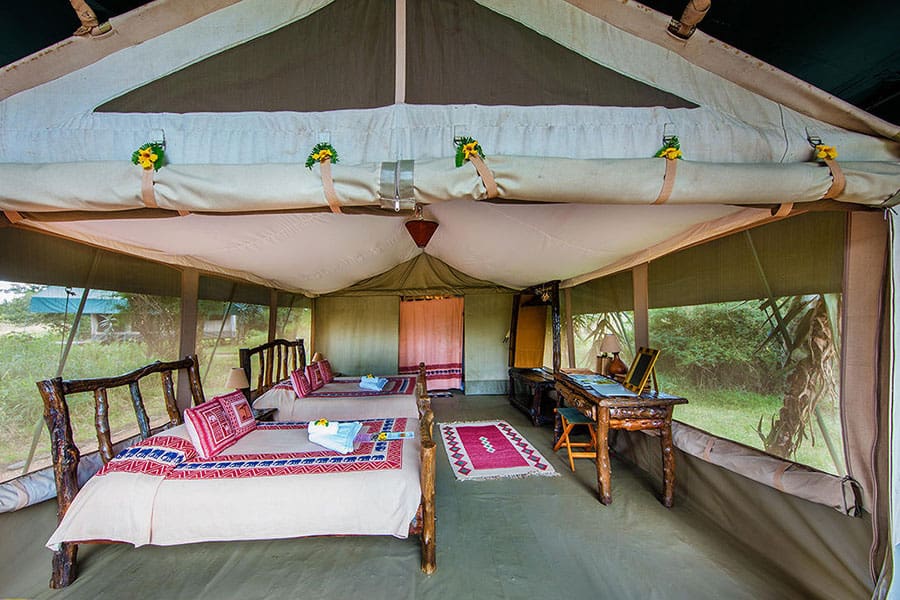
Ol Pejeta Conservancy, Laikipia
8. Ol Pejeta Bush Camp
Ol Pejeta Bush Camp is the best base for rhino conservation experiences in Kenya, positioned within Africa's largest black rhino sanctuary and the only conservancy where you can encounter the world's last two northern white rhinos. Our dedicated Ol Pejeta Conservancy destination page provides a comprehensive overview of what the sanctuary offers, including its chimpanzee sanctuary and Big Five wildlife. For travelers combining Ol Pejeta with the Maasai Mara on a single trip, our Kenya Ol Pejeta Conservancy tour package shows how we typically structure that routing.
The camp's six tented cottages maintain an intimate atmosphere, and the conservancy's security infrastructure — essential for rhino protection — ironically creates superb wildlife density: animals here are highly habituated to vehicles and encounters are reliably close.
- Price range: $600–$900 per person per night
- Best for: Rhino conservation enthusiasts, families, travelers combining Laikipia with the Mara on a multi-stop itinerary
Loisaba Conservancy, Laikipia
9. Loisaba Tented Camp
Loisaba Tented Camp sits on the edge of a dramatic escarpment in Laikipia's 56,000-acre Loisaba Conservancy, offering a safari experience defined by wide-open skies, enormous elephant herds, and the rare thrill of sleeping on a "starbed" — a wheeled wooden platform rolled out under the open night sky.
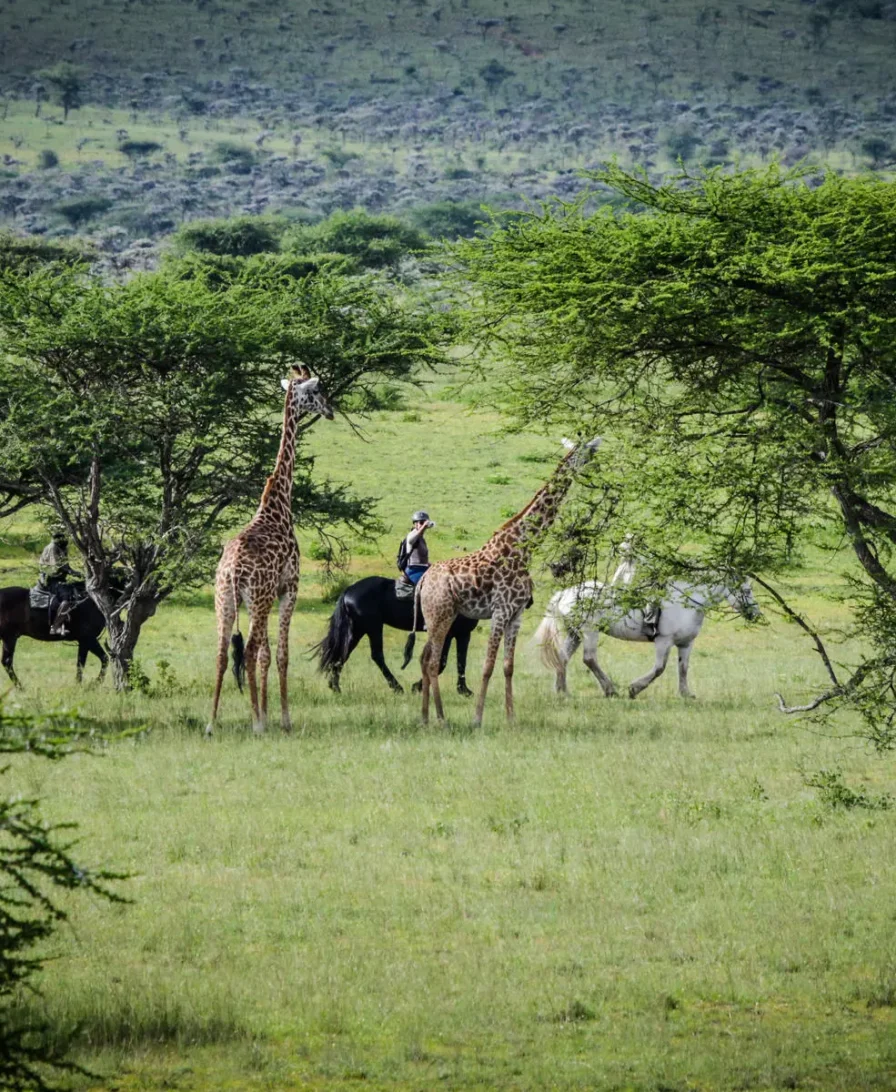
Laikipia's wild dog population is one of the most reliably viewed in East Africa, and Loisaba's size means game drives cover genuinely wild, undisturbed terrain. The conservancy also permits horseback safaris — a unique activity unavailable in any Mara conservancy. Travelers considering a combined Mara and Laikipia itinerary should read our best Kenya safari itineraries guide to understand how these two ecosystems are typically sequenced.
- Price range: $800–$1,200 per person per night
- Best for: Elephant and wild dog specialists, adventurous travelers, those seeking a Laikipia–Mara combination itinerary
Kalama Conservancy, Samburu
10. Saruni Samburu
Saruni Samburu is the finest luxury option in the Kalama Conservancy, adjacent to Samburu Game Reserve in northern Kenya — a region that delivers wildlife encounters simply impossible in the south. The Northern Specialist Five (reticulated giraffe, Grevy's zebra, Somali ostrich, gerenuk, and Beisa oryx) are endemic to this ecosystem and absent from the Mara entirely.
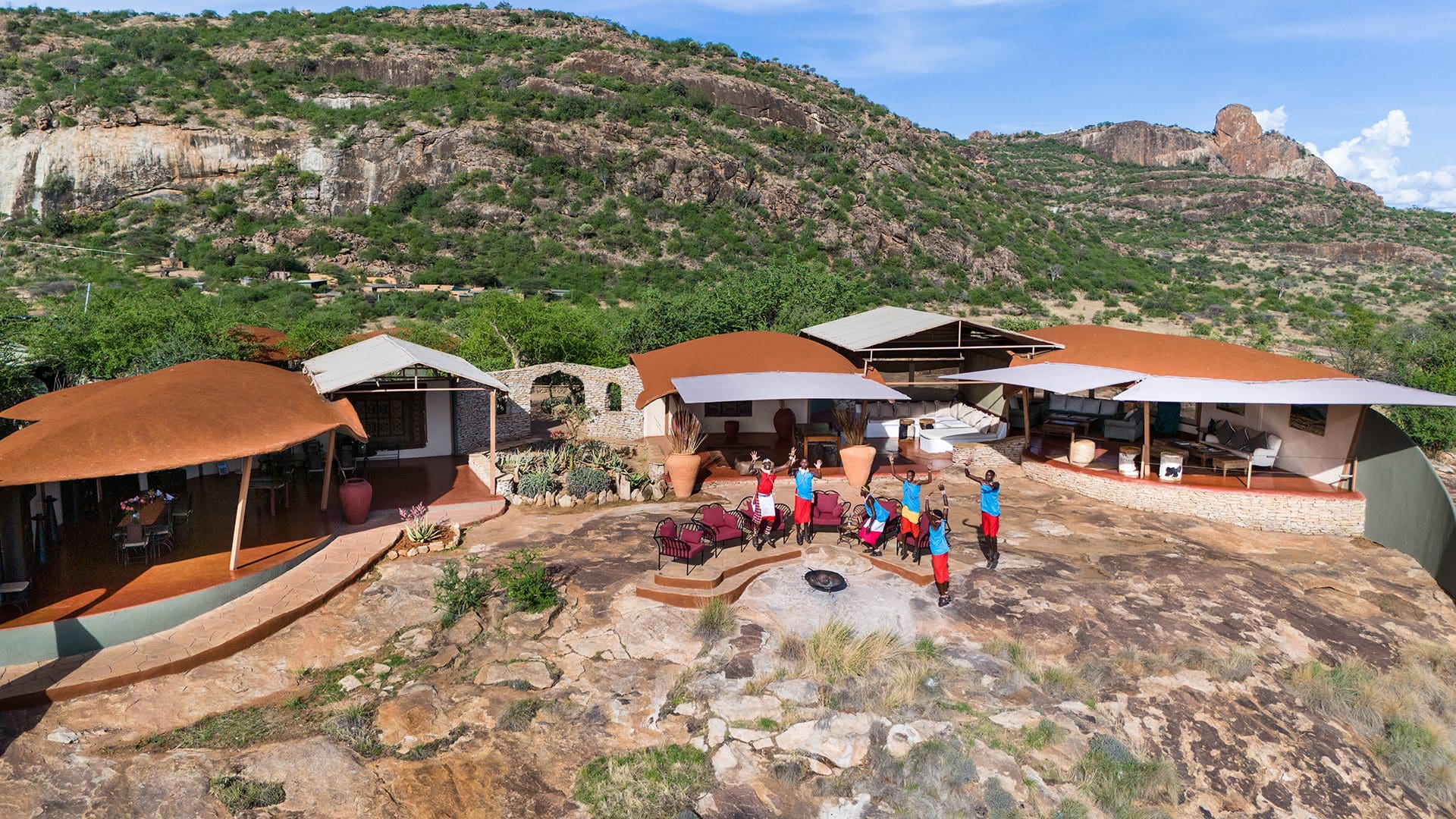
The camp's six villas perch on a rocky hillside above the Ewaso Ng'iro River, with views that rank among the most dramatic of any camp in Kenya. Cultural access to Samburu and Maasai communities is genuine and well-curated. Travelers planning a northern Kenya extension alongside a Mara-based conservancy stay will find our Kenya and Tanzania combined safari guide a useful reference for sequencing a multi-destination trip.
- Price range: $900–$1,400 per person per night
- Best for: Travelers seeking northern Kenya's endemic species, those on a two-center Kenya itinerary, photographers wanting dramatic landscape backdrops
Conservancy vs. National Reserve: Which Is Right for Your Safari?
Private conservancies deliver a definitively superior experience to national reserves for travelers who prioritize exclusivity, activities, and conservation impact — but the national reserve retains specific advantages that conservancy camps cannot replicate.
Choose a conservancy when: you want night drives, walking safaris, or off-road driving; you want strict vehicle-per-sighting limits; you are invested in community conservation; or you want a truly private wildlife experience. Choose the national reserve when: your budget is fixed below the conservancy threshold; you want to combine a day trip to the Mara River during peak migration (July–August) when river crossings concentrate at specific points; or you are timing a last-minute trip with limited camp availability.
The smartest approach is a hybrid itinerary: three to four nights in a conservancy for the exclusive, activities-rich experience, with an optional day excursion into the national reserve during migration season for river crossing access. Most conservancy camps can arrange this, though it is typically charged as an additional park fee. For a detailed analysis of how the Mara compares with Tanzania's equivalent ecosystem, read our Masai Mara vs Serengeti comparison. And if you're weighing conservancy stays against standard national reserve camps more broadly, our Kenya conservancy vs national reserve field guide maps out that decision in full detail.
How to Book a Luxury Kenya Conservancy Safari: Practical Tips
Booking a luxury Kenya conservancy camp requires more lead time than almost any other travel category — the best camps in Olare Motorogi and Naboisho are sold out 12 to 18 months in advance for peak season (July–October).
Seasonal Guidance by Conservancy
Olare Motorogi offers genuinely excellent lion viewing year-round, making it the safest choice for flexible travel dates. Mara North and Ol Kinyei peak during the Great Migration window (July–October), when wildebeest and zebra herds flood north from the Serengeti. Naboisho is exceptional in the green season (November–April): lush terrain, dramatic skies, and fewer vehicles make it arguably the most beautiful time to visit, despite the occasional short rain shower.
Laikipia (Loisaba, Ol Pejeta) is best in the dry season (June–October), when wildlife concentrates around water sources and the elephant herds are at their most accessible. For a full seasonal breakdown across all Kenya destinations, consult our best time for a Kenya safari guide.
Logistics: Fly-In vs. Drive-In
Flying in is strongly recommended for all conservancy camps. Charter flights from Nairobi's Wilson Airport to private airstrips within or adjacent to conservancies take 45 minutes to 90 minutes, compared to a five to seven-hour drive that begins well before the game-drive day starts. Most camps include airstrip transfers; flights are typically booked through your safari operator.
What's Included and What Isn't
A standard all-inclusive conservancy camp rate covers: all meals, twice-daily game drives with guide, conservancy fees ($80–$150 per person per night), and most bush activities. Typically excluded: airstrip transfers (sometimes included; confirm with your operator), day trip fees into the national reserve, balloon safaris ($450–$600 per person), alcoholic beverages at some camps, and curio purchases. Our team at Beyond the Plains Safaris walks every client through a full cost breakdown before any payment is made — contact us here or use our free safari quote tool to get a transparent, itemized estimate.
Choosing a Safari Operator
Book through a specialist Africa operator rather than a general travel agent, and verify that your operator has recent first-hand camp experience — ideally within the last 12 months. Look for membership in the Kenya Tourism Federation, the Safari Operators Association of Kenya (KATO), or international bodies like ATTA (African Travel & Tourism Association). Beyond the Plains Safaris is a fully bonded KATO member with consistent international client feedback across 107+ verified reviews. For guidance on evaluating and comparing operator quotes, read our step-by-step guide on how to compare Kenya safari quotes.
Also, review what to bring: our Kenya safari packing list covers everything from clothing layers to camera gear for tented camp stays.
Full Conservancy Ranking: At-a-Glance Comparison
| Conservancy | Wildlife Specialism | Exclusivity | Night Drives | Walking | Price Range (pppn) | Community Rating |
|---|---|---|---|---|---|---|
| Olare Motorogi | Lions ★★★★★ | ★★★★★ | ✓ | ✓ | $1,200–$2,000+ | ★★★★ |
| Mara Naboisho | Leopard, Cheetah ★★★★★ | ★★★★★ | ✓ | ✓ | $900–$2,000 | ★★★★★ |
| Mara North | Migration, Diversity ★★★★★ | ★★★★ | ✓ | ✓ | $900–$1,600 | ★★★★ |
| Ol Kinyei | Walking Safari ★★★★★ | ★★★★ | ✓ | ✓ | $700–$1,000 | ★★★★★ |
| Ol Pejeta | Rhino ★★★★★ | ★★★ | ✓ | ✓ | $600–$900 | ★★★★ |
| Loisaba | Elephant, Wild Dog ★★★★ | ★★★★ | ✓ | ✓ | $800–$1,200 | ★★★★ |
| Kalama/Samburu | Northern Endemics ★★★★★ | ★★★★ | ✓ | ✓ | $900–$1,400 | ★★★★ |
Conclusion: Match Your Safari to the Right Conservancy
The best luxury safari camp in Kenya is not a fixed answer — it is the camp that sits within the conservancy that matches your specific wildlife priorities. If you want lions, book Olare Motorogi. If you want big cats and the best community conservation model, choose Naboisho. If the Great Migration is your non-negotiable, position yourself in Mara North or Ol Kinyei. If rhinos matter more than anything else, Ol Pejeta belongs at the top of your list.
Stop asking "which camp is best?" Start asking "which conservancy matches what I actually want to see and do?" — then find the finest camp within that ecosystem. That shift in approach is what separates a good Kenya safari from one that changes how you see the world.
Every night you spend in a Kenya conservancy camp generates a direct financial return for the Maasai families who chose to protect this land instead of cultivate it. Kenya's private conservancy model is proof that wildlife and communities can thrive together — and your booking decision is part of that proof. Plan carefully, book early, and choose the conservancy first.
For personalized conservancy recommendations based on your travel dates and priorities, view our Kenya safari packages, browse our full range of Kenya destinations, or contact the Beyond the Plains Safaris team directly to start building your itinerary.
Written by Lilian Wairimu Senior Safari Specialist, Beyond the Plains Safaris. Lilian has spent over a decade placing discerning travelers in Kenya's finest conservancy camps and conducts annual familiarization trips across the Mara ecosystem, Laikipia, and Samburu. She specializes in multi-generational and milestone safari itineraries.
Reviewed by the Beyond the Plains Safaris Editorial Team Our content is reviewed by senior safari specialists with current, first-hand camp experience across Kenya and Tanzania.
Disclaimer: This article was initially drafted using AI assistance. However, the content has undergone thorough revisions, editing, and fact-checking by human editors and subject matter experts to ensure accuracy.









Comments (0)
Leave a Comment
No comments yet. Be the first to comment!