
Masai Mara vs Serengeti: An Honest Comparison from a Kenya-Based Safari Operator
By John Dante, Director & Operations Manager, Beyond The Plains Kenya Safaris
Summarize this blog post with: ChatGPT | Perplexity | Claude | Grok
You've probably read a dozen Masai Mara vs. Serengeti comparisons — and most of them tell you the same thing in different fonts. What they rarely tell you is what we tell clients at the end of a planning call: the answer has almost nothing to do with which destination is "better," and everything to do with when you're traveling and what you actually want to see. In this guide, we'll give you the honest, season-by-season, logistics-level breakdown that we use to route our own clients — so you can make this decision with confidence, not guesswork.
Key Takeaways
- The Masai Mara and Serengeti are part of the same 40,000 km² transboundary ecosystem, and the "better" destination depends almost entirely on travel timing and budget — not on one being superior to the other.
- The Great Migration spends calving season (January–February) in Tanzania's southern Serengeti and river-crossing season (July–October) in Kenya's Masai Mara, making the ideal destination season-specific.
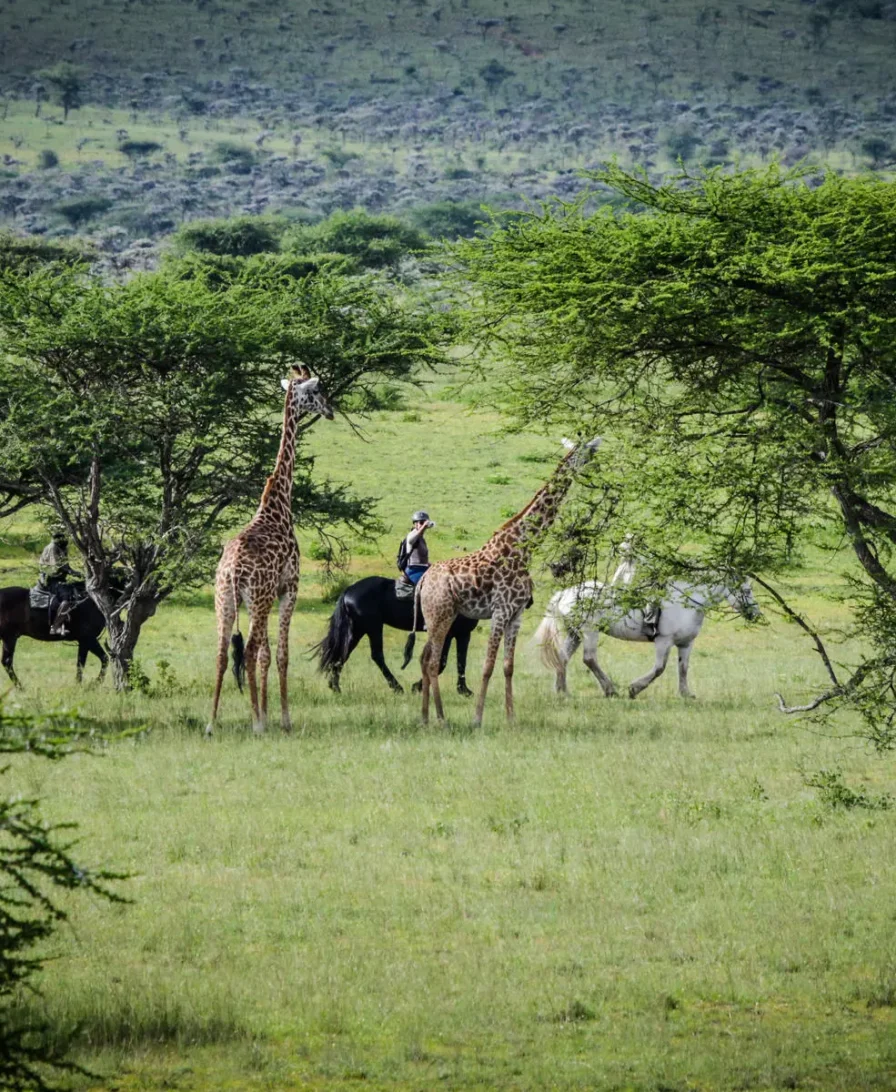
- Kenya's Mara conservancies offer significant advantages over Serengeti National Park for discerning travelers: exclusive game drives, off-road vehicle access, night drives, and walking safaris are permitted in conservancies but restricted in the Serengeti's national park zones.
- Budget travelers will find more affordable entry points in the Masai Mara's public reserve, while luxury travelers can access world-class private conservancy camps in both destinations at comparable price points.
- Tanzania's Serengeti pairs naturally with the Ngorongoro Crater and offers exceptional calving season game viewing; Kenya's Masai Mara pairs naturally with Amboseli and the Laikipia Plateau for a diverse Kenya-only circuit.
- First-time safari-goers traveling between July and October will typically see more dramatic wildlife action in the Masai Mara due to the concentration of migration herds and predator activity at the Mara River crossings.
- A 10–14 day itinerary can realistically incorporate both ecosystems via domestic flights and a Tanzania border crossing, making the Mara vs. Serengeti debate a false choice for travelers with sufficient time and budget.
Are the Masai Mara and Serengeti Part of the Same Ecosystem?
The Masai Mara and Serengeti are not competing destinations but two sections of the same transboundary Mara-Serengeti ecosystem, which spans approximately 40,000 square kilometres across Kenya and Tanzania. Most travel blogs treat them as rivals. In reality, they are ecological neighbours — separated by a border, not by biology.
The Masai Mara National Reserve sits in southwestern Kenya, covering roughly 1,510 km². It is a national reserve, managed jointly by local county governments and Narok County, which means private conservancies can legally operate on adjacent community land. This is a critical distinction we'll return to. The reserve is named after the Maasai people who inhabit the region and the Mara River that cuts through it.
The Serengeti National Park lies in northern Tanzania, covering approximately 14,763 km² — nearly ten times the size of the Mara. It holds national park status, governed by the Tanzania National Parks Authority (TANAPA). That designation carries stricter regulations: no off-road driving, no night drives, and no bush walks within park boundaries. The name "Serengeti" derives from the Maasai word Siringet, meaning "endless plains" — a description that still holds.
Together, these two ecosystems form the largest land-based wildlife migration corridor on Earth. Separating them conceptually is useful for trip planning. Treating them as fundamentally different wildlife experiences is where most comparisons go wrong.
Why This Comparison Matters — and Why Most Online Guides Get It Wrong
The most common mistake in Masai Mara vs. Serengeti comparisons is treating one as categorically superior, when the correct answer is always conditional on travel dates, budget, and experience priorities. We've seen clients arrive in the Serengeti in September expecting the river crossings they read about online — only to find the herds already moved north into Kenya months earlier. That's not a failure of the Serengeti. That's a failure of planning based on incomplete information.
Most guides oversimplify. They either declare the Serengeti the winner because it's larger and more famous, or they champion the Mara because it's "easier to reach from Nairobi." Both framings miss the point. The right destination is the one that aligns with your travel window and your wildlife priorities — and that requires understanding both ecosystems on their own terms.
In this guide, we'll break down every dimension that actually matters: the migration calendar, resident wildlife, accommodation value, logistics, conservation models, and crowd dynamics. By the end, you'll have the same clarity our clients have after a 45-minute planning call.
What Is the Masai Mara and What Makes It Unique?
The Masai Mara National Reserve is Kenya's premier wildlife destination, renowned for the highest lion density in Africa, year-round resident Big Five populations, and the dramatic Mara River crossings that define the Great Migration's most photographed chapter.
Geography and Ecosystem
The Mara occupies the northern end of the Serengeti ecosystem, transitioning from open savannah grasslands in the south to the Musiara Marsh and forested riverine zones along the Mara River. The landscape is more varied than the Serengeti's central plains — which creates exceptional predator habitat. Leopards favour the riverine forest; lions work the open grassland; cheetahs concentrate on the short-grass plains near the Tanzanian border.
The Conservancy System: The Mara's Greatest Advantage
Kenya's Mara conservancies permit off-road driving, night game drives, bush walks, and fly camping — activities that are prohibited within Tanzania's Serengeti National Park, giving conservancy-based safaris a significant experiential advantage for wildlife-focused travelers. The conservancies — including Olare Motorogi, Naboisho, Ol Kinyei, Mara North, and Lemek — operate on community Maasai land adjacent to the reserve. Each conservancy limits the number of vehicles and camps, creating near-exclusive wildlife viewing conditions. [Internal link: "Mara conservancy system explained" → conservancy guide]
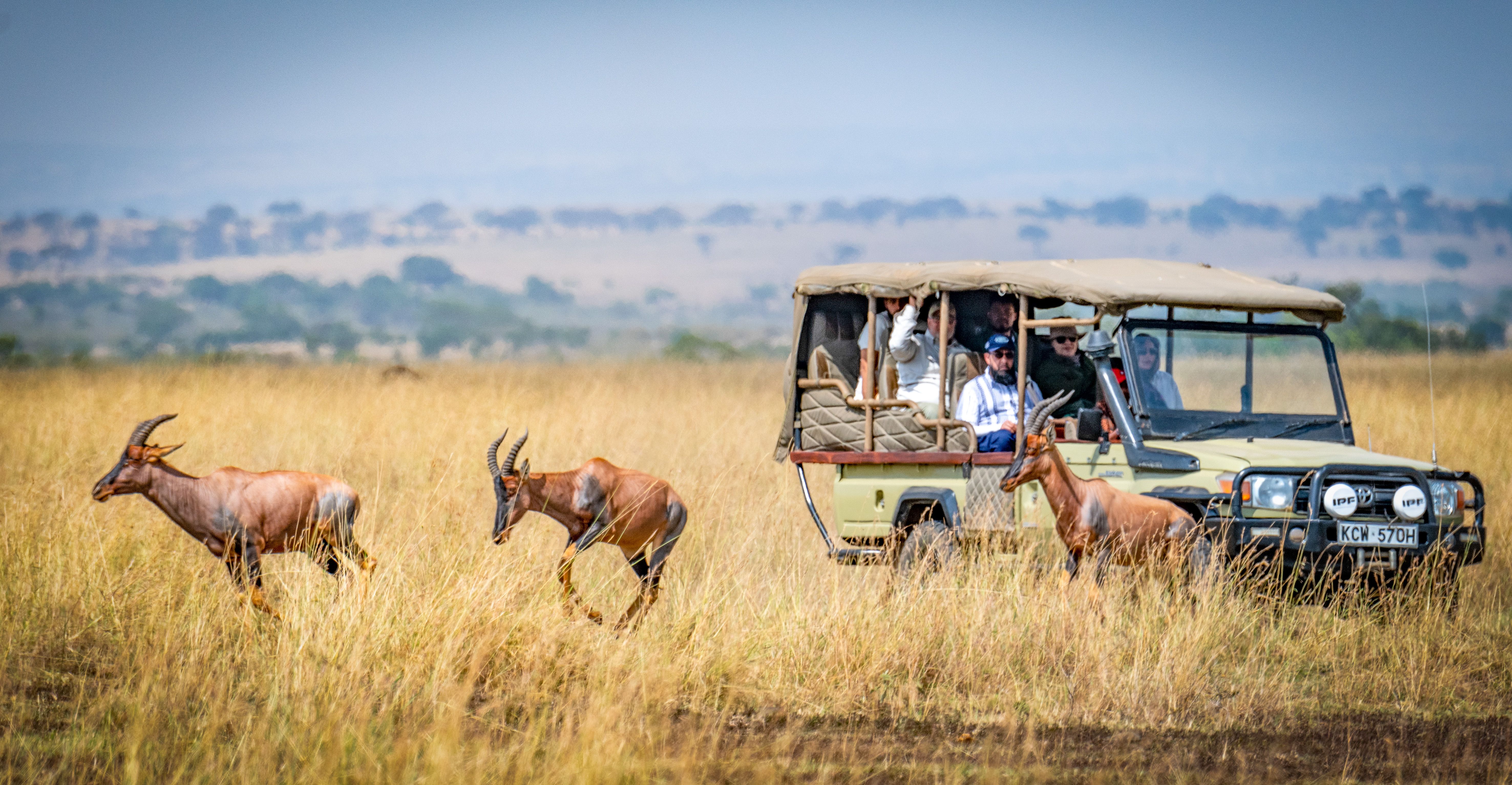
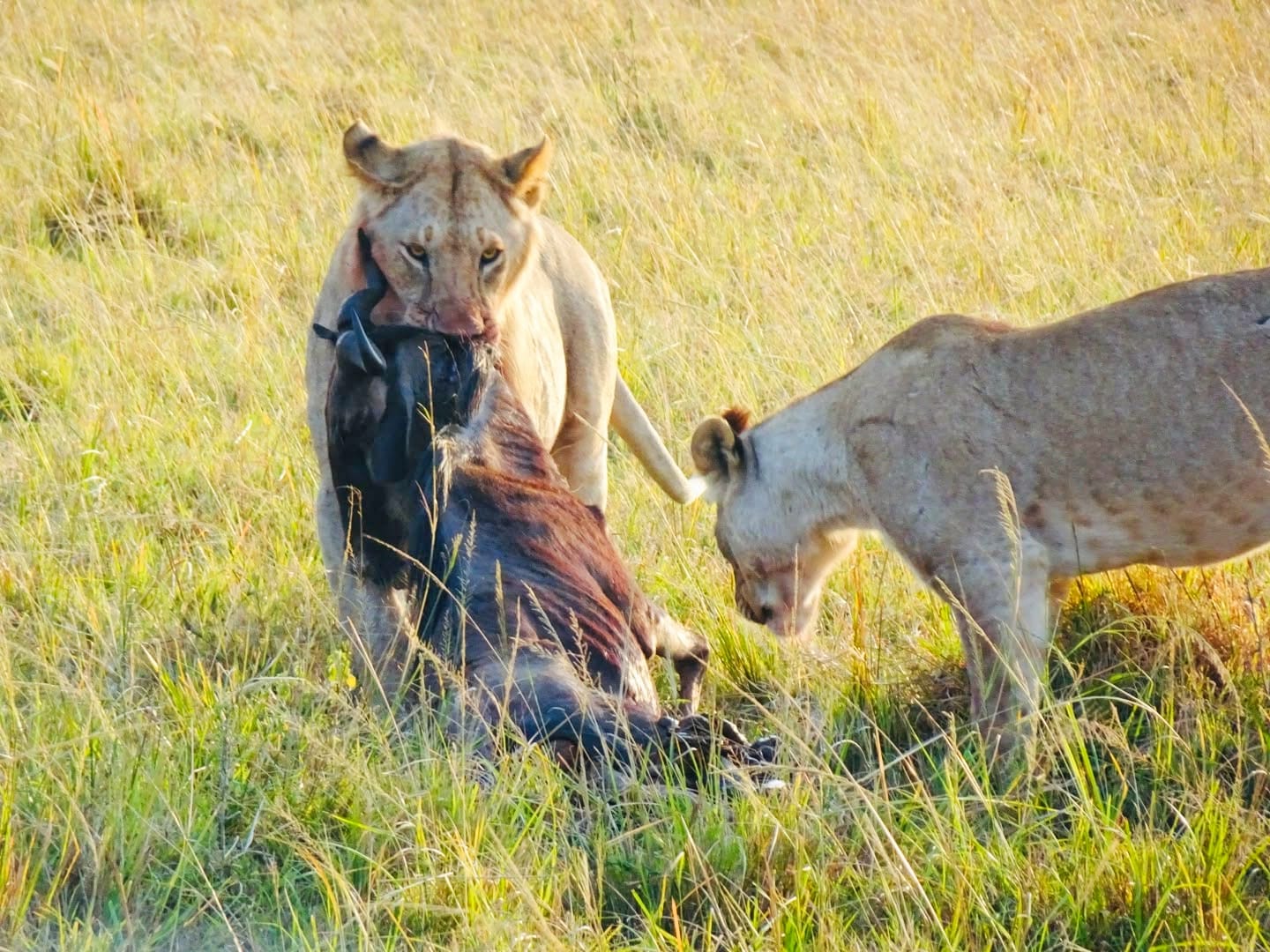
For context, a lion sighting in a Mara conservancy might involve your single vehicle, parked quietly at distance, watching a kill for 40 minutes. The same sighting in the central Serengeti during peak season can attract 20–30 vehicles. That difference is not trivial.
Best Use Cases for the Masai Mara
The Mara excels for: first-time safari-goers who want maximum game density, travelers visiting July through October for migration river crossings, couples and small groups seeking exclusive conservancy experiences, and anyone combining safari with a Nairobi-based itinerary or an Amboseli National Park safari guide extension.
What Is the Serengeti and What Does It Offer That the Mara Cannot?
The Serengeti National Park is Tanzania's largest and most iconic wildlife reserve, offering unrivalled open-plain landscapes, the world's largest wildebeest calving event, and seamless combination with the Ngorongoro Crater as part of Tanzania's Northern Circuit.
Geography and Scale
The Serengeti's sheer scale is its defining characteristic. The Southern Serengeti and Ndutu area produce the calving grounds; the Western Corridor hosts the Grumeti River crossings; the Northern Serengeti (Lamai and Kogatende) sees the herds before they push into Kenya. Understanding these distinct zones within the Serengeti is essential — "the Serengeti" is not one uniform experience.
The famous endless plains of the central Serengeti — particularly around Seronera — are genuinely breathtaking in a way the Mara's more compact landscape is not. If landscape photography is a priority, the Serengeti's scale and light deliver something the Mara cannot.
Calving Season: The Serengeti's Signature Event
The wildebeest calving season in Tanzania's southern Serengeti runs from late January through February, when approximately 500,000 calves are born in a compressed window — Source: Serengeti National Park/TANAPA research data. This is one of the greatest wildlife spectacles on Earth, and it happens entirely within Tanzania. Predator concentrations during calving rival anything seen at the Mara River crossings, with cheetah, lion, hyena, and wild dog all converging on the calving grounds.
Best Use Cases for the Serengeti
The Serengeti is the right choice for: travelers visiting January through March for calving season, anyone combining with the Ngorongoro Crater combination itinerary, longer Tanzania itineraries of 10+ days, and travelers prioritising landscape scale and open-plain photography over conservancy exclusivity.
Where Is the Great Migration in Each Month of the Year?
The Great Migration follows a predictable seasonal circuit: wildebeest calve in Tanzania's southern Serengeti between January and February, move north through the central and western Serengeti from March to June, and enter Kenya's Masai Mara for the famous Mara River crossings between July and October before returning south. Understanding this circuit is the single most important factor in choosing between the two destinations. [Internal link: "Masai Mara Great Migration month-by-month calendar" → seasonal guide]
| Month | Location | Key Event |
|---|---|---|
| January–February | Southern Serengeti / Ndutu | Calving season — 500,000 calves born |
| March–May | Central & Western Serengeti | Northward movement; Grumeti River crossings begin |
| June | Western Corridor / Northern Serengeti | Herds consolidating, moving toward Kenya border |
| July–October | Masai Mara (Kenya) | Mara River crossings — peak drama |
| November | Southern Serengeti / Loliondo | Southward return migration begins |
| December | Southern Serengeti | Short rains; herds dispersing across plains |
A few honest notes on this calendar: the migration is wildlife, not a timetable. River crossings can happen any day between July and October — or cluster into spectacular bursts of 10,000 animals at once. Some years, crossings begin in late June. Some years, herds linger in Kenya into November. The calendar above reflects probability, not certainty. [Internal link: "Mara River crossing hotspots and viewing tips" → river crossing guide]
For the best time to go on safari in Kenya, the answer for most travelers is July through October — but that is also peak season, with higher accommodation rates and more vehicles in the public reserve.
Is the Masai Mara or Serengeti Better for Big Five Game Viewing?
Both the Masai Mara and Serengeti support resident Big Five populations year-round, but the Masai Mara holds a measurable advantage in lion and cheetah density, while the Serengeti's greater size and habitat diversity give it an edge for elephant herds and wild dog sightings. [Internal link: "Big Five sightings in Kenya: what to expect" → Kenya wildlife guide]
Predator Density: Mara Leads
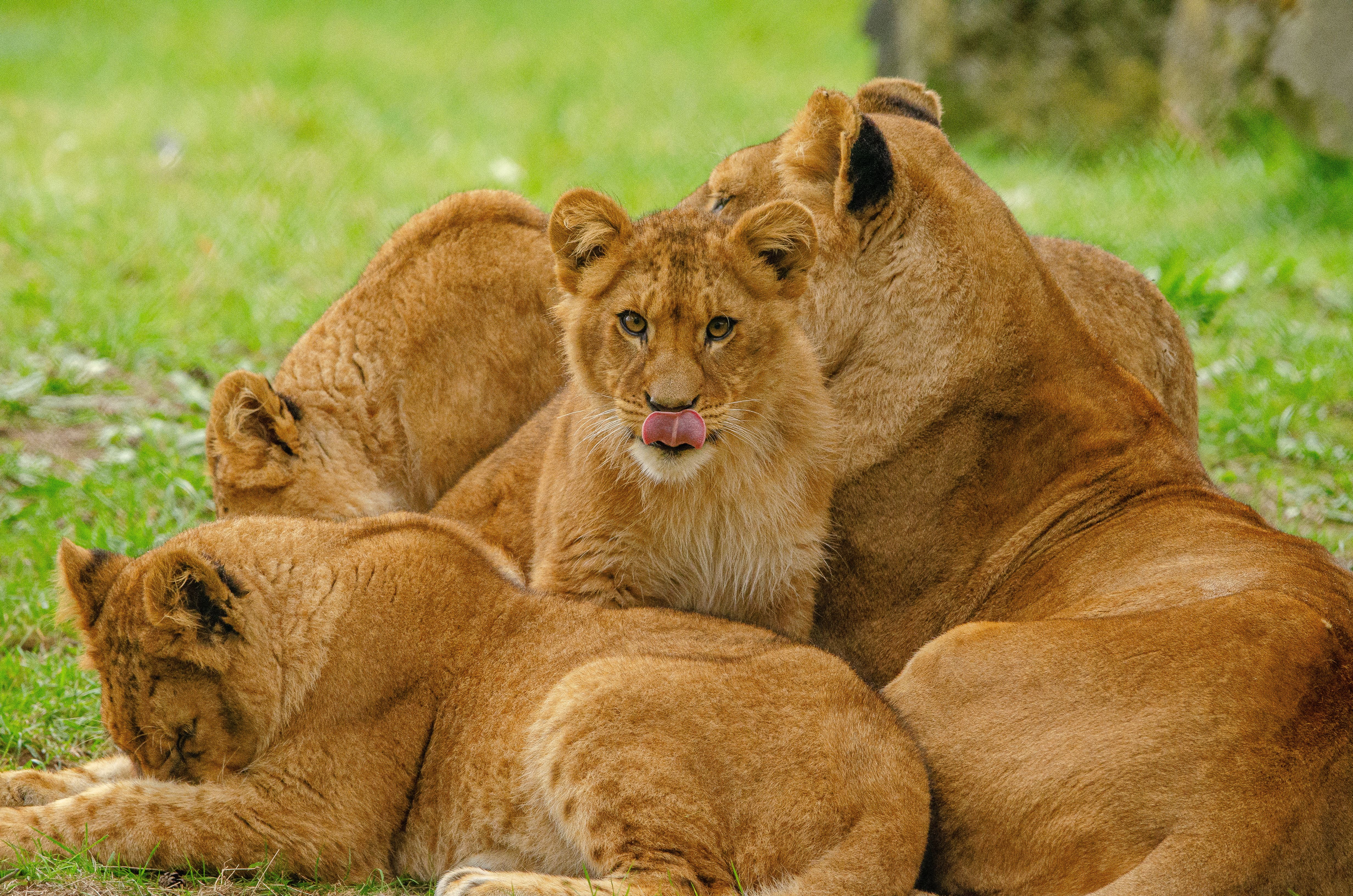
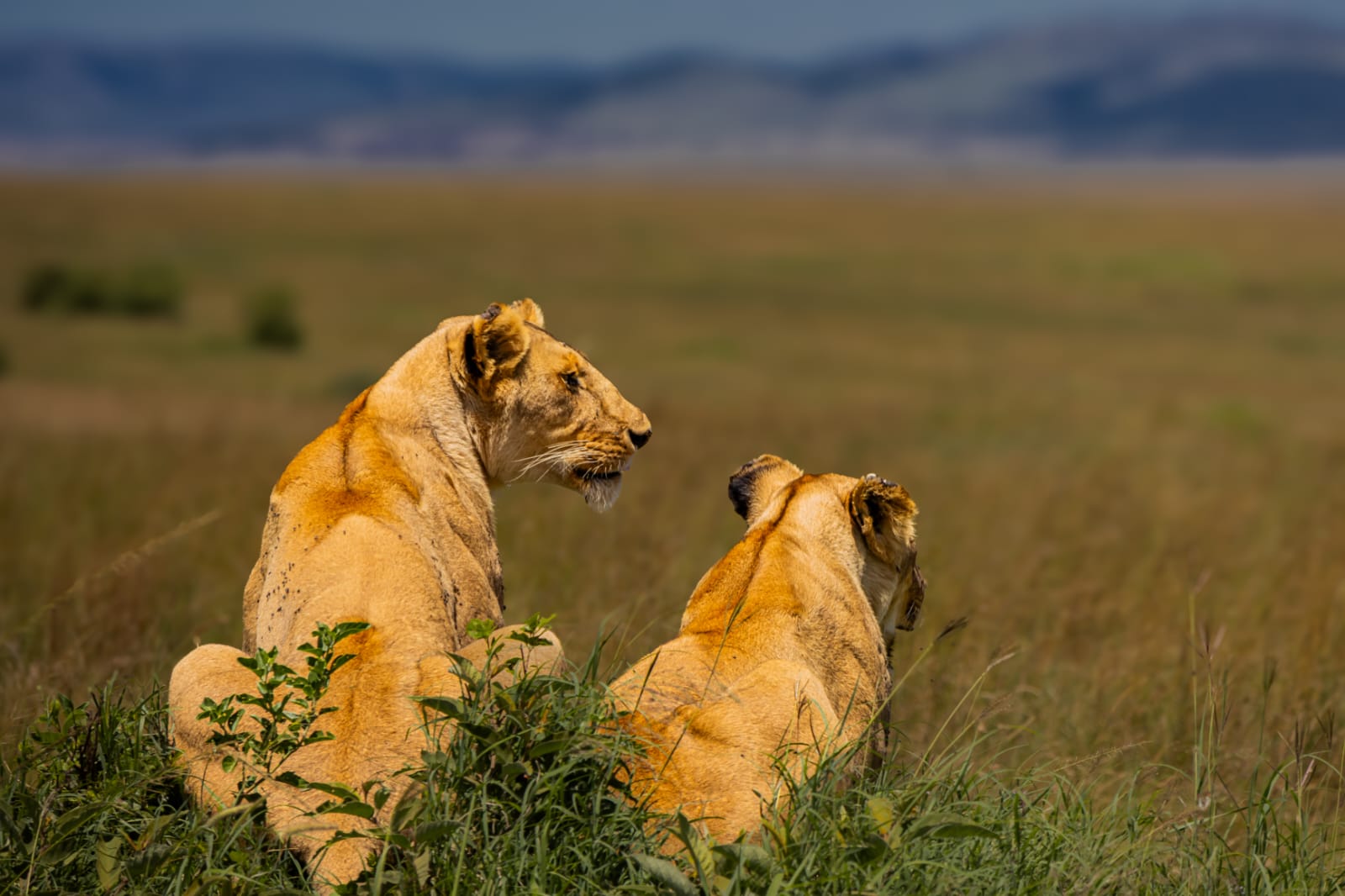
The Masai Mara has long been cited as having one of the highest lion densities per square kilometre of any ecosystem in Africa — Source: African Lion & Environmental Research Trust (ALERT). Pride territories are well-documented, guides know them intimately, and sightings are nearly guaranteed on any multi-day visit. Leopard sightings in the riverine forest are similarly reliable. Cheetah, which require open terrain, are easier to track in the Mara's short-grass plains than in much of the Serengeti's longer vegetation.
Elephant and Buffalo: Serengeti Has Scale
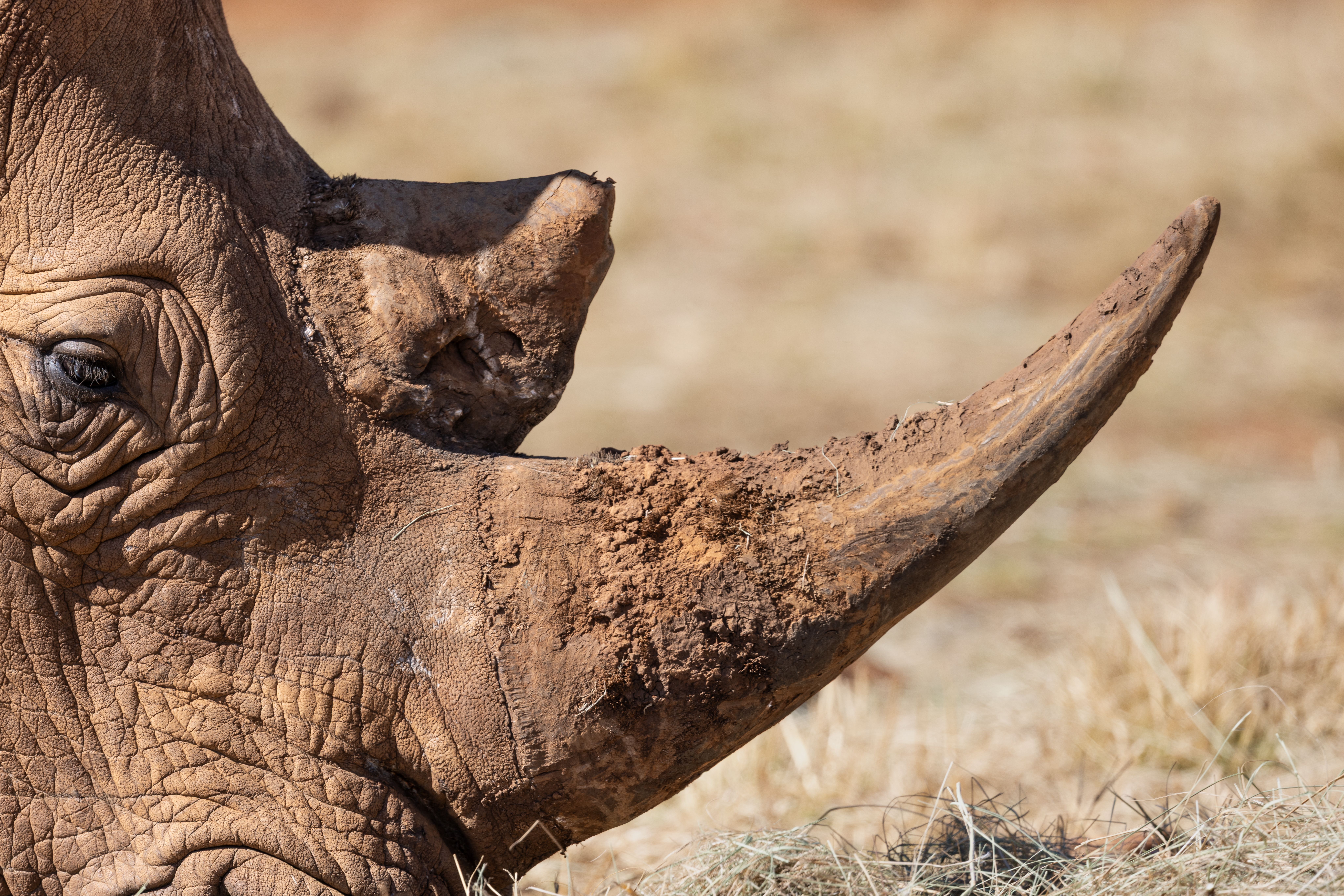
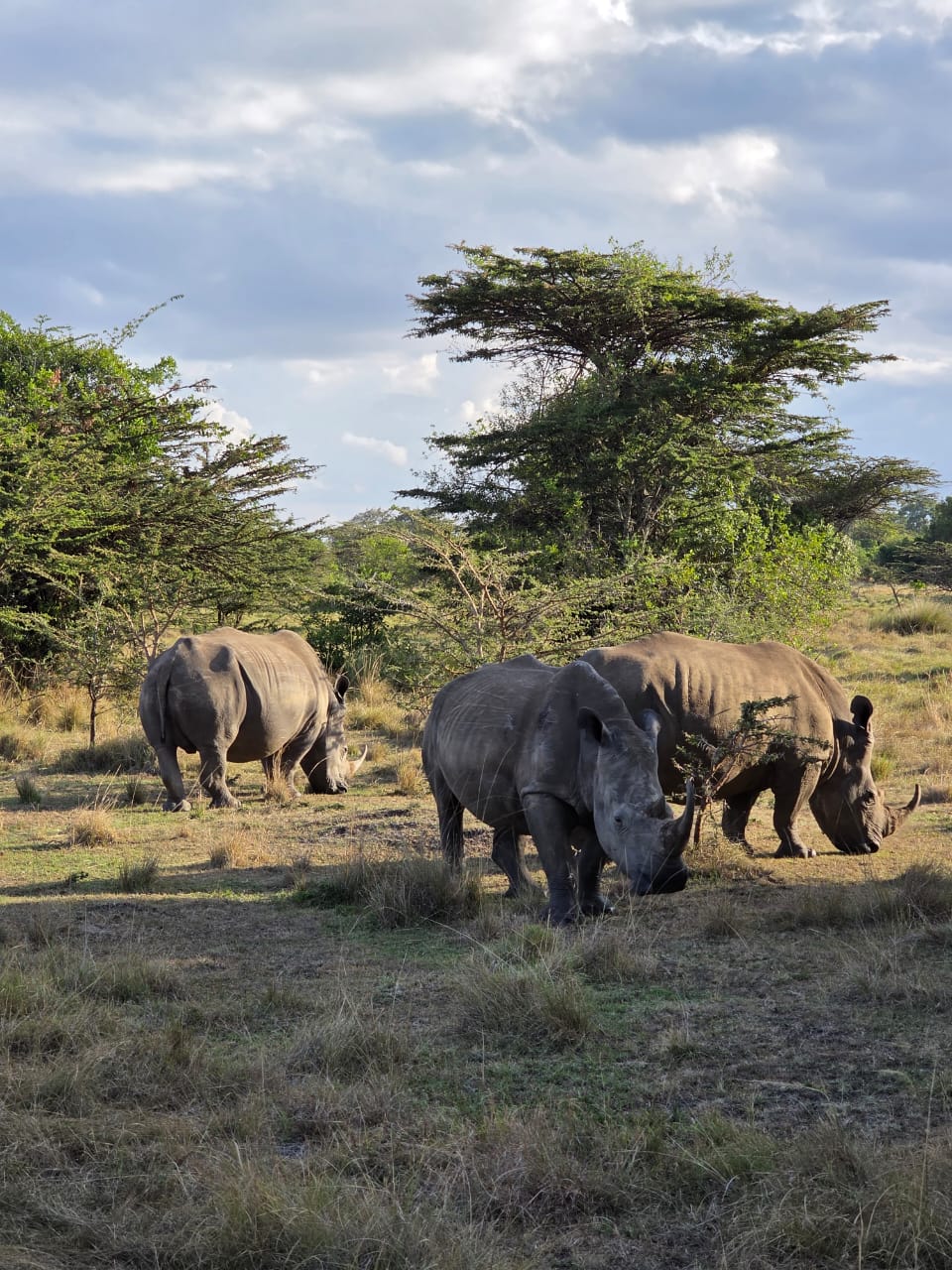
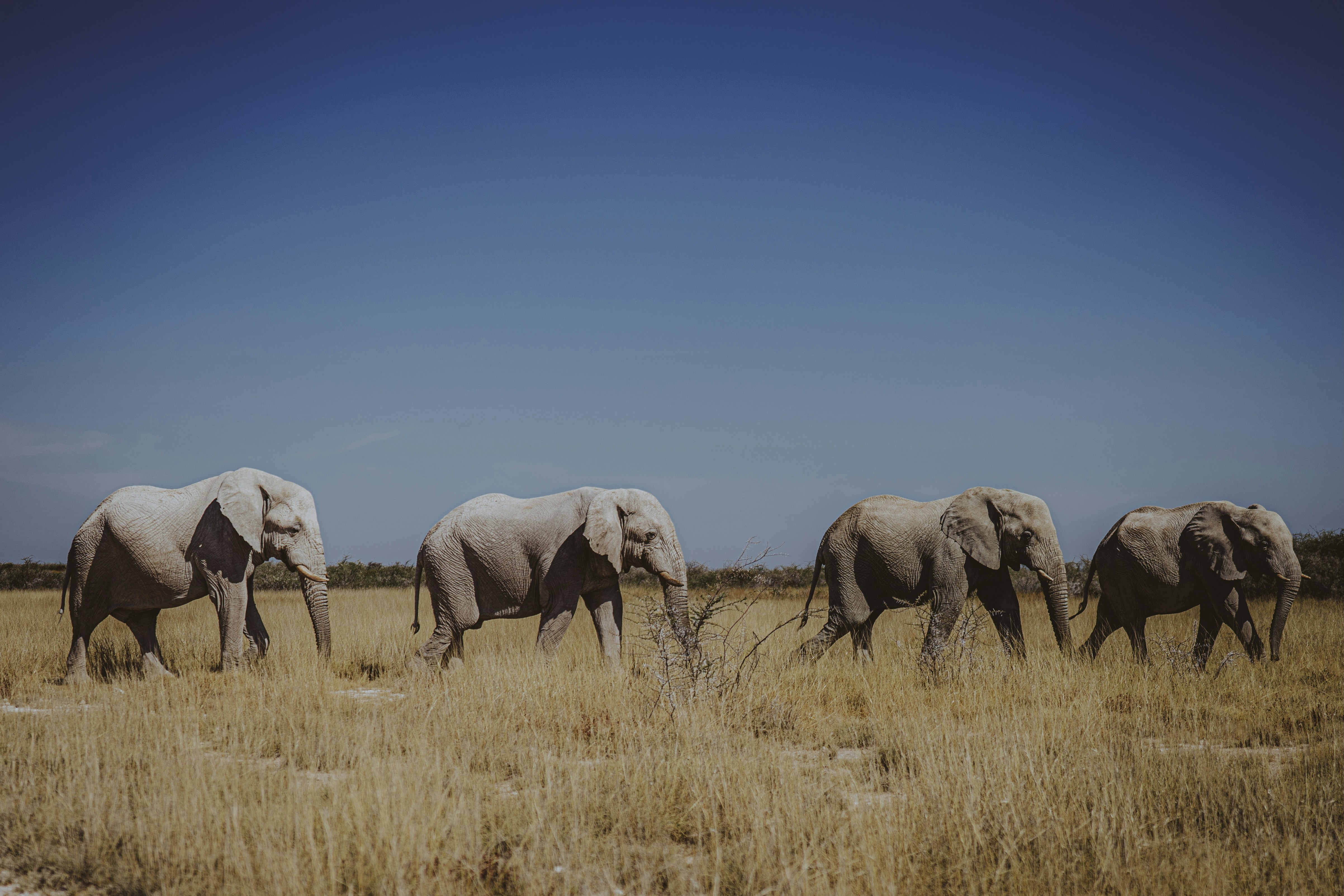
The Serengeti supports larger elephant herds, particularly in the northern and western zones. Buffalo herds in the Serengeti can number in the thousands during dry season aggregations. Both destinations deliver black rhino sightings, though Kenya's Ol Pejeta Conservancy and Lewa Wildlife Conservancy remain the strongest rhino destinations in the region.
Off-Season Game Viewing: Mara Wins on Reliability
Outside migration season (November through June), the Mara's resident wildlife density ensures consistently rewarding game drives. The Serengeti's dispersal patterns during the green season mean animals are spread across a much larger area, making sightings less predictable without experienced guiding. For travelers visiting in shoulder or green season, the Mara conservancies offer better value and more reliable sightings.
How Do Masai Mara Conservancies Compare to Serengeti National Park Rules?
Masai Mara's private conservancies operate under community-based land agreements that permit activities strictly prohibited in Tanzania's Serengeti National Park, creating a fundamentally different — and for most travelers, superior — game-viewing experience.
What Conservancies Allow That the Serengeti Does Not
In a Mara conservancy, your guide can leave the track to approach wildlife off-road, stay with a sighting after dark for a night drive, take you on a guided bush walk at dawn, and set up a fly camp under the stars with no vehicle in sight. These are not minor perks — they are transformative experiences that separate a great safari from a spectacular one.
In Serengeti National Park, vehicles must stay on designated tracks at all times, all guests must return to camp by 7:00 PM, and walking outside lodge boundaries is prohibited. These are park rules applied uniformly, including for the most expensive luxury camps.
Conservancy Crowd Control
Each Mara conservancy limits the number of permitted camps and daily vehicles. Naboisho Conservancy, for example, hosts approximately 5 small camps across 50,000 acres — roughly one vehicle per 2,000 acres of wildlife territory. The central Serengeti around Seronera has no such vehicle cap, and during peak season, the most popular sightings can attract significant vehicle concentrations. This is not a criticism of the Serengeti — it is a structural difference that travelers should understand before booking.
What Does a Safari in the Masai Mara Cost vs. the Serengeti?
Safari costs in both the Masai Mara and Serengeti vary enormously by accommodation tier, season, and departure date, but as a general rule, the Masai Mara offers a wider range of accessible price points while the Serengeti's premium camps are priced comparably to Kenya's top conservancy lodges.
Read Our Kenya safari cost breakdown
| Category | Masai Mara (per person/night) | Serengeti (per person/night) |
|---|---|---|
| Budget camping (public reserve/park) | $150–$300 | $200–$350 |
| Mid-range tented camps | $350–$600 | $400–$700 |
| Luxury conservancy lodges | $700–$1,500+ | $700–$1,800+ |
A few honest observations from our booking experience: Mara conservancy camps at the $700–$900 range frequently deliver a better exclusivity-to-cost ratio than Serengeti camps at the same price point, because conservancy fees are built into the camp rate and vehicle ratios are contractually limited. Tanzania's Serengeti also carries additional costs that Kenya does not — specifically, park fees that can reach $70–$80 per person per day during peak season, and Tanzania visa costs ($50 for most nationalities, free for several East African Community members).
Both destinations require booking 6–12 months in advance for July–October travel, particularly for conservancy camps in Kenya. Last-minute availability in peak season is rare and expensive.
How Do You Get to the Masai Mara vs. the Serengeti?
The Masai Mara is more accessible for most international travelers, with a straightforward routing through Nairobi's Wilson Airport and a 45-minute domestic flight to the Mara's multiple airstrips, while the Serengeti requires routing through Kilimanjaro International Airport or Dar es Salaam, with slightly longer domestic flight legs.
Getting to the Masai Mara
Most travelers arrive at Nairobi's Jomo Kenyatta International Airport (JKIA), overnight in Nairobi, then connect via domestic flight from Wilson Airport (a short taxi from JKIA) to one of several Mara airstrips — Ol Kiombo, Angama, Mara Serena, or Kichwa Tembo, depending on which camp they're heading to. Flight time is approximately 45–55 minutes. Road transfers are possible (roughly 5–6 hours) but are rarely recommended for first-time visitors unless specifically requested. Kenya does not require advance visas for most nationalities — an eTA is processed online within 72 hours.
Getting to the Serengeti
Serengeti-bound travelers typically fly into Kilimanjaro International Airport (JRO) or Julius Nyerere International Airport (DAR) in Dar es Salaam, then connect via domestic flight to one of the Serengeti's airstrips — Seronera, Kogatende, Grumeti, or Lamai — depending on season and camp location. Tanzania requires a visa for most nationalities ($50 online or on arrival for US/UK/EU citizens). Total travel time from Nairobi to a Serengeti camp is typically 4–6 hours including connections, versus 2–3 hours to the Mara.
Is the Masai Mara or Serengeti Better for a First-Time Safari?
For first-time safari travelers visiting between July and October, the Masai Mara typically offers higher concentrations of predator activity and migration drama than the Serengeti during the same period, due to the convergence of wildebeest herds at the Mara River. First-time visitors also benefit from the Mara's shorter travel logistics from Nairobi, the conservancy system's exclusive vehicle ratios, and Kenya's straightforward visa process.
Which Destination Is Better for Families with Children?
Both destinations work well for families, but the Mara conservancies have a practical advantage: many conservancy camps permit children of all ages on game drives, while some Serengeti luxury camps impose minimum age requirements of 8–12 for certain activities. Bush walks and night drives in conservancies are typically restricted to children 12 and over for safety reasons, but vehicle-based game drives are fully family-accessible. Tanzania's longer logistics — multiple flights, longer drives — can make Serengeti trips more demanding for young children.
Choose the Masai Mara If… vs. Choose the Serengeti If…
The decision between the Masai Mara and Serengeti should be based primarily on travel dates and desired experience type, not on a ranking of destinations — both ecosystems offer world-class safari experiences that complement rather than replace each other.
Choose the Masai Mara If…
- You're traveling July through October and want to witness Mara River crossings
- You want conservancy exclusivity — private game drives, night drives, bush walks
- This is your first safari and you want maximum game density with straightforward logistics
- You're combining safari with Amboseli, Laikipia, or the Kenyan coast
- You're traveling with young children and need flexible camp age policies
- Your trip is 7–10 days and you want to maximise wildlife time over travel time
Choose the Serengeti If…
- You're traveling January through March and want to witness the calving season
- You're combining with the Ngorongoro Crater as part of Tanzania's Northern Circuit
- You're planning a longer Tanzania itinerary of 12–14+ days
- Landscape scale and open-plain photography are your primary priorities
- You're a repeat safari traveler looking for a different ecosystem experience
Can You Visit Both the Masai Mara and Serengeti on One Safari Trip?
A 10–14 day itinerary can realistically incorporate both the Masai Mara and Serengeti via domestic flights and a Tanzania border crossing, making the Mara vs. Serengeti debate a false choice for travelers with sufficient time and budget.
Check Out Our: 10-day Kenya and Tanzania safari itinerary
Sample 10-Day Combination Itinerary
Days 1–2: Arrive Nairobi, overnight / city tour Days 3–5: Masai Mara (conservancy camp, 3 nights, full-day game drives) Day 6: Fly Mara → Nairobi → Kilimanjaro, overnight Arusha Days 7–9: Northern Serengeti / Kogatende (Mara River area, 3 nights) Day 10: Ngorongoro Crater day trip, fly out from Kilimanjaro
This structure works best between July and October, when both destinations are simultaneously rewarding. The border crossing logistics (Tanzania visa, domestic flight connections) add approximately one travel day to the itinerary. For a 7-day trip, we recommend committing fully to one destination rather than splitting the time — travel days on a short safari are expensive in both money and game-viewing opportunity.
What Are the Best Lodges and Camps in the Masai Mara vs. the Serengeti?
The best camps in both the Masai Mara and Serengeti are not necessarily the most famous or most expensive, but those that offer the right combination of location, vehicle exclusivity, and guide quality for your specific travel dates.
Masai Mara: Top Picks by Category
- Luxury conservancy: Mahali Mzuri (Mara North), Angama Mara (Mara Triangle), Ol Seki Hemingways (Naboisho)
- Mid-range conservancy: Porini Mara Camp (Ol Kinyei), Basecamp Masai Mara (Mara Triangle)
- Public reserve (budget-accessible): Keekorok Lodge, Fig Tree Camp
Serengeti: Top Picks by Category
- Luxury: Singita Grumeti, andBeyond Serengeti Under Canvas (mobile, follows migration)
- Mid-range: Ubuntu Camp (Lamai), Serengeti Bushtops
- Budget: Seronera Wildlife Lodge, Kati Kati Tented Camp
One practical note: mobile camps that follow the migration within the Serengeti are among the best value propositions in African safari travel. These camps reposition seasonally to stay close to the herds, and their per-night rates are often lower than fixed luxury lodges while delivering superior wildlife access.
What's Next: Planning Your Masai Mara or Serengeti Safari
Now that you understand the honest trade-offs, here is the practical path forward.
First, lock in your travel dates. Everything else — destination, camp selection, budget allocation — follows from when you can travel. If your dates are July through October, the Mara is your primary consideration. If January through March works for your schedule, the Serengeti's calving grounds should anchor your itinerary.
Second, decide on your experience priorities. Exclusivity and activity diversity (night drives, bush walks, off-road) point toward Mara conservancies. Landscape scale, calving season, and combination with Ngorongoro point toward Tanzania.
Third, set a realistic budget — not just for accommodation, but for flights, park fees, visas, and tips.
Fourth, consider whether what to pack for a Masai Mara safari or a Serengeti trip differs for your specific itinerary — mobile camp logistics, conservancy walks, and night drives each have specific gear requirements.
Finally, consult a specialist. The right safari is built around your specific dates, group composition, and priorities — not a generic best-seller itinerary.
Read our Guide on how to choose a Kenya safari operator
Conclusion: They're Part of the Same Story
The Masai Mara and Serengeti are not rivals. They are two chapters of the same book — ecologically inseparable, seasonally complementary, and together comprising one of the most extraordinary wildlife corridors on Earth. The question has never been which one is better. The question has always been which one is right for you, at the time you're traveling, with the budget you have available.
Most of our clients who spend time in both ecosystems tell us the same thing afterward: they wish they'd known earlier that the choice wasn't a choice at all. The Mara River crossings and the Serengeti calving plains are each, in their season, the greatest wildlife spectacle on the planet. The only wrong decision is planning around a blanket ranking rather than your actual travel window.
If you're ready to move from comparison to itinerary, we're happy to help. At Beyond The Plains Kenya Safaris, we route clients into both ecosystems every season — and we'll tell you the same thing we've told you here: honestly, and without selling you something you don't need.
Check out : Best Kenya safari operator
Written by John Dante Director & Operations Manager, Beyond The Plains Kenya Safaris. John has led and operated safari itineraries across Kenya and Tanzania for over a decade, with specialist expertise in the Masai Mara ecosystem, private conservancy operations, and East Africa migration routing.
Reviewed by the Editorial Team at Beyond The Plains Kenya Safaris Field-verified by guides with active experience in both the Masai Mara and Serengeti ecosystems.
Disclaimer: This article was initially drafted using AI assistance. However, the content has undergone thorough revisions, editing, and fact-checking by human editors and subject matter experts to ensure accuracy.
Comments (0)
Leave a Comment
No comments yet. Be the first to comment!