
Luxury Kenya Fly-in Safaris: The Ultimate Guide to Airborne Safari Circuits
By Julius Kariuki, Senior Safari Specialist — Beyond The Plains Safaris
You've seen the images — a leopard draped over an acacia at golden hour, a thousand wildebeest churning across the Mara River — and you know Kenya belongs on your safari list. What most travellers don't realise is that the classic road-based safari, with its hours of dust and tarmac between destinations, barely scratches the surface of what this country offers. Before you plan anything, it's worth reading our Kenya safety guide for tourists — then come back here to discover how a fly-in circuit puts you deeper into the wilderness than any road ever could. In this guide, you'll discover exactly how a luxury Kenya fly-in safari works, which regions and camps are only accessible by air, what the full experience costs, and how to plan a circuit that puts you deep inside Africa's most extraordinary wilderness from the moment you land.
Key Takeaways
- Luxury Kenya fly-in safaris use private or scheduled light aircraft to connect remote camps and conservancies, replacing multi-hour road transfers with 30–60 minute scenic flights that maximise time in the bush.
- Kenya's diverse ecosystems — from the Maasai Mara and Amboseli to Laikipia and Samburu — are all accessible via fly-in circuits, allowing travellers to experience multiple habitats in a single 7–12 day trip.
- Fly-in access unlocks exclusive private conservancies bordering the Maasai Mara where off-road game drives and night drives are permitted — wildlife encounters unavailable to visitors inside the main reserve.
- The all-inclusive pricing model at luxury fly-in camps typically covers accommodation, meals, game drives, conservancy fees, and inter-camp charter flights, making the per-day cost less daunting when analysed against what is included.
- Luggage on bush aircraft is restricted to soft bags of 15kg or less — packing light is non-negotiable, and most Nairobi camps will hold excess baggage securely.
- The optimal window for combining Great Migration river crossings with dry-season game viewing runs from late June through October, though the green season (November–April) offers lower rates and exceptional birdwatching.
- Booking through a KATO-registered specialist operator is strongly recommended at this price point to ensure seamless aircraft coordination, camp availability, and personalised itinerary design.
What Is a Luxury Kenya Fly-in Safari and How Does It Work?
A luxury Kenya fly-in safari is an itinerary in which travellers move between remote camps and conservancies aboard private or scheduled light aircraft rather than by road, eliminating multi-hour overland transfers and maximising active time in the bush. Instead of spending five to six hours on dusty tracks between the Maasai Mara and Amboseli, a bush flight covers the same distance in under an hour — and does so with views of the Rift Valley escarpment that no road can replicate.
The 'luxury' designation here encompasses far more than the aircraft itself. It refers to the calibre of the camps you access, the exclusivity of the private conservancies only reachable by air, the quality of the guiding, and the low guest-to-guide ratios that define an entirely different category of safari experience. A flight into a remote Laikipia property lands you in a world of twelve-guest camps, tracker-led game walks, and night drives — none of which exist on the standard road safari circuit.
Operationally, fly-in circuits work in one of two ways. Private charters place a dedicated aircraft at your disposal, departing on your schedule from Wilson Airport in Nairobi or directly from a camp airstrip. Scheduled bush flights — operated by carriers such as SafariLink and Air Kenya — follow fixed routes connecting the most popular airstrips on set departure times. Most luxury itineraries blend both, using scheduled services for well-served routes and private charters to reach more remote properties. For a fully bespoke experience, consult the Beyond The Plains Safaris team about tailoring the right mix for your dates and preferred camps.
Why Is a Fly-in Safari Better Than a Road Safari in Kenya?
A fly-in safari outperforms a road safari in Kenya primarily on four dimensions: time efficiency, access to remote ecosystems, reduced fatigue, and the aerial wildlife perspective that transforms every transfer into an experience in its own right. Understanding these advantages makes the premium cost far easier to justify.
Time Efficiency Across Vast Distances
Kenya is enormous. The straight-line distance from Nairobi to the Maasai Mara is approximately 270 kilometres, but the road journey — navigating the Nairobi–Narok highway, then unpaved tracks — takes five to six hours on a good day. A bush flight from Wilson Airport covers the same route in 45 minutes. Multiplied across a seven-day itinerary visiting three ecosystems, that time saving amounts to a full day of additional game driving — the equivalent of an entire safari leg recovered from the tarmac.
Access to Private Conservancies and Remote Wilderness
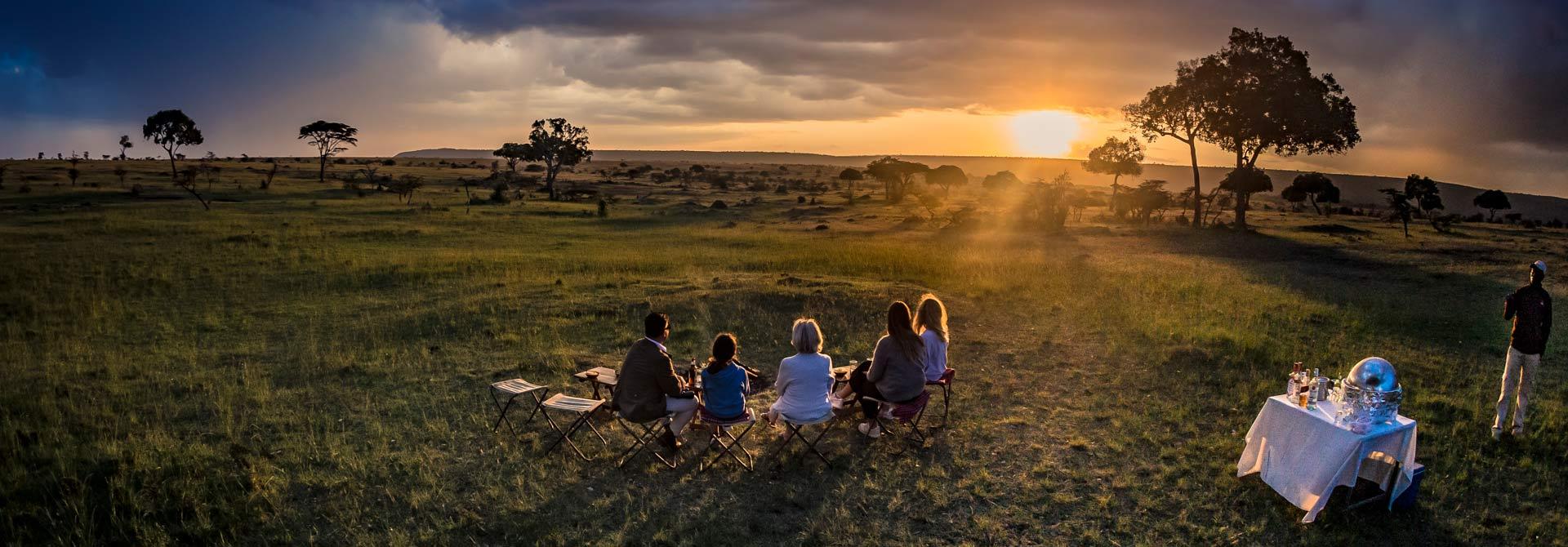
Private conservancies bordering the Maasai Mara — including Mara North, Ol Kinyei, and Naboisho — are accessible only by air or by long off-road transfer, and permit off-road game drives and night drives that are prohibited inside the main reserve. This is perhaps the single most compelling reason to fly in. The density of wildlife in these conservancies rivals — and often exceeds — what you'll find in the crowded main reserve, while the density of vehicles is a fraction.
For a deeper understanding of the terrain and wildlife that awaits in these private areas, read our Maasai Mara National Reserve destination guide, which covers the reserve's ecosystems, Big Five populations, and how the conservancies connect to the wider Mara-Serengeti ecosystem.
Reduced Fatigue and the Aerial Wildlife Perspective
Road safaris are physically demanding. Corrugated tracks, early morning wake-up calls, and hours in a vehicle accumulate into genuine fatigue by day four or five. Fly-in travellers arrive at each camp refreshed, with energy intact for the afternoon game drive. The flight itself is an added wildlife dividend: scanning the savannah from 500 feet, you'll routinely spot elephant herds, hippo pools, and giraffe browsing lines that are invisible from road level.
Road Safari vs. Luxury Fly-in Safari: At a Glance
| Dimension | Road Safari | Luxury Fly-in Safari |
|---|---|---|
| Travel between parks | 5–7 hours by vehicle | 30–60 min by light aircraft |
| Daily fatigue | High (rough roads, long drives) | Low (arrives refreshed) |
| Conservancy access | Main reserves only | Private conservancies & remote camps |
| Night drives | Prohibited in national reserves | Permitted in private conservancies |
| Off-road driving | Restricted | Allowed in private concessions |
| Wildlife density | Shared with many vehicles | Exclusive, low-vehicle density |
| Aerial wildlife views | None | Spectacular bird's-eye perspective |
| Ecosystems per trip | 1–2 (time-limited) | 3–5 within 7–10 days |
| Cost per person/night | $250–$600 mid-range | $800–$2,500+ luxury all-inclusive |
Which Kenya Regions and Conservancies Are Best for Fly-in Safaris?
Kenya's fly-in safari circuit encompasses five primary ecosystems, each served by dedicated airstrips and each offering wildlife experiences that cannot be replicated elsewhere in the country. A well-designed itinerary typically combines two to three of these zones within a single trip.
Maasai Mara and the Private Conservancies
The Maasai Mara remains Kenya's flagship safari destination for good reason. The main reserve's Keekorok, Ol Kiombo, and Mara North airstrips receive daily scheduled services, while private conservancy strips — including those serving Naboisho, Olare Motorogi, and Mara North — handle both scheduled and charter traffic. The private conservancies collectively cover over 300,000 acres bordering the reserve and house some of the highest lion densities in Africa. Explore our Maasai Mara safari tour packages for itinerary options built around this region.
The Maasai Mara private conservancies are the destination of choice during the Great Migration's river crossing phase, when columns of wildebeest and zebra cross the Mara River in scenes that have defined the image of African wildlife for generations.
Amboseli: Elephants Under Kilimanjaro
Amboseli National Park offers one of Africa's most visually arresting backdrops: vast elephant herds moving across dusty plains beneath the snow-capped summit of Mount Kilimanjaro. The park is home to some of East Africa's largest elephant bulls, and its open terrain makes for exceptional photographic conditions at all times of day. The Amboseli airstrip receives daily scheduled services, and fly-in transit from the Mara takes under 45 minutes.
Read our full Amboseli National Park destination guide for details on wildlife density, camp options, and the best approaches for combining Amboseli with the Mara on a single circuit.
Samburu: Northern Kenya's Unique Wilderness
Samburu National Reserve in northern Kenya operates in a different ecological register to the Mara. The Samburu National Reserve wildlife includes species found nowhere else in Kenya: Grevy's zebra, reticulated giraffe, Somali ostrich, gerenuk, and beisa oryx — collectively known as the Samburu Special Five. The Ewaso Ng'iro River that bisects the reserve draws extraordinary concentrations of leopard, crocodile, and elephant. Scheduled flights from Nairobi's Wilson Airport connect to Samburu in approximately 50 minutes.
Laikipia Plateau: Kenya's Conservation Frontier
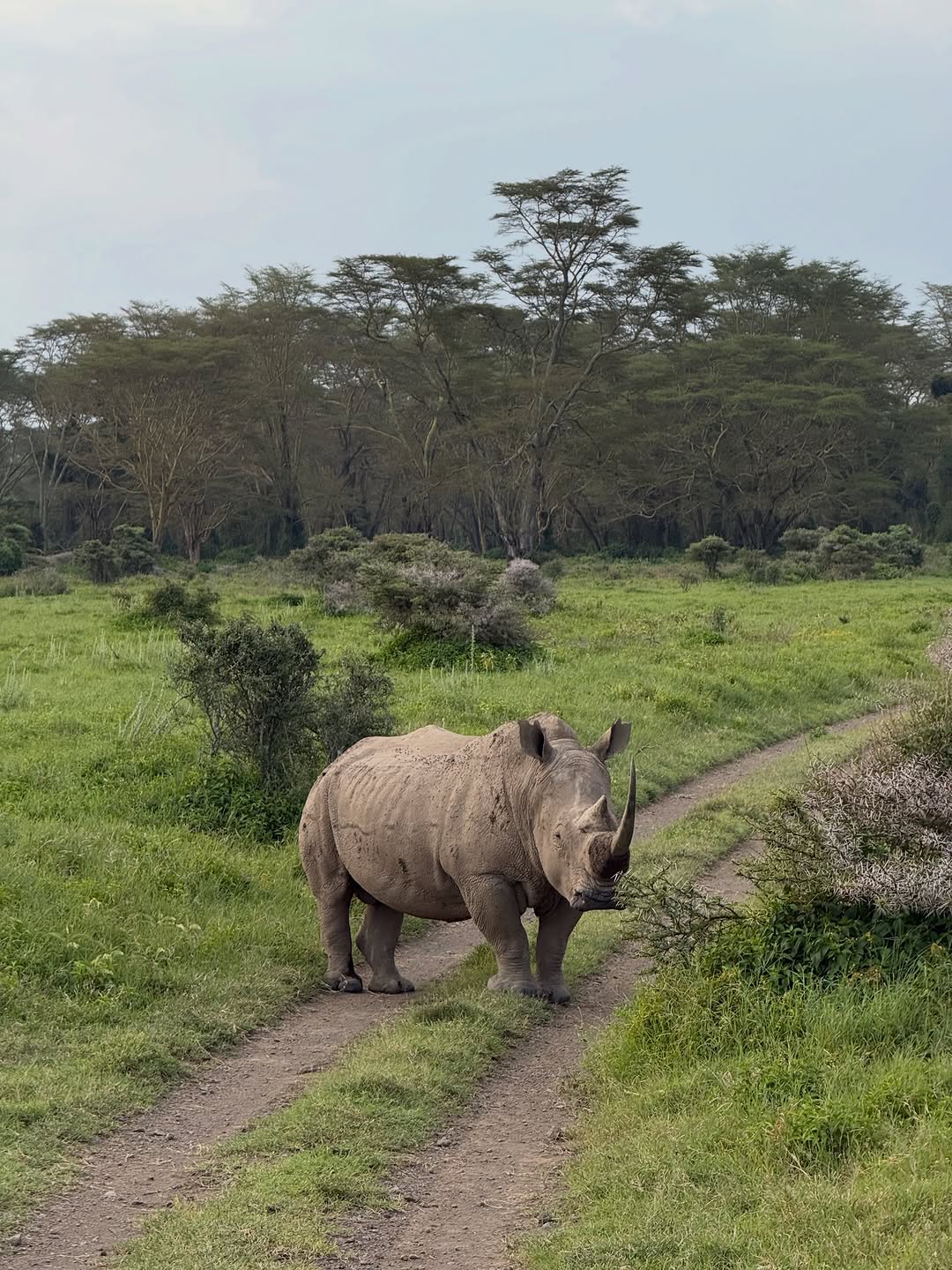
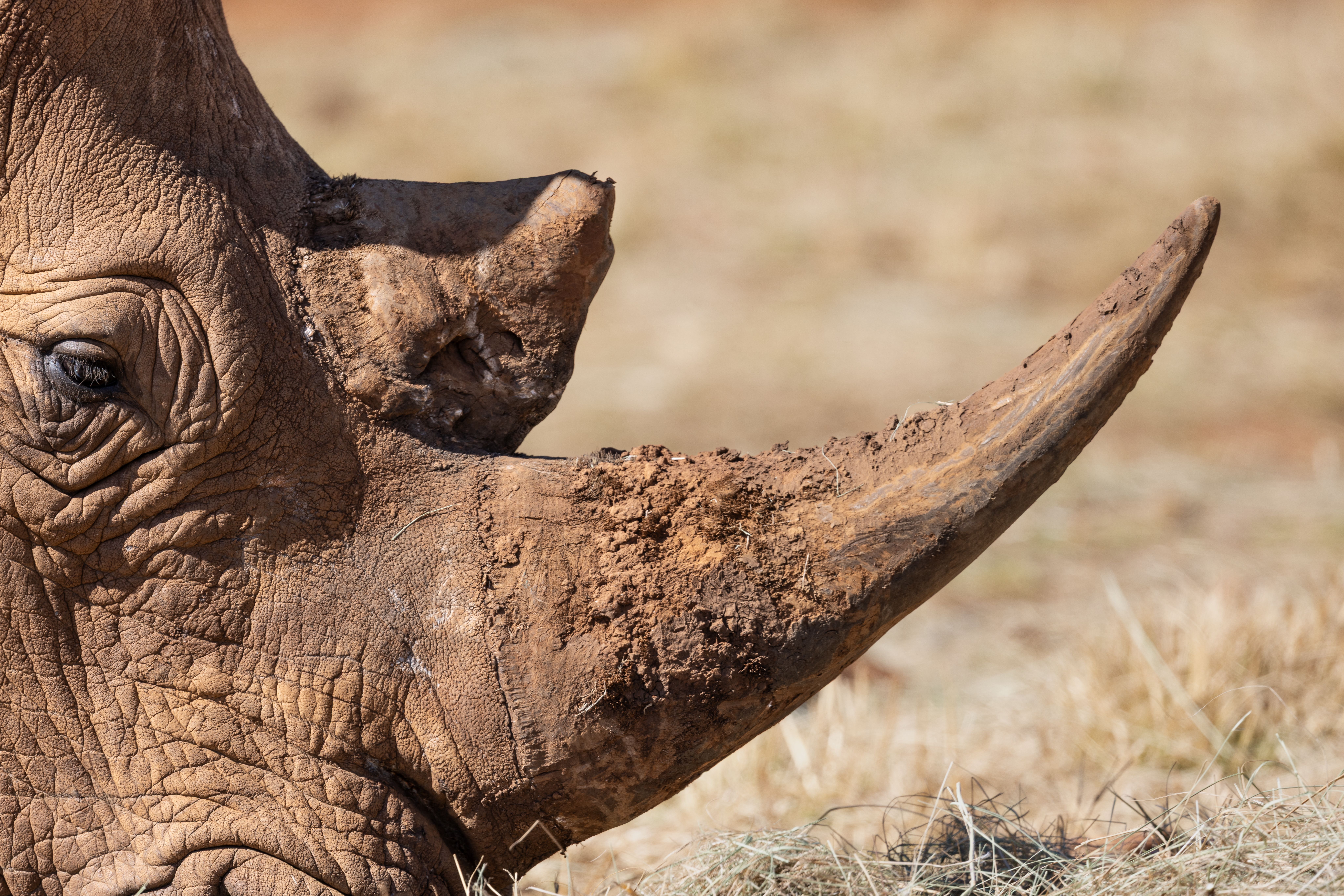
The Laikipia Plateau is Kenya's most sophisticated private conservation landscape — a mosaic of community conservancies and private ranches covering over two million acres north of Mount Kenya. Laikipia hosts Kenya's largest black rhino population outside of dedicated sanctuaries, and is one of the few places on earth where you can track rhino on foot with an armed ranger. Properties on Lewa Conservancy, Borana, and Ol Pejeta are all accessible by air. See our Ol Pejeta Conservancy guide and the Laikipia Plateau conservancies overview for more.
Tsavo: Scale and Red-Earth Drama
Tsavo East and West together form one of the world's largest national park complexes, covering over 20,000 square kilometres. The parks are renowned for their red-dusted elephants, dramatic lava flows, and the Galana River corridor that sustains life through the dry season. Fly-in access turns what would be an eight-hour road journey from Nairobi into a 70-minute scenic flight. See our destination guides for Tsavo East and Tsavo West.
What Are the Best Luxury Camps Only Reachable by Air in Kenya?
The finest luxury camps in Kenya share three defining characteristics: they are situated within private conservancies rather than the crowded main reserves, they offer genuinely low guest capacities that rarely exceed sixteen guests, and they provide activities — night drives, walking safaris, off-road game driving — that are unavailable in the national parks.
Private Conservancy Tented Camps — Maasai Mara Region
The camps bordering the Mara in Naboisho, Olare Motorogi, and Mara North conservancies define the apex of the Kenyan safari experience. Think twelve-tent maximum capacities, open-fronted mess tents with views across predator-rich plains, and guiding teams who know specific individual lions by name. Off-road driving — permitted in the conservancies — means your vehicle can follow a cheetah hunt into open savannah, position precisely for the light, and stay with a sighting as long as wildlife behaviour dictates.
Many of these properties operate as mobile camps during peak migration months, repositioning to be within minutes of the most active river crossing points. Booking through a specialist such as Beyond The Plains Safaris is essential to securing allocation during July–October, when demand dramatically outstrips availability.
Exclusive-Use Properties — Laikipia and Samburu
Laikipia's private ranches offer a different model: exclusive-use houses and lodges where the entire property is yours for the duration of your stay. These properties function more like a private African estate than a traditional camp — your own chef, vehicle, guide, and programme — with the conservancy's wildlife as your garden. They are especially popular with honeymooners — if that's you, our dedicated honeymoon safari Kenya guide covers the most romantic fly-in camp combinations in detail.
In Samburu, several camps position directly on the Ewaso Ng'iro riverbank, where nightly elephant crossings and leopard sightings become predictable rather than exceptional.
Mobile and Seasonal Camps — The Great Migration
During the river crossing phase of the Great Migration (July–October), mobile camps deploy to within short driving distance of the most active crossing points. These temporary structures are often the most intimate way to experience the wildebeest migration — small guest numbers, expert guides, and the flexibility to move camp if the herds change direction. Read our Great Migration river crossings guide for timing and positioning detail.
What Does a Typical Luxury Kenya Fly-in Safari Itinerary Look Like?
A well-structured luxury Kenya fly-in safari itinerary sequences two to four ecosystems across seven to ten days, opening in Nairobi, closing with a Zanzibar or coastal extension, and spending every overnight in the bush between those bookends.
Sample 10-Day Kenya Fly-in Circuit
- Day 1: Arrive Nairobi. Overnight at a city hotel near Wilson Airport.
- Day 2: Fly Wilson → Amboseli airstrip (45 min). Afternoon game drive. Overnight in luxury tented camp beneath Kilimanjaro.
- Day 3: Full day in Amboseli — morning and afternoon game drives.
- Day 4: Fly Amboseli → Mara North (60 min). Afternoon game drive in the private conservancy. Night drive permitted.
- Days 5–7: Three full days in the Maasai Mara conservancies. Daily drives, bush breakfast, sundowner options. Full off-road access.
- Day 8: Fly Mara → Laikipia (Lewa airstrip, 45 min). Afternoon rhino tracking on foot or vehicle.
- Day 9: Full day on Laikipia. Walking safari, camel rides, and a Maasai village visit — a cultural experience that adds an entirely different dimension to the bush itinerary.
- Day 10: Fly Laikipia → Wilson, connect to Mombasa or Zanzibar for beach extension.
All bush aircraft operating Kenya's fly-in safari circuits enforce a strict soft-bag luggage limit of 15 kilograms per person — a non-negotiable constraint determined by small-aircraft weight and balance requirements. Most Nairobi hotels offer secure left-luggage storage for excess bags.
For cross-border extensions, a Kenya and Tanzania combined safari is entirely practical by air. Browse our Mara and Serengeti combined safari packages for ready-built cross-border circuits.
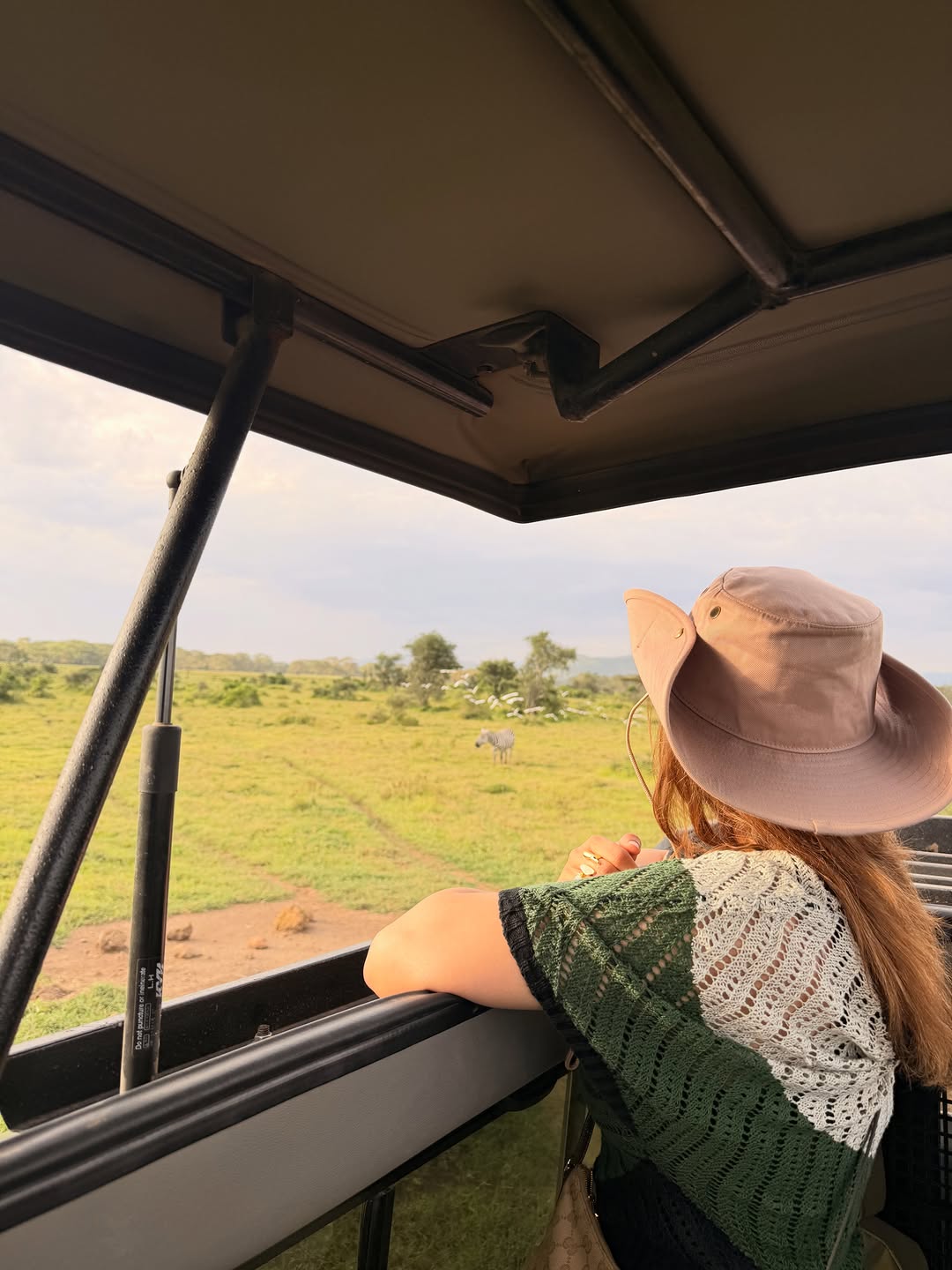
What Wildlife Can You See on a Fly-in Safari in Kenya?
A fly-in safari in Kenya provides access to the full breadth of East African wildlife, with the private conservancy model offering predator densities and encounter quality that exceed what most national park visitors ever experience.
- Maasai Mara and conservancies: Lion, leopard, cheetah, elephant, buffalo, hippo, Nile crocodile, wildebeest (Great Migration July–October), zebra. Night drives reveal serval, aardvark, genet, and African wild cat.
- Amboseli: Africa's largest elephant bulls, lion, cheetah, buffalo, giraffe, wildebeest. Unmatched Kilimanjaro backdrop for photography.
- Samburu: Reticulated giraffe, Grevy's zebra, gerenuk, beisa oryx, Somali ostrich (the Samburu Special Five), leopard, lion, elephant, crocodile.
- Laikipia: Black and white rhino, elephant, lion, leopard, painted wolf (African wild dog), Grevy's zebra, reticulated giraffe, cheetah.
- Tsavo: Large elephant herds (some of Kenya's biggest tuskers), lion, leopard, cheetah, crocodile, hippo, gerenuk.
Across all regions, Kenya hosts over 1,000 bird species — Source: Nature Kenya, 2023 — making fly-in circuits equally rewarding for birders. For a comprehensive photographic guide to wildlife encounters across these parks, see our Maasai Mara photography safari tips — the techniques apply equally well to every region on this circuit.
When Is the Best Time to Book a Kenya Fly-in Safari?
The best time to book a luxury Kenya fly-in safari depends on your primary wildlife objective — the Great Migration river crossings, peak dry-season game viewing, or the green season's lower rates and exceptional birdwatching.
Peak Season: Late June Through October
The peak season for fly-in safaris in Kenya's Maasai Mara runs from late June through October, coinciding with the annual wildebeest river crossing phase of the Great Migration and the dry season's optimal game-viewing conditions. Top camps in the private conservancies can sell out twelve months in advance. For visitors travelling from Europe, our Kenya safari guide for European travellers covers flight routing, timing, and what to expect at each season in useful detail.
Shoulder Season: January–February and June
January and February offer outstanding game viewing across all regions. The short rains have ended, vegetation is manageable, and the Maasai Mara and Amboseli are less congested. Laikipia is superb in these months — temperatures are moderate and rhino tracking is excellent. Our East Africa safari guide for January covers exactly what to expect across each ecosystem during the early-year shoulder period.
Green Season: November Through May
Luxury fly-in camps in the green season operate at 30–50% lower rates, wildlife density remains high, and the landscape is spectacularly photogenic. Birdwatching is at its annual peak, with migratory species supplementing the already exceptional resident populations. For a deeply personal safari experience with fewer vehicles in the field, the green season is genuinely underrated.
How Much Does a Luxury Kenya Fly-in Safari Cost — and What Is Included?
All-inclusive pricing at luxury Kenya fly-in camps typically encompasses accommodation, all meals, twice-daily game drives, conservancy fees, and scheduled inter-camp charter flights, making the headline nightly rate a more complete cost comparison than it initially appears.
| Category | Entry-Level Luxury | Mid Luxury | Ultra-Luxury |
|---|---|---|---|
| Accommodation (per person/night) | $500–$800 | $800–$1,500 | $1,500–$2,500+ |
| Inter-camp charter flights | Shared scheduled | Shared or private | Private charter |
| Game drives | Included | Included (2x daily) | Included + night drives |
| Conservancy fees | Included | Included | Included |
| Full board (meals) | Included | Included | Included + premium bar |
| Typical trip cost (7 nights, 2 pax) | $12,000–$18,000 | $18,000–$30,000 | $30,000–$60,000+ |
At the mid and ultra-luxury tiers, private vehicles, private guiding, and private charter aircraft are typically bundled into the rate. Always confirm the precise inclusions with your operator before comparing camps on headline rate alone. Our dedicated post on Kenya safari packages — what's included and how to choose breaks down the inclusions model in plain language and helps you benchmark what good value looks like at each tier.
For travellers booking from North America, our guide to the best Kenya safari packages from the US also covers international routing, USD pricing, and which operators handle the full logistics seamlessly. Explore the full range of luxury Kenya safari packages to see how different budget levels translate into itinerary options.
What Luggage Can You Bring on a Kenya Bush Aircraft?
Bush aircraft operating Kenya's fly-in safari circuits enforce a strict soft-bag luggage limit of 15 kilograms per person — a non-negotiable constraint determined by small-aircraft weight and balance requirements. This applies without exception on all Cessna Caravan, Grand Caravan, and Pilatus Porter aircraft. Exceed this limit and you will be required to leave bags behind.
Pack everything in a soft-sided duffel or kit bag; hard suitcases cannot be loaded into bush aircraft cargo holds and will be refused at check-in. Most Nairobi hotels will hold excess hard luggage securely at no charge for the duration of your circuit.
Within the 15kg allowance, experienced bush travellers prioritise:
- Camera gear and lenses in a padded camera bag (counts toward your 15kg — plan carefully)
- Neutral-toned lightweight clothing: khaki, sand, olive, grey (avoid bright colours and white)
- Layering essentials — early morning game drives require a fleece or light down jacket even in warmer months
- Personal medications and a small medical kit
- High-factor sunscreen, lip balm, and insect repellent
All travellers should consult a travel health clinic at least four to six weeks before departure regarding malaria prophylaxis and any vaccination requirements specific to the regions visited.
How Do You Choose a Reputable Kenya Fly-in Safari Operator?
Choosing the right operator for a luxury Kenya fly-in safari requires verifying their KATO registration, their firsthand camp knowledge, their aircraft coordination experience, and their willingness to design a circuit around your specific interests rather than a pre-packaged route.
KATO Registration and Regulatory Standing
The Kenya Association of Tour Operators (KATO) is the industry's primary regulatory body, and KATO registration signals that an operator has met legal, financial, and professional standards. All reputable Kenya fly-in safari operators are KATO-registered — if you cannot verify this status, consider it a warning sign. For an independent comparison of the leading operators in the market, our editorial guide to the best safari operators in Kenya covers what separates genuine specialists from generalist booking agents.
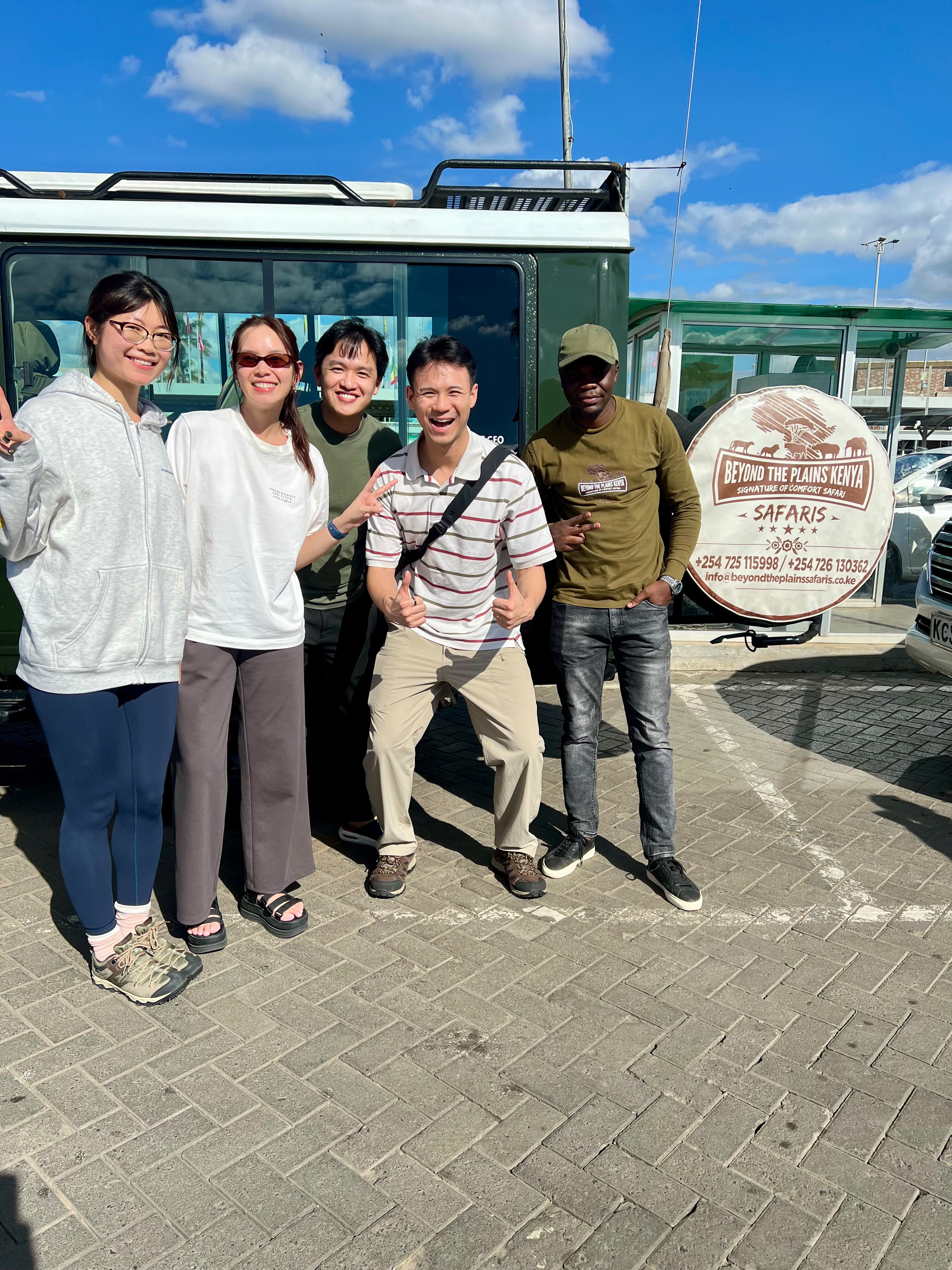
Beyond The Plains Safaris is a KATO-registered safari operator with a verified track record of luxury fly-in circuit design across Kenya and Tanzania. For a detailed look at what sets our operation apart, read our 28 reasons to choose Beyond The Plains Safaris — a transparent breakdown of our guiding philosophy, camp relationships, and operational standards.
What to Ask Before You Book
- Have your guides personally stayed in the camps you are recommending? When?
- How do you handle aircraft scheduling if a flight is delayed or cancelled due to weather?
- Can you provide documented contingency plans for medical evacuation from remote airstrips?
- What is your peak-season camp allocation policy — are you guaranteed specific properties, or subject to availability at time of booking?
- Do you work with AMREF Flying Doctors or a comparable medical evacuation service?
A specialist operator who cannot answer these questions with specificity and confidence is likely working from a generic portfolio rather than genuine ground experience. Contact the Beyond The Plains Safaris itinerary planning team for a free, no-obligation consultation.
Can You Combine Kenya and Tanzania on a Single Fly-in Safari Circuit?
A Kenya and Tanzania combined fly-in safari is entirely practical and represents one of the most compelling circuits in East Africa — moving from the Maasai Mara's private conservancies to the Serengeti's vast wilderness aboard a single light aircraft. The cross-border flight from the Mara to the northern Serengeti takes approximately 45 minutes, and specialist operators experienced in both countries manage all immigration, customs, and aircraft permit logistics on your behalf.
The wildebeest herds cross between the Serengeti and Maasai Mara from approximately June through November — a fly-in safari can position you on either side of the border to intercept the herds at their most dramatic crossing points. For an immersive day-by-day look at how this plays out on the ground, read our 10-day Kenya–Tanzania safari itinerary — written by our director John Dante from firsthand experience of the cross-border circuit.
Explore our Kenya and Tanzania safari packages or the Mara and Serengeti combined tour for built itineraries that cover both countries seamlessly.
Tanzania extensions can also incorporate Zanzibar Island for a beach finale — fly from the Serengeti to Zanzibar in 90 minutes and depart rested from Zanzibar International Airport. It is arguably the perfect structure for a two-week East Africa journey.
Is a Kenya Fly-in Safari Worth the Premium Over a Standard Safari?
A luxury Kenya fly-in safari is worth the premium for any traveller who values time, exclusivity, and wildlife quality above budget considerations — and whose travel window is ten days or fewer.
Consider the mathematics: a road safari visiting three parks in seven days spends approximately 15–20 hours in transit. A fly-in circuit covering the same three parks spends fewer than four hours in the air — and all four of those hours involve wildlife viewing. The remaining time is entirely devoted to the bush experience you travelled to Africa for.
The private conservancy access that fly-in safaris unlock is itself irreplaceable. No amount of additional budget applied to a road safari gains you access to off-road driving, night drives, or the intimacy of a twelve-guest camp in the Maasai Mara conservancies. These experiences are definitionally exclusive to fly-in travellers — and they represent the deepest form of Kenya safari available.
Next Steps: How to Start Planning Your Kenya Fly-in Safari
- Define your travel dates and flexibility. Peak season (July–October) requires bookings six to twelve months in advance. Shoulder and green season itineraries can often be assembled within three months.
- Identify your primary wildlife priority. Great Migration river crossings? Rhino tracking on Laikipia? Samburu's Special Five? Your priority shapes the entire circuit structure.
- Set a realistic per-person budget. Budget a minimum of $800 per person per night as a starting point for genuine luxury, and build from there based on camp preference and exclusivity.
- Choose a KATO-registered specialist operator. Engage a Kenya safari specialist — not a generalist travel agent — who can provide firsthand camp knowledge, aircraft coordination, and contingency planning. If you're travelling from the US, our guide to the best Kenya safari companies for seniors and comfort-focused travellers is equally useful for any traveller prioritising ease and quality of logistics.
- Request a bespoke itinerary. Any operator worth engaging will produce a tailored day-by-day proposal at no cost before any commitment is required.
The Beyond The Plains Safaris team designs luxury fly-in circuits across Kenya and Tanzania from our Nairobi base, supported by our sister operation, Serengeti Trails Safaris, in Arusha. Browse our Kenya safari tour packages or East Africa safari options to see how we build these circuits — then reach out for a conversation.
Conclusion: The Kenya Fly-in Safari Delivers What Road Travel Cannot
Africa's greatest wildlife experiences are not on the road between parks — they are in the parks themselves, in the private conservancies only reachable by air, and in the quality of time you spend with extraordinary wildlife under expert guidance. The fly-in model removes every logistical obstacle between you and that experience.
Whether you are planning your first Kenya safari or returning to upgrade a previous experience, the fly-in circuit represents the definitive version of what this country offers. The aircraft is not a luxury add-on — it is the key that unlocks the conservancies, the rhino walks, the night drives, and the intimate twelve-guest camps that make the difference between a good safari and a genuinely transformative one.
When you're ready to start planning, the Beyond The Plains Safaris itinerary planning team is here to help — with firsthand knowledge of every airstrip, every camp, and every conservancy in this guide. Schedule a consultation and let's build your fly-in safari together.
Written by Julius Kariuki | Senior Safari Specialist, Beyond The Plains Safaris Julius Kariuki is a senior safari specialist with Beyond The Plains Safaris, a KATO-registered boutique operator headquartered in Nairobi with operations across Kenya, Tanzania, and Zanzibar. Julius has personally flown the Kenya bush circuit described in this guide multiple times and maintains firsthand relationships with camp teams across all major conservancies.
Reviewed by John Dante | Director & Operations Manager, Beyond The Plains Safaris John Dante oversees itinerary design, guide quality, and operational standards across Beyond The Plains Safaris and its sister company, Serengeti Trails Safaris (Arusha).










Comments (0)
Leave a Comment
No comments yet. Be the first to comment!