

Afrika Kenya: The Ultimate Guide to a Kenya Safari for European Travelers
You've seen the images — a lion surveying a golden plain, wildebeest thundering through a river, an elephant silhouetted against Kilimanjaro at dawn. You know Kenya belongs on your Africa list. But knowing a destination is iconic and knowing how to plan your trip there are two very different things — and most travel guides gloss over the details that actually make or break a safari. In this guide, we'll give you everything you need to plan a Kenya safari that matches your budget, your timeline, and the wildlife moments you came for.
Key Takeaways
- Kenya is East Africa's most established safari destination, home to the Big Five, more than 25 national parks, and the annual Great Wildebeest Migration — one of the greatest wildlife spectacles on Earth
- The Masai Mara is Kenya's flagship reserve, sharing an ecosystem with Tanzania's Serengeti and offering year-round Big Five sightings alongside dramatic Mara River crossing events between July and October
- Kenya safari costs range broadly from budget camping experiences to ultra-luxury lodge stays, with mid-range fully guided packages typically priced between €2,500 and €5,000 per person for 7 days
- The best time to visit Kenya depends on your priorities: the dry seasons (January–February and June–October) offer the best game viewing, while the Great Migration river crossings peak from August through early October
- European travelers can reach Nairobi directly from Frankfurt, Amsterdam, and London, with most EU passport holders eligible for an eVisa issued within 72 hours of application
- Kenya pairs naturally with a Tanzania safari extension or a beach stay on the Kenyan coast or Zanzibar, making it an ideal multi-experience Africa holiday in one trip
- Choosing a locally based, conservation-aligned safari operator ensures your visit directly supports Kenya's wildlife, communities, and the habitats that make these experiences possible
What Is a Kenya Safari and What Can You Expect on a Typical Game Drive?
The word "safari" is Swahili for journey — and Kenya is widely regarded as the birthplace of the modern safari, the country where the concept of travelling into the wild to observe animals in their natural habitat took root and evolved into what it is today. A Kenya safari is not a zoo visit or a theme park experience. It is, at its core, an immersion into one of the world's last great ecosystems, guided by people who know its rhythms intimately.
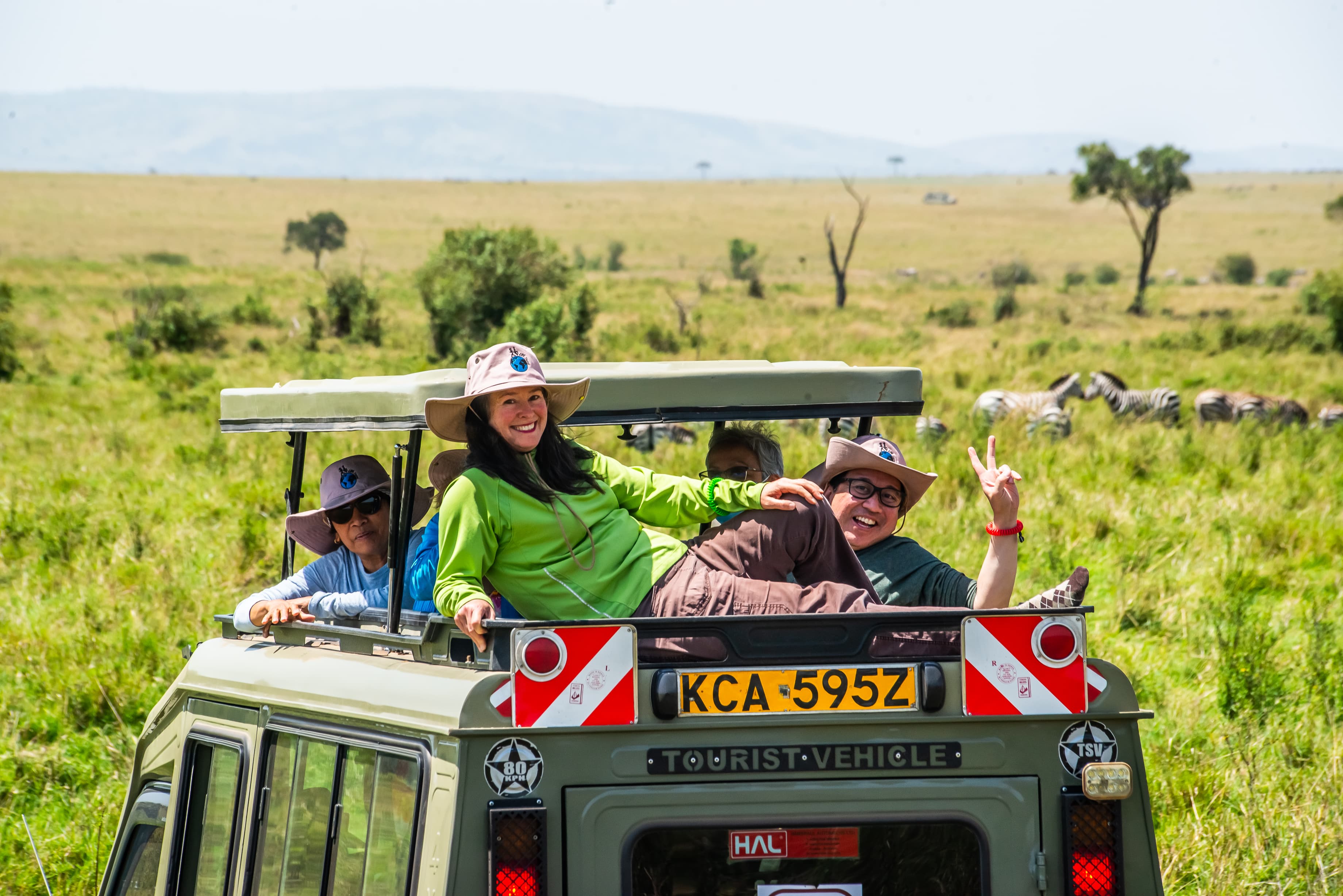
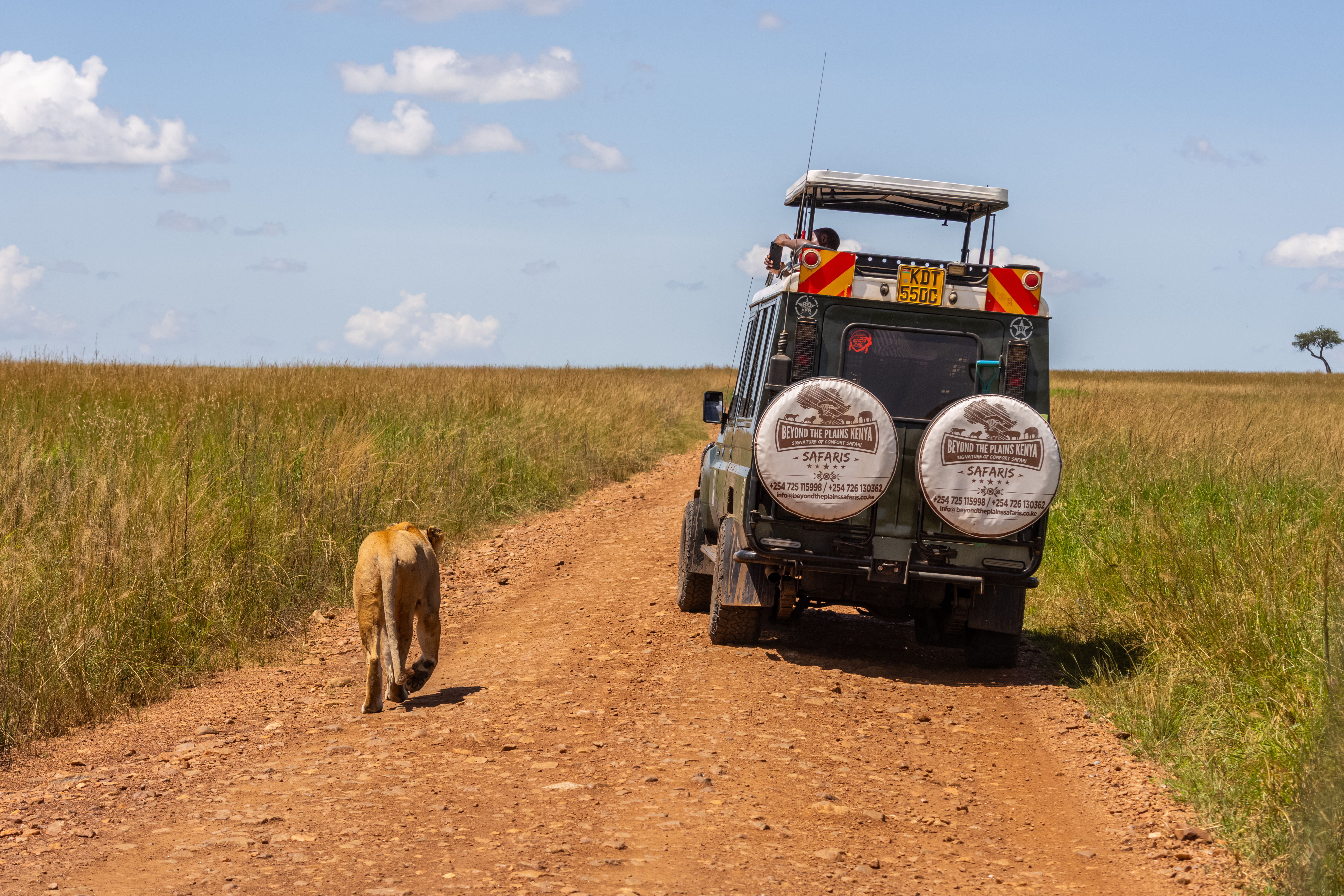
A typical day on safari in Kenya begins before sunrise. You'll rise while the air is still cool, often to the sound of birdsong or distant lion calls, and head out on a morning game drive in a 4×4 safari vehicle with a knowledgeable guide. The first hours of daylight are the most active for predators — lions returning from a night hunt, leopards retreating to a shaded branch, cheetahs scanning open ground. You'll drive slowly through the bush, stop often, and spend extended time with animals rather than rushing past them.
A midday break at the lodge or camp is followed by an afternoon drive, when the light turns golden and herds of elephant, buffalo, and zebra move toward water. Evenings at a safari camp are an experience in themselves — meals under the stars, the sounds of the African night, and the particular kind of quiet that comes from spending a day without a screen.
Accommodation ranges from tented bush camps (comfortable but genuinely immersed in the wild) to fixed lodges with swimming pools and fine dining, to ultra-luxury properties with private plunge pools and bespoke itineraries. The quality of guiding, the location of the camp, and the density of wildlife in the area matter far more than the number of stars on a lodge rating. A well-positioned tented camp in the heart of the Mara will always outperform a hotel-grade lodge on the periphery.
Why Is Kenya Considered One of the Best Safari Destinations in Africa?
Kenya makes the case for itself with very little effort. Here is why it consistently ranks among the top safari destinations on the continent, and why it is often the right choice for first-time safari travellers from Europe.
The Big Five in accessible, well-managed ecosystems. Kenya's parks and private conservancies host lion, leopard, elephant, Cape buffalo, and black rhino — all of the Big Five — in relatively accessible terrain. The Masai Mara in particular offers some of Africa's highest lion densities, reliable leopard sightings, and thriving elephant populations.
The Great Wildebeest Migration. This is Kenya's most famous natural event, and one of the most extraordinary wildlife spectacles on Earth. Approximately 1.5 million wildebeest, zebra, and gazelle move in an annual cycle between Tanzania's Serengeti and Kenya's Masai Mara, with the most dramatic Mara River crossings occurring between July and October. No other destination in Africa offers this.
Diversity of ecosystems and experiences. Kenya is not a single landscape. From the open savannah of the Mara to the dust and acacia scrub of Tsavo, the Laikipia plateau, the flamingo lakes of the Rift Valley, and the arid north around Samburu — the country offers a remarkable variety of wildlife experiences within a single trip.
Cultural depth. Kenya is home to more than 40 ethnic groups, with the Maasai community providing one of East Africa's most recognised and meaningful cultural encounters. Responsible visits to Maasai villages add a dimension to the safari experience that no game drive alone can replicate.
Infrastructure and accessibility for European travelers. Kenya has well-developed tourism infrastructure, reliable direct flights from Europe's major hubs, and a mature network of operators, guides, and lodges that make it easier to plan and execute than many destinations on the continent.
Which National Parks Should You Visit on a Kenya Safari?
Kenya has more than 25 national parks and reserves, plus a growing network of private and community conservancies. These are the most important for a first-time safari traveler, along with the experiences each one does best.
Masai Mara National Reserve
The Mara is Kenya's crown jewel, and for many visitors it defines what a safari is supposed to look like — rolling golden grasslands, vast skies, and an extraordinary density of wildlife year-round. The reserve shares a continuous ecosystem with Tanzania's Serengeti to the south, and it is this connection that enables the Great Migration. Resident Big Five populations mean reliable year-round sightings, but the Mara is at its most dramatic between July and October when the wildebeest arrive. The Masai Mara safari guide covers this reserve in full detail.
Surrounding the national reserve are private conservancies — Naboisho, Olare Motorogi, Mara North, and others — which offer lower vehicle density, night drives, and walking safaris that are not permitted inside the reserve itself. The private conservancy vs national park in Kenya distinction matters significantly for the quality of your experience.
Amboseli National Park
Amboseli sits at the foot of Mount Kilimanjaro, just across the Tanzanian border, and offers one of the most photogenic landscapes in East Africa — a flat, open floodplain where large elephant herds move against the world's highest freestanding mountain. Amboseli's elephants are among the most studied and photographed on the continent, habituated to vehicles and genuinely impressive in size. It is an excellent add-on to a Mara-based itinerary, particularly for photographers. A dedicated Amboseli National Park safari guide covers this reserve in more detail.
Tsavo East and Tsavo West
Together, Tsavo is the largest protected area in Kenya and one of the largest in Africa — vast, wild, and far less visited than the Mara. Tsavo East is flatter and more arid, famous for its red-dusted elephants and the broad Galana River. Tsavo West is more dramatic in topography, with the Mzima Springs and views toward Kilimanjaro. Both parks suit travelers who want solitude and a sense of genuine wilderness over guaranteed sightings.
Samburu National Reserve
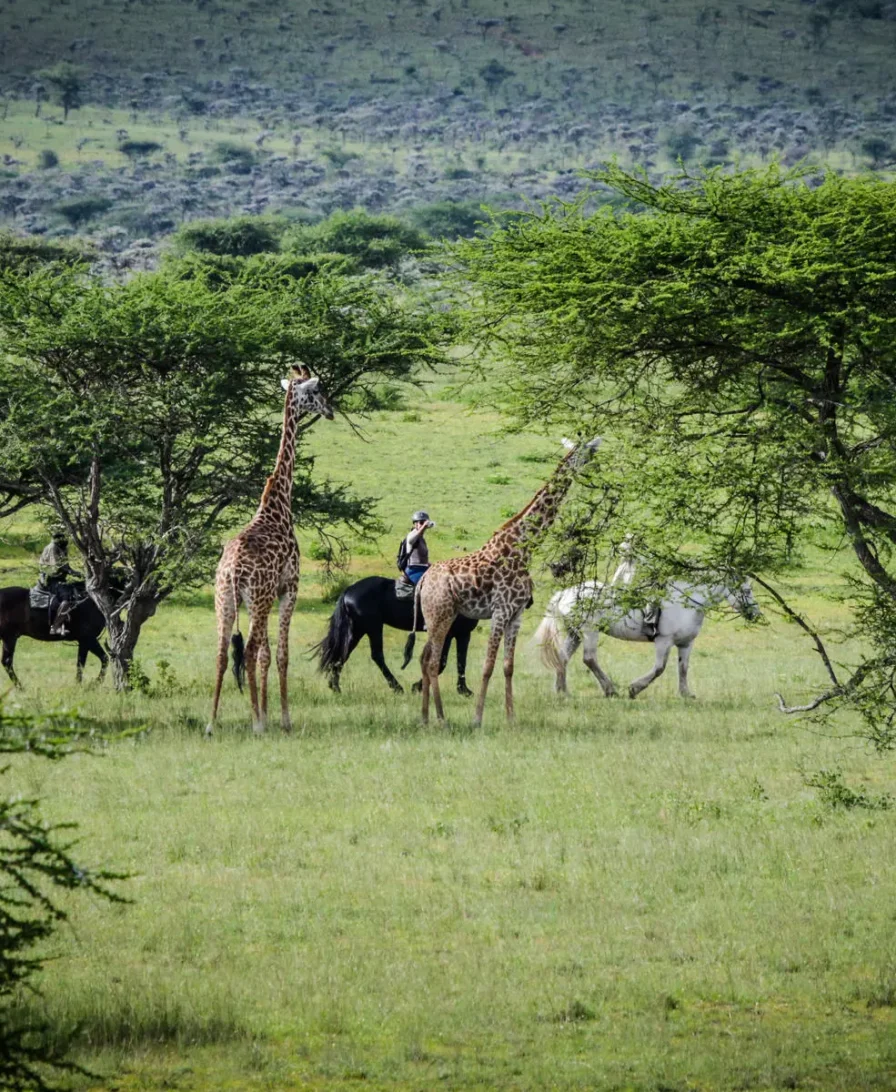
In Kenya's dry north, Samburu is a genuinely different kind of safari. The landscape is arid and sculptural — red soil, doum palms, dry riverbeds — and the wildlife has adapted accordingly. Samburu is the best place in Kenya to see species found nowhere further south: the reticulated giraffe, Grévy's zebra, Beisa oryx, and the long-necked gerenuk. Combined with a Mara itinerary, it provides striking ecological contrast.
Lake Nakuru National Park
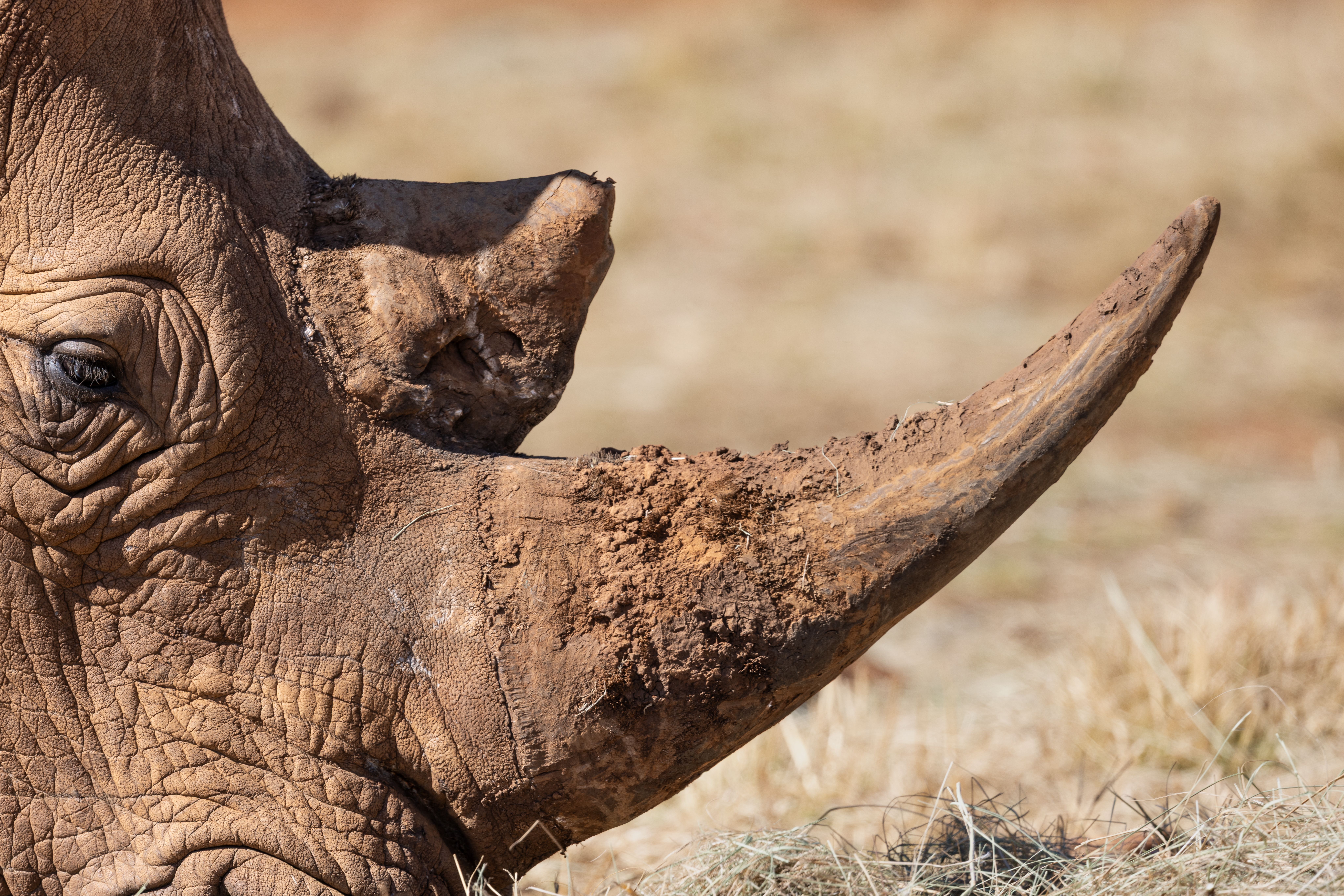
Famous for its flamingo populations — at peak times the lake appears pink from shore to shore — Lake Nakuru is also one of Kenya's best parks for rhino. Both black and white rhino are present in significant numbers, and the park is compact enough to cover well in a single day. It sits conveniently on the road between Nairobi and the Mara, making it a logical stop on a road safari.
Ol Pejeta Conservancy and Laikipia
Ol Pejeta, in Laikipia County, is home to the last two northern white rhinos on Earth — a sobering and deeply important encounter. It also has excellent Big Five sightings, a chimpanzee sanctuary, and some of Kenya's best-run community and conservation programs. The broader Laikipia plateau is Kenya's emerging safari frontier, with large private ranches converted to wildlife conservancies, remarkable biodiversity, and a sense of exclusivity that the more trafficked parks cannot offer.
When Is the Best Time to Go on Safari in Kenya?
Kenya's safari seasons are shaped by two factors: rainfall and the movement of the Great Migration. Here is an honest, month-by-month breakdown.
January and February are among the best months for general game viewing. These are dry, clear months after the short rains, with excellent visibility and concentrations of wildlife around water sources. This period is ideal for the Masai Mara, Amboseli, and Tsavo. In Amboseli, large elephant herds are particularly active around the swamps.
March to May marks the long rains season. The Mara and Amboseli receive sustained rainfall, tracks can become difficult, and some camps close temporarily in April and May. However, this is the low season, which means significantly lower rates, uncrowded parks, and extraordinarily lush landscapes. The green season suits photographers looking for dramatic skies and birding enthusiasts — Kenya's birdlife peaks during and after the rains.
June signals the transition to the dry season. Wildlife begins to concentrate, the Mara River rises with highland rains, and the first wildebeest herds start crossing into Kenya from the Serengeti. Game viewing improves rapidly through the month.
July to October is Kenya's peak safari season, and for good reason. The dry season concentrates wildlife at waterholes and rivers. The Great Migration reaches its most dramatic phase, with the Mara River crossings — wildebeest plunging into crocodile-filled water — occurring unpredictably but most frequently between August and early October. This coincides with European school holidays, particularly the German and Dutch summer holidays, which means the Mara is at its busiest and most expensive. Booking well in advance is essential. For a deeper look at timing your visit around the migration, see our Great Wildebeest Migration explained guide.
November and December bring the short rains — typically lighter and more intermittent than the long rains. Game viewing remains good, rates drop from peak levels, and parks are noticeably quieter. December is popular with South African and European travelers taking year-end holidays.
How Much Does a Kenya Safari Cost for European Travelers?
Kenya safari pricing covers an enormous range, and the variation is often not what you expect — the most expensive options are not simply more comfortable, they typically offer better wildlife access, smaller group sizes, and more experienced guides. Here is an honest breakdown, priced in euros for travelers departing from Europe. For a full breakdown, see our guide on Kenya safari costs and what's included.
Budget tier (€800–€1,500 per person for 7 days, land only): Camping safaris with basic communal facilities, group transportation in shared vehicles, and park accommodations inside the reserves. This tier is viable but comes with trade-offs in guiding quality, vehicle access, and flexibility. It suits independent travelers in their 20s more than couples or families in the planning demographic for a considered safari.
Mid-range tier (€2,500–€5,000 per person for 7 days, fully guided): A mid-range Kenya safari, including accommodation, game drives, park fees, and domestic transfers, typically costs between €2,500 and €5,000 per person for a 7-day trip when booked through a locally based operator. This tier covers comfortable tented camps and mid-range lodges with en-suite facilities, experienced private or small-group guiding, and domestic road or light aircraft transfers between parks. It is the most popular choice for European travelers and offers genuinely excellent value for the experience.
Luxury tier (€6,000–€15,000+ per person for 7 days): Ultra-luxury and fly-in safaris with private guides, exclusive camp buyouts, bespoke itineraries, and some of the world's most renowned properties. Properties like &Beyond Bateleur Camp, Angama Mara, and Cottar's 1920s Camp operate in this tier. For couples or small groups, the per-person cost falls significantly on a camp buyout.
What is typically included in a packaged Kenya safari: accommodation (full board), twice-daily game drives, park and conservancy fees, domestic transfers, and sometimes a single charter flight. What is typically excluded: international flights, travel insurance, visas, gratuities, and personal items. Safari operators price differently — always confirm what's in and out of the package.
Fly-in vs. road safari: A road safari from Nairobi to the Masai Mara takes 5–6 hours by vehicle through Narok. A light aircraft transfer takes 45 minutes and costs approximately €150–€250 each way per person. For itineraries combining multiple parks — say, Amboseli, the Mara, and Samburu — a fly-in approach is not just more comfortable, it reclaims days of driving time.
How Do You Plan a Kenya Safari Itinerary? Sample Routes
5-Day Kenya Safari: The Masai Mara Focused Trip
For travelers with a short window, five days focused exclusively on the Masai Mara and its surrounding conservancies delivers the best return. Day 1 is arrival into Nairobi and a short domestic flight to the Mara. Days 2–4 are full safari days — morning and afternoon game drives, with an evening in the conservancy if staying outside the national reserve. Day 5 is a morning drive before the flight back to Nairobi and onward connection.
This itinerary works well for repeat Africa travelers who know what they want, or first-timers who want a focused, high-quality introduction.
7-Day Kenya Safari: Mara Plus One
Seven days allows a meaningful combination of parks. The most popular version pairs 4 nights in the Masai Mara with 2 nights in Amboseli — arriving into Nairobi, flying to the Mara, then a short charter to Amboseli before returning to Nairobi. This pairing gives you the Migration and the predators in the Mara, and the elephants with Kilimanjaro in Amboseli. A full 7-day Kenya safari itinerary is available to help you plan the specifics.
Alternatively, 7 days connecting the Mara with Samburu gives the ecosystem contrast many travelers find most memorable — savannah wildlife in the south, arid-adapted species in the north.
10-Day Kenya and Tanzania Combined Safari
Ten days opens up the possibility of crossing into Tanzania. A Kenya and Tanzania combined safari typically pairs the Masai Mara with Tanzania's Serengeti and the Ngorongoro Crater — sharing one continuous migration ecosystem but experiencing it from both sides of the border. This is the premier East Africa safari itinerary and represents the continent's finest wildlife experience.
Bush and Beach Combination
Kenya's Indian Ocean coast — particularly Diani Beach, south of Mombasa — is one of the finest beach destinations in East Africa. A 7-day bush itinerary paired with 3–4 nights on the coast is the most natural extension of a Kenya safari. The contrast between the bush and the ocean, experienced in a single trip, is deeply satisfying. Zanzibar (technically Tanzanian) is a popular alternative for travelers combining the safari with a Tanzania extension.
How Do You Get to Kenya from Germany, the Netherlands, or South Africa?
From Europe: European travelers flying to Kenya for safari typically route through Nairobi's Jomo Kenyatta International Airport, with direct flights available from Frankfurt (Lufthansa, approximately 9 hours), Amsterdam (KLM, approximately 8.5 hours), and London (Kenya Airways, British Airways, approximately 8.5 hours). Connecting options via Dubai (Emirates), Doha (Qatar Airways), and Addis Ababa (Ethiopian Airlines) are also competitive on price and transit time.
From South Africa: Johannesburg is exceptionally well connected to Nairobi, with multiple daily flights operated by Kenya Airways, South African Airways, and Airlink. The flight takes approximately 4 hours and is often the most affordable entry point for safari travelers from the Cape or Gauteng.
Visa requirements: Most EU passport holders — including German, Dutch, Austrian, Belgian, and Swiss citizens — are eligible for Kenya's eVisa, which can be applied for at evisa.go.ke and is typically processed within 72 hours. The standard tourist visa costs $51 USD. South African passport holders should verify current requirements, as East African visa reciprocity arrangements have changed in recent years. A detailed guide on how to get a Kenya eVisa covers this process step by step.
Arriving in Nairobi: Jomo Kenyatta International Airport (JKIA) is Nairobi's main international hub, approximately 15 km from the city centre. Wilson Airport, a smaller domestic terminal 6 km from the city centre, handles most light aircraft departures to the parks. If you are flying to the Mara or Amboseli on the morning after international arrival, factor in the transfer between airports and consider whether an overnight near Wilson Airport makes sense. Our Nairobi city guide for safari travelers covers orientation, airport logistics, and where to stay on a transit night.
Is Kenya Safe for Safari Travelers in 2025 and 2026?
This is a question every European traveler asks, and it deserves an honest answer rather than either a dismissal or an alarmist one.
Kenya's national parks and safari reserves — the Masai Mara, Amboseli, Tsavo, Samburu, Laikipia — are safe environments for visitors and have been for decades. Kenya's tourism infrastructure is mature, guide networks are professional, and the parks are well managed. Safari travelers visiting these areas as part of a structured itinerary encounter very low levels of risk.
Nairobi, like any major African city, warrants the same common sense precautions that apply in Johannesburg, Lagos, or any European capital with economic inequality — be aware of your surroundings, use recommended transport, avoid displaying expensive electronics. The city's tourist areas and upscale neighborhoods are calm and well-serviced.
Northern and northeastern Kenya near the Somali border, and some areas of coastal Kenya, carry genuine risk advisories from European governments and should be avoided. These areas are entirely off the standard safari circuit. No responsible operator will route a leisure traveler through them.
Travel insurance covering medical evacuation is strongly advised. Medical evacuation from remote parks to Nairobi is routine and well-organized; the Flying Doctors service (AMREF) covers the entire country.
Can You Combine a Kenya Safari with Tanzania or a Beach Holiday?
Yes — and for many travelers, the combination is what makes an East Africa trip exceptional rather than merely very good.
Kenya and Tanzania: The Masai Mara and Tanzania's Serengeti are part of the same continuous ecosystem, divided by a political border but not by their wildlife. Combining both countries in a single itinerary gives you different landscapes, different guiding traditions, different conservation models, and the Ngorongoro Crater — one of the most wildlife-dense places on Earth. This works best over 10–14 days and is best planned with an operator covering both countries.
Beach extension: Kenya's coast — particularly Diani Beach, south of Mombasa — offers warm Indian Ocean water, white sand, and a deeply relaxed pace. A 4-night beach add-on is straightforward from Nairobi, either via a short domestic flight or via Mombasa. Zanzibar, just off Tanzania's coast, is a popular alternative and works well combined with a Tanzania safari extension.
What Do You Need to Pack for a Kenya Safari?
A Kenya safari requires neither specialist equipment nor an overloaded bag. The key is layers and muted colors. A full Kenya safari packing list is available, but the essentials are:
Clothing in neutral tones — khaki, olive, tan, grey — which are practical and standard on safari. Bright colors attract insects and can disturb wildlife; white shows dust immediately. Light layers for cool morning drives; the Mara at 6am in July can feel remarkably cold before the sun rises.
A quality pair of binoculars (8×42 is the standard field choice) transforms a distant sighting into a remarkable one. Many operators provide binoculars, but bringing your own is worthwhile.
Sun protection is non-negotiable — a wide-brimmed hat, high-SPF sunscreen, and UV-protective sunglasses. The equatorial sun at altitude is intense.
Camera equipment should match your ambitions and carrying comfort. A 100–400mm zoom lens is the standard safari photography choice. Smartphones have improved dramatically and are entirely adequate for casual shooting.
Prescription malaria prophylaxis should be discussed with your GP or a travel medicine clinic at least 4–6 weeks before departure. Mefloquine, doxycycline, and Malarone are the standard options prescribed for Kenya; your doctor will recommend based on your health profile.
How Long Should a Kenya Safari Be to See the Highlights?
The honest answer is that five days in the right place is better than ten days spread too thin. Quality of experience matters far more than number of parks visited.
Five days is a viable minimum for a Masai Mara focused trip. Seven days is the sweet spot for most first-time visitors — enough time to combine the Mara with one other park, to settle into the rhythm of the bush, and to feel you've had a complete experience rather than a preview. Ten days allows meaningful combinations: Kenya and Tanzania, or Kenya's bush followed by a beach stay.
What ruins a safari more than too few days is too much driving — moving between parks every night, accumulating transit hours at the expense of game drive time. If your budget or timeline is limited, the right answer is fewer parks, more nights in each.
What Is the Difference Between a Kenya National Park and a Private Conservancy?
This is one of the most practically important questions for planning your Kenya safari, and it's worth understanding clearly. A full private conservancy vs national park in Kenya explainer covers this in depth, but here is the essential distinction.
National parks and reserves — the Masai Mara National Reserve, Amboseli, Tsavo, Samburu — are government-managed protected areas. They are open to all operators and vehicles, and popular parks can become congested at peak season with dozens of vehicles converging on a single lion sighting. That said, they protect vast, uncompromised ecosystems and are managed at a scale that sustains large wildlife populations.
Private conservancies — such as Ol Pejeta, Naboisho, Olare Motorogi, Mara North, and many Laikipia ranches — are privately or community-owned and managed lands, often operated in partnership with specific lodges. They typically impose strict limits on the number of vehicles operating within them, which means far more exclusive wildlife encounters. They also permit activities not allowed inside national parks: night drives, guided bush walks, and off-road driving. The trade-off is access: most conservancies are only available to guests of the partner lodges.
For travelers willing to pay for a quieter, more flexible experience, a conservancy-based safari in the greater Mara ecosystem is frequently more satisfying than the national reserve in high season.
The Maasai Cultural Experience: Beyond Wildlife
A Kenya safari that engages only with the wildlife misses something essential about the landscape. The Maasai people have lived in and around the Mara ecosystem for centuries, and their relationship with the land — its management, its meaning, its seasonal rhythms — is inseparable from what you are looking at when you see those open plains.
A responsible Maasai village visit, arranged through your operator and conducted with appropriate community benefit, offers genuine insight into pastoralist life, traditional architecture, beadwork craft, and the cosmology through which the Maasai understand their place in the ecosystem. It is not a performance and should not be treated as one.
What to expect: a welcome ceremony, a guided tour of a homestead (manyatta), an opportunity to buy directly from artisan sellers, and honest conversation — facilitated by your guide — about how traditional life intersects with the pressures and opportunities of conservation and tourism. Children are present; ask before photographing.
What to bring: genuine curiosity, an open schedule (do not rush this), and a willingness to pay the entry or craft purchase fee, which funds the community directly.
What to respect: dress modestly, ask permission before any photography, and resist the impulse to give money to children directly — it undermines community structures that responsible operators work hard to protect.
Responsible Safari and Conservation in Kenya
Kenya's conservation story is both inspiring and ongoing. The country lost more than half of its wildlife between 1970 and 2000, primarily to poaching and habitat loss. The recovery since then — particularly for elephant and black rhino — has been driven by a combination of government protection, private conservancy investment, and community land management that gives local people a direct economic stake in keeping wildlife alive.
The private conservancy model is Kenya's most successful recent innovation in conservation. When Maasai landowners find that wildlife tourism generates more income per acre than livestock grazing, they lease land to conservation use. When communities around parks receive tangible benefit from safari tourism — through lodge employment, community funds, and school and health infrastructure — they become active protectors of wildlife rather than passive bystanders or adversaries.
Choosing the right operator matters. A locally based operator — headquartered in Kenya, employing Kenyan guides, and channeling fees into conservancy and community programs — is fundamentally different from a booking platform that aggregates and outsources. Your safari costs, when directed through a conservation-aligned operator, contribute directly to the management costs of the ecosystem you're visiting.
We believe this is not just an ethical consideration but a practical one: the best wildlife experiences are consistently found in well-managed, privately protected conservancies where investment in conservation translates directly into investment in guiding quality, habitat integrity, and wildlife density. To understand how we approach this at Beyond The Plains Safaris, read our page on responsible safari operators in Kenya.
Conclusion: Is Kenya the Right African Safari for You?
Kenya is the right choice for most first-time safari travelers from Europe, and for many repeat visitors. It combines the continent's most iconic wildlife event — the Great Migration — with the Big Five, extraordinary biodiversity, strong guiding infrastructure, accessible direct flights from Frankfurt and Amsterdam, and cultural encounters that no other destination replicates quite so naturally.
If you're weighing Kenya against Tanzania: Kenya offers greater accessibility from Europe, more diversity of ecosystems within a single trip, and the more dramatic Mara River crossing experience. Tanzania offers the Serengeti's southern circuits and the Ngorongoro Crater, and is often slightly less crowded at peak season. The ideal answer, for travelers with the time and budget, is both.
If you're a first-time safari traveler with limited time — say, seven to ten days — Kenya is the most efficient and rewarding entry point on the African continent. The infrastructure is reliable, the wildlife is extraordinary, and the experience of arriving in Nairobi, taking a light aircraft over the Rift Valley, and stepping out onto a Mara airstrip at golden hour belongs in the category of things that change how you see the world.
The next step is a conversation about your specific travel window, your priorities, and the experiences that matter most to you.
Get a custom Kenya safari quote → Browse Kenya safari itineraries →
Beyond The Plains Safaris is a Nairobi-based operator specializing in Kenya and East Africa safaris. All itineraries are designed and led by locally based guides and conservation professionals.










Comments (0)
Leave a Comment
No comments yet. Be the first to comment!