

Nairobi City Guide for Safari Travelers: The Definitive Guide to What to Do Before & After Your Safari
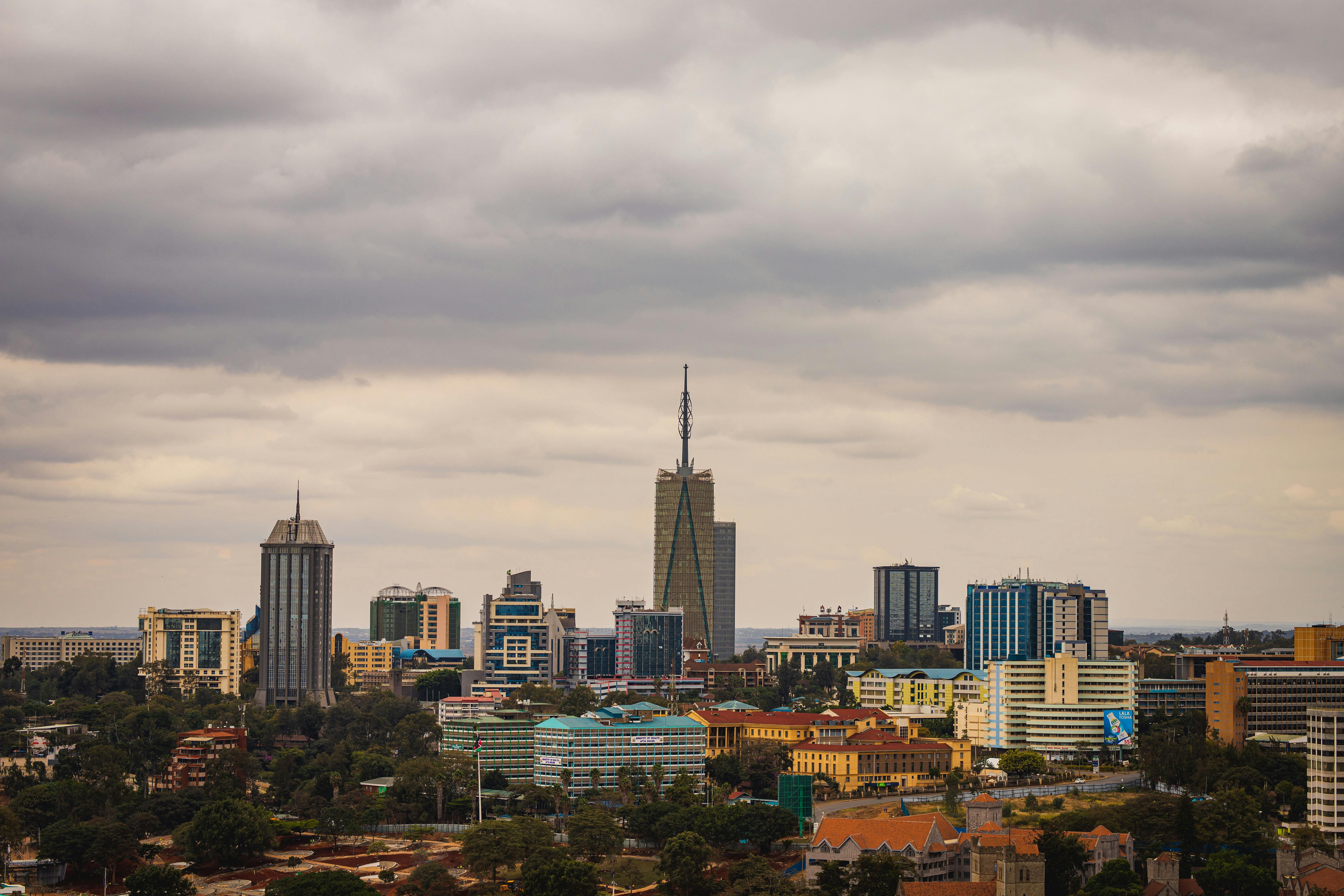
Most safari travelers land in Nairobi, check into a hotel near the airport, and spend their pre-departure hours nervously re-checking their packing list. What they don't realize is that Nairobi itself — with its orphaned elephant nurseries, rooftop dining scenes, giraffe sanctuaries, and one of Africa's best national museums — is one of the most underrated stops on the entire itinerary. This guide will show you exactly what to do in Nairobi before you head into the bush and how to make the most of your return days, so not a single hour of your East Africa trip goes to waste.
Key Takeaways
- Nairobi is the only capital city in the world bordered by a national park, making it a genuine wildlife destination before your safari even begins — not merely a transit hub.
- Arriving at least one day early in Nairobi reduces jet lag, eliminates the risk of missed connections to remote bush camps, and gives you a cultural frame of reference for the safari experience ahead.
- The David Sheldrick Wildlife Trust and Nairobi National Park are ideal pre-safari stops that introduce travelers to African wildlife in a lower-stakes, highly accessible environment.
- Karen and Westlands are the most comfortable and tourist-friendly neighborhoods for first-time visitors, offering walkable restaurant strips, secure ride-hailing access, and proximity to key attractions.
- Post-safari Nairobi offers celebration-worthy experiences — rooftop bars, the Giraffe Centre, the Maasai Market, and the Nairobi National Museum — that let you decompress and shop for authentic Kenyan souvenirs.
- Getting around Nairobi safely is straightforward using ride-hailing apps like Uber and Bolt; street hailing and matatus are not recommended for first-time international visitors.
- A well-planned Nairobi stay of 1–3 days transforms the city from a transit inconvenience into one of the most memorable and enriching parts of an East Africa trip.
What Makes Nairobi the Best Starting Point for an East Africa Safari?
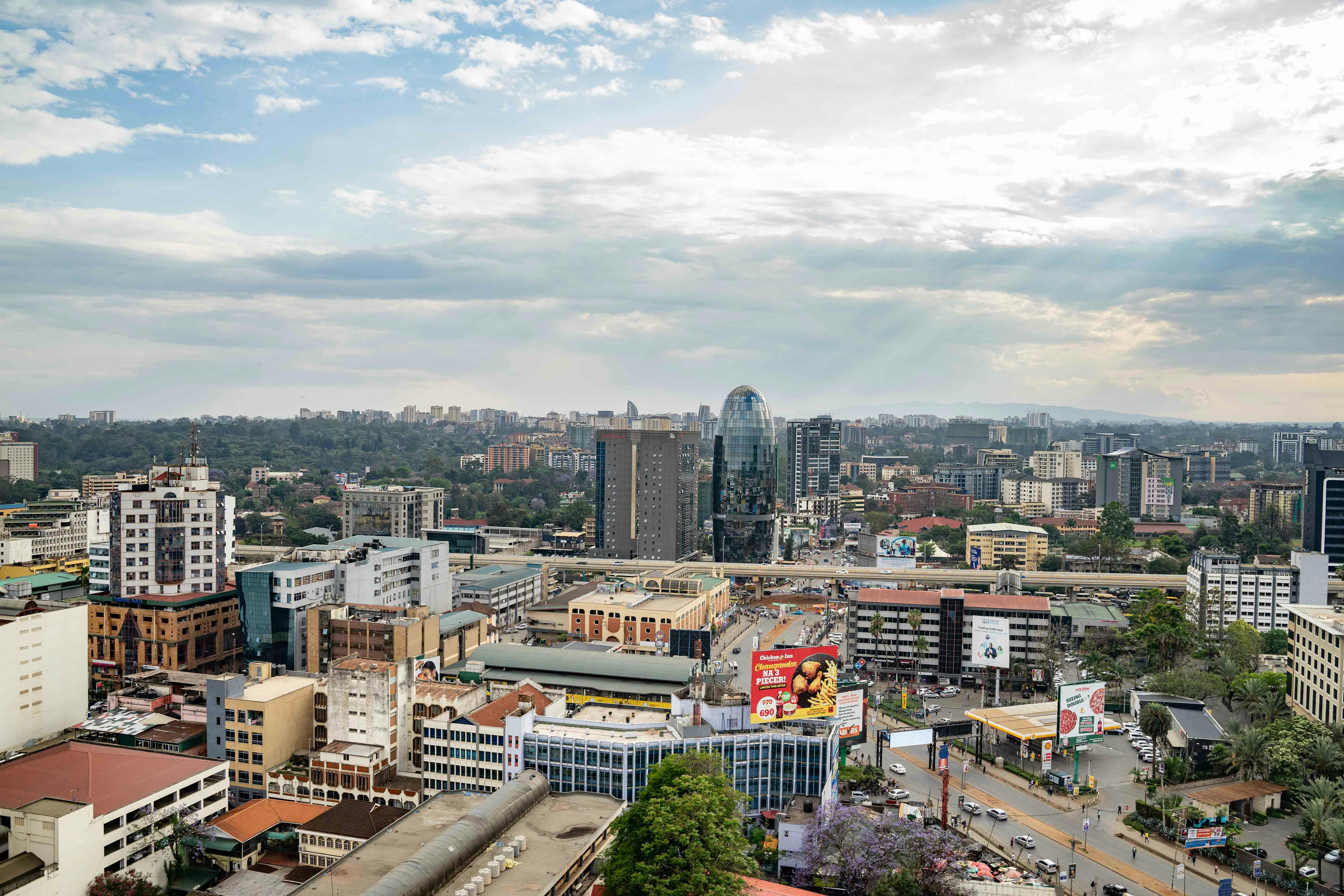
Nairobi is the only capital city in the world with a national park on its boundary, placing it in a category entirely its own among safari gateway cities. This is not marketing copy — it is a geographic fact that shapes the entire character of the city. Within 20 minutes of landing at Jomo Kenyatta International Airport, you can be watching lions, rhinos, and buffalo roam free on open savannah, with the city skyline visible on the horizon behind them.
Beyond its wildlife credentials, Nairobi functions as the logistical nerve center of East African safari travel. It is the departure point for fly-in and road connections to the Masai Mara National Reserve, Amboseli National Park, Samburu Game Reserve, Tsavo East, and the broader Tanzania circuit including the Serengeti and Ngorongoro Crater. Every major safari operator — including us here at Beyond the Plains Safaris — coordinates ground transport, charter flights, and bush camp connections through Nairobi.
Nairobi is also Africa's fourth-largest city by GDP, with a dynamic food scene, a growing arts district, and a genuinely cosmopolitan character that surprises most first-time visitors who arrive expecting a purely utilitarian stopover. Kenya received over 2 million international tourists in 2023 — Source: Kenya Tourism Board, 2024 — and Nairobi served as the entry point for the overwhelming majority of them.
Why "Just a Layover" Is the Wrong Way to Think About Nairobi
The "just a transit city" perception of Nairobi persists largely because most safari packages are designed around maximizing time in the bush — which is entirely reasonable. But that framing ignores what Nairobi actually offers. For travelers planning their first East Africa safari, a day or two in Nairobi serves a purpose that no amount of research fully replaces: it calibrates your expectations, adjusts your body clock, and gives you cultural context that makes the wildlife experience far more meaningful once you get into the field.
Moreover, Nairobi has been quietly building one of East Africa's most exciting restaurant and café scenes. The city now hosts rooftop bars, farm-to-table restaurants, specialty coffee shops, and curated craft markets that rival comparable offerings in Cape Town or Addis Ababa. Treating it as a layover means leaving that entirely on the table.
Why Spending Time in Nairobi Before or After Your Safari Is Worth It
Spending at least one day in Nairobi before your safari significantly reduces the risk of missed connections to remote bush camps, many of which have no same-day rescheduling options and charge full no-show rates. This is the single most practical argument for building a Nairobi buffer day into your itinerary — and most experienced safari specialists, ourselves included, recommend it to every first-time traveler.
Beyond logistics, there is a physiological case. Travelers arriving from North America face a time difference of 8–11 hours. Travelers from Europe face 2–3 hours. Arriving in Nairobi a day early and sleeping in a proper bed, rather than racing straight to a bush camp on arrival day, means you show up to your first game drive rested and alert. And game drives reward alertness — the difference between spotting a leopard in a fever tree and missing it entirely often comes down to whether you're sharp-eyed or bleary.
Kenya's tourism numbers underscore the growing appeal of city time. According to Kenya Tourism Board data from 2024, the average international visitor now spends 2.1 nights in Nairobi as part of a safari package — up from 1.4 nights in 2019. That shift reflects a broader recognition that Nairobi rewards the curious traveler.
Is Nairobi Safe for First-Time Solo Travelers and Tourists?
Nairobi is safe for tourists who take the same common-sense precautions they would in any large city. The neighborhoods most relevant to safari travelers — Karen, Westlands, and Kilimani — are well-maintained, well-lit at night, and used to international visitors. The city's security landscape has improved significantly over the past decade, with visible private security and ride-hailing infrastructure that removes most of the exposure points that defined travel in Nairobi 15 years ago.
The areas to be more cautious about are the Central Business District (CBD) at night, and informal transit situations like flag-down taxis and matatus. During daylight hours, the CBD is navigable and interesting — but at night, stick to your neighborhood's restaurant strip or use a trusted ride-hailing app to reach your destination. Solo female travelers fare well in Nairobi's tourist-friendly neighborhoods; dress modestly, keep your phone out of sight in transit, and you'll have very few issues.
What to Do in Nairobi Before Your Safari: The Pre-Safari Checklist
Pre-safari time in Nairobi is best used for three things: wildlife acclimatization, logistical preparation, and rest. Done right, a single pre-safari day in Nairobi sets up everything that follows. Done poorly — spent entirely in a hotel room — it's a missed opportunity that no bush camp experience can fully compensate for.
What Are the Best Things to Do in Nairobi the Day Before Your Safari?
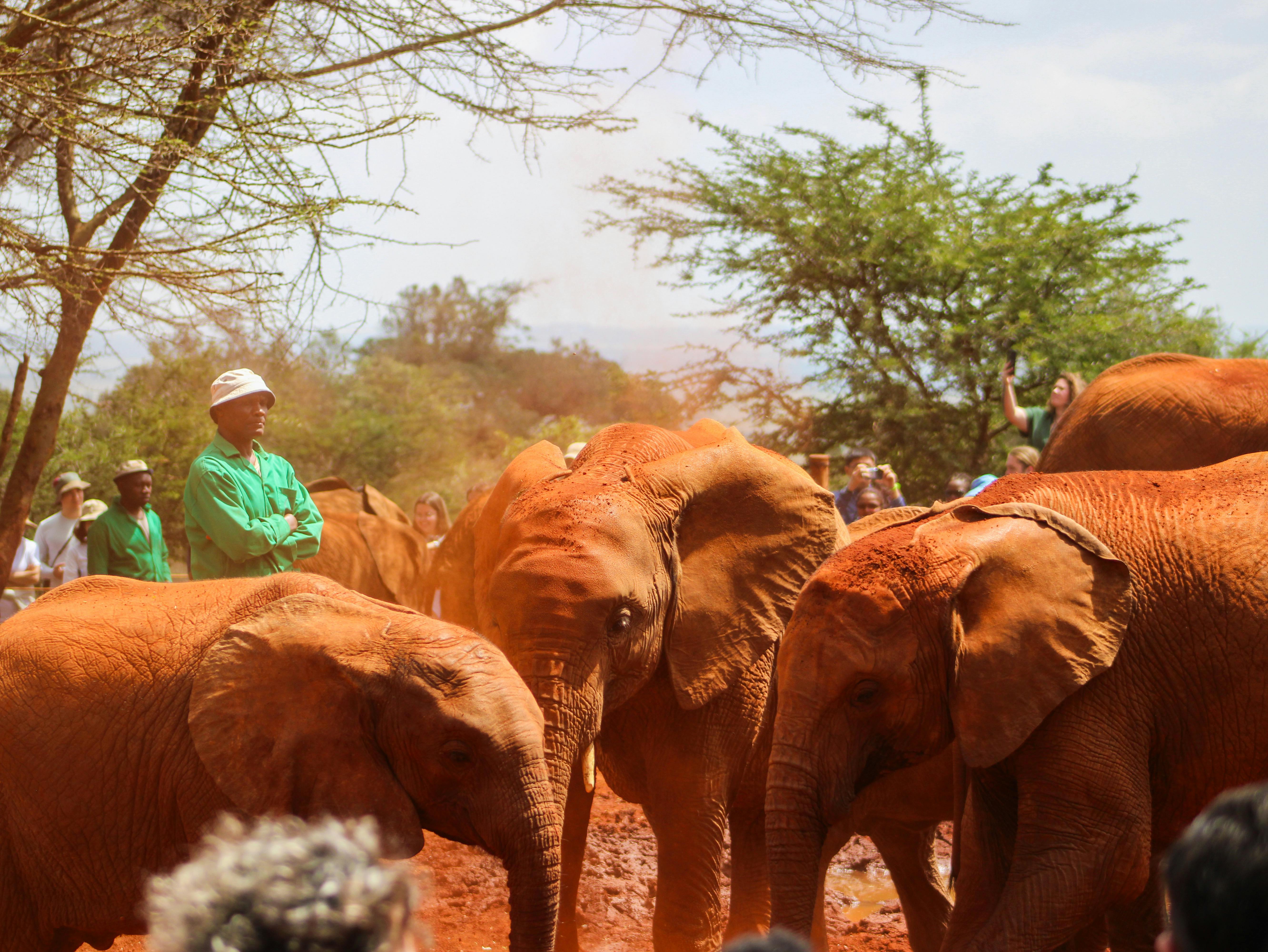
The David Sheldrick Wildlife Trust (DSWT), located within Nairobi National Park, is the world's most successful orphaned elephant rescue and rehabilitation program and is open to visitors every morning between 11am and noon. This is the single best way to spend a pre-safari morning in Nairobi. Baby elephants — some just weeks old — are brought out for feeding, and visitors can watch them interact with keepers who function as surrogate family members. The experience is genuinely moving, educational, and completely unlike anything you'll see on a game drive. Admission costs approximately $15 USD; booking in advance is essential during peak season.
For the afternoon, pair it with a visit to Nairobi National Park for a half-day game drive. This is Kenya's oldest national park, established in 1946, and it sits just 7 kilometers from the city center. You can see lions, cheetahs, rhinos, hippos, and over 400 bird species within sight of office towers — an experience that is simultaneously surreal and thrilling. For travelers planning a Kenya safari for the first time, this is an excellent and accessible wildlife introduction before the intensity of the Mara or Amboseli.
Round out your pre-safari day with a visit to the Karen Blixen Museum, the restored farmhouse where the author of Out of Africa lived from 1914 to 1931. It provides rich colonial-era historical context that gives a more nuanced frame for the landscapes you're about to experience in the bush. The museum is in the Karen suburb — conveniently close to several excellent restaurants for a pre-safari dinner.
Gear Shopping and Final Prep in Nairobi
Nairobi is the last reliable opportunity to purchase or replace safari gear before heading into the bush, and it does this job well. Westgate Shopping Mall (Westlands) and Village Market (Gigiri) carry quality neutral-toned clothing, quality sunscreen, binoculars, memory cards, and power banks — all items that are either unavailable or extremely expensive at most bush camps.
If you need to review what to pack for your Kenya safari, our detailed packing checklist covers every essential by category. The most commonly forgotten items that Nairobi can easily replace: lip balm with SPF, a wide-brimmed sun hat, and a lightweight fleece for early morning drives.
Also use this time to confirm all your logistics. Double-check your safari package itinerary, confirm your charter flight or road transfer departure time, and ensure your camera batteries are fully charged. Many bush camps have limited charging infrastructure; a full battery and a freshly formatted memory card going in saves significant frustration on day one.
What to Do in Nairobi After Your Safari: The Post-Safari Wind-Down
Post-safari Nairobi is a completely different experience from pre-safari Nairobi — and one that many travelers underestimate. You return from the bush carrying extraordinary memories, a healthy layer of trail dust, and an emotional register that has been fundamentally recalibrated by days of wildlife encounters. What you need now is not a flight home but a proper decompression: good food, meaningful souvenirs, and a few final wildlife encounters that let the experience settle before it becomes memory.
The Giraffe Centre: A Post-Safari Must
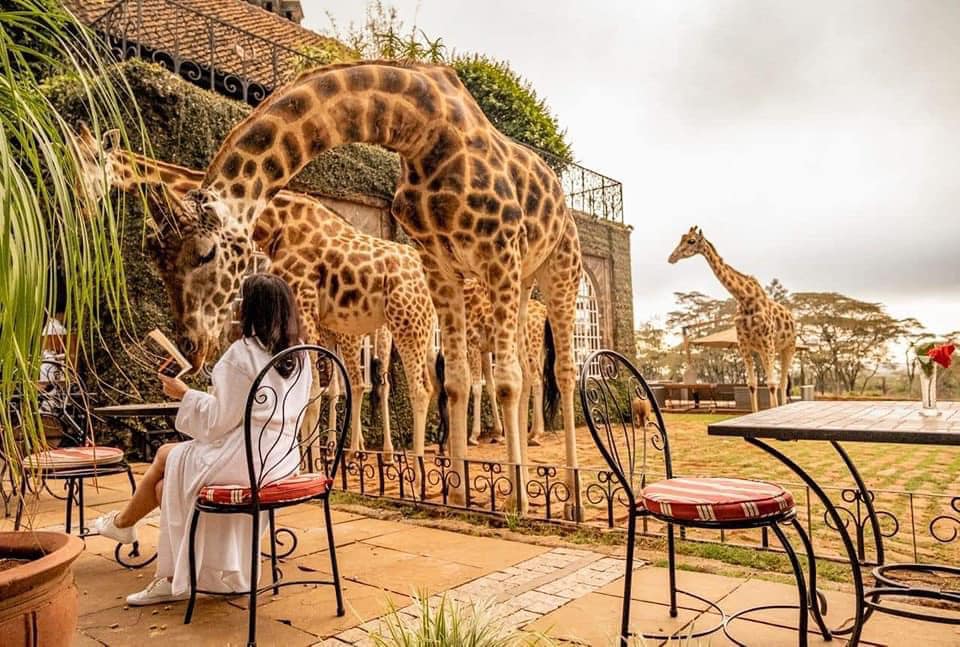
A post-safari stop at the Giraffe Centre in Nairobi allows visitors to hand-feed endangered Rothschild giraffes, offering a close-encounter wildlife experience that beautifully complements the open-savannah sightings of a Masai Mara or Amboseli trip. The Giraffe Centre operates as a breeding program for the Rothschild giraffe — one of Africa's most endangered subspecies, with fewer than 800 remaining in the wild — Source: African Wildlife Foundation, 2024. Visitors can feed them from an elevated platform, bringing them face-to-face with an animal that, out on the plains, you observed from the roof hatch of a vehicle. It's intimate in a way that changes your relationship with the species.
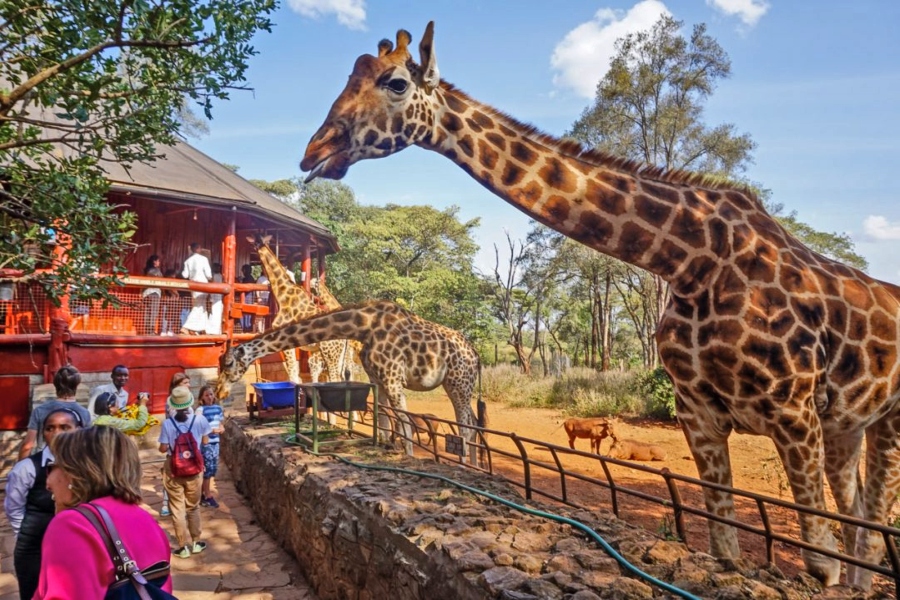
The centre is in the Langata neighborhood, close to the Daphne Sheldrick Memorial and the Karen suburb. Budget about 90 minutes. It opens daily at 9am and closes at 5pm; admission is $15 USD for non-residents.
The Maasai Market: Where to Buy Authentic Kenyan Souvenirs
The Maasai Market is Nairobi's most vibrant and authentic craft market, and the single best place in the city to buy Kenyan souvenirs that are both genuinely handmade and fairly priced. It rotates locations by day of the week: on Tuesdays it's at the Village Market in Gigiri, on Fridays at the Junction Mall in Ngong Road, and on Saturdays at the Masai Market at Junction (confirm current schedule as this can change seasonally). Expect beadwork, carved soapstone, leather goods, kanga fabric, and an extraordinary range of Maasai-influenced jewelry.
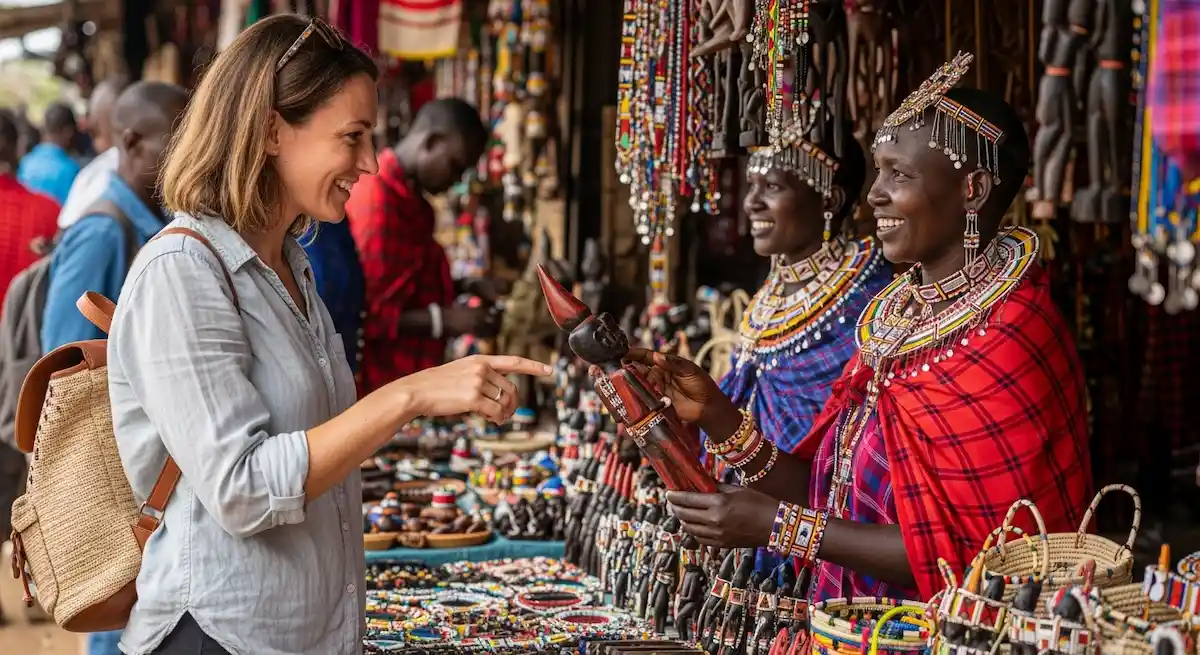
Bargaining is expected and part of the experience — vendors typically open at 2–3x their expected selling price. Be respectful and good-humored about it; it's a cultural interaction as much as a commercial one. Budget $50–$150 USD depending on how generous your souvenir list is.
The Nairobi National Museum
The Nairobi National Museum is one of East Africa's most comprehensive natural history collections and, frankly, one of Africa's most underrated museums. It houses Kenya's most significant paleontological and anthropological collection, including early hominid fossils from the Rift Valley. A visit here contextualizes the landscapes you've just traveled through — the Rift Valley escarpment you drove past, the ancient lakebed Amboseli sits on, the migration corridors the wildebeest follow — in a way that transforms them from beautiful scenery into something far more meaningful.
The museum also has an excellent exhibit on Kenyan cultures and peoples, including the Maasai, Samburu, and Kikuyu communities whose lands border the national parks you visited. After days of seeing these communities from a game drive vehicle, walking through their cultural history at ground level is a worthwhile final perspective.
Which Nairobi Neighborhoods Should Safari Travelers Stay In?
Nairobi's Karen and Westlands neighborhoods are consistently the most comfortable and practical bases for international safari travelers, offering walkable restaurant strips, excellent ride-hailing access, proximity to key attractions, and a well-developed hospitality infrastructure. Understanding the character of each neighborhood before you book your hotel is one of the most important pieces of Nairobi trip planning most guides skip over.
| Neighborhood | Best For | Distance from JKIA | Safety Level | Vibe |
|---|---|---|---|---|
| Karen | First-timers, families, colonial ambiance | 25–35 min | High | Green, spacious, village-like |
| Westlands | Nightlife, restaurants, younger travelers | 30–40 min | High | Urban, cosmopolitan, lively |
| Kilimani | Mid-range budget, central access | 25–35 min | Good | Residential, café culture |
| CBD | Budget, business travelers | 20–30 min | Moderate (avoid at night) | Busy, dense, authentic |
| Gigiri | Embassy area, NGO workers, Village Market | 35–45 min | Very high | Quiet, diplomatic quarter |
Karen: The Quiet, Green Choice
Karen is Nairobi's most charming neighborhood for first-time visitors — a leafy, spacious suburb named after Karen Blixen that feels like a different city entirely from the CBD. It's close to the Giraffe Centre, the Karen Blixen Museum, the Sheldrick Wildlife Trust, and several excellent restaurants and coffee shops. Hotels here tend to be boutique properties set in gardens, with a pace of life that naturally encourages the kind of decompression post-safari travelers need.
Westlands: The Dining and Nightlife Hub
Westlands is where Nairobi's restaurant and nightlife scene concentrates, with a dense corridor of quality options along Westlands Road and the surrounding streets. It's younger and more urban than Karen, with rooftop bars, international cuisine, craft cocktail menus, and the kind of late-night energy that suits travelers looking to celebrate the end of a safari rather than wind quietly down. Uber and Bolt are abundantly available here around the clock.
Where to Eat and Drink in Nairobi: From Safari Prep Brunches to Celebration Dinners
Nairobi's restaurant scene is one of East Africa's most dynamic, with a range that runs from traditional Kenyan nyama choma (grilled meat) joints to sophisticated rooftop dining experiences that would hold their own in London or New York. The best approach is to organize your eating by neighborhood and occasion — and to eat at least one proper Kenyan meal before you fly home.
Pre-Safari Meals: Light, Energizing, and Early
Before heading into the bush, eat well but lightly. Talisman Restaurant in Karen is one of Nairobi's most beloved long-standing restaurants — a garden property with an eclectic international menu that's perfect for a relaxed pre-safari dinner. Artcaffe has multiple Nairobi locations (Karen, Westlands, and Westgate Mall among them) and serves excellent coffee, freshly baked bread, and full breakfasts that work perfectly as a send-off before an early transfer to the airstrip.
For a specifically Kenyan experience, seek out a proper nyama choma joint — places like Carnivore Restaurant in Langata have been serving game and traditional Kenyan meats for decades. It's theatrical (meats arrive on Maasai swords) and legitimately delicious; a good primer on the food culture of the country you're about to explore further.
Post-Safari Celebrations: Rooftop Bars and Proper Dinners
The rooftop bar at Brew Bistro in Westlands is one of Nairobi's best spots for a post-safari celebration toast, with sweeping city views, a wide beer selection including local Kenyan craft brews, and a convivial atmosphere that handles both intimate dinners and larger group gatherings. The food — burgers, flatbreads, and sharing plates — is good enough to make an evening of it without needing to move on.
For a more formal post-safari dinner, Talisman in Karen again earns its reputation. Mediterraneo in Westlands serves excellent Italian food in a setting that feels genuinely celebratory. And The Alchemist — also in Westlands — is a sprawling outdoor bar and food market that combines multiple food vendors with live music and the kind of atmosphere that makes for a memorable final Nairobi evening.

Getting Around Nairobi Safely: Transport, Safety, and Practical Tips
Uber and Bolt are the safest, most reliable, and most cost-effective ways for first-time visitors to get around Nairobi. Both apps operate extensively across Nairobi's tourist-facing neighborhoods, with GPS-tracked trips, in-app payment, and driver ratings that significantly reduce the variables associated with flag-down taxis. A trip from the airport to Karen or Westlands via Uber typically runs KES 1,200–1,800 ($9–$14 USD) depending on time of day.
Street-hailing taxis and matatus (minibuses) are not recommended for first-time international visitors. Matatus are Nairobi's informal public transit system and are perfectly valid transport for residents who know the routes, pricing norms, and safety conventions — but for visitors unfamiliar with the city, the lack of metering, variable safety standards, and potential for overcharging makes them an unnecessary risk when ride-hailing apps offer a far more controlled alternative.
Practical Tips for Getting Around
- From JKIA (Jomo Kenyatta International Airport): Pre-arrange your airport transfer with your safari operator, or use Uber's app-based airport pickup from the designated rideshare zone. Your operator will typically include this in your package — confirm in advance.
- SIM card: Pick up a Safaricom SIM at the airport arrivals hall. A data bundle of KES 500 (~$4 USD) provides ample connectivity for 7+ days including map access and ride-hailing app functionality.
- Currency: Kenya uses the Kenyan Shilling (KES). ATMs at JKIA and in all major shopping malls are reliable; Visa and Mastercard are widely accepted at hotels and restaurants. Avoid street money changers entirely.
- Tipping culture: Tipping is appreciated but not obligatory at restaurants (10% is appropriate for good service). Safari guides and camp staff have their own tipping norms — your safari specialist will advise you on the appropriate amounts before you depart.
- Visa requirements: Most nationalities require a Kenya e-Visa, which must be obtained online before travel. Check current Kenya visa requirements on our dedicated page, as processing times and fees can change.
How Do You Get from Nairobi to Major Safari Destinations Like the Masai Mara?
There are two main options for getting from Nairobi to the Masai Mara: road transfer and scheduled or charter light aircraft. The road journey takes approximately 5–6 hours via the B3 highway — scenic and interesting, but long. A charter or scheduled flight departs from Wilson Airport (a 20-minute drive from the city center) and lands at any of several Mara airstrips in under 45 minutes. For our full analysis of costs, timing, and which option makes sense for different budgets and schedules, read our dedicated Nairobi to Masai Mara road vs. fly-in guide.
What Is the Best Time of Year to Visit Nairobi Around a Safari?
The best time to visit Nairobi around a safari depends primarily on when you're visiting Kenya's parks — and those dates, in turn, are governed by Kenya's wildlife calendar rather than Nairobi's city weather. Nairobi sits at 1,795 meters above sea level, giving it a year-round temperate climate (average highs of 24°C/75°F) that is genuinely pleasant in any month. There are no seasons in Nairobi where you'd want to avoid the city itself.
That said, your park timing determines everything. The Great Migration's famous Mara river crossings peak from July to October — this is Kenya's busiest safari season and Nairobi is correspondingly more crowded and expensive. January to March is dry, uncrowded, and excellent for Big Five and predator sightings across most parks. The green season (April–May and November) brings lower prices, dramatic landscapes, and exceptional birding — a genuinely underrated time to visit for travelers who've done their research.
For a full breakdown of how seasonal conditions affect every major Kenyan park, month by month, read our comprehensive Kenya safari best time to visit guide. It covers the Great Migration calendar, month-by-month wildlife patterns, and the seasonal pricing dynamics that affect your total trip cost.
What Are the Top Wildlife Experiences in Nairobi Itself?
Nairobi offers three wildlife experiences that are genuinely world-class, not merely convenient substitutes for bush time. They serve different purposes and reward different types of travelers — but taken together, they make a compelling case that Nairobi is a wildlife destination in its own right.
Nairobi National Park
Nairobi National Park is the world's only national park within a capital city, established in 1946 and spanning 117 square kilometers of open savannah, riverine forest, and seasonal wetlands. It is home to lions, leopards, cheetahs, black rhinos (one of Kenya's most protected populations), hippos, crocodiles, buffaloes, giraffes, zebras, and over 400 bird species. Game drives here typically run 3–4 hours and can be self-driven or guided.
The park's proximity to the city creates an iconic visual paradox: wildlife grazing against a backdrop of office towers and telecommunications infrastructure. It's the kind of image that captures the essence of Nairobi's unique character better than any description can. For travelers heading to the Masai Mara or Amboseli the next morning, a Nairobi National Park drive the afternoon before recalibrates your eyes for the scale and density of animal life in the field.
David Sheldrick Wildlife Trust
The David Sheldrick Wildlife Trust (DSWT) has rescued and rehabilitated over 270 orphaned elephants since its founding in 1977 — Source: DSWT Annual Report, 2023 — making it the most successful elephant orphan rescue program in the world. Visitors attend a daily one-hour feeding presentation between 11am and noon, during which the elephants and their keepers demonstrate the extraordinary bond that develops when a human takes on the role of elephant mother.
Beyond the emotional experience, the DSWT visit provides important conservation context for what you'll encounter in the bush. Understanding why elephant populations in some parks are recovering while others are stressed, what orphaned elephants mean for herd structures, and how human-wildlife conflict shapes conservation policy — all of this is more richly conveyed at the Trust than in any pre-trip reading.
Ol Pejeta Conservancy (Day Trip)
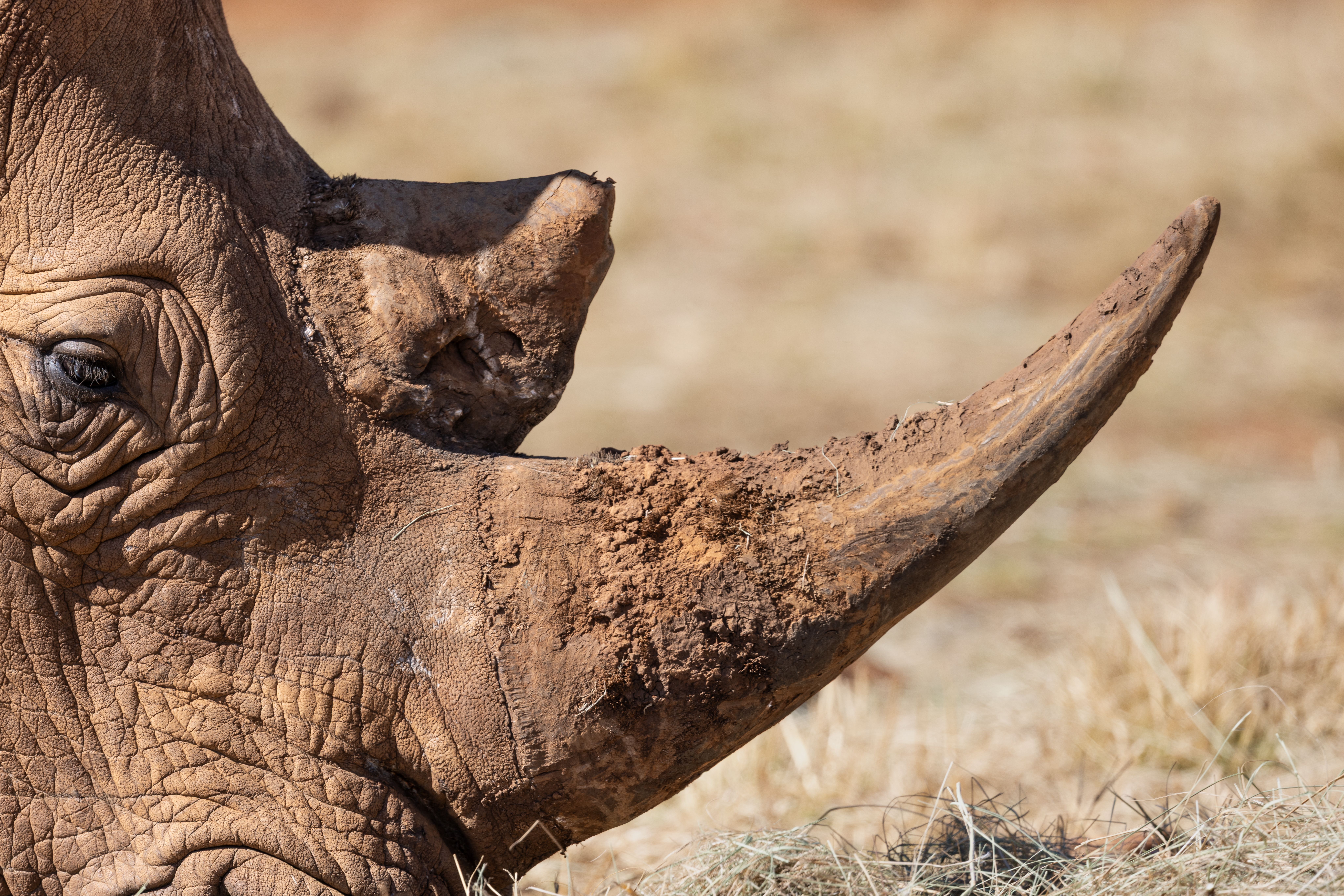
For travelers with two or more pre-safari days in Nairobi, Ol Pejeta Conservancy — located approximately 3.5 hours north of Nairobi by road — is worth considering as a day trip or overnight. Ol Pejeta is home to the world's last two northern white rhinos and a significant chimpanzee sanctuary, in addition to strong Big Five populations. It represents a different type of conservation model from the national parks — privately managed, community-revenue-sharing, and pioneering in wildlife security technology.
What's Next: How to Plan Your Nairobi Days Around Your Safari Itinerary
Planning your Nairobi time around your safari itinerary is straightforward once you apply a simple before/after framework. The key is deciding in advance what each day needs to accomplish — rest, logistics, culture, or wildlife — and booking accordingly.
Practical Day-by-Day Frameworks
1 Day Before Safari:
- Morning: David Sheldrick Wildlife Trust (11am feeding)
- Afternoon: Nairobi National Park half-day game drive
- Evening: Early dinner at Talisman or Artcaffe in Karen, in bed by 9pm
2 Days Before Safari:
- Day 1: Arrive, rest, sim card and currency, light exploration of your neighborhood
- Day 2: Full DSWT + Nairobi NP day as above; Karen Blixen Museum in the late afternoon; gear shopping at Westgate Mall
1 Day After Safari:
- Morning: Giraffe Centre (open 9am)
- Afternoon: Maasai Market (confirm which location is running that day of week)
- Evening: Rooftop dinner at Brew Bistro (Westlands) or The Alchemist
2–3 Days After Safari:
- Day 1: Giraffe Centre + Maasai Market
- Day 2: Nairobi National Museum (full morning); Artcaffe lunch; afternoon free for shopping or café time in Westlands
- Day 3: Leisurely morning, final souvenir run, airport transfer (confirm 3+ hours before international departure)
For travelers combining Kenya with Tanzania, Nairobi also connects to the Serengeti via Wilson Airport charter flights and cross-border road transfers. Our Kenya and Tanzania combined safari guide covers that routing in detail, including how to structure Nairobi time when your itinerary spans both countries.
If you're building your first East Africa trip and aren't sure which parks to include around your Nairobi days, our 7-day Kenya and Tanzania itinerary guide provides a complete template with costs, routing logic, and accommodation tiers.
Conclusion: Nairobi Is More Than a Layover
Nairobi rewards travelers who give it time. It is the only city on earth where you can wake up, watch baby elephants being bottle-fed by their human mothers, drive past giraffes and lions on your way to the airport, eat remarkable food from a dozen culinary traditions, and go to sleep with your head full of encounters that compete for space with your safari memories. That is a genuinely extraordinary combination — and it belongs on your East Africa itinerary, not merely at the edges of it.
The city-to-wilderness contrast — arriving in a bustling, modern African metropolis and then stepping out of a Land Cruiser onto the open plains of the Mara two days later — is itself one of the defining experiential arcs of East African travel. It gives your safari a beginning and an end that feel intentional, not accidental. It makes the whole trip cohere.
When you're ready to start planning, our team at Beyond the Plains Safaris would love to help you build an itinerary that gives Nairobi its proper place — as a first chapter worth reading, and a last chapter worth savoring. Start your Kenya safari planning here or explore our full range of Kenya safari packages to find the right structure for your trip.
Written by Linet Wanjiru, Safari Specialist at Beyond the Plains Safaris — Linet is a Nairobi-based safari planning specialist with years of experience designing custom Kenya and Tanzania itineraries for international travelers. She draws on firsthand knowledge of Nairobi's neighborhoods, restaurants, and wildlife attractions to craft trips that make the city as memorable as the bush.
Reviewed by John Dante, Director & Operations Manager, Beyond the Plains Safaris — John oversees all safari operations and itinerary quality at Beyond the Plains Safaris, a KATO-registered operator and 2025 Tourism Excellence Award 1st Runners-Up for Best Tour Operator in Kenya.










Comments (0)
Leave a Comment
No comments yet. Be the first to comment!