

Amboseli Safari Guide: Elephants, Kilimanjaro Views & Best Time to Visit
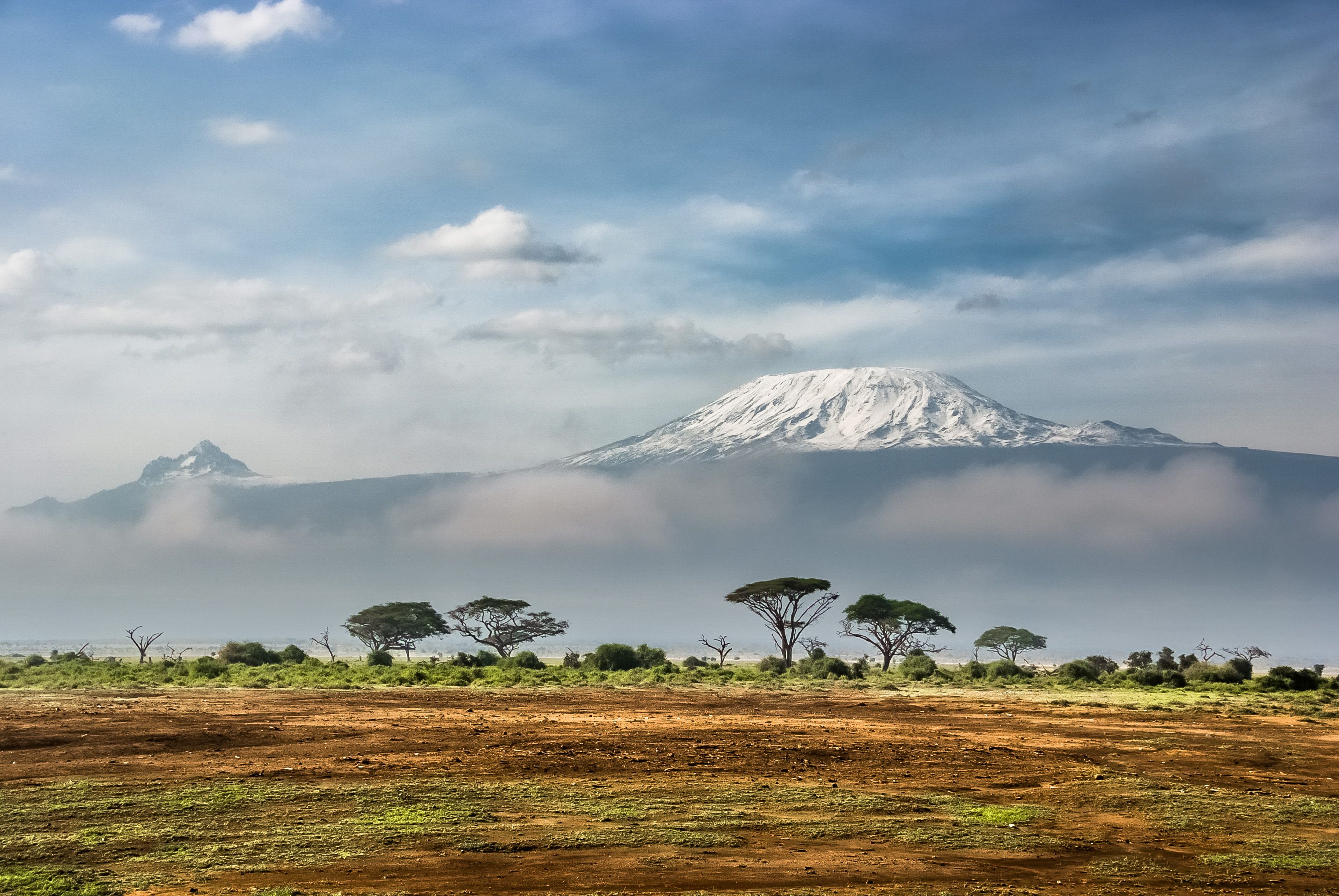
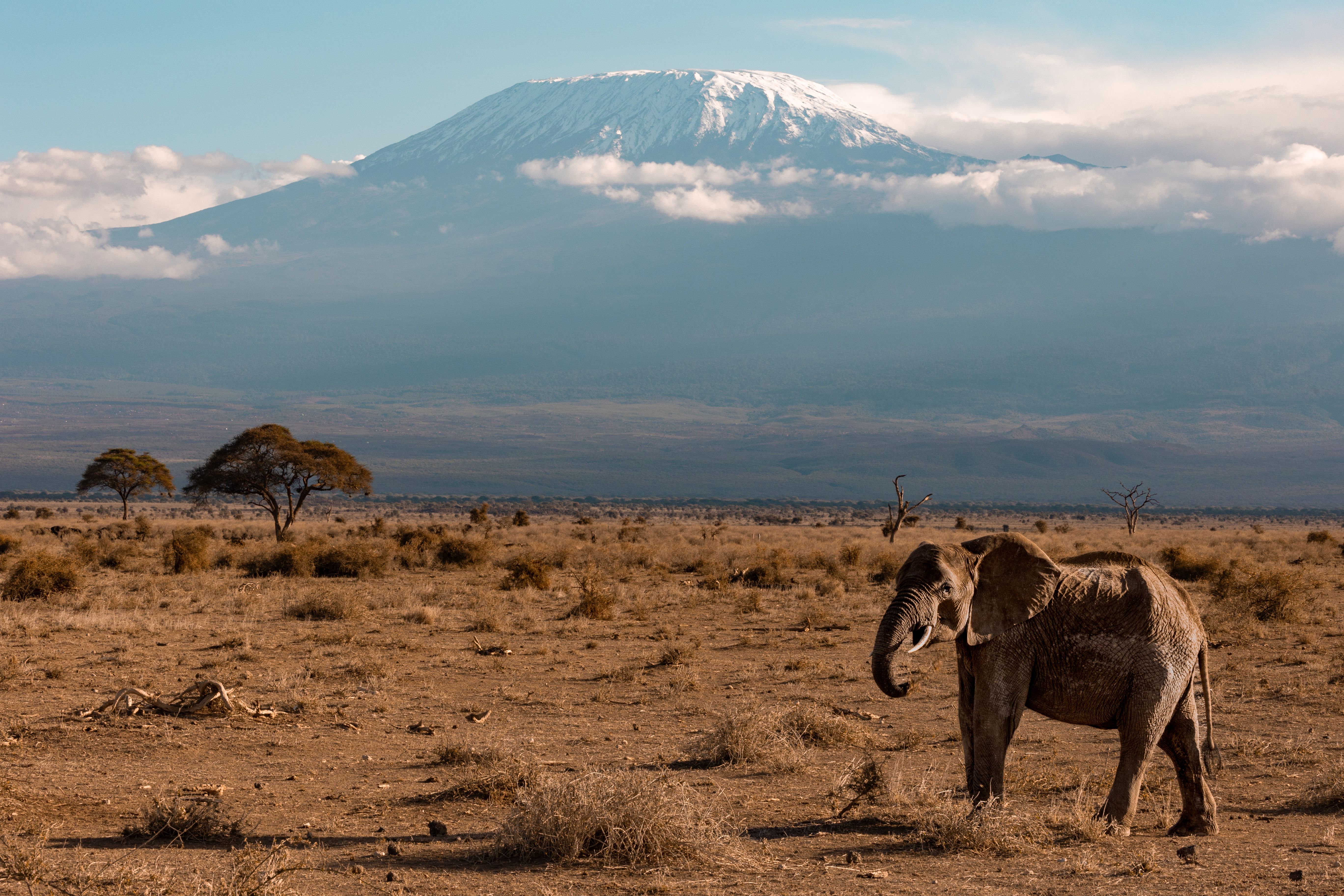
You've probably seen the postcard image — a herd of elephants ambling across golden grassland with Kilimanjaro's snowy peak rising behind them — and that image is almost always taken in Amboseli. What most travelers don't realize is that timing your visit wrong can mean missing both the wildlife concentrations and the clear mountain views that make this park iconic. This guide breaks down exactly when to go, where to see the elephants and Kilimanjaro at their best, and how to plan a trip that delivers on that postcard promise.
Key Takeaways
- Amboseli National Park sits at the base of Mount Kilimanjaro in southern Kenya and is renowned for having one of Africa's largest and most habituated free-ranging elephant populations.
- The dry season, roughly June through October and January through February, offers the clearest Kilimanjaro views and the most concentrated wildlife sightings around the park's permanent swamps.
- Early morning hours typically provide the clearest, cloud-free views of Kilimanjaro's snow-capped peak, since cloud cover tends to build up by midday.
- Amboseli's elephant herds have been studied continuously since 1972, making the park a global reference point for elephant behavior research.
- Beyond elephants, Amboseli supports lions, cheetahs, hundreds of bird species, and swamp ecosystems that sustain wildlife even in dry months.
- Visitors typically base their stay at lodges or tented camps just outside the park, with most safaris run as game drives during early morning and late afternoon.
- Combining Amboseli with parks like the Maasai Mara or Tsavo is a common way to build a longer, multi-park Kenyan safari itinerary.
What Is Amboseli National Park Known For?
Amboseli National Park is a wildlife reserve in southern Kenya, at the base of Mount Kilimanjaro, best known for its large elephant herds and unobstructed mountain views. The park itself covers 392 square kilometers, but it sits at the core of a much larger ecosystem — roughly 8,000 square kilometers — that spreads across the Kenya-Tanzania border and includes surrounding Maasai group ranches and conservancies. This makes Amboseli compact enough to explore thoroughly in a few days, yet ecologically connected to a landscape far bigger than the park boundary suggests.
The park sits in Kajiado County, in what was once known to the Maasai as Empusel — "salty, dusty place" — a name that still fits the dry lake bed and alkaline plains at the park's center. That dusty, arid character is part of what makes Amboseli so visually striking: golden, sparse terrain gives way to lush green swamps fed by underground rivers flowing from Kilimanjaro's glaciers. This contrast between dust and wetland is one of the park's defining features, and it's also why wildlife concentrates so predictably here during dry months.
For example, while much of the park bakes under a semi-arid climate for most of the year, the swamps at its center — including Enkongo Narok and Longinye — stay green and water-rich year-round. As such, animals that would otherwise disperse widely in search of water instead cluster around these swamps, making Amboseli one of the more reliable parks in East Africa for close, repeated wildlife sightings. If you want a broader sense of how Amboseli fits into the country's wider protected-area network, our guide to Kenya's national parks is a useful starting point before diving into the specifics below, or you can head straight to our dedicated Amboseli National Park destination page for a full overview.
How Amboseli Compares to Other Kenyan Parks
Amboseli is smaller and more concentrated than parks like the Maasai Mara, which makes it easier to cover thoroughly in a shorter visit. At the same time, it lacks the sweeping grassland scale and the annual wildebeest migration that define the Mara. This trade-off can benefit travelers who want dependable elephant and mountain-view experiences without spending days searching a vast reserve.
Amboseli is also Kenya's second most-visited park after the Maasai Mara, a status that reflects both its accessibility from Nairobi and its reputation among photographers. Many first-time visitors combine the two parks specifically because they offer such different experiences: Amboseli for elephants and Kilimanjaro, the Mara for open plains and predator density.
Why Amboseli Matters for Safari-Goers
Amboseli matters for safari-goers because it combines dependable elephant sightings, one of Africa's most photographed mountain backdrops, and easy access from Nairobi — a combination few other parks offer together. Many travelers arrive already familiar with Amboseli by reputation, even if they've never heard the park's name, because its elephant-and-Kilimanjaro image has become shorthand for the entire East African safari experience.
First, the elephant density here is unusually high relative to the park's size. Sighting reliability is close to guaranteed — the ecosystem is compact enough, and the elephant population dense enough, that herds are encountered on the majority of game drives, particularly near the swamps during dry months. This matters for travelers on a tight itinerary who want strong odds of a meaningful wildlife encounter rather than a hopeful search.
Second, Amboseli's research legacy adds a layer of depth that few parks can match. The Amboseli Elephant Research Project (AERP), founded in 1972 by researcher Cynthia Moss, has tracked individual elephants across generations, meaning guides in the park can often identify specific family groups, name matriarchs, and describe decades of documented history for the animals in front of you. This transforms a standard game drive into something closer to witnessing an ongoing scientific story.
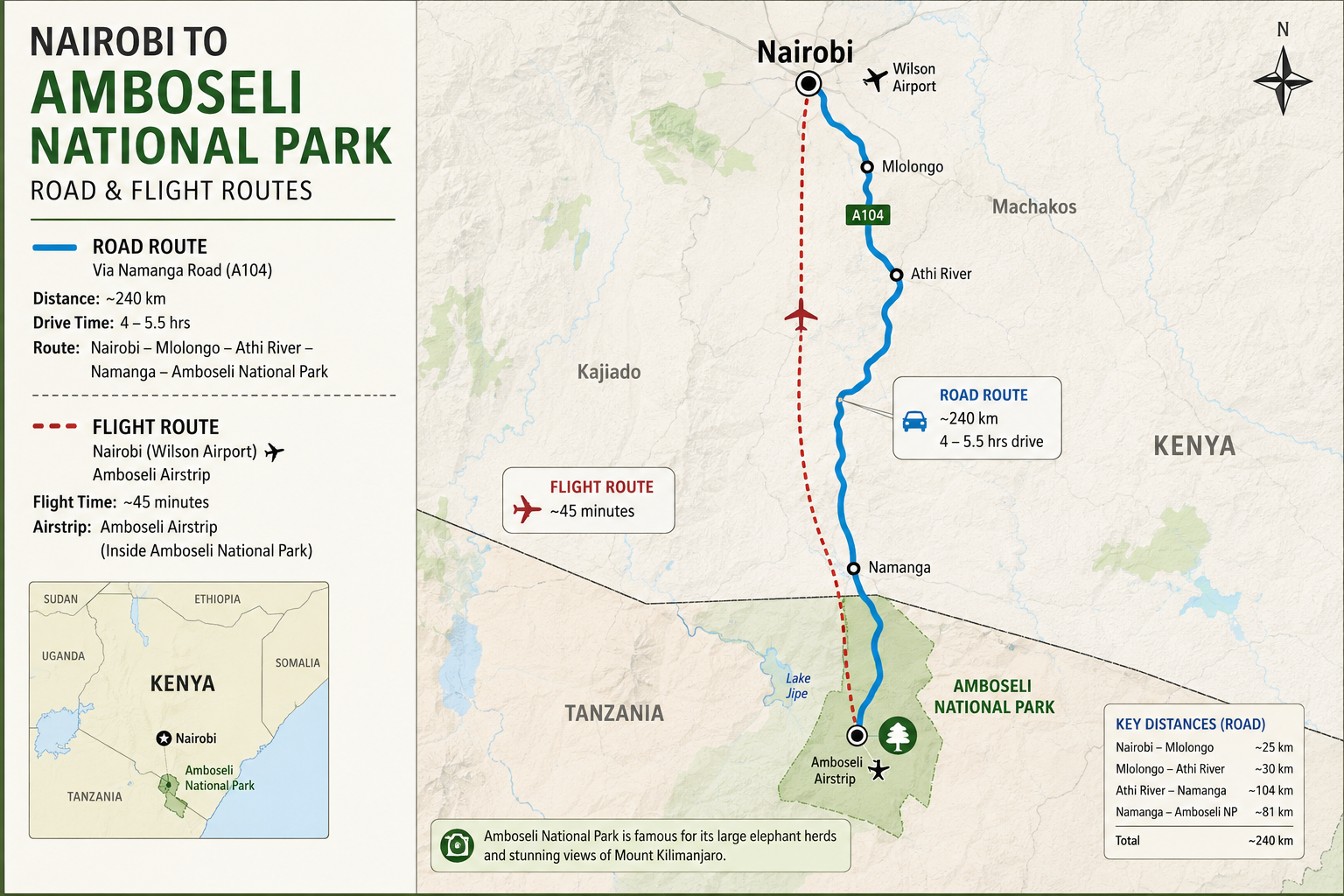
Third, Amboseli is genuinely accessible. The park sits roughly 230 kilometers — about a four-hour drive — from Nairobi, and scheduled light-aircraft flights from Wilson Airport cut that down to around 45 minutes. That accessibility makes Amboseli realistic for travelers with limited time, including those adding it as a short extension to a longer Kenya itinerary. For readers weighing this park against Kenya's other headline destination, see our Maasai Mara safari guide for a side-by-side sense of what each park offers.
When Is the Best Time to Visit Amboseli for Wildlife?
The best time to visit Amboseli for wildlife is during the dry season, which runs roughly from June through October and again from January through February. During these months, animals — especially elephants, buffalo, and zebra — concentrate heavily around the park's permanent swamps, since surface water elsewhere dries up. This predictability is what makes dry-season game drives so productive compared to other times of year.
The dry season in Amboseli offers the strongest wildlife viewing because animals concentrate around the park's permanent swamps — Source: Amboseli National Park visitor and research data. First, expect large herds gathering at Enkongo Narok and Ol Okenya swamps during the driest stretches of June through October. Second, the short dry spell in January and February offers a similar effect on a smaller scale, with the added benefit of thinner crowds compared to the peak July–August season.
That being said, the wetter months have their own appeal for a different kind of traveler. The long rains typically fall from March through May, transforming the park into a greener, quieter landscape with fewer visitors and dramatically lower lodge rates. This can benefit photographers who prefer dramatic skies and lush backdrops over dust and crowds, and it's also calving season for many species, including elephants — meaning a higher chance of spotting very young animals.
Month-by-Month Wildlife and Weather Patterns
| Period | Season | Wildlife Viewing | Notes |
|---|---|---|---|
| June – October | Long dry season | Peak concentrations around swamps | Busiest tourist months, especially July–August |
| November – December | Short rains | Moderate, dispersing herds | Green landscape returns, fewer crowds |
| January – February | Short dry spell | Strong concentrations, clear skies | Good value, fewer visitors than July–August |
| March – May | Long rains | Lower density, more dispersed | Calving season, lush scenery, lowest rates |
For a wider view of how these patterns compare across the country, our Kenya safari seasons guide breaks down best time to visit Kenya for a safari region by region, which is useful if you're combining Amboseli with other parks on a longer trip.
Should You Avoid the Rainy Season Entirely?
Not necessarily — it depends on your priorities. If wildlife density is your top priority, avoid the long rains. Roads can turn muddy, and animals disperse more widely across the ecosystem rather than clustering near visible water sources. However, if you're chasing dramatic light, fewer crowds, and don't mind a lower probability of seeing large herds in a single sitting, the rainy months can still deliver a rewarding trip, just a different one.
When Can You See Kilimanjaro Most Clearly from Amboseli?
The best time to see Kilimanjaro clearly from Amboseli is early morning, before afternoon cloud cover typically obscures the peak. Mount Kilimanjaro rises to 5,895 meters, making it Africa's tallest mountain, and because it stands largely in isolation from surrounding ranges, it dominates Amboseli's southern horizon on a clear day in a way few other African peaks can match from ground level.
Cloud buildup is the main obstacle to a good Kilimanjaro view, and it follows a fairly predictable daily pattern. Moisture rising off the plains typically accumulates around the summit by mid-to-late morning, so a mountain that was crystal clear at sunrise can be fully obscured by cloud within a few hours. As such, most experienced guides schedule the first game drive of the day specifically to maximize the window for photographing the peak.
Season matters here too, layered on top of the daily cloud cycle. During the dry months — June through October and January through February — atmospheric haze is generally lower, which improves visibility even outside the early-morning window. The best time to see Kilimanjaro clearly from Amboseli is early morning, before afternoon cloud cover typically obscures the peak — Source: East Africa tourism and safari operator data.
Best Viewing Locations Inside the Park
Observation Hill offers one of the most reliable vantage points in the park, partly because it's the only spot where visitors are permitted to walk unescorted, giving photographers time to wait out passing cloud without rushing back to a vehicle. The open plains near the swamps also offer clear sightlines, especially when elephants or giraffe are positioned in the foreground against the mountain. If photography is a priority for your trip, our safari photography tips guide covers composition and timing advice specific to backdrop shots like these.
Why Does Amboseli Have So Many Elephants?
Amboseli has an unusually large and stable elephant population because of a combination of permanent water sources, low historical poaching pressure, and more than five decades of dedicated research and protection. The park's swamps, fed continuously by underground meltwater from Kilimanjaro, mean elephants don't need to migrate far to find water even during severe dry spells — a major advantage in a semi-arid ecosystem.
Amboseli's elephant population has been the subject of continuous scientific research since 1972, making it one of the longest-running elephant studies in the world — Source: Amboseli Elephant Research Project (AERP). This research, founded by Cynthia Moss, has documented individual elephants across generations, tracking births, deaths, family relationships, and migration patterns in a level of detail that doesn't exist for almost any other wild population on Earth.
That long-term protection has also shaped the physical character of the herd. First, Amboseli is home to some of Africa's last "super tuskers" — a rare category of elephants whose tusks are large enough to nearly reach the ground, a genetic trait that survives here largely because these animals have been shielded from decades of trophy hunting and poaching elsewhere. Second, community-based conservation has played a major role: local Maasai communities participate directly in anti-poaching efforts, and reported detection rates for poachers entering the ecosystem are notably higher than the national average, largely because outside offenders are quickly identified in a landscape where communities are closely involved in protection.
For readers interested in the broader research and policy context behind these numbers, our best places to see elephants in Kenya guide goes deeper into how population studies like AERP inform region-wide protection strategies.
What Other Animals Can You See in Amboseli Besides Elephants?
Amboseli supports a wide range of wildlife beyond its famous elephant herds, including big cats, large herbivores, and one of the richest birdlife populations of any Kenyan park. While elephants understandably dominate the park's reputation, a typical multi-day stay usually delivers sightings across several other species groups as well.
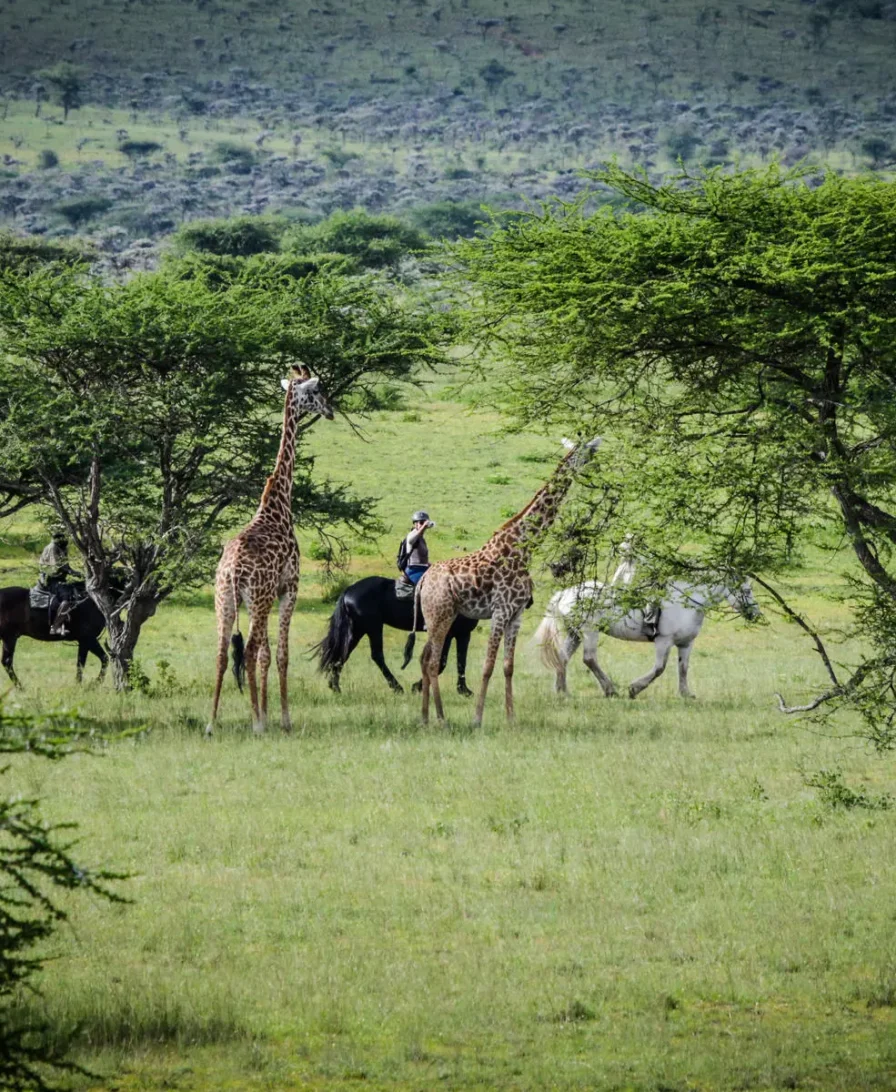
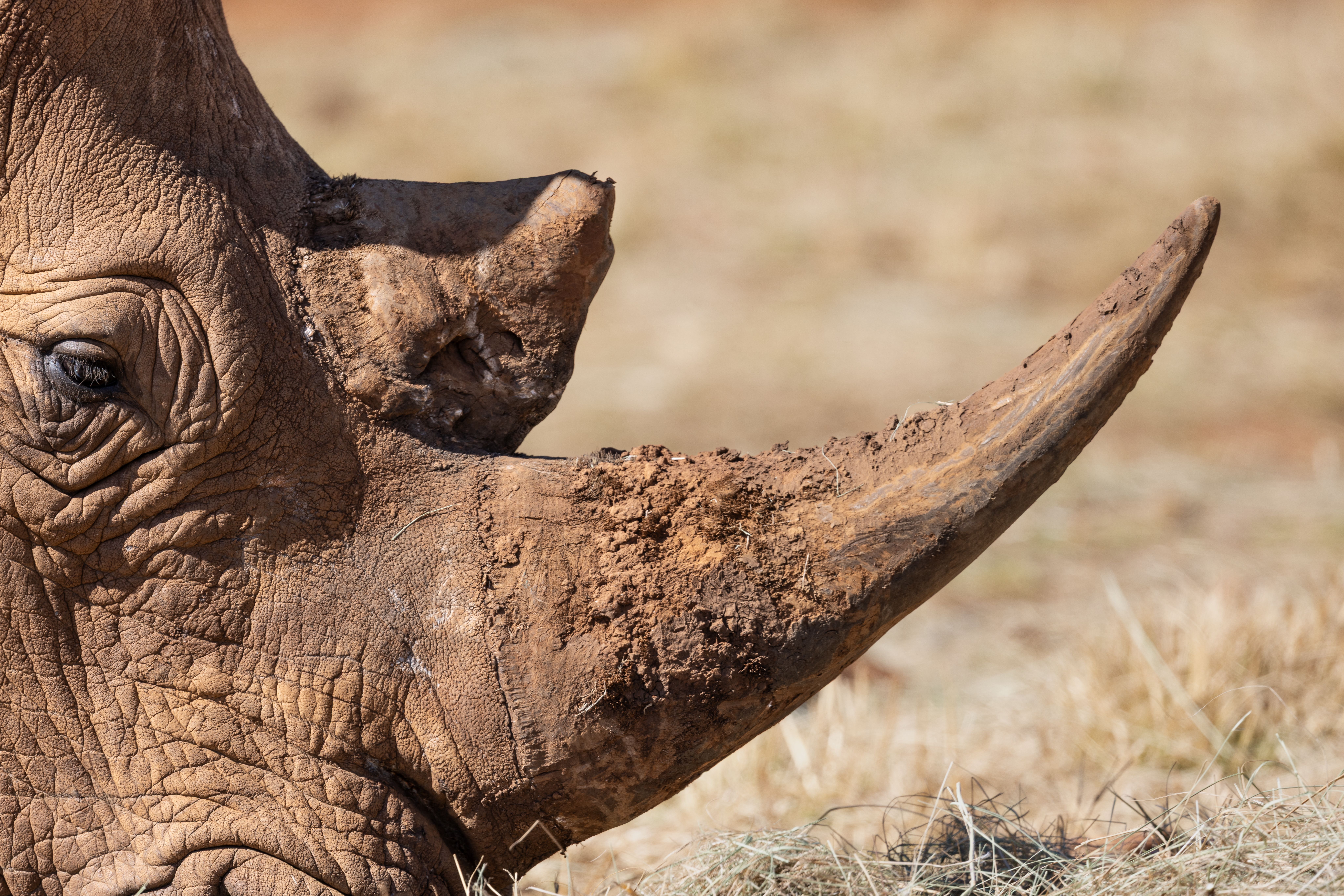
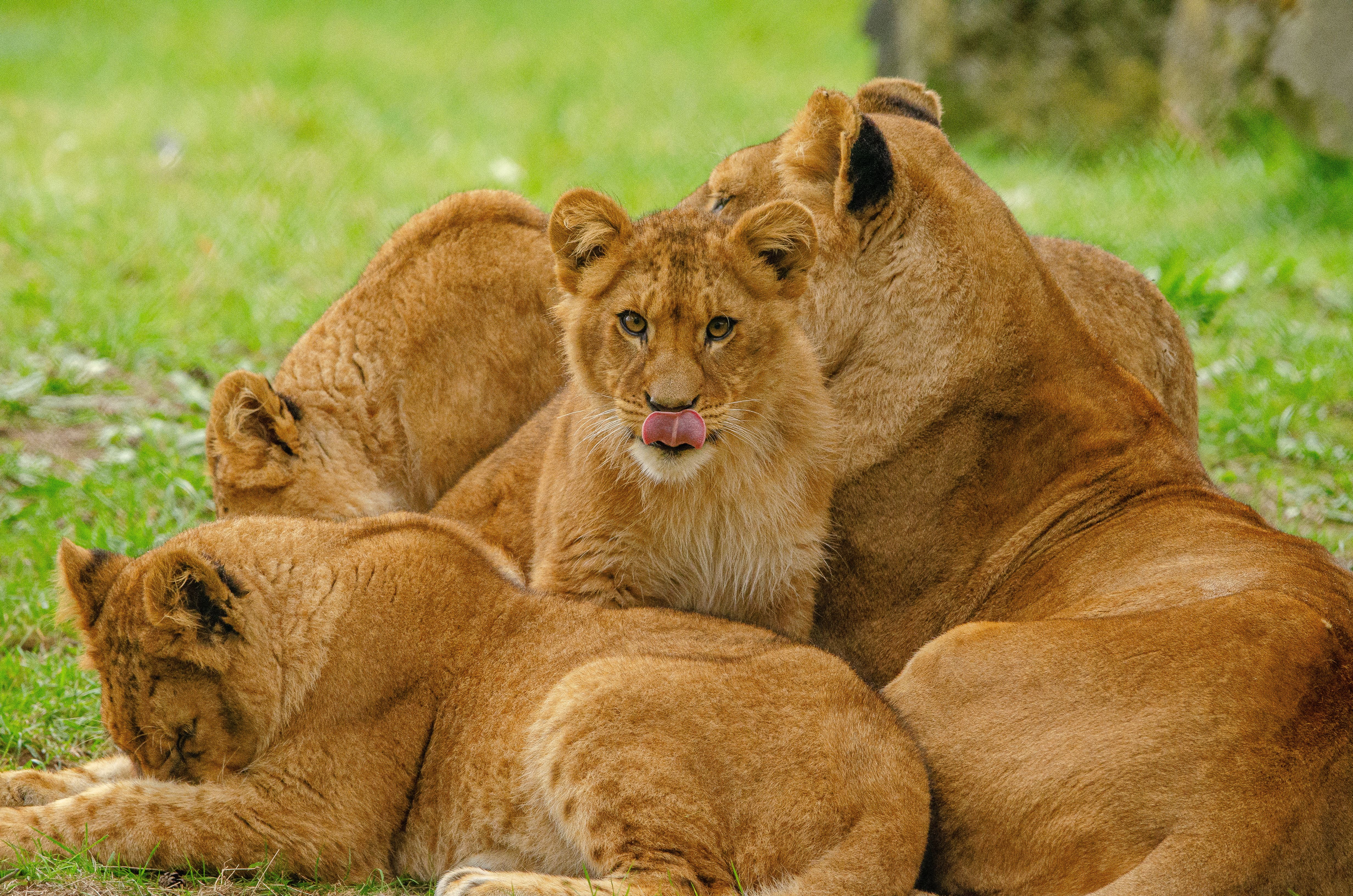
Predators in the park include lions, cheetahs, spotted hyenas, and — less commonly — leopards, which tend to favor the denser woodland edges rather than the open plains. Large herbivores such as Cape buffalo, Maasai giraffe, zebra, wildebeest, and various gazelle species are common throughout, often photographed with Kilimanjaro rising behind them.
Birdlife is a particular highlight that many first-time visitors underestimate. Amboseli supports hundreds of recorded bird species, ranging from African fish eagles and grey crowned cranes to seasonal flocks of flamingos that gather in the swamps, especially during wetter months. The park's Important Bird Area designation reflects just how significant this habitat is for both resident and migratory species.
Observation Hill and the Swamps
Observation Hill isn't just a Kilimanjaro viewpoint — it also offers a sweeping overview of the swamp system below, where hippos, waterbirds, and grazing herds concentrate throughout the year. The two permanent swamps at the heart of the park function as a dry-season lifeline for nearly every species living there, from elephants down to smaller antelope. Visiting the swamp edges in early morning or late afternoon typically produces the richest concentration of species in a single sitting, since that's when animals move to feed and drink.
How Do You Get to Amboseli National Park from Nairobi?
You can reach Amboseli National Park from Nairobi by road in roughly four hours, or by scheduled light aircraft in around 45 minutes. Most independent travelers and tour operators use the road route, which runs south from Nairobi toward the Tanzania border, while travelers on tighter schedules or combining multiple parks often opt for the short flight from Wilson Airport.
By road, the drive covers approximately 230 kilometers and passes through changing terrain, from Nairobi's outskirts to the increasingly arid plains near the park. This option is generally more affordable and allows for scenic stops along the way, though road conditions can vary by season. By air, scheduled flights connect Nairobi's Wilson Airport directly to Amboseli's airstrip, a practical option if you're combining Amboseli with other parks like the Maasai Mara on a multi-stop itinerary.
Before booking either option, it's worth confirming current entry requirements. If you're an international visitor, our Kenya visa and entry requirements guide covers what documentation you'll need before arrival, since requirements can change and are best verified against official sources close to your travel date.
How Many Days Do You Need for an Amboseli Safari?
Most travelers need two to three full days in Amboseli to comfortably cover the park's highlights, including multiple game drives, a Kilimanjaro-focused early morning outing, and time at Observation Hill. This can benefit travelers with limited vacation time, since Amboseli's compact size means a shorter stay here still delivers a fairly complete experience compared to sprawling parks that reward much longer visits.
A typical structure looks like this: arrival and an afternoon game drive on day one, a full day split between the swamps and Observation Hill on day two, and a final early-morning drive focused on elephant and Kilimanjaro photography before departure on day three. Extending to four days allows more flexibility for weather-dependent Kilimanjaro viewing, since cloud cover can obscure the peak on any given morning regardless of season.
What Should You Pack for an Amboseli Safari?
Packing for an Amboseli safari means preparing for dusty, dry conditions during the day and noticeably cooler temperatures at dawn and dusk. Layered clothing is essential — mornings can be chilly enough for a light jacket, while midday heat and dust call for breathable, neutral-toned clothing.
Beyond clothing, a few practical items make a meaningful difference:
- Binoculars for distant elephant herds and birdlife across the open plains
- A dust mask or scarf for game drives on the park's drier tracks
- A telephoto lens if photography, particularly of Kilimanjaro, is a priority
- Sun protection — hat, sunscreen, and sunglasses, given the exposed terrain
- Reusable water bottle, since hydration matters more than most first-timers expect in this climate
For a more complete packing checklist tailored to East African conditions, our what should I pack for a safari guide covers gear recommendations in more depth.
Is Amboseli Better Than the Maasai Mara for a First Safari?
Neither park is objectively "better" — the right choice depends on what you want from your first safari. Amboseli suits travelers who prioritize reliable elephant sightings, an iconic mountain backdrop, and a shorter, more accessible trip from Nairobi. The Maasai Mara suits travelers drawn to vast open plains, high predator density, and — seasonally — the wildebeest migration.
By choosing Amboseli, you can expect a more compact, predictable experience with strong odds of close elephant encounters within a shorter window of time. By choosing the Maasai Mara instead, you can expect a larger-scale landscape with generally higher predator activity, at the cost of more driving time to cover the reserve thoroughly. Many first-time visitors ultimately combine both parks into a single itinerary rather than choosing between them, which lets you experience Amboseli's intimacy alongside the Mara's scale. Our Maasai Mara safari guide covers what that park offers in more detail if you're weighing both options.
How Much Does an Amboseli Safari Cost?
Amboseli safari costs vary significantly depending on accommodation style, group size, and season, ranging from budget camping options to high-end luxury tented camps. Park entry fees, lodge rates, and vehicle/guide costs are the main variables, and all three tend to rise during the peak dry-season months of July through October.
Costs typically break down into three categories: park entrance fees (which are set by the Kenya Wildlife Service and reviewed periodically, so it's worth checking current rates directly before budgeting), accommodation (ranging from mid-range tented camps to luxury lodges just outside the park boundary), and game-drive or guiding costs, often bundled into all-inclusive safari packages. Traveling in the shoulder seasons — January to February, or the rainier months of March to May — is a reliable way to reduce accommodation costs without sacrificing much in terms of overall experience quality.
Practical Planning: Tools, Lodges, and Logistics
Planning an Amboseli trip well means locking in accommodation, transport, and a rough game-drive schedule before you arrive, since availability at the best-located lodges can tighten considerably during peak dry-season months. Most visitors don't stay inside the park itself; instead, they base themselves at lodges or tented camps positioned just outside the boundary, close enough for early-morning access.
Accommodation near Amboseli generally falls into three tiers: budget tented camps, mid-range lodges with organized game-drive packages, and luxury tented camps offering private guiding and premium Kilimanjaro-facing rooms. For a curated look at where to stay based on budget and location, see our luxury safari camps in Kenya roundup.
On the logistics side, a reputable tour operator can handle permits, transport, and itinerary sequencing — particularly useful if you're combining Amboseli with other parks, such as on a ready-made Amboseli, Lake Nakuru & Masai Mara or Amboseli, Tsavo West, Tsavo East & Mombasa itinerary. Independent travelers renting a 4x4 should confirm road conditions seasonally, since the long rains (March–May) can affect access to some tracks. Beyond operator-arranged transport, a handful of free tools are worth using regardless of how you book: satellite weather apps for checking Kilimanjaro's likely cloud cover before a morning drive, and general mapping apps for orienting yourself around the park's swamp network and Observation Hill.
What's Next: Planning Your Amboseli Itinerary
Once you've settled on timing, the next step is building a day-by-day plan that balances elephant viewing, Kilimanjaro photography, and enough flexibility to account for weather. A sample three-day structure works well for most travelers:
- Day 1 – Arrive, settle in, afternoon game drive around the central swamps
- Day 2 – Sunrise Kilimanjaro photography drive, midday rest, afternoon drive toward Observation Hill
- Day 3 – Early final game drive focused on elephant families near the swamps, then departure
By building in an early-morning slot on every day of your stay, you maximize your chances of a clear Kilimanjaro view at least once, even if cloud cover blocks the peak on other mornings. If your trip allows for more time, consider extending your itinerary to include a nearby park. Our Kenya Tanzania safari itinerary guide walks through how to sequence Amboseli alongside destinations like the Maasai Mara, while our Tsavo East National Park and Tsavo West National Park pages cover another popular pairing for travelers heading toward the Kenyan coast after their safari.
Conclusion
Amboseli delivers on a very specific promise: dependable elephant encounters set against one of Africa's most recognizable mountain backdrops, all within a manageable distance of Nairobi. Getting the timing right — dry season for wildlife concentration, early morning for Kilimanjaro's clearest views — is really the entire difference between a good trip and the postcard experience you came for. Whether you're planning a focused three-day visit or building Amboseli into a longer multi-park itinerary, the core advice holds: go dry, go early, and give yourself enough mornings to catch the mountain on a clear day. Start mapping out your dates against the seasonal patterns above, and when you're ready, speak with our safari specialists to build an Amboseli itinerary that actually delivers what those elephant-and-Kilimanjaro photos promise.










Comments (0)
Leave a Comment
No comments yet. Be the first to comment!