
Maasai-Owned Conservancies in Kenya: Safari Guide

Community-Owned Conservancies in Kenya: The Definitive Guide to How Your Safari Funds Local Maasai Communitie

Community-Owned Conservancies in Kenya: The Definitive Guide to How Your Safari Funds Local Maasai Communitie

You've probably seen safari operators advertise "community conservancy" stays as the more ethical, less crowded alternative to Kenya's national reserves — quiet camps, fewer vehicles, and a story about giving back. What most listings don't explain is exactly where that extra conservancy fee goes, how a Maasai-owned conservancy safari in Kenya is actually structured, or how much of your money reaches the families who own the land. This guide breaks down the real economics — lease payments, revenue splits, and landowner numbers — so you know precisely how your safari dollars support local communities.

Key Takeaways

  • Community-owned conservancies are areas of Maasai-owned land leased to conservation trusts or safari operators, distinct from government-run national parks and reserves.
  • Landowners typically receive fixed annual lease payments, commonly cited around $15–$30 per acre, regardless of how many tourists visit that year.
  • Many conservancies use a revenue-split model, such as a common 60/40 structure where the majority funds conservation and anti-poaching work and the remainder goes directly to landowners.
  • In the Maasai Mara ecosystem, 15 established conservancies span roughly 347,000 acres and involve more than 14,000 landowners.
  • Conservancy land has helped expand the effective Mara ecosystem's protected wilderness significantly over the past two decades, benefiting both wildlife density and habitat connectivity.
  • Conservancy fees are separate from national park and reserve fees, so travelers visiting both a conservancy and a reserve like the Maasai Mara National Reserve typically pay for each.
  • Choosing an operator that itemizes conservancy fees and names the specific landowner association is the clearest way for travelers to confirm their money reaches local Maasai communities.

What Is a Community-Owned Conservancy in Kenya?

A community-owned conservancy in Kenya is an area of Maasai-owned land leased by local landowners to a conservation trust or safari operator for wildlife protection, in exchange for steady lease income. Unlike national parks and reserves, which are managed and owned by the Kenyan government, conservancies remain in the hands of the people who have lived on that land for generations.

The model works through a simple exchange. Landowners agree to set aside their parcels for wildlife rather than farming, grazing at scale, or fencing the land for settlement. In return, a conservancy trust or a consortium of safari operators pays them a fixed lease fee, collected from conservancy fees charged to visiting tourists. This is different from a government park, where entrance fees flow into national revenue rather than directly to the neighboring community.

For example, Mara North Conservancy was created through a partnership between more than 800 Maasai landowners and a consortium of high-end tourism operators, with tourism revenue supporting both local livelihoods and conservation work. The land itself never changes hands. Only the right to use it for low-impact tourism is leased, which means Maasai families retain ownership while gaining a dependable income stream that doesn't compete with their traditional pastoral life.

Kenya's first conservancy, Lewa Wildlife Conservancy, was established in 1995 when a private landowner converted a family ranch into a wildlife sanctuary and later encouraged neighboring Maasai communities to form their own conservancies on communal land. That early experiment set the template that dozens of conservancies across the Mara ecosystem now follow, blending livestock herding with active wildlife protection on the same land.

Why Community Conservancies Matter for Kenya's Wildlife and People

Community conservancies matter because they expand protected habitat far beyond what national parks alone can cover, while giving local people a direct financial reason to protect wildlife instead of converting land to farming. In the Maasai Mara ecosystem specifically, conservancies now cover roughly 25% of the total landscape, yet a recent wildlife census found they contain 83% of the ecosystem's large mammals — Source: Yale E360, 2025. That statistic alone shows how much conservation value sits outside the boundaries of the formally protected national reserve.

Buffalo herd grazing on protected conservancy grassland in Kenya

This matters because most of Africa's biodiversity survives on land that isn't a national park at all. As Fred Nelson, founder and CEO of the conservation organization Maliasili, puts it, most of the continent's wildlife depends on land owned and managed by local communities rather than by governments. Kenya's conservancy movement turns that reality into policy: instead of pushing people off land to protect animals, it pays people to keep animals on the land they already own.

At the same time, conservancies solve a real economic problem for Maasai families. Grazing land can be leased for tourism instead of being sold outright or converted to crop farming, which often degrades wildlife corridors permanently. This gives households a source of steady income that doesn't require giving up land ownership, herding livestock, or cultural practices tied to the land. As such, conservancies have become one of the few conservation models that treats community prosperity and wildlife protection as the same goal rather than a trade-off.

How Much Money Do Maasai Landowners Actually Receive from Conservancy Leases?

Maasai landowners typically receive fixed annual lease payments that range from about $15 to $30 per acre, paid regardless of how many tourists actually visit that year — Source: Masai Mara National Reserve conservancy guide, 2024. This fixed structure is deliberate. It means a landowner's income doesn't collapse during a slow tourism season, a drought year, or a global disruption to travel, which gives families a level of financial predictability that farming or casual tourism work cannot offer.

For example, across the 15 established conservancies in the Maasai Mara ecosystem, combined lease payments now amount to more than $4.89 million annually, with an additional roughly $46,200 generated through ranger employment alone — Source: Masai Mara National Reserve, 2024. That land-lease income supports more than 14,500 individual landowners, including 223 women, spread across roughly 347,000 acres of conservancy land.

This lease income is not the only benefit landowners see. Many conservancies also employ community members directly as rangers, guides, drivers, and camp staff, which adds wage income on top of the fixed lease payment. Plus, some conservancies have expanded into carbon credit revenue through initiatives like the Northern Kenya Rangelands Carbon Project, which has generated millions of dollars since 2013, with 14 participating conservancies each reportedly receiving around $324,000 in disbursements in 2022 alone — Source: The Revelator, 2026.

What Is the Typical Revenue-Split Model for Conservancy Fees?

The typical revenue-split model for conservancy fees follows a 60/40 structure, where roughly 60% of tourism-generated income funds conservation and anti-poaching operations while about 40% goes directly to individual landowners as lease payments — Source: Masai Mara National Reserve, 2024. This split isn't universal across every conservancy, but it represents the most commonly cited structure among conservancies in the Mara ecosystem.

The table below breaks down how a typical 60/40 revenue split is generally allocated, based on publicly reported conservancy structures.

Revenue Share Typical Allocation What It Funds
~60% Conservancy trust / management Anti-poaching patrols, ranger salaries, wildlife monitoring, habitat management
~40% Individual landowners Direct lease payments, household income, land-use compensation
Additional streams Employment & carbon credits Ranger and guide wages, camp jobs, carbon-credit disbursements for water, health, and education projects

At the same time, it's worth noting that this model hasn't always worked smoothly. Earlier community revenue-sharing initiatives in the Mara were plagued by mismanagement, corruption, and inequitable distribution, according to conservancy management reports. That history is part of why today's conservancy trusts place heavier emphasis on transparent governance, landowner associations, and published payment structures — a shift that directly benefits travelers who want assurance their money is reaching the people it's meant to.

Do You Pay Conservancy Fees and National Park Fees Separately?

Yes, conservancy fees and national park fees are billed separately, so if your itinerary includes both a conservancy and a reserve like the Maasai Mara National Reserve, you should expect to pay for each area independently. This is a common point of confusion for first-time visitors who assume one blanket fee covers their entire trip.

For example, a traveler splitting a week between Naboisho Conservancy and the Maasai Mara National Reserve will see a conservancy fee charged for nights spent in Naboisho and a separate reserve entry fee for any game drives inside the national reserve boundary. Most reputable operators bundle these fees into the total safari package price, but it's worth asking your travel consultant to itemize them so you can see exactly how much of your trip cost supports the conservancy directly.

This separation exists because the two systems are managed by entirely different entities. National reserve fees go to the county government that administers the reserve, while conservancy fees go directly to the landowner trust that manages that specific conservancy. Understanding this distinction helps explain why a conservancy stay often costs more per night than a national reserve lodge of similar quality — you're not just paying for exclusivity, you're paying into a community-owned system.

Which Are the Best-Known Community Conservancies in the Maasai Mara?

The best-known community conservancies in the Maasai Mara include Naboisho, Olare Motorogi, Mara North, and Ol Kinyei, each built on a slightly different partnership structure between Maasai landowners and tourism operators. Reviewing a few of these side by side gives a clearer picture of how the model plays out on the ground.

Naboisho Conservancy

Naboisho stands out because of how explicit its community model is. Roughly 500 Maasai families participate directly in the revenue-sharing structure, which makes it one of the more transparent examples of the conservancy concept in action. The conservancy also maintains strict visitor density limits, keeping vehicle numbers low relative to its size, which supports both wildlife density and a more intimate guest experience. Travelers who want the conservation story to feel like part of the trip, not just marketing language, tend to gravitate toward Naboisho.

Olare Motorogi Conservancy

Olare Motorogi was founded in 2006 as part of a new community conservancy concept designed to create a mutually beneficial partnership between the Maasai and tour operators. Covering roughly 140 square kilometers, the conservancy operates on a lease model rather than a land sale, meaning the Maasai retain ownership while tourism operators gain exclusive access rights. This structure has made Olare Motorogi one of the most consistently cited examples of successful community-based conservation in the Mara ecosystem.

Mara North Conservancy

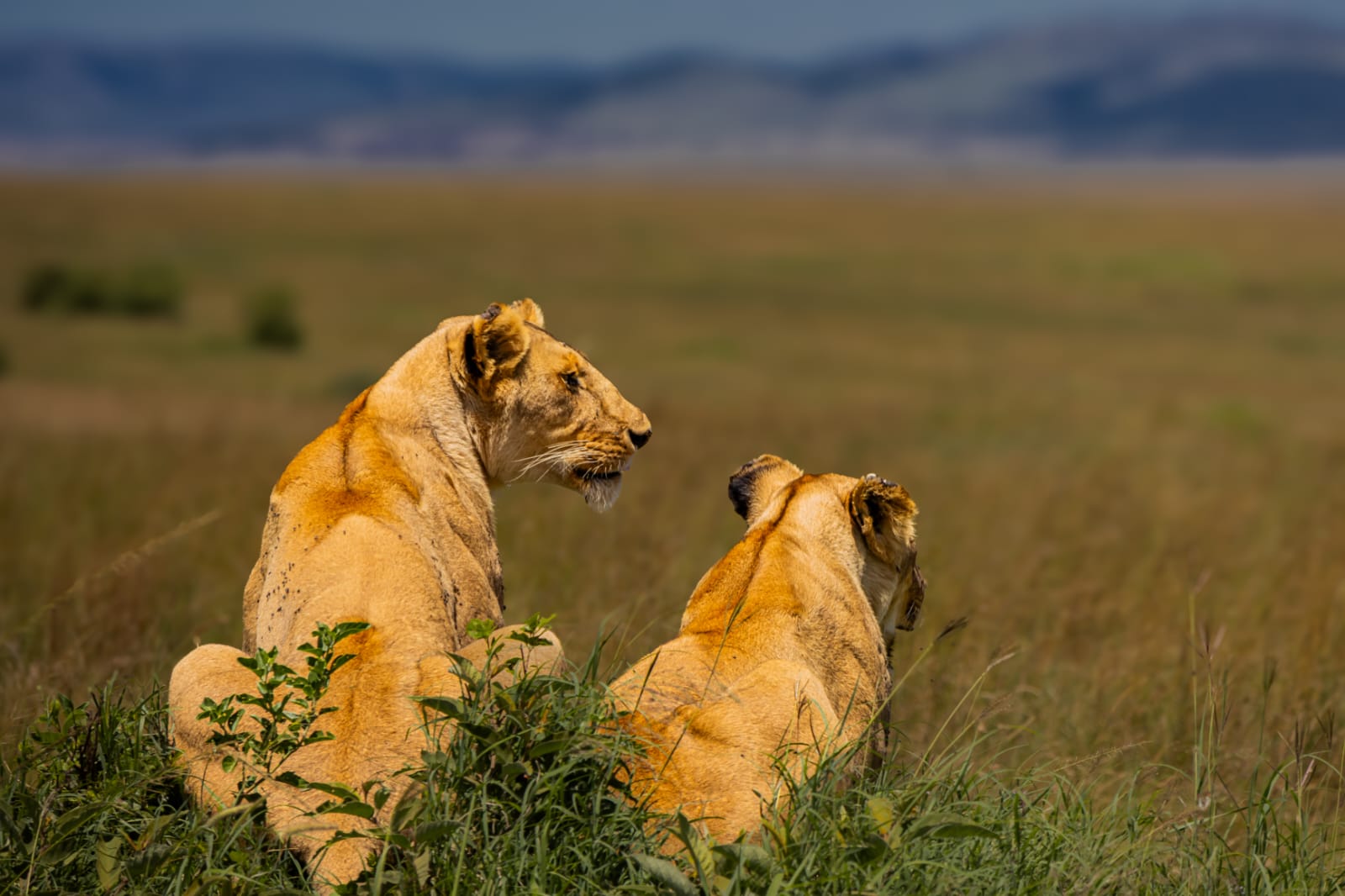
Mara North Conservancy was created through a partnership between more than 800 Maasai landowners and a consortium of high-end tourism operators. It's particularly known for strong lion research and dense predator populations, with Leopard Gorge regularly featured in wildlife documentaries. Guests here also get access to activities like night drives and guided walks — experiences that simply aren't permitted inside the national reserve.

Ol Kinyei Conservancy

Ol Kinyei is the smallest of the main Mara conservancies and is run by the Basecamp Foundation alongside community partners. Its strict vehicle limits produce consistently low-traffic game drives, and it's often recommended for travelers who find the combination of community conservation and an intimate camp experience compelling.

How Have Conservancies Changed Wildlife Numbers and Habitat in the Mara Ecosystem?

Conservancies have expanded the effective wilderness area of the greater Mara ecosystem from around 1,510 square kilometers to well over 3,000 square kilometers over the past two decades. That near-doubling of protected habitat has happened almost entirely through community land-lease agreements rather than government land purchases, which is part of what makes the conservancy model so significant for conservation policy across East Africa.

This matters because wildlife doesn't recognize administrative boundaries. Animals move freely between conservancy land and the national reserve, so every additional square kilometer under conservancy protection functions as real, usable habitat rather than a buffer zone. Moreover, because conservancies limit vehicle numbers and prohibit off-road driving in some zones while permitting it in others, they've also reduced the habitat degradation and disturbance associated with over-tourism inside the national reserve itself.

For travelers weighing where to base a safari, this expanded habitat is part of why many operators now recommend splitting time between a conservancy safari and the national reserve rather than choosing one exclusively. Conservancies tend to offer lower vehicle density and a wider range of permitted activities, while the reserve still delivers the sheer volume and drama of the annual Great Migration crossings.

What Challenges Do Community Conservancies Still Face?

Community conservancies still face real challenges around equitable benefit distribution, historical mismanagement, and the gap between headline revenue figures and everyday household economics. It's worth being honest about these trade-offs rather than presenting the model as a flawless solution.

First, revenue at the conservancy level doesn't always translate evenly into household-level prosperity. Many pastoralist families remain economically vulnerable to recurrent drought, livestock loss, and limited income diversification, even in conservancies generating substantial tourism or carbon-credit revenue. A conservancy can report millions of dollars in annual disbursements while individual households still face real financial precarity, particularly during dry seasons when livestock losses spike.

Second, earlier community revenue-sharing initiatives in the Mara were affected by corruption, mismanagement, and unequal distribution of funds among landowners. That history explains why modern conservancy trusts now emphasize published financial structures, landowner associations, and third-party oversight — accountability measures that didn't always exist in the model's earlier years.

That being said, the trend over the past decade has moved clearly toward greater transparency. Organizations like the Maasai Mara Wildlife Conservancies Association now coordinate conservancy governance across the ecosystem, publishing landowner numbers, lease terms, and revenue figures that weren't previously available to the public. This shift benefits both communities and travelers who want verifiable proof their tourism spend is doing what it claims to do.

How Can You Tell If a Safari Operator Genuinely Supports Local Communities?

You can tell a safari operator genuinely supports local communities by checking whether they itemize conservancy fees separately, name the specific conservancy and landowner association involved, and can explain the revenue-split structure without vague marketing language. This is the single most reliable filter for cutting through generic "ethical safari" claims.

Plus, a few concrete questions can separate operators who understand the model from those simply using it as a selling point:

  • Does the itinerary name a specific conservancy — such as Naboisho, Olare Motorogi, or Mara North — rather than a vague reference to "community-supporting" lodges?
  • Can the operator explain how the lease or revenue-split model works for that particular conservancy, including roughly how funds are divided?
  • Is the conservancy fee itemized separately from accommodation and park fees in your quote, rather than folded into an unexplained lump sum?
  • Does the operator reference the relevant landowner association, such as the Maasai Mara Wildlife Conservancies Association, by name?
  • Are guides and camp staff drawn from the local community, adding a wage-income layer on top of the lease payments?
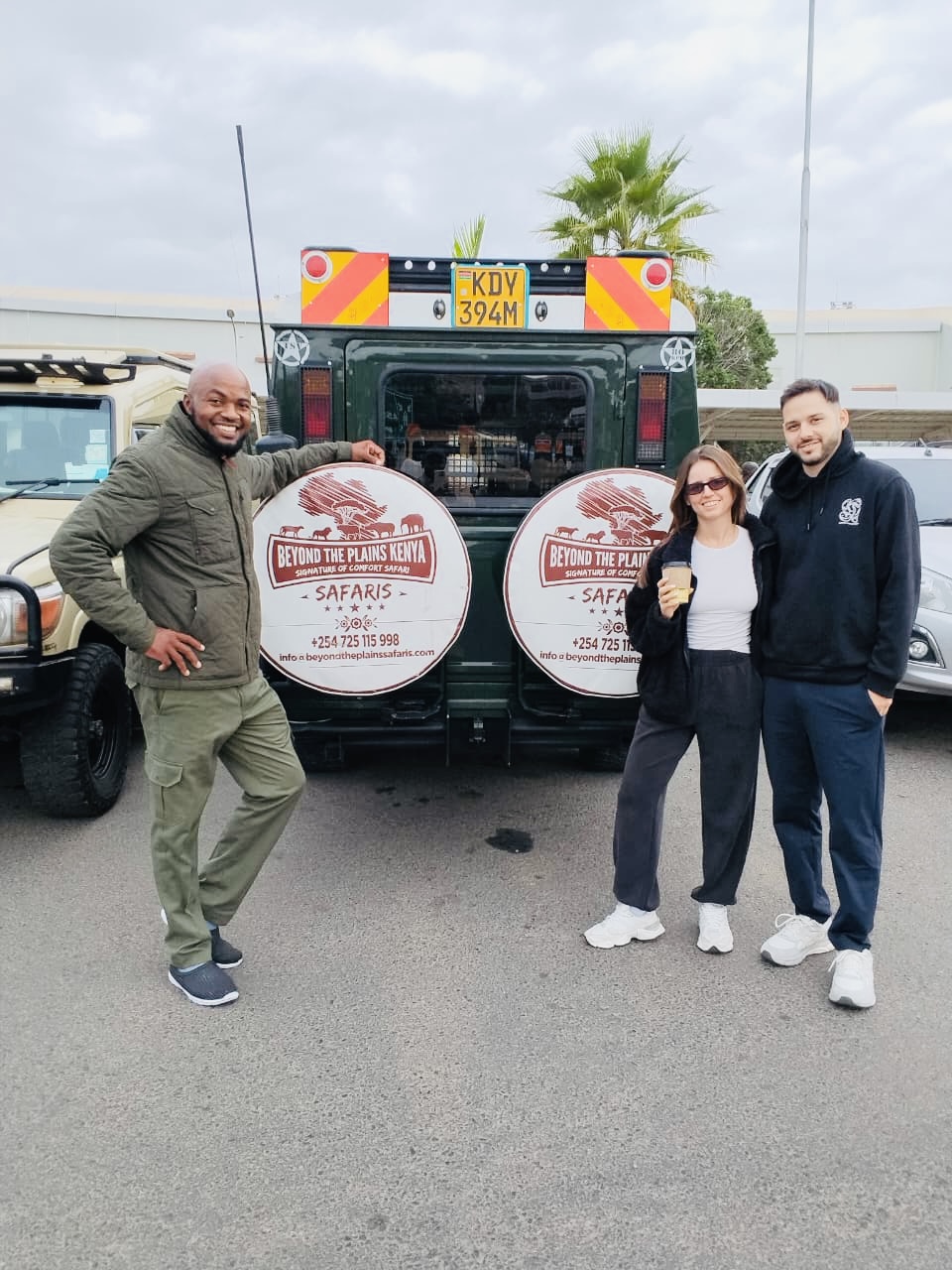
Beyond the Plains Safaris guide with family before a Maasai Mara conservancy game drive

For example, our team at Beyond the Plains Safaris builds conservancy stays into itineraries with the specific conservancy and its landowner structure named upfront, rather than treating "community-based" as a marketing checkbox. If you'd like to read more on how safari tourism connects to conservation funding more broadly, our guide on the impact of safaris on local communities and conservation walks through the mechanics in more depth.

Planning Your Community-Conservancy Safari: What's Next

Planning a safari that genuinely supports Maasai communities starts with choosing the right conservancy for your travel style, then confirming the fee structure with your operator before you book. A few practical steps make this process straightforward.

  1. Shortlist two or three conservancies based on what matters most to you — predator density (Mara North), transparent revenue-sharing (Naboisho), or a smaller, quieter footprint (Ol Kinyei). Our guide to the best private conservancies in Kenya is a useful starting point for comparing options side by side.
  2. Ask your operator to itemize conservancy fees separately from park fees and accommodation costs, so you can see exactly how much of your payment reaches the landowner trust.
  3. Time your trip around the Great Migration if wildlife density is a priority — our Great Migration month-by-month guide breaks down when herds move through conservancy land versus the national reserve.
  4. Consider pairing your conservancy stay with a respectful cultural visit. If a Maasai village visit is part of your itinerary, our honest guide to what actually happens on a Maasai village visit explains what to expect and how to make sure that visit is respectful and fairly compensated too.
  5. Work with an operator who can walk you through the full picture. Our checklist for choosing a Kenya safari operator covers the broader vetting questions worth asking before you commit to any itinerary.

If sustainability and low-impact travel matter to you beyond conservancy fees specifically, it's also worth reading our broader guide to eco-friendly safari options that support conservation in Kenya, which covers everything from lodge sustainability practices to carbon offsetting.

Conclusion

Community-owned conservancies represent one of Kenya's clearest examples of tourism functioning as a genuine conservation and livelihood tool, not just a marketing phrase. When Maasai landowners lease their land instead of selling or farming it, wildlife habitat expands, biodiversity improves, and household income becomes more predictable — all at once. That said, the model isn't perfect, and understanding its real economics, including the challenges around equitable distribution, makes you a more informed traveler rather than a less enthusiastic one.

The next time you see a "community conservancy" listed on a safari itinerary, you'll know exactly what questions to ask and what a genuine partnership actually looks like on paper. Booking a stay in a conservancy like Naboisho, Mara North, or Olare Motorogi isn't just a different kind of safari experience — it's a direct, traceable contribution to the Maasai families who have protected this land for generations.

Written by Linet Wanjiru, Senior Safari Specialist at Beyond the Plains Safaris, with over a decade of hands-on experience designing conservancy-based itineraries across the Maasai Mara ecosystem and working directly with community landowner associations in Kenya.


Linet Wanjiru
Written by

Linet Wanjiru

Senior Safari Specialist. Linet can identify over 300 bird species by sound alone. Her passion lies in Samburu's rugged wilderness, home to the rare Grevy's zebra and reticulated giraffe.

Comments (0)

Leave a Comment

No comments yet. Be the first to comment!

Get In Touch

Get a Free Quote For Your Safari

Recent Blog Posts

Discover

Our Partners

Go To Top