

You already know that a safari is one of the most unforgettable trips a family can take together. But coordinating one for ten, fifteen, or twenty relatives — spanning toddlers, teenagers, working parents, and grandparents with different mobility levels — is an entirely different undertaking than booking a honeymoon safari for two. Most safari advice online is written for couples, which leaves group organizers to figure out accommodation logistics, cost-splitting, and mixed-age itineraries largely on their own. This guide walks you through exactly how to plan a smooth, memorable family reunion safari in Kenya, from choosing the right camps to budgeting, booking, and keeping everyone happy in the process.
Key Takeaways
- A family reunion safari is a group trip, typically involving 8 to 20 or more travelers, organized around shared game drives, accommodations, and activities designed to work for multiple generations at once.
- Exclusive-use camps and private villas are the most practical accommodation choice for large groups because they let a family book an entire property rather than splitting across scattered, unrelated rooms.
- The Maasai Mara, Amboseli, and Samburu are among Kenya's most group-friendly reserves thanks to their range of large-capacity lodges and varied, accessible game-viewing terrain.
- Group safaris often reduce per-person costs through shared vehicle hire, bulk accommodation rates, and negotiated group discounts with tour operators.
- Successful reunion safaris require balancing activity pacing for young children, active adults, and elderly relatives with limited mobility.
- Booking 9 to 12 months in advance is generally necessary for large groups, since camps with enough capacity for 10+ guests fill quickly during peak season.
- Working with a specialist tour operator experienced in group logistics reduces the planning burden and helps coordinate flights, transfers, and dietary or medical needs across the whole party.
What Is a Family Reunion Safari in Kenya?
A family reunion safari in Kenya is a group safari trip, typically involving 8 to 20 or more travelers, planned around shared accommodations and activities that accommodate multiple generations — from young children to grandparents — within a single, coordinated itinerary. Unlike a standard couples' or small-group safari, a reunion safari is built around the logistics of a large, often extended family: it needs enough vehicles, rooms, and activity options to satisfy very different ages, interests, and physical abilities at once.
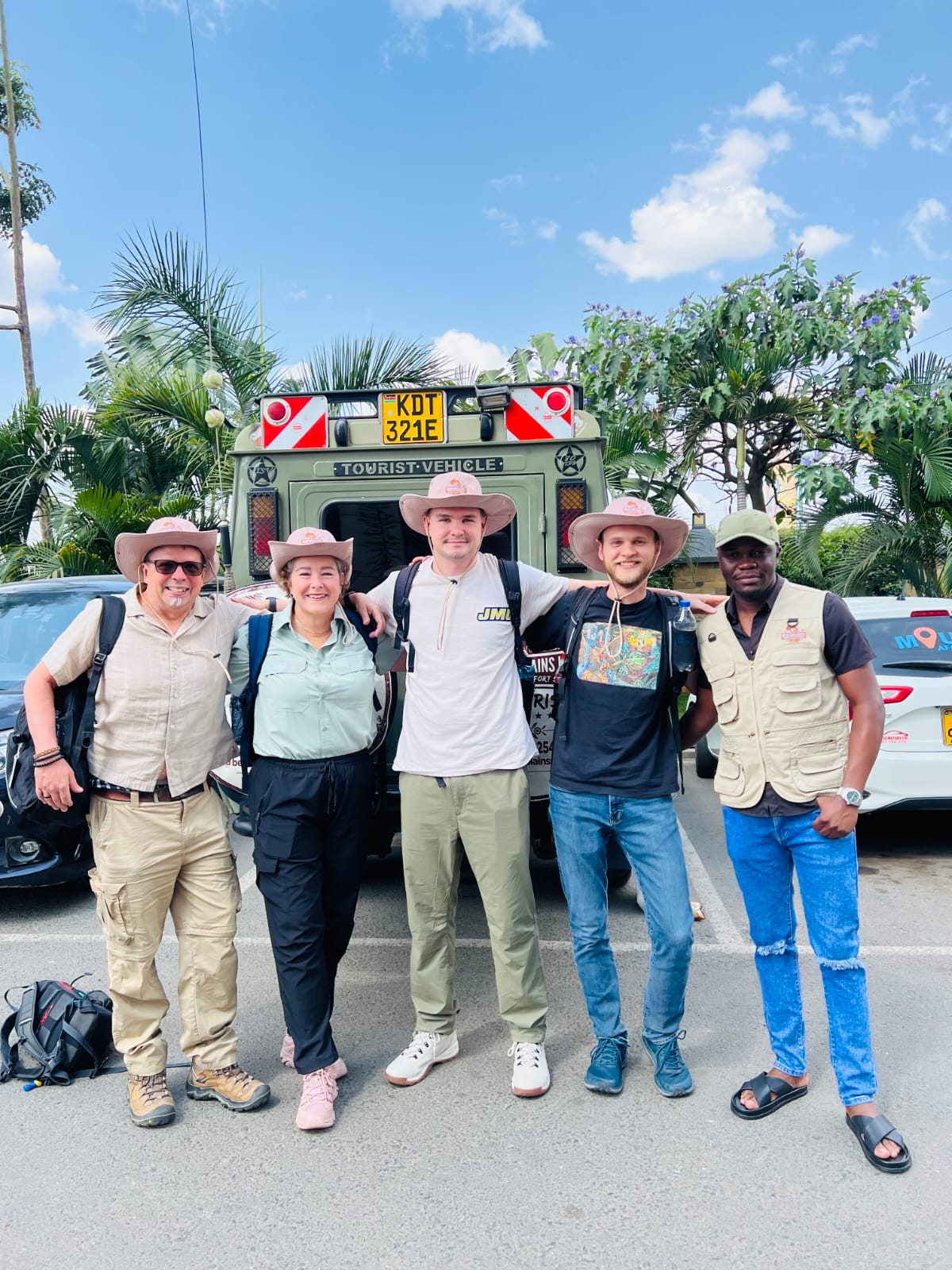
What separates a reunion safari from an ordinary group tour is the relationship between travelers. On a scheduled small-group safari, strangers are pooled into the same vehicle. On a family reunion safari, the group already knows each other, which changes the planning priorities. Organizers care less about meeting new people and more about privacy, shared spaces for reconnecting, and an itinerary flexible enough to let some relatives rest while others go on a longer game drive.
Group size is the defining variable. A party of 8 to 10 people can often be accommodated within a single larger tented camp or lodge wing. Groups of 12 to 20+ typically require exclusive-use camps or private villas — entire properties booked out for one party — because standard lodges rarely have enough connecting rooms in one place. As such, the bigger the reunion, the earlier and more specifically it needs to be planned.
For reference, our family-friendly safari planning guide breaks down how family-specific safari logistics differ from a standard itinerary, and our Kenya safari experiences for families page outlines activities that work particularly well for multi-age groups.
Why Do Family Reunion Safaris Matter?
Family reunion safaris matter because they combine a bucket-list travel experience with the kind of uninterrupted, distraction-free time together that rarely happens at home. Unlike a holiday dinner or a weekend visit, several days spent sharing a vehicle, a campfire, and wildlife sightings create shared memories that a family can reference for years. That emotional return on investment is why reunion safaris have become one of the fastest-growing categories of group travel.
The data backs this up. In 2025, 47% of travelers chose multigenerational or family trips, up 17% over the previous year — Source: Squaremouth 2025 Travel Trends Survey. Among grandparents specifically, 71% had already traveled with their children and grandchildren, and 57% planned to take another multigenerational trip — Source: Family Travel Association, 2025 Survey. That pattern of grandparents funding or joining extended family trips is sometimes called "grandtravel," and safaris are one of its most requested formats because the experience appeals equally to children and older travelers.
At the same time, families are becoming more deliberate about why they travel together. 89% of Millennial and Gen Z parents cited "quality time" as their main reason for bringing extended family on vacation, ahead of any practical motivation like childcare support — Source: American Express 2025 Global Travel Trends Report. A safari answers that need directly: everyone is off their phones, everyone is looking at the same herd of elephants, and everyone has a story to tell at dinner.
For Kenya specifically, the timing is favorable. The country welcomed an estimated 7.9 million total tourists in 2025 — 2.7 million international and 5.2 million domestic — with the sector generating roughly KSh 500 billion (about $3.84 billion) in revenue, a 10% increase over 2024 — Source: Kenya Tourism Sector Performance Report, 2025. That growth reflects continued investment in the lodges, guides, and vehicle fleets that make large-group logistics realistic — infrastructure that simply didn't exist at the same scale a decade ago.
How Do You Choose the Right Group Size and Travel Dates?
Choosing the right group size and travel dates starts with being honest about how many people can realistically commit, then working backward from Kenya's peak wildlife seasons to lock in dates before availability disappears. These two decisions shape almost every other choice in the planning process, from which camps you can book to how much the trip will cost per person.
Setting a Realistic Headcount
First, separate the "definitely coming" list from the "maybe" list early, because vehicle and room allocations are usually confirmed against a fixed number. A group of 8 fits comfortably into two standard 4x4 safari vehicles, while a group of 16 to 20 typically needs four to five vehicles and a property large enough to house everyone under one roof. For a closer look at how vehicle capacity affects group logistics, see our guide to Kenya safari vehicles, 4x4 Land Cruisers, and seating configurations.
Second, build in a buffer for cancellations. Large family groups often lose one or two travelers to work conflicts, health issues, or budget changes between the initial headcount and final payment. As such, many operators recommend confirming rooms slightly above your minimum comfortable number, then releasing unused space closer to the deposit deadline rather than under-booking and scrambling later.
Picking the Best Travel Window
At the same time, your dates need to align with Kenya's wildlife calendar. The Great Migration typically moves through the Maasai Mara between July and October, making this the busiest — and most booked-out — window for large-group camps. Families chasing this specific event should read our month-by-month Great Migration guide to understand exactly when river crossings are most likely.
For groups less fixed on the migration, Kenya's dry seasons (roughly January–March and June–October) offer easier game viewing and more predictable road conditions, while the shoulder months can mean lower rates and thinner crowds. Our best time to visit Kenya for a safari guide breaks down the trade-offs season by season, and if cost is the deciding factor, the cheapest time to book a Kenyan safari is worth reading before you set dates.
What Are the Best Accommodation Options for Large Safari Groups?
The best accommodation options for large safari groups are exclusive-use camps, private villas, and lodges with connecting family cottages, because they let an entire party stay together on one property instead of being scattered across a shared lodge with other guests. Standard double or twin rooms designed for couples simply don't scale well once a group passes eight to ten people.
Exclusive-use camps are entire tented camps or lodges booked out for a single group, with no other guests on the property during your stay. This model gives families full control of shared spaces — the dining area, lounge, and campfire — and often allows the itinerary, meal times, and even game drive routes to be customized around the group's preferences. For a deeper look at this option, see our guide to exclusive-use and private camps in Kenya and our roundup of Kenya's best private conservancies, many of which specialize in buy-out bookings for reunions.
Family cottages and connecting rooms work well for mid-sized groups of 8 to 12 who don't need — or can't justify the cost of — a full property buy-out. Many established lodges in Amboseli, the Maasai Mara, and Lake Nakuru offer multi-bedroom family units or clusters of adjoining rooms that keep the group physically close without requiring exclusivity.
| Group Size | Best Accommodation Type | Typical Vehicle Need | Booking Lead Time |
|---|---|---|---|
| 8–10 guests | Family cottages / connecting rooms in a standard lodge | 2–3 vehicles | 6–9 months |
| 11–15 guests | Larger lodge wing or partial exclusive-use camp | 3–4 vehicles | 9–12 months |
| 16–20+ guests | Full exclusive-use camp or private villa | 4–5+ vehicles | 12+ months |
For a broader look at property options across Kenya, browse our Kenya lodges directory, and consider conservancies purpose-built for privacy such as Mara North Conservancy and Naboisho Conservancy, both of which limit visitor density and suit groups wanting a quieter, more exclusive base.
That said, accommodation preference is rarely uniform across a large family. 50% of families now prefer vacation rentals or self-contained accommodation over traditional hotel rooms, largely for the privacy and shared-kitchen convenience they offer — Source: Hotelagio Family Travel Statistics, 2025. On safari, exclusive-use camps deliver a similar benefit: a shared lounge and dining tent function much like a rental's common area, giving the group a natural gathering point between game drives without sacrificing each household's privacy at night. When comparing properties, ask specifically whether rooms are physically clustered together or spread across a large property, since "family cottage" branding doesn't always guarantee proximity.
It's also worth deciding early whether your group wants one base camp for the whole trip or a multi-park circuit with two or three stops. A single-base stay is simpler logistically and easier on elderly relatives, since luggage and routines stay settled. A circuit, by contrast, showcases more of Kenya's landscapes but multiplies the coordination required for transfers, packing, and check-ins across a large party — a trade-off worth discussing as a family before requesting quotes.
How Much Does a Group Safari in Kenya Cost Per Person?
Group safari costs per person generally fall as the group grows, because fixed costs like vehicle hire, guide fees, and park entry logistics are shared across more travelers, even though accommodation and park fees themselves don't get cheaper individually. A family of four splitting a private vehicle pays a very different per-person rate than a solo traveler joining a scheduled group tour.
First, understand what actually drives the price. Accommodation is usually the single largest line item, followed by park and conservancy fees, ground transport, and guiding. For example, Maasai Mara park fees for 2026/27 are charged per person per day regardless of group size, so this portion of the budget scales linearly no matter how large the reunion is. Vehicle hire and private guiding, by contrast, are largely fixed costs — a vehicle that costs the same to run for two guests or six means a much lower per-person share once the vehicle is full.
For a full breakdown of what typically goes into a Kenya safari budget, see our detailed Kenya safari cost guide and our day-by-day cost analysis. If your group is weighing a leaner budget against comfort, our budget Kenya safari guide is a useful starting point, while our comparison of mid-range vs. luxury safari options helps groups with mixed budgets find a middle ground everyone is comfortable with.
Second, factor in the "hidden" costs that catch first-time group organizers off guard: travel insurance, tipping, domestic flights between parks, and visa or entry fees. Our Kenya safari tipping guide explains typical guide and staff gratuities for a group, which can add up meaningfully across a party of 15 or more. It's also worth noting that only 47% of travelers currently purchase travel insurance for family trips, despite affordability concerns being the top challenge cited by 73% of families planning multigenerational travel — Source: Family Travel Association, 2025 Survey. For a group safari, where deposits are non-refundable and dates are hard to shift, insurance is one of the more important line items to budget for, not skip.
Finally, understand how deposits and balances typically work. Most operators require a deposit to hold exclusive-use camps or block-book rooms for large parties, with the balance due closer to travel. Our safari deposit and balance due guide explains standard payment structures so your family can plan collections and due dates without surprises. When you're ready to see line-item pricing for your specific group, our consultation page is the fastest way to get a tailored quote.
Which Kenyan Parks Are Best Suited for Large Family Groups?
The Kenyan parks best suited for large family groups are those with a wide range of large-capacity lodges, accessible terrain, and reliably high wildlife density — a combination that lets group organizers find suitable accommodation while keeping game drives short and comfortable for less mobile relatives. Four reserves consistently meet this bar.
Maasai Mara National Reserve
The Maasai Mara National Reserve is Kenya's flagship safari destination and offers the widest selection of large-capacity camps and lodges in the country, making it a natural anchor for reunion trips. Its open grassland terrain also means shorter drive times between sightings, which matters when elderly relatives or young children have limited patience for long transfers. Groups planning a Mara-based reunion should also read our honest look at whether the Maasai Mara is too crowded, since choosing the right conservancy over the main reserve can significantly change the experience for a large private party.
Amboseli National Park
Amboseli National Park pairs large elephant herds with unobstructed views of Mount Kilimanjaro, giving families a dramatic, photogenic backdrop that appeals to every generation. Its relatively compact size also means less time spent driving between camp and game-viewing areas — a practical advantage for groups traveling with young children or grandparents who tire on long transfers.
Samburu National Reserve
Samburu National Reserve offers a genuinely different landscape and species mix — including the "Samburu Special Five" not commonly found further south — which appeals to reunion groups that include repeat visitors to Kenya wanting something beyond the classic Mara circuit. Our full Samburu safari guide covers logistics and lodge options in more detail.
Tsavo and Ol Pejeta
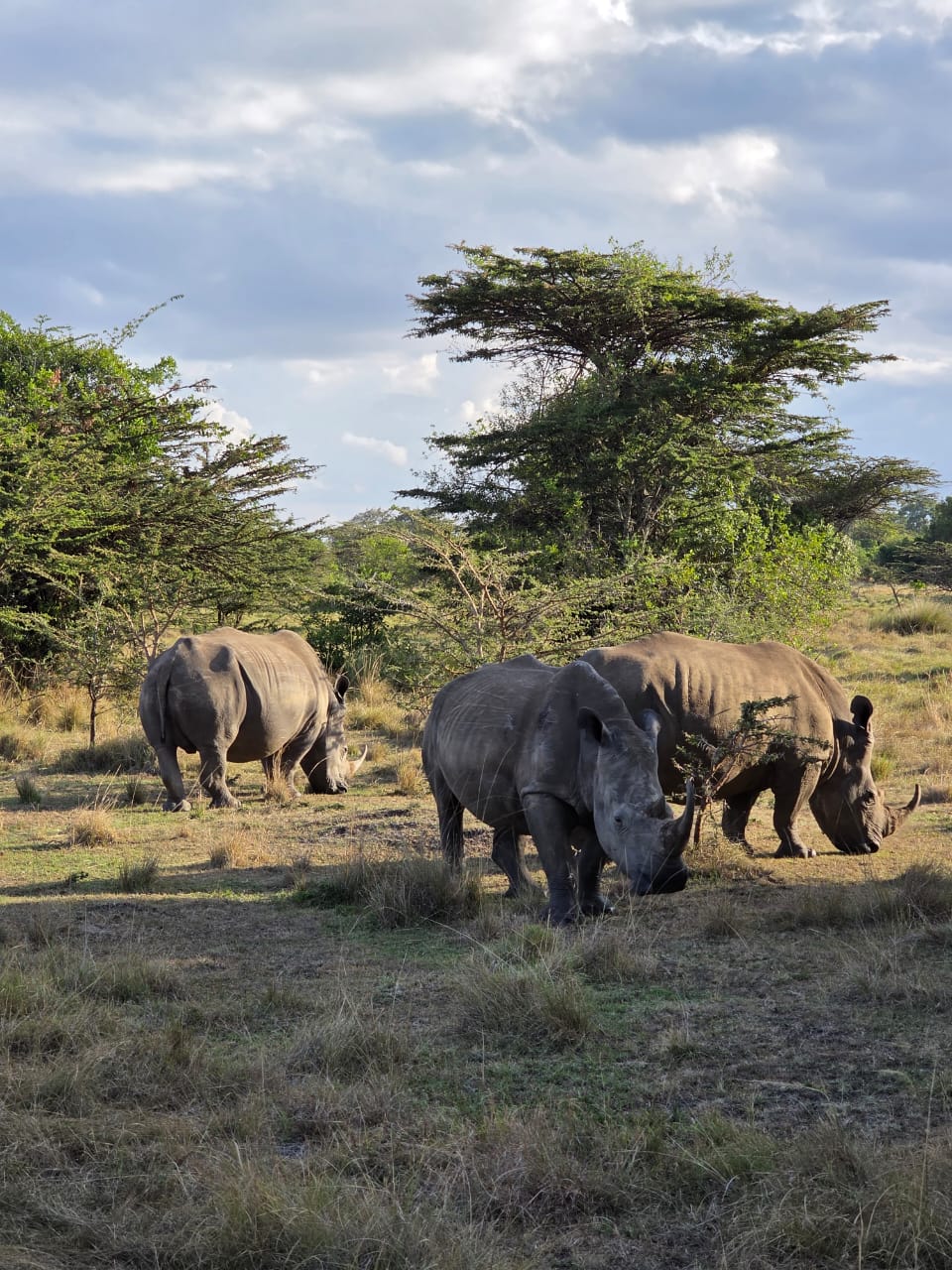
The Tsavo East and Tsavo West ecosystems form Kenya's largest protected area and offer strong value for larger groups, particularly those combining a safari with the coast via safaris from Mombasa or Diani Beach. Meanwhile, Ol Pejeta Conservancy is one of the most accessible rhino sanctuaries in East Africa and works well as an easy first or last stop for groups also visiting Lake Nakuru National Park. Families wanting a more remote, conservancy-based experience should also consider Laikipia's private conservancies, several of which specialize in horseback and walking activities that suit active, multigenerational groups.
What Activities Work Best for Mixed-Age Family Groups on Safari?
The activities that work best for mixed-age family groups are those that can flex in length and intensity, so that the same broad experience — a game drive, a bush walk, a cultural visit — can be shortened or slowed down without anyone feeling left out. Rigid, single-pace itineraries are the most common source of frustration on large reunion safaris.
First, build flexible game drives into the schedule rather than one long fixed outing per day. A three-hour morning drive with an optional shorter afternoon session lets energetic teenagers and adults go further while grandparents or very young children rest at camp. Many exclusive-use properties will happily split a large group into two smaller vehicles running different-length routes, which is one more reason private camps suit reunions better than fixed group tours.
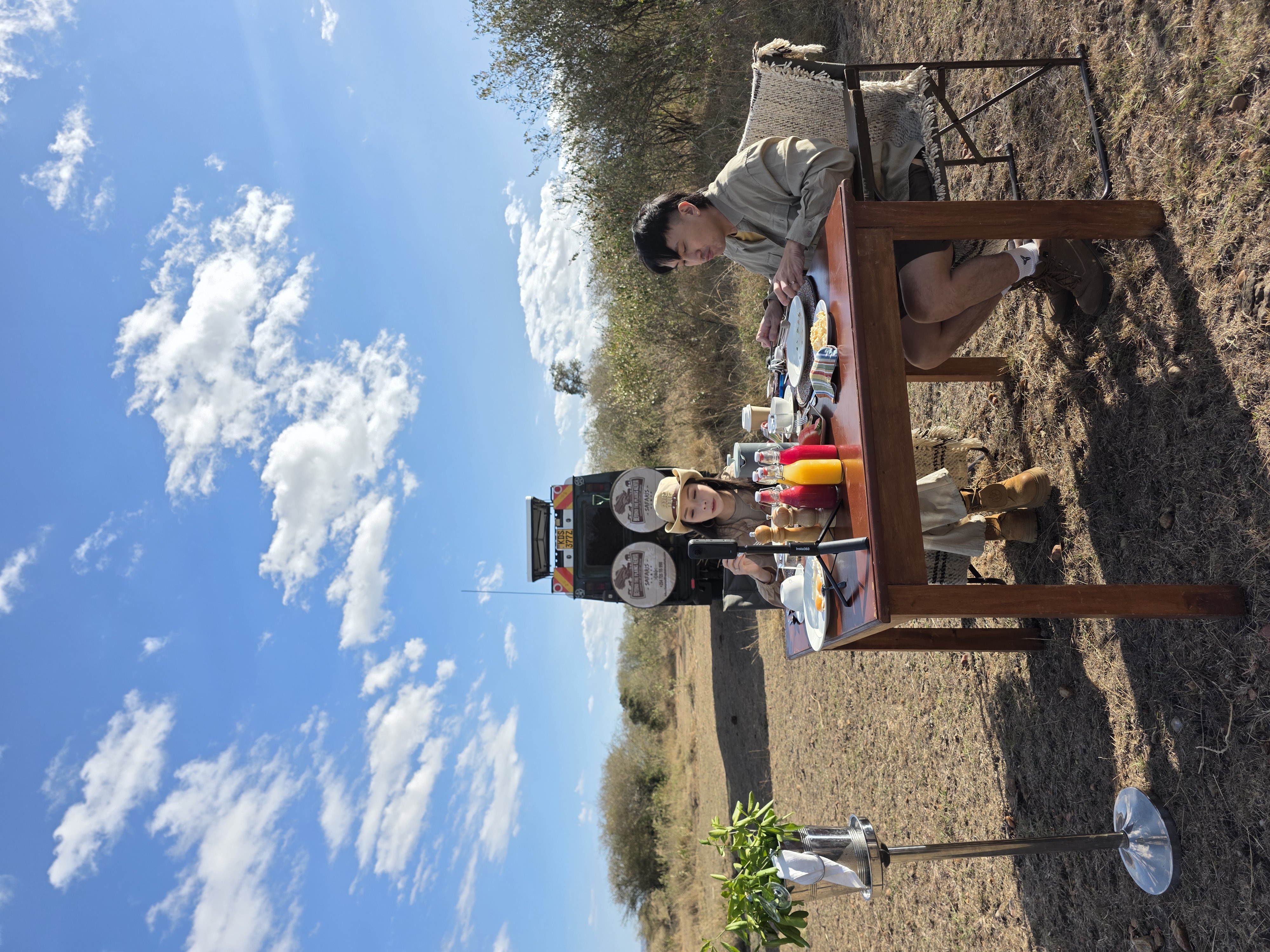
Second, layer in low-intensity, high-reward activities alongside game drives. Sundowners at a scenic viewpoint, a short guided nature walk near camp, or a Maasai cultural visit all deliver a rewarding experience without demanding much physical stamina. Our guide on what actually happens during a Maasai village visit is useful for setting expectations honestly before you add one to the itinerary.
Third, plan specifically for the age extremes in your group. For families traveling with young children, our Kenya safari packing list and our dedicated family safari experiences guide cover practical preparation, while our 9-day family safari itinerary shows a real-world example of pacing built around children. On the other end, our guide to Kenya safari companies best suited for senior travelers from the USA covers accessibility considerations — vehicle entry height, walking distances at camp, and medical support — that matter for grandparents joining the trip.
Finally, don't overlook health preparation as part of "activity planning." Only 62% of parents currently travel with children under five, and health and safety concerns remain one of the top reasons families hesitate on longer-haul trips — Source: Condor Ferries Family Travel Statistics, 2025. A short call with your doctor about routine and recommended vaccinations, covered in our Kenya safari vaccinations and health guide, removes one of the biggest sources of last-minute anxiety for group organizers.
Should You Hire a Private Tour Operator for a Group Safari?
Yes — for groups of eight or more, hiring a specialist tour operator is almost always worth it, because coordinating multiple vehicles, exclusive-use bookings, dietary needs, and payment collection across a large family is a significant logistical undertaking that a single family member rarely has time to manage alongside everything else a reunion involves. A good operator effectively becomes the project manager for the trip.
First, understand what a group-specialist operator actually does differently from a standard booking. They negotiate exclusive-use rates directly with camps, coordinate multi-vehicle convoys so the group travels together rather than in scattered timing, and act as a single point of contact for the dozens of small decisions — meal preferences, room allocations, special occasion requests — that come up in a large party. Our guide on how to choose a Kenya safari operator walks through the specific questions worth asking before you commit.
Second, compare quotes carefully, since group pricing can vary significantly between operators for what looks like the same itinerary on paper. Our step-by-step guide on how to compare Kenya safari quotes and our checklist of questions to ask before booking a safari help you avoid comparing quotes that look similar but include very different levels of service.
Third, if your reunion doubles as a milestone celebration or corporate-adjacent event — a 50th wedding anniversary, a big-birthday trip, or a family business retreat — it's worth reading our corporate retreats and incentive travel planning guide, which covers many of the same exclusive-use and group-logistics principles that apply to a family reunion. And if your group is debating a fully private safari against a semi-scheduled group tour, our comparison of group vs. private safari experiences lays out the trade-offs plainly.
When you're ready to move from research to planning, our consultation page connects you directly with a planner who works specifically on multi-vehicle, multi-generational itineraries, and you can also reach our team directly through our contact page.
Fourth, ask exactly what's included versus what's charged as an extra. Group quotes can look similar on the surface while hiding very different inclusions — park fees, meals, laundry, or internal flights may or may not be bundled in. Our breakdown of what's included in a Kenya safari package and how to choose is a useful reference to hold every quote against, so your family compares apples to apples rather than being swayed by a lower headline price that excludes essentials.
What Are the Common Mistakes When Planning a Large Group Safari?
The most common mistakes when planning a large group safari are booking too late, assuming one itinerary pace will suit everyone, and underestimating how payment logistics work across many travelers. Each of these is avoidable with the right planning sequence, but they account for the vast majority of last-minute stress reported by group organizers.
Booking too late is the single biggest mistake. Exclusive-use camps and multi-room lodge wings have inherently limited inventory — there's only one property, and once it's booked for another group's reunion, it's gone. Families who wait until three or four months before travel to start locking in dates frequently find their first-choice camps unavailable, especially during the July–October migration season. Our guide to common Kenya safari itinerary mistakes covers this pattern in more detail, along with what experienced planners recommend instead.
Assuming a single pace fits everyone is the second major mistake. A itinerary built around what the most adventurous member of the family wants — long drives, early starts, physically demanding walks — often exhausts younger children and older relatives within the first two days. The fix, as covered above, is building optional, splittable activities into each day rather than one fixed group schedule.
Underestimating payment logistics is the third common mistake. Collecting deposits and balances from 10 or more separate households, often across different currencies and payment methods, takes real coordination. Appointing one family "trip treasurer" and reviewing our safari deposit and balance due guide early prevents the awkward scramble that often happens in the final weeks before departure. For a broader library of ready-made itinerary structures your family can adapt, our best Kenya safari itineraries roundup is a good starting point before finalizing your own.
What's Next: Steps to Start Planning Your Reunion Safari
Once your family has agreed on the idea, the practical next step is to lock in a headcount, a budget range, and a rough travel window before contacting any operator, since these three variables determine almost every other recommendation you'll receive.
- Confirm your core group and a realistic headcount. Send a simple availability poll to your extended family with two or three possible date windows and get firm "yes" responses before booking anything.
- Set a per-person budget range as a family. Use our Kenya safari cost guide to align expectations across generations before anyone starts camp-shopping independently.
- Check visa and entry requirements early. Requirements can differ by nationality, so review our visa requirements for a Kenya safari trip and our Kenya eTA guide for safari travelers well before travel dates are finalized.
- Book accommodation and vehicles 9–12 months out for groups of 12 or more, since exclusive-use camps and connecting-room lodges have limited large-party capacity and sell out fastest during peak migration season.
- Assign a single point of contact within the family to liaise with your tour operator — this avoids duplicated questions and keeps decisions moving.
- Start a shared packing and prep checklist, using our safari packing checklist as a base, so families with children and older relatives aren't scrambling in the final week.
- Request a tailored group quote. Reach out through our consultation page with your headcount, dates, and budget range to get a real, itemized proposal rather than guessing from generic online pricing.
Conclusion
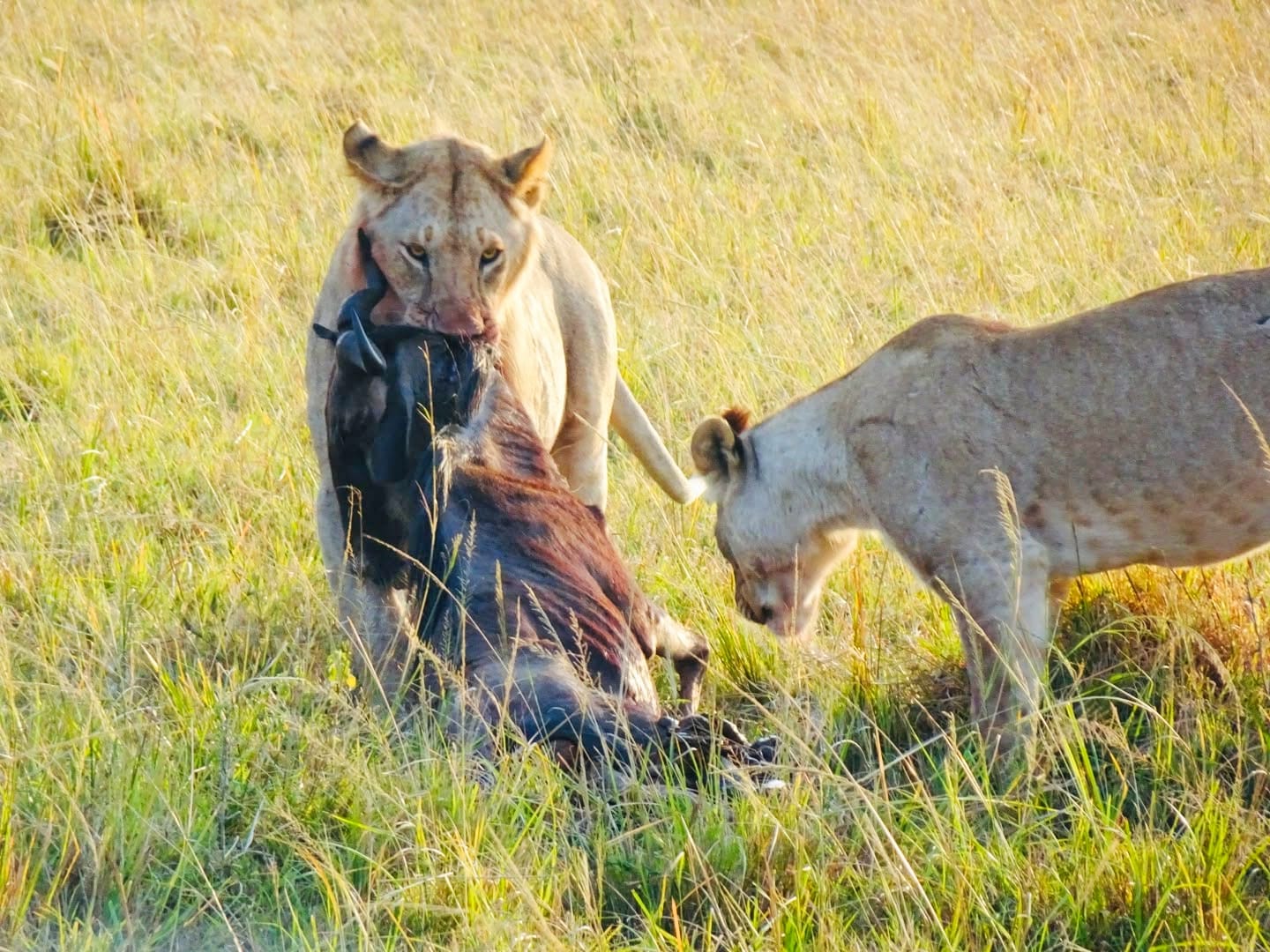
Planning a family reunion safari in Kenya is genuinely more complex than booking a couple's trip — but the complexity is entirely manageable once you break it into the right order: headcount and dates first, accommodation and budget second, parks and activities third, and a specialist operator woven through the whole process. Done well, the payoff is one of the rare trips that actually delivers on the promise of "quality time together" — a shared sighting of a lion pride, a sundowner toast on the plains, and stories that get retold at every family gathering for years afterward. Your family's reunion safari starts with a single conversation: talk to our Beyond the Plains Safaris team through the consultation page, and let us handle the vehicles, the camps, and the logistics while you focus on the people you're traveling with.










Comments (0)
Leave a Comment
No comments yet. Be the first to comment!