

Planning Your First Private Safari in East Africa: What Actually Makes the Difference (Tips You Shouldn’t Ignore)
I’ve been helping people plan private safaris across Kenya and Tanzania for over 15 years, coordinating more than 1,300 trips. What stands out isn’t just the wildlife sightings, it’s the shift that happens when travelers move from a simple checklist mindset to fully experiencing the rhythm of the bush: quiet mornings, changing light, and the unexpected moments that stay with you long after the trip ends.
If you’re considering a private safari, these are the factors that consistently determine whether the experience feels seamless or frustrating.

Timing Changes Everything
When you travel directly shapes what you experience.
- February–March: Calving season in southern Serengeti National Park — high predator activity, fewer crowds
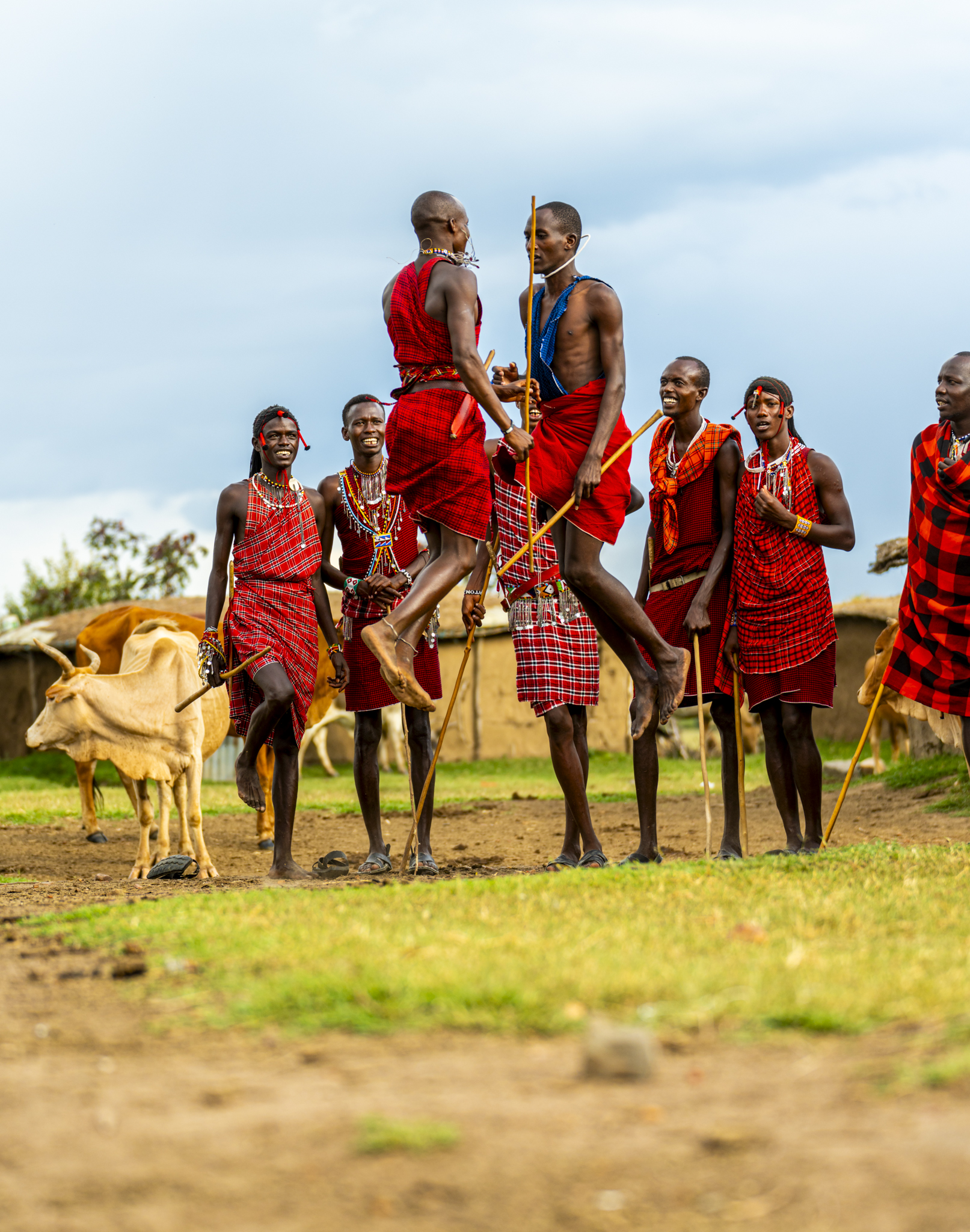
- July–October: Migration crossings in Maasai Mara National Reserve, dramatic but busy
- May–June, November (often overlooked):
- Fewer vehicles
- Greener landscapes
- Better overall value
In many of the safaris I’ve planned, travelers who choose shoulder seasons end up with a more relaxed and visually rewarding experience, provided they’re comfortable with occasional rain.

Private Vehicle vs Shared Is the Single Biggest Upgrade
This is where most first-time travelers underestimate the impact.
With a shared vehicle:
- You follow a fixed schedule
- Time at sightings is limited
- Group dynamics influence decisions
With a private safari:
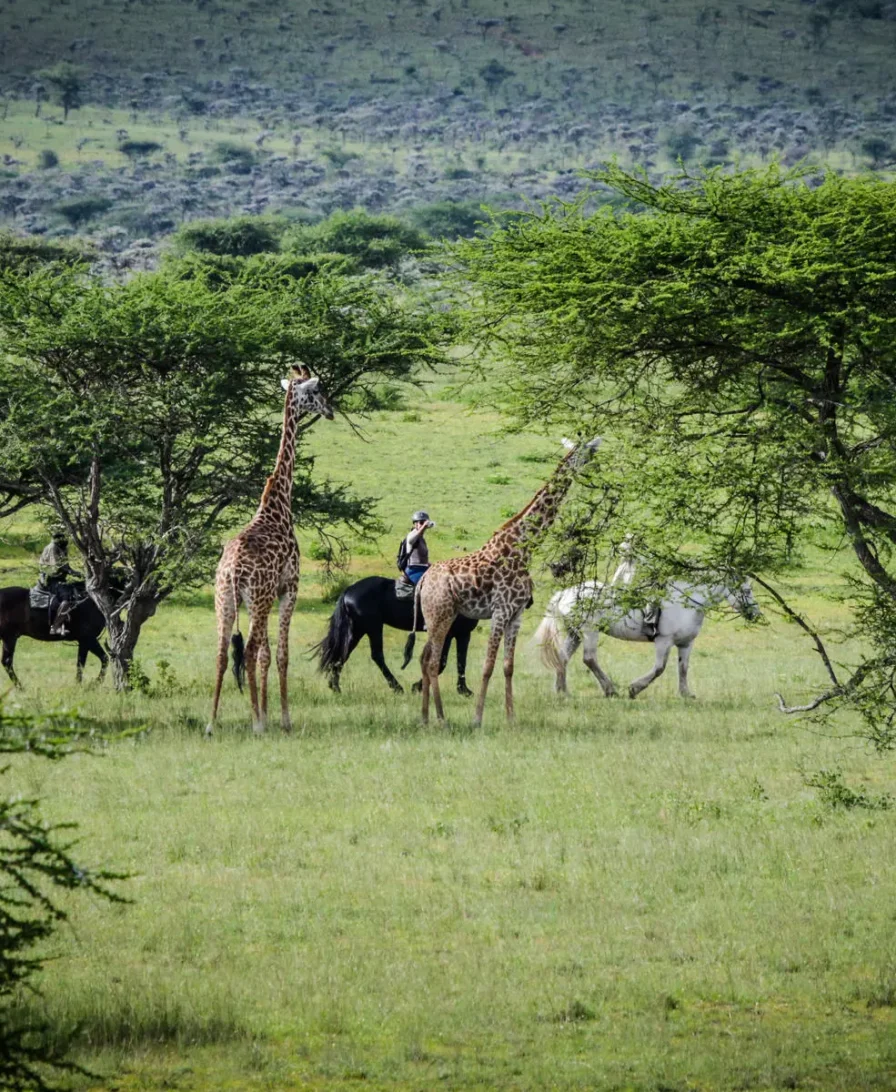
- You control the pace
- You stay longer at key sightings
- You adjust based on light, wildlife movement, and your own energy
In practice, this flexibility is what turns a standard safari into something far more personal and immersive.
Practical Packing That Actually Matters
What you bring directly affects your comfort in the field.
Focus on:
- Layered clothing (cold mornings, warm afternoons)
- Neutral tones (less disturbance to wildlife)
- Your own binoculars (better viewing experience)
- A reliable power bank
Avoid:
- Bright whites and bold colors
- Heavy outfits
- Strong fragrances
I’ve seen many travelers overpack for appearance and underpack for conditions, the latter is what matters.
Sustainability and Giving Back
Not all “eco-friendly” claims are equal.
Operators worth considering typically:
- Support conservation initiatives (anti-poaching, community programs)
- Employ and train local staff with fair wages
- Work with camps that actively reduce environmental impact
When these elements are in place, the safari contributes to preserving the same landscapes you’re there to experience.

Common Mistakes I See Repeatedly
- Trying to cover too many parks in too few days
- Underestimating fatigue from early starts and rough roads
- Booking peak season too late (limited availability)
- Focusing only on the Big Five and missing quieter moments
The pattern is consistent: over-optimization leads to a rushed, less enjoyable trip.
Final Thought
A well-planned private safari isn’t about maximizing locations—it’s about pacing, timing, and flexibility.
I run Beyond the Plains Safaris, based in Nairobi, focusing on private, well-paced journeys across East Africa. If you’re looking for practical planning insights or real traveler experiences, you can explore more here:
If you have specific travel dates or a particular type of experience in mind, photography, family travel, or something more relaxed, it’s worth getting tailored advice early, especially for peak seasons.
Beyond the Plains Safaris was also recognized at the 2025 Tourism Excellence Awards by the Tourism Regulatory Authority, reflecting a consistent focus on thoughtful, experience-driven safari planning rather than volume.










Comments (3)
Leave a Comment
Thank you for sharing this information. It will really help first-time safari travelers.
Thank you—I’m glad you found it helpful!
That’s exactly who this guide is for. A private safari gives first-time travelers more clarity, flexibility, and control—especially when navigating a new destination like East Africa for the first time. With a dedicated guide and customized pace, it helps remove the guesswork and makes the experience far more immersive and stress-free.
Appreciate you taking the time to share your thoughts!
Thanks for sharing the informative and amazing blog
Thanks so much—I really appreciate it!
This guide is based on real, on-the-ground safari planning experience, so the focus is on sharing practical, up-to-date insights that travelers can actually use when considering a private safari in East Africa.
Glad you found it valuable, and thanks again for reading!
Great post, I really enjoyed reading this. The information is clear and helpful. Thanks for sharing such useful content with us.
Thank you for the thoughtful feedback—I really appreciate you taking the time to read and engage with the article.
This guide is based on real, on-the-ground experience planning and curating private safaris across East Africa, not just general travel advice. The goal was to provide accurate, experience-backed insights into what truly makes a difference—whether it’s choosing the right private conservancies, working with expert local guides, or understanding how logistics and flexibility impact the overall safari experience.
We’re continuously updating our content to reflect the latest travel realities, pricing structures, and destination insights so travelers can make well-informed decisions with confidence.
If you’re considering a private safari in Kenya or East Africa and want tailored, expert-led guidance, there’s more in-depth information on the site to help you plan the right itinerary for your travel style.
Thanks again for your support—it genuinely means a lot.