

Mara North Conservancy Safari: The Complete Guide to Camps, Wildlife and Booking
By Linet Wanjiru, Senior Safari Specialist at Beyond the Plains Safaris
I have sat with clients from London, Amsterdam, Toronto, and Denver at the same fireplace in the Mara North Conservancy, all asking me some version of the same question on their last night: why didn't we come here sooner? Mara North is the largest of the private conservancies bordering the Maasai Mara National Reserve, and in my experience it is also the most misunderstood by first-time visitors, who often assume "conservancy" means smaller and less impressive than the reserve itself. It is neither. It is bigger than several national parks I could name, it holds one of the highest wildlife densities anywhere in East Africa, and it operates under rules that make certain kinds of safari experiences possible here that simply are not permitted inside the Maasai Mara National Reserve proper.
This guide is the resource I wish I could hand every European and North American client before their first consultation call. It covers what Mara North actually is, its full history and conservation model, every one of its member camps with a direct link to book, the wildlife and activities you can expect, the best time to visit, how to get there from Europe and North America, and what a trip here realistically costs. I have built and re-built itineraries around this conservancy for well over a decade, and this is everything I know about it in one place.
What Is Mara North Conservancy?
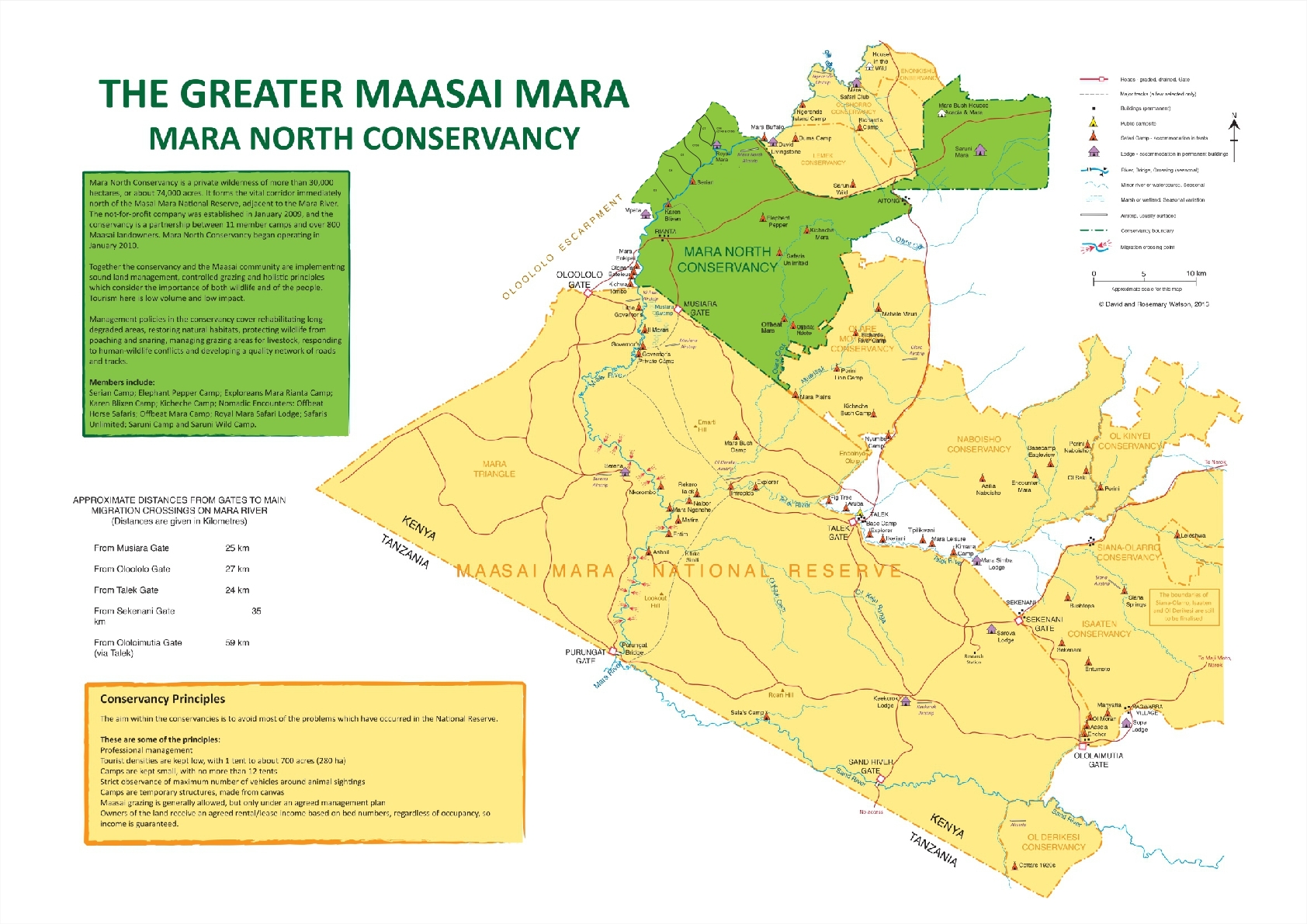
Mara North Conservancy (MNC) is a private, not-for-profit wildlife conservancy of more than 70,000 acres (around 28,500 hectares) forming the northwestern boundary of the Maasai Mara ecosystem in southwest Kenya. It was formally established on 1 January 2009, when 750 Maasai landowners agreed to lease their individual parcels of land into a single, unfenced conservation area managed jointly with a group of tourism partners. That number of landowners has grown to more than 800 today. In exchange for guaranteed, fixed monthly lease payments, the Maasai families forgo subdividing, fencing, or farming the land, keeping the wider ecosystem open for wildlife to move freely between Mara North, the neighbouring conservancies, and the national reserve itself.
Mara North is a partnership between its member camps and its Maasai landowner community, governed by an elected board of directors working alongside a Maasai Landowners' Committee. It carries an average bed density of roughly one guest bed per 350 acres, among the lowest densities anywhere in the greater Mara ecosystem, and it appears on the IUCN Green List in recognition of its conservation standards.
At a glance:
| Fact | Detail |
|---|---|
| Size | Over 70,000 acres (approx. 28,500–30,000 hectares) |
| Established | 1 January 2009 |
| Landowners | Over 800 Maasai families (750 at founding) |
| Member camps | 11 permanent camps plus 2 mobile horseback safari operators |
| Borders | Maasai Mara National Reserve (south), Olare Motorogi and Naboisho Conservancies (east), Mara River along part of the northern edge |
| Bed density | Approximately 1 bed per 350 acres |
| Biodiversity | Over 550 recorded bird species and around 95 mammal species |
| Nearest airstrips | Mara North Airstrip, Ngerende Airstrip |
| Distance from Nairobi | Approx. 270 km by road (4.5–6 hours); around 45–60 minutes by light aircraft from Wilson Airport |
| Known for | High lion and leopard density, resident cheetah population, Leopard Gorge, low vehicle density, walking safaris and night drives |
| Best for | First-time luxury travellers, photographers, honeymooners, families, repeat Mara visitors wanting more space and fewer vehicles |
The History Behind Mara North Conservancy
Understanding why Mara North exists helps explain why the safari experience here feels so different from the national reserve. Through the 1980s and 1990s, land in the Mara ecosystem outside the reserve boundary was under increasing pressure. Individual Maasai landowners, holding title to parcels that had traditionally supported both livestock and wildlife, faced growing incentives to subdivide, fence, and convert land to agriculture as populations grew and economic pressures mounted. Fencing in particular is disastrous for a migratory ecosystem: it blocks the corridors that wildebeest, zebra, elephant, and predators depend on to move between grazing areas and water across the seasons.
In 2008, a group of tourism operators approached local Maasai leaders to find a shared, sustainable solution. After extended consultation, 750 landowners agreed to lease their combined parcels into what became Mara North Conservancy, officially founded on 1 January 2009. The model was, at the time, genuinely innovative: camps committed to paying fixed monthly lease payments to landowners regardless of tourism demand, meaning Maasai families received predictable, transparent income independent of how many tourists actually visited in a given month or season. That single design choice is why the conservancy model has proven durable through droughts, downturns, and, more recently, a global pandemic that emptied East Africa's national parks for the better part of two years.
Mara North vs the Maasai Mara National Reserve
This is the single most common question I field from clients in the UK, mainland Europe, the US, and Canada, so let me answer it plainly.
Choose the Maasai Mara National Reserve if: you are visiting specifically for peak Great Migration river crossings, which take place at fixed points along the Mara and Talek Rivers inside the reserve boundary, generally between roughly July and October.
Choose Mara North Conservancy if: you want night game drives, off-road tracking of predators, guided walking safaris, a strict cap of five vehicles at any wildlife sighting, and a guest density that makes the reserve's peak-season traffic jams around a resting lion pride feel like a different planet. None of the reserve's rules permit night drives or off-road driving; both are standard in Mara North.
Most of the itineraries I build combine the two. A client typically bases themselves at a Mara North camp for the bulk of their stay and adds a full-day excursion into the national reserve when the migration timing justifies it. For a deeper look at exactly how conservancies and the reserve compare across the whole ecosystem, I would point you to our conservancy versus national reserve field guide, which goes into the mechanics of vehicle limits, off-roading rules, and curfews in detail.
Wildlife in Mara North: What You Will Actually See
Mara North's landscape is a mix of open rolling grassland, riverine forest along the Mara River and its tributaries, rocky outcrops, and the dramatic Oloololo (Siria) Escarpment forming a backdrop along its western edge. That variety supports genuinely exceptional biodiversity for a conservation area of its size.
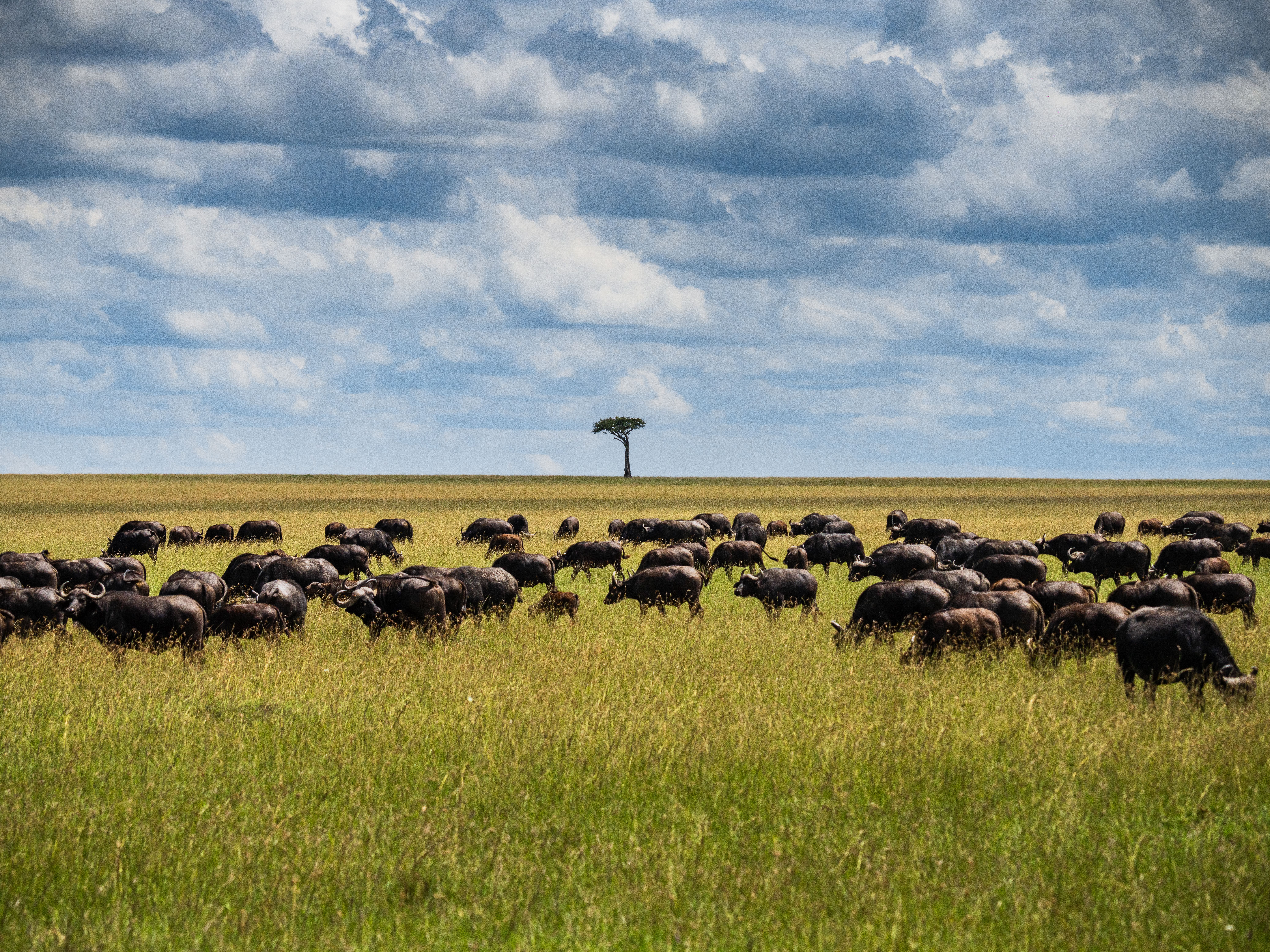
Predators. Mara North is renowned for lion, with several resident prides holding territory across the conservancy, and leopard sightings are considered reliable, particularly around the riverine woodland and the conservancy's famous Leopard Gorge, a rocky ravine that was a regular filming location for the BBC's Big Cat Diary and for scenes in Out of Africa. Cheetah move through the open plains regularly, spotted hyena are common, and African wild dog packs are occasionally sighted, a genuinely special encounter given how rare the species has become across much of its former range.
Herbivores and general game. Elephant, buffalo, giraffe, hippo, and Nile crocodile are all present along the Mara River corridor, alongside substantial resident populations of eland, topi, impala, waterbuck, and both Thomson's and Grant's gazelle. Resident herds of wildebeest and zebra are present year-round, in addition to the seasonal arrival of the Great Migration.
The Great Migration. While the most famous river crossing points sit within the national reserve itself, Mara North borders that crossing zone directly, and migratory herds move through and around the conservancy as they follow rainfall patterns between roughly July and October each year, with some movement continuing into November. Many of our clients base themselves in Mara North for the quieter game viewing and add a full-day reserve excursion for crossing access during peak migration months.
Birdlife. With over 550 recorded species, Mara North is a serious destination for birders, not just an incidental birding stop on a mammal-focused safari. Raptors are particularly well represented, alongside numerous species tied to the riverine forest along the Mara River.
Mara North Conservancy Rules and Etiquette
Because the conservancy operates independently of Narok County's management of the national reserve, it sets its own code of conduct, and it is stricter in some respects and more permissive in others.
- Maximum five vehicles are permitted at any single wildlife sighting at one time, considerably fewer than what is often seen in practice inside the busier parts of the national reserve.
- A 10pm curfew applies to guests being back at camp, though night game drives themselves are permitted earlier in the evening, unlike inside the reserve where no night driving is allowed at all.
- Access is restricted to guests of member camps. There is no day-tripper access and no self-drive option, which is precisely why guest density stays low even during peak season.
- Off-road driving is permitted under conservancy guidelines, allowing guides to follow predators away from established tracks, again something prohibited inside the national reserve.
- Walking safaris and night drives are both conservancy-only activities, run by trained guides and, where required, an armed ranger.
Every Camp in Mara North Conservancy: The Complete List
Mara North's official membership, as listed by the conservancy itself, comprises 11 permanent tented camps and lodges plus two specialist mobile horseback safari operators. I have inspected or personally hosted clients at the majority of these properties, and I have set out every one below with a direct link through to the camp's own website for booking enquiries.
Alex Walker's Serian ("The Original") and Ngare Serian
Serian was one of the conservancy's founding camps, and its name is well chosen: "Serian" means peaceful, calm, or serene in the Maa language. The original camp consists of just five or six vast tents (including one family unit) set on hardwood decking above a broad bend in the Mara River, looking out toward the Oloololo Escarpment. Every guest gets a private 4x4 vehicle and dedicated guide for the length of their stay, which is unusual even among Mara North's already exclusive camps. Its sister property, Ngare Serian, sits just across the river and is reached on foot over a rope bridge, comprising only four tents for those wanting an even smaller, more intimate footprint. Both camps offer night drives, walking safaris in Serian's own private concession, and an elevated treehouse fly-camp experience.
Elephant Pepper Camp
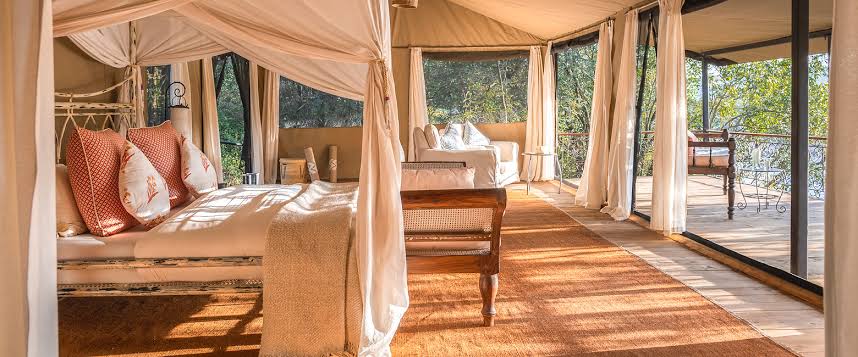
Named for the Warburgia ugandensis trees that grow throughout the surrounding woodland, Elephant Pepper is a classic vintage-style tented camp with around nine secluded en-suite tents decorated in a warm, Indian Raj-influenced style with dark woods and brass fittings. Run under the Elewana Collection, it is one of the more traditional, romantic camps in the conservancy and a strong choice for honeymooners wanting classic safari atmosphere rather than a contemporary design aesthetic.
Karen Blixen Camp
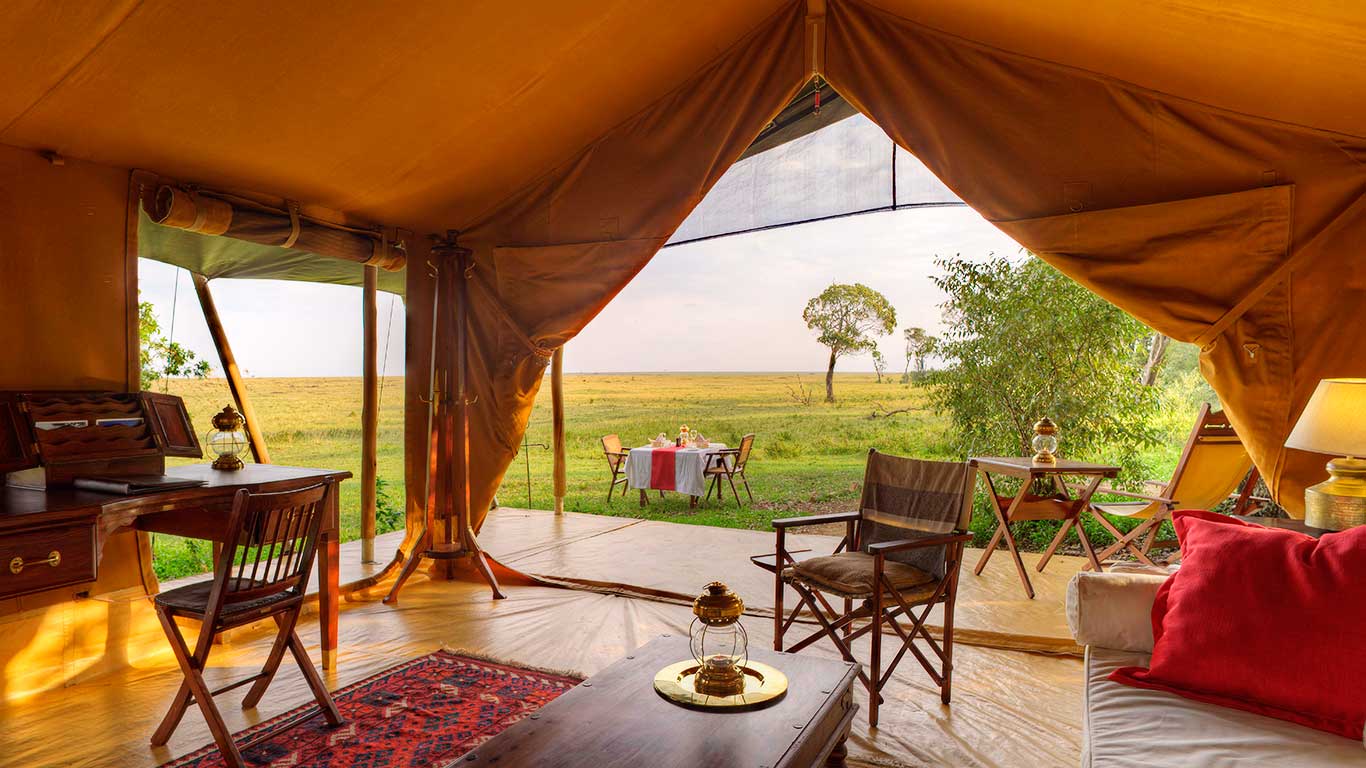
Named after the Danish author of Out of Africa, Karen Blixen Camp sits directly on the Mara River with the Oloololo Escarpment as a backdrop, and with 22 tents it is one of the larger properties in the conservancy, making it a genuinely strong choice for families and small groups. It offers day and night game drives, walking safaris, a spa, and a dedicated children's programme including nature walks, bow and arrow instruction, and traditional Maasai bead-making, alongside a working relationship with the independently registered Karen Blixen Camp Trust, which runs conservation and education projects in the surrounding community.
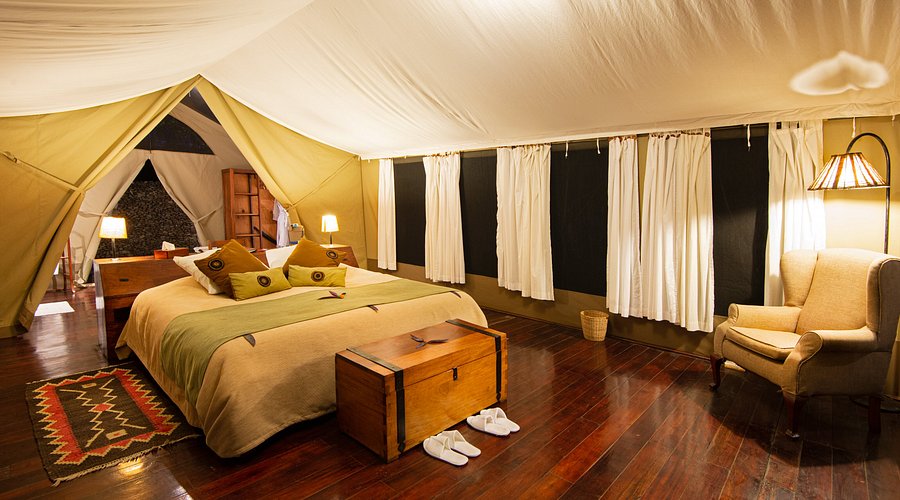
Kicheche Mara Camp
kicheche.com/kicheche-mara-north
Tucked into a wooded acacia valley above the Olare Orok stream, Kicheche Mara is one of the conservancy's most consistently well-regarded camps for guiding quality. With around eight to nine tents, it maintains a genuinely intimate, unfussy atmosphere, and Kicheche's guiding team holds Silver-level status with the Kenya Professional Safari Guide Association, among the highest guiding accreditations in the country. The camp is independently audited by Ecotourism Kenya and has held Gold-level certification, the highest available, for many years running.
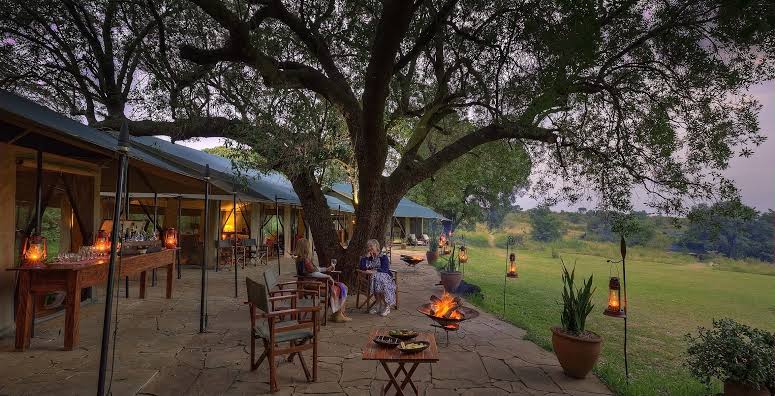
Mara Bush Houses / Saruni
Operating under the Saruni Basecamp group, this property sits in a quieter, less-visited pocket of Mara North away from the busiest wildlife corridors, where waterbuck and zebra graze around the grounds and resident predators pass close by. It reflects Saruni's wider ethos of community-embedded, low-impact tourism across their Mara and Samburu properties.
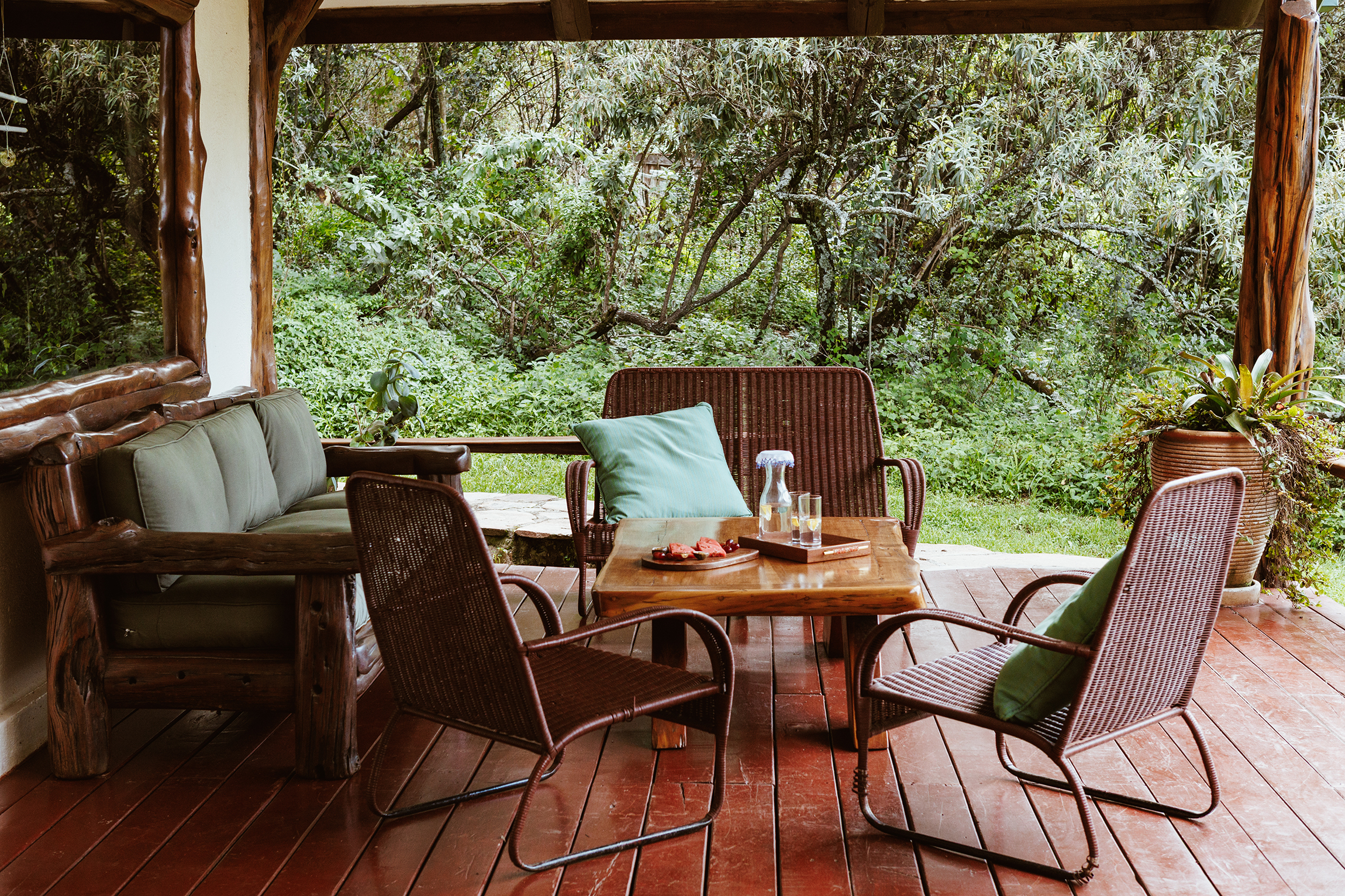
Mara Plains Camp
Operated by Great Plains Conservation and holding Relais & Châteaux status, Mara Plains is among the most luxurious camps with traversing rights into Mara North, with just seven spacious tents raised on wooden decks along the Ntiakitiak River. Guests benefit from an unusually large combined traversing area spanning the neighbouring Olare Motorogi Conservancy, Mara North, and scheduled access into the national reserve itself, giving exceptional flexibility for guests chasing both resident big cats and migration season crossings.
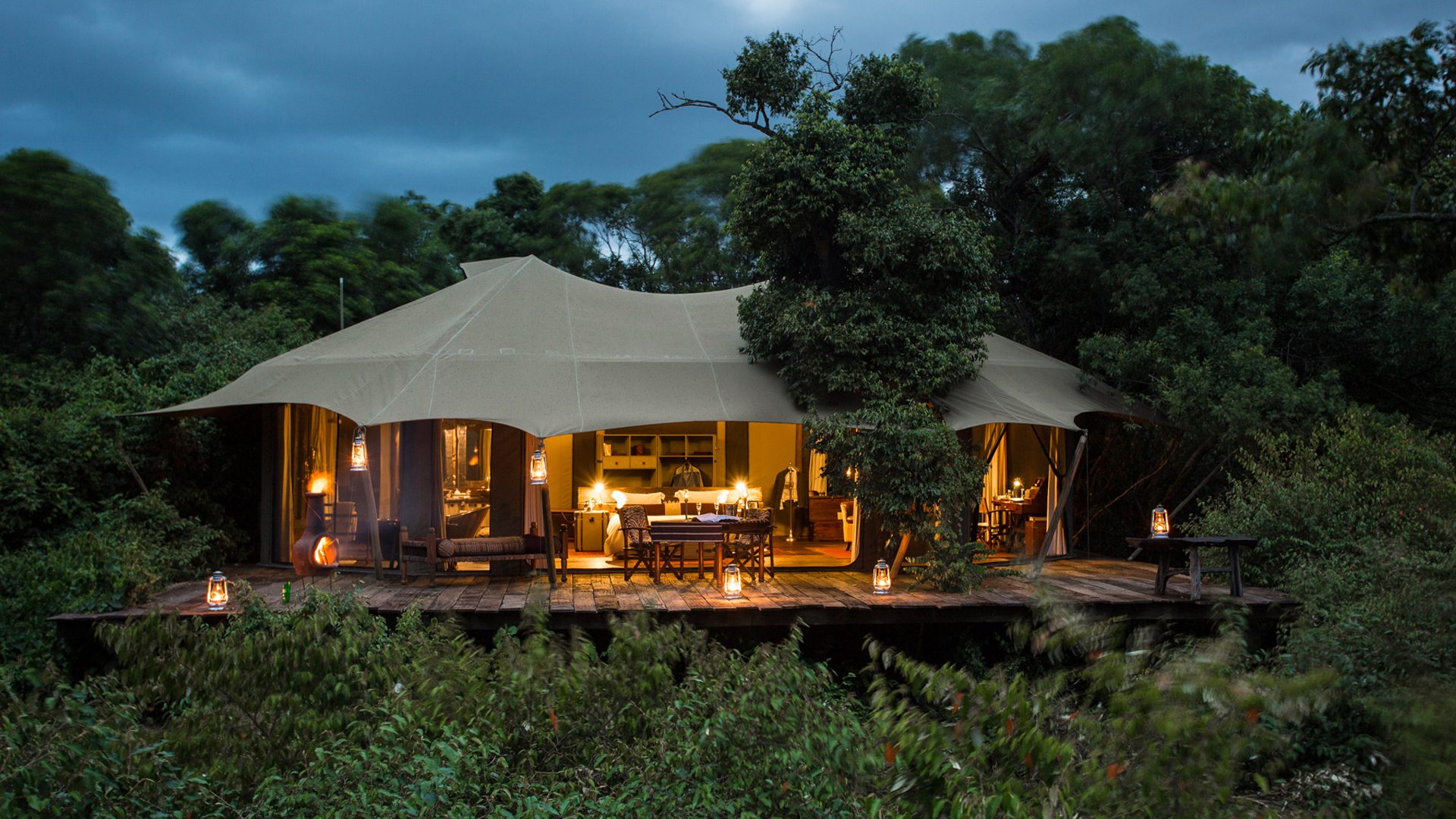
Mara Expedition Camp
greatplainsconservation.com/mara-expedition-camp-affordable-kenya-safari
The more accessible member of the Great Plains Conservation portfolio in this ecosystem, Mara Expedition Camp channels the design language of Africa's early explorers with five tents plus a two-bedroom family tent, set low among acacia trees. It offers occasional drives into Mara North Conservancy alongside its primary game viewing area in the national reserve, making it a strong option for clients wanting a taste of the conservancy experience without the very top-tier price point.
Offbeat Mara Camp
offbeatsafaris.com/property/offbeat-mara
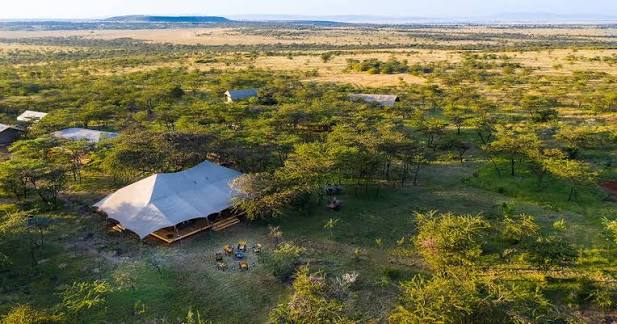
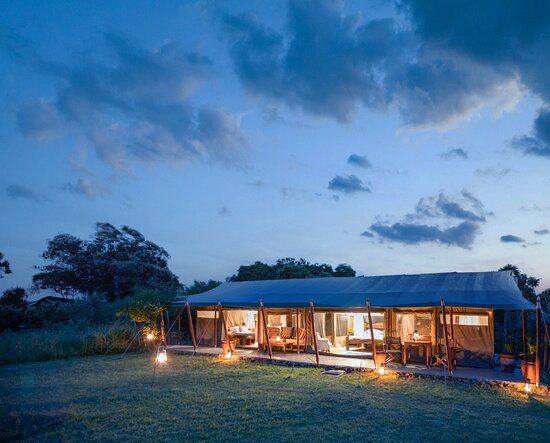
A small, rustic, unfenced camp of just seven tents (five double/twin plus two family tents) on the Olare Orok River, Offbeat Mara has built its reputation on a resident lion pride that regularly passes directly through camp grounds, an experienced local Maasai guiding team (several with over fifteen years at the camp), and a genuinely warm, informal atmosphere. It is one of the better value entry points into the conservancy for clients who want the full Mara North activity list, game drives, night drives, walking safaris, cultural visits, and optional hot air ballooning, without top-tier luxury pricing.
Offbeat Riding Safaris
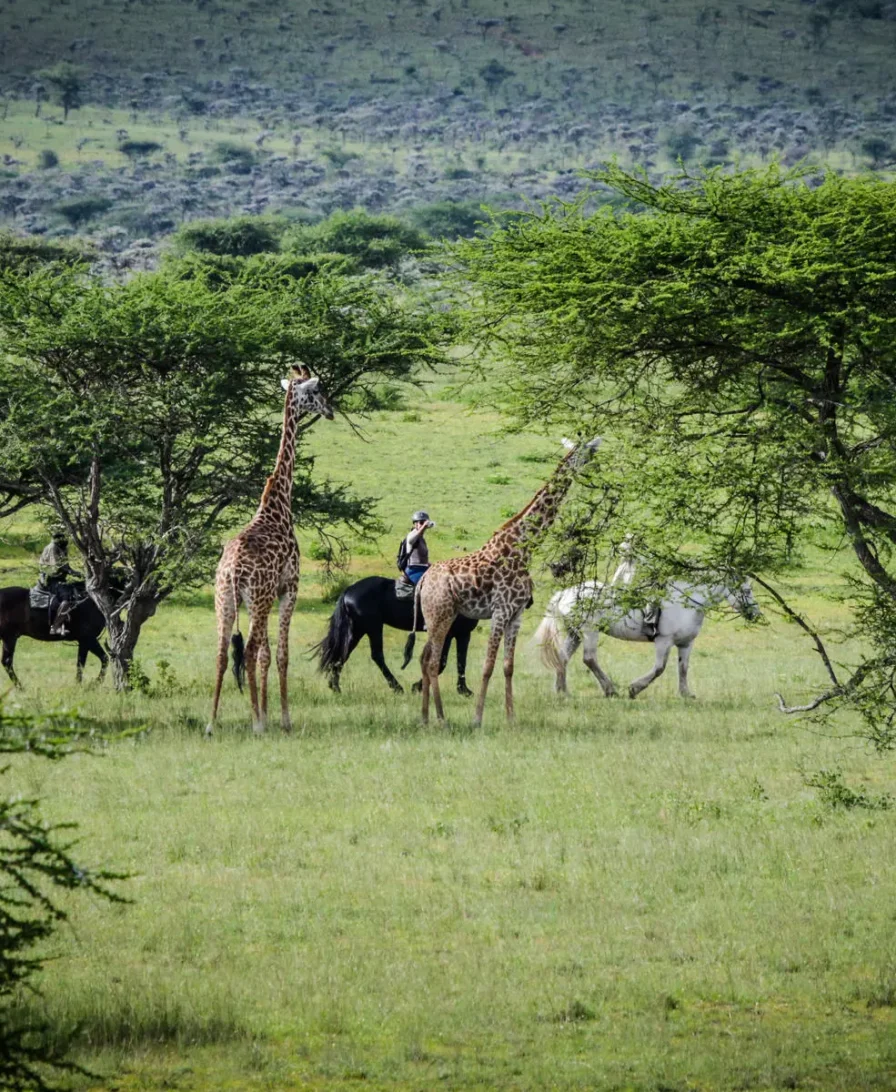
One of Mara North's two specialist mobile operators, Offbeat Riding Safaris has run mobile horseback safaris through the conservancy and surrounding wilderness since 1990. Riders of an experienced standard can gallop alongside herds of plains game in a way that is simply not possible from a vehicle, moving camp as the safari progresses.
Richard's Camp
Now operating under the Hemingways Collection as Hemingways River Camp Mara, this property was originally built as Richard Roberts' personal retreat and retains the warmth of a lovingly furnished private home, with Meru-style tents set along the conservancy's river frontage. It remains one of the more characterful, personality-driven camps in Mara North.
Royal Mara Camp
Positioned directly on the wildebeest migration route and close to two of the most famous Mara River crossing points as well as Leopard Gorge, Royal Mara Camp is a strong pick for clients whose primary goal is migration-season access without sacrificing the conservancy's lower vehicle density for the rest of their stay.
Safaris Unlimited
Mara North's second specialist mobile operator, run by Gordie and Felicia Church, Safaris Unlimited has decades of experience delivering intensive, immersive horseback and walking safaris through the conservancy and wider ecosystem, aimed at experienced riders wanting genuine adventure alongside expert local guiding.
Saruni Mara Camp
sarunibasecamp.com/our-properties/saruni-mara
One of the smallest permanent lodges in the entire Mara ecosystem, Saruni Mara comprises just five individually themed cottages plus a family villa and a private villa, perched on a forested hillside with sweeping views over the conservancy. Each cottage is uniquely styled (guests can request the "Photographer's Studio" or the "Observatory," among others), and the lodge offers a spa, guided walks, and its own "warrior for a week" programme for younger guests learning bush skills such as spear throwing and animal tracking.
How to Choose Between Them
For first-time luxury travellers wanting the classic, most photographed Mara North experience, Karen Blixen Camp or Elephant Pepper Camp deliver strong all-round comfort with a proper range of activities included. For serious photographers, Kicheche Mara Camp's guiding reputation is hard to beat. For honeymooners wanting real seclusion, Ngare Serian or Saruni Mara's private villa option are the standout picks. For families, Karen Blixen Camp's scale and dedicated children's programme, or Offbeat Mara Camp's relaxed, informal atmosphere, both work well. For riders, Offbeat Riding Safaris and Safaris Unlimited offer something genuinely unavailable elsewhere in Kenya. And for clients whose trip is built around migration-season river crossings specifically, Royal Mara Camp's location close to the crossing points, or Mara Plains Camp's exceptionally wide traversing rights, are the two properties I steer people toward first.
Activities: What Makes a Mara North Safari Different
Because Mara North is privately managed rather than run by county government, it permits a range of activities that are simply not available inside the national reserve itself.
- Day game drives. Morning and afternoon drives in open-sided 4x4 vehicles, with guides able to leave established tracks to follow wildlife, subject to the conservancy's environmental guidelines.
- Night game drives. Spotlight-guided drives to find nocturnal and crepuscular species, including hunting lion and leopard, genet, civet, and the occasional aardvark or aardwolf sighting.
- Walking safaris. Guided bush walks led by an experienced guide and, where required by camp policy, an armed ranger, generally restricted by age depending on the property.
- Fly camping. An overnight stay in a temporary bush camp or elevated treehouse structure, offered at several properties including Serian and Kicheche.
- Horseback safaris. A genuine specialism of this conservancy through Offbeat Riding Safaris and Safaris Unlimited, offering an entirely different way to move through Big Five country for experienced riders.
- Cultural visits. Guided visits to a Maasai manyatta (homestead), typically arranged at an additional cost, with proceeds supporting the local community directly.
- Hot air balloon safaris. Most Mara North camps can arrange an early transfer to a balloon launch site for a sunrise flight followed by a bush breakfast; we cover this experience in full in our dedicated balloon safari guide.
- Full-day national reserve excursions. Nearly every Mara North camp can arrange a day trip into the Maasai Mara National Reserve, typically at an additional cost covering reserve park fees and vehicle time, ideal for combining conservancy exclusivity with a shot at the main river crossings during peak migration months.
Best Time to Visit Mara North Conservancy
Mara North holds strong resident wildlife year-round, which means it does not suffer the same seasonal drop-off some migration-dependent parts of the ecosystem experience outside peak months.
| Period | Conditions | Highlights |
|---|---|---|
| January–February | Warm, dry, excellent visibility | Strong resident game viewing; a quieter, lower-rate period across the wider Mara |
| March–May | Long rains, lush scenery | The quietest months for tourist numbers anywhere in the ecosystem; dramatic light for photography |
| June | Rains easing | Good value shoulder month as land dries and wildlife begins concentrating |
| July–October | Peak dry season | Prime Great Migration months in the wider ecosystem, with reserve river crossings within day-trip range; excellent resident predator viewing in the conservancy itself |
| November–December | Short rains begin | Migratory herds beginning to move on; green season photography and generally lower rates |
If your trip is timed specifically for migration crossings, plan around July to October and build in at least one full-day excursion into the national reserve. If your priority is the classic Mara North experience — big cats, low vehicle density, walking and night safaris — the conservancy performs strongly across almost the entire year, and I frequently steer clients toward the June or November shoulder months for the best balance of good weather, strong game viewing, and better value. Our best time to visit Kenya guide breaks this down further across the whole country.
Getting to Mara North Conservancy from Europe and North America
From Europe. Nairobi is well connected from most major European hubs. Kenya Airways and British Airways both operate direct flights from London Heathrow (around 8.5–9 hours), with Virgin Atlantic offering a codeshare on the Kenya Airways service. From the European mainland, KLM flies direct from Amsterdam, Lufthansa from Frankfurt, Air France from Paris, and Swiss from Zurich, with several other carriers offering convenient one-stop connections via Addis Ababa (Ethiopian Airlines), Istanbul (Turkish Airlines), or Doha (Qatar Airways).
From North America. Kenya Airways operates the only nonstop flight between the United States and Kenya, running daily between New York's JFK airport and Nairobi at around 13.5–15 hours depending on direction. Travellers from other North American cities, or those from Canada, typically connect via Amsterdam, London, Paris, Doha, or Addis Ababa, adding a further 8–12 hours of total travel time depending on the routing and layover.
Entry requirements. Most European and North American passport holders require an Electronic Travel Authorisation (eTA) to enter Kenya, applied for online in advance of travel, having replaced the previous visa system for most nationalities.
Onward transfer to Mara North. From Nairobi you have two main options:
- By light aircraft from Wilson Airport to the Mara North or Ngerende airstrip, a flight of roughly 45 minutes to an hour, followed by a road transfer of 15 minutes to an hour depending on your specific camp. This is what we book for the great majority of our clients, since it preserves precious holiday time and avoids a long road journey at either end of the trip.
- By road, a drive of roughly 4.5 to 6 hours from Nairobi. Some clients use this option to break the journey with a stop at Lake Naivasha or Hell's Gate National Park en route.
What a Luxury Mara North Safari Costs
Pricing across Mara North's eleven permanent camps spans a genuinely wide range, from accessible entry-level luxury through to some of the most expensive tented accommodation in East Africa. As a rough guide, expect the following per person, per night, sharing, on a fully inclusive basis covering accommodation, meals, house drinks, and game drives:
- Entry-level luxury camps: roughly USD 500–800 per person per night
- Mid-to-upper luxury camps: roughly USD 800–1,300 per person per night
- Ultra-luxury flagship properties: USD 1,300–2,000+ per person per night
Conservancy fees are generally bundled into the headline camp rate rather than charged as a wholly separate line item, unlike the arrangement at some neighbouring conservancies, though this varies by property and it is always worth confirming exactly what is and is not included before you book. A Great Plains Foundation conservation and community levy of around USD 100 per person per night applies at Mara Plains and Mara Expedition Camp specifically. We cover exactly how to interrogate a quote properly in our guide on how to compare Kenya safari quotes.
Optional extras to budget for typically include Maasai cultural visits (around USD 20–30 per person), horseback safaris where offered, fly camping, and a full-day excursion into the Maasai Mara National Reserve itself, which incurs the separate reserve park fee on top of vehicle and guiding costs. If you are weighing up whether the conservancy premium is worth it against a mid-range reserve-based lodge, our mid-range versus luxury safari comparison sets out the trade-offs candidly.
Sample Itinerary: A First-Time Mara North Safari
This is close to what I would put in front of a couple booking their first Kenya trip, built around a Mara North base:
- Day 1: Arrive Nairobi following an overnight flight from Europe or North America, light aircraft transfer to Mara North or Ngerende airstrip, road transfer to camp, settle in over lunch, afternoon game drive.
- Day 2: Early morning game drive tracking resident lion and leopard, rest through the heat of the day, guided walking safari late afternoon, sundowners overlooking the plains.
- Day 3: Full-day excursion into the Maasai Mara National Reserve for a shot at the river crossings (July–October) or a relaxed morning drive followed by a Maasai cultural visit during other months.
- Day 4: Night game drive the previous evening, followed by an early hot air balloon safari and bush breakfast, afternoon at leisure.
- Day 5: A morning ride for the adventurous at a camp offering horseback safaris, or a final relaxed game drive and fly-camping night for those preferring a bush overnight.
- Day 6: Final morning game drive, transfer back to Nairobi, connect onward or extend to the Kenyan coast for a beach finish.
We tailor every itinerary individually rather than working from a fixed template; this is simply illustrative of how the pieces fit together over five or six nights. For a longer private itinerary built entirely around your dates, our team can put together a bespoke private Kenya safari that includes Mara North alongside other parks and destinations.
Mara North and Conservation: Why Your Stay Matters
Every night spent in Mara North contributes directly to a working model of community-led conservation that has now run continuously for well over fifteen years. The fixed monthly lease payment structure, unusual when the conservancy was founded, means Maasai landowning families receive predictable income regardless of tourism ebbs and flows, funding land management, anti-poaching support, and community development independent of how full any given camp happens to be in a particular month.
This structure is the actual reason wildlife density in Mara North is what it is: land that might otherwise have faced subdivision, fencing, and agricultural conversion pressure has instead been kept open and unfenced, restoring migratory corridors and allowing the ecosystem to function the way it did before commercial land pressure intensified in the region during the late twentieth century. Several member camps run their own community trusts and foundations on top of the conservancy-wide model, funding education, healthcare, and women's economic empowerment projects in the surrounding villages.
Mara North vs Other Mara Conservancies
Mara North sits within a wider cluster of community conservancies bordering the reserve, and clients often ask how it compares to its neighbours.
- Olare Motorogi Conservancy, bordering Mara North to the east, is smaller and generally considered to have the single highest lion density per square kilometre in the Mara ecosystem, at a correspondingly higher average price point.
- Naboisho Conservancy, further east again, holds one of Africa's highest recorded lion densities within a strictly capped nine-camp footprint, and is often paired with a Mara North stay for clients wanting to sample two distinct conservancy experiences on one trip.
- Ol Kinyei Conservancy is smaller still and more budget-accessible, known more for scenery and cultural tourism than for the highest predator densities.
Mara North's particular strength is its sheer scale: at over 70,000 acres it is the largest conservancy in the group, giving it the widest range of accommodation styles and price points of any single conservancy bordering the reserve, from accessible entry-level camps through to some of the most exclusive lodges in Kenya, all within a single traversing area. For a full breakdown of how conservancies compare to the reserve itself across the ecosystem, our conservancy versus reserve field guide remains the most complete resource we publish on the topic.
What to Pack for Mara North
Mara North sits at a moderate altitude, and the daily temperature swing is bigger than most first-time visitors from Europe or North America expect: daytime highs around 25–27°C are common, but early morning and night game drives can start closer to 10–12°C, especially June through August. Pack in layers rather than by season.
- Neutral-coloured clothing (khaki, olive, stone) for game drives; avoid bright colours and pure black or navy, which can attract tsetse flies in wooded areas
- A proper fleece or down layer plus a warm hat for early morning and night game drives, even in the dry season
- A wide-brimmed hat, high-factor sunscreen, and good sunglasses
- Personal binoculars, particularly valuable given the conservancy's strong birdlife
- A lightweight rain jacket if travelling March–May or November–December
- Comfortable closed shoes for walking safaris and sturdy boots if you have booked a riding safari
- A soft-sided duffel bag rather than a hard suitcase, essential for any part of the trip using light aircraft, which impose strict soft-bag baggage limits
Health and Safety Notes
Most Mara North camps are unfenced, meaning wildlife moves freely through camp grounds, particularly after dark. Every reputable camp operates an escort system, with a member of staff walking you between your tent and central areas at night; do not walk alone after dark regardless of how short the distance appears.
Malaria prophylaxis is recommended for the Mara region; consult your GP or a travel clinic at least four to six weeks before departure. Yellow fever vaccination is only a formal requirement if arriving from a country where the disease is endemic, but check current national travel health guidance for Kenya before you go, since requirements are periodically reviewed. Confirm that your travel insurance includes emergency medical evacuation cover, which most camps can arrange access to through the regional Flying Doctors service if ever needed.
A Word on Photography in Mara North
If photography is the primary reason for your trip, Mara North rewards it consistently, for the same reason the wider conservancy model does: off-road driving and a strict five-vehicle cap at any sighting mean your guide can position the vehicle for light and composition rather than competing for a viewing angle among a dozen other trucks. Kicheche Mara Camp in particular has built its reputation on Silver-rated guiding aimed squarely at serious photographers, and several other camps, including Karen Blixen and Serian, can arrange dedicated or exclusive-use vehicles on request. Early morning and late afternoon game drives align with the golden light photographers want, and the conservancy's resident lion prides are habituated enough to vehicles that close, considered approaches rarely cause disturbance.
Key Landmarks Within Mara North Conservancy
Several named features inside the conservancy come up repeatedly in guide briefings and are worth knowing before you arrive, since your guide will likely build a day's game drive around one or more of them.
Leopard Gorge. A rocky ravine that became internationally famous as a regular filming location for the BBC's Big Cat Diary, and used in scenes for Out of Africa. It remains a reliable spot for leopard sightings thanks to the cover the rocks and surrounding vegetation provide.
Musiara Marsh. Sitting close to the conservancy's southern boundary with the national reserve, this wetland area draws concentrated game throughout the dry season and has long been associated with resident lion prides made famous by decades of wildlife documentary filming in the wider area.
Rhino Ridge and Lookout Hill. Elevated positions used by guides for scenic sundowner stops and, in clearer conditions, for spotting distant herds moving across the plains below.
Mount Kilelioni. The highest point within the conservancy, offering panoramic views across the plains and a popular spot for a scenic picnic stop away from the main game-viewing circuits.
The Oloololo (Siria) Escarpment. Forming a dramatic backdrop along the conservancy's western edge, the escarpment is visible from several riverside camps and adds real scale and drama to photographs taken along the Mara River corridor.
Conservation Programmes You Are Supporting
Beyond the core lease-payment model, Mara North runs several targeted conservation and human-wildlife conflict programmes funded through camp fees and conservancy income, and it is worth understanding what your stay actually contributes to beyond the general "conservation fee" line on an invoice.
Predator compensation. Livestock predation by lion, hyena, and leopard is one of the most common sources of tension between wildlife and the pastoralist Maasai community. Mara North operates a compensation programme that reimburses landowners for confirmed livestock losses to predators, directly reducing the incentive for retaliatory killing.
Predator-proof bomas. The conservancy has supported the construction of improved, predator-resistant livestock enclosures (bomas), including electrified mobile designs, to reduce nighttime predation before it happens rather than compensating after the fact.
Human-elephant conflict mitigation. Working alongside the Mara Elephant Project, which is based within the conservancy, Mara North supports efforts to reduce crop raiding by elephants moving between the conservancy and surrounding community land, including collar-based tracking of problem individuals.
Habitat restoration. By reducing land subdivision and fencing through its lease model, the conservancy has helped reopen historic migratory corridors that had been fragmented in the years before 2009, work that continues today through ongoing rangeland management and grazing plans developed jointly with the Maasai Landowners' Committee.
Anti-poaching and security. The conservancy collaborates with the Kenya Wildlife Service, the Mara Elephant Project, and regional lion and cheetah research initiatives to coordinate security patrols and community awareness programmes, including regular community barazas (public meetings) addressing poaching and conflict issues directly with landowning families.
Several individual camps layer additional community work on top of this conservancy-wide effort. Karen Blixen Camp, for example, operates its own independently registered non-profit, the Karen Blixen Camp Trust, focused on wildlife research partnerships, football and youth programmes in the nearby settlement of Mara Rianta, and targeted species projects such as regional bongo antelope research.
Mara North for Repeat Mara Visitors
A meaningful share of the clients I place in Mara North have already stayed inside the national reserve on a previous trip, often years earlier, and are looking for something that feels genuinely different on a return visit rather than simply a repeat of the same experience in a slightly quieter setting. Mara North tends to deliver on that in three specific ways worth knowing about in advance.
First, the pace of a Mara North stay is different. Because you are not racing to beat other vehicles to a sighting, guides here tend to linger far longer at each encounter, often watching a single pride or a hunting cheetah for well over an hour rather than moving on after a few minutes of photographs. Clients who found their first Mara safari felt rushed or crowded consistently comment on this change in tempo.
Second, the activity list opens up considerably. If your first trip was entirely vehicle-based game drives inside the reserve, a Mara North stay adds walking safaris, night drives, and in some cases horseback safaris to the mix, genuinely different ways of experiencing the same landscape rather than a repeat of the same activity in a new location.
Third, guiding quality tends to be more consistent at the top end of the conservancy's camp list. Several Mara North properties, Kicheche Mara Camp in particular, maintain guiding standards independently audited against the Kenya Professional Safari Guide Association's Silver and Gold rating system, giving returning clients access to a noticeably higher baseline of tracking and interpretive skill than is guaranteed at every reserve-based lodge.
Frequently Asked Questions
Is Mara North Conservancy part of the Maasai Mara? Mara North is a separate, privately managed conservancy bordering the Maasai Mara National Reserve to the south, not part of the reserve itself. It sits within the wider Mara-Serengeti ecosystem and is governed by an elected board of camp owners working with a Maasai Landowners' Committee, rather than by Narok County, which manages the national reserve.
How many camps are in Mara North Conservancy? Eleven permanent camps and lodges: Alex Walker's Serian (including Ngare Serian), Elephant Pepper Camp, Karen Blixen Camp, Kicheche Mara Camp, Mara Bush Houses/Saruni, Mara Plains Camp, Mara Expedition Camp, Offbeat Mara Camp, Richard's Camp, Royal Mara Camp, and Saruni Mara Camp, plus two mobile horseback safari operators, Offbeat Riding Safaris and Safaris Unlimited.
Is Mara North good for the Great Migration? Mara North borders the primary river-crossing zone rather than containing the crossing points themselves, which sit inside the national reserve. Herds move through and around the conservancy during migration season, roughly July to November, and most camps offer a full-day excursion into the reserve for guaranteed access to the crossings during peak months.
Can you do night game drives in Mara North? Yes. Night game drives, off-road driving, and walking safaris are all permitted inside Mara North Conservancy, unlike the Maasai Mara National Reserve itself, where none of these activities are allowed.
How do you get to Mara North from Europe or North America? From Europe, fly direct to Nairobi from London, Amsterdam, Paris, Frankfurt, or Zurich, or connect via Addis Ababa, Istanbul, or Doha. From North America, Kenya Airways operates the only nonstop flight, connecting New York JFK with Nairobi daily; other North American departure cities typically connect via a European or Middle Eastern hub. From Nairobi, take a light aircraft transfer of roughly 45–60 minutes from Wilson Airport to the Mara North or Ngerende airstrip, followed by a short road transfer to your camp.
Is Mara North suitable for families with children? Yes, several camps, notably Karen Blixen Camp with its scale and dedicated children's programme, welcome families and offer age-appropriate activities. Walking safaris and some horseback activities carry minimum age requirements that vary by camp, so confirm specifics with your specialist when booking.
How many nights should I spend in Mara North? Most operators, ourselves included, recommend a minimum of three nights to allow two full days of activities without feeling rushed. Four to five nights gives you room to combine resident-wildlife-focused game drives in the conservancy with a full-day excursion into the national reserve, a night drive, and an optional horseback or walking activity, without the trip feeling like a checklist.
Can I combine Mara North with a Tanzania Serengeti safari? Yes, and it is one of our more popular itineraries for clients travelling from further afield. Mara North sits within the same broader Mara-Serengeti ecosystem as Tanzania's Serengeti National Park across the border, and many clients combine several nights in Mara North with a further stint in the northern Serengeti to follow the migration across both countries on a single trip. Our Masai Mara versus Serengeti comparison is a useful starting point if you are deciding how to split your time.
Is Mara North more expensive than staying inside the Maasai Mara National Reserve? Pricing overlaps considerably between the two, with Mara North's eleven camps spanning a genuinely wide range from accessible entry-level properties to some of the most exclusive lodges in Kenya. What you are paying a premium for, at the upper end of that range, is the vehicle cap, the additional activities permitted, and materially lower guest density, rather than simply a fancier tent.
Where Mara North Fits in a Wider Kenya Trip
Very few of our clients from Europe or North America fly all the way to Kenya purely for a three-night conservancy stay, and given the flight time involved, I would rarely advise it. Mara North works best as the anchor of a longer itinerary. A common pattern we build is four or five nights in Mara North followed by a short flight to Amboseli National Park for close-up elephant viewing against Kilimanjaro's backdrop, or a final few days unwinding on the Kenyan coast. For clients wanting a single-country trip focused entirely on big cats and the migration, we often pair Mara North with a neighbouring conservancy such as Naboisho or Olare Motorogi for variety, plus a full-day reserve excursion timed to migration season. For anyone weighing up operators for a private Mara trip more broadly, our guide to choosing the right private Mara safari operator sets out the questions worth asking before you commit.
Planning Your Mara North Safari
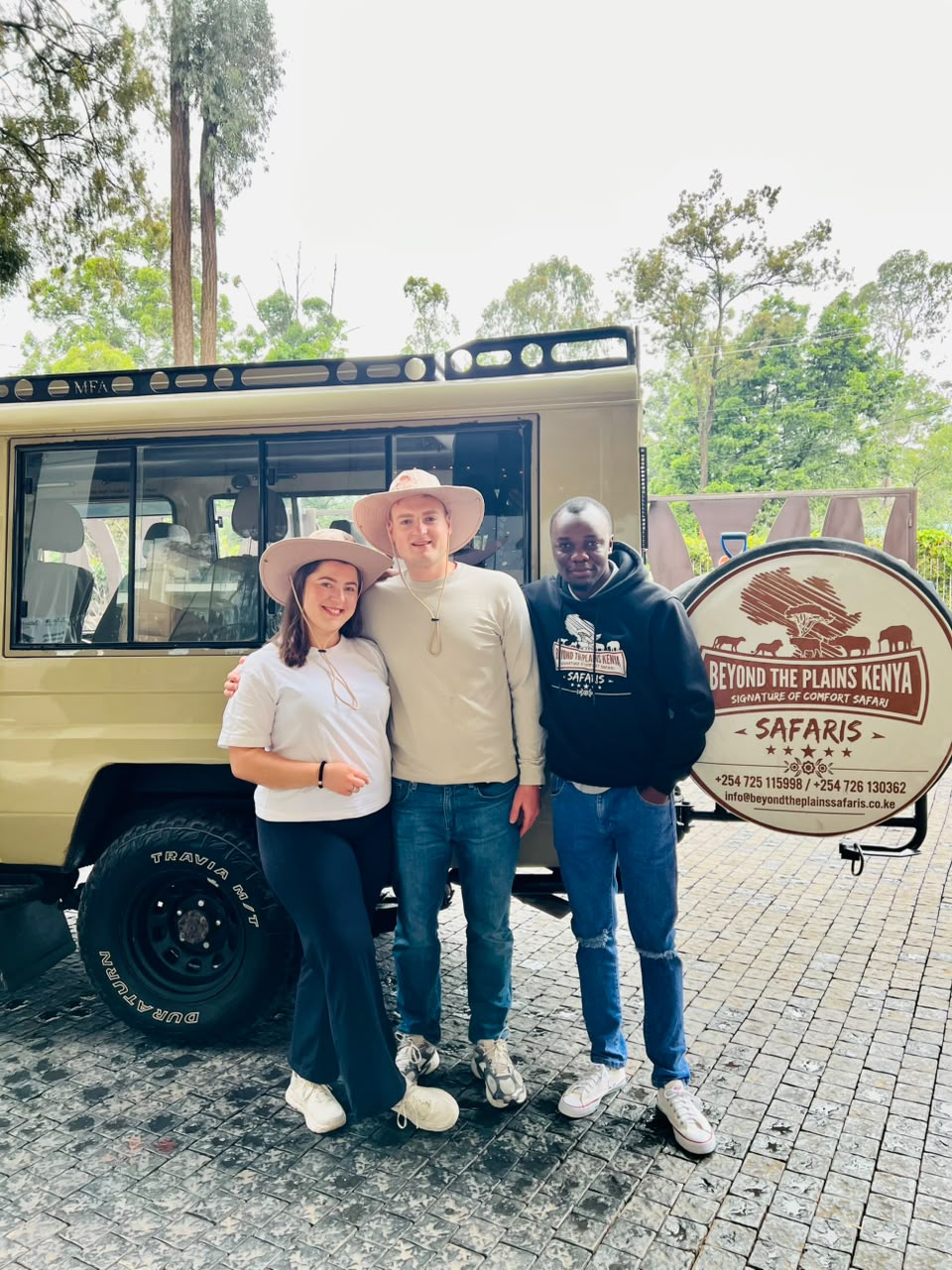
If you are still choosing between Mara North, the wider Maasai Mara National Reserve, or a combined itinerary that also takes in Tanzania's Serengeti, I would genuinely rather talk it through with you than have you guess from a website. Every itinerary I put together is shaped around specific dates, budget, and what a client actually wants from their days rather than a fixed package, whether that is a Masai Mara safari built around Mara North alone or a longer combined Kenya and Serengeti migration itinerary.
Get in touch through our consultation page and we will start building your Mara North itinerary properly, camp by camp, night by night.
Linet Wanjiru is Senior Safari Specialist at Beyond the Plains Safaris, a Kenya-based tour operator specialising in private, luxury safaris across Kenya and Tanzania for European and North American clients. Camp names, activities, and rates in this article are indicative and reviewed as of July 2026; always confirm current pricing, activity offerings, and availability directly with your safari specialist before booking, as conservancy fees and camp rates are revised seasonally and camp ownership occasionally changes.










Comments (0)
Leave a Comment
No comments yet. Be the first to comment!