

Naboisho Conservancy Safari: The Definitive Guide for UK Travellers (2026/2027)
By Linet Wanjiru, Senior Safari Specialist at Beyond the Plains Safaris
I have been putting together Kenya itineraries for UK clients for the better part of my career, and if there is one place I recommend more than almost any other for a first luxury safari, it is the Naboisho Conservancy. Not the Mara Triangle. Not the main reserve gates at Sekenani or Talek. Naboisho.
That is not a fashionable opinion born of marketing copy. It is what I have seen, night after night, sitting around a fire with British couples on honeymoon, families booking their first Big Five trip, and repeat clients who have already "done" the Maasai Mara National Reserve and want something quieter, wilder, and more exclusive. This guide sets out everything you need to plan a Naboisho safari properly: what the conservancy actually is, every camp currently operating there, the activities on offer, when to go, what it costs from the UK, and how it compares to the reserve and neighbouring conservancies.
What Is Naboisho Conservancy?
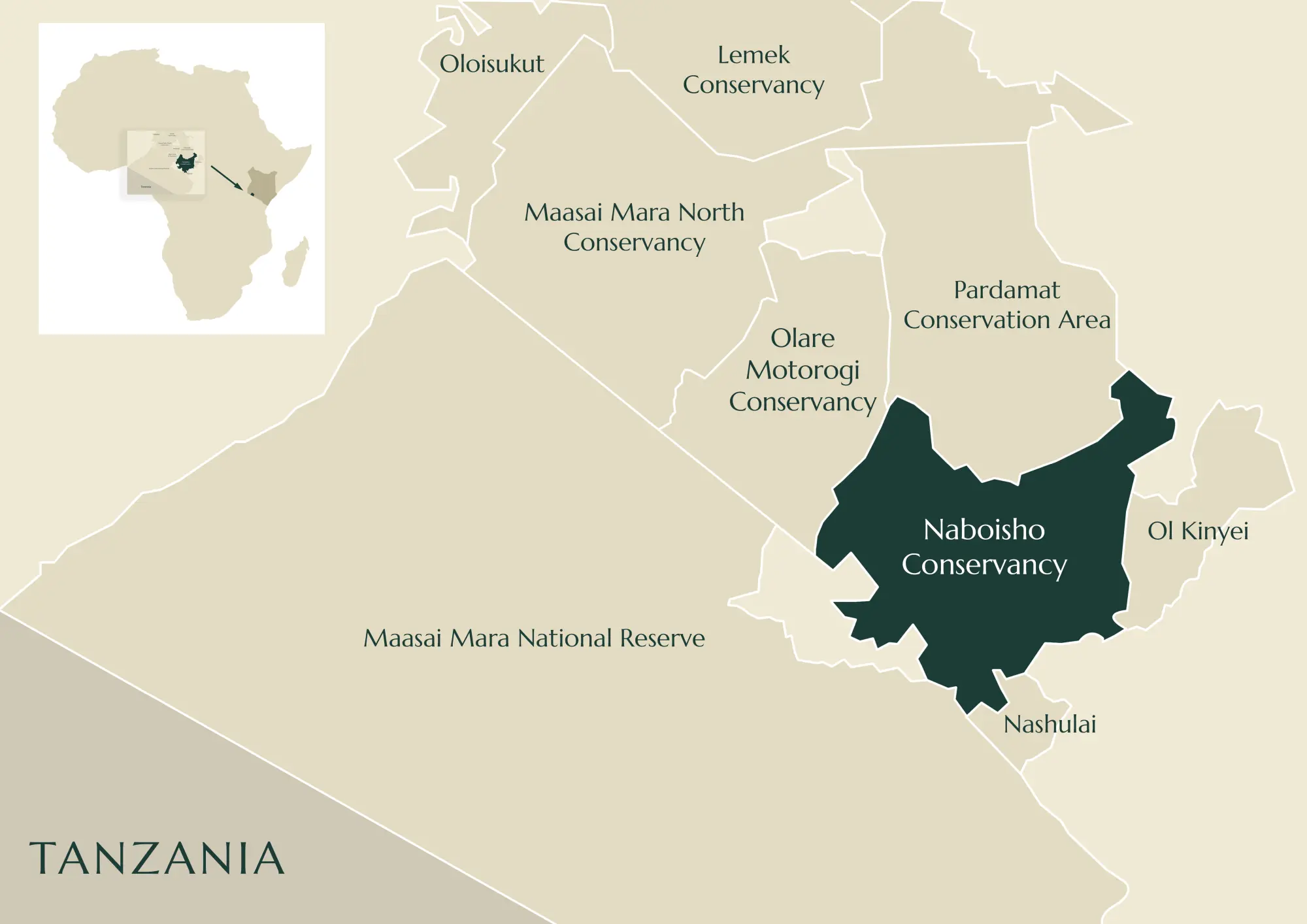
Naboisho Conservancy (also written Mara Naboisho) is a private, community-owned wildlife conservancy of roughly 50,000 to 60,000 acres bordering the northeastern edge of the Maasai Mara National Reserve in Kenya. It was formed in 2010 when more than 500 Maasai landowners agreed to lease their land into a single conserved block rather than fence and subdivide it for farming. Today more than 700 landowners are part of the model. The name "Naboisho" means "coming together" in the Maa language, a direct reference to that founding act of collective land management.
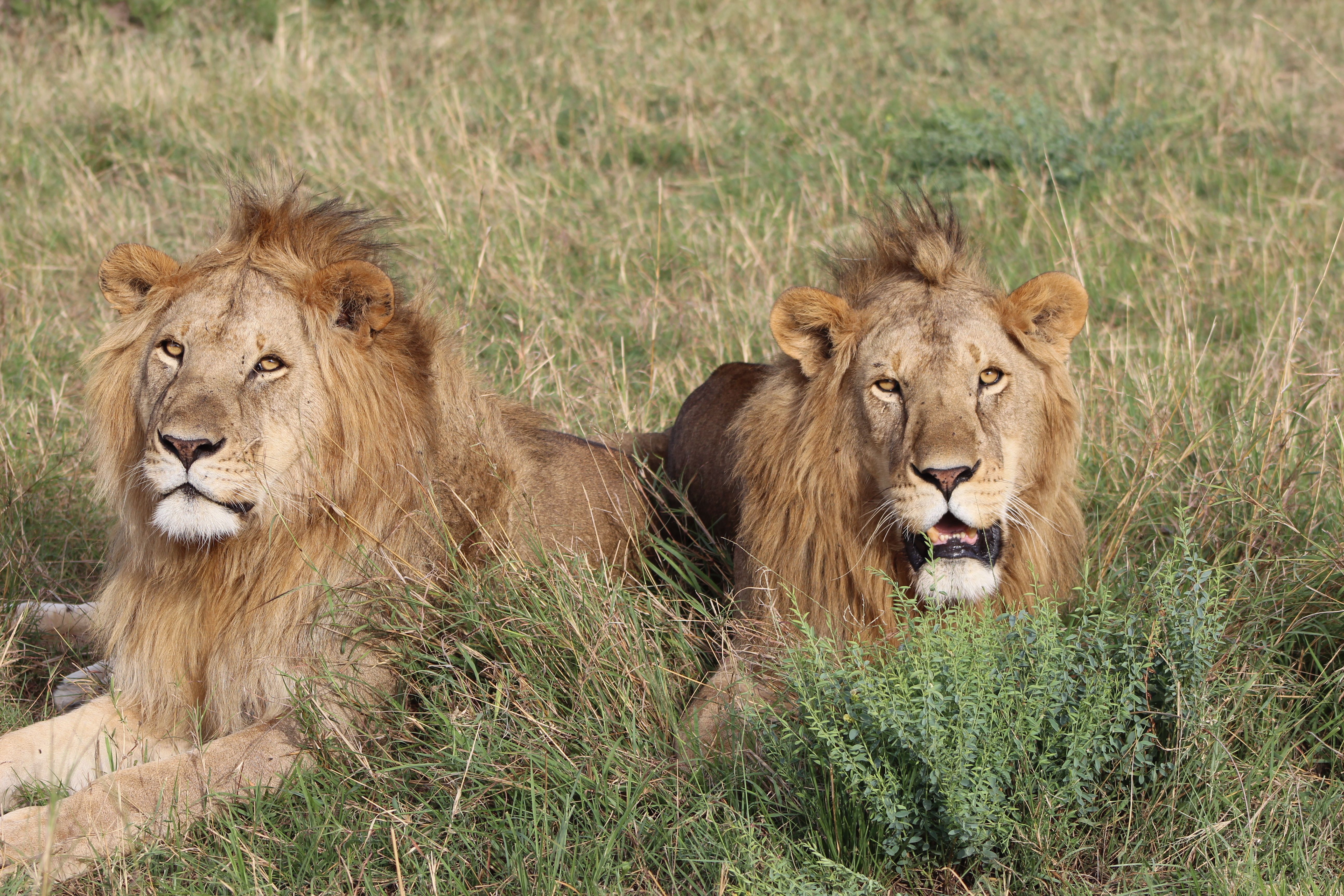
Only nine camps operate inside the conservancy, and vehicle numbers are strictly capped, which gives Naboisho one of the lowest tourist densities and one of the highest wildlife densities anywhere in the Mara ecosystem, including what is widely regarded as the highest lion density on the African continent.
At a glance:
| Fact | Detail |
|---|---|
| Size | Approx. 50,000–60,000 acres (200–210 km²) |
| Formed | 2010 |
| Landowners | Over 700 Maasai families |
| Number of camps | 9 |
| Borders | Maasai Mara National Reserve (south/southwest), Olare Motorogi Conservancy (west), Ol Kinyei Conservancy (east) |
| Nearest airstrip | Ol Seki / Mara North airstrip, roughly 40–45 minutes from most camps |
| Distance from Nairobi | Approx. 250–270 km by road (4.5–6 hours); around 45 minutes by light aircraft from Wilson Airport |
| Known for | Africa's highest lion density, resident cheetah population, year-round game viewing, low vehicle density |
| Best for | First-time luxury travellers, honeymooners, photographers, families with older children, repeat Mara visitors seeking exclusivity |
Why I Recommend Naboisho to UK Clients Specifically
British travellers booking a luxury safari are, in my experience, looking for three things above all else: genuine exclusivity, a strong conservation and community story they can feel good about, and reliable wildlife sightings without eleven other vehicles crowding a leopard. Naboisho delivers on all three, and it does so more consistently than most conservancies I work with across Kenya.
The maths is simple and it is worth spelling out because it is the single most persuasive fact I share with clients: across roughly 50,000 acres, there are only nine camps. Conservancy rules translate that into an average of around 350 acres of wilderness per available bed. Compare that to the national reserve, where dozens of lodges and camps compete for space along a road network with no cap on daily vehicle permits, and the difference in experience on the ground is not subtle.
For a UK client paying premium rates and flying nine or ten hours to get here, that difference matters enormously.
Naboisho vs the Maasai Mara National Reserve: Which Should You Choose?
This is the question I am asked in almost every consultation, so I want to answer it directly rather than dance around it.
Choose the Maasai Mara National Reserve if: your trip is timed for peak Great Migration river crossings (roughly July to October) and you want to maximise your chances of witnessing a crossing at the Mara or Talek rivers, since the primary crossing points sit inside reserve boundaries.
Choose Naboisho Conservancy if: you want night game drives, off-road tracking of predators, walking safaris with an armed Maasai guide, a strict cap on vehicles at any sighting, and a lower overall guest density. None of the reserve's game-viewing rules permit night drives or off-road driving, both of which are standard practice in Naboisho.
Many of my clients do both, spending the first half of a trip in Naboisho for the intimacy and exclusivity, then transferring into the reserve itself for a full-day migration excursion when the timing suits. I have written a much deeper comparison of this exact decision, covering all of the Mara conservancies against the reserve, in our conservancy versus national reserve field guide, which is worth reading alongside this article if you are still deciding where to base yourself.
Wildlife in Naboisho: What You Will Actually See
Naboisho's ecology is a mix of open rolling grassland, riverine acacia woodland, and rocky kopjes, which supports an unusually broad range of species in a relatively compact area.
Predators. This is Naboisho's headline act. The conservancy holds one of the densest lion populations recorded anywhere in Africa, including large resident prides — one pride tracked in the area numbers around twenty individuals. Cheetah sightings are frequent and reliable, and leopard, while always more elusive, are resident along the riverine woodland corridors. Spotted hyena and the occasional pack of African wild dog round out the predator list.
Herbivores and general game. Elephant move through the conservancy year-round, alongside giraffe, buffalo, plains zebra, and substantial resident herds of wildebeest, topi, and various antelope species including eland, impala, and Thomson's and Grant's gazelle.
The Great Migration. Naboisho is not on the primary river-crossing route of the Great Migration, but it does sit along a secondary migration corridor. Hundreds of thousands of wildebeest and zebra pass through the wider ecosystem as they move between the Maasai Mara and the Loita Plains, typically in May–June and again in November–December, in addition to the main July–October migration season in the greater Mara.
Birdlife. Naboisho is genuinely excellent for birdwatchers, home to several species that rarely appear elsewhere in Kenya, including the white-headed buffalo-weaver, northern white-crowned shrike, pygmy falcon, Von der Decken's hornbill, and bush pipit. January and February are considered the strongest months for serious birding.
Every Camp in Naboisho Conservancy: The Complete List
There are nine licensed camps operating inside Naboisho Conservancy. I have stayed in or personally inspected the majority of these on familiarisation trips, and I have grouped them here by style so you can see at a glance which fits your brief.
| Camp | Style | Approx. beds | Notable for |
|---|---|---|---|
| Naboisho Camp (Asilia) | Intimate luxury tented | 9 tents (incl. 2 family suites) | Rim-flow pool, dedicated photographic vehicle, fly camping, horse riding |
| Encounter Mara (Asilia) | Contemporary low-impact luxury | Small, boutique | Sister camp to Naboisho Camp, strong sustainability credentials |
| Mara Nyika Camp | Design-led luxury | Small, exclusive | Striking architecture, elevated dining areas |
| Hemingways Ol Seki Mara | Luxury tented, hilltop | Around 12 guests | Watering hole beneath the lounge, panoramic Mara views, Ecotourism award winner |
| Kicheche Valley Camp | Stylish, guide-led | Small, off the tourist trail | Renowned guiding team, strong photographic reputation |
| Porini Mara Camp | Eco-luxury tented | Small | Community-focused, low-impact ethos |
| Basecamp Wilderness | Rustic classic tented | Small, remote | Off-grid feel, deep bush immersion, minimal infrastructure |
| Saruni Eagle View (formerly Basecamp Eagle View) | Community-focused luxury | Small | Hilltop views south across Naboisho toward the reserve |
| Saruni Leopard Hill (formerly Basecamp Leopard Hill) | Smart tented camp | Around 6 tents | Intimate, understated luxury |
A note for UK travellers used to browsing lodge websites: several of these properties changed ownership branding in the last few years (the former "Basecamp" Eagle View and Leopard Hill properties now operate under the Saruni name), so if you see conflicting names on comparison sites, that is why. As your operator, we always confirm current management and rates directly with the camp before quoting.
A Closer Look at the Standout Properties
Naboisho Camp. This is the camp I place most first-time UK clients in, simply because it does the most things well at once. Nine tents, two of them proper family suites with a shared bathroom and separate lounge, sit around a rim-flow swimming pool with a thatched gazebo for private dining. Every tent looks out over a waterhole and rocky kopje where elephant and buffalo pass regularly, and lion calls are a near-nightly soundtrack. The camp's rotating-chair photographic vehicle, run by trackers who know the resident prides individually, is worth requesting if photography is a priority for you.
Hemingways Ol Seki Mara. Set on a hilltop with a watering hole directly below the main lounge, this is the camp I recommend when a client wants drama built into the setting itself — you can genuinely watch wildlife drink while eating breakfast. It is a small property, capped at around twelve guests, which keeps the atmosphere personal even by conservancy standards.
Kicheche Valley Camp. Tucked into a wooded valley off the main tourist trail, Kicheche has built its reputation almost entirely on guiding quality. If your priority is genuinely expert trackers over five-star spa facilities, this is the camp your specialist should be showing you first.
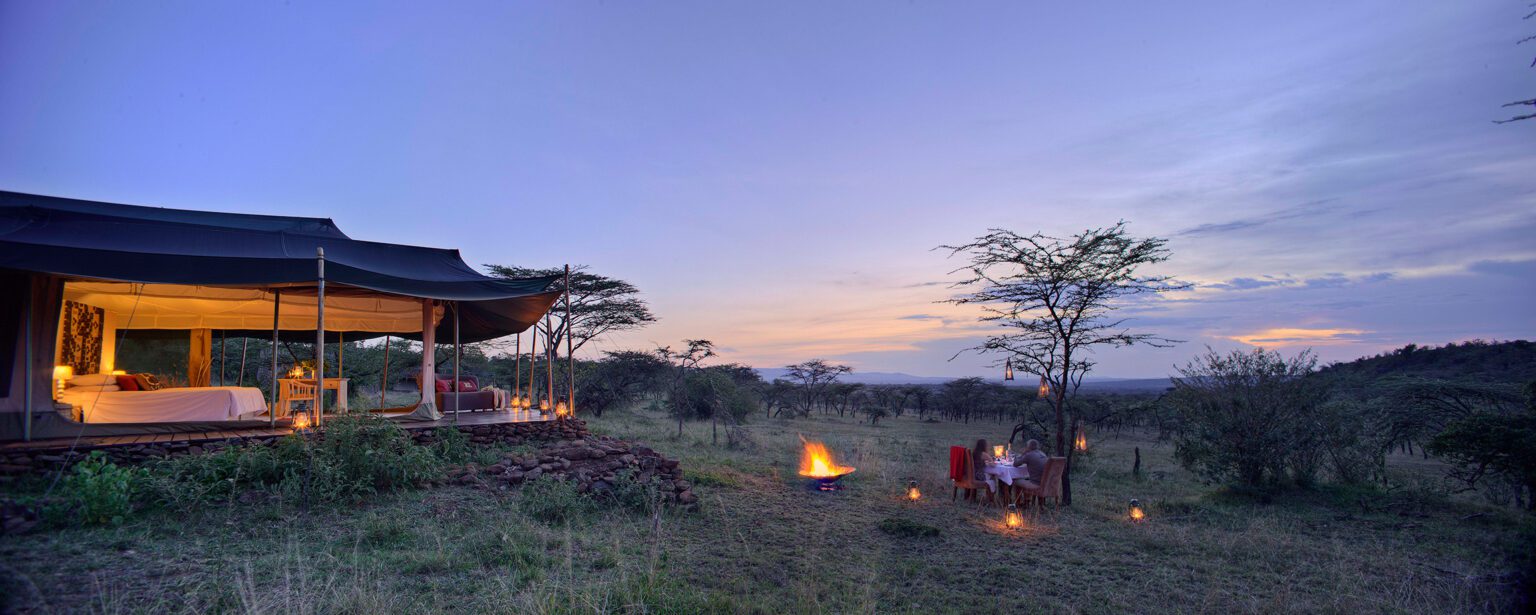
Basecamp Wilderness. For clients who want to feel properly off-grid — no crowds, no polished infrastructure, just wide plains and an escorted walk to your tent after dark — Basecamp Wilderness sits in the remote eastern reaches of the conservancy and delivers exactly that. It pairs well with a stay at Saruni Eagle View, since the two properties are close enough to connect on a guided walk between them.
Saruni Eagle View and Saruni Leopard Hill. Both properties sit on elevated ground with sweeping views back across the conservancy toward the reserve boundary, and both lean into a strong community-tourism ethos. Saruni Leopard Hill, with around six tents, is the more intimate of the pair and suits couples wanting a smaller, quieter footprint.
Encounter Mara, Mara Nyika Camp, and Porini Mara Camp. These three round out the conservancy's offering with, respectively, a contemporary low-impact design ethos as Naboisho Camp's sister property, striking architecture with elevated dining platforms, and a community-focused eco-camp model that keeps rates a touch more accessible without compromising on guiding standards.
How to choose between them: families with young children under five will find Naboisho Camp the most accommodating with its dedicated family suites; photographers and serious wildlife enthusiasts tend to gravitate toward Kicheche Valley and Naboisho Camp's photographic vehicle programme; honeymooners and those wanting the most private, off-grid experience often prefer Basecamp Wilderness or Saruni Leopard Hill; and those who want a hilltop view with a resident watering hole should look closely at Hemingways Ol Seki Mara.
Activities: What Makes a Naboisho Safari Different
Because Naboisho is a private conservancy rather than a state-run reserve, it operates under a separate set of rules that unlock activities simply not permitted inside the Maasai Mara National Reserve itself.
- Day game drives. Twice-daily drives, typically early morning and late afternoon, in 4x4 vehicles designed for optimal visibility, often with rotating photographic seats available on request.
- Night game drives. Spotlight-guided drives after dark to find nocturnal species such as genet, civet, aardvark, and hunting big cats — this is not permitted in the national reserve.
- Off-road driving. Guides may leave the track to follow wildlife, particularly useful for tracking cheetah and leopard, again prohibited inside the reserve itself.
- Walking safaris. Guided bush walks with an armed Maasai ranger, usually restricted to guests aged 16 and above, focused on tracking, bird identification, and bush survival knowledge.
- Fly camping. A night or two spent in a temporary mobile camp deep in the conservancy, cooking over an open fire and sleeping under canvas with minimal infrastructure — one of the most memorable add-ons we book for adventurous UK clients.
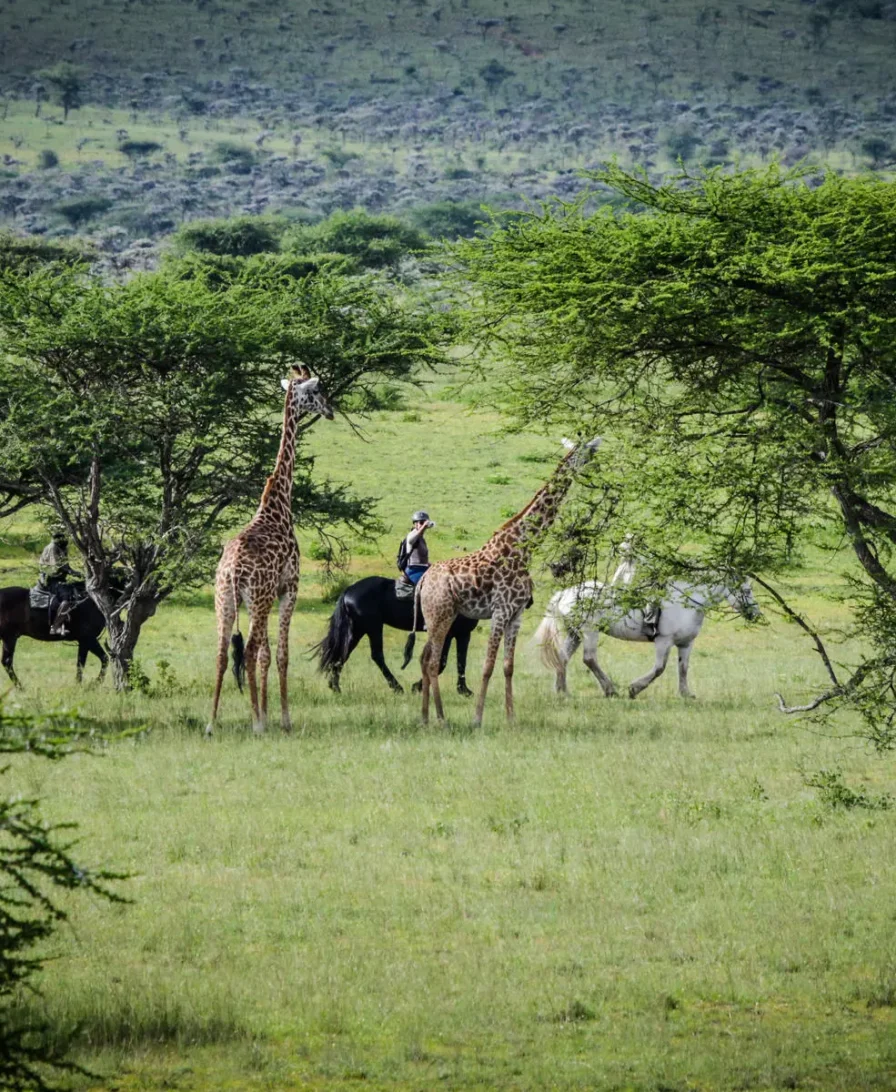
- Horse riding safaris. Offered at select camps for experienced riders, a genuinely unique way to move through Big Five country.
- Maasai cultural visits. Guided visits to a Maasai manyatta (homestead), usually costing around USD 20–30 per person, with proceeds supporting the community directly.
- Hot air balloon safaris. While not launched from inside Naboisho itself, most camps can arrange an early transfer to a balloon launch site in the wider Mara ecosystem for a sunrise flight followed by a bush breakfast. We cover this experience in detail in our dedicated balloon safari guide.
- Full-day reserve excursions. Most Naboisho camps can arrange a day trip into the Maasai Mara National Reserve proper, typically at an additional cost covering reserve park fees and vehicle time, ideal for guests wanting to combine conservancy exclusivity with a shot at the main river crossings.
Best Time to Visit Naboisho Conservancy
Because Naboisho holds strong resident wildlife populations year-round, it does not suffer from the same "feast or famine" seasonality as parts of the reserve that depend entirely on the migration passing through. That said, conditions do shift meaningfully by month.
| Period | Conditions | Highlights |
|---|---|---|
| January–February | Dry, warm, excellent visibility | Peak birding season; calving season for many resident herbivores |
| March–May | Long rains, lower rates, lush scenery | Quietest months, dramatic skies, fewer vehicles anywhere in the Mara |
| June | Rains easing, grass still green | Strong value month, wildlife concentrating as land dries |
| July–September | Peak dry season | Best month range for the wider Great Migration in the greater Mara ecosystem; excellent resident game in Naboisho itself |
| October | Tail end of dry season | Migration herds beginning to move south, still strong resident wildlife |
| November–December | Short rains begin | Secondary migration corridor activity as herds move toward the Loita Plains; green season photography |
If your primary goal is the Great Migration river crossings, base yourself with a combination itinerary that includes reserve access during August or September. If your primary goal is the classic Naboisho experience — predators, low vehicle density, and walking or night safaris — virtually any month works, and I often steer UK clients toward the shoulder months of June or October for the best balance of good weather, strong game viewing, and lower rates. We break this decision down for the whole country, month by month, in our best time to visit Kenya guide.
Getting to Naboisho Conservancy from the UK
Flights. British Airways and Kenya Airways both operate direct flights from London Heathrow to Nairobi's Jomo Kenyatta International Airport, with a flight time of roughly eight and a half to nine hours. Virgin Atlantic customers can also book the Kenya Airways-operated Heathrow–Nairobi service through their codeshare partnership. Most UK clients fly overnight, arriving in Nairobi the following morning.
Entry requirements. UK passport holders require an Electronic Travel Authorisation (eTA) to enter Kenya, applied for online in advance of travel. This replaced the previous visa system.
Onward transfer to Naboisho. From Nairobi you have two options:
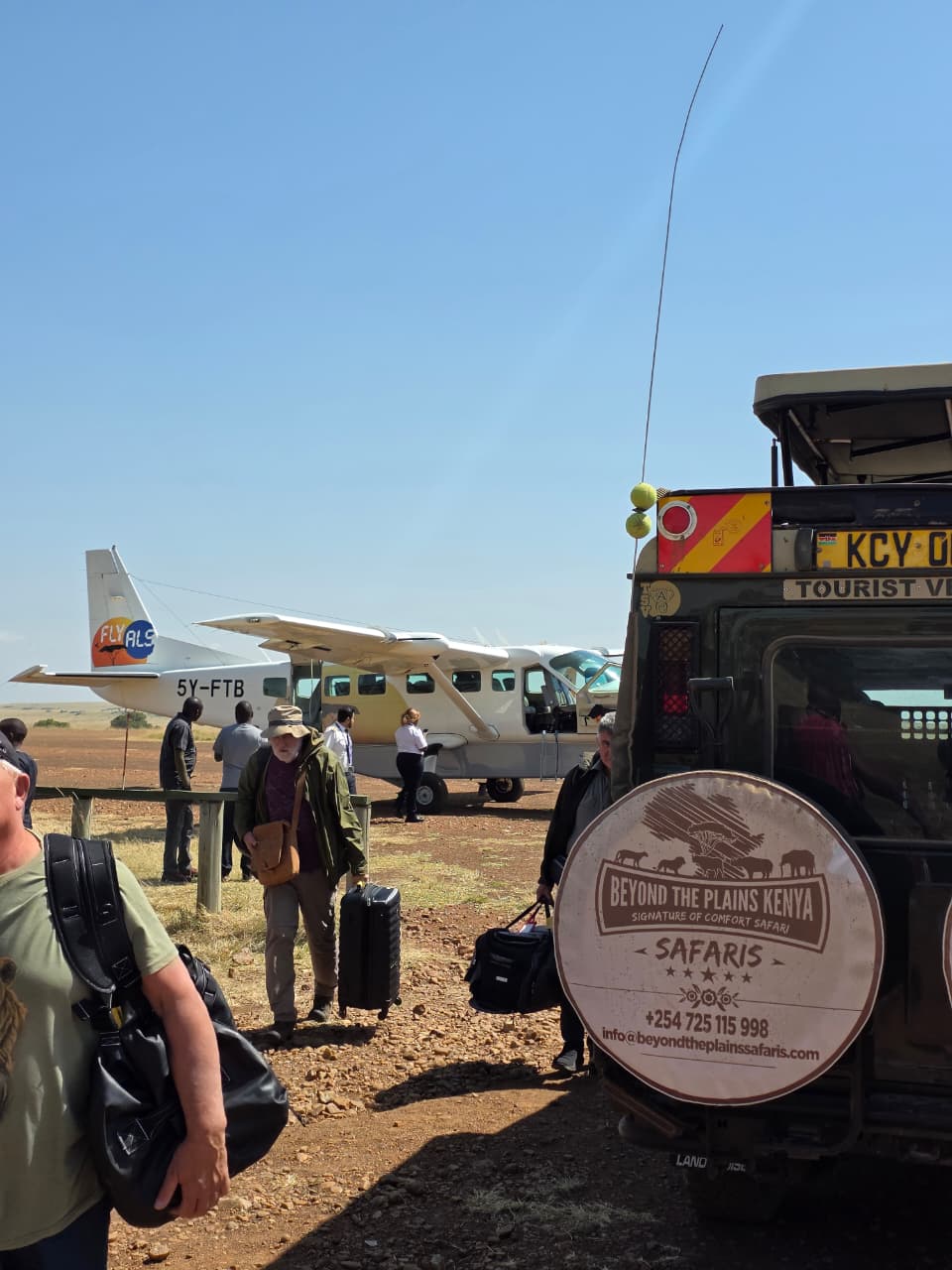
- By light aircraft from Wilson Airport to the Ol Seki or Mara North airstrip, a flight of around 45 minutes, followed by a road transfer of 15–45 minutes depending on your specific camp. This is what we book for the vast majority of our UK clients, since it preserves precious holiday time.
- By road, a drive of roughly 4.5 to 6 hours from Nairobi. Some clients choose this option to break the journey with a stop at Lake Naivasha or Hell's Gate National Park en route.
What a Luxury Naboisho Safari Costs
Pricing in Naboisho reflects its exclusivity. As a rough guide for UK clients budgeting in sterling, expect the following per person, per night, sharing, on a fully inclusive basis (accommodation, meals, house drinks, and game drives):
- Entry-level luxury camps: from around £600–£950 per person per night
- Mid-to-upper luxury camps: roughly £950–£1,400 per person per night
- Ultra-luxury and peak-season named suites: £1,400+ per person per night
On top of the camp rate, most Naboisho properties charge a separate conservancy fee, typically in the region of USD 100–150 per person per night, which funds landowner lease payments, ranger salaries, and community projects. Many all-inclusive quotes fold this into the headline rate, but it is worth confirming exactly what is and is not included before you book, particularly if you are comparing quotes from different operators. We cover exactly how to do this properly in our guide on how to compare Kenya safari quotes.
Optional extras to budget for include cultural village visits (around USD 20–30 per person), fly camping (from around USD 175 per person), and a full-day excursion into the Maasai Mara National Reserve itself, which incurs the separate reserve park fee on top of vehicle and guiding costs.
If you are weighing up whether the conservancy premium is worth it against a mid-range reserve-based lodge, our mid-range versus luxury safari comparison sets out the trade-offs candidly.
Sample Itinerary: A First-Time Naboisho Safari for UK Clients
This is close to what I would put in front of a UK couple booking their first Kenya trip, built around a Naboisho base:
- Day 1: Overnight flight from London Heathrow, arrive Nairobi, light aircraft transfer to Ol Seki airstrip, road transfer to camp, settle in over lunch, afternoon game drive.
- Day 2: Early morning game drive, rest through the heat of the day, guided walking safari late afternoon, sundowners on the plains.
- Day 3: Full-day excursion into the Maasai Mara National Reserve for a shot at the river crossings (July–October) or a relaxed morning drive followed by a Maasai cultural visit (other months).
- Day 4: Night game drive the previous evening, followed by an early balloon safari and bush breakfast, afternoon at leisure by the pool.
- Day 5: Fly camping overnight deep in the conservancy for the adventurous, or a final relaxed game drive for those preferring camp comforts.
- Day 6: Final morning game drive, transfer back to Nairobi, connect onward or extend to Diani Beach or Zanzibar for a beach finish.
We tailor every itinerary individually rather than working from a fixed template — this is simply illustrative of how the pieces fit together over five or six nights. For a longer private itinerary built entirely around your dates, our team can put together a bespoke private Kenya safari that includes Naboisho alongside other parks.
Naboisho and Conservation: Why Your Stay Matters
Every night you spend in Naboisho contributes directly to a working model of community-led conservation. The land was never government-owned; it belongs to individual Maasai families who chose to lease it collectively into the conservancy rather than fence it off for farming or sell it outright. That leasing model now supports more than 700 landowning families with a direct monthly income tied to conservation rather than livestock or crop yields, funding clean water access, renewable energy projects, healthcare, and education, including bursary programmes that have helped keep thousands of local children in school.
This is not incidental marketing colour. It is the actual reason the wildlife density in Naboisho is what it is: land that would otherwise face subdivision and fencing pressure has instead been kept open and wild, benefiting both the ecosystem and the people who own it.
Naboisho vs Other Mara Conservancies
Naboisho sits within a cluster of similar community conservancies along the Mara's northern and eastern boundary, and clients often ask how it compares.
- Olare Motorogi Conservancy is generally considered to have the single highest lion density per square kilometre in the Mara ecosystem and an extremely low tourist footprint, with a slightly higher price point than Naboisho on average.
- Mara North Conservancy is the largest of the group and offers the widest spread of accommodation styles and price points, from simpler tented camps to some of the most expensive suites in Kenya.
- Ol Kinyei Conservancy, bordering Naboisho to the east, is smaller and more budget-friendly, with a strong reputation for scenery and cultural tourism rather than the highest predator densities.
Naboisho's particular strength is the combination of Africa's highest recorded lion density with a genuinely community-driven governance model and a strict nine-camp cap that has held steady for over a decade. For a full breakdown of how all of these compare to the reserve itself, our conservancy versus reserve field guide is the most complete resource we publish on the subject.
What to Pack for Naboisho
Naboisho's climate sits at a moderate altitude, and the daily temperature swing is bigger than most first-time UK visitors expect: daytime highs around 25°C are common, but early morning game drives can start closer to 11°C, especially June through August. I always tell clients to pack in layers rather than by season.
- Neutral-coloured clothing (khaki, olive, stone) for game drives; avoid bright colours and pure black or navy, which can attract tsetse flies in wooded areas
- A proper fleece or down layer plus a warm hat for early morning and night game drives, even in the dry season
- A wide-brimmed hat, high-factor sunscreen, and good sunglasses
- Binoculars — most camps provide a pair per vehicle, but a personal set is worth the luggage space, particularly for birders
- A lightweight rain jacket if travelling March–May or November–December
- Comfortable closed shoes for walking safaris
- A soft-sided duffel bag rather than a hard suitcase, essential if any part of your trip uses light aircraft, which impose strict soft-bag baggage limits
Health and Safety Notes for UK Travellers
Most Naboisho camps are unfenced, meaning wildlife moves freely through camp grounds after dark. This is part of the appeal, not a design flaw, and every camp we book operates an escort system: a member of staff, usually a Maasai askari, will walk you between your tent and the central areas after dark. Do not walk alone at night regardless of how short the distance looks.
Malaria prophylaxis is recommended for the Mara region; speak to your GP or a travel clinic at least four to six weeks before departure. Yellow fever vaccination is only a requirement if you are arriving from a country where yellow fever is endemic, but it is worth checking current NHS travel health guidance for Kenya before you go, since requirements are reviewed periodically. We also recommend confirming that your travel insurance includes emergency medical evacuation cover, which most camps in the conservancy can arrange access to via the regional Flying Doctors service if ever needed.
A Word on Photography in Naboisho
If photography is the main reason for your trip, Naboisho rewards it more consistently than almost anywhere else I book in Kenya, for one simple reason: off-road driving and the low vehicle cap mean your guide can position the vehicle for light and composition rather than fighting for a viewing angle among a dozen other trucks. Several camps, Naboisho Camp chief among them, run dedicated photographic vehicles with rotating bean-bag-friendly seating and drop-down sides for a clean sightline. Early morning and late afternoon game drives align with the golden light photographers want, and the resident lion prides in particular are used enough to vehicles that close, considered approaches rarely cause disturbance. For anyone bringing serious camera equipment, our team can also arrange an extra vehicle for exclusive use, which removes any compromise over positioning with other guests.
Frequently Asked Questions
Is Naboisho Conservancy part of the Maasai Mara? Naboisho is a separate, privately managed conservancy bordering the Maasai Mara National Reserve, not part of the reserve itself. It sits within the wider Mara-Serengeti ecosystem and is governed by its own board of Maasai landowners and tourism partners rather than Narok County, which manages the national reserve.
How many camps are in Naboisho Conservancy? Nine: Naboisho Camp, Encounter Mara, Mara Nyika Camp, Hemingways Ol Seki Mara, Kicheche Valley Camp, Porini Mara Camp, Basecamp Wilderness, Saruni Eagle View, and Saruni Leopard Hill.
Is Naboisho good for the Great Migration? Naboisho itself is not on the main river-crossing route, but it lies along a secondary migration corridor used by herds moving between the reserve and the Loita Plains in May–June and November–December. For guaranteed access to the main crossings, pair your Naboisho stay with a day excursion into the national reserve during peak migration months (roughly July to October).
Can you do night game drives in Naboisho? Yes. Night game drives, off-road driving, and walking safaris are all permitted inside Naboisho Conservancy, unlike the Maasai Mara National Reserve itself, where none of these activities are allowed.
How do you get to Naboisho from the UK? Fly direct from London Heathrow to Nairobi with British Airways or Kenya Airways (around 8.5–9 hours), then take a light aircraft transfer of roughly 45 minutes from Wilson Airport to the Ol Seki or Mara North airstrip, followed by a short road transfer to your camp.
Is Naboisho suitable for families with children? Several camps, most notably Naboisho Camp with its dedicated family suites, welcome children over the age of five. Walking safaris are generally restricted to guests aged sixteen and above.
What does a Naboisho conservancy fee cover? Conservancy fees, typically USD 100–150 per person per night, fund land lease payments to Maasai landowners, ranger salaries and anti-poaching patrols, and community development projects including schools, clean water access, and healthcare.
How many nights should I spend in Naboisho? Most operators, ourselves included, recommend a minimum of three nights to allow two full days of activities without feeling rushed. Four to five nights gives you room to combine a resident-wildlife-focused itinerary in the conservancy with a full-day excursion into the national reserve and an optional fly-camping night, without the trip feeling like a checklist.
Is Naboisho more expensive than staying inside the Maasai Mara National Reserve? Generally, yes, once the separate conservancy fee is factored in alongside camp rates, though pricing overlaps considerably at the upper end of both markets. What you are paying the premium for is the vehicle cap, the additional activities permitted, and materially lower guest density, not simply a fancier tent.
Can I combine Naboisho with a Tanzania Serengeti safari? Yes, and it is one of our most popular UK itineraries. Naboisho sits within the same broader Mara-Serengeti ecosystem as the Serengeti National Park across the border, and many clients combine four or five nights in Naboisho with a further stint in the northern Serengeti to follow the migration across both countries on a single trip.
Where Naboisho Fits in a Wider Kenya Trip
Very few of our UK clients fly all the way to Kenya purely for a three-night conservancy stay, and I would rarely advise it given the flight time involved. Naboisho works best as the anchor of a longer itinerary. A common pattern we build is four or five nights in Naboisho followed by a short flight to Amboseli National Park for close-up elephant viewing against Kilimanjaro's backdrop, or a final few days unwinding on the coast at Diani Beach. For clients wanting a single-country, single-focus trip built entirely around big cats and the migration, we typically pair Naboisho with a full-day reserve excursion and, time permitting, a night or two at a camp inside the Mara Triangle itself for direct river-crossing access. Whichever structure suits your dates and budget, the conservancy nights are usually what clients remember most vividly when they get home, which is exactly why we lead with Naboisho whenever a first-time luxury Kenya brief lands on my desk.
Planning Your Naboisho Safari
If you are still choosing between Naboisho, the wider Maasai Mara National Reserve, or a combined itinerary that also takes in Tanzania's Serengeti, I would genuinely rather talk it through with you than have you guess from a website. Every one of the itineraries I put together is shaped around specific dates, budget, and what a client actually wants from their days rather than a fixed package, whether that is a Masai Mara safari built around Naboisho alone or a longer combined Kenya and Serengeti migration itinerary. For anyone weighing up operators for a private Mara trip, our guide to choosing the right private Mara safari operator sets out the questions worth asking before you commit.
Get in touch through our consultation page and we will start building your Naboisho itinerary properly, camp by camp, night by night.
Linet Wanjiru is Senior Safari Specialist at Beyond the Plains Safaris, a Kenya-based tour operator specialising in private, luxury safaris across Kenya and Tanzania for UK and international clients. Rates and camp names in this article are indicative and reviewed as of July 2026; always confirm current pricing and availability directly with your safari specialist before booking, as conservancy fees and camp rates are revised seasonally.










Comments (0)
Leave a Comment
No comments yet. Be the first to comment!