

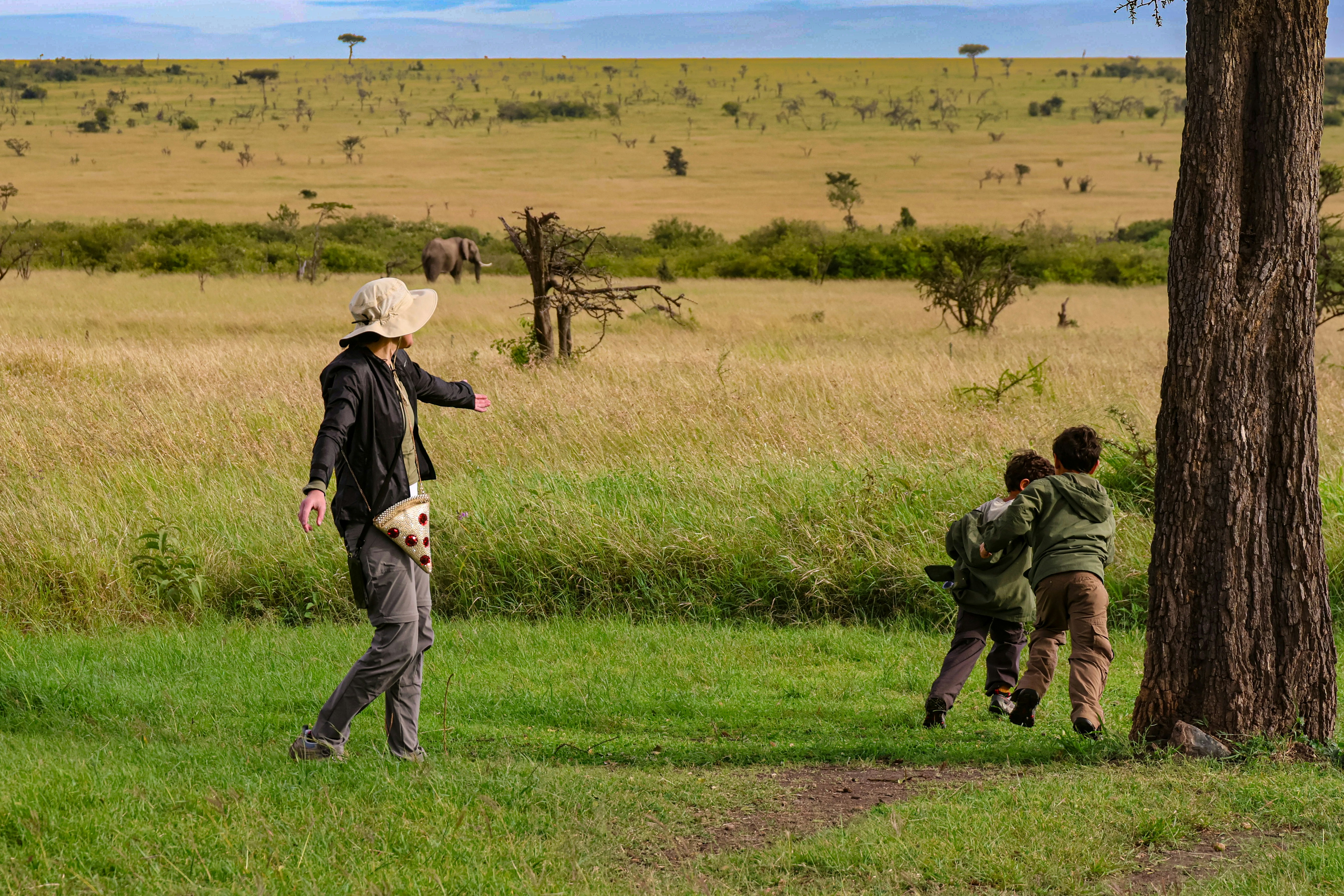
Thinking about a solo safari in Kenya? Short answer: yes, it's safe, well-organized, and one of the best places in the world to travel alone as a woman, as long as you book with a reputable operator like Beyond The Plains Safaris and follow a few ground rules. Here's everything you need to know before you go, from safety and budgeting to the best camps and what to pack.
Is Kenya Safe for Solo Female Travelers?
Kenya is generally safe for solo female travellers who follow standard precautions and book with reputable operators, and most major tourist areas are secure, well monitored, and used to hosting independent guests. Many lodges and camps are experienced in hosting solo guests, and they're adept at creating a friendly atmosphere where it's easy to meet people without feeling pressured to socialize.
Once you're inside a national park or private conservancy, you're rarely truly alone. A structured safari is highly regulated, and you're almost always accompanied by trained professionals, with lodge and camp staff typically highly attentive and protective of their guests. That structure is exactly what makes safari travel different from, say, backpacking solo through a big city, your days are guided, your transport is arranged, and your accommodation is vetted.
That said, the main risks aren't wildlife-related, they're the same ones any solo traveler faces in an unfamiliar place. Kenya can be safe for solo female travellers, but you'll need to take extra precautions, like avoiding walking around after dark alone. Women should avoid walking alone at night, be cautious with new acquaintances, secure valuables, and stay aware of their surroundings, the same rules that apply to safe travel anywhere.
Transport is where most safety decisions actually happen. Registered taxis or ride-hailing apps are safer than matatus (public minibuses) for women, especially at night, and for longer distances, pre-booked private transfers or regional flights are considered the gold standard for safety and comfort.
A few safari-specific safety features are worth knowing before you go:
- You're never walking to your tent alone at night. At nearly every mid-to-high-end lodge, staff escort guests to their rooms after sunset.
- Communal dining makes solo trips social, not lonely. Most safari lodges have a communal dining tradition where guests share one large table, ideal for solo travelers, though a private table can be arranged if you'd rather keep to yourself.
- Emergency support is now standard. Reputable operators like Beyond The Plains Safaris run 24/7 WhatsApp emergency lines, so if a driver, staff member, or situation makes you uncomfortable, you can message your coordinator immediately and get a driver swapped or accommodation changed within hours.
- All-women safari staff exist, too. Some camps in East Africa are staffed entirely by women, from chefs to professional guides, offering a distinct sense of camaraderie and relaxed safety for solo female guests.
What Solo Female Safari Travel Actually Costs
Your Kenya safari budget breaks into three main parts: park fees, accommodation (plus the single supplement), and transport between destinations. Understanding each one helps you avoid budget surprises.
| Cost Category | What to Expect |
|---|---|
| Park entry fees | Around $100/day in the Maasai Mara during low season (Jan–June), rising to roughly $200/day in high season, charged per 24-hour period, regardless of group size. |
| Single supplement | Typically 25–50% extra on the per-person rate for a tent or room to yourself. |
| Budget safari | Group camping tours, shared vehicles, basic tented camps |
| Mid-range safari | Small tented camps, semi-private or private game drives, communal dining |
| Luxury safari | Private conservancies, exclusive-use camps, light-aircraft transfers between parks |
The single supplement is the cost that catches most solo travelers off guard, since it can add hundreds of dollars per night on top of your base rate. Single supplements are additional charges for solo travelers occupying a lodge or tent alone, typically 25–50% of per-person rates.
The good news: more Kenyan camps are actively working to remove this barrier. Angama Mara waives the single supplement on the first two single rooms booked in any reservation, only charging 50% of the nightly rate from the third single booking onward. Camps such as Porini Lion Camp and Porini Mara Camp in the Maasai Mara ecosystem regularly waive or reduce the single supplement on set-departure small group trips.
Timing your trip also matters. Booking during shoulder season, roughly April through May or November, softens the surcharge at many mid-range lodges since occupancy runs lower during those months. And if flexibility isn't a problem, ask your operator directly, some operators can match a solo traveler into an existing small joiner group specifically to sidestep the single supplement altogether.
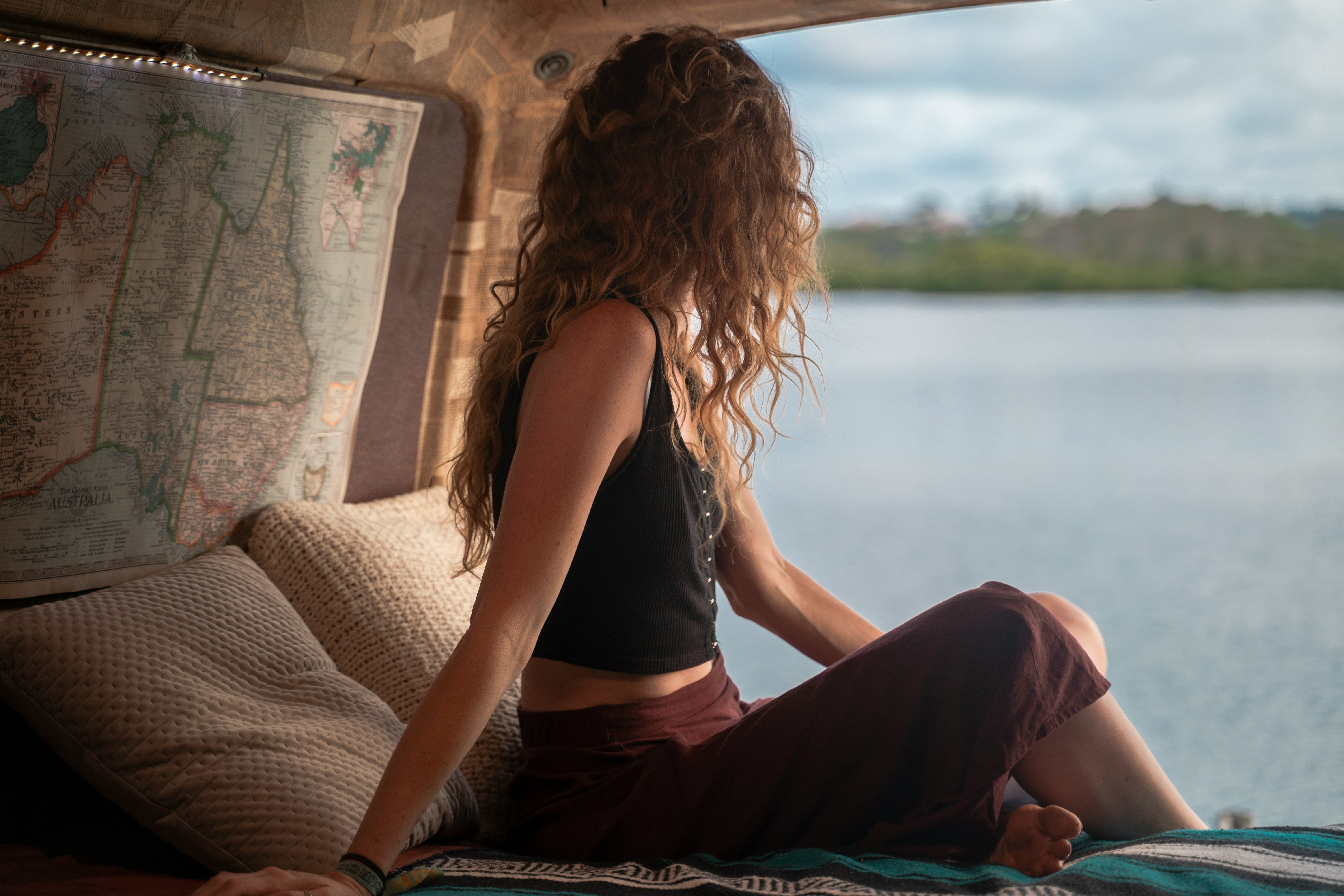
Best Camps for Solo Female Travelers in Kenya
Not every camp is built with solo guests in mind, but a growing number are, and they tend to share the same traits: small guest numbers, communal dining, waived or reduced single supplements, and staff genuinely experienced with hosting independent women.
| Camp / Lodge | Location | Why It Works for Solo Travelers |
|---|---|---|
| Angama Mara | Oloololo Escarpment, Maasai Mara | Waives the single supplement on the first two single rooms booked; sweeping views over the Mara plains, famously the site where scenes from Out of Africa were filmed. |
| Rekero Camp | Maasai Mara | Renowned for its intimate atmosphere, incredible wildlife sightings, friendly staff, and excellent security. |
| Naboisho Camp | Naboisho Conservancy | Offers private game drives and guided walking safaris in a less crowded, wildlife-rich conservancy adjacent to the main reserve. |
| Kicheche Mara | Mara Conservancies | Single-occupancy-friendly accommodations paired with flexible, wildlife-focused itineraries. |
| Porini Mara / Porini Lion | Maasai Mara ecosystem | Small camps, typically under 10 tents, so solo guests never get lost in a large group, with regular single-supplement waivers on set departures. |
| Basecamp Explorer | Maasai Mara | Runs regular small joiner departures with a strong solo-friendly reputation and communal dining that makes meeting other guests easy. |
| Offbeat Mara / Offbeat Laikipia | Mara Conservancies / Laikipia | Guided game drives and walking safaris led by knowledgeable local Maasai guides, in the more private conservancy setting outside the main reserve. |
If a private camp still feels out of budget, ask your operator (like Beyond the Plains Safaris) about slotting you into an existing small-group departure, several operators actively match solo travelers into joiner groups to eliminate the single supplement entirely.
Best Time of Year for a Solo Safari
Kenya's safari calendar runs year-round, but timing affects both your budget and your experience.
- July–October (peak/dry season): Best wildlife visibility and the Great Migration river crossings in the Maasai Mara, but the highest prices and busiest camps.
- January–March (short dry season): Great weather, good visibility, calving season on the plains, fewer crowds than peak.
- April–May and November (shoulder/rainy season): Lower rates, softer single supplements, lush green landscapes, and fewer tourists, a good window for reducing single-traveler costs since occupancy runs lower.
What to Wear on a Kenya Safari
Skip the head-to-toe khaki cliché, but do dress with climate and culture in mind:
- Neutral, breathable colors like khaki, olive, and sand, they hide dust and don't attract tsetse flies
- Layers for warm mornings and evenings and hot midday sun
- A wide-brim hat, sunglasses, and closed walking shoes for guided walks
- A light scarf or wrap for dusty drives and modest dressing in towns
- Dressing modestly is advised when passing through rural towns and villages, out of respect for local culture.
Practical Safety and Health Tips
- Book through a licensed, reputable operator with verifiable reviews
- Share your itinerary and daily whereabouts with someone at home
- Avoid night walks in towns, carrying large amounts of cash, and leaving belongings unattended.
- Get travel insurance that includes medical evacuation cover
- Ensure vaccines are up to date, including Hepatitis A and B, and book an appointment with a travel medical clinic before departure.
- Contracting malaria is a risk in Kenya, so get a prescription for malaria pills, pack bug spray, and use provided bug nets if camping.
- Carry a portable charger, offline maps, and printed copies of key documents for remote conservancy areas
How Kenya Compares to Other Solo Safari Destinations
If you're weighing Kenya against neighboring countries, here's a quick snapshot:
Kenya is vibrant, energetic, and deeply cultural, well suited to solo women who want safari combined with authentic community experiences, with well-developed tourism and welcoming local people. South Africa offers more variety and autonomy for independent women, with cities, beaches, hiking trails, and safari reserves combined. Tanzania is considered one of Africa's safest and most peaceful travel destinations for solo women, making it a natural add-on if you're combining a multi-country trip.
For a first-time solo safari, Kenya's combination of established infrastructure, small solo-friendly camps, and guides experienced with independent women makes it one of the easiest entry points into African travel.
Frequently Asked Questions
Is it safe to go on safari alone as a woman in Kenya?
Yes. Structured safaris with licensed guides and reputable camps are considered one of the safer ways to travel solo in East Africa, provided you avoid unlicensed operators and unsafe night travel in towns.
Do I have to pay extra as a solo traveler?
Usually, yes, most camps charge a single supplement of 25–50% on the per-person rate. Several Mara camps, including Angama Mara and the Porini camps, now waive or reduce it under certain conditions.
What's the best time of year for a budget-friendly solo safari?
Shoulder season, roughly April–May or November, tends to bring lower rates and softer single supplements thanks to reduced occupancy.
Which Kenyan destination is best for a first solo safari?
The Maasai Mara and its surrounding conservancies, Naboisho, Mara North, and the Mara Triangle, are the most solo-friendly, thanks to established infrastructure, small-camp options, and staff experienced with independent travelers.
Can I meet other travelers on a solo safari?
Yes. Communal dining is standard at most camps, and several operators run small joiner group departures specifically designed to connect solo travelers with like-minded guests.
Ready to Plan Your Solo Safari?
Kenya rewards women who travel solo with some of the best wildlife encounters on the planet, and an industry that's genuinely built to welcome you. At Beyond the Plains Safaris, we tailor solo itineraries around your comfort, budget, and pace, matching you with camps that waive single supplements and guides experienced in hosting independent women. Reach out, and let's build your Kenya safari.










Comments (0)
Leave a Comment
No comments yet. Be the first to comment!