

Understanding the Impact of Safaris on Local Communities and Conservation
Safari tourism across East Africa—especially in Kenya and Tanzania—has evolved into a powerful driver of both conservation and community development. Today, a well-managed safari does more than deliver unforgettable wildlife encounters—it actively contributes to protecting ecosystems and improving local livelihoods.
At Beyond the Plains Safaris, this philosophy is central to every itinerary. Through initiatives highlighted on their Our Impact page, the company demonstrates how sustainable safari tourism benefits for local communities in Kenya while directly supporting conservation efforts on the ground.
How Safaris Support Wildlife Conservation Efforts in Africa
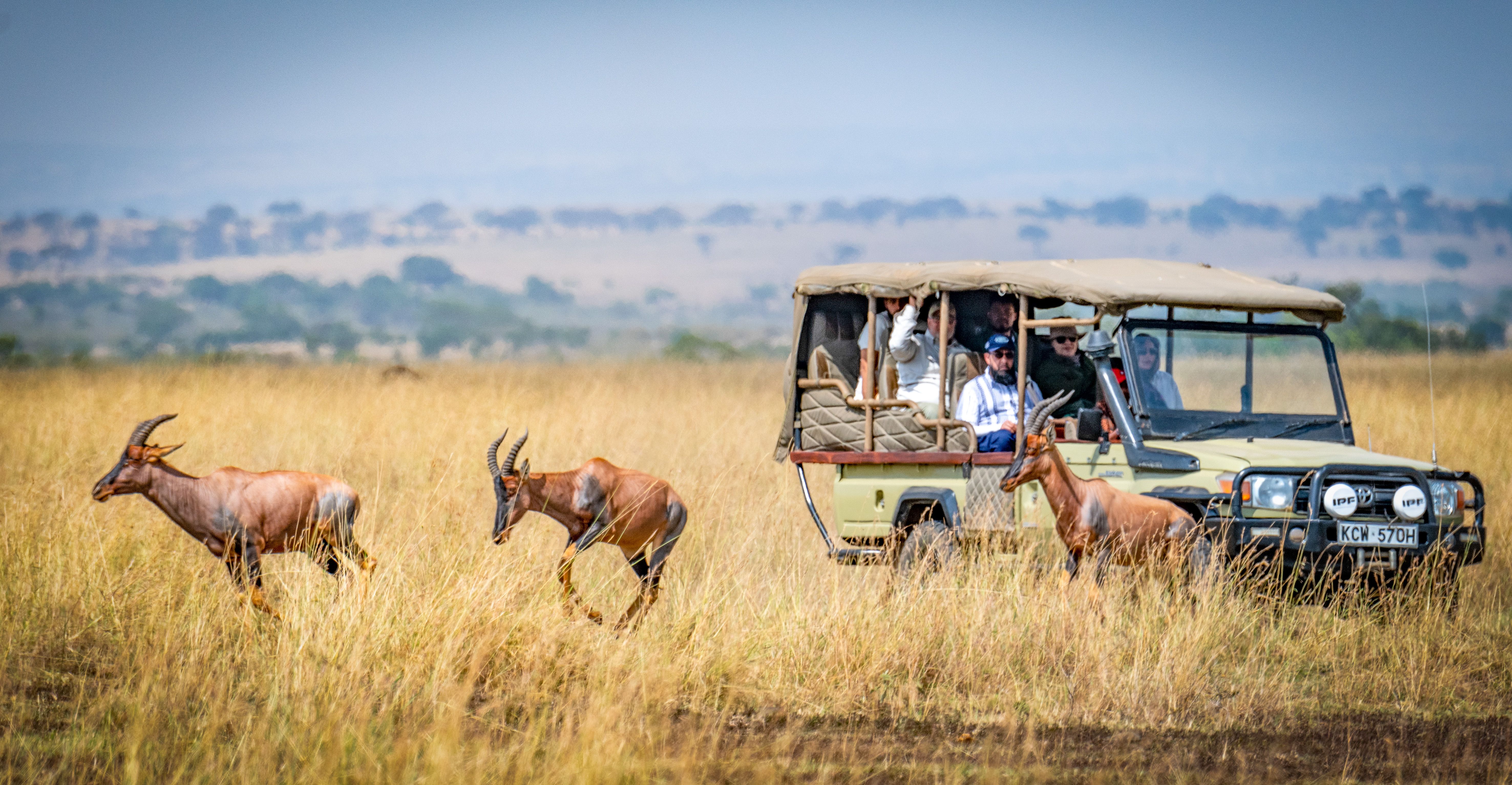
Wildlife conservation depends heavily on tourism revenue. Iconic ecosystems like Maasai Mara National Reserve and Serengeti National Park rely on safari-generated income to sustain operations.
Key Conservation Contributions:
- Park entry fees fund wildlife protection and habitat management
- Private conservancies reinvest tourism income into conservation
- Safari operators support how safari operators contribute to conservation and anti-poaching initiatives
- Lodges implement eco-friendly safari practices that protect wildlife and habitats
Through carefully curated experiences, Beyond the Plains Safaris ensures that every journey contributes to how safaris support wildlife conservation efforts in Africa, creating a direct link between tourism and environmental protection.
The Role of Conservancies in Kenya in Wildlife Protection and Tourism
Community conservancies are among the most successful conservation models in Africa. Areas such as Ol Pejeta Conservancy and Naboisho Conservancy showcase the role of conservancies in Kenya in wildlife protection and tourism.
Why Conservancies Matter:
- Provide exclusive, low-impact safari experiences
- Generate steady income for local landowners
- Protect wildlife corridors and biodiversity
- Reduce overcrowding in national parks
These conservancies are a cornerstone of community-based tourism initiatives in Kenya safari destinations, ensuring tourism benefits are shared directly with local communities.
Economic Benefits of Safari Tourism for Rural African Communities
Safari tourism is a major economic engine in rural East Africa. It creates employment and supports local economies in meaningful ways.
Community Impact:
- Employment for guides, drivers, and hospitality staff
- Support for local farmers and artisans
- Investment in schools, healthcare, and infrastructure
- Revenue-sharing through community-owned conservancies
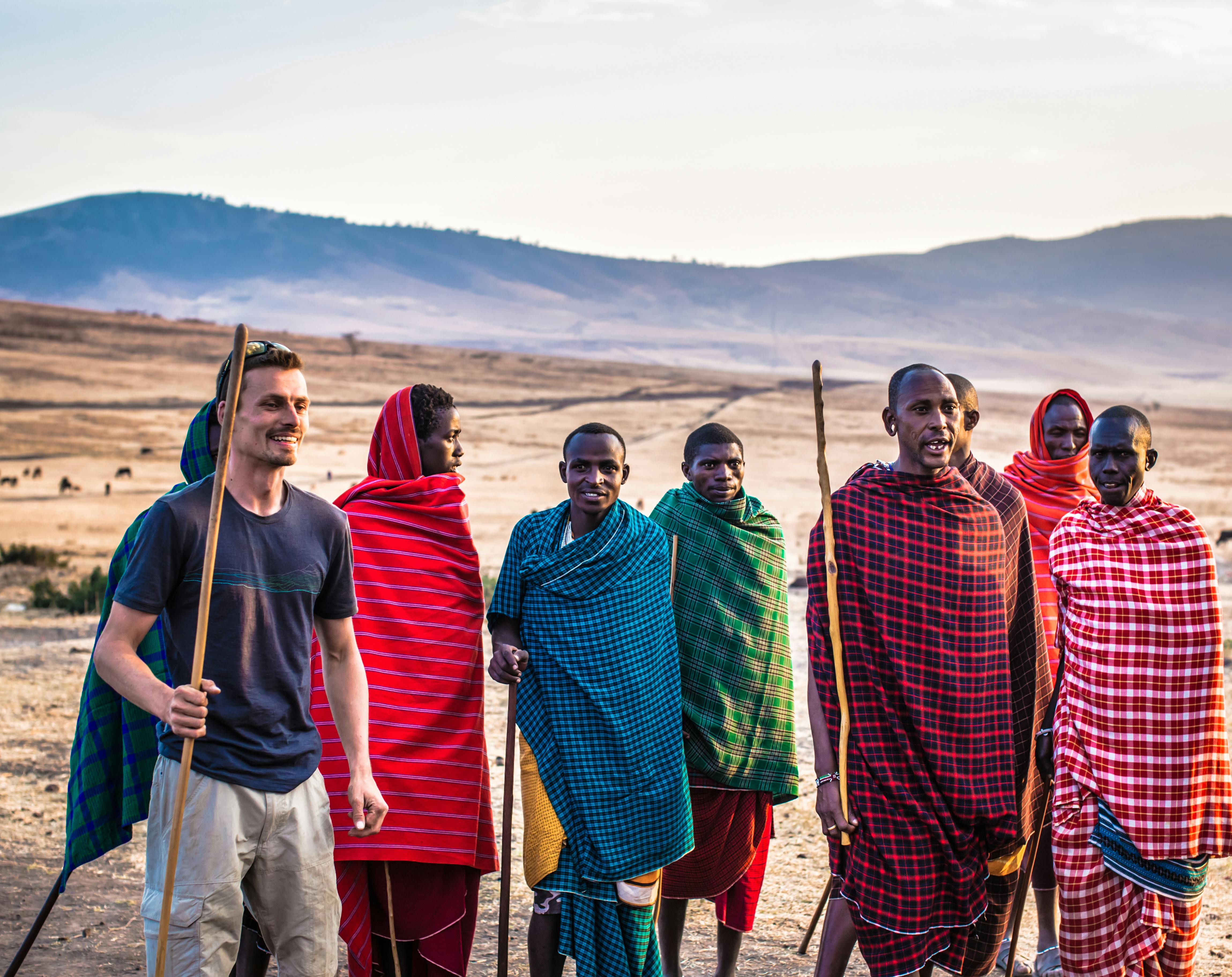
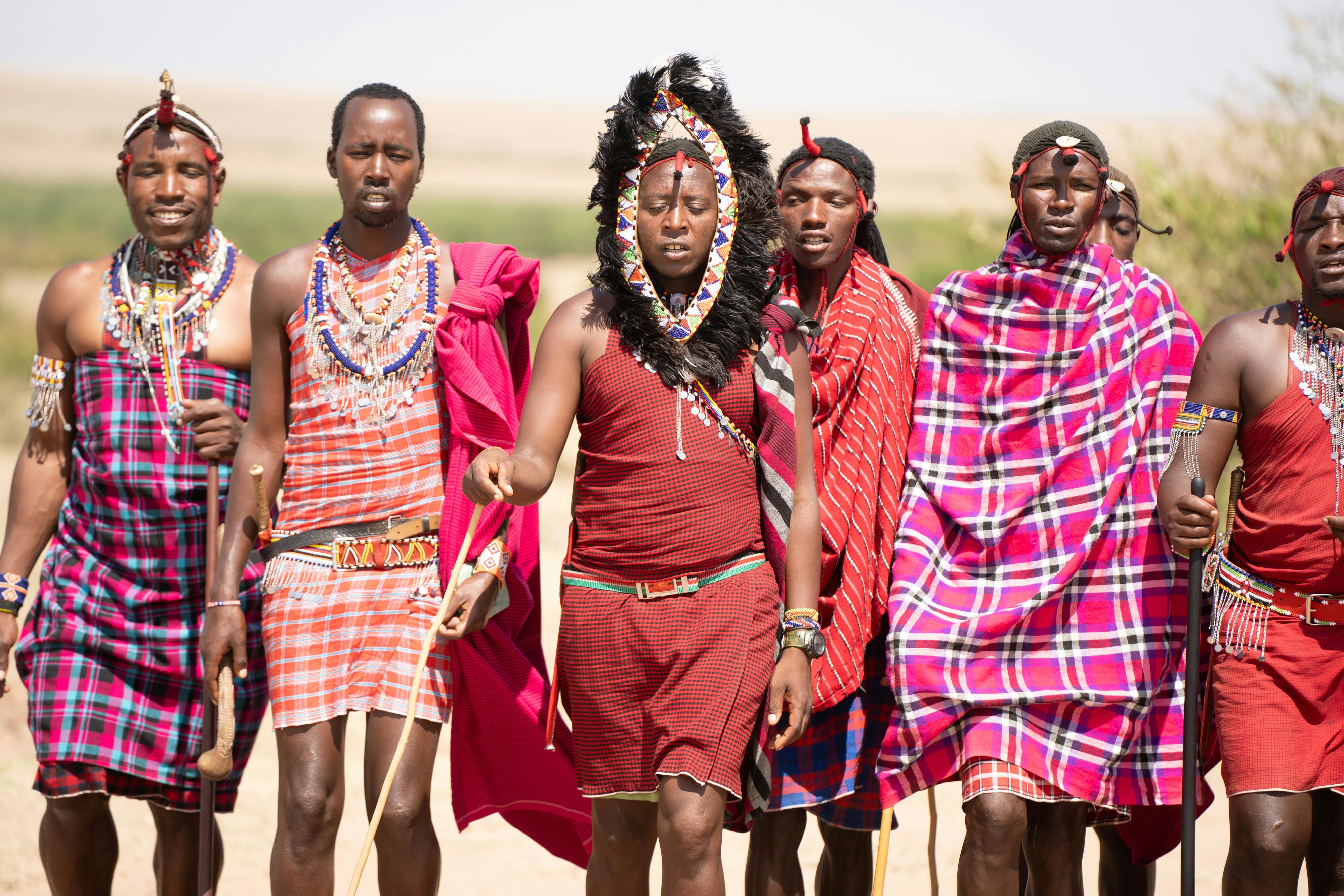
In regions surrounding the Maasai Mara, the Maasai community has seen significant improvements through tourism partnerships. This highlights the economic benefits of safari tourism for rural African communities and reinforces why responsible travel matters.
Impact of Safari Tourism on Maasai Communities and Livelihoods
Tourism has transformed livelihoods for many indigenous groups. The impact of safari tourism on Maasai communities and livelihoods is particularly significant.
Positive Outcomes:
- Land lease payments from conservancies
- Income from cultural tourism experiences
- Employment opportunities in lodges and camps
- Funding for education and community programs
Beyond the Plains Safaris works closely with local partners to ensure that tourism remains respectful, ethical, and beneficial—aligning with best practices in responsible safari travel tips for ethical wildlife experiences.

How Tourism Revenue Supports Conservation Projects in East Africa
Tourism revenue plays a direct role in funding conservation programs across the region.
Supported Initiatives:
- Anti-poaching patrols and ranger training
- Wildlife monitoring and research
- Habitat restoration projects
- Protection of endangered species
In ecosystems like Amboseli National Park, tourism helps sustain elephant populations while supporting nearby communities. This clearly demonstrates how tourism revenue supports conservation projects in East Africa.
Responsible Safari Travel Tips for Ethical Wildlife Experiences
Travelers play a crucial role in shaping the future of safari tourism. Choosing the right operator ensures your trip has a positive impact.
What to Look For:
- Operators committed to sustainability and conservation
- Lodges practicing eco-friendly operations
- Fair employment and community engagement
- Transparent conservation contributions
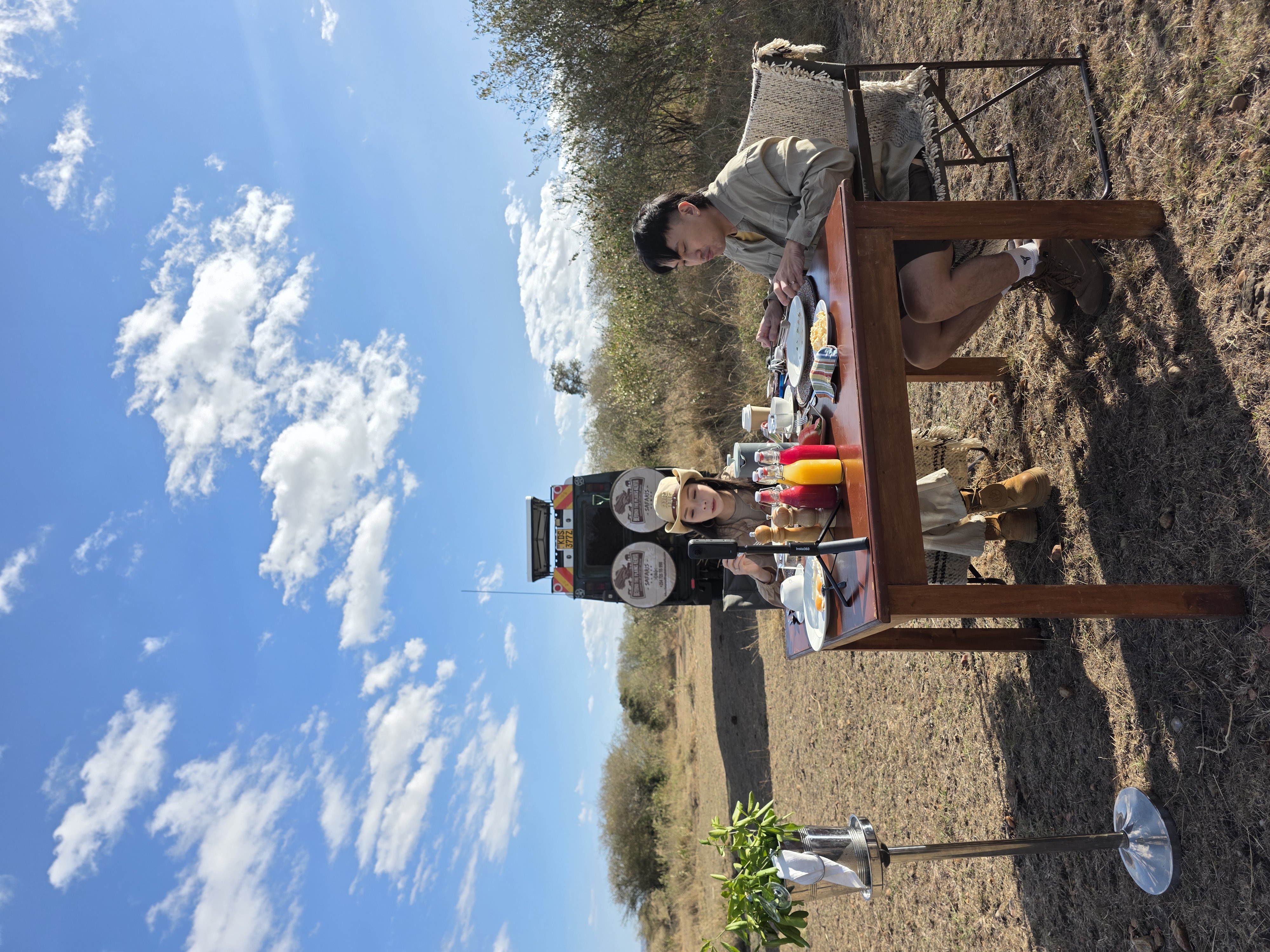
Beyond the Plains Safaris integrates these principles into every itinerary, offering experiences rooted in eco-friendly safari practices that protect wildlife and habitats.
Why Choosing the Right Safari Operator Matters
Not all safari experiences are created equal. The right operator can significantly enhance both your experience and your impact.
With a strong focus on sustainability, Beyond the Plains Safaris actively supports:
- community-based tourism initiatives in Kenya safari destinations
- Conservation-driven travel models
- Local partnerships that empower communities
- Authentic, responsible safari experiences
By aligning with these values, travelers contribute to a system where tourism becomes a force for good.
Frequently Asked Questions About Safari Tourism, Conservation, and Community Impact
1. What are the sustainable safari tourism benefits for local communities in Kenya?
Sustainable tourism ensures that a significant portion of safari revenue flows directly into local economies. This includes job creation, support for local businesses, and funding for schools and healthcare. In regions near Maasai Mara National Reserve, community conservancies allow landowners to earn steady income through tourism while preserving their land for wildlife.
2. How do safaris support wildlife conservation efforts in Africa?
Safaris generate essential funding through park fees, conservancy payments, and lodge contributions. These funds are used for anti-poaching patrols, habitat protection, and wildlife research. Destinations like Serengeti National Park rely heavily on tourism revenue to maintain biodiversity and protect endangered species.
3. What is the impact of safari tourism on Maasai communities and livelihoods?
The impact of safari tourism on Maasai communities and livelihoods has been largely positive when managed responsibly. Many Maasai families benefit from land leases, employment in lodges, and cultural tourism experiences. This income supports education, healthcare, and long-term financial stability.
4. What are eco-friendly safari practices that protect wildlife and habitats?
Eco-friendly safaris focus on minimizing environmental impact. This includes solar-powered lodges, waste reduction systems, controlled vehicle numbers, and respect for wildlife viewing guidelines. Many operators, including Beyond the Plains Safaris, integrate eco-friendly safari practices that protect wildlife and habitats into their itineraries.
5. What are community-based tourism initiatives in Kenya safari destinations?
Community-based tourism allows local people to directly benefit from tourism activities. Examples include conservancies, cultural villages, and community-owned lodges. In areas like Naboisho Conservancy, tourism revenue is shared with local landowners, supporting sustainable livelihoods and conservation efforts.
6. How do safari operators contribute to conservation and anti-poaching?
Responsible operators actively fund and support conservation programs. This includes training rangers, financing anti-poaching units, and collaborating with conservation organizations. Through these efforts, companies help protect wildlife in ecosystems such as Ol Pejeta Conservancy, known for its strong conservation initiatives.
7. What are responsible safari travel tips for ethical wildlife experiences?
Travelers can make a positive impact by choosing ethical operators, respecting wildlife, avoiding overcrowded areas, and supporting local businesses. Booking with trusted companies like Beyond the Plains Safaris ensures your trip aligns with responsible safari travel tips for ethical wildlife experiences and contributes to sustainable tourism.
8. How does tourism revenue support conservation projects in East Africa?
Tourism revenue funds a wide range of conservation initiatives, including wildlife monitoring, habitat restoration, and endangered species protection. In parks like Amboseli National Park, tourism helps sustain elephant populations and supports surrounding communities—demonstrating how tourism revenue supports conservation projects in East Africa.
Final Thoughts: Safaris as a Force for Good
Safari tourism, when done responsibly, creates a powerful balance between conservation and community development. It protects wildlife, preserves cultures, and generates sustainable income for local populations.
Choosing an ethical operator like Beyond the Plains Safaris ensures that your journey contributes to:
- sustainable safari tourism benefits for local communities in Kenya
- how safaris support wildlife conservation efforts in Africa
- Long-term environmental and cultural preservation
Explore more about their commitment to responsible travel on their Our Impact page and discover how your safari can make a meaningful difference.











Comments (0)
Leave a Comment
No comments yet. Be the first to comment!