

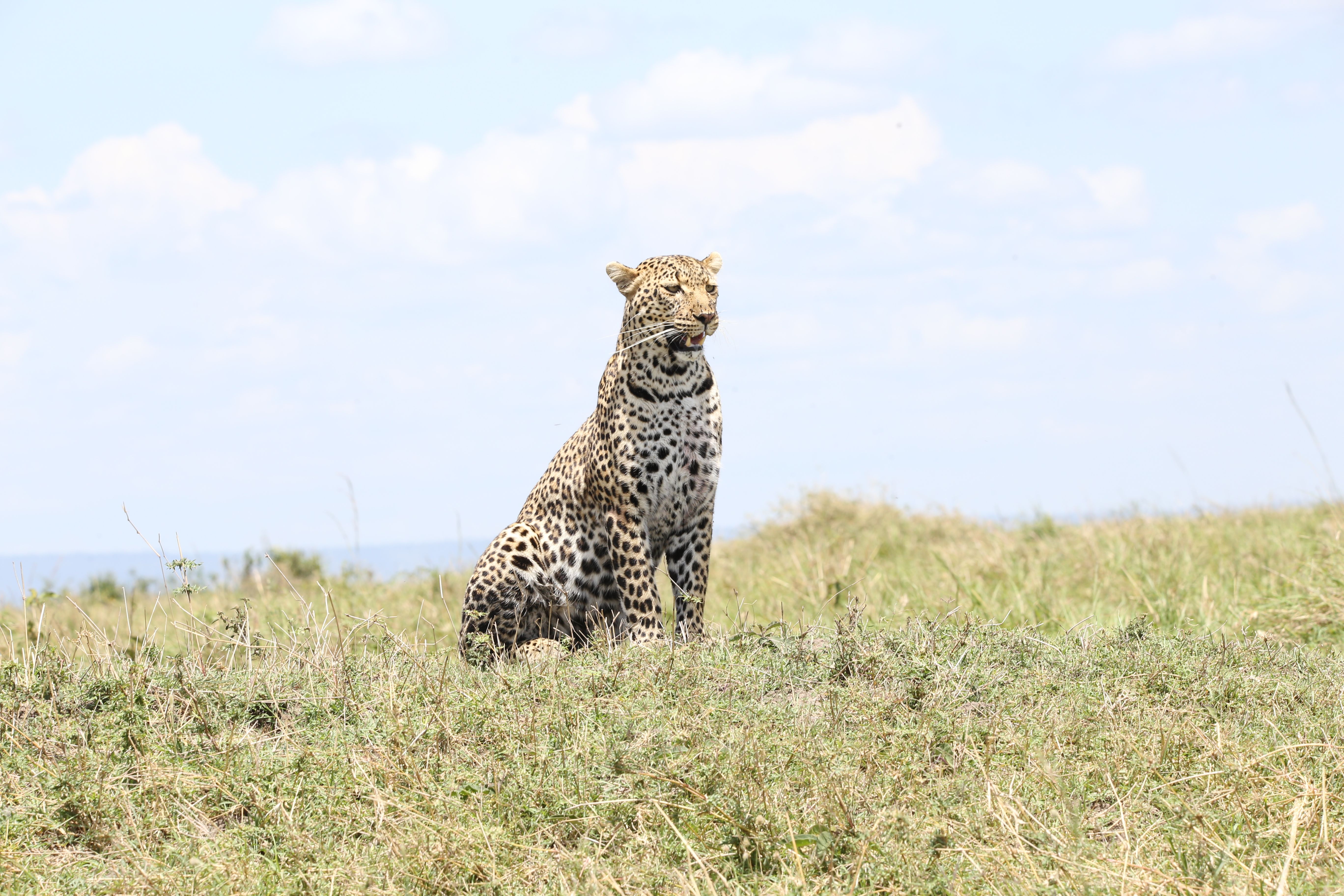
You've probably already scrolled through hundreds of safari photos showing lions lounging in golden grass and elephants crossing dusty plains. What most of those photos are missing is the one animal every serious safari-goer actually wants to see: a leopard draped over a tree branch at sunset. In this guide, we'll show you exactly where in Kenya to find them, which camps report the most sightings, and the guide tactics that turn a hopeful game drive into a confirmed leopard encounter.
Key Takeaways
- Leopards are most reliably spotted in Kenya's Maasai Mara, Samburu National Reserve, and private conservancies like Laikipia and Naboisho, where dense vegetation and dedicated guiding improve sighting odds.
- Private conservancies generally offer better leopard sightings than public national parks because off-road driving and night drives are permitted.
- Early morning and late afternoon are the most active periods for leopards, making dawn and dusk game drives the best times to search.
- The dry seasons, June to October and January to February, improve visibility and sighting odds since vegetation is thinner and animals cluster near water sources.
- Experienced local guides significantly increase leopard sighting success by tracking fresh signs, communicating via radio networks, and knowing individual leopards' territories.
- Camps located near rivers or riverine forest, a preferred leopard habitat, tend to report the highest sighting frequency.
- Combining multiple locations across a Kenya itinerary, rather than relying on a single park, maximizes the overall chance of a leopard encounter.
What Makes a Location Good for Leopard Spotting?
A good leopard-spotting location is one that combines dense riverine cover, healthy prey populations, and low vehicle congestion, all of which allow leopards to move and hunt without excessive disturbance. Leopard habitat quality is defined by cover, not open space — unlike lions, leopards rely on trees, thickets, and riverbanks to ambush prey and stay hidden from larger predators.
First, terrain matters more for leopards than for almost any other Big Five species. Rocky outcrops, riverine forest, and thick acacia woodland give leopards the vertical and horizontal cover they need to stalk unnoticed. Open savannah, by contrast, favors lions and cheetahs, which is one reason travelers who only visit wide-open plains often leave without a leopard sighting.
Second, guide experience plays an outsized role. A skilled guide reads fresh tracks, interprets alarm calls from baboons and impala, and knows which trees a resident leopard favors for daytime naps. For example, guides working the same conservancy for years can often identify individual leopards by name and predict their territory patterns with real accuracy.
Third, vehicle density affects leopard behavior directly. In crowded public parks, leopards become more nocturnal and wary, retreating deeper into cover during daylight hours. In lower-density conservancies, leopards habituate to vehicles more comfortably, which means they're more visible during normal daytime game drives.
A location's leopard density is the single best predictor of a successful sighting, more important than park size or overall wildlife volume. Some of Kenya's smaller conservancies consistently outperform its largest parks simply because they hold a higher concentration of resident leopards per square kilometer.
Finally, prey availability shapes where leopards choose to settle. Areas with healthy populations of impala, dik-dik, and warthog give leopards a reliable food source close to cover, which reduces how far they need to roam and, in turn, makes their movements more predictable for guides. That predictability is exactly why some conservancies can point to specific, well-known leopard territories rather than relying on chance encounters.
Why Are Leopards Harder to Spot Than Lions or Cheetahs?
Leopards are harder to spot than lions or cheetahs because they are solitary, primarily nocturnal, and rely on camouflage rather than open visibility to survive. A leopard's rosette-patterned coat is specifically adapted to blend into dappled light and broken cover, which makes it far less conspicuous than a lion's tawny coat against open grass.
Lions live in prides and spend much of the day resting in the open, which makes them relatively easy to locate once a pride's general territory is known. Cheetahs, meanwhile, hunt during daylight hours on open plains where visibility is high, giving guides a clear line of sight across long distances.
Leopards, by contrast, spend most daylight hours resting in trees, thickets, or rocky crevices, often completely motionless for hours at a time. For example, a leopard resting flat along a horizontal branch can be nearly invisible from ground level, even at a distance of just a few meters, which is why guides train themselves to scan tree canopies rather than only the ground.
Why Kenya Is One of the Best Places in Africa to See Leopards
Kenya ranks among Africa's top leopard destinations because it combines varied leopard habitat, from riverine forest to rocky kopjes, with a mature safari infrastructure built specifically around wildlife viewing. Kenya's leopard population benefits from a habitat mix that few other countries can match within a single itinerary.
At the same time, Kenya's conservancy model gives it a structural advantage over destinations with only traditional national parks. Land-lease agreements between conservancies and local Maasai landowners have created buffer zones around parks like the Maasai Mara, effectively expanding usable leopard habitat while limiting vehicle numbers.
Kenya's wildlife tourism sector generated over $1.6 billion in the fiscal year, and predator-focused safaris, including leopard tracking, are one of the fastest-growing niches within that market — Source: Kenya Wildlife Service, 2024. That growth has funded better guide training, more radio-linked tracking networks, and expanded conservancy land, all of which directly improve visitor odds of a sighting.
Moreover, Kenya's guiding culture is unusually specialized. Many camps employ trackers from local communities who have grown up reading the same landscape for generations. This generational knowledge, paired with modern radio networks between vehicles, means sightings get reported and shared within minutes across a reserve. For travelers comparing destinations, this is a meaningful reason Kenya edges out some competing countries for leopard-specific trips — for more context, see our Great Migration month-by-month guide for how leopard viewing fits into a broader Kenya trip.
Where Is the Best Place to See Leopards in Kenya?
The best places to see leopards in Kenya are the Maasai Mara ecosystem's private conservancies, Samburu National Reserve, and the Laikipia Plateau, all of which report consistently high sighting rates across multiple seasons. No single park guarantees a sighting, but these three regions consistently rank highest among professional guides and repeat visitors.
Best National Parks and Reserves for Leopard Sightings
The Maasai Mara National Reserve is Kenya's most famous leopard destination, largely because of the dense riverine forest along the Mara and Talek Rivers. That said, the reserve itself can get crowded during peak migration months, which sometimes pushes leopards deeper into cover during daylight hours.
Samburu National Reserve, in northern Kenya, offers a different advantage: lower visitor numbers and a rugged, semi-arid landscape dotted with doum palms and riverine woodland along the Ewaso Nyiro River. For example, Samburu's smaller size and lower tourist volume mean guides can often track a single leopard for hours without competing traffic disrupting the sighting.
Tsavo East and Tsavo West, Kenya's largest protected areas, also hold healthy leopard populations, though their vast size and thicker bush cover make sightings less predictable than in the Mara or Samburu. Aberdare National Park, known for its dense montane forest, offers a unique nocturnal leopard-viewing experience at forest-edge lodges with floodlit waterholes.
Amboseli National Park, while better known for its elephant herds and Kilimanjaro backdrop, also holds a resident leopard population concentrated around its swamp-edge woodland. Sightings here are less frequent than in the Mara or Laikipia, but the open sightlines around Amboseli's marsh areas occasionally work in visitors' favor when a leopard does move through more open terrain.
Lake Nakuru National Park, though smaller and primarily known for its birdlife and rhino sanctuary, also supports a modest leopard population within its surrounding acacia woodland. It's rarely a first choice for a dedicated leopard safari, but it can be a worthwhile add-on for travelers already combining a Rift Valley itinerary with time in the Mara or Laikipia.
| Park/Reserve | Habitat Type | Typical Sighting Difficulty | Best For |
|---|---|---|---|
| Maasai Mara National Reserve | Riverine forest, open savannah | Moderate | First-time visitors, high overall wildlife density |
| Samburu National Reserve | Semi-arid riverine woodland | Moderate-Low | Lower crowds, longer uninterrupted sightings |
| Tsavo East & West | Thick bushland, red-oat grass plains | High | Off-the-beaten-path travelers, larger landscapes |
| Aberdare National Park | Montane forest | Moderate | Nocturnal sightings via floodlit lodges |
| Laikipia Plateau (Conservancies) | Mixed woodland, riverine forest | Low | Off-road tracking, highest overall density |
Which Kenyan Conservancies Have the Highest Leopard Density?
Private conservancies bordering the Maasai Mara, particularly the Naboisho, Olare Motorogi, and Mara North Conservancies, report some of the highest leopard densities in East Africa. Leopard density in these conservancies is boosted by restricted vehicle numbers, which reduces disturbance and allows leopards to establish stable territories close to camps.
As such, the Laikipia Plateau, home to conservancies like Ol Pejeta and Lewa, has become a favorite among repeat safari travelers specifically chasing leopard sightings. These conservancies combine low tourist density with active anti-poaching programs, both of which support healthy resident leopard populations. To understand how these areas compare structurally to public parks, read our conservancy vs national reserve wildlife sightings guide.
Beyond the well-known names, the Mara Triangle, managed under a separate trust from the rest of the Maasai Mara National Reserve, also reports strong leopard sightings thanks to tighter vehicle-number controls than the reserve's main entrance areas. This makes it a useful middle option for travelers who want Mara-level wildlife density with some of the reduced-crowding benefits typically associated with private conservancies.
Best Private Conservancies for Leopard Sightings
Private conservancies outperform public national parks for leopard viewing because they typically permit off-road driving and night game drives, two practices banned in most government-run reserves. A conservancy's leopard sighting advantage comes primarily from access rules, not simply from having more leopards.
First, off-road driving lets guides follow fresh tracks directly into thickets where leopards rest during the day, rather than waiting for the animal to cross a road. Second, night drives, permitted in most conservancies but not in core national park areas, open up the exact hours when leopards are most active and hunting.
For example, the Mara Naboisho Conservancy caps vehicle numbers per sighting at a strict limit, which means guides can spend extended, uncrowded time with a single leopard instead of jostling for a viewing angle among a dozen other vehicles. This model has become the gold standard that other Kenyan conservancies are now replicating.
Conservancy fees fund both habitat protection and the local Maasai communities that lease their land for wildlife use, creating a direct financial incentive to maintain healthy predator populations. That funding structure is part of why conservancy leopard numbers have remained stable even as overall land-use pressure has increased across Kenya — over 60% of Kenya's wildlife now lives outside formally protected national parks, largely on community and conservancy land — Source: Kenya Wildlife Conservancies Association, 2023.
What Is the Best Time of Year to See Leopards in Kenya?
The best time of year to see leopards in Kenya is during the dry seasons, from June to October and again from January to February, when thinning vegetation improves visibility and animals cluster near remaining water sources. Dry-season visibility is the single biggest seasonal factor affecting leopard sighting rates.
During the long dry season from June through October, grass height drops significantly across the Mara and Laikipia ecosystems, making it easier for guides to spot a resting leopard in a tree or thicket from a distance. This period also overlaps with the Great Migration, which brings large prey herds into leopard territory and increases predator activity overall.
The shorter dry window from January to February offers a quieter alternative, with fewer tourist vehicles and similarly favorable visibility. That being said, leopards can be seen year-round in Kenya, since they don't migrate seasonally the way wildebeest or zebra do — their territorial habits mean a resident leopard often stays in roughly the same home range for years.
What Time of Day Are Leopards Most Active?
Leopards are most active during early morning and late evening hours, which makes dawn and dusk game drives the highest-probability windows for a sighting. Leopard activity peaks in low-light conditions because the species is primarily crepuscular, hunting most effectively at twilight.
In addition, leopards often move to more visible perches, like acacia branches or rocky outcrops, in the early morning to warm themselves before retreating into shade during the heat of midday. For this reason, most experienced guides schedule their most intensive leopard-tracking efforts within the first two hours after sunrise and the last two hours before sunset.
Do Night Game Drives Improve Leopard Sighting Chances?
Yes, night game drives significantly improve leopard sighting chances because they cover the hours, typically 8 PM to midnight, when leopards are most actively hunting. Night drives use red or infrared spotlights, which don't disturb natural behavior the way white light does, allowing guides to observe genuine hunting activity.
However, night drives are only permitted in private conservancies and select concessions, not within most core national park boundaries. Before booking a conservancy-based itinerary, it's worth reviewing our questions to ask before booking a safari guide, which covers exactly what to confirm about drive rules and access. For more on planning drive times around wildlife activity broadly, read our best time to visit Kenya month-by-month guide.
Which Camps in Kenya Are Best Known for Leopard Sightings?
The camps best known for leopard sightings in Kenya are typically located along riverine forest corridors within private conservancies, where resident leopards maintain stable territories close to camp boundaries. A camp's leopard-sighting reputation usually reflects its proximity to river systems and its conservancy's vehicle-density rules, not luxury level alone.
Camps positioned along the Mara River, Talek River, or Ewaso Nyiro River tend to report the most consistent sightings, since leopards favor these riverine corridors for both cover and access to prey. Several camps in the Naboisho and Mara North Conservancies have built reputations around specific resident leopard families that guides track and monitor across seasons.
In Laikipia, camps bordering Ol Pejeta and Lewa Conservancies benefit from lower overall tourist traffic, which allows guides more flexibility to follow fresh tracks without competing for the same sighting. For example, several Laikipia-based camps report leopard sightings on more than 70% of multi-night stays during peak dry season, according to internal guide logs shared with regional tourism boards — Source: Laikipia Wildlife Forum, 2023.
That said, camp choice should be paired with itinerary length. As such, staying at least three nights in a single leopard-strong conservancy typically produces better odds than a one-night stop across several different parks. For help matching a camp to your specific priorities, read our best luxury safari camps in Kenya guide.
How Do Expert Guides Track and Find Leopards?
Expert guides track leopards using a combination of fresh spoor identification, alarm call interpretation, and radio coordination between vehicles, all built on years of familiarity with a specific territory. Guide tracking skill is the single most controllable factor in a leopard sighting, since it works regardless of season or park.
First, guides read fresh tracks in soft soil or dust to determine direction of travel and estimate how recently a leopard passed through an area. Second, alarm calls from species like baboons, vervet monkeys, and impala often reveal a leopard's location well before it's visually spotted, since these prey species react instinctively to a nearby predator.
Third, radio networks between vehicles within the same conservancy allow guides to share sighting locations instantly, meaning a leopard spotted by one vehicle can be relayed to others within minutes. This cooperative tracking system is one of the biggest practical advantages of booking with an established operator that has strong relationships across multiple camps and conservancies.
Expert Guide Tips for Spotting and Photographing Leopards
By scanning low tree branches and rocky kopjes rather than open ground, you can significantly improve your own chances of spotting a leopard before your guide does. Leopards frequently drape themselves over horizontal branches during the heat of the day, and their spotted coat blends remarkably well with dappled shade.
For photography specifically, positioning your vehicle downwind and maintaining a respectful distance keeps a leopard relaxed enough to continue natural behavior, which produces far better images than a rushed, close approach. A calm leopard photographed from a stable distance almost always produces a better result than a stressed animal photographed up close.
For example, many professional wildlife photographers recommend using a shutter speed of at least 1/1000th of a second for leopards in low evening light, since even resting leopards make small, quick movements. If photography is a priority for your trip, our safari photography guide covers camera settings and vehicle positioning in more depth.
How Many Days Should You Plan for a Leopard-Focused Safari?
A leopard-focused safari typically requires at least five to seven days to allow time in more than one high-density location, since no single park guarantees a sighting within just one or two game drives. Spreading time across multiple leopard-strong regions meaningfully increases your overall odds compared to concentrating an entire trip in one park.
A well-structured itinerary might combine three nights in a Mara conservancy with three nights in Samburu or Laikipia, giving you access to different habitat types and guide teams. This approach also builds in a buffer against short-term factors like weather or a particular leopard temporarily moving out of its usual territory.
Plus, longer stays at a single camp, rather than one-night stopovers, allow guides to build a picture of local leopard movement patterns specific to your visit. Before finalizing dates, it's worth reviewing our Big Five safari guide to make sure your itinerary balances leopard-focused time with other priority sightings.
Once your itinerary is set, packing correctly matters more than most travelers expect, since neutral clothing colors and a well-organized camera bag both affect comfort and photo readiness during long game drives. Our Kenya safari packing checklist covers exactly what to bring for multi-day leopard tracking in varied terrain.
Practical Tools for Planning a Leopard Safari
Booking directly with a tour operator that maintains active relationships across multiple conservancies gives you access to recent, real-time sighting information that generic travel sites simply can't provide. A specialized operator's guide network is one of the most practical tools available for improving your leopard sighting odds before you even arrive in Kenya.
For example, an operator with camps across both the Mara ecosystem and Laikipia can adjust your itinerary in real time if one region reports unusually active leopard sightings during your travel dates. This flexibility is difficult to replicate when booking each leg of a trip independently through separate, unconnected providers.
In addition to operator relationships, free tools like the Kenya Wildlife Service's park information pages and conservancy-specific visitor guides can help you compare entry rules, such as whether night drives or off-road tracking are permitted at a given location. Cross-checking these details before booking prevents the disappointment of arriving somewhere that restricts exactly the activities that most improve leopard sighting odds.
Weather and seasonal wildlife-tracking apps, many of them free, can also help you fine-tune travel dates around expected rainfall and vegetation conditions. That said, no app substitutes for a knowledgeable ground guide, so pairing digital research with a strong, experienced operator remains the most reliable combination for planning a leopard-focused trip.
What's Next: How to Plan a Leopard-Focused Safari Itinerary
Start by shortlisting two or three leopard-strong regions, such as a Mara conservancy paired with Samburu or Laikipia, rather than trying to cover too much ground in a single trip. A focused, multi-region itinerary consistently outperforms a broader but shallower single-park visit for leopard sightings specifically.
Next, confirm which camps within your shortlisted conservancies permit night drives and off-road tracking, since these two factors have the biggest measurable impact on sighting odds. Contact your safari operator directly about recent leopard activity, since resident leopard territories can shift slightly between seasons even within the same conservancy.
Finally, build in at least three nights per location, and schedule your most intensive tracking efforts around dawn and dusk drives, when leopard activity peaks. Working with an operator that has strong relationships across multiple camps, like Beyond The Plains Safaris, also means faster access to real-time sighting reports shared through established guide networks.
Frequently Asked Questions About Leopard Sightings in Kenya
Is the Maasai Mara good for leopard sightings? Yes, the Maasai Mara is good for leopard sightings, particularly within its bordering private conservancies, though the core reserve can be crowded during peak migration months. Visitors focused specifically on leopards often get better results by splitting time between the reserve and a neighboring conservancy like Naboisho or Mara North.
Can you see leopards in Kenya outside the dry season? Yes, leopards can be seen in Kenya year-round, since they are territorial rather than migratory, though thicker vegetation during the wet season, roughly March to May and November, can make spotting slightly more difficult. Guides simply rely more heavily on tracking skills and radio networks during these wetter months.
Do all Kenyan safari camps offer similar leopard sighting odds? No, sighting odds vary significantly by camp location, since proximity to riverine forest, conservancy vehicle-density rules, and guide experience all differ from property to property. Two camps within the same broader region can report very different leopard sighting frequencies based on these factors alone.
Are leopards dangerous to safari visitors? Leopards are generally not dangerous to safari visitors who remain inside vehicles and follow guide instructions, since the animals typically avoid direct confrontation and treat vehicles as neutral, non-threatening shapes. Guides maintain a respectful viewing distance specifically to keep both the leopard and visitors safe.
Conclusion
Seeing a leopard in Kenya isn't a matter of luck alone. It comes down to choosing the right region, the right season, and the right guiding team, and then giving yourself enough time in the field for those factors to come together. Whether you head to the riverine forests of the Maasai Mara conservancies, the rugged terrain of Samburu, or the wide-open density of Laikipia, a well-planned leopard safari rewards patience with one of Africa's most unforgettable wildlife moments. Start mapping your itinerary today, and give yourself the best possible odds of watching a leopard move silently through the Kenyan bush.










Comments (0)
Leave a Comment
No comments yet. Be the first to comment!