
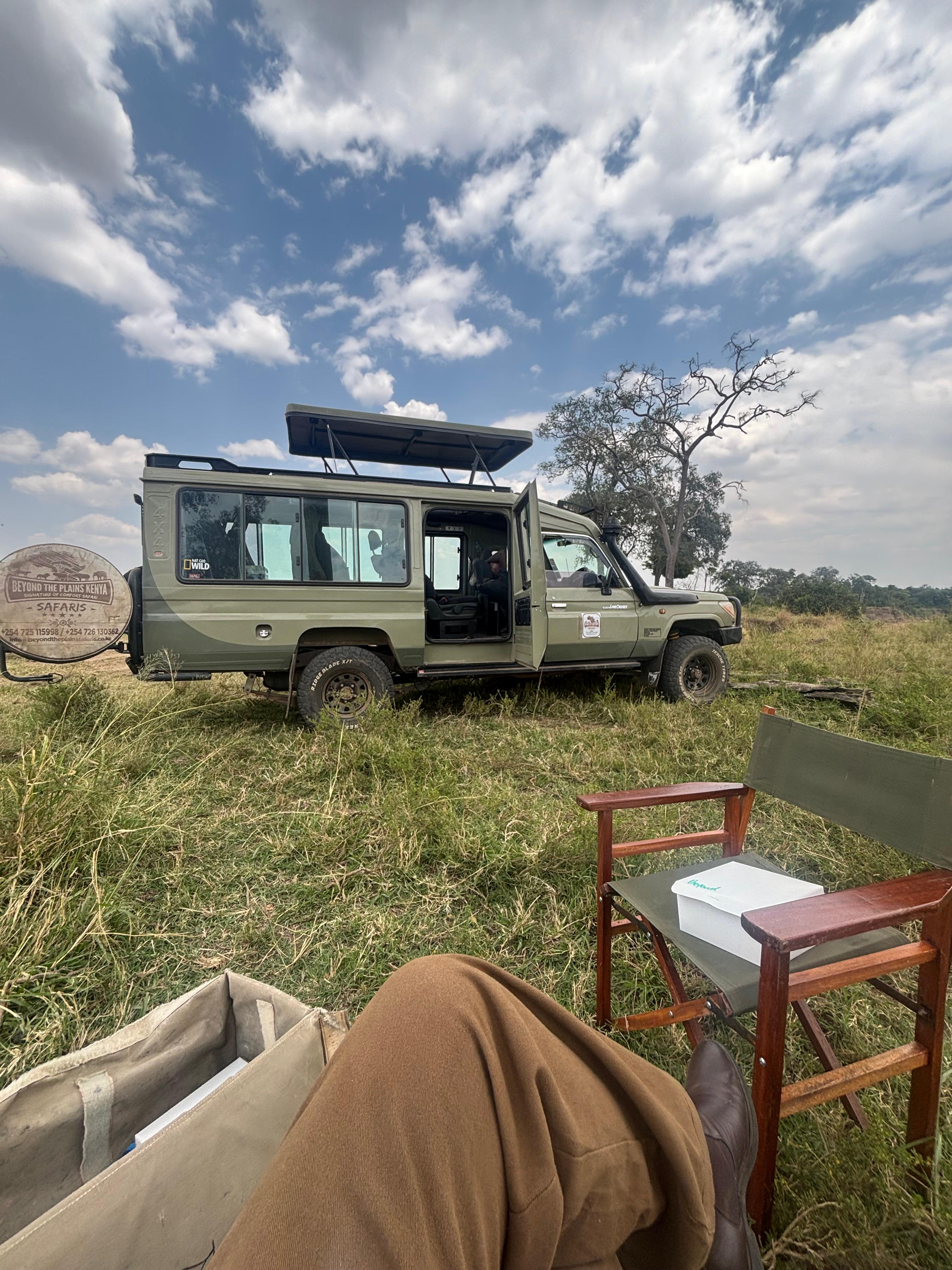
You've probably already pictured it: golden grasslands at dusk, a sky full of stars, maybe a lion's distant roar as your soundtrack. What most couples don't realize is how much specific planning — permits, seasons, camp selection — stands between that image and reality. In this guide, we'll walk you through exactly how to plan a safari proposal or bush wedding in Kenya, from choosing a location to booking the right vendors.
Key Takeaways
- A safari proposal typically involves a private, staged moment during a safari trip, while a bush wedding is a full ceremony and reception hosted at a safari camp or private conservancy.
- Kenya's Maasai Mara, Amboseli, Laikipia, and Samburu regions are the most popular settings, each offering distinct scenery from open savannah to mountain backdrops.
- Foreign couples marrying in Kenya must give notice at the Attorney General's office and typically fulfill a waiting period and documentation process before the ceremony.
- Budgets for a private bush wedding in Kenya commonly range from the mid-five to low-six figures in USD, depending on camp exclusivity, guest count, and season.
- The dry seasons (roughly June to October and January to February) offer the most reliable weather and, in parts of the Mara ecosystem, coincide with the Great Migration for added spectacle.
- Camps that specialize in private events can arrange permits, catering, décor, and officiants, removing much of the logistical burden from couples.
- Guest safety planning — wildlife briefings, malaria precautions, and travel insurance — is essential given the remote settings involved.
What Is a Safari Proposal or Bush Wedding?
A safari proposal is a private, staged moment set within a safari trip, usually arranged by a camp or planner around a single dramatic backdrop — a cliff edge overlooking the Mara River, a private sundowner spot, or a decorated clearing near a waterhole. A bush wedding, by contrast, is a full ceremony and reception hosted at a safari camp or private conservancy, complete with an aisle, seating, catering, and often an overnight camp buyout for the couple and their guests.
The distinction matters because it changes almost everything about your planning process. A proposal is a single-day logistical event built around discretion and timing — the camp needs to know your itinerary, not host fifty guests. A bush wedding, on the other hand, requires legal paperwork, vendor coordination, guest travel logistics, and often exclusive use of an entire property for several days.
Both experiences share one thing: they rely on Kenya's landscape doing most of the emotional work. As such, most operators treat proposals and weddings as related but separate service lines, with different lead times, staffing, and pricing structures attached to each.
Why Kenya Is a Top Destination for Safari Proposals and Bush Weddings
Kenya draws couples from around the world because it pairs iconic Big Five scenery with genuinely accessible luxury camp infrastructure. Few destinations let you combine a proposal backdrop as dramatic as the Maasai Mara National Reserve with direct flights from Nairobi's Jomo Kenyatta International Airport, often in under an hour.
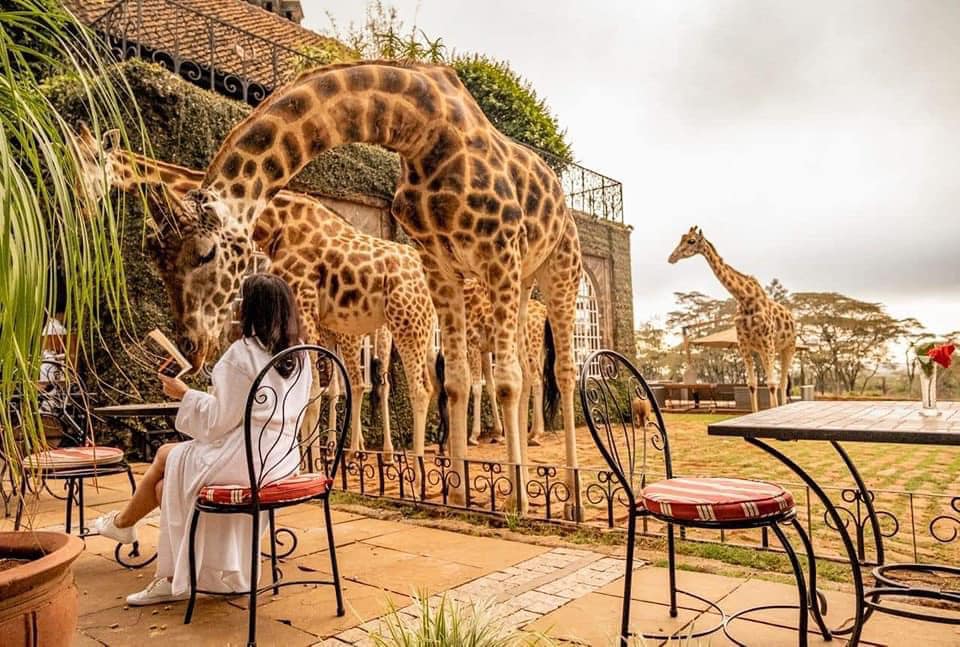
First, the landscapes themselves are unmatched for this purpose. Rolling savannah, acacia-dotted plains, snow-capped Kilimanjaro views, and dramatic escarpments all exist within a few hours of each other, giving couples genuine variety without sacrificing convenience. Moreover, Kenya's safari industry has decades of experience hosting high-end travelers, which means camps already have the infrastructure — generators, backup water, communications — to support a full event, not just a two-night stay.
Kenya's tourism sector is also on a clear upswing, which matters for availability and vendor quality. International visitor arrivals to Kenya grew by roughly 9 percent in 2025, reaching about 2.7 million, up from 2.47 million in 2024 — Source: Kenya Ministry of Tourism and Wildlife, 2026. That growth has pushed camps and planners to sharpen their private-event offerings, since returning international travelers increasingly request bespoke experiences over standard group itineraries.
Second, accessibility sets Kenya apart from other African safari destinations. Guests flying in from the US, UK, or Europe typically land in Nairobi, then connect via short bush flights to camps in the Mara, Amboseli, or Laikipia — a far simpler routing than multi-country itineraries required elsewhere. This matters enormously for a wedding, where you may be coordinating arrivals for a dozen or more guests at once.
Which Kenyan Region Is Best for a Safari Proposal — Maasai Mara, Amboseli, or Laikipia?
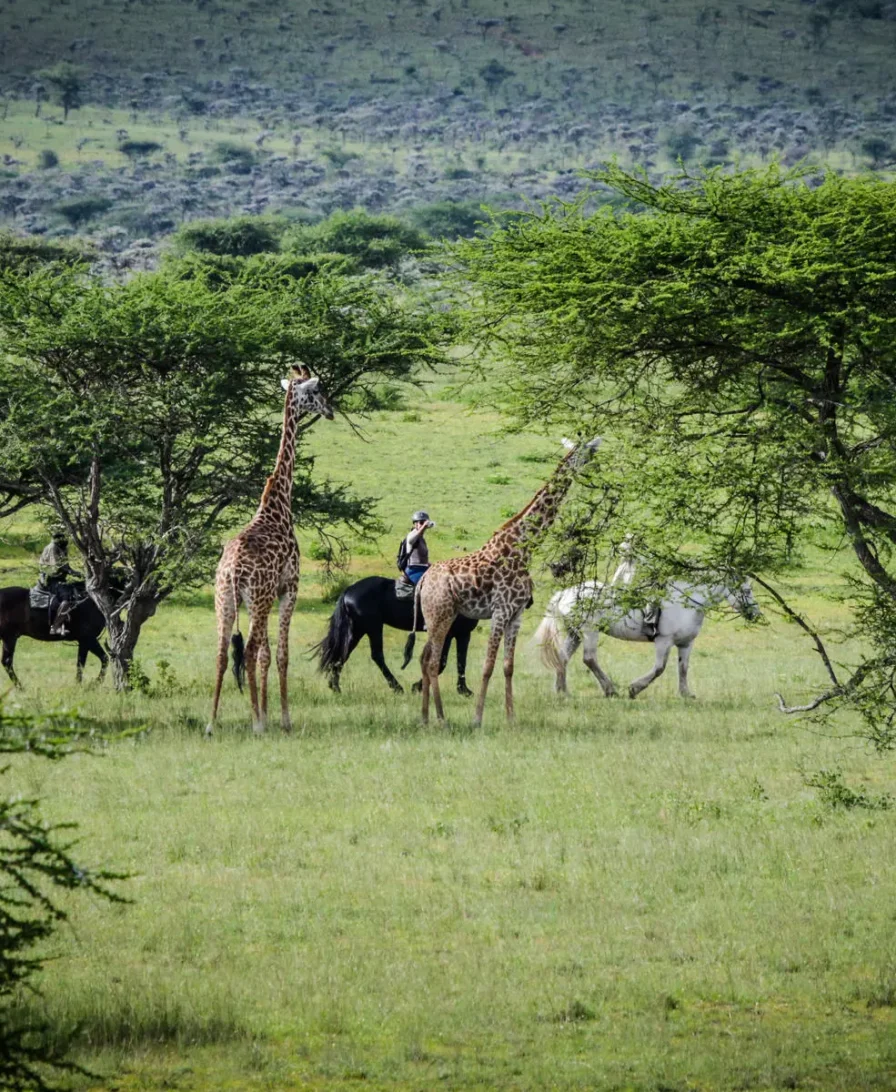
The right region depends on the specific backdrop, privacy level, and season you want, since each area offers a distinctly different visual signature. The Maasai Mara delivers the most dramatic open-plains scenery, along with the chance of Great Migration wildlife action if your timing lines up. Amboseli is unmatched for Mount Kilimanjaro views, framing every photo with Africa's tallest peak. Laikipia offers the greatest privacy and the widest range of activities, from horseback safaris to night game drives, on private conservancy land rather than a public reserve.
For couples prioritizing pure wildlife density and open horizons, the Maasai Mara National Reserve and its surrounding conservancies remain the benchmark. For a more intimate, exclusive-use experience, private conservancies bordering the reserve often outperform the reserve itself, since they allow off-road driving, night drives, and closed-gate ceremonies that national reserves generally restrict.
The table below compares the four leading regions across the factors that matter most for proposals and bush weddings.
| Region | Signature Scenery | Privacy for Ceremonies | Best For |
|---|---|---|---|
| Maasai Mara & conservancies | Open savannah, river crossings, big cats | High in private conservancies; lower in the public reserve | Classic safari drama, Great Migration timing |
| Amboseli National Park | Elephant herds against Mount Kilimanjaro | Moderate; some private lodge grounds available | Iconic mountain-backdrop photography |
| Laikipia conservancies | Rolling hills, rhino sanctuaries, mixed terrain | Very high; mostly private-land buyouts | Full privacy, activity variety, discretion |
| Samburu Game Reserve | Arid, rugged landscapes; unique wildlife species | High in surrounding conservancies | Distinctive, less-photographed scenery |
Beyond the region itself, distinguishing between a national reserve and a private conservancy shapes what you're legally allowed to do on the ground. Conservancy land is typically leased directly from local communities, which gives camp operators far more flexibility to grant private-use permits for ceremonies than a government-run national reserve does.
When Is the Best Time of Year to Plan a Bush Wedding in Kenya?
The best time to plan a bush wedding in Kenya is during one of the two dry seasons, roughly June through October or January through February, when rainfall is lowest and roads and airstrips stay reliably open. Weather reliability directly affects guest logistics, since heavy rains can delay bush-flight connections and turn unpaved camp access roads to mud.
For couples chasing the added spectacle of the wildebeest migration, timing gets more specific. The July-to-October window typically overlaps with river crossings in the Mara ecosystem, when migrating herds move between the Serengeti and the Maasai Mara in search of grazing. If this is a priority, it's worth reviewing our Great Migration month-by-month guide before locking in your date, since crossing locations shift throughout the season.
That said, the short dry spell from late December into February also has its advantages. Rates are typically lower outside the peak July–October window, and calving season in areas like the southern Mara draws predators closer to open ground, creating strong photo opportunities without migration-season crowding. Couples who prioritize budget and lower guest density over migration drama often find January and February the sweet spot.
What Legal Documents Are Required to Get Married in Kenya as a Foreigner?
Foreign couples marrying in Kenya must give a written notice of marriage to the Registrar under the Marriage Act, 2014, and generally provide passports, a Certificate of No Impediment from their home country, and passport-style photographs. This notice period is a legal requirement, not a formality — skipping it means the ceremony has no legal standing in Kenya.
Under standard civil marriage rules, couples must give at least 21 days' notice, and the marriage must then be solemnized within 90 days of that notice date — Source: Kenya Law, Marriage Act 2014. For couples marrying at a private venue rather than a registered place of marriage — which describes nearly every bush wedding — the more relevant route is a Special Licence, granted at the Registrar's discretion, which can shorten or waive the standard 21-day publication period when a standard civil marriage isn't practical for the venue.
Two foreign nationals can legally marry in Kenya, provided both produce a Certificate of No Impediment from their respective home countries confirming they're free to marry — Source: Marriage and Family Law for Foreigners in Kenya, 2026. Fees for the various stages are modest in absolute terms — the 21-day notice currently costs around KES 600, with a Special Licence around KES 7,200 and venue-ceremony fees ranging roughly KES 7,200–14,200 — Source: F.M. Muteti & Co. Advocates, 2025.
Do You Need a Special Permit for a Private Ceremony in a Conservancy?
Yes — booking a private conservancy for a bush wedding involves securing a camp buyout, arranging wildlife and ranger safety briefings, and obtaining separate event permits from the conservancy management, which are distinct from your marriage registration with the government. Every conservancy sets its own rules for guest numbers, generator noise, drone use, and vehicle movement during a private event, so this step should be confirmed early with your chosen camp.
Reputable planners typically handle both layers — the government marriage paperwork and the conservancy event permit — as part of a wedding package. For a deeper look at how conservancies operate compared with national parks, our guide on Kenya's best private conservancies breaks down which properties allow full exclusive-use buyouts.
How Much Does a Bush Wedding in Kenya Typically Cost?
A private bush wedding in Kenya commonly costs between the mid-five and low-six figures in USD, depending on camp exclusivity, guest count, and the season chosen. This range covers the full package — camp buyout, catering, décor, officiant fees, and often guest accommodation — rather than just the ceremony itself.
At the lower end, a smaller ceremony at a mid-range camp with 10–15 guests during shoulder season can land closer to the mid-five figures. At the higher end, a full exclusive-use conservancy buyout with 30-plus guests across multiple nights, luxury tented accommodation, and a bespoke photography and videography team pushes well into six figures. Guest travel is a separate line item entirely, since flights, visas, and bush transfers are typically paid individually by each guest rather than bundled into the couple's package.
The table below breaks down the typical cost drivers for a Kenyan bush wedding.
| Cost Category | Typical Range (USD) | What Drives the Price |
|---|---|---|
| Camp buyout / venue | $15,000 – $80,000+ | Exclusivity, number of nights, property tier |
| Catering & bar | $150 – $400 per guest | Menu complexity, imported ingredients, guest count |
| Photography & videography | $5,000 – $20,000 | Team size, drone use, number of days covered |
| Décor, florals & lighting | $8,000 – $30,000 | Scale of design, imported vs. local materials |
| Officiant & permits | $1,000 – $5,000 | Conservancy event fee, marriage registration fees |
For a more granular breakdown by season and region, our Kenya safari cost guide for 2026 covers how baseline safari pricing scales into full event budgets.
How Do You Choose a Safari Camp for a Wedding or Proposal?
Choosing the right camp starts with matching the property's capacity and exclusivity policy to your guest count, since not every luxury camp offers full-property buyouts. A camp that hosts other guests during your ceremony fundamentally changes the experience — both in privacy and in how much control you have over scheduling game drives, meal times, and noise around the event.
First, ask directly whether the camp offers exclusive-use buyouts and how many nights' minimum stay that requires. Second, ask how many private weddings or proposals they've hosted in the past two years — camps with genuine experience in this space usually have a dedicated events coordinator, sample menus, and vendor relationships already in place, rather than treating your booking as a one-off request.
For example, several Laikipia and Mara-conservancy properties maintain in-house wedding planning teams who coordinate everything from the officiant to the cake, while smaller tented camps may only offer the venue and expect you to bring an outside planner. Neither approach is wrong, but it changes your total cost and how much you'll need to manage yourself.
Photography deserves its own conversation, since safari lighting and wildlife movement don't follow a fixed wedding-day schedule the way a church ceremony does. Look for a photographer with specific safari-wedding experience — the skills required to capture golden-hour light with unpredictable animal movement differ meaningfully from studio or venue-based wedding photography.
Is It Safe to Host a Wedding Near Wildlife in Kenya?
Yes, hosting a wedding near wildlife in Kenya is safe when the venue follows standard safari protocols, including armed ranger escorts after dark, briefed guests, and enclosed or well-lit ceremony areas. Camps that regularly host weddings build safety planning directly into the event timeline, coordinating ranger patrols around the ceremony window and keeping vehicles on standby.
That said, safety briefings aren't optional extras — every guest, regardless of safari experience, should receive a walkthrough of camp rules before the first evening. This typically covers rules like never walking unescorted after sunset, staying inside vehicles during game drives unless a guide says otherwise, and keeping food sealed away from tented accommodation to avoid attracting animals.
What Should Guests Know Before Traveling to a Kenyan Bush Wedding?
Guests attending a Kenyan bush wedding need a valid passport, the correct visa or eTA, proof of yellow fever vaccination if arriving from an affected country, and travel insurance that covers remote medical evacuation. Because bush weddings happen far from major hospitals, most reputable camps require or strongly recommend evacuation-inclusive travel insurance as a condition of attending.
Most nationalities can obtain their entry authorization online before departure rather than on arrival, but requirements shift periodically, so it's worth confirming current rules through our Kenya visa requirements guide before guests book flights. Malaria prevention is another point worth flagging early to your guest list, since most safari regions in Kenya sit within malaria-risk zones — our Kenya safari vaccinations and health guide covers what to discuss with a travel clinic before departure.
As such, it's worth sending guests a simple pre-travel checklist alongside the invitation:
- Valid passport with at least six months' validity remaining
- Confirmed visa or electronic travel authorization
- Yellow fever certificate, if arriving from a required country
- Travel insurance including medical evacuation coverage
- Anti-malarial medication, arranged with a doctor before departure
- Comfortable, neutral-colored clothing suited to game drives
How Far in Advance Should You Book a Safari Wedding in Kenya?
Most couples should begin booking a Kenyan safari wedding 9 to 18 months in advance, particularly if they want a specific camp during peak dry-season months. Exclusive-use camps only hold a limited number of buyout dates each year, and the most requested properties in the Mara and Laikipia routinely book their July-through-October slots more than a year out.
That said, smaller proposals require far less lead time than full weddings. A private proposal moment can often be arranged with just a few weeks' notice, since it typically involves coordinating with existing camp staff rather than reserving an entire property. The gap between proposal and wedding timelines is one of the most common points of confusion for first-time planners, so it's worth clarifying which experience you're booking before requesting quotes.
What's Next: How to Start Planning Your Safari Proposal or Bush Wedding
Once you've settled on a general region and season, the next step is reaching out to camps or a specialist planner for availability and quotes. Most operators ask for a deposit of 20–30 percent to hold your date, with the balance due closer to the event — a structure similar to standard safari bookings.
Start by shortlisting two or three camps in your preferred region and requesting a detailed proposal that includes buyout pricing, catering options, and a sample day-of timeline. From there, confirm your legal marriage paperwork timeline against your travel dates, since the 21-day notice period (or Special Licence process) needs to run in parallel with your event planning, not after it.
Finally, once dates and vendors are locked in, turn your attention to your own trip logistics and your guests' packing needs — our Kenya safari packing list is a useful starting point to share with your wedding party. If you'd rather skip the research and go straight to a tailored quote, our team can walk you through camp options, permits, and budgeting on a free consultation call.
Conclusion
A safari proposal or bush wedding in Kenya is one of the most emotionally powerful ways to mark a life milestone, but it rewards couples who plan the practical details early — location, season, legal paperwork, and vendor selection. Get those pieces right, and the landscape genuinely does the rest: golden light, wide-open horizons, and a soundtrack no other venue on earth can offer. Whatever stage of planning you're at, starting the conversation with an experienced Kenya-based team now is the single best way to protect both your date and your dream setting.










Comments (0)
Leave a Comment
No comments yet. Be the first to comment!