
Kenya Safari Vaccinations & Health Guide: What You Actually Need Before You Go
You've done the exciting part — chosen your camps, mapped your game drives, maybe even spotted a lion or two on Google Maps. But most safari-goers spend weeks planning their itinerary and about 20 minutes thinking about their health preparation — and that gap can turn a dream trip into a medical emergency. This guide tells you exactly which vaccinations you need (and which ones you don't), how to prevent malaria, and what to pack in your medical kit so you arrive in Kenya confident, protected, and ready to focus on the wildlife.
Key Takeaways
- Yellow Fever vaccination is only required for travelers arriving in Kenya from or transiting through Yellow Fever-endemic countries — but it's worth getting regardless if your itinerary touches multiple African nations.
- Malaria is the most serious health risk on a Kenya safari; antimalarial medication is strongly recommended for most safari circuits, particularly in low-altitude game reserves like the Maasai Mara and Amboseli.
- Recommended vaccinations for Kenya include Hepatitis A, Hepatitis B, Typhoid, Tetanus, and Rabies — especially for travelers doing bush walks, camping safaris, or interacting with local communities.
- Visit a travel medicine clinic at least 6–8 weeks before departure, as some vaccines require multiple doses or time to become effective.
- Food and water safety practices — drinking bottled water, avoiding raw foods from street vendors, and using hand sanitizer — significantly reduce the risk of traveler's diarrhea and Typhoid on safari.
- A well-stocked personal medical kit, including DEET-based insect repellent, oral rehydration salts, and any prescription medications, is essential given the remote nature of most Kenya safari camps.
- Kenya's safari regions vary in health risk profile — altitude, proximity to water sources, and accommodation type all influence which precautions matter most for your specific itinerary.
What Do "Required vs. Recommended" Vaccinations Actually Mean for Kenya Travel?
Required vaccinations are legally mandated for entry into Kenya, while recommended vaccinations are medically advised based on the specific health risks you'll encounter — and "recommended" by travel medicine standards means you should strongly consider them, not ignore them.
First, let's be clear about the distinction. Kenya's government can legally refuse entry if you don't have proof of a required vaccination. Recommended vaccinations carry no such legal weight, but that doesn't make them optional in any meaningful sense. Travel medicine specialists recommend these vaccines because the risk of exposure to those diseases is real and measurable in Kenya's environment.
Moreover, the two categories serve different purposes. Required vaccinations protect destination populations from imported diseases. Recommended vaccinations protect you from diseases you're likely to encounter during your trip. Both matter — for different reasons.
For context, if you're planning a Kenya safari itinerary as a first-timer, health preparation belongs right alongside choosing your parks and booking your flights. Getting it right is genuinely straightforward when you know what you're dealing with.
Why Pre-Trip Health Preparation Matters More on Safari Than on Most Trips
Kenya safari travel carries higher health stakes than typical international tourism because safari environments combine remote locations, limited medical access, wildlife exposure, and conditions that accelerate disease transmission.
Consider what a Kenya safari actually involves. You'll spend extended time in low-altitude game reserves, near standing water where mosquitoes breed, and often hours from the nearest hospital. According to the World Health Organization, sub-Saharan Africa accounts for approximately 94% of global malaria cases and 95% of malaria deaths — Source: WHO World Malaria Report, 2023. That statistic alone puts the stakes in perspective.
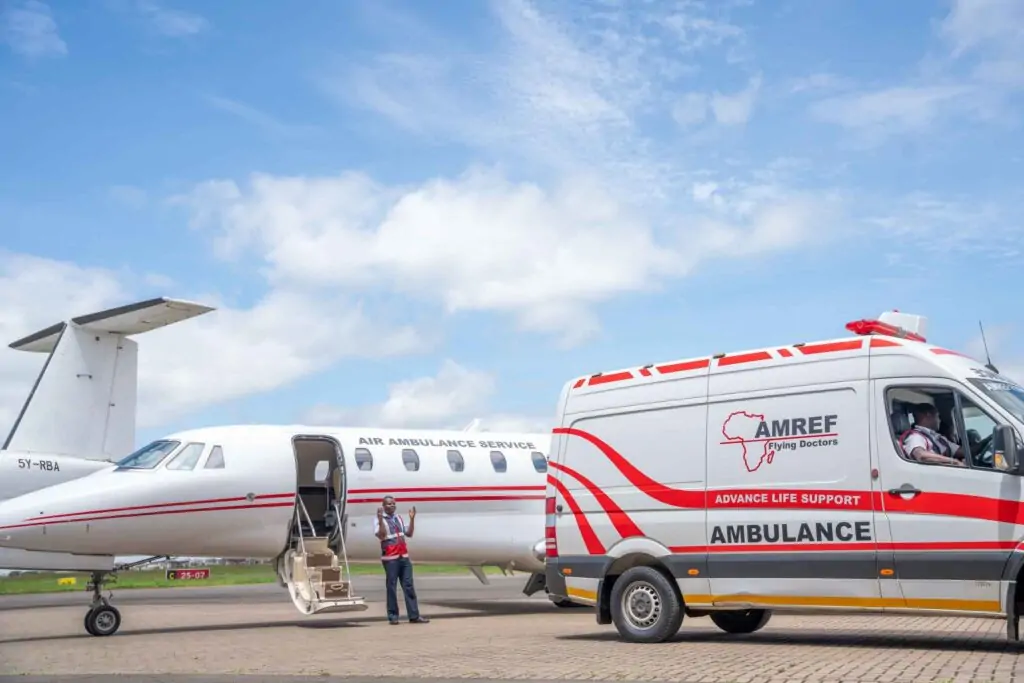
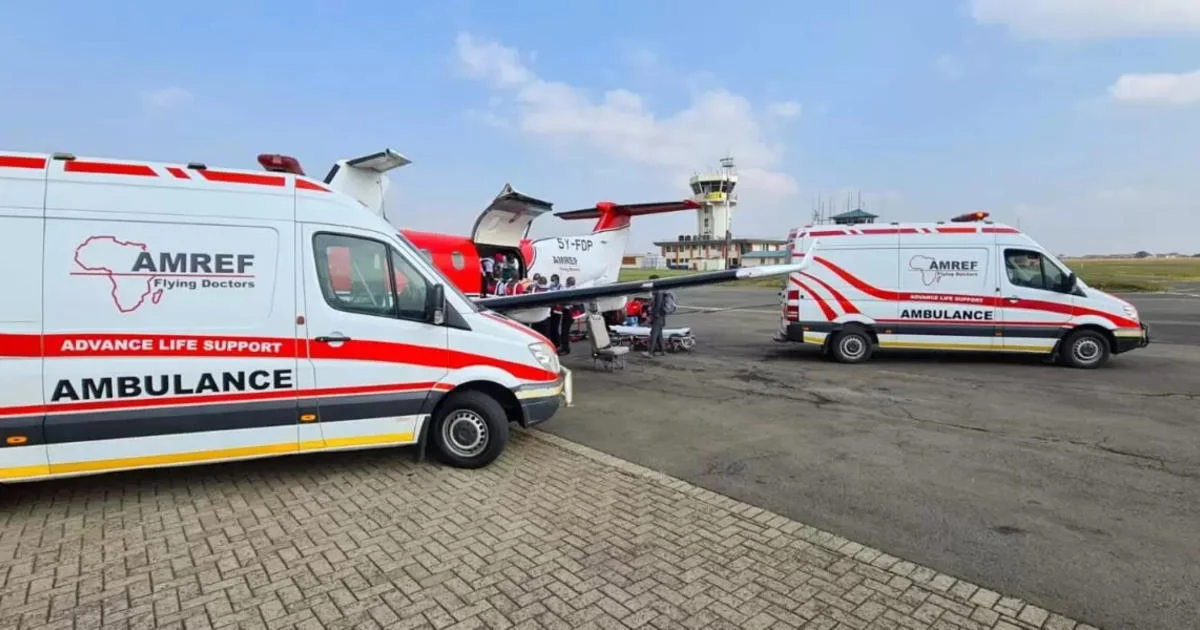
At the same time, safari camps — even luxury ones — are typically located in remote wilderness areas. Medical evacuation from the Maasai Mara or Amboseli is possible but expensive, time-consuming, and stressful. A budget vs. luxury Kenya safari will have different amenities, but neither comes with a hospital attached. Prevention is always faster, cheaper, and less frightening than treatment in the field.
Furthermore, safari activities themselves create specific exposures. Bush walks bring you into contact with thorns, soil, and animals. Community visits put you in proximity to waterborne and foodborne disease environments. These are wonderful, immersive experiences — and they're the reason certain vaccines matter more on safari than on a city break.
Is Yellow Fever Vaccination Required to Enter Kenya?
Yellow Fever vaccination is required for entry into Kenya only for travelers arriving from or transiting through countries where Yellow Fever is endemic — proof must be shown via an International Certificate of Vaccination, commonly called the Yellow Card.
This is the single most misunderstood vaccination requirement for Kenya travel. Kenya itself is not classified as a Yellow Fever-endemic country, which is why the requirement is conditional. If you're flying directly from the United States, United Kingdom, Europe, or Australia, you are not required to show Yellow Fever proof at Kenyan immigration.
However, the requirement kicks in immediately if your itinerary passes through an endemic country. Common trigger countries include Uganda, Tanzania (certain areas), Democratic Republic of Congo, and most of West and Central Africa. Even a layover of a few hours in an endemic country can trigger the requirement — so check your full routing carefully.
The International Certificate of Vaccination (ICV), commonly called the "Yellow Card," is the official document issued when you receive the vaccine. It's valid for life following a single dose. You can only receive the Yellow Fever vaccine at a certified Yellow Fever vaccination center — your regular GP may not be authorized to administer it, so confirm this when booking your appointment.
Additionally, even if you're not required to get the vaccine, it's worth strongly considering if your East Africa itinerary might expand. If you're combining Kenya with Uganda or planning future African trips, getting vaccinated now means you'll have lifelong documentation without needing to return to a clinic.
For related entry documentation, check our Kenya visa and entry requirements guide to ensure your paperwork is complete well before departure.
Which Vaccinations Are Recommended (But Not Required) for a Kenya Safari?
Recommended vaccinations for Kenya safari travel include Hepatitis A, Hepatitis B, Typhoid, Tetanus/Diphtheria, Meningococcal Meningitis, Cholera, and Rabies — each targeting a specific disease risk that travelers are genuinely likely to encounter.
Let's go through each one with enough detail to be useful:
Hepatitis A and Typhoid: Your Food and Water Vaccines
Hepatitis A and Typhoid are the two most universally recommended vaccines for Kenya safari travelers, because both diseases spread through contaminated food and water — and both are present in Kenya's environment.
Hepatitis A is a liver infection transmitted through contaminated water or food, including ice, raw vegetables, and shellfish. A two-dose vaccine series provides protection for 20+ years. The first dose should be given at least two weeks before departure, though even a dose one week out offers meaningful protection.
Typhoid is a bacterial infection spread through contaminated food and water, particularly common in areas with variable food hygiene standards. It's available as either an injectable vaccine (one dose, valid 2–3 years) or an oral vaccine (four capsules taken on alternate days, valid 5 years). Both are effective — your travel clinic will recommend the right option based on your timeline. According to the CDC, approximately 11–21 million Typhoid cases occur globally each year — Source: CDC, 2024.
Hepatitis B: Essential for Longer or More Adventurous Trips
Hepatitis B vaccination is strongly recommended for Kenya safari travelers who may have any medical procedures, blood exposure, or extended stays of more than 4 weeks. Hepatitis B spreads through blood and body fluids. On safari, the realistic risk vectors include medical or dental treatment in Kenya, and any accident requiring wound care with local equipment.
The standard Hepatitis B series is three doses over six months, which is exactly why the 6–8 week travel clinic window matters. A faster two-dose schedule (Heplisav-B) is available in some countries and provides complete protection. If you're behind on the timeline, discuss accelerated options with your travel medicine specialist.
Rabies: Critical for Safari-Specific Activities
Rabies vaccination is particularly recommended for travelers on bush walking safaris, camping itineraries, or trips involving contact with animals or rural communities, given the limited availability of post-exposure prophylaxis in remote Kenyan regions.
This is the vaccine most travelers skip — and the one that can matter most on safari. Rabies is present in Kenya and is transmitted through the bite or scratch of an infected animal, including dogs, bats, and wildlife. The critical point is this: if you're bitten in a remote reserve like the Maasai Mara or Amboseli and you haven't been pre-vaccinated, you need post-exposure prophylaxis (PEP) within hours. PEP is not reliably available at remote Kenyan locations.
Pre-exposure vaccination (three doses over 21 days) doesn't eliminate the need for post-exposure treatment after a bite, but it buys you critical time — changing "hours" to "days" — to reach an appropriate medical facility. For travelers doing walking safaris or camping in Kenya's private conservancies, this vaccine is close to essential.
Tetanus/Diphtheria and Meningococcal: The Often-Forgotten Ones
Tetanus/Diphtheria vaccination should be current for all Kenya travelers, with a booster recommended if your last dose was more than 10 years ago. Tetanus risk is elevated in outdoor, wildlife environments where cuts and wounds from thorns, rocks, or animal contact are possible.
Meningococcal Meningitis vaccination is worth discussing with your travel clinic if you're visiting during dry season (December to April), when transmission risk increases. It's particularly recommended for travelers visiting rural areas or participating in community-focused activities.
| Vaccine | Transmission Route | Doses Required | Valid For |
|---|---|---|---|
| Yellow Fever | Mosquito bite | 1 | Lifetime |
| Hepatitis A | Contaminated food/water | 2 (6–12 months apart) | 20+ years |
| Hepatitis B | Blood/body fluids | 3 (standard) | 10+ years |
| Typhoid | Contaminated food/water | 1 injection or 4 oral | 2–5 years |
| Rabies (pre-exposure) | Animal bite/scratch | 3 (over 21 days) | Booster-dependent |
| Tetanus/Diphtheria | Wound contact | Booster if >10 yrs | 10 years |
| Meningococcal | Respiratory droplets | 1 | 5 years |
How Serious Is the Malaria Risk on a Kenya Safari, and Which Areas Are Most Affected?
Malaria is present year-round in Kenya's major safari regions, including the Maasai Mara and Amboseli, and antimalarial prophylaxis is strongly recommended for all travelers visiting these areas regardless of the length of their stay.
Malaria is the most critical health decision you'll make before a Kenya safari — not because it's inevitable, but because the consequences of getting it without protection are severe, and the prevention is reliable and accessible. According to Kenya's Ministry of Health, malaria remains one of the leading causes of morbidity in Kenya, accounting for approximately 13–15 million outpatient cases annually — Source: Kenya Ministry of Health, 2023.
Kenya's Malaria Risk Zones: Where the Risk Is Highest
Malaria risk in Kenya varies significantly by altitude and region, which means your specific itinerary determines your risk level.
High-risk zones include all low-altitude areas — the Maasai Mara (approximately 1,500m), Amboseli (1,150m), Tsavo East and West, Samburu, Lake Nakuru, and the entire coastal region including Mombasa and Diani Beach. If your Maasai Mara safari itinerary or Amboseli National Park safari takes you to these areas — which is most Kenya safari itineraries — antimalarial medication is appropriate.
Lower-risk zones include high-altitude areas above 2,500m such as Nairobi itself (1,800m, moderate risk), the Aberdare highlands, and Mount Kenya. Risk at altitude is lower but not zero, particularly during and after rainy seasons when mosquito populations surge.
Malaria risk also varies seasonally. Peak transmission periods align with the rainy seasons — the long rains (March to May) and short rains (October to December) — when standing water creates ideal mosquito breeding conditions. For a detailed breakdown of how seasons affect both wildlife and health risks, see our best time to visit Kenya for a safari guide.
What Are the Best Malaria Tablets for a Kenya Safari: Malarone, Doxycycline, or Mefloquine?
Malarone (atovaquone-proguanil), Doxycycline, and Mefloquine are the three main antimalarial medications prescribed for Kenya travel; the choice depends on individual health history, trip duration, and tolerance for side effects, and should be made in consultation with a healthcare provider.
Here's an honest breakdown of each option:
Malarone (Atovaquone-Proguanil) is currently the most widely prescribed antimalarial for Kenya safari travelers. It's taken once daily starting 1–2 days before arrival in a malaria zone, continued throughout the trip, and stopped 7 days after leaving. Malarone has a favorable side effect profile — most people tolerate it well. The main drawback is cost: it's significantly more expensive than Doxycycline, particularly for longer trips.
Doxycycline is an antibiotic-based antimalarial taken once daily starting 1–2 days before exposure and continued for 4 weeks after leaving the malaria zone. It's considerably cheaper than Malarone, making it popular for longer safaris. However, it increases sun sensitivity (important at the equator), can cause gastrointestinal discomfort if taken without food, and is not suitable for pregnant women or children under 8.
Mefloquine is taken once weekly — making it convenient for longer trips — but it carries a higher risk of neurological and psychiatric side effects including vivid dreams, dizziness, and in rare cases, anxiety or depression. It's generally considered a third-line option when Malarone or Doxycycline are unsuitable.
Non-Pharmaceutical Malaria Prevention: Your Second Line of Defense
Non-pharmaceutical malaria prevention measures — including DEET-based repellent, permethrin-treated clothing, bed nets, and long-sleeve clothing — should be used alongside medication, not as a replacement for it.
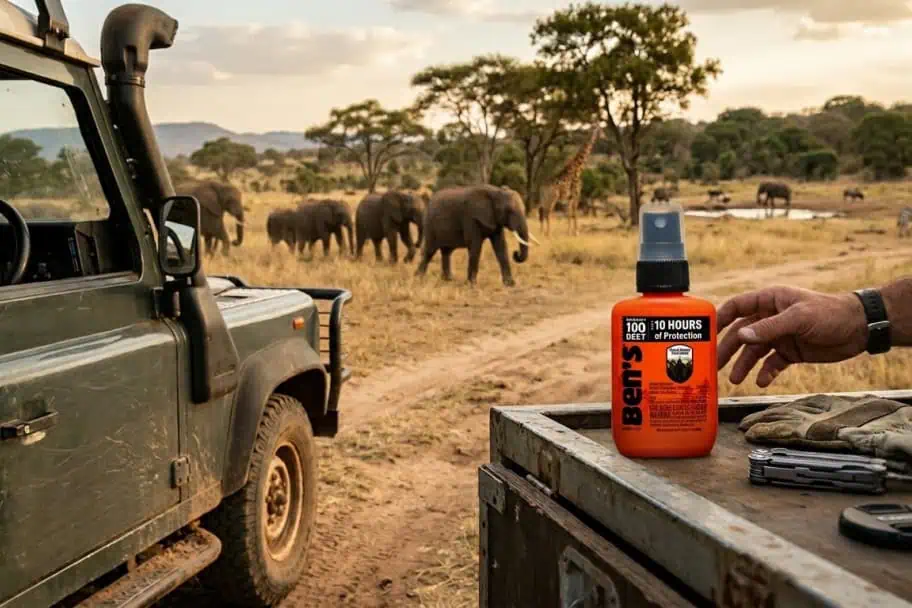
No antimalarial is 100% effective on its own. Using high-strength DEET repellent (30–50% concentration) on exposed skin dramatically reduces mosquito bites. Permethrin-treated clothing and bed nets add another layer of protection, particularly during the peak feeding hours of dusk and dawn.
Most safari camps provide mosquito nets over beds as standard. That said, inspect them for holes and tuck them fully under the mattress every evening without exception. Long, light-colored clothing at dusk and dawn — when the Anopheles mosquito is most active — completes your protection strategy.
What Are the Other Health Risks on a Kenya Safari?
Additional health risks on a Kenya safari include altitude effects in Nairobi, traveler's diarrhea from contaminated food and water, intense equatorial sun exposure, and the rare but real risk of wildlife-related injury.
Beyond malaria and vaccinations, several other health considerations deserve your attention before departure.
Does Altitude Affect You on a Kenya Safari, and Should You Worry About It?
Nairobi sits at approximately 1,800 meters above sea level, which is high enough for some travelers — particularly those flying in from sea-level cities — to notice mild symptoms. Mild altitude effects can include headaches, fatigue, and shortness of breath during the first 24–48 hours. True altitude sickness (AMS) is uncommon at 1,800m but possible in sensitive individuals.
The practical advice is simple: rest on your first day in Nairobi, stay well hydrated, limit alcohol consumption for the first 48 hours, and avoid strenuous physical activity immediately after arrival. Your body will adjust quickly. Travelers with heart or respiratory conditions should flag this with their doctor before departure.
Is the Water Safe to Drink in Kenya, and How Do You Avoid Traveler's Diarrhea?
Tap water is not safe to drink in Kenya, and traveler's diarrhea — caused by bacterial contamination in food and water — is one of the most common health complaints among safari visitors. The good news is that it's almost entirely preventable with simple, consistent habits.
Drink only bottled or treated water. All reputable safari camps and lodges provide safe drinking water, either bottled or purified on-site. Apply the same rule to ice, brushing your teeth, and rinsing fruit. Avoid raw foods, unpeeled fruits, and street food from vendors where hygiene standards are uncertain. Pack oral rehydration salts in your medical kit — if you do get an upset stomach, rehydration is your fastest recovery tool.
Health Differences Between Maasai Mara and Coastal Kenya
Health risk profiles differ meaningfully between inland safari regions and Kenya's coast, and understanding this difference helps you tailor your preparation.
The Maasai Mara and inland game reserves carry high malaria risk but little threat from waterborne illness if you eat at reputable camps. The coastal region — including Mombasa, Diani Beach, and Malindi — carries malaria risk and additionally higher risk of waterborne illness from street food consumption, as well as Hepatitis A exposure through shellfish. If your safari includes a beach extension, your food safety vigilance needs to be correspondingly higher.
How Far in Advance Should You Visit a Travel Clinic Before a Kenya Safari?
Travelers planning a Kenya safari should visit a travel medicine clinic or their GP at least 6 to 8 weeks before departure, as certain vaccines — including Hepatitis B and Rabies — require multiple doses administered over several weeks to be effective.
Six to eight weeks is the gold standard — and it's not arbitrary. Here's exactly why the timeline matters, week by week:
Your Pre-Travel Health Timeline
8 weeks before departure: Schedule your travel clinic appointment immediately if you haven't. This is when to begin Hepatitis B series (Dose 1) and Rabies pre-exposure series (Dose 1).
6–7 weeks before departure: Attend your travel clinic appointment. Receive: Hepatitis A (Dose 1), Typhoid, Yellow Fever (if applicable), Meningococcal, Tetanus booster (if overdue). Begin Rabies series Dose 2 (7 days after Dose 1). Discuss and get prescription for your chosen antimalarial medication.
4–5 weeks before departure: Hepatitis B Dose 2, Rabies Dose 3 (21 days after Dose 1).
1–2 weeks before departure: Start Malarone or Doxycycline if you haven't already, per your doctor's instructions. Final check: confirm you have all medications, Yellow Card (if applicable), and emergency contacts.
Day of departure / on arrival in Kenya: Apply DEET repellent before venturing into any outdoor area. Take antimalarial medication as prescribed. Drink only bottled or purified water from the moment you land.
If you have less than 6 weeks before departure, don't skip the travel clinic visit — a doctor can create an accelerated schedule that covers the most critical vaccines within a shorter window.
What Should Be in Your Personal Medical Kit for a Kenya Safari?
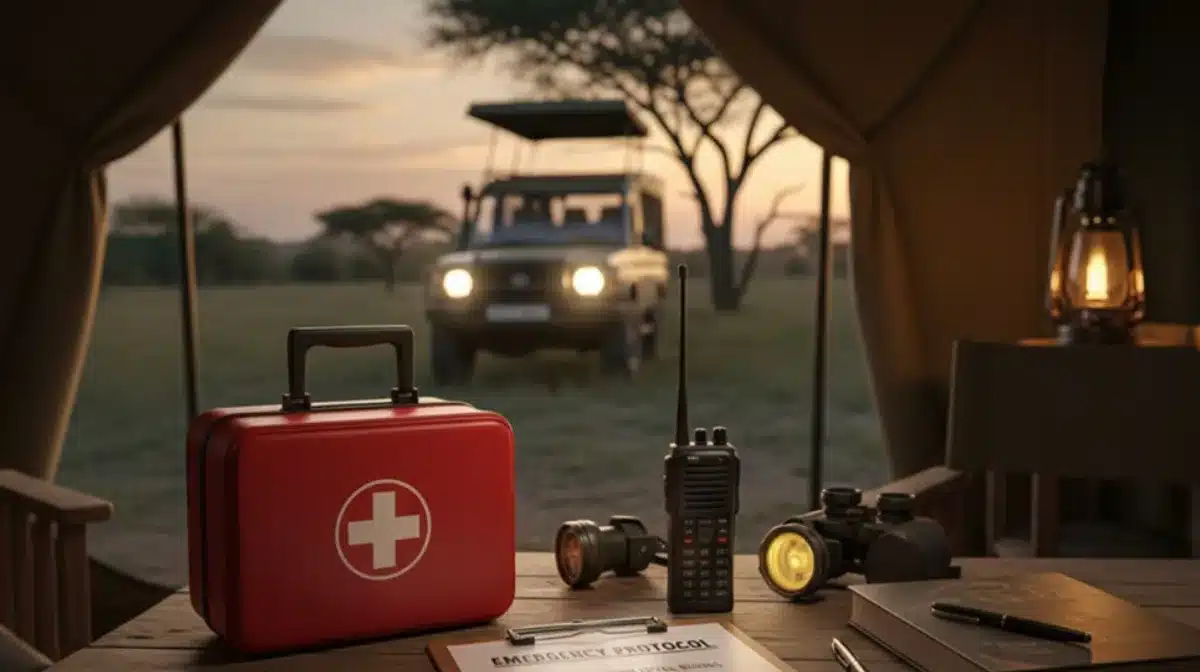
A personal medical kit for a Kenya safari should include prescription antimalarials, wound care supplies, oral rehydration salts, high-DEET insect repellent, SPF 50+ sunscreen, and any personal prescription medications — because remote safari camps have limited or no access to pharmacies.
Pack your medical kit as carefully as you pack your camera gear. Here's the complete checklist:
Prescription Medications:
- Antimalarial medication (Malarone, Doxycycline, or Mefloquine — as prescribed)
- Antibiotic for traveler's diarrhea (Azithromycin or Ciprofloxacin — ask your doctor)
- Any personal prescription medications (with copies of prescriptions)
Over-the-Counter Essentials:
- Oral rehydration salts (4–6 sachets minimum)
- Pain reliever / fever reducer (Paracetamol / Ibuprofen)
- Antihistamines (for insect bites and allergic reactions)
- Antidiarrheal medication (Loperamide/Imodium)
- Antacid tablets
Wound Care:
- Antiseptic cream or wipes
- Waterproof adhesive bandages in assorted sizes
- Sterile gauze pads and medical tape
- Blister treatment pads (essential for bush walking)
- Tweezers (for splinters and thorns)
- Disposable gloves
Sun and Insect Protection:
- DEET-based insect repellent (30–50% concentration)
- SPF 50+ broad-spectrum sunscreen (equatorial UV is intense year-round)
- Lip balm with SPF
- After-sun lotion
Additional Items:
- Personal thermometer
- Small flashlight/headlamp
- Hand sanitizer (60%+ alcohol content)
- Water purification tablets (backup)
- Medical emergency contacts and travel insurance card
For more ideas on what to bring across every category — clothing, photography gear, and more — see our complete Kenya safari packing guide.
Are Kenya Safaris Safe for Pregnant Travelers or People with Pre-Existing Conditions?
Kenya safaris are accessible to pregnant travelers and people with pre-existing conditions, but require more detailed pre-trip medical planning — particularly around antimalarial medication choices and vaccination suitability.
Pregnancy and pre-existing conditions don't have to rule out a Kenya safari. They do require an honest conversation with both your travel medicine specialist and your regular doctor well in advance of travel.
Malaria Prevention During Pregnancy
Malaria poses a significantly higher risk during pregnancy, potentially causing preterm birth, low birth weight, and maternal anemia. The antimalarial options are more limited: Doxycycline is contraindicated during pregnancy, and Mefloquine is generally avoided in the first trimester. Malarone (atovaquone-proguanil) currently has insufficient safety data for use in pregnancy.
In practice, this means pregnant travelers face a narrower set of options and should consult a specialist early. Non-pharmaceutical prevention (DEET, bed nets, long clothing) becomes even more critical, and some specialists may recommend postponing travel to high-malaria zones during pregnancy. The coastal region carries the same high malaria risk as inland parks, so a beach extension doesn't reduce this concern.
Immunocompromised Travelers
Immunocompromised travelers — including those on immunosuppressive medications, cancer treatment, or with HIV — should be aware that live vaccines (including Yellow Fever) may be contraindicated. A letter of exemption from a certified vaccination center may be required for border entry purposes. Discuss this explicitly with your specialist, who can provide both the appropriate medical advice and the documentation you may need at immigration.
Traveling with Children
Children can and do enjoy Kenya safaris, though they require age-adjusted dosing for all medications and special attention to sun protection and hydration. Most vaccines are suitable for children with adjusted doses. Antimalarials for children are typically weight-based — confirm the correct dose and formulation with your pediatrician. Our family safari Kenya with kids guide has more on planning a safe, age-appropriate safari experience.
Next Steps: Your Kenya Safari Health Action Plan
The single most important action you can take right now is to book a travel clinic appointment — everything else flows from that one decision. Here's your action plan in the right order:
Step 1: Book a travel medicine clinic appointment immediately — ideally 6–8 weeks before departure. Search for "travel medicine clinic near me" or a designated Yellow Fever center if that vaccine is relevant to your itinerary.
Step 2: Compile your medical history. Bring a list of current medications, known allergies, and any relevant health conditions. Your doctor will need this to recommend the right antimalarial and flag any vaccine contraindications.
Step 3: Get your vaccines on the recommended schedule, starting with any multi-dose series (Hepatitis B, Rabies) immediately.
Step 4: Fill your antimalarial prescription and understand exactly when to start taking it relative to your departure date.
Step 5: Build your medical kit using the checklist in this guide. Order any items not available locally well in advance.
Step 6: Confirm your travel insurance for your Kenya safari covers medical evacuation — this is non-negotiable for remote safari travel. Emergency evacuation from the Maasai Mara can cost $10,000–$50,000 without coverage.
Step 7: Review your itinerary's specific health profile. If you're visiting the Maasai Mara, Amboseli, or coastal Kenya, cross-reference the malaria zone information in this guide with your specific dates and accommodation type.
Conclusion: Book Your Travel Clinic Appointment Before You Book Your Game Drive
A Kenya safari is one of the most extraordinary experiences on earth — and a single travel clinic appointment is all it takes to ensure your health is protected for the entire journey.
The health preparation covered in this guide might look like a long list at first glance. In practice, it comes down to one appointment, a handful of vaccines administered over a few weeks, a prescription, and a packed medical kit. None of it is complicated. All of it is manageable — and all of it is far simpler than dealing with malaria or a Typhoid infection from inside a remote safari camp.
Kenya's wildlife, landscapes, and culture are extraordinary. The Great Migration across the Maasai Mara, the elephants of Amboseli against Kilimanjaro, the flamingos of Lake Nakuru — these experiences deserve your full, healthy, present attention. Give yourself that by doing the preparation now.
Ready to start planning? Our safari specialists at Beyond the Plains Safaris can help you build an itinerary tailored to your interests, timeline, and budget. Get your free safari quote and let's get you to Kenya — healthy, prepared, and ready for the adventure of a lifetime.
Written by Linet Wanjiru, Safari Specialist at Beyond the Plains Safaris. Linet is a Nairobi-based safari specialist with extensive firsthand experience planning Kenya and East Africa safari itineraries for international travelers, with deep knowledge of the health, logistics, and on-the-ground realities of safari travel across Kenya's major game reserves.
Reviewed by the Beyond the Plains Safaris Expert Team — a Nairobi-based group of certified safari specialists and travel consultants with collective experience across Kenya, Tanzania, and broader East Africa itineraries.










Comments (0)
Leave a Comment
No comments yet. Be the first to comment!