
The Ultimate Guide to Luxury Tanzania Safaris for US Travelers
You've already pictured it: golden grasslands at first light, a lion resting in the shade of an acacia, a private vehicle with nowhere else to be. But most "luxury safari" content online is either vague marketing copy or budget-trip advice dressed up with the word luxury, leaving US travelers unsure what they're actually paying for or how to plan it correctly. This guide breaks down exactly what defines a luxury Tanzania safari, where to go, when to go, and how to plan one from the US, start to finish.
Key Takeaways
- Luxury Tanzania safaris combine private guiding, premium tented camps or lodges, and highly personalized itineraries, typically costing $800–$2,000+ per person per night.
- The Serengeti and Ngorongoro Crater are the two most sought-after luxury safari regions, prized for wildlife density and the Great Migration.
- The dry season (June–October) offers the best game viewing, while the green season (November–May) provides lower prices and fewer crowds.
- Private conservancies bordering national parks allow off-road driving and night drives, which are restricted inside the parks themselves.
- US travelers should budget for a minimum 10–12 hour flight connection through hubs like Doha, Amsterdam, or Nairobi, plus a mandatory Tanzania e-visa.
- Working with a specialist tour operator or destination management company (DMC), rather than booking lodges independently, typically secures better rates and smoother logistics.
- A well-planned luxury Tanzania safari blends 3–5 nights of national park game viewing with a Zanzibar beach extension for a complete US traveler itinerary.
What Is a Luxury Tanzania Safari?
A luxury Tanzania safari is a private, highly personalized wildlife experience built around exclusive-use vehicles, premium tented camps or lodges, expert private guiding, and a high staff-to-guest ratio, rather than fixed group departures on shared itineraries. It is the opposite of the budget overland truck experience many first-time visitors picture when they hear the word "safari."
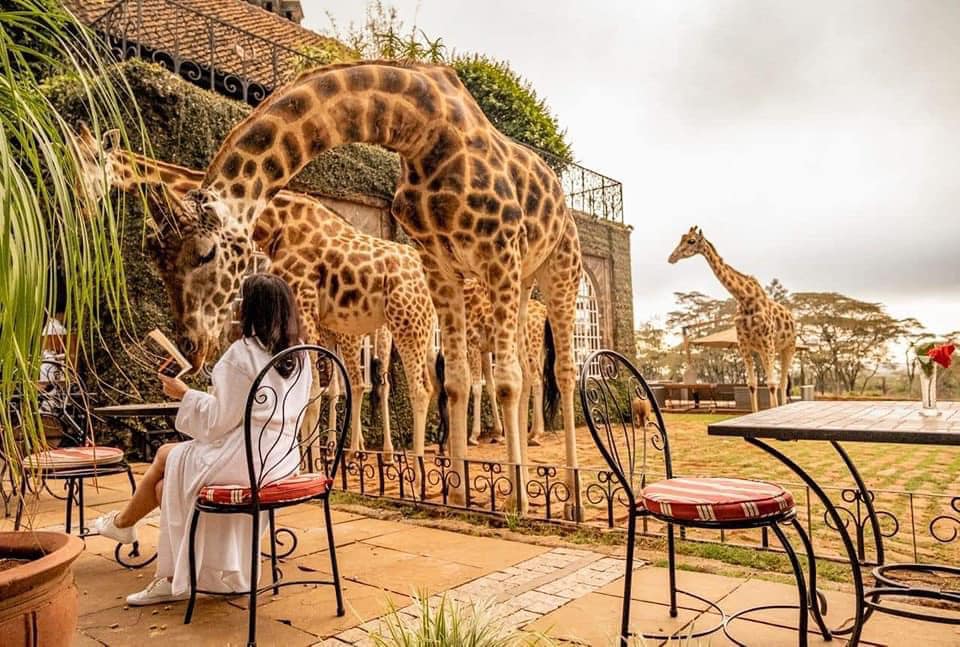
At the top end, this means a private safari vehicle that isn't shared with strangers, a guide dedicated to your group for the full trip, and camps that cap occupancy at 8–20 tents to preserve privacy and low guest density. For more on how vehicle exclusivity changes the experience, see our guide to private vs. shared safari vehicles explained.
Luxury in this context isn't about gold-plated fixtures — it's about control. You control your wake-up time, your game drive route, your meal setting, and how close you get to wildlife without a van full of other travelers dictating the pace. This is the single biggest gap between "luxury" as marketing language and luxury as an operational reality.
At minimum, a genuinely luxury Tanzania safari includes:
- Private guiding — one guide, one vehicle, one itinerary built around your interests
- Premium tented camps or lodges — en-suite bathrooms, hot bucket or solar showers, gourmet dining, often with plunge pools or outdoor showers
- Exclusive-use vehicles — no shared game drives with other parties
- Personalized itineraries — flexible timing, custom routing, and the option to skip crowded viewpoints
- High staff-to-guest ratios — often 3:1 or higher, covering guiding, hospitality, and camp management
For an honest look at where the line actually falls between tiers, our comparison of mid-range vs. luxury safari experiences breaks down what you gain — and what you pay for — at each step up.
Private Conservancy Access vs. National Park Access
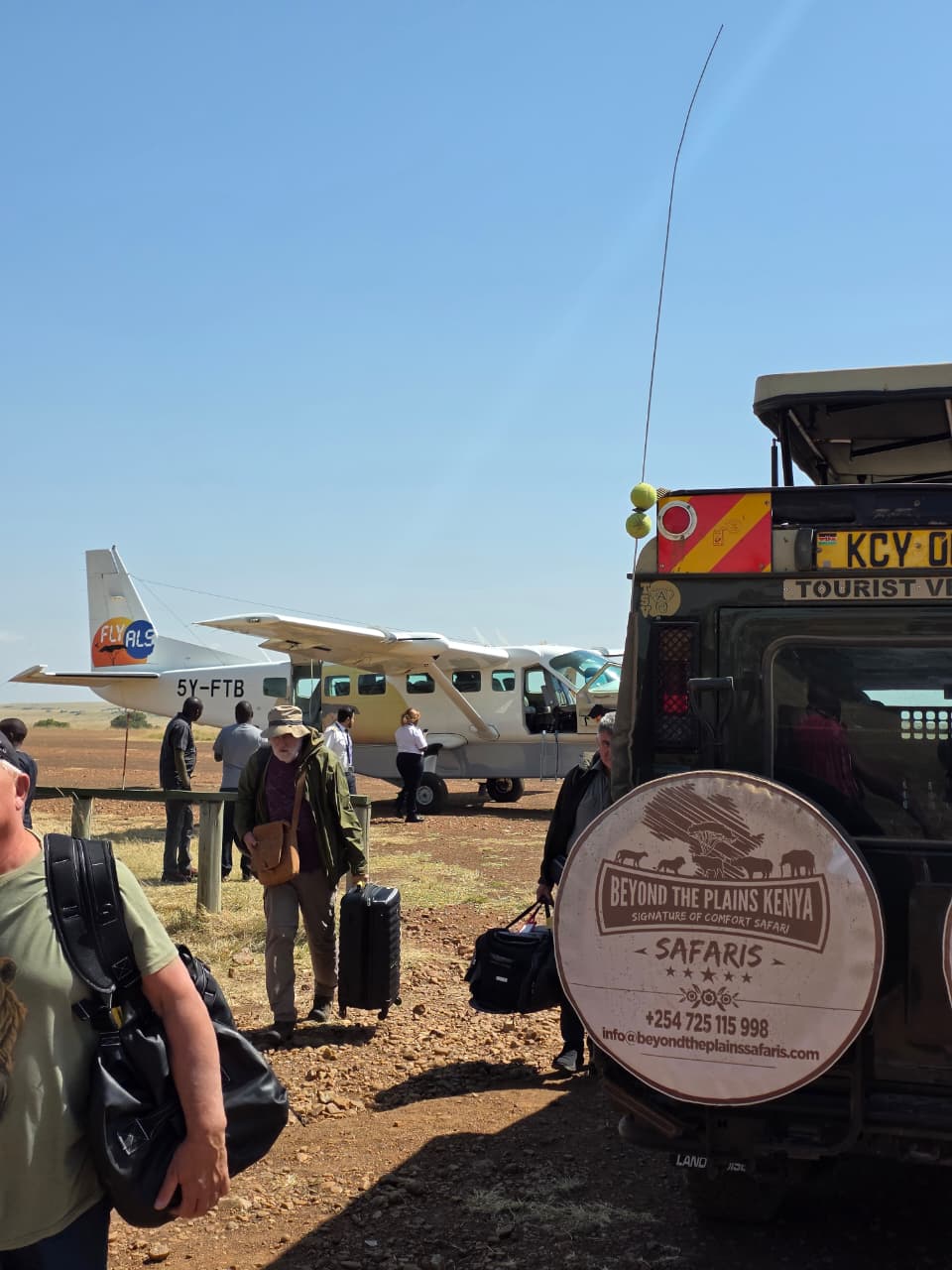
Private conservancies bordering Tanzania's national parks allow off-road driving and night game drives, activities that are prohibited inside the national parks themselves. This single distinction is often the most important — and least understood — factor separating a genuinely luxury safari from an expensive one. Inside a national park like the Serengeti, every vehicle is restricted to designated tracks and must be back at camp by a set evening hour, regardless of how many other vehicles are parked around the same leopard sighting.
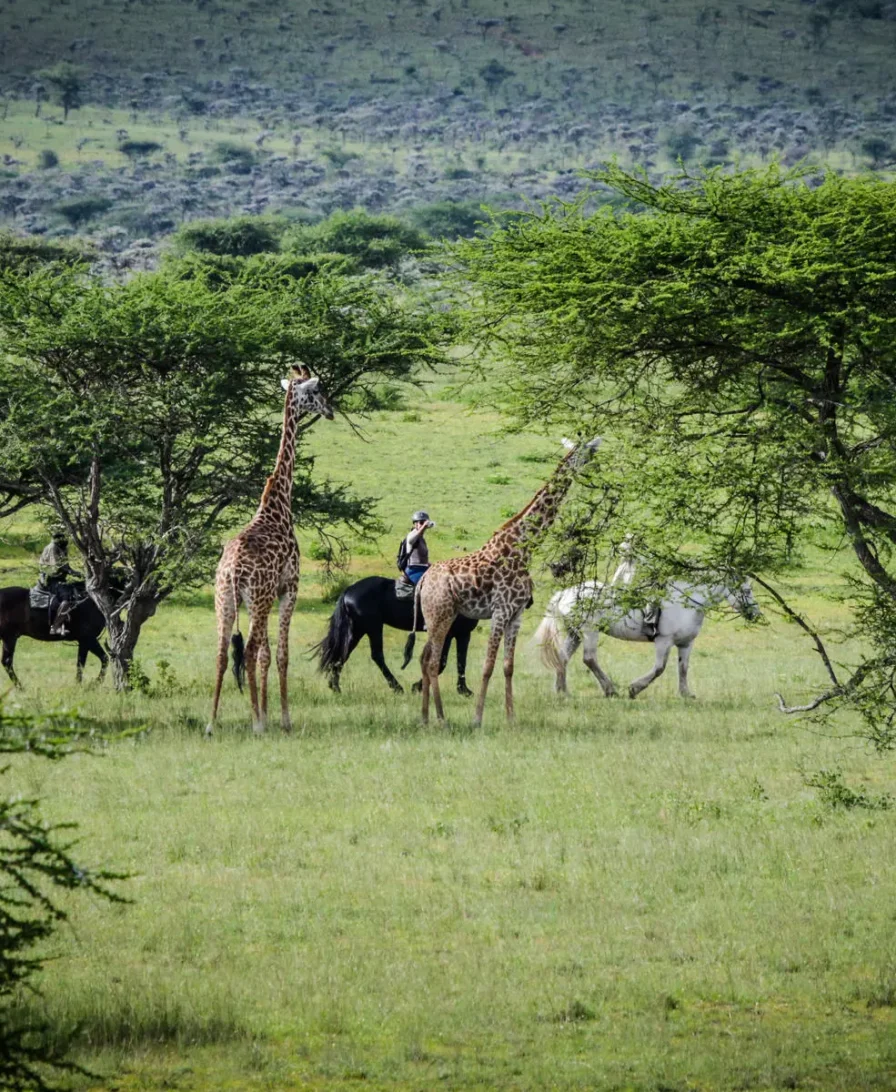
In a private conservancy, your guide can leave the track to follow a hunt, position the vehicle for better photography light, or run a night drive with a spotlight to find nocturnal species like aardvark, genet, and civet that most park-bound travelers never see. Conservancies also cap the number of vehicles allowed per sighting — often just one or two — which is why a morning in a conservancy can feel entirely different from the same morning in a busy section of a national park, even at premium camps. For US travelers debating whether to add conservancy nights to their itinerary, this is usually the deciding factor, not the camp's amenity list.
That flexibility comes at a cost, though: conservancy camps typically charge a separate conservancy fee on top of standard park fees, and availability is naturally more limited since these areas cap total bed capacity to protect the low-density experience travelers are paying for.
Why Tanzania Matters for Luxury Safari Travelers
Tanzania matters because it holds the largest concentration of protected wilderness in East Africa, anchored by the Serengeti-Ngorongoro ecosystem, while still offering enough remote, low-density conservancy land to deliver true exclusivity at the top end of the market. Few destinations on earth combine this scale of wildlife with this level of infrastructure for premium travel.
Tanzania's tourism sector is having a record run. International tourist arrivals rose 6.7% from 2.14 million in 2024 to 2.29 million in 2025, and average visitor spending climbed 19%, from $243 to $289 per person per night — Source: Southern & East African Tourism Update, 2026. That spending growth is a signal worth noting: the market is shifting upmarket, and camps are investing accordingly.
The country also earned global recognition in 2025, winning World's Leading National Park for the Serengeti and World's Leading Mountain National Park for Kilimanjaro at the World Travel Awards — Source: World Travel Awards, 2025. For US travelers weighing Tanzania against Kenya or Botswana, that kind of third-party validation matters when you're committing five figures to a single trip.
Low-density tourism is Tanzania's real luxury advantage. Unlike some heavily trafficked safari destinations, Tanzania's private conservancies and remote southern circuit (Nyerere, Ruaha) cap visitor numbers deliberately, which keeps sightings uncrowded even during peak season. That scarcity is precisely what affluent travelers are paying for.
Is Tanzania Safe for US Travelers on a Luxury Safari?
Tanzania is considered a safe, well-established safari destination for US travelers, with the primary health consideration being malaria prevention rather than crime or political instability in the main safari circuits. The Serengeti, Ngorongoro, and Zanzibar corridors that dominate luxury itineraries are heavily used by international tour operators with established safety protocols.
That said, malaria risk is real across most of mainland Tanzania, including the Serengeti and Ngorongoro. US citizens are generally advised to complete a course of malaria prophylaxis before departure, in consultation with a travel medicine provider or the CDC's pre-travel guidance. Camps also provide mosquito nets and evening precautions as standard practice, but medication remains the primary defense.
Beyond health, most safety guidance for luxury travelers is practical rather than dramatic: follow your guide's instructions around wildlife, use reputable transfer services between airstrips and camps, and purchase comprehensive travel insurance — Zanzibar, in fact, now legally requires proof of travel insurance on arrival, at a typical cost of around $44 for a standard policy — Source: Tulia Zanzibar Visa Guide, 2026.
Wildlife encounters themselves are the area where most first-time safari travelers overestimate the risk. Guides are trained to read animal behavior and maintain safe distances long before a situation becomes concerning, and the vast majority of "close" wildlife moments on a luxury safari happen from inside a vehicle or a well-fenced camp, not on foot. Walking safaris are offered at select camps, but always with an armed, professionally trained guide, and are entirely optional.
Which Tanzania Regions Offer the Best Luxury Safari Experiences?
Tanzania's best luxury safari regions are the Serengeti, Ngorongoro Crater, Tarangire, and the southern Nyerere (Selous) ecosystem, each offering a distinct wildlife and privacy profile rather than a single interchangeable "safari experience." Choosing the right combination — not just the right camp — is what separates an average trip from an exceptional one.
Serengeti National Park
The Serengeti is Tanzania's flagship safari region, famous for the Great Migration and some of the highest predator densities in Africa. For luxury travelers, the real decision isn't whether to visit the Serengeti — it's which part. The northern Serengeti suits July–September river-crossing season, the central Seronera area delivers year-round predator sightings, and the western corridor comes alive during the migration's June push. Explore our best luxury safari lodges in the Serengeti to match camp location to your travel dates.
Ngorongoro Crater
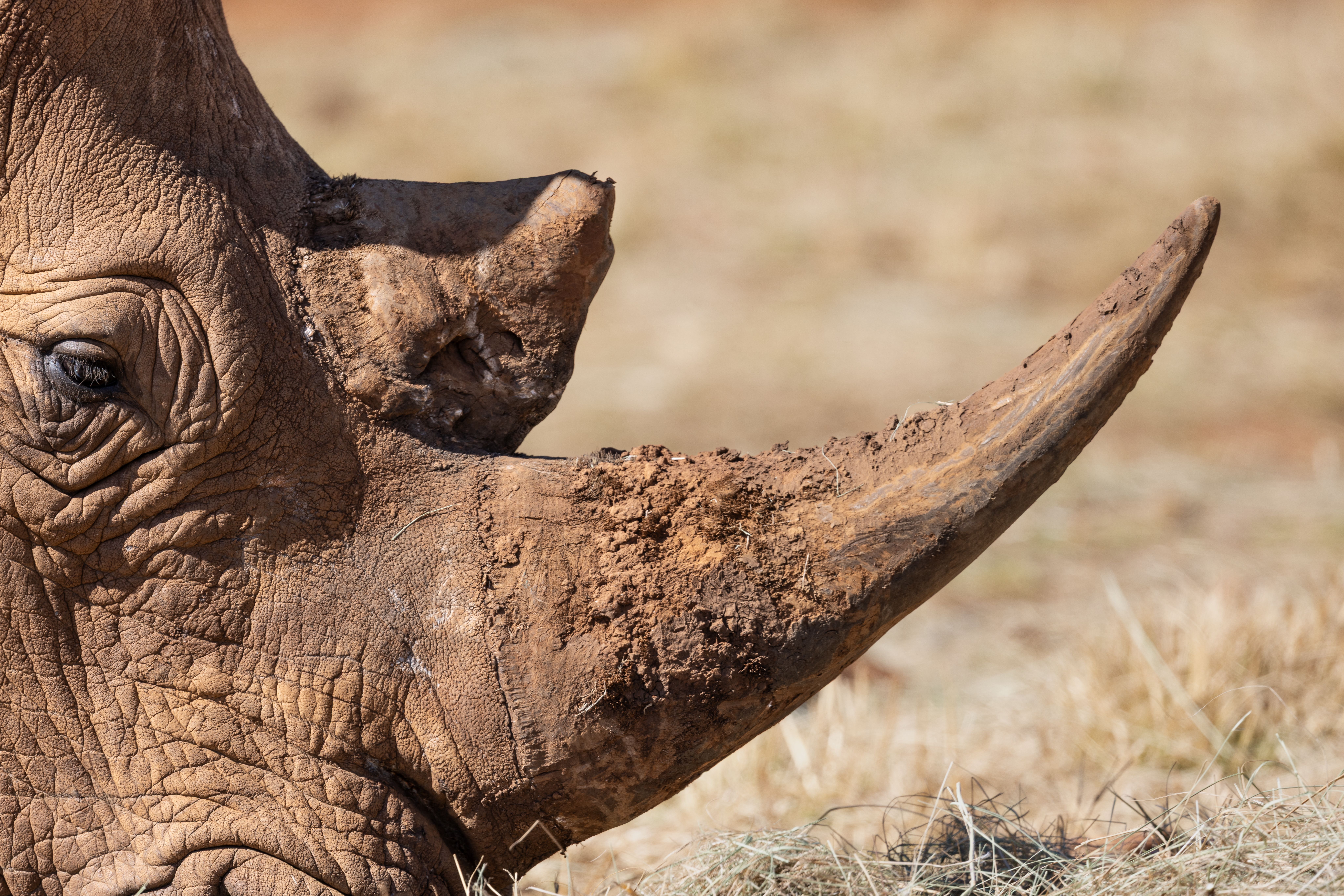
The Ngorongoro Crater is a collapsed volcanic caldera that functions as a natural, self-contained wildlife enclosure, home to an unusually dense concentration of game — including one of Tanzania's best chances at spotting black rhino. Because the crater floor itself restricts overnight stays, luxury travelers typically base themselves on the crater rim, where properties offer some of the most dramatic views in African safari travel. See our Ngorongoro Crater luxury lodges compared for a rim-by-rim breakdown.
Tarangire National Park
Tarangire is defined by its ancient baobab trees and massive elephant herds, particularly during the dry season when wildlife concentrates around the Tarangire River. It's less crowded than the Serengeti and works well as a first or last stop on a northern circuit itinerary — often paired with Lake Manyara. Read more in our Tarangire National Park guide.
Nyerere National Park (formerly Selous)
Nyerere is Tanzania's premier southern safari destination and where true exclusivity lives. Fly-in access and a fraction of the northern circuit's visitor traffic mean private, unhurried game drives and boat safaris along the Rufiji River. For travelers who've "done" the Serengeti before, or who specifically want low-density luxury, this is the answer. Learn more about Nyerere National Park.
Zanzibar (Beach Extension)
Zanzibar isn't a safari destination, but it's the natural closing chapter of a Tanzania itinerary — white-sand beaches, Stone Town's Swahili-Arab architecture, and a genuine shift in pace after days of early-morning game drives. Most luxury itineraries pair 3–5 nights on safari with 3–4 nights in Zanzibar.
Table: Tanzania's Luxury Safari Regions at a Glance
| Region | Best For | Peak Months | Typical Nights |
|---|---|---|---|
| Serengeti | Great Migration, predators | Year-round (crossings Jul–Sep) | 3–4 |
| Ngorongoro Crater | Wildlife density, black rhino | Year-round | 1–2 |
| Tarangire | Elephants, baobabs, low crowds | Jun–Oct | 1–2 |
| Nyerere (Selous) | Privacy, boat safaris | Jun–Oct, Dec–Mar | 2–3 |
| Zanzibar | Beach recovery, culture | Jun–Oct, Dec–Feb | 3–4 |
When Is the Best Time to Go on a Luxury Tanzania Safari?
The best time for a luxury Tanzania safari depends on whether you're prioritizing game visibility or value, since the dry season (June–October) delivers peak wildlife concentration while the green season (November–May) offers lower rates, lush scenery, and dramatically fewer visitors. Neither season is objectively "wrong" — they simply serve different priorities.
During the dry season, vegetation thins out and animals cluster around remaining water sources, making sightings more predictable and concentrated. This is also when the Great Migration's dramatic river crossings typically happen. The Great Migration follows a roughly circular route through the Serengeti ecosystem, with river crossings usually occurring between July and September. For a month-by-month breakdown of herd movement, see our Great Migration month-by-month guide.
The green season, by contrast, trades crossing drama for newborn wildlife, migratory birdlife, and camp rates that can run 20–40% lower than peak pricing. For US travelers with flexible schedules — particularly retirees — this is often the smarter value play, since fewer crowds mean more private time at prime viewing spots even at popular camps.
US holiday scheduling adds another layer. Christmas/New Year and the July 4th window are the two most in-demand periods for American travelers, which means premium camps sell out 9–12 months in advance for those dates. Thanksgiving week, by contrast, falls in the green season and offers a quieter, more affordable alternative for those chasing a long-weekend safari.
How Much Does a Luxury Tanzania Safari Cost for US Travelers?
Luxury Tanzania safari costs for US travelers typically range from $800 to $2,000+ per person per night, depending on camp exclusivity, season, and whether the itinerary includes private conservancy access. This figure usually includes accommodation, most meals, game drives, and park fees, but excludes international flights and gratuities.
At the entry point of the luxury tier, expect $800–$1,200 per person per night for well-appointed tented camps with private guiding but shared facilities like the main lounge and dining area. At the top end, $1,500–$2,500+ per person per night buys private plunge pools, owner-run boutique camps, exclusive-use conservancy vehicles, and sometimes an entire camp buyout for multi-generational family trips.
For a 10-night itinerary combining the northern circuit and Zanzibar, most affluent US travelers land in the $15,000–$35,000 per person range once flights, visas, and gratuities are factored in — though ultra-premium mobile camp experiences can push well past that. For a detailed line-item view, see our average cost breakdown of a Tanzania safari.
A quick gut-check on value: the biggest cost driver isn't the camp's thread count — it's exclusivity of access. Private conservancy time, low-density parks, and a dedicated guide for the full trip cost more because they're genuinely scarcer, not because of marketing markup.
Flights are usually the second-largest line item after accommodation. Business class fares from major US cities to Kilimanjaro or Dar es Salaam typically run $4,000–$8,000+ per person round-trip during peak season, while economy fares can range from $1,200–$2,500. Many US travelers on honeymoon or milestone trips opt for a mix — business class on the long-haul international legs, economy on the short domestic charter flights between camps, where the flight time is often under an hour.
Group size changes the math meaningfully. A private family safari for six to eight travelers can often negotiate better per-person rates through full-camp buyouts than the same group would pay booking individually, since operators can bundle vehicle, guide, and camp costs across the group. This is worth raising directly with your operator if you're planning a milestone celebration or multi-generational trip — it rarely appears on a standard rate card.
What Types of Luxury Accommodations Are Available in Tanzania?
Tanzania's luxury accommodations fall into four main categories — premium tented camps, mobile camps, owner-run boutique lodges, and private villas — each offering a different balance of comfort, exclusivity, and authenticity. Understanding the difference helps you choose based on the experience you want, not just the price tag.
- Premium tented camps are the backbone of Tanzania's luxury circuit: canvas structures with hardwood floors, en-suite bathrooms, and hotel-level service, usually capped at 8–16 tents to preserve intimacy.
- Mobile camps follow the Great Migration seasonally, meaning you're always positioned near peak wildlife activity rather than staying fixed in one location year-round.
- Owner-run boutique lodges are typically smaller, family-operated properties where the owners are on-site, offering a more personal, story-driven stay with deep local knowledge.
- Private villas — increasingly common in Zanzibar and select conservancies — offer full-property buyouts, private chefs, and dedicated staff for multi-family or milestone celebration trips.
[Insert image: Comparison of a premium tented camp interior vs. a Zanzibar private villa | Alt text: "Compare luxury tented camp and Zanzibar villa accommodations in Tanzania"]
Should You Book Through a Tour Operator or Directly with Lodges?
Booking through a specialist tour operator or destination management company (DMC) is generally the better choice for US travelers, since operators bundle better negotiated rates, coordinate multi-camp logistics, and provide on-the-ground support that individual lodges can't offer. Booking lodge-by-lodge directly can work for simple one-property trips, but it puts the entire logistics burden — flights between airstrips, timing conflicts, visa questions — on you.
A specialist operator earns its margin by solving the parts of the trip you can't see from a lodge's website: which camps are genuinely worth the premium this season, how to sequence regions to minimize flight time, and how to build in weather or health contingencies. Our guide on how to choose a Tanzania safari operator walks through the vetting questions worth asking before you commit a deposit.
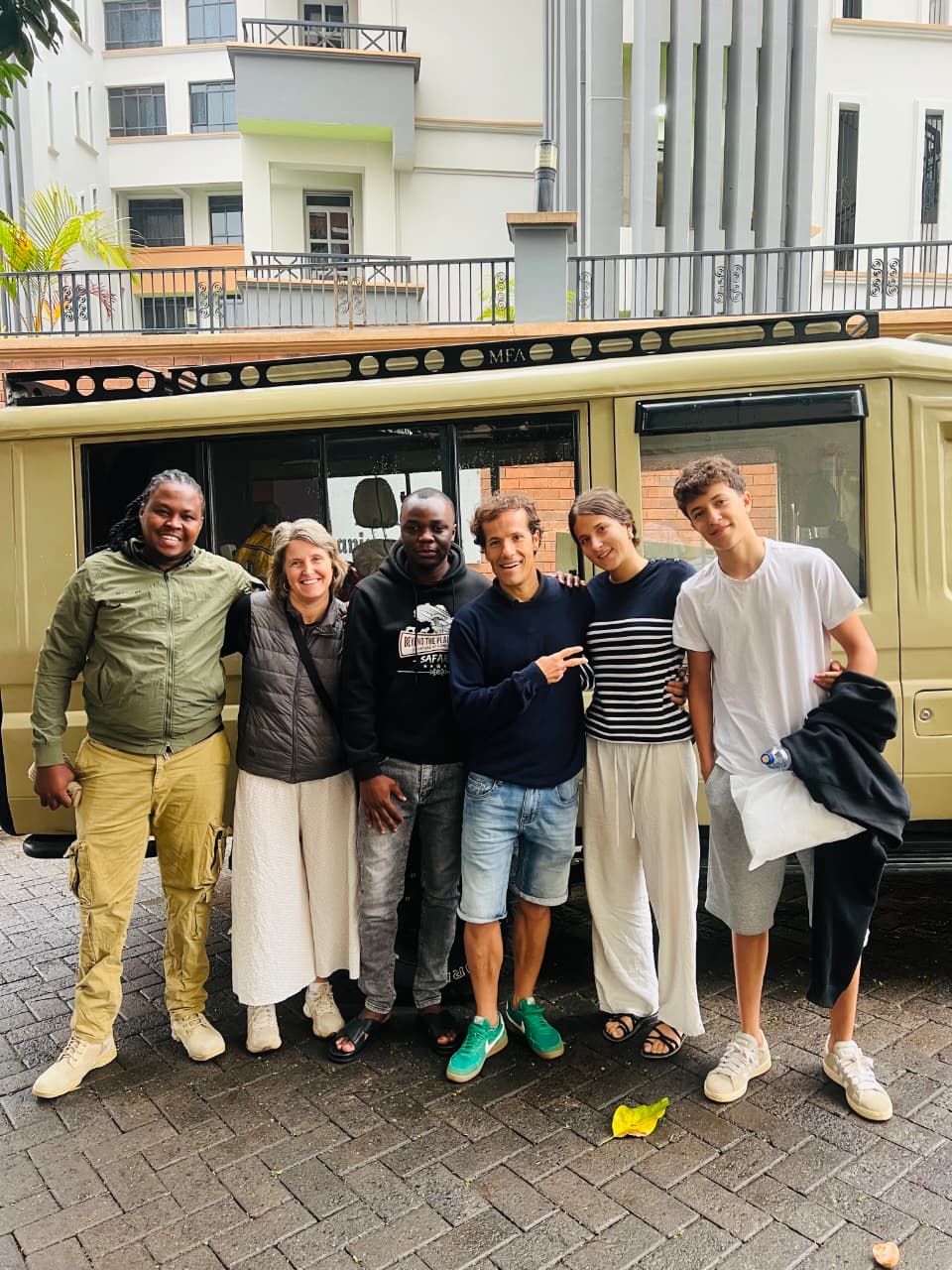
It's also worth understanding the difference between a boutique DMC and a large international agency, since the two operate very differently on the ground — our breakdown of boutique DMC vs. large international safari operator covers the trade-offs in service, pricing, and flexibility.
Sample Luxury Tanzania Safari Itineraries and Practical Planning Tools
Turning all of the above into a bookable trip comes down to matching nights-per-region to your travel dates and priorities. Below is a practical starting framework used by specialist operators when building custom itineraries.
Sample 10-night luxury framework for US travelers:
- Nights 1–2: Tarangire or Lake Manyara (arrival buffer, elephants, gentle introduction to game drives)
- Night 3: Ngorongoro Crater rim (crater floor game drive, black rhino chance)
- Nights 4–6: Serengeti (timed to migration location — north, central, or west)
- Nights 7–10: Zanzibar (beach recovery, Stone Town, water sports)
For a ready-built version of this structure, see our sample 7-day Tanzania luxury itinerary, which can be extended or compressed depending on your available time.
What's typically included at each price tier:
| Price Tier | Per Person/Night | What's Included |
|---|---|---|
| Entry luxury | $800–$1,200 | Private guide, shared vehicle option, en-suite tented camp, most meals |
| Mid-luxury | $1,200–$1,800 | Exclusive-use vehicle, private conservancy access, premium camps |
| Ultra-luxury | $1,800–$2,500+ | Private plunge pool, owner-run camp, camp buyout options, bespoke dining |
Honeymoon and anniversary travelers should also look at itinerary-specific structuring rather than a generic template — our honeymoon safari itinerary ideas page covers pacing built around romance and privacy rather than maximum wildlife coverage.
What's Next: How to Plan and Book Your Luxury Tanzania Safari
Planning a luxury Tanzania safari from the US comes down to four sequential steps: securing your e-visa, arranging flights, confirming health preparations, and locking in camps 9–12 months ahead of peak dates. Doing these in order — rather than booking flights before confirming camp availability — avoids the most common planning mistakes.
How Do You Get to Tanzania from the US for a Safari?
There are no direct flights from the US to Tanzania, so US travelers should budget for a minimum 10–12 hour connecting flight through major hubs like Doha (Qatar Airways), Amsterdam (KLM), or Nairobi (Kenya Airways), landing at either Kilimanjaro International Airport (JRO) or Julius Nyerere International Airport (DAR). From there, most luxury itineraries use light aircraft charters to reach remote camps, since road transfers to places like the northern Serengeti or Nyerere can take most of a day.
Do You Need a Visa or Vaccinations to Visit Tanzania?
Yes — as of January 2025, Tanzania no longer issues visas on arrival for most nationalities, meaning US citizens must apply online for a Multiple Entry e-visa priced at $100, valid for 12 months with a maximum stay of 90 days per visit — Source: Tanzania Immigration eVisa Portal, 2026. Standard processing takes roughly 2–10 business days, but applying 3–4 weeks before departure is the safer margin, especially during peak booking season. For the full walkthrough, see our Tanzania e-visa application guide for US citizens.
On the health side, US travelers are generally advised to complete recommended vaccinations and a course of malaria prophylaxis in consultation with a travel medicine provider before departure. Yellow fever vaccination is also required if you're arriving from — or have transited more than 12 hours through — a country with risk of yellow fever transmission. See our recommended vaccinations for Tanzania travel guide for a full pre-departure checklist.
How Many Days Should a Luxury Tanzania Safari Itinerary Include?
Most specialist operators recommend a minimum of 7–10 days for a first luxury Tanzania safari, which allows enough time to cover 2–3 regions without rushing between camps, plus a beach extension if desired. Shorter 5-day trips are possible but tend to concentrate on just the Serengeti and Ngorongoro, sacrificing the wider ecosystem picture that makes Tanzania distinct.
Can You Combine a Tanzania Safari with a Zanzibar Beach Vacation?
Yes — pairing a Tanzania safari with a Zanzibar beach extension is one of the most popular combinations for US travelers, since Zanzibar sits a short flight from the northern safari circuit and requires no additional visa, as it's covered under the same Tanzania e-visa. A typical combination allocates 5–7 nights to safari and 3–5 nights to Zanzibar, giving travelers both the adrenaline of game drives and genuine beach downtime before the long flight home.
Before you book, it's worth reviewing our packing list for a luxury African safari — camp dress codes, light aircraft luggage limits, and layering for early-morning game drives all differ meaningfully from standard vacation packing.
When you're ready to move from research to itinerary, book a consultation with our safari specialists to start building a trip around your dates, budget, and priorities.
Conclusion
A luxury Tanzania safari isn't defined by thread counts or infinity pools — it's defined by privacy, expertise, and access to wildlife on your own terms. From the crater rim at Ngorongoro to a private mobile camp chasing the migration across the Serengeti, and finally to Zanzibar's white sand, the right itinerary turns a bucket-list idea into a trip you'll measure the rest of your travel life against. Start with the region and season that match what you want most, work with a specialist who can turn that into logistics, and give yourself the lead time to book the camps that made you want to go in the first place.










Comments (0)
Leave a Comment
No comments yet. Be the first to comment!