

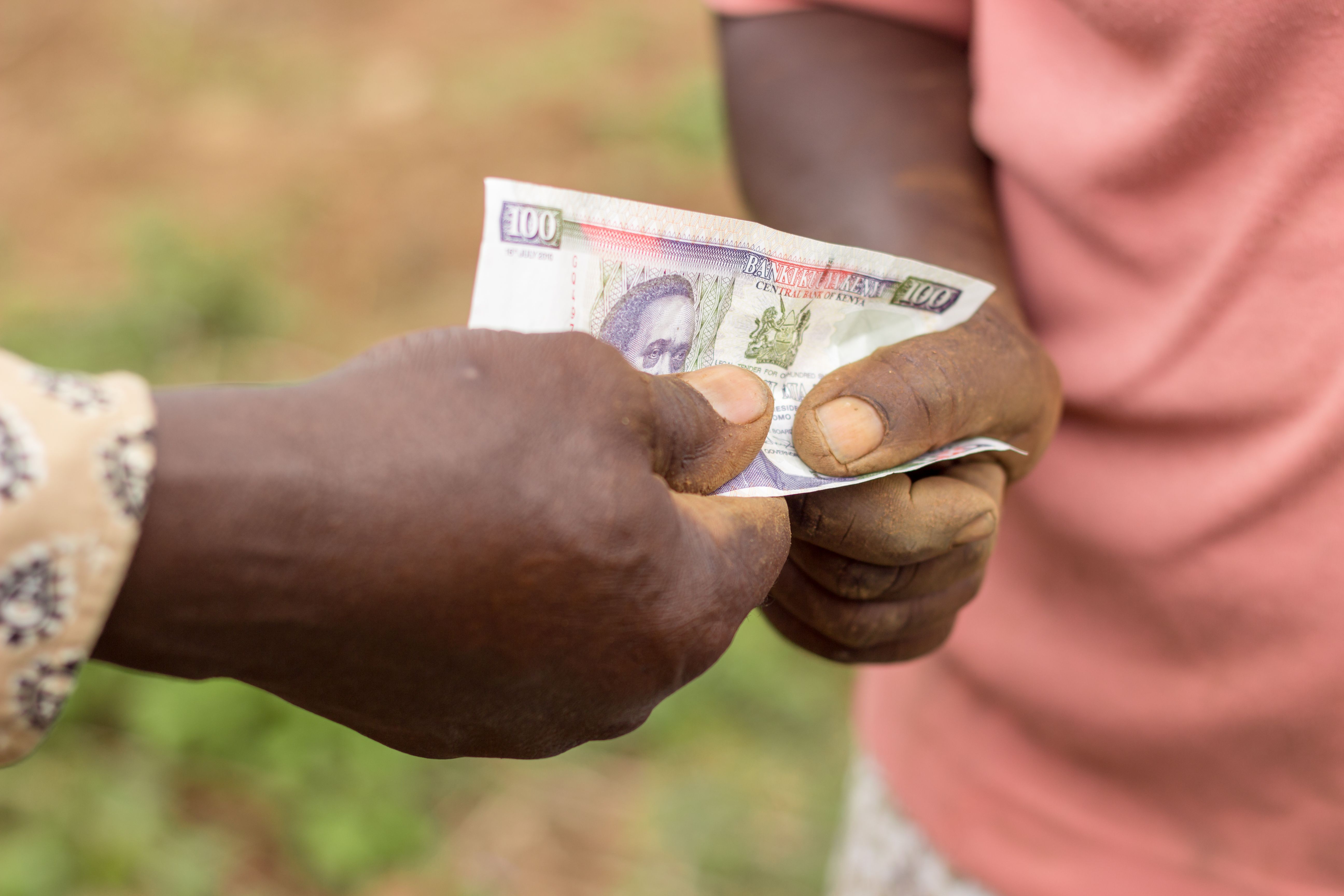
How Much Cash Do You Need for a Kenya Safari? The Complete Money Guide (2026)
You've probably already gotten a safari quote and budgeted for the big package price. But most first-time travelers badly underestimate the cash they'll need once they're actually in the bush — for tips, park incidentals, and the small purchases no ATM within 100 miles can help with. This guide breaks down exactly how much cash to bring on a Kenya safari, tier by tier, so you land in Nairobi prepared instead of guessing.
Key Takeaways
- A Kenya safari's daily cost typically ranges from about $150–$300 per person for budget trips, $300–$600 for mid-range, and $600–$1,500+ for luxury, not including international flights.
- Most safari package prices already cover accommodation, meals, game drives, and a guide, but tips, alcohol, souvenirs, and some park fees are usually paid separately in cash.
- A reasonable daily tipping guideline is $15–$20 per person for the safari guide and $10–$15 per person for camp or lodge staff.
- Major national parks and reserves charge separate daily entry fees, with the Masai Mara costing significantly more than smaller KWS-managed parks like Amboseli or Lake Nakuru.
- ATMs are unreliable or nonexistent inside national parks and remote conservancies, so cash for tips and incidentals should be withdrawn or exchanged before entering the bush.
- Most lodges and camps accept major credit cards for the main bill, but tipping and small local purchases almost always require physical cash.
- A traveler on a 7-day mid-range safari should generally plan to carry $200–$400 in cash beyond their prepaid package to cover tips, drinks, and incidentals comfortably.
What Counts as "Cash" on a Kenya Safari?
Cash on a Kenya safari refers to the physical money you need for expenses your prepaid package doesn't cover — tips, small park-related fees, curio purchases, and incidental spending in places where cards simply don't work. Most of your trip is already paid for before you land, but a smaller category of spending happens hand-to-hand, in dollars or Kenyan shillings.
First, your safari package — accommodation, meals, game drives, and your guide — is almost always settled in advance by card, bank transfer, or through your booking platform. You won't touch cash for any of this. Second, most international and internal flights are booked and paid online long before departure. Third, the majority of major park entry fees are now paid electronically by your operator through Kenya's eCitizen and KWSPay systems, or bundled directly into your safari cost.
What's left over is where cash matters. Tips for your guide and camp staff are almost universally handled in cash, since very few lodges have a system for adding gratuities to a card bill. Small curio and market purchases — a carved animal, a Maasai bead bracelet, a print at a roadside stall — are cash-only transactions in most of rural Kenya. Some conservancy or community fees, particularly at smaller Maasai-run conservancies bordering the Mara, are collected in person and are easiest to settle in cash. Finally, incidentals like bottled water outside your camp, a beer at a bar in town, or a tip for a spontaneous cultural visit all call for cash on hand.
If you're heading out to Nairobi before or after the bush, our Nairobi city guide for safari travelers covers where you'll actually spend that cash in town.
Why Getting Your Kenya Safari Cash Budget Right Matters
Getting your Kenya safari cash budget right matters because being short on cash in the bush is a logistics problem you cannot easily fix once you're there. Unlike a city vacation where a missing ATM is a minor inconvenience, running short on cash mid-safari can mean an awkward tipping shortfall, an inability to buy water, or a scramble to find a working card machine hundreds of kilometers from the nearest bank branch.
The single biggest risk is assuming you can top up once you're inside a park or conservancy. As we cover in detail below, ATMs are essentially absent once you leave Nairobi, Mombasa, or a handful of larger towns. If your cash runs low on day four of a seven-day trip, there is often no practical way to get more until you're back in a city.
There's also a tipping-etiquette risk on both ends. Under-tipping, even unintentionally because you didn't bring enough cash, can feel awkward when you know guides and camp staff rely on gratuities as a meaningful part of their income. Over-preparing with far more cash than you need creates the opposite problem: unnecessary risk of carrying large sums of money around remote areas.
Currency mistakes are another quiet budget-killer. Many travelers exchange money at airport kiosks with poor rates, or withdraw shillings from a foreign card and get hit with conversion fees and unfavorable exchange rates that can add up over a week-long trip. Kenyan banks and forex bureaus generally offer meaningfully better rates than airport counters, and knowing this in advance can save real money.
Finally, there's a safety dimension. Carrying too much cash, especially in large denominations, increases exposure to loss or theft. Carrying too little means you can't cover essentials. The right cash budget threads that needle — enough to be comfortable, not so much that you're anxious about it.
How Much Does a Kenya Safari Cost Per Day in 2026?
A Kenya safari costs between roughly $150 and $1,500+ per person per day in 2026, depending on your comfort tier, and this figure covers the package price, not the cash you'll carry separately. Understanding where your trip sits on this spectrum is the starting point for calculating your cash needs, since tipping and incidental spending typically scale with the level of luxury you've chosen.
Kenya Safari Costs by Tier: Budget, Mid-Range, and Luxury
Kenya's safari market breaks down fairly cleanly into three comfort tiers, and the differences go well beyond thread count.
| Tier | Per-Person-Per-Day (Land Only) | What's Typically Included |
|---|---|---|
| Budget | $150–$300 | Shared group vehicle, basic tented camps or lodges outside park boundaries, standard set meals |
| Mid-Range | $300–$600 | Semi-private or private vehicle, comfortable tented camps or lodges inside/near parks, full board |
| Luxury | $600–$1,500+ | Private guide and vehicle, premium conservancy camps, gourmet dining, often internal flights |
Budget safaris generally use shared minibuses or vans, basic lodging just outside park gates to avoid overnight park fees, and set menus. You'll see the same wildlife as anyone else — the animals don't check your accommodation rating — but you'll have less flexibility and more crowded vehicles.
Mid-range safaris are the sweet spot for most first-time travelers. This tier typically includes a semi-private or private 4×4, comfortable en-suite tented camps, and full-board meals, without the ultra-exclusive private-conservancy feel of the top tier. For a broader look at how these packages are structured, see our guide to what's included in a Kenya safari package and how to choose one.
Luxury safaris add private conservancy access, dedicated guides, higher-end dining, and often bush-flight transfers between parks instead of long road transfers. Peak-season surcharges apply across all three tiers; our guide to the cheapest time to book a Kenyan safari breaks down when those spikes hit hardest — and when you can avoid them.
What's Included in a Typical Kenya Safari Package Price?
A typical Kenya safari package includes accommodation, meals, game drives, and a professional driver-guide, with most other costs — flights, alcohol, and gratuities — sitting outside the quoted rate. Knowing exactly where that line falls is what separates a realistic cash budget from an unpleasant surprise at checkout.
Breaking Down What's Included vs. What You'll Pay For Separately
Most reputable operators build their per-day rate around four core elements: your bed, your meals, your game drives, and your guide's time. Park entry fees are increasingly bundled into the package price too, since operators pay them electronically in advance on your behalf. That said, always confirm this in writing — some budget operators quote a rate that excludes park fees to look more competitive, then add them as a surprise line item.
What generally sits outside the package price:
- Internal flights between parks, particularly bush flights connecting the Mara, Amboseli, and Samburu, which are usually quoted and paid separately
- Alcoholic drinks, unless you've specifically booked a fully-inclusive luxury camp
- Laundry service at lodges and camps
- Visa or eTA fees, which run around $30 per traveler and must be settled online before arrival — see our Kenya visa requirements guide for the current process
- Travel insurance and vaccination costs, which we cover in our Kenya safari vaccinations and health guide
- Tips for guides and camp staff, covered in full below
- Souvenirs, curios, and personal purchases
Choosing the right operator makes this line clearer from the start. Our guide to the best safari operators in Kenya walks through the questions to ask before you book, so your itemized quote actually reflects your total trip cost. If you're weighing a boutique operator against a large international agency specifically, our boutique DMC vs. large international operator guide breaks down how that choice affects pricing transparency.
How Much Should You Tip Safari Guides and Camp Staff in Kenya?
Safari tipping in Kenya generally follows a per-person, per-day guideline: $15–$20 for your guide and $10–$15 for camp or lodge staff, and this is the single largest category of cash you'll carry on a Kenya safari. Tipping isn't legally required, but it's a deeply established part of the safari economy, and gratuities often make up a meaningful share of staff income.
How Much Cash to Bring for Tips and Incidentals
Your guide is typically tipped directly and privately, often in an envelope at the end of your time together — whether that's your last morning at a camp or just before you board a bush flight to the next stop. Guides who go above and beyond, spending extra time tracking a specific sighting or adjusting the day's plan for you, are commonly tipped toward the higher end of the range.
Camp and lodge staff — housekeeping, kitchen teams, waiters, groundskeepers — are almost always tipped through a communal tip box at reception, rather than tipped individually. This pools the gratuity fairly across everyone working behind the scenes, most of whom you'll never personally interact with. Drop your contribution in on your last day, ideally when settling your final bill.
A few smaller categories round out your tipping cash:
- Trackers or spotters (when part of your vehicle crew): roughly $5–$10 per person per day
- Transfer or airport drivers: roughly $5–$10 per trip, not per day
- Porters: around $1–$2 per bag
Do You Need US Dollars or Kenyan Shillings on Safari?
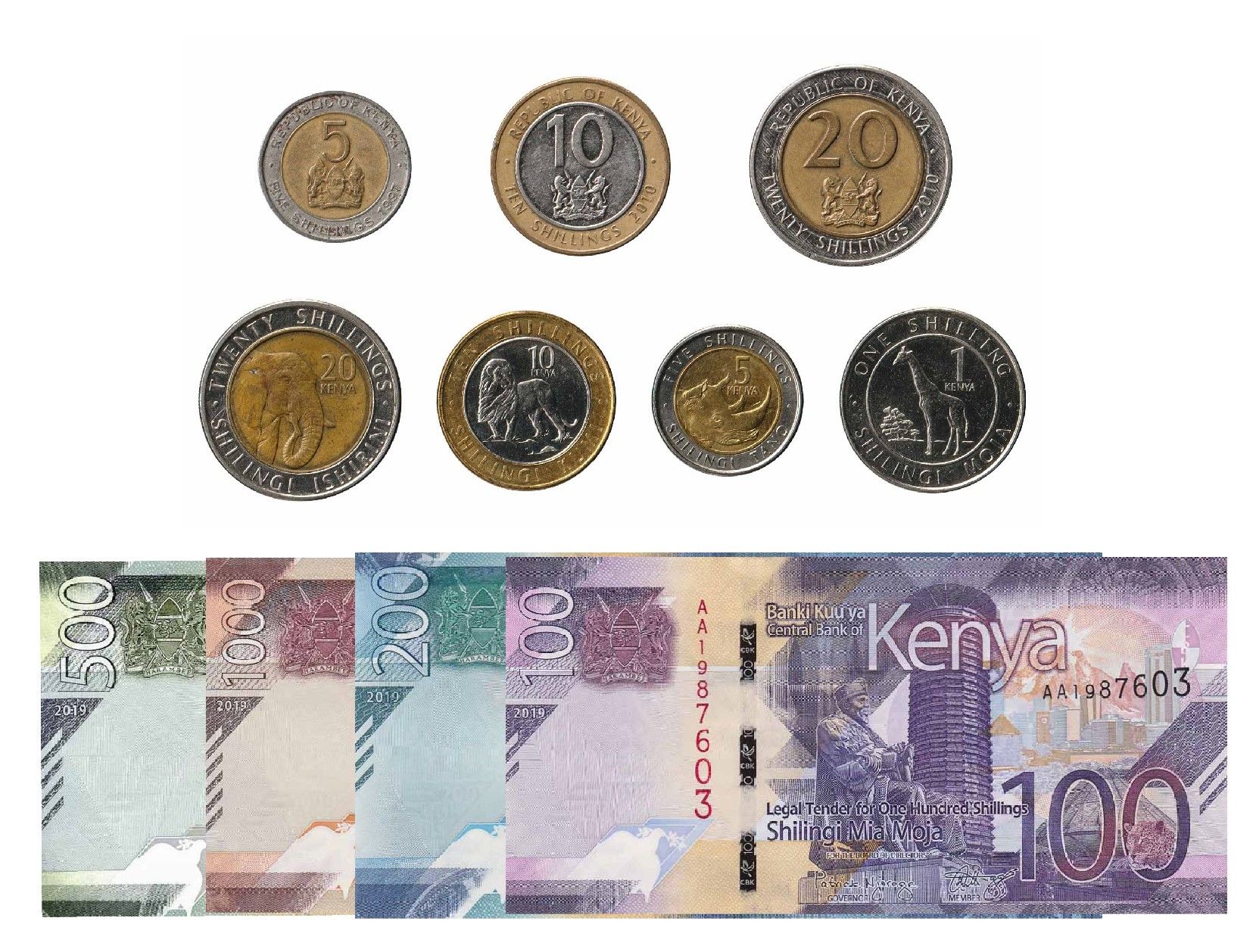
Both US dollars and Kenyan shillings are accepted for safari tipping, though the two currencies carry different practical advantages. US dollars are widely trusted and easy to save or convert, which is why many guides and lodge staff prefer them. Kenyan shillings, on the other hand, are immediately usable by recipients without a separate trip to a forex bureau — a genuine convenience for staff in remote areas.
If you're bringing US dollars, they must be crisp, undamaged, and printed in 2009 or later. Kenyan banks and forex bureaus routinely reject older, torn, or heavily worn notes, and this catches out more first-time travelers than almost any other cash rule. Avoid $50 and $100 bills entirely for tipping purposes — they're hard for camp staff to break and can effectively shortchange the intended recipient once local exchange costs are factored in. A mix of $1, $5, $10, and $20 bills is the practical standard.
Three standalone facts worth remembering as you pack your tipping envelope:
- Tipping in either currency is acceptable, but small, clean, recent-series bills matter more than which currency you choose.
- Shillings are especially appreciated for small, spontaneous tips — a Maasai dancer, a cultural village host, a gate attendant.
- A useful benchmark is $150–$250 per traveler in small bills, set aside specifically for tipping before you even leave home — Source: Kenya safari tipping guide data, 2026.
How Much Are Kenya National Park Entry Fees?
Kenya's national park entry fees are charged per person, per day, separately from your safari package price, and they vary substantially depending on which park or reserve you're visiting. This is one of the more confusing parts of budgeting a Kenya safari, since the Masai Mara operates under different rules than KWS-managed parks like Amboseli.
The Masai Mara National Reserve, managed by the Narok County Government rather than the Kenya Wildlife Service, charges non-resident adults $100 per person per day from January through June, rising to $200 per person per day from July through December 2026 — Source: Narok County Government, 2026. Children aged 9–17 pay $50 year-round, while children 8 and under enter free. The Mara also enforces a strict 12-hour ticket validity window, so late exits can trigger an unexpected extra day's charge.
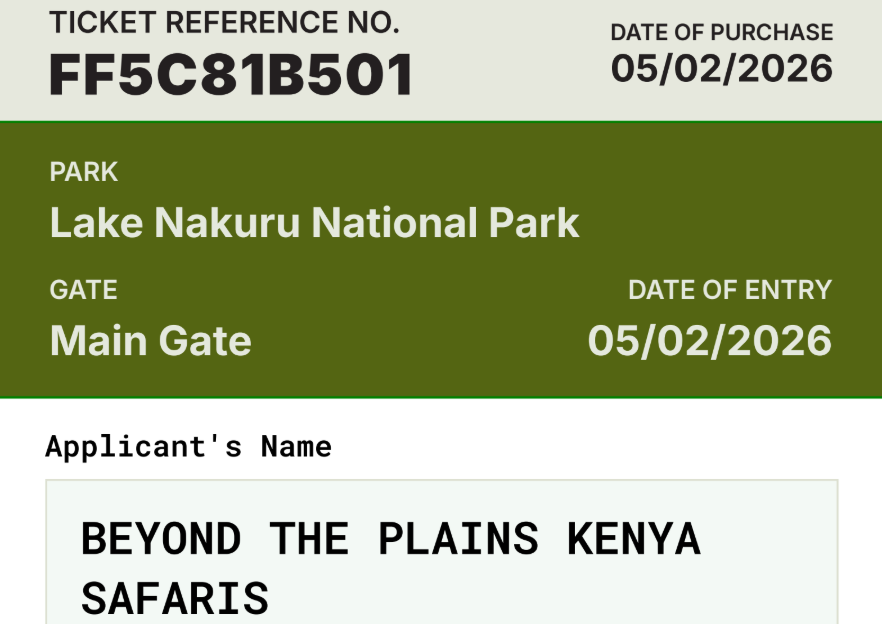
By comparison, Amboseli National Park and Lake Nakuru National Park, both classified by the Kenya Wildlife Service as Premium Parks, charge non-resident adults around $90 per person per day, with no seasonal surcharge — Source: Kenya Wildlife Service, 2026. Smaller or less-visited KWS parks generally charge less again.
For more on what to expect on the ground once you're there, our Amboseli safari guide covers wildlife, elephants, and the best time to visit in detail.
In almost every case, reputable operators pay these fees electronically on your behalf and fold them into your quoted package price. Independent or self-drive travelers, however, need to budget and pay these directly — most KWS parks now require cashless payment through the eCitizen platform, while the Mara still accepts cash USD or KES at several of its gates.
Are There ATMs Inside Kenya's National Parks?
No, ATMs are largely unavailable inside Kenya's national parks and remote conservancies, which is the core reason cash planning matters so much before your safari begins. This single fact drives most of the practical advice in this guide.
Practical Money Logistics: ATMs, Cards, and Currency Exchange in Kenya
Nairobi, Mombasa, and other larger towns have reliable ATM networks, and Jomo Kenyatta International Airport in Nairobi is a sensible place to withdraw shillings on arrival. Once you leave for the bush, that access effectively disappears. There are no functioning ATMs inside the Masai Mara, Amboseli, or the private conservancies surrounding them, and connectivity issues can even affect card payments at some remote lodges.
Here's the practical sequence most experienced safari travelers follow, and it's worth adapting to your own itinerary:
- Withdraw or exchange your cash in Nairobi, before you transfer to your first camp, ideally at a bank or reputable forex bureau rather than an airport kiosk — airport rates are consistently worse.
- Carry a mix of small-denomination USD and KES, following the tipping guidance above.
- Keep your tipping cash separate from your general spending money, in a dedicated pouch or envelope, so you're never caught short at checkout.
- Confirm card acceptance with your operator in advance, since remote lodges often run card payments over slow satellite connections and occasionally ask guests to settle in cash instead.
If your trip involves an overland leg into a private conservancy, our Mara North Conservancy guide and Naboisho Conservancy guide are useful for understanding what's cash-only at camp level in those specific areas.
Can You Pay for Everything on a Kenya Safari With a Credit Card?
Most Kenya safari lodges accept major credit cards for the main accommodation and dining bill, but tips, drinks, and souvenirs typically require cash. Visa and Mastercard are widely accepted at mid-range and luxury properties; American Express less consistently so. Even where cards work smoothly, gratuities almost never go on the card — the infrastructure simply isn't there at most camps, and cash remains the cultural norm for tipping regardless.
How Much Extra Cash Should You Budget for a 7-Day Safari?
A traveler on a 7-day mid-range Kenya safari should generally plan to carry $200–$400 in cash beyond their prepaid package, covering tips, drinks, souvenirs, and small incidentals. This figure scales up or down depending on your tier and how many camps you're moving between.
Sample Cash Budget for a 5–7 Day Safari
Here's a realistic category-by-category breakdown for a mid-range, 7-day, two-camp Kenya safari, per traveler:
| Category | Estimated Cash Needed |
|---|---|
| Guide tips (7 days × $15–$20) | $105–$140 |
| Camp staff tips (7 days × $10–$15) | $70–$105 |
| Transfer/porter tips | $15–$25 |
| Souvenirs and curios | $50–$100 |
| Drinks and incidentals outside full-board | $40–$80 |
| Total | ~$280–$450 |
This total sits comfortably within the $200–$400 benchmark, with a modest buffer for exceptional service or an unplanned purchase. Budget travelers on shorter, simpler itineraries can plan toward the lower end; luxury travelers with more camps, more staff interactions, and higher nightly rates should plan toward the upper end or beyond. For a matching day-by-day framework, see our ultimate 7-day Kenya & Tanzania safari itinerary, or our Kenya safari tours planning guide if you're still building your route.
What Hidden Costs Surprise First-Time Kenya Safari Travelers?
Even well-researched travelers get caught off guard by a few recurring costs. The gap between a quoted per-day rate and the actual all-in cost of a trip is the most common surprise, and it usually comes down to a handful of specific line items.
- Internal flights between parks are often quoted separately and can add several hundred dollars per person if your itinerary covers more than one region — our 10-day Kenya–Tanzania itinerary shows how these transfer costs stack up across a multi-region route.
- Peak-season park fee surcharges, particularly the Masai Mara's doubling from $100 to $200 per day in the second half of the year, catch travelers who priced their trip using outdated figures.
- Single supplements for solo travelers, which can add 30–50% to a per-person rate that assumes double occupancy.
- Balloon safaris and other optional activities, which run roughly $450–$550 per person and are almost never included in a base package.
- If you're traveling with kids, budget for a few extra categories entirely — our Kenya family safari guide walks through what parents typically miss when costing out a trip.
Is It Safe to Carry Cash on a Kenya Safari?
Carrying a modest, well-organized amount of cash on a Kenya safari is generally safe, provided you follow the same common-sense precautions you'd use anywhere: split it up, keep it out of sight, and don't carry more than you'll realistically need for the days ahead. Camps and lodges are professionally run, staffed, and generally low-risk environments, and most safari travelers move through an entire trip without incident.
A few practical habits reduce risk further. Split your cash between your daypack and your main luggage, rather than carrying the full amount on your person at all times. Most camps offer an in-room safe or a lockbox at reception — use it for anything you're not actively spending that day. Avoid flashing large denominations in public settings, particularly at markets or curio stalls where prices are often negotiable and a visible wad of bills undermines your bargaining position as much as your security.
Tools for Planning Your Safari Cash Budget
Beyond mental math, a few simple tools make this planning easier. A basic spreadsheet with rows for each tipping category, park fee day, and incidental — mirroring the sample budget table above — lets you adjust totals as your itinerary firms up.
Most international banks also offer fee comparison tools for foreign ATM withdrawals, worth checking before you travel since withdrawal fees compound quickly if you're pulling shillings in Nairobi versus relying on a single large forex exchange. Free tools like your bank's own foreign transaction fee schedule, alongside a mid-market rate checker (widely available through any currency converter app), give you a realistic sense of what you'll actually pay before you commit to an exchange method.
What's Next: Building Your Personal Safari Budget
With the numbers above in hand, turning this into your own trip budget comes down to a few concrete steps.
- Get an itemized quote from your operator, explicitly confirming which park fees, meals, and transfers are included, and which are not.
- Decide your tier — budget, mid-range, or luxury — based on the per-day ranges covered earlier, and sanity-check any quote that falls well outside those bands.
- Calculate your total tipping figure using the per-person, per-day guidelines above, multiplied by your trip length and travel party size.
- Order your currency in advance, or plan your first Nairobi withdrawal, using clean, recent-series bills for any USD you bring.
- Set aside a dedicated tipping envelope or pouch, separate from your everyday spending cash, so you're never scrambling on your final morning at a camp.
Conclusion
A Kenya safari's biggest cost is almost always locked in before you fly — the package price covers your camp, your meals, your guide, and increasingly your park fees too. What catches first-time travelers off guard is the smaller, cash-only layer sitting on top of that: tips, incidentals, and the occasional souvenir, none of which an ATM in the Masai Mara can help you with, because there isn't one. Budget realistically using the tiered ranges and sample calculations above, bring clean small bills in USD or shillings, and you'll spend far less time worrying about cash and far more time watching the wildlife you came for. It's a trip worth every dollar you bring — just make sure enough of it is in your pocket, not your bank account back home.
Ready to lock in your itinerary? Get a free, itemized quote and we'll tell you exactly what's covered — and what to bring in cash.










Comments (0)
Leave a Comment
No comments yet. Be the first to comment!