

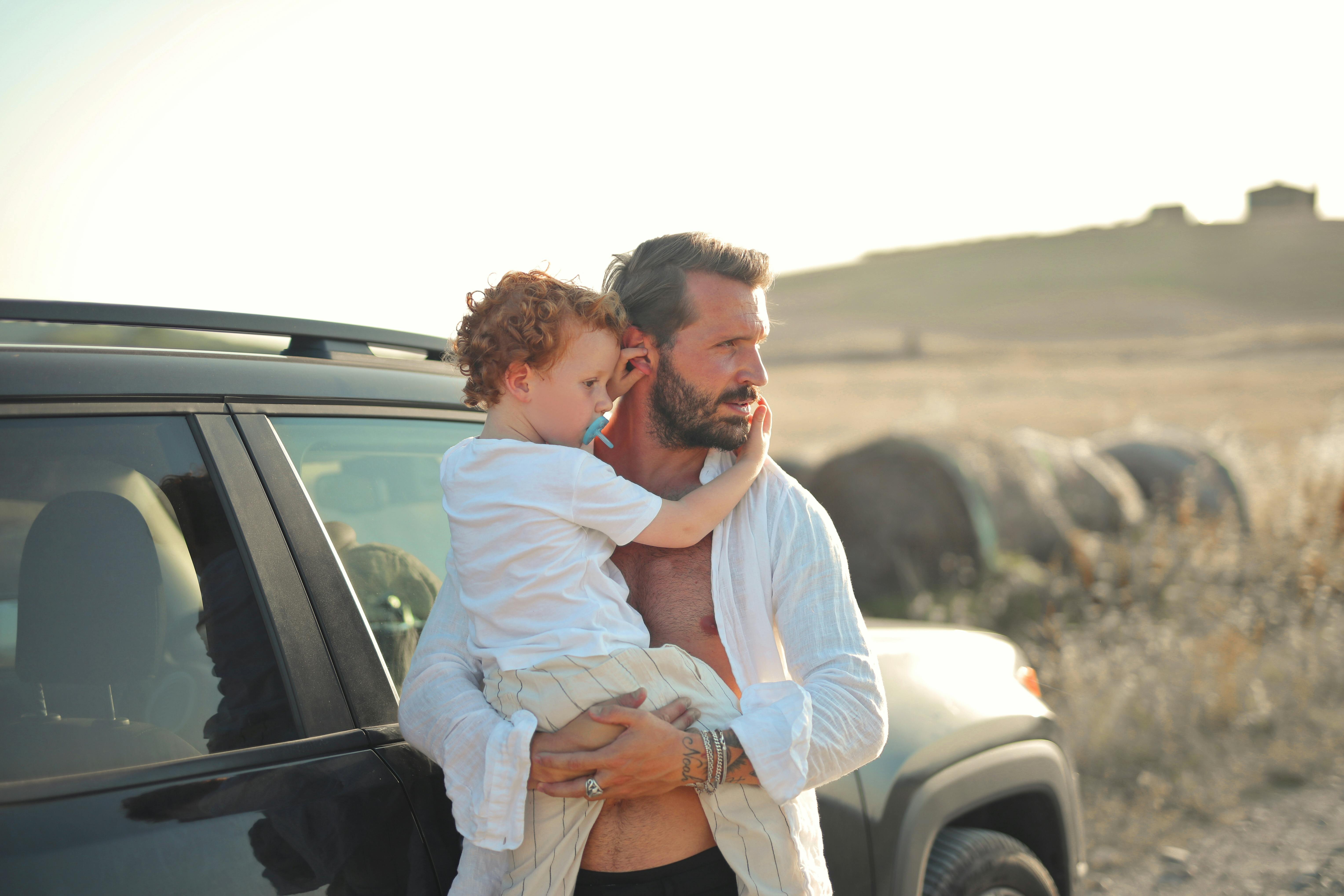
You've probably imagined the scene: your children wide-eyed as a lion strolls past the jeep, or a herd of elephants crossing the dusty plains at golden hour. But planning a Kenya safari that truly works for the whole family, right lodge, right park, right age-appropriate activities, is far more nuanced than most travel guides admit. In this guide, you'll find the 10 best Kenya safari experiences specifically curated for families, complete with honest lodge recommendations, activity breakdowns, and the practical details that make or break a family trip.
Key Takeaways
- Kenya offers family-friendly safari experiences across at least 10 distinct ecosystems, from the Masai Mara's Great Migration to Amboseli's iconic elephant herds against Mount Kilimanjaro.
- Family safari lodges in Kenya typically cater to children aged 5 and above, with many top properties offering dedicated kids' programs, family suites, and junior ranger activities.
- The best time for a Kenya family safari is during the dry seasons of July–October and January–February, when wildlife congregates at water sources and game viewing is most rewarding for children.
- Ol Pejeta Conservancy, Laikipia Plateau, and Lewa Wildlife Conservancy are among Kenya's top picks for families seeking both wildlife immersion and cultural education in a single stay.
- Choosing a family-specialist safari operator — rather than a general travel agent, significantly improves lodge suitability, activity curation, and on-ground logistics for traveling parents.
- A well-planned Kenya family safari costs approximately $500–$1,500 per person per night at mid-to-luxury lodges, with family packages and low-season rates offering meaningful savings.
- Junior ranger programs, Maasai cultural village visits, and hot-air balloon safaris over the Mara are consistently rated among the most memorable experiences for children on a Kenya safari.
What Is a Family Safari in Kenya?
A family-friendly safari in Kenya is defined by lodges that accommodate children aged five and above with dedicated kids' programs, family suite configurations, age-appropriate game activities, and on-site medical access, features that standard safari camps may not offer. It is not simply a regular safari with children squeezed into the itinerary. It is a purposefully curated experience designed around a child's sense of wonder, safety, and stamina.
Standard safaris and family safaris differ in three critical ways. First, family camps set minimum age limits (typically 5–8 years) and adjust game drive durations so younger children aren't overwhelmed. Second, family lodges offer interconnected rooms or private family cottages rather than standalone tents. Third, the activity menu extends well beyond game drives, think junior ranger walks, bush craft lessons, and storytelling sessions with Maasai elders.
Kenya excels at this format. With over 60 national parks, reserves, and conservancies, ranging from the vast Masai Mara to the intimate Lewa Wildlife Conservancy, Kenya gives families genuine choice across ecosystems, price points, and experience types. For a broader look at how Kenya and Tanzania compare as family safari destinations, read our guide on combining Kenya and Tanzania safari tours seamlessly.
Why Kenya Is One of the Best Safari Destinations for Families
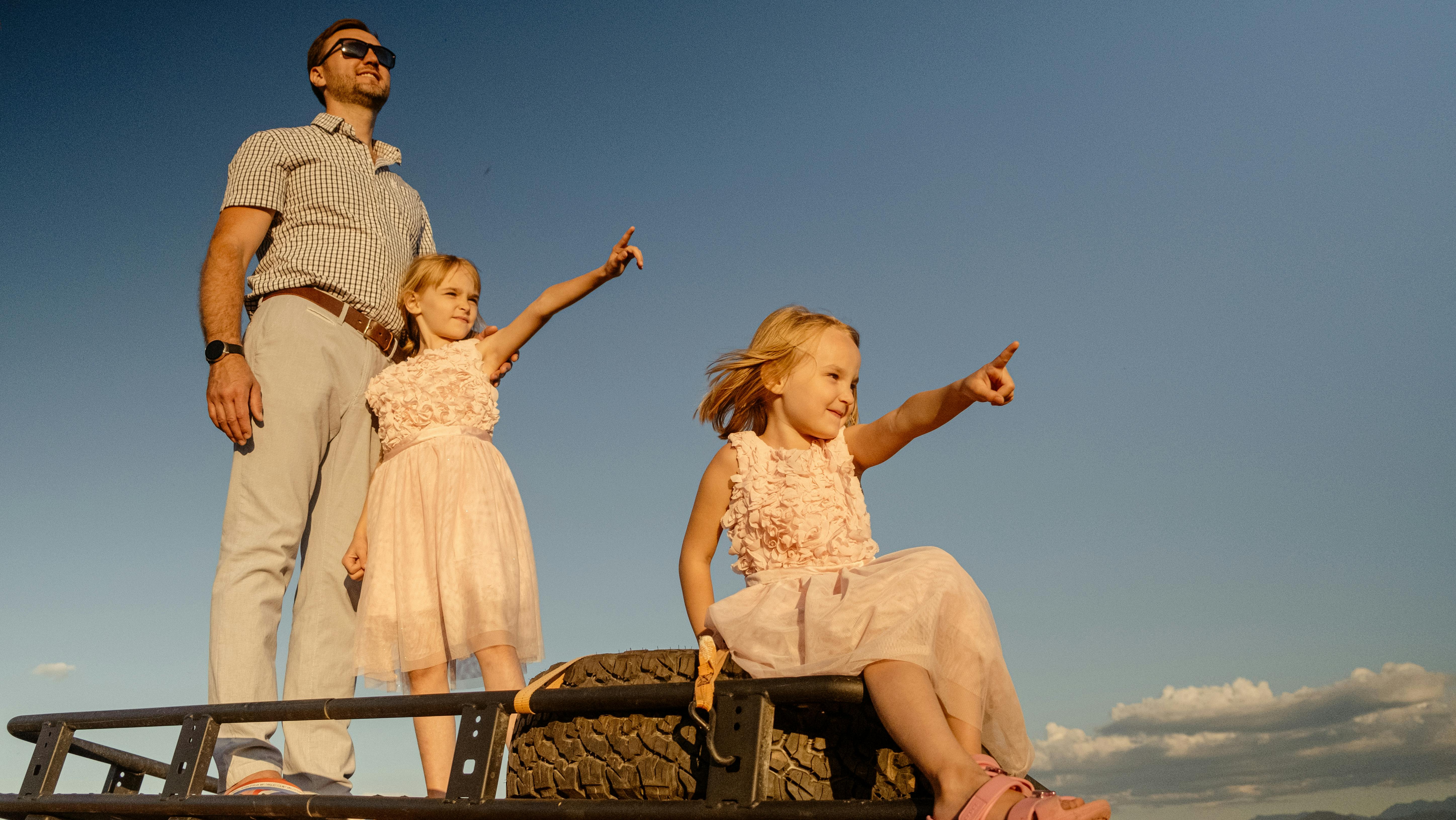
Kenya ranks among the world's top family safari destinations because it combines unmatched wildlife access with English-language ease, direct international flights, and the highest concentration of purpose-built family safari lodges in East Africa. That combination matters enormously when you're traveling with children.
The wildlife credentials are simply unrivaled. Kenya is home to all of the Big Five, lion, leopard, elephant, buffalo, and rhino, across multiple accessible ecosystems. The country's 23 national parks and game reserves, many UNESCO-recognized, give families the rare ability to see entirely different landscapes and species within a single trip. Kenya received over 2 million international tourists in 2023, with family travel cited as one of the fastest-growing segments. Source: Kenya Tourism Board, 2024.
Logistics are straightforward for international families. English is an official language, Nairobi is served by direct flights from London, Amsterdam, Dubai, New York, and Sydney, and the safari industry infrastructure, from airport transfers to medical evacuation cover, is mature and reliable. For first-time safari families, that confidence matters. Our complete Kenya safari guide covers everything you need to know before you go.
The 10 Best Kenya Safari Experiences for Families
1. Masai Mara Great Migration Safari
Best for: Children aged 7 and above | Best months: July–October
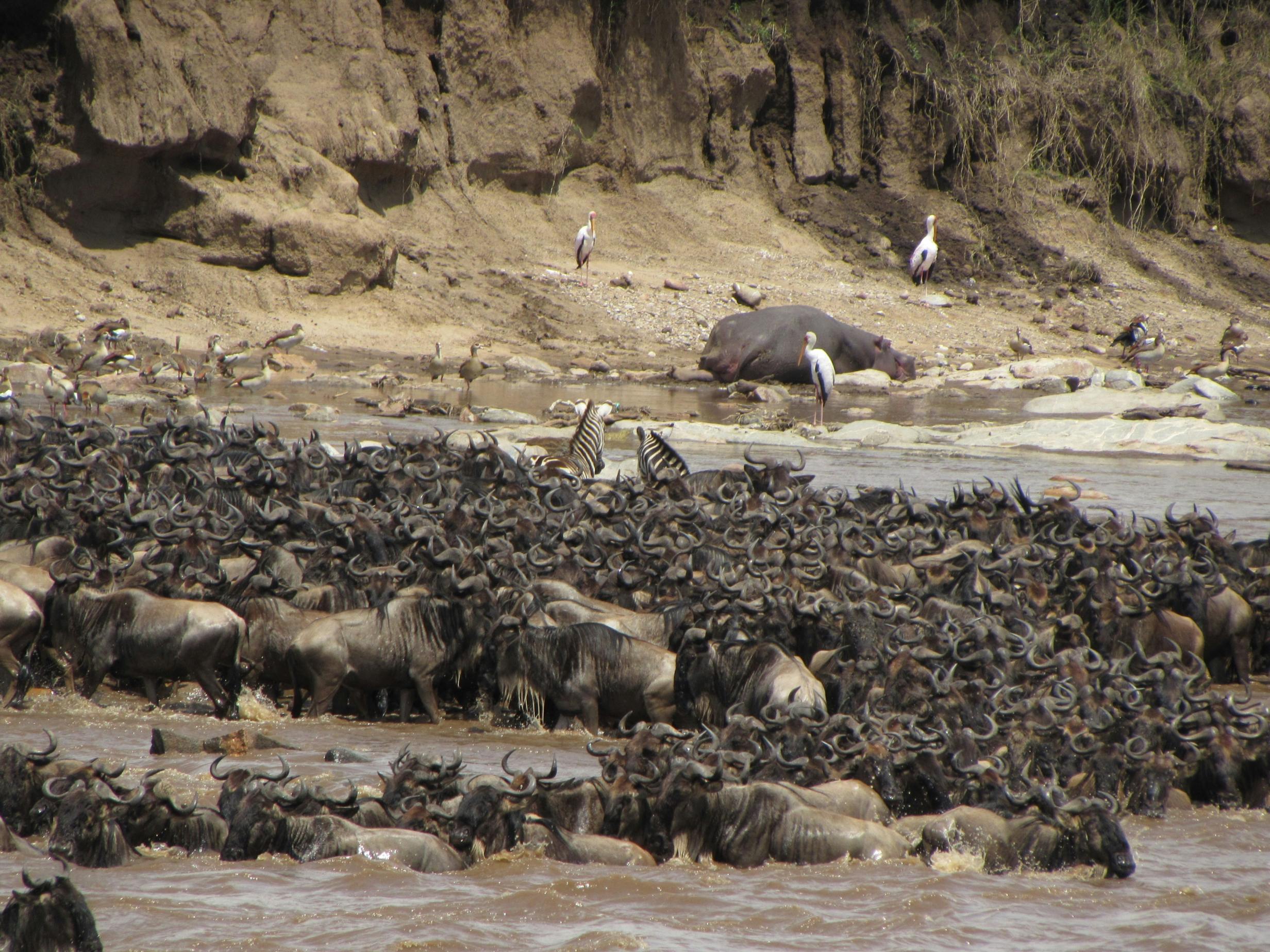
The Masai Mara Great Migration safari is the single most iconic wildlife experience accessible to families in Africa. Kenya's Masai Mara National Reserve hosts the Great Migration between July and October, when over 1.5 million wildebeest and zebra cross the Mara River, making it one of the most dramatic wildlife spectacles accessible to families on safari.
Top family lodge pick: Angama Mara. This lodge sits on the edge of the Great Rift Valley escarpment with sweeping Mara views and offers private family suites, a dedicated Maasai cultural experience, and guided junior ranger programs. Children aged 5 and above are welcome.
Signature family activities: River crossing viewings from private vehicles (no crowded shared vehicles), hot-air balloon safari over the Masai Mara at sunrise, and evening Maasai boma visits with traditional dancing.
Best For: Families who want the ultimate "tick-box" African wildlife moment, the one that will define your children's childhood photo albums.
2. Amboseli Elephant Encounters
Best for: All ages, including young children aged 4+ | Best months: June–October, January–February
Amboseli National Park delivers the most intimate elephant encounters in Kenya, set against the snow-capped peak of Mount Kilimanjaro, a backdrop so cinematic that even children who've never heard of Africa recognize it instantly. Explore the full Amboseli National Park destination guide for wildlife details and seasonal tips.
Top family lodge pick: Tortilis Camp Amboseli. Offering family tents with a shared lounge area, a swimming pool (essential in Amboseli's heat), and guided bush walks with expert Maasai trackers, Tortilis is purpose-built for families with younger children.
Signature family activities: Big herd elephant tracking on game drives, sundowner picnics with Kilimanjaro views, and cultural visits to authentic Maasai villages where children are taught to make fire and identify animal tracks.
Best For: Families with toddlers and younger children who need shorter game drives, more downtime, and the magic of elephants at very close range.
3. Lake Nakuru Flamingo & Rhino Safari
Best for: Children aged 5+ | Best months: June–September
Lake Nakuru National Park offers one of Kenya's most visually spectacular and child-friendly safari settings. The lake's shores can host tens of thousands of pink flamingos, creating a scene that younger children find genuinely magical, and that requires almost no patience on a game drive because the spectacle is visible from the moment you enter the park. Learn more about the ecosystem on our Lake Nakuru National Park destination page.
Top family lodge pick: Mbweha Camp. Perched on the escarpment above Lake Nakuru, Mbweha offers family cottages with Rift Valley views, child-friendly menus, and guided nature walks.
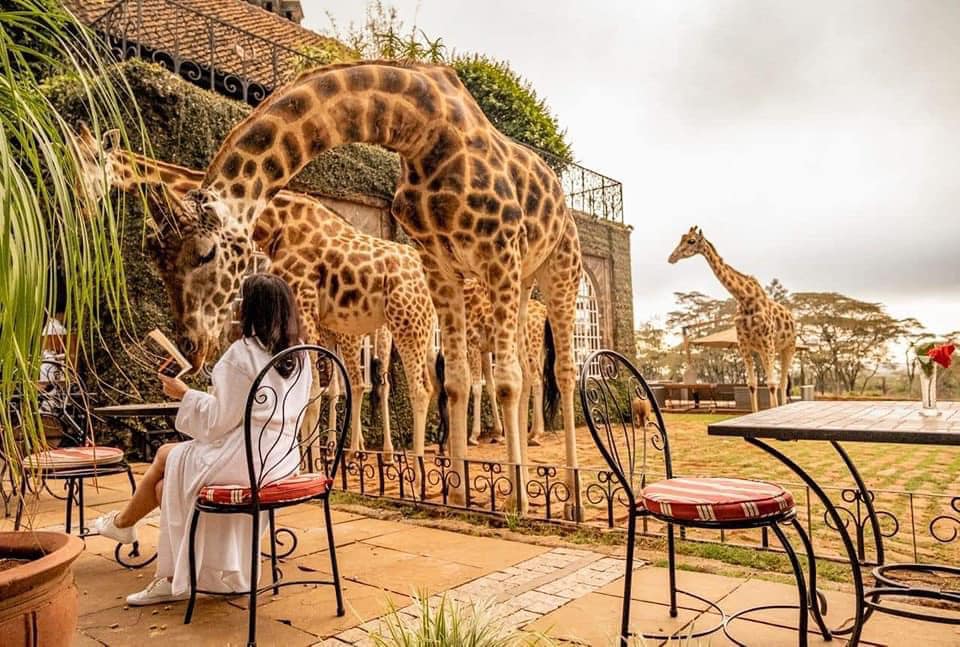
Signature family activities: Flamingo and pelican viewing, white and black rhino tracking (Lake Nakuru is a rhino sanctuary), and Rothschild giraffe encounters, the giraffes here are so accustomed to vehicles that children can observe them at arm's reach.
Best For: Families combining a Nakuru stop with Nairobi or the Mara, it works brilliantly as a mid-circuit break.
4. Samburu Cultural & Wildlife Safari
Best for: Children aged 8+ | Best months: June–September, January–February
Samburu National Reserve, in Kenya's northern frontier, offers something the southern parks cannot: endemic "Samburu Special Five" species, Grevy's zebra, reticulated giraffe, Beisa oryx, Somali ostrich, and gerenuk, found nowhere else on earth. For older children who've already "done" the classics, Samburu's rarity factor is transformative. Browse our Samburu Game Reserve destination page for wildlife calendars and access routes.
Top family lodge pick: Sasaab Lodge. With a stunning 50-metre infinity pool, family suites, and exceptional Samburu community engagement programs, Sasaab creates an immersive cultural experience that older children and teenagers find genuinely compelling.
Signature family activities: Guided Samburu village visits (where children learn beadwork and traditional songs), camel rides along the Ewaso Nyiro River, and sunset leopard tracking, Samburu has unusually high leopard density.
Best For: Families with teenagers seeking something off the beaten track and culturally rich.
5. Tsavo East/West Big Five Safari
Best for: Children aged 6+ | Best months: June–October
Tsavo, divided into Tsavo East and Tsavo West, forms Kenya's largest protected area and offers a classic, raw wilderness experience that feels genuinely off the tourist trail. The famous red elephants of Tsavo East, dusted terracotta from rolling in the region's iron-rich soil, are unlike anything children will see elsewhere.
Top family lodge pick: Finch Hattons Luxury Tented Camp (Tsavo West). Known for its hippo pool viewable from the camp itself, family tents, and guided night drives (one of the few parks permitting them), Finch Hattons balances luxury with genuine wilderness.
Signature family activities: Hippo pool viewing from camp (no game drive required, ideal for tired children), guided walks to the Mzima Springs (home to hippos and crocodiles in crystal-clear water), and guided Big Five tracking.
Best For: Families seeking a less crowded, more adventurous alternative to the Mara.
6. Laikipia Plateau Conservancy Safari
Best for: Children aged 6+ | Best months: Year-round (low rainfall)
The Laikipia Plateau, spanning over 9,000 square kilometres of private conservancies north of Mount Kenya, is widely regarded by family safari specialists as Kenya's most versatile family destination. It combines outstanding wildlife (including wild dog, black rhino, and lion) with a remarkable range of activities unavailable in national parks.
Top family lodge pick: Ol Pejeta Bush Camp (within Ol Pejeta Conservancy). Family-configured tents, guided nature walks for children, cycling safaris, and proximity to the Jane Goodall Institute chimpanzee sanctuary make this a genuinely all-ages property.
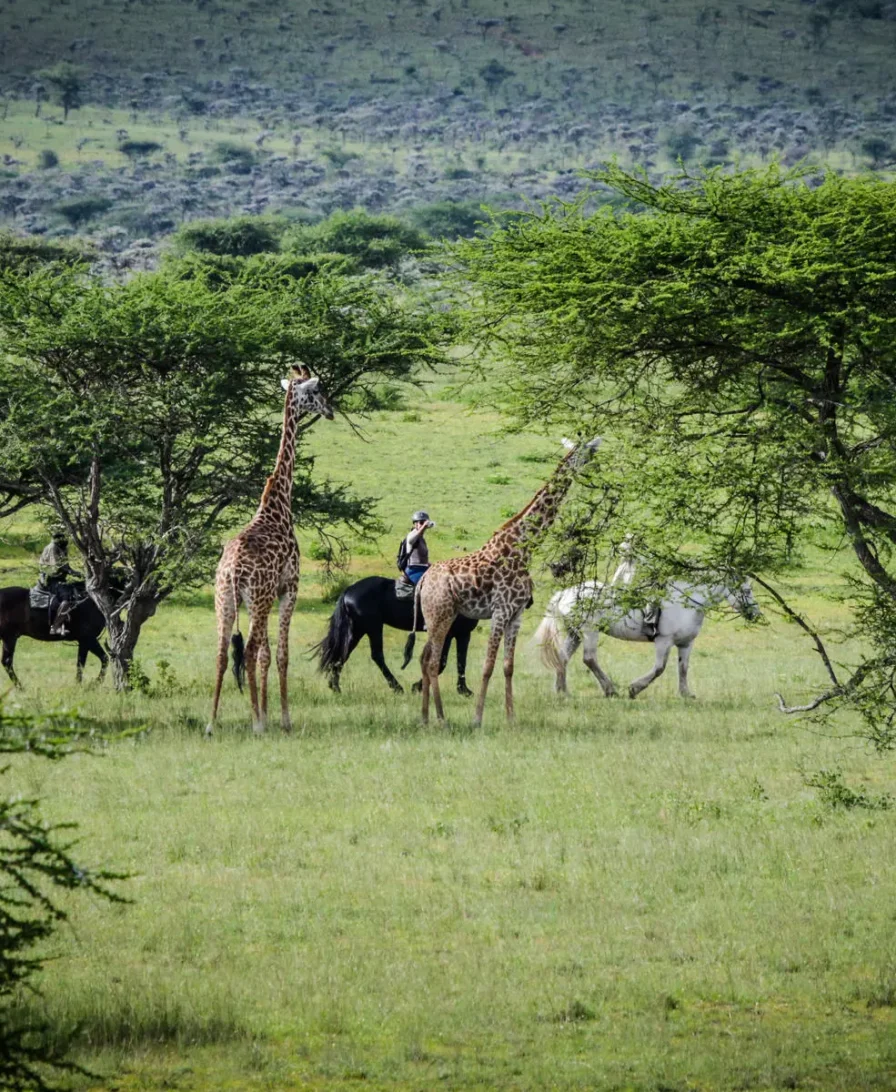
Signature family activities: Night game drives, horseback safaris (for children aged 8 and above), and conservation education sessions at the chimpanzee sanctuary.
Best For: Families who want the widest possible activity menu in a single location.
7. Ol Pejeta Conservancy Rhino Experience
Best for: Children aged 6+ | Best months: Year-round
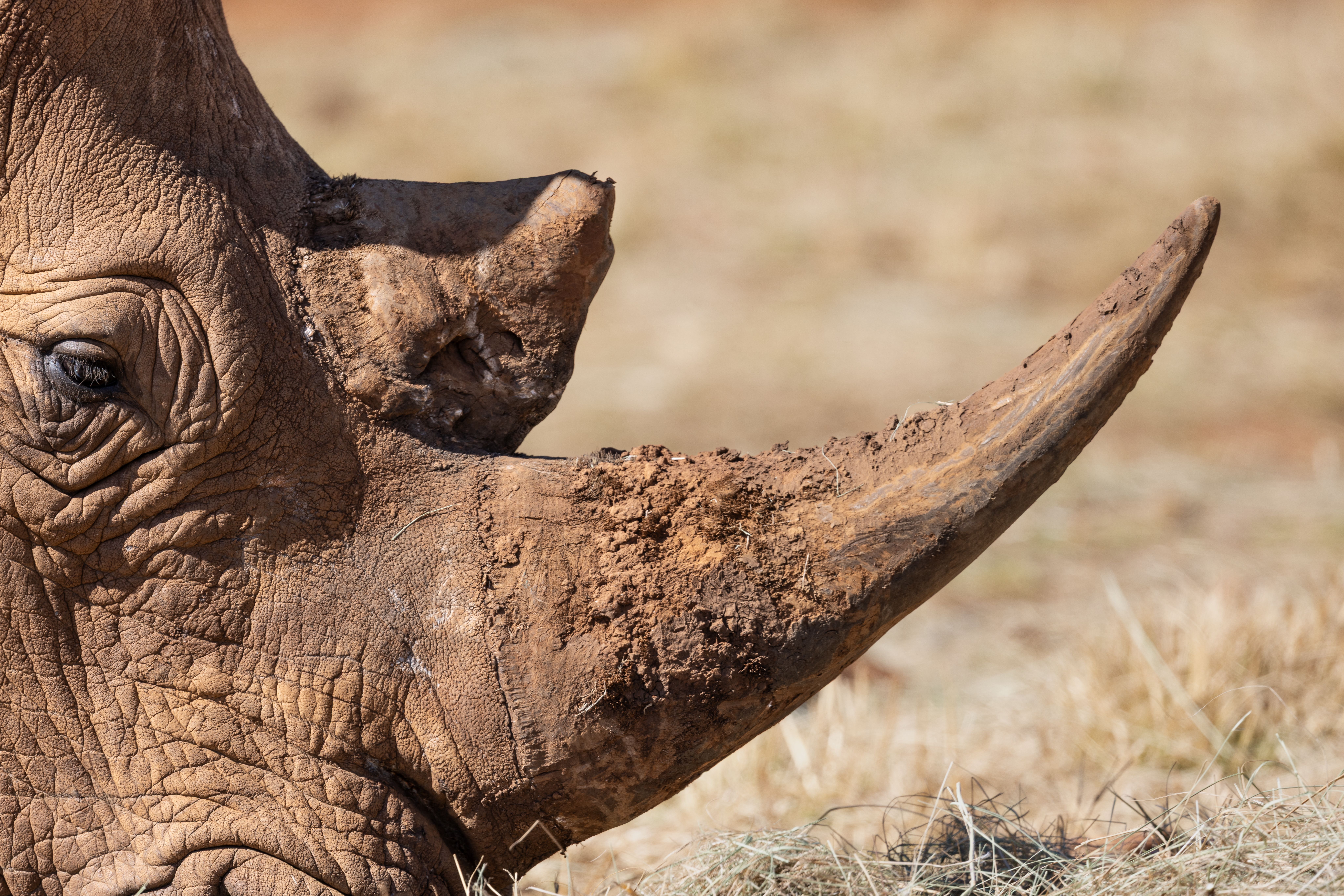
Ol Pejeta Conservancy in Laikipia County is home to the world's last two northern white rhinos and offers family-tailored experiences including guided rhino tracking, chimpanzee sanctuary visits, and overnight stays in child-friendly cottages. This is one of the most emotionally powerful conservation experiences a family can share. Standing within metres of Najin and Fatu, the last northern white rhinos on earth, delivers a conservation lesson no classroom can replicate. Visit our dedicated Ol Pejeta Conservancy page for visiting hours, access routes, and booking details, or explore our Ol Pejeta Conservancy tour package for a fully planned family itinerary.
Top family lodge pick: Sweetwaters Serena Camp. Direct access to the rhino sanctuary, family tents with shared decks, and a chimpanzee sanctuary 10 minutes away by vehicle.
Signature family activities: Guided northern white rhino tracking, chimpanzee sanctuary walks, and night game drives in open 4x4 vehicles.
Best For: Conservation-minded families with children interested in wildlife protection and environmental education.
8. Mount Kenya Wildlife Conservancy Visit
Best for: Children aged 5+ | Best months: January–February, June–October
The Mount Kenya Wildlife Conservancy, adjacent to the Mount Kenya National Park, offers a completely different safari experience, a high-altitude forest ecosystem with bongo antelope, giant forest hog, and colobus monkeys replacing the plains wildlife families typically expect.
Top family lodge pick: Animal Orphanage at Mount Kenya Safari Club. The Safari Club's animal orphanage, which rehabilitates orphaned and injured wildlife, is one of Kenya's best-kept family secrets, children can observe bongo, zebra, and primates at genuinely close range in a safe, guided setting.
Signature family activities: Orphanage visits and animal feeding, equatorial snowline walks on Mount Kenya's lower slopes, and fishing on the Naro Moru River.
Best For: Families combining Nairobi with a mountain ecosystem for a uniquely varied itinerary.
9. Nairobi National Park Day Safari
Best for: All ages | Best months: Year-round
Nairobi National Park is the only national park in the world situated within a capital city, offering families the remarkable experience of watching lions, giraffes, and rhinos against the backdrop of a metropolitan skyline. For families transiting through Kenya's capital, our 9-day family safari itinerary shows exactly how to work Nairobi into a broader circuit without wasting a single day.
Top family experience pick: David Sheldrick Wildlife Trust Elephant Orphanage. Just outside the park, the DSWT's daily 11am elephant orphanage visit allows families to watch orphaned baby elephants feed and play at arm's length, arguably Kenya's most child-friendly wildlife encounter, at zero cost beyond a voluntary donation.
Signature family activities: Morning game drive (rhino, lion, leopard, buffalo are all present), elephant orphanage visit, and Giraffe Centre stop for feeding Rothschild giraffes from an elevated platform.
Best For: Families with limited time, families transiting through Nairobi, or as a memorable first-day introduction before heading to bush camps.
10. Lewa Wildlife Conservancy Family Stay
Best for: Children aged 5+ | Best months: Year-round
Lewa Wildlife Conservancy, a UNESCO World Heritage Site in northern Kenya, is consistently rated as one of Africa's finest family safari destinations, and for good reason. Junior ranger programs, available at leading Kenya family lodges such as those in Lewa and Laikipia, allow children aged 6–12 to learn wildlife tracking, bush survival skills, and conservation principles from trained Maasai and Samburu guides, making safari both educational and memorable.
Top family lodge pick: Lewa Wilderness Lodge. Family cottages, a dedicated children's program, swimming pool, horse riding, and camel trekking make Lewa Wilderness one of Kenya's most complete family safari properties.
Signature family activities: Junior ranger bush walks, camel trekking across open savannah, community school visits, and private vehicle game drives with expert guides.
Best For: Families who want an intimate, conservation-forward experience with the broadest children's activity program in Kenya.
How to Choose the Right Family Safari Lodge in Kenya
Choosing a family safari lodge in Kenya requires evaluating seven non-negotiable criteria before comparing prices or photographs. Getting this wrong is one of the most common, and most expensive, mistakes first-time family safari planners make.
| Criteria | What to Look For | Red Flag |
|---|---|---|
| Minimum child age | 5+ (ideal), 8+ (acceptable) | "No children under 12" |
| Family suite configuration | Interconnected rooms or family cottages | No option beyond twin tents |
| Medical access | On-site first aid, evacuation cover | >2 hours from medical facility |
| Malaria zone | Prophylaxis required in most parks | No guidance provided by lodge |
| Activity variety | 5+ family-specific activities | Game drives only |
| Meal flexibility | Children's menus, flexible dining times | Fixed communal dining only |
| Pool availability | Essential for afternoon rest periods | No pool in heat-affected parks |
First, confirm the minimum child age policy in writing, not just from a website. Some lodges list "children welcome" but have informal policies restricting under-7s from game drives. Second, always request the specific family suite or cottage, not just "a tent." Third, verify that the lodge carries emergency medical evacuation insurance for guests, particularly critical when traveling with children under 10.
Planning Your Kenya Family Safari: What Every Parent Should Know
Choosing the right lodge and park is half the job. The other half is the logistics that determine whether the trip actually feels relaxed once you're on the ground with children.
Understand Age Limits Before You Book
Most classic tented camps in the Maasai Mara do not accept children under 5, and many luxury lodges set the bar at 12. For most families, ages 6–12 are the practical sweet spot: old enough to sit through a 2–3 hour game drive, follow safety instructions, and genuinely engage with what they're seeing.
Family-oriented lodges and private conservancies are typically far more flexible than classic tented camps, with minimum ages as low as 6 or 8 rather than the 12-year threshold common at luxury properties. Always confirm the age policy directly with the lodge, ask specifically whether children can join game drives, whether the age limit also applies at dinner, and whether a private vehicle is required for young children (many conservancies mandate one). For under-5s, prioritise lodges with a natural waterhole viewable from camp, so toddlers can watch wildlife without a multi-hour drive.
Why a Private Vehicle Is Non-Negotiable With Children
Booking a private 4x4 with a dedicated guide is the single most important logistical decision a family makes on a Kenya safari. It lets you stop for unplanned breaks, cut a drive short if a child is tired, linger at a sighting that's captivated the kids, and reshape the day around your family's rhythm rather than a fixed group schedule.
Group tours run on fixed departure times and durations, with children, that rigidity is a common source of meltdowns. A private guide can also pitch wildlife commentary at a child's level, turning a drive into an education rather than a wait. Some conservancy camps require a private vehicle when the group includes young children; even where it's optional, the extra cost is almost always worth it.
Structuring a Family Safari Day
A day built around children's energy levels consistently outperforms one built around adult stamina, and it produces better sightings too, since dawn and dusk are peak wildlife activity windows anyway:
- 05:30 — Early morning game drive (2.5 hours)
- 08:00 — Return to lodge, breakfast
- 09:30–15:30 — Midday: pool time, lodge activities, rest, junior ranger session
- 16:00 — Afternoon/sunset game drive (2 hours)
- 18:30 — Return for dinner, evening storytelling around the fire
Limiting drives to 2–3 hours rather than the 5–8 hour full days common on adult-focused itineraries prevents over-tired children while still covering the golden hours when lions, leopards, and elephants are most active.
Keeping Kids Engaged During Game Drives
Pack a "fun bag" for each child: child-sized binoculars, a printed wildlife checklist or Big Five bingo card, a field guide, a magnifying glass for camp exploration, and familiar snacks. Turning wildlife spotting into a structured scavenger hunt, listing mammals, birds, insects, and plants to find, converts passive watching into active engagement, and children with a "mission" stay invested far longer than those simply observing.
Most family-oriented lodges run junior ranger programmes between drives, short guided sessions on tracking animal prints, identifying insects, or simple conservation tasks, and these are worth prioritising when comparing lodges. The free Merlin Bird ID app is also a reliable hit with children on quieter stretches of a drive.
Health Precautions: Malaria and Vaccinations for Children
Kenya's safari regions are malaria-endemic, and children carry higher risk than adults since they haven't developed partial immunity. Begin preparations 6–8 weeks before departure:
- Antimalarials: A travel medicine clinic or paediatric specialist must prescribe the correct medication and dose based on the child's age and weight.
- Insect repellent: 20–30% DEET, applied to exposed skin every evening, avoiding eyes and hands on very young children.
- Protective clothing: Long sleeves and trousers for evening drives and dinners, when mosquitoes are most active.
- Bed nets: Confirm the lodge provides insecticide-treated nets over every bed, including cots.
Routine vaccinations (MMR, tetanus) should be current, and yellow fever vaccination is required for entry to Kenya. Pack a child-specific first aid kit (paediatric paracetamol, antiseptic, antihistamine, any prescriptions). Any fever above 38°C during or within three months of returning from a malaria-endemic region warrants immediate medical assessment.
Wildlife Safety Rules Every Family Must Know
A Kenya safari is very safe for children with a licensed operator and experienced guides, provided families follow the standard wildlife safety protocols without exception:
- Stay seated at all times during game drives — never stand through the roof hatch near predators.
- Keep voices low near wildlife; sudden noise can startle animals.
- Never extend hands or arms outside the vehicle window.
- Follow the guide's instructions immediately, especially in unexpected encounters.
- Never leave camp on foot without a guide, even during daylight.
Brief children on these rules before the first drive, not as suggestions but as absolute requirements — most guides will run a briefing at the start of each drive, and it's worth reinforcing privately with your own children beforehand. Private conservancies like Lewa and Ol Pejeta run particularly high security and access-control standards, making them a strong choice for first-time safari families.
When Is the Best Time to Visit Kenya for a Family Safari?
The dry seasons from July to October and January to February are widely recognized as the best times for a Kenya family safari, as lower vegetation and concentrated wildlife around water sources maximize game-viewing success for children. For a month-by-month breakdown of wildlife conditions, park accessibility, and rainfall across every major ecosystem, read our detailed guide on the best time for a Kenya safari.
July to October is the premium family season.
This period coincides with the Great Migration river crossings in the Masai Mara (July–September), school summer holidays in the UK, Europe, and Australia, and the long dry season across most of Kenya's parks. Wildlife visibility peaks, and morning temperatures are cool and comfortable for children on open game drives.
January and February offer a strong alternative
Best for families from the Northern Hemisphere during winter school breaks. The short dry season brings reliable wildlife viewing across Amboseli, Tsavo, and Laikipia, with fewer visitors than the July–October peak and meaningfully lower lodge rates, often 15–25% below peak-season pricing. Source: Safari Bookings Market Report, 2024.
Avoid the long rains (April–May)
For family travel. Road access in some parks becomes difficult, some lodges close for maintenance, and game viewing is less reliable, factors that test the patience of young children on long drives.
Essential Family Safari Planning Tips: Health, Packing & Activities
Planning a Kenya family safari with children requires preparation across four distinct areas: health, packing, activity management, and expectation setting. Families who prepare thoroughly consistently rate their safari as a transformative experience; those who don't often find themselves overwhelmed in the field.
Health & Vaccinations for Kenya Safari Families
Kenya requires yellow fever vaccination for travelers arriving from endemic countries, and recommends typhoid, hepatitis A, and tetanus vaccinations for all visitors. Source: Centers for Disease Control and Prevention (CDC), 2024. Anti-malarial medication is strongly advised for most safari parks, including the Masai Mara and Tsavo. Consult a travel health clinic at least 6–8 weeks before departure, as some anti-malarials require a loading period and specific options vary by children's age and weight.
Paediatric anti-malarials require a prescription and must be calculated by body weight. Malarone (atovaquone/proguanil) is widely used for children in East Africa and is available in paediatric tablet form. Carry a comprehensive first-aid kit including rehydration sachets, antihistamines, and insect repellent with at least 20% DEET formulated for children.
What to Pack for a Kenya Safari With Kids
For a comprehensive checklist covering clothing, gear, and essentials for children of all ages, read our Kenya safari packing list.
Neutral-coloured clothing is essential — bright colours attract insects and can disturb wildlife on bush walks. Pack lightweight long-sleeved shirts, zip-off trousers, and a fleece for early morning game drives, which can be surprisingly cold in the Mara or Laikipia highlands. Each child should have their own small binoculars (8x21 is ideal for small hands) and a wildlife field guide, these two items transform a passive game drive into an active adventure.
Activity management on long game drives is where most families struggle. Carry a laminated Big Five spotter sheet, download an offline bird and mammal identification app before departing, and set achievable daily "mission" goals ("Today we're looking for a cheetah") to give children a sense of purpose and anticipation.
How to Book Your Kenya Family Safari: What's Next
Booking a Kenya family safari requires a 6–12 month lead time for peak-season travel (July–October), particularly for top-rated family lodges like Angama Mara, Lewa Wilderness, and Ol Pejeta's Sweetwaters, which often sell out 12 months in advance. For a transparent, line-by-line breakdown of what a Kenya family safari actually costs, from park fees to flights, read our Kenya safari cost breakdown guide.
Start by choosing a family-specialist safari operator rather than a general travel agent. A specialist will pre-vet lodges for genuine child-friendliness (not just "children welcome" checkbox ticking), build age-appropriate itineraries, and provide on-ground support if anything goes wrong. Beyond the Plains Safaris is a KATO-registered operator with a dedicated family safari planning team, view our full Kenya safari packages to start building your itinerary.
Budget expectations for a Kenya family safari should account for $500–$1,500 per person per night at established mid-to-luxury family lodges. A 7-night family circuit covering Nairobi, Amboseli, and the Masai Mara will typically cost $8,000–$18,000 for a family of four, inclusive of accommodation, meals, game drives, and park fees — but exclusive of international flights.
For families combining a beach extension, the Kenyan coast (Diani Beach, Watamu, or Lamu) is a natural post-safari add-on, with direct flights from Nairobi's Wilson Airport to the coast taking under an hour. Our Diani Beach destination guide covers the best family resorts, activities, and how to sequence it after your bush experience.
Conclusion: Kenya's Safari Is a Gift Your Family Will Never Forget
Kenya is not merely a great family safari destination, it is the most complete one on earth. Nowhere else combines the Great Migration's spectacle, the intimacy of Lewa's junior ranger programs, the conservation weight of Ol Pejeta's northern white rhinos, and the city convenience of Nairobi's wildlife within a single country and a single trip.
The families who visit Kenya with children consistently report the same thing: their children don't talk about the hotel pool or the flights home. They talk about the moment the lion looked directly at the jeep. The morning they fed a giraffe. The afternoon they held a ranger's hand on their first bush walk. These are the experiences that shape who a child becomes.
Your next step is simple. Decide your travel dates, set your budget, and speak to a Kenya family safari specialist who can build an itinerary around your children's ages, interests, and stamina. The Mara, Amboseli, Lewa, and Ol Pejeta are waiting, and so is the version of your family that only safari can reveal.










Comments (0)
Leave a Comment
No comments yet. Be the first to comment!