

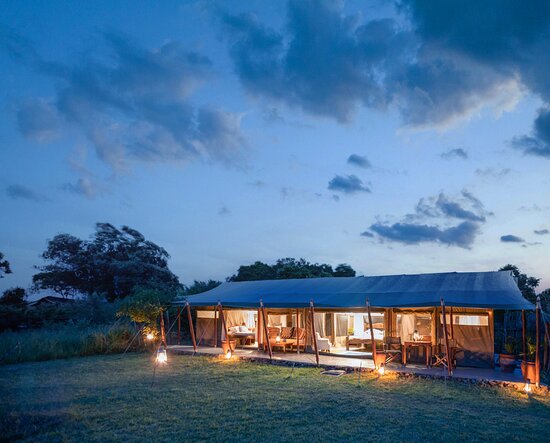
The Ultimate Guide to Kenya Safari Tours from the USA
You've probably pictured yourself watching lions stalk the Maasai Mara at sunrise or seeing wildebeest thunder across the plains during the Great Migration. But turning that dream into a real, well-planned trip from the United States involves a maze of flights, visas, costs, and operator choices that most guides gloss over. This guide walks you through every step of planning a Kenya safari from the USA — from booking flights to packing your bags — so you can go from dreaming to departure with confidence.
Key Takeaways
- A Kenya safari tour is a guided wildlife expedition through national parks and reserves such as the Maasai Mara National Reserve, Amboseli, and Tsavo, typically combining game drives with lodge or tented-camp accommodation.
- US travelers generally fly from major hubs like New York, Washington D.C., or Atlanta to Nairobi with one or two layovers, with total flight time ranging from 16 to 20 hours.
- The best time to visit Kenya for wildlife viewing is during the dry seasons, from July to October and January to February, which also align with the Great Migration in the Maasai Mara.
- US citizens need a valid passport and an eVisa or Electronic Travel Authorization to enter Kenya, along with proof of yellow fever vaccination if arriving from certain countries.
- Safari costs from the USA typically range from 4,000 to 10,000+ USD per person, depending on luxury level, trip length, and season, not including international flights.
- Choosing a licensed, reputable tour operator with transparent pricing and strong traveler reviews is the single most important decision in planning a safe, high-quality safari.
- Packing for a Kenya safari requires neutral-colored clothing, layered outfits for temperature swings, and specific health preparations such as malaria prophylaxis.
What Is a Kenya Safari Tour?
A Kenya safari tour is a guided wildlife expedition through the country's national parks and reserves, typically combining game drives with lodge or tented-camp accommodation. The word "safari" itself means "journey" in Swahili, and today it describes an organized trip built around observing wild animals in their natural habitat.
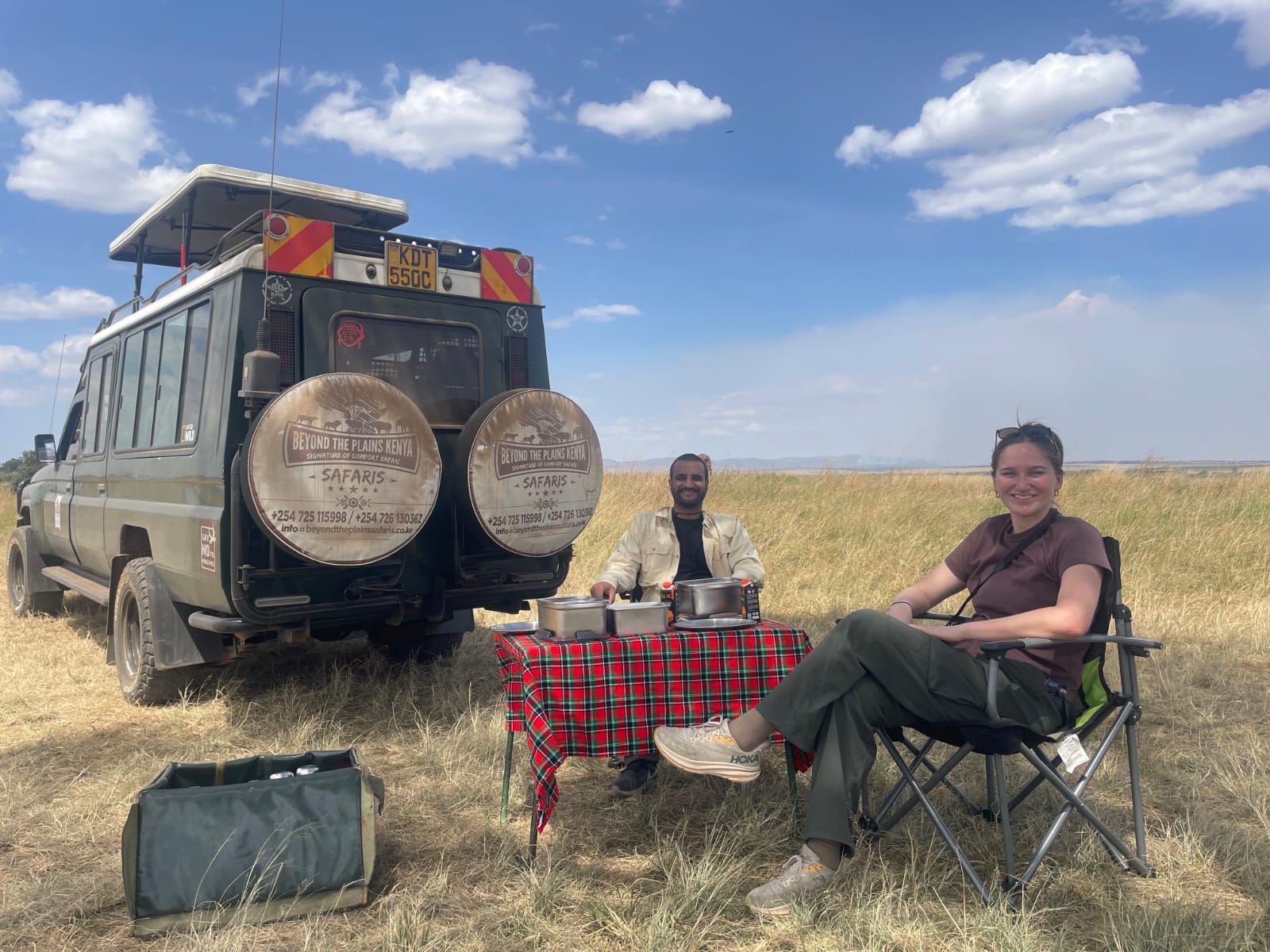
Most safaris follow a similar rhythm: early-morning and late-afternoon game drives in a 4x4 vehicle, guided by a professional driver-guide, with midday hours reserved for rest, dining, or optional activities like guided nature walks. First, guests typically fly into Nairobi and either drive or take a short bush flight to their first park. Second, they move between two or three parks over the course of a week to ten days, staying in a mix of lodges, tented camps, or luxury eco-camps.
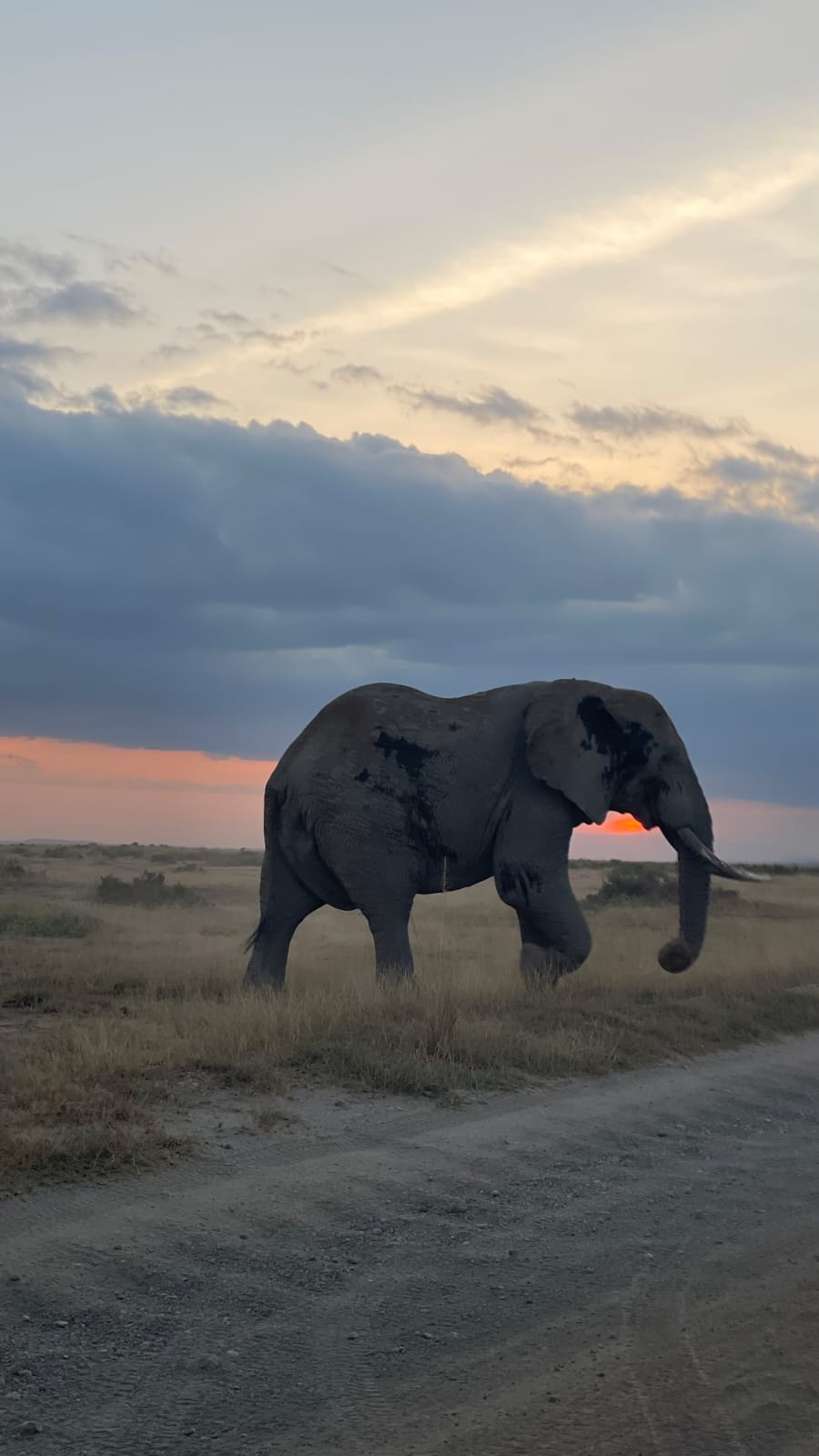
Kenya's core safari circuit includes the Maasai Mara National Reserve, famous for the Great Migration and dense predator populations; Amboseli National Park, known for elephant herds set against Mount Kilimanjaro; and the twin parks of Tsavo East and Tsavo West, Kenya's largest protected wilderness. For a deeper look at these landscapes, our Amboseli and Tsavo National Parks guide breaks down what makes each park distinct.
Other popular circuits add Lake Nakuru National Park for flamingos and rhino sanctuaries, Samburu Game Reserve for rare northern species, and the Ol Pejeta Conservancy, home to the last northern white rhinos on Earth. As such, no two safaris look exactly alike — your itinerary depends on your interests, budget, and how much time you have.
Why Kenya Is a Top Safari Destination for US Travelers
Kenya is a top safari destination for US travelers because it combines unmatched wildlife density, direct access to the Great Migration, and decades of tourism infrastructure built specifically to welcome international visitors. Kenya hosts one of the highest concentrations of large mammals in Africa, with the "Big Five" — lion, leopard, elephant, buffalo, and rhino — all present across its major parks.
First, Kenya offers the Great Migration, one of the planet's most dramatic wildlife events. Over two million wildebeest and zebra cross from Tanzania's Serengeti into Kenya's Maasai Mara each year, drawing travelers who want to witness river crossings and predator action firsthand. For more on timing this event, see our Great Migration safari guide.
Second, Kenya's safari industry is mature and English-speaking, which lowers the learning curve for first-time American travelers. Lodges, guides, and tour operators are accustomed to US client expectations around communication, itinerary flexibility, and payment. Moreover, Kenya's varied terrain — savanna, Rift Valley lakes, semi-arid north, and coastal beaches — means a single trip can deliver both classic game drives and a relaxing beach extension in Diani Beach.
Kenya welcomed over 2.4 million international visitors in a recent year, with tourism ranking among its top foreign-exchange earners — Source: Kenya Tourism Board, 2025. That scale of visitation has funded consistent investment in park infrastructure, conservancy models, and community-based tourism, which benefits the traveler experience directly.
How to Get to Kenya from the USA
Getting to Kenya from the USA typically means a 16-to-20-hour journey with one or two layovers, since there are currently no nonstop flights between the US and Nairobi. Most itineraries route through a major European or Middle Eastern hub before continuing to Jomo Kenyatta International Airport (NBO).
How Long Does It Take to Fly from the USA to Kenya?
Flight time from the USA to Kenya generally runs between 16 and 20 hours total, including layover time. For example, a traveler flying from New York (JFK) through Amsterdam or Doha typically spends 9-11 hours on the transatlantic or transcontinental leg, followed by a 6-8 hour connecting flight into Nairobi.
Best Departure Cities and Routes
US travelers most commonly depart from New York, Washington D.C., Atlanta, or Chicago, connecting through hubs like Amsterdam (KLM), Doha (Qatar Airways), Istanbul (Turkish Airlines), or Addis Ababa (Ethiopian Airlines). At the same time, West Coast travelers usually add an extra domestic connection before reaching one of these gateway cities, which can push total travel time closer to 22-24 hours door-to-door. Round-trip economy fares from the USA to Nairobi typically range from 900 to 1,800 USD, depending on season and how far in advance you book. To compare full route options before you fly, check our guide on flights from the USA to Nairobi.
Visa, Entry Requirements, and Health/Vaccination Rules for US Citizens
US citizens need a valid passport and an approved Kenya eTA (Electronic Travel Authorization) before departure, since Kenya moved to a fully digital entry system in recent years. This replaced the older visa-on-arrival and traditional eVisa processes.
Do US Citizens Need a Visa to Visit Kenya?
Yes, US citizens need to apply for a Kenya eTA online before traveling, which functions as the country's current electronic entry authorization. Applicants submit passport details, a photo, and travel information through Kenya's official immigration portal, and approval typically arrives within a few business days. For the full step-by-step process, see our Kenya visa requirements for US citizens guide.
What Vaccinations Are Required for a Kenya Safari?
Proof of yellow fever vaccination is required for travelers arriving from countries with risk of yellow fever transmission, though it is not automatically mandatory for direct arrivals from the USA. That said, the CDC recommends yellow fever vaccination for most travelers heading to Kenya's safari regions, along with routine vaccines like MMR, tetanus, and hepatitis A. Malaria prophylaxis is also strongly recommended, since most safari parks sit in malaria-risk zones. For complete guidance, review our Kenya safari health and vaccination guide before you book.
Best Time of Year to Visit Kenya for a Safari
The best time to visit Kenya for wildlife viewing is during the dry seasons, from July to October and January to February, when animals gather near water sources and the Great Migration crosses the Maasai Mara. These windows offer the clearest game viewing because thinner vegetation makes animals easier to spot.
When Is the Best Time to See the Great Migration in Kenya?
The Great Migration typically reaches Kenya's Maasai Mara between July and October, with dramatic river crossings at the Mara River peaking in August and September. In addition, the calving season happens earlier in the year, from January to March, further south in the Serengeti, which is worth knowing if your trip combines both countries. Our detailed best time to visit the Maasai Mara breakdown covers month-by-month wildlife patterns.
Weather and Seasonal Considerations
Kenya has two rainy seasons — the "long rains" from March to May and the "short rains" from November to December — during which some roads become difficult to navigate. That being said, the green season also brings lush scenery, fewer crowds, and lower lodge rates, which appeals to budget-conscious or photography-focused travelers. For a full seasonal comparison, see our month-by-month safari guide.
Types of Kenya Safari Tours and Packages
Kenya safari tours come in several formats, including luxury, mid-range, budget, family, photography, and walking safaris, each built around a different combination of comfort level, pace, and activity type. Understanding these categories helps you match a package to your travel style before you start comparing operator quotes.
What Is the Difference Between a Luxury and Budget Safari in Kenya?
A luxury Kenya safari typically includes private conservancy stays, fly-in transfers between parks, and high-end tented camps with personal butlers, while a budget safari relies on shared group vehicles, road transfers, and simpler lodge or camping accommodation. For example, a luxury itinerary might route through Naboisho or Mara North Conservancy, while a budget trip like our 13-day budget Kenya safari sticks to public reserves and shared transport. Our full mid-range vs. luxury safari comparison breaks down what each tier actually delivers.
| Safari Type | Typical Accommodation | Vehicle | Approx. Cost/Person/Day (USD) |
|---|---|---|---|
| Budget | Basic lodges, camping | Shared group vehicle | 150-250 |
| Mid-range | 3-4 star lodges | Shared or semi-private vehicle | 250-450 |
| Luxury | 5-star tented camps, conservancies | Private vehicle, fly-in options | 450-1,200+ |
Family, Photography, and Walking Safaris
Family safaris are structured around shorter game drives, kid-friendly lodges with pools, and flexible schedules, as covered in our Kenya safari experiences for families guide. Photography safaris, on the other hand, prioritize specialized vehicles with beanbag supports and guides trained in positioning for light and wildlife behavior. Walking safaris add an on-foot component led by armed rangers, usually in conservancies like Ol Pejeta, and appeal to travelers who want a slower, more immersive pace.
What Is Included in a Typical Kenya Safari Package?
A typical Kenya safari package includes accommodation, all game drives with a professional guide, park entrance fees, and most meals, while international flights and personal expenses are usually excluded. Beyond that, many packages also bundle airport transfers, bottled water during drives, and one or two special activities such as a balloon safari or a guided village visit. Always confirm exactly what's included line by line, since "all-inclusive" can mean different things between operators — our Kenya and Tanzania safari packages page lists sample inclusions for reference.
How Much Does a Kenya Safari Cost from the USA?
Safari costs from the USA typically range from 4,000 to 10,000+ USD per person, excluding international airfare, depending on lodge category and trip length. This figure covers accommodation, park fees, guided game drives, and most meals for a standard 7-to-10-day itinerary.
How Much Does a 7-Day Kenya Safari Cost from the USA?
A 7-day Kenya safari from the USA typically costs between 3,500 and 7,000 USD per person for mid-range accommodation, on top of 900-1,800 USD in round-trip flights. For example, a mid-range 7-day itinerary covering the Maasai Mara and Amboseli might run around 4,200 USD per person, while a luxury version with conservancy stays can exceed 8,000 USD. For a full cost breakdown, see our dedicated Kenya safari cost guide.
Budget Breakdown by Category
Plus, it helps to see where the money actually goes. Park fees alone run 60-100 USD per person per day depending on the reserve, and premium conservancies like Ol Pejeta charge additional conservation fees. For budget-conscious travelers, our guide to budget-friendly safari options in Kenya shows how to stretch a safari further without sacrificing the core wildlife experience. It's also worth reviewing local tipping norms in advance through our Kenya safari tipping guide and cash-handling tips in our Kenya safari cash guide.
How to Choose a Safari Tour Operator or Company
Choosing a licensed, reputable tour operator with transparent pricing and strong traveler reviews is the single most important decision in planning a safe, high-quality safari. The operator you choose controls everything from vehicle quality to guide expertise to how quickly problems get resolved on the ground.
How Do You Choose a Trustworthy Kenya Safari Tour Operator?
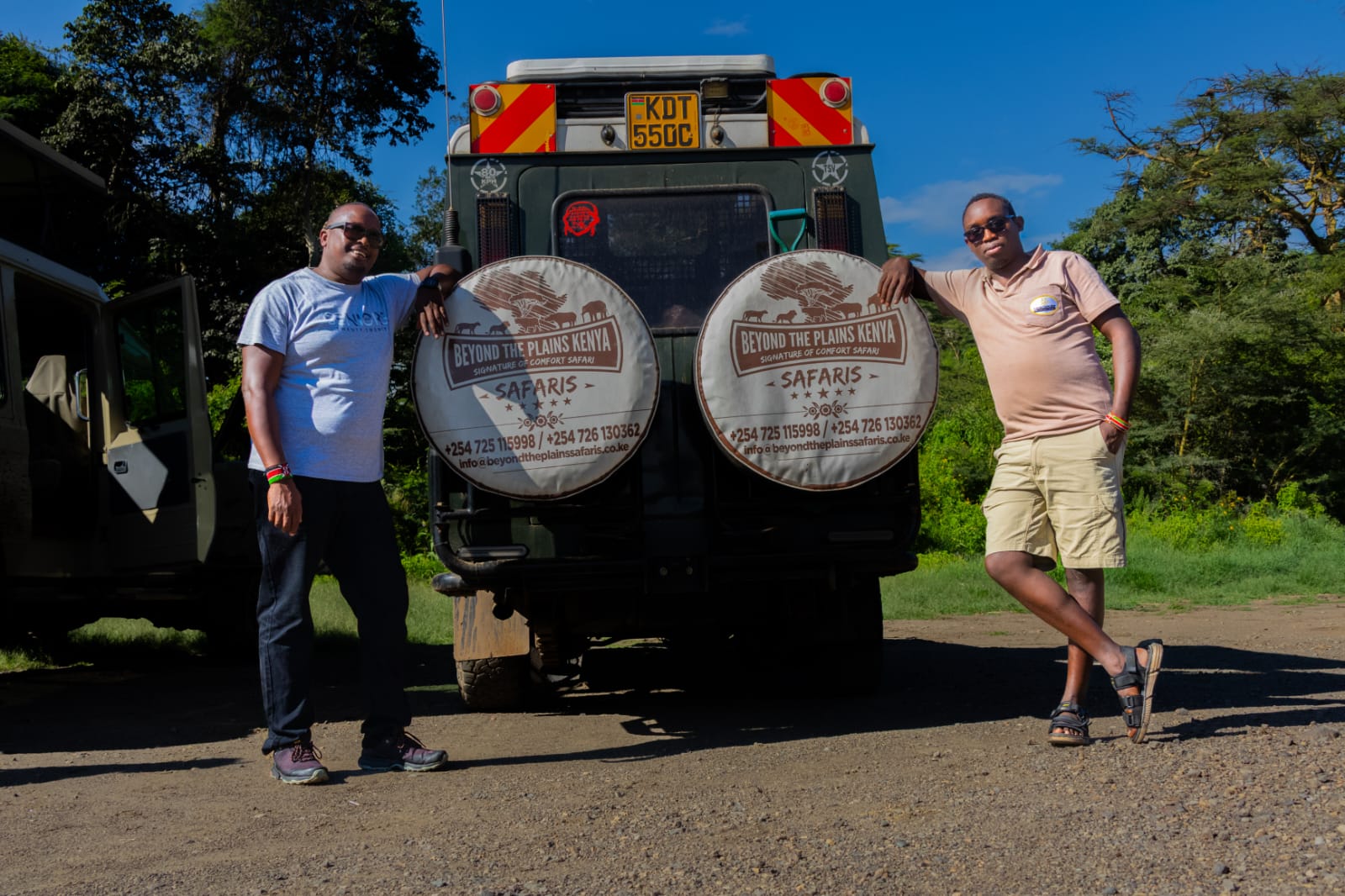
A trustworthy Kenya safari tour operator is licensed by the Kenya Tourism Regulatory Authority, provides itemized pricing, and has verifiable reviews across independent platforms like TripAdvisor or Google. First, ask to see the operator's tourism license and insurance coverage. Second, request references from recent US clients specifically, since their experience will most closely mirror your own logistics and expectations. Our how to choose a safari tour operator checklist walks through the exact questions to ask before signing a contract.
Red Flags to Watch For
Watch for operators who demand full payment upfront, refuse to itemize costs, or can't clearly explain which specific camps and vehicles are included. As such, a quote that's dramatically cheaper than competitors often signals shared vehicles, overbooked lodges, or hidden fees added later. Comparing several detailed quotes side by side is the best defense — our guide on how to compare Kenya safari quotes walks through this process line by line.
Is It Safe for US Travelers to Go on Safari in Kenya?
Yes, Kenya is generally safe for US travelers on organized safaris, since guided game drives, licensed vehicles, and established lodges carry strong safety track records. That said, sensible precautions around city travel, valuables, and health preparation still apply, as detailed in our Kenya safety guide for tourists.
What to Pack and Prepare for a Kenya Safari
Packing for a Kenya safari requires neutral-colored clothing, layered outfits for temperature swings, and specific health preparations such as malaria prophylaxis. Mornings and evenings on game drives can dip into the 50s°F even in warm months, while midday heat often climbs into the 80s°F.
What Should You Pack for a Kenya Safari?
Core packing items include khaki or olive-toned clothing, a wide-brimmed hat, sunscreen, binoculars, and a lightweight rain jacket for shoulder-season trips. For example, avoid bright colors and all-black or all-white outfits, since they can attract insects or stand out to wildlife. Our detailed Kenya safari packing checklist provides a printable, day-by-day list, and our companion post on what not to bring on a Kenyan safari helps you avoid overpacking.
Health and Cultural Etiquette
Beyond clothing, schedule a travel health consultation 4-6 weeks before departure to discuss malaria prevention, routine vaccines, and any prescription needs. Moreover, respecting local customs — asking permission before photographing people, dressing modestly in towns, and tipping guides appropriately — goes a long way toward a positive experience for both travelers and host communities.
Tools, Resources, and Practical Applications
Planning a Kenya safari from the USA becomes far easier with the right combination of booking platforms, checklists, and sample itineraries. Beyond general research, several free and specialized tools can help you turn a vague idea into a bookable plan.
First, use official government resources like the CDC Travel Health Notices and the US State Department's Kenya country page to confirm current entry and health requirements before booking anything. Second, request a detailed sample itinerary from your chosen operator — our 10-day Kenya and Tanzania safari and 11-day Best of Kenya packages are good examples of how a well-structured itinerary should read.
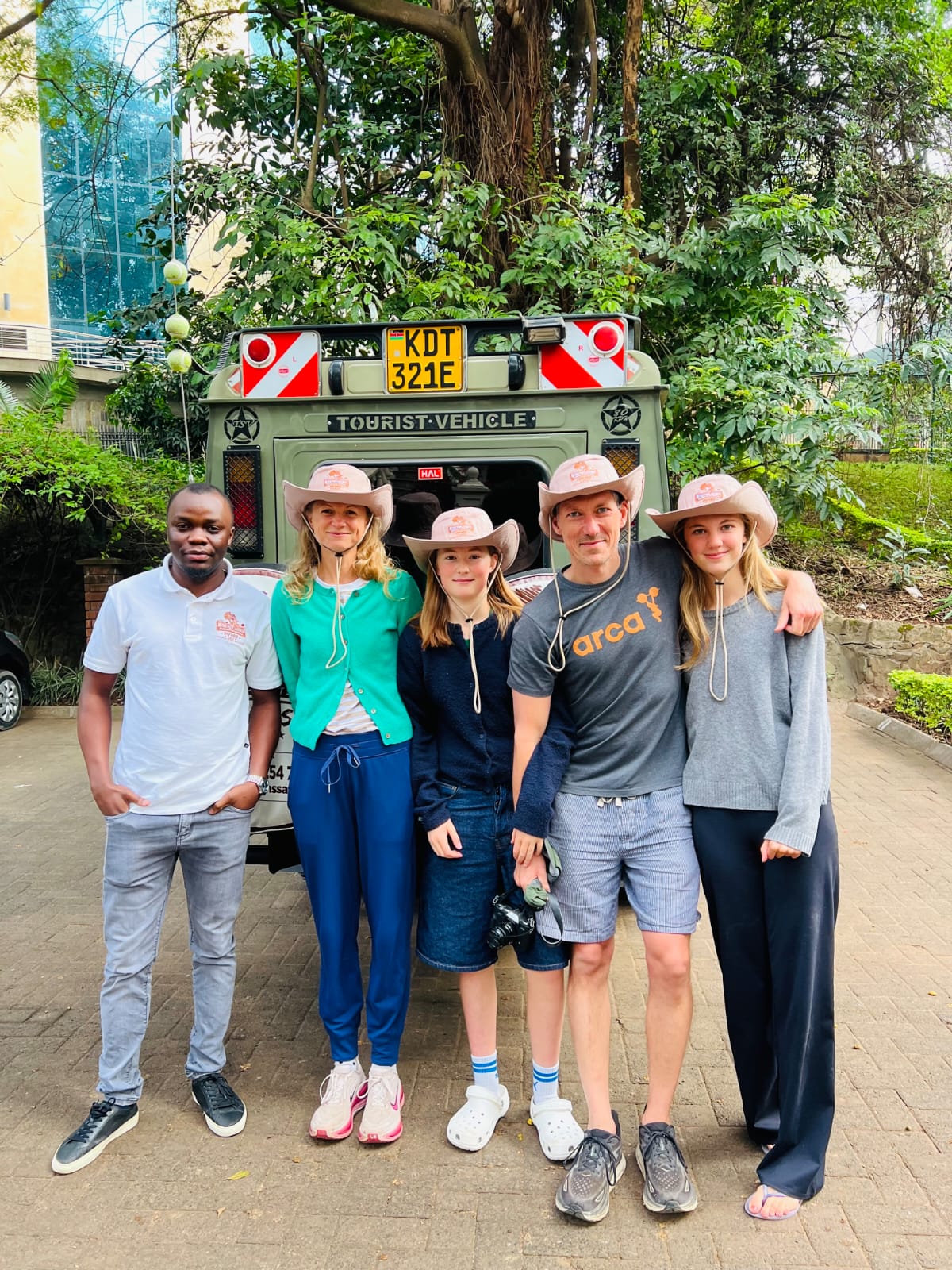
For families, seniors, or honeymooners, look for itineraries tailored to your traveler type rather than generic templates. Our guides on family safari tips, Kenya safari companies for seniors, and honeymoon safaris in Kenya each address the logistics specific to those trip types.
Which Kenya National Parks Are Best for First-Time Safari Goers?
The Maasai Mara, Amboseli, and Lake Nakuru are best for first-time safari goers because they offer high wildlife density, reliable road access, and a strong range of lodging options. Together, these three parks form the backbone of most classic 7-to-10-day itineraries, including our 8-day Magical Kenya Safari Experience.
What's Next: How to Start Planning Your Kenya Safari
How far in advance should you book a Kenya safari from the USA? Most travel experts recommend booking 6 to 12 months ahead, especially for travel during the peak July-to-October Great Migration season, since top camps and conservancies sell out early.
Your next concrete steps look like this:
- Decide your travel window based on the migration timing and weather patterns covered above.
- Set a budget range and choose between luxury, mid-range, or budget trip styles.
- Request itemized quotes from two or three licensed operators.
- Apply for your Kenya eTA and schedule any recommended vaccinations.
- Book flights once your ground itinerary and dates are confirmed.
If you're ready to move from research to action, you can start planning your Kenya safari with a free consultation, where a specialist can build a custom itinerary around your dates, budget, and interests.
Conclusion
Planning a Kenya safari from the USA involves securing an eVisa, arranging a flight through a major hub city, budgeting for park fees and accommodation, and selecting a licensed tour operator. None of these steps is complicated on its own, but together they turn a bucket-list idea into a real, bookable trip. The lions, the dust, the wide golden plains at sunrise — they're waiting, and now you have the roadmap to get there. Start with one step today, whether that's checking flight prices or requesting a sample itinerary, and let the planning carry you the rest of the way.
Written by John Dante, Director and Operations Manager at Beyond the Plains Safaris, a Kenya-based safari operator with firsthand experience planning trips for US travelers across East Africa.
Reviewed by Beyond the Plains Safaris Editorial Team, subject matter experts in East African travel logistics and destination planning.
Disclaimer: This article was initially drafted using AI assistance. However, the content has undergone thorough revisions, editing, and fact-checking by human editors and subject matter experts to ensure accuracy.










Comments (0)
Leave a Comment
No comments yet. Be the first to comment!