


Is Kenya Safe for Tourists? The Complete Region-by-Region Safety Guide
By John Dante, Director & Operations Manager, Beyond The Plains Safaris
You've probably already Googled "Is Kenya safe?" and come back with a mix of alarming travel warnings and glowing safari reviews that seem to describe two completely different countries. What most articles miss is that Kenya's safety picture is highly specific to where you go, how you travel, and who you travel with — and that distinction changes everything. In this guide, we break down Kenya's safety region by region, risk by risk, and traveler type by traveler type, so you can make a genuinely informed decision rather than a fear-driven one.
Key Takeaways
- Kenya is safe for tourists who travel with a reputable operator, stick to established safari circuits, and follow standard travel precautions — millions of visitors travel safely each year.
- Safety varies significantly by region: national parks and private conservancies are among the safest environments, while parts of Nairobi and border areas near Somalia require greater caution.
- The most common risks tourists face in Kenya are petty theft and road accidents — not wildlife or political violence, which are rare when traveling with a structured safari operator.
- Major Western government advisories (UK FCDO, US State Department, Australian DFAT) recommend normal precautions for most tourist regions, including the Maasai Mara, Amboseli, Samburu, and the Coast.
- Booking through a KATO-affiliated safari operator significantly reduces risk by providing vetted transport, experienced guides, and pre-screened accommodations.
- Yellow fever vaccination (required from endemic countries), malaria prophylaxis, and comprehensive travel insurance are non-negotiable preparation steps.
- Kenya has hosted international tourists safely for over six decades and holds active tourism quality certifications, including recognition from the Kenya Tourism Board.
Is Kenya Safe for Tourists Right Now?
Kenya is considered safe for tourists who travel on structured safari itineraries, with the country's national parks and private conservancies routinely ranked among the most secure travel environments in sub-Saharan Africa. Safety in Kenya is not a binary yes-or-no question — it is a function of region, activity, and how you travel.
To frame this correctly: Kenya is a country the size of Texas, encompassing ultra-safe private game reserves, a complex capital city, a world-class coastline, and remote frontier regions that genuinely require caution. Treating these environments as a single safety category produces the confused picture you see online. The Maasai Mara is not Nairobi's Eastleigh neighbourhood. Diani Beach is not the Somali border region. Understanding those distinctions is the foundation of a well-planned, safe Kenya trip.
Kenya welcomed approximately 2 million international tourists in 2023, with the sector generating KES 352 billion in revenue — Source: Kenya Tourism Board, 2024. That volume of international visitors, sustained over decades, is itself a signal: Kenya's tourist infrastructure is mature, its safari circuits are well-monitored, and serious incidents involving tourists remain statistically rare.
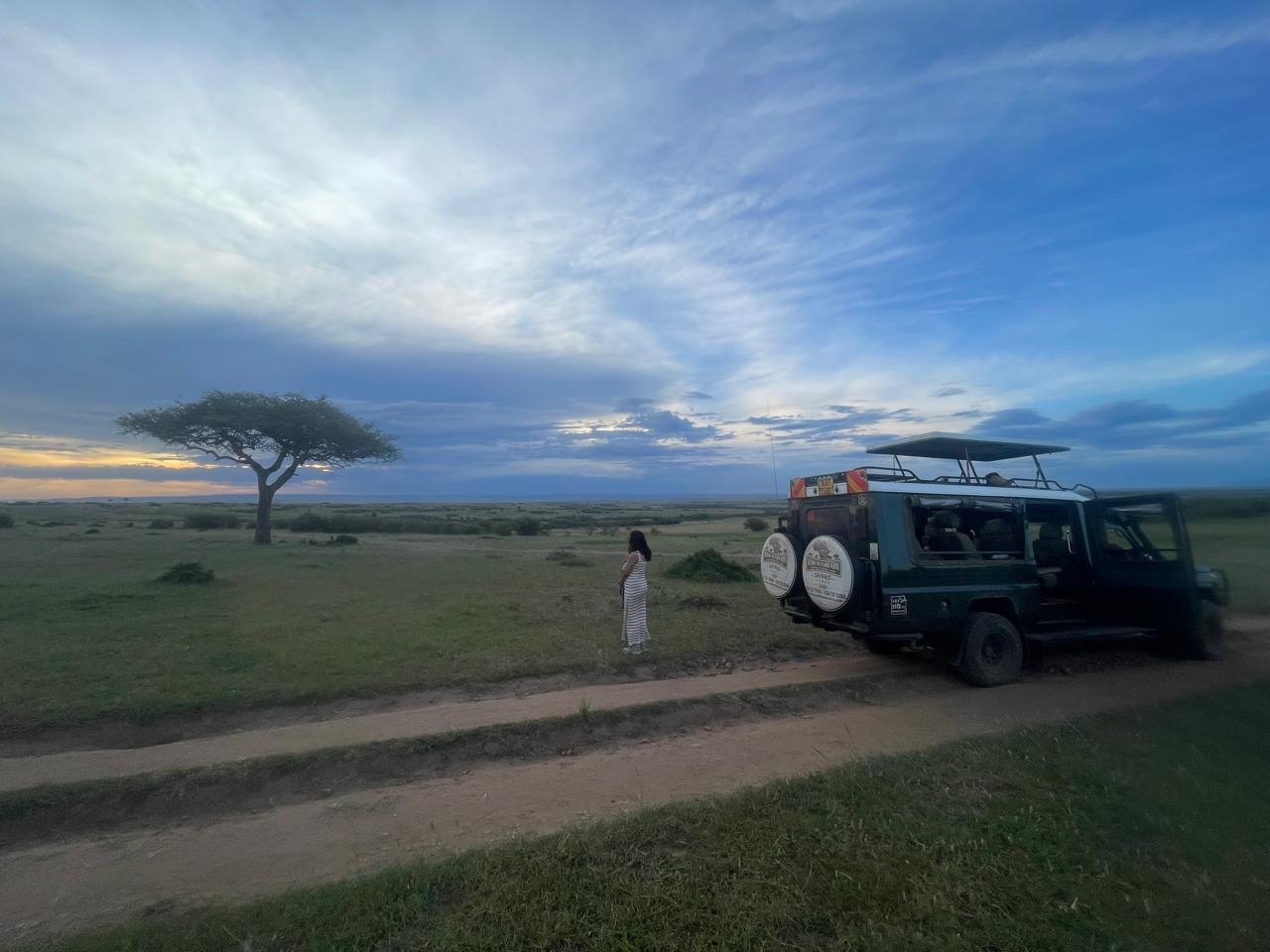
Why Kenya Remains One of Africa's Most Visited Safari Destinations
Kenya's enduring popularity as a safari destination reflects a genuine track record of safe, high-quality tourism infrastructure. The country has invested heavily in tourist safety at the national park level: Kenya Wildlife Service (KWS) rangers are stationed throughout major parks and conservancies, providing around-the-clock security. Private conservancies — such as Ol Pejeta, Lewa, and the conservancies bordering the Maasai Mara — operate their own security teams and maintain strict access control.
Moreover, Kenya's tourism sector is governed by robust institutional frameworks. The Kenya Association of Tour Operators (KATO) sets operational and ethical standards for licensed operators, while the Kenya Tourism Board runs an active tourism quality recognition program. Booking with a KATO-affiliated tour operator in Kenya is one of the most reliable indicators that a safari company meets national safety, ethics, and quality standards.
Beyond The Plains Safaris holds active KATO affiliation and KWS partnership status — standards that require adherence to safety protocols, use of trained guides, and pre-vetted accommodation networks. These institutional anchors are what separate a genuinely safe safari experience from a risk-laden independent improvisation.
Which Parts of Kenya Are Safe to Visit — and Which Should You Avoid?
Kenya's safety landscape divides broadly into four categories: very safe tourist environments, safe with standard precautions, elevated caution required, and avoid unless essential. Below is a region-by-region breakdown.
Is Nairobi Safe for Tourists?
Nairobi is safe for tourists in specific zones, provided you exercise the same awareness you would in any large international city. The Central Business District, Karen, Westlands, Gigiri (UN/Embassy district), and Langata are the primary areas where tourists stay and move freely — and all are considered safe for daytime movement and restaurant/shopping activity.
Areas to avoid include Eastleigh, Mathare, Kibera, and sections of the CBD after dark. These are not tourist zones and offer no compelling reason for visitors to enter them. Petty crime — bag snatching, phone theft — is the primary risk in Nairobi, not violent crime targeting tourists. Traveling by app-based taxi (Uber, Bolt) rather than hailing street cabs eliminates the majority of urban risk.

Is the Maasai Mara Safe for Safari Travelers?
The Maasai Mara is exceptionally safe for safari travelers and represents one of Kenya's lowest-risk tourist environments. The national reserve is managed by KWS, while the surrounding private conservancies — Naboisho, Olare Motorogi, Mara North, Ol Kinyei — operate their own security frameworks and limit access to guests and staff only.
Road travel to the Mara carries more risk than the destination itself: the A104 highway and unpaved conservancy roads can be challenging. Flying in on light aircraft (which most luxury and mid-range itineraries include) eliminates road risk entirely. Our Maasai Mara safari guide covers access options in detail. Virtually all reported tourist incidents in the Mara involve wildlife protocol violations — which experienced guides prevent.
Amboseli, Samburu, Laikipia, and the Northern Circuit
Amboseli National Park is among Kenya's safest parks, situated near the Tanzanian border with a strong KWS presence and well-established tourist infrastructure. Families and first-time safari travelers frequently visit Amboseli without incident. Amboseli National Park is particularly recommended for its open plains and exceptional elephant sightings.
Samburu National Reserve in northern Kenya operates in a region that requires somewhat more logistical care, but the reserve itself is well-managed and regularly visited by international tourists without safety issues. Laikipia Plateau — home to Ol Pejeta Conservancy and other private ranches — maintains some of the tightest security of any wildlife destination in Kenya.
The Coast: Mombasa and Diani Beach
Is Mombasa safe for tourists? Mombasa's tourist zones — specifically the beach resort strip north and south of the city, and the historic Old Town — are safe and actively visited by international travelers. Diani Beach, located 30km south of Mombasa, is one of Kenya's most established coastal resort areas and carries a strong safety record for leisure travelers.
Exercise standard urban precautions in central Mombasa, particularly around the ferry crossing and the city's commercial districts after dark. The coastal areas north of Mombasa (Malindi, Watamu) are similarly safe for tourists and offer excellent marine park experiences.
Border Regions to Avoid
The northeast border region with Somalia (Mandera, Wajir, parts of Garissa County) carries genuine security risk and is subject to elevated advisory levels from all major Western governments. These areas are not tourist destinations. Similarly, the border with South Sudan in the far north requires caution. Responsible operators — including Beyond The Plains Safaris — do not route tourist itineraries through these regions.
Region-by-Region Safety Summary
| Region | Safety Level | Primary Risk | Recommended for Tourists? |
|---|---|---|---|
| Maasai Mara | Very High | Wildlife protocol (manageable) | Yes — strongly recommended |
| Amboseli | Very High | None significant | Yes |
| Samburu / Laikipia | High | Remote access | Yes, with operator |
| Nairobi (Karen/Westlands) | High | Petty theft | Yes, with precautions |
| Diani Beach / Coast | High | Petty theft | Yes |
| Mombasa (Old Town/Resort Strip) | Moderate-High | Urban petty crime | Yes, with awareness |
| Northeast Border (Somalia) | Low | Armed conflict, kidnapping | No |
| Far North (South Sudan border) | Low | Instability | No |
What Are the Real Safety Risks in Kenya for Tourists?
The most common safety risks for tourists in Kenya are petty theft in urban areas and road traffic incidents — risks that are substantially reduced when traveling with a licensed operator providing private transport and vetted drivers. Understanding the actual risk hierarchy helps travelers calibrate anxiety accurately.
Petty Crime
Bag snatching, phone theft, and opportunistic pickpocketing are the most frequent tourist safety incidents in Kenya. These occur almost exclusively in urban areas — Nairobi city centre, Mombasa ferry area, busy market environments. The mitigation is straightforward: use app-based taxis, keep valuables out of sight, carry only what you need, and avoid displaying expensive cameras or jewelry in crowded public spaces.
Road Safety
Road traffic accidents are a genuine and underreported risk in Kenya. The condition of rural roads, combined with aggressive driving culture on highways like the A104 (Nairobi to Naivasha) and the B6 (Naivasha to Nakuru), creates real accident exposure for self-drivers. This risk is almost entirely eliminated by traveling with a licensed operator using trained, vetted drivers — or by flying between safari destinations, which most structured itineraries incorporate. Kenya recorded approximately 3,000 road fatalities in 2022 — Source: National Transport Safety Authority, 2023.
Health Risks
Malaria is present in all regions below 2,500 metres, including Nairobi, the Maasai Mara, and the Coast. Yellow fever vaccination is required for entry into Kenya from yellow fever-endemic countries, and malaria prophylaxis is strongly recommended for all regions below 2,500 metres. For a full breakdown, see our guide on vaccinations for Kenya safari. Altitude is not a meaningful concern for most Kenya itineraries, unlike Tanzania's Kilimanjaro region.
Political Demonstrations
Kenya's 2023 anti-government protests drew significant international attention. While demonstrations can occur — particularly in Nairobi's CBD — they are geographically concentrated and typically don't affect safari itineraries. Monitoring local news through your operator and avoiding CBD areas during known protest dates is sufficient mitigation.
Terrorism Risk
Kenya has experienced terrorism incidents, most notably the 2013 Westgate Mall attack and 2015 Garissa University attack. No major tourist-area attack has occurred since 2019. The threat is real but concentrated in specific environments (crowded urban malls, border regions) and is not a meaningful risk in national parks or private conservancies. Western advisories note the terrorism risk but do not recommend against travel to tourist regions on this basis.
What Do UK, US, and Australian Travel Advisories Say About Kenya?
The UK Foreign Commonwealth & Development Office, US State Department, and Australian DFAT all recommend normal travel precautions for Kenya's primary tourist regions, including the Maasai Mara, Amboseli, Samburu, Laikipia, and the coastal resort areas. This is a critical calibration point: "exercise normal precautions" is the same advisory level applied to popular European destinations.
The elevated advisory levels apply specifically to northeast Kenya (Somalia border), Tana River County, and areas within 60km of the Somali border. None of these are tourist destinations. The advisories also note terrorism risk in Nairobi — specifically around crowded, high-profile venues — but do not advise against visiting Nairobi as a whole.
Contrast with traveler experience: Platforms like TripAdvisor, Travel + Leisure, and safari review aggregators consistently reflect overwhelmingly positive safety experiences from Kenya visitors. The gap between advisory language (necessarily cautious and liability-aware) and actual tourist experience (routinely positive) is significant. Use advisories as a baseline, not a ceiling, for your risk assessment.
Is Kenya Safe for Solo Female Travelers?
Kenya is manageable and widely visited by solo female travelers, particularly those on structured safari itineraries. The national parks, private conservancies, and established lodges represent genuinely safe environments — staff are professional, camps are secure, and the guided nature of safari activities means solo travelers are rarely alone or unescorted in the bush.
Urban Kenya requires more awareness for solo women. Nairobi's tourist zones are navigable, but solo evening movement in unfamiliar areas is inadvisable. Harassment (verbal, opportunistic) can occur in busy urban markets and some coastal areas. Traveling with an organized tour or using pre-arranged transfers mitigates this substantially. For couples traveling together, Kenya offers exceptional honeymoon safari Kenya experiences with a strong safety track record in private conservancy settings.
Is Kenya Safe for Families with Children?
Kenya is an outstanding family destination and is safe for children when traveling on a well-structured itinerary. Most established lodges and camps welcome children, many with dedicated family accommodation and junior ranger programs. The primary family-specific safety considerations are health (malaria prophylaxis for children, sun exposure) and wildlife interaction protocols, both of which experienced guides manage rigorously.
Age restrictions vary by activity: some conservancies restrict children under 5 on game drives in open vehicles, while walking safaris typically require children to be 12 or older. Our family safari Kenya guide covers age-appropriate itinerary design in detail. Road safety is the most meaningful risk for families — flying between destinations is strongly recommended.
How Does Booking with a Safari Operator Make Kenya Safer?
Booking with a reputable, KATO-affiliated safari operator eliminates or substantially mitigates the majority of risks independent travelers face in Kenya. This is not a marketing claim — it is a structural reality of how safari travel works.
First, vetted transport and licensed drivers remove road risk, which is Kenya's most statistically significant tourist hazard. Second, pre-screened accommodations — lodges and camps that operators have visited, assessed, and maintained relationships with — eliminate accommodation-related risks. Third, experienced guides prevent wildlife incidents through protocol enforcement and habitat knowledge. Fourth, operators provide real-time safety monitoring: during the 2023 protests, Beyond The Plains Safaris rerouted multiple client airport transfers in real time to avoid affected CBD areas.
Explore our Kenya safari itineraries and Kenya safari packages to see how structured itineraries are designed with safety built into every logistics decision — from flight connections to camp selection to guide assignment.
What Vaccinations and Health Precautions Do You Need for Kenya?
Yellow fever vaccination is required for entry into Kenya from yellow fever-endemic countries, and malaria prophylaxis is strongly recommended for all travelers visiting regions below 2,500 metres. These two health requirements are non-negotiable foundations of any Kenya trip preparation.
Beyond yellow fever and malaria, the following are strongly recommended or routinely advised:
- Routine vaccinations: Hepatitis A, Hepatitis B, Typhoid, Tetanus
- Rabies: Recommended for travelers spending extended time in rural areas or working with wildlife
- COVID-19: Current entry requirements should be verified with your operator closer to travel
- Malaria prophylaxis: Atovaquone-proguanil (Malarone), Doxycycline, or Mefloquine — consult your travel health physician for the right option
- Travel insurance: Comprehensive coverage including medical evacuation is essential; medical evacuation from remote areas can cost USD 50,000+
For a complete breakdown, see our dedicated guide on vaccinations for Kenya safari. Consult a travel medicine clinic at least 6-8 weeks before departure, as some vaccines require multiple doses.
What Should You Never Do as a Tourist in Kenya?
Certain behaviors dramatically increase risk for tourists in Kenya — most of which experienced operators actively prevent. The most important rules:
- Never get out of the vehicle in a national park unless your guide explicitly directs you to. This is the single most common cause of dangerous wildlife encounters.
- Never display cash, expensive cameras, or jewelry in urban public spaces, particularly in Nairobi's CBD or busy markets.
- Never use unlicensed street taxis in Nairobi — always use Uber, Bolt, or your operator's arranged transfers.
- Never travel to northeast Kenya (Mandera, Wajir, border regions) without specific, current security briefings and a compelling reason to be there.
- Never ignore your guide's instructions during game activities. Safari guides are professionally trained and their directives exist for your safety.
- Never exchange money on the street — use licensed forex bureaus or your operator's recommended exchange options.
What to pack for a Kenya safari also includes safety-relevant items: a portable charger, an unlocked phone for a local Safaricom SIM, photocopies of your passport, and the contact numbers for your country's embassy in Nairobi.
How Safe Is Kenya Compared to Other African Safari Destinations?
Kenya compares favorably to most other African safari destinations on overall tourist safety. South Africa — the continent's most visited safari country — has significantly higher urban crime rates than Kenya, particularly in Johannesburg and parts of Cape Town. Tanzania, Kenya's most direct competitor, carries a comparable safety profile with slightly less complex urban dynamics given Dar es Salaam's lower profile as a tourist transit hub.
Botswana and Rwanda are frequently cited as Africa's safest safari destinations, with very low crime rates and stable political environments. Kenya sits comfortably in the tier below — safe for the vast majority of tourist activities, with specific urban and border caveats that are easily navigated with operator support. For travelers considering a combined East Africa itinerary, our Kenya and Tanzania safari combination packages are designed around the safest, most efficient routing between the two countries.
What's Next: How to Plan a Safe Kenya Safari
Safety confidence is the prerequisite for great trip planning — and you now have it. The next step is converting that confidence into an itinerary that matches your travel style, budget, and timeline.
Start with the best time to visit Kenya: the short rains (November), long rains (April-May), and the dry seasons (July-October, January-February) all produce very different wildlife and weather experiences. The Great Migration's Kenya phase peaks in July-September, making that the most popular — and most booked-out — period.
Then explore Kenya safari itineraries ranging from 5-day Maasai Mara fly-in packages to 14-day multi-park circuits combining Amboseli, the Mara, Samburu, and the Coast. Each itinerary is built around operator-managed logistics that incorporate the safety principles covered in this guide.
Contact Beyond The Plains Safaris directly for a consultation: our team — based in Nairobi, with active KWS and KATO affiliation — can design a trip around your specific profile, whether you're a solo traveler, a couple planning a honeymoon, or a family with young children.
Conclusion
Kenya is safe for tourists. That statement is not a marketing headline — it is the documented reality of a country that has hosted millions of international visitors safely for over six decades. The nuance is in understanding which Kenya you're visiting: the national parks and private conservancies that form Kenya's safari heartland are among the most professionally managed, security-conscious travel environments anywhere in the world.
The risks that do exist — petty theft in urban areas, road conditions, health preparation — are all well-understood and substantially mitigated by traveling with a licensed, KATO-affiliated operator. Beyond The Plains Safaris was recognized as 1st Runners-Up, Best Tour Operator in Kenya at the 2025 Tourism Excellence Awards — a reflection of the standards we apply to every itinerary, including the safety infrastructure behind every trip we design.
The question is no longer whether Kenya is safe. The question is: what kind of Kenya experience do you want to have?
Explore our Kenya safari packages and let's start planning.
Written by John Dante Director & Operations Manager, Beyond The Plains Safaris. John has over a decade of experience designing and operating Kenya and Tanzania safari itineraries for international travelers. Beyond The Plains Safaris holds active KATO affiliation, KWS partnership status, and was recognized as 1st Runners-Up, Best Tour Operator in Kenya at the 2025 Tourism Excellence Awards.
Reviewed by the Beyond The Plains Safaris Operations Team, Nairobi.










Comments (0)
Leave a Comment
No comments yet. Be the first to comment!