

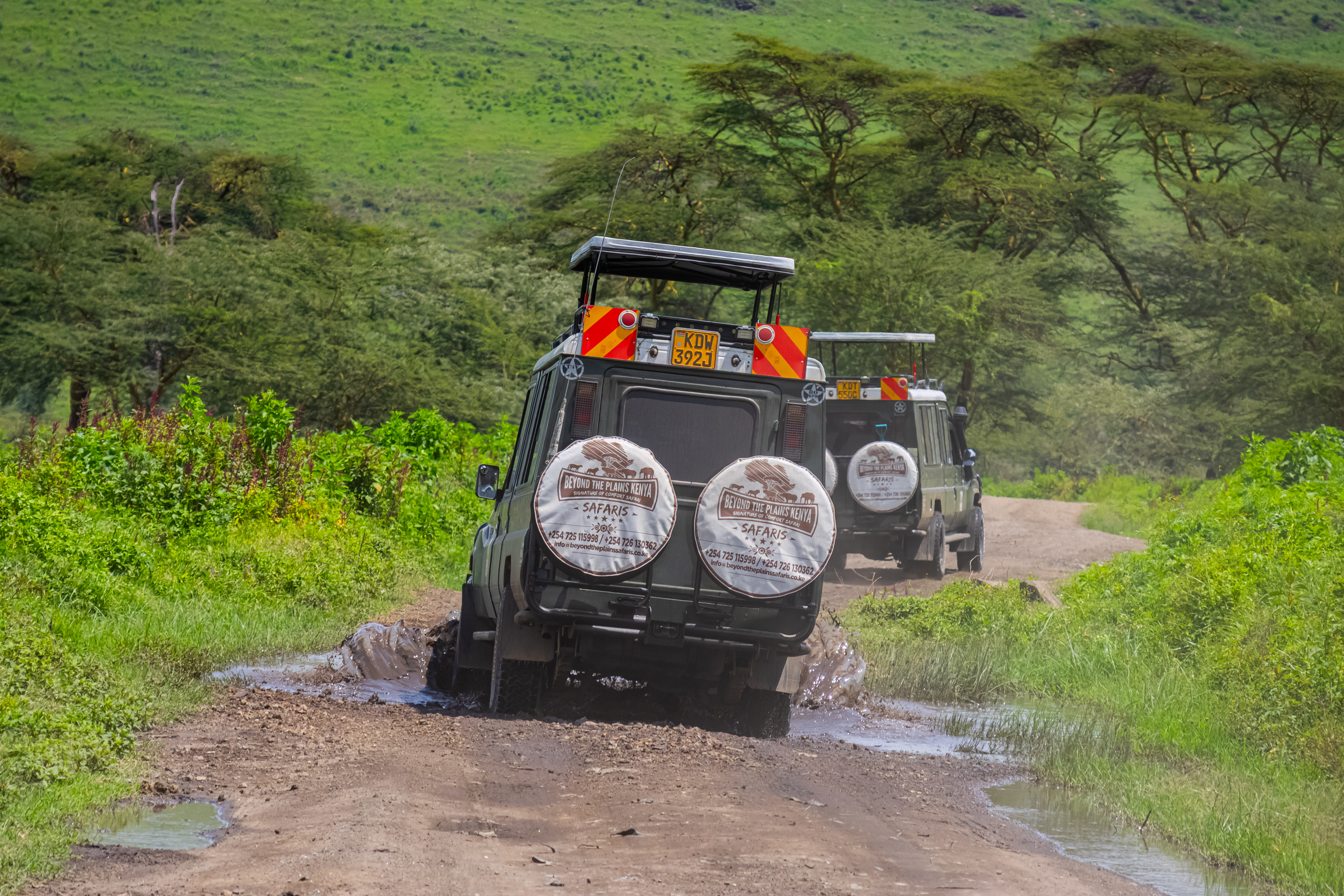
Kenya Safari Tours from Australia: Flights, Costs & Best Season (The Complete Guide)
You've pictured it already — a dusty Land Cruiser at dawn, the Maasai Mara stretching to the horizon, a lion pride just metres away. But when you start looking into how to actually get from Australia to Kenya, the flight logistics, real costs, and seasonal timing can turn that dream into a confusing planning headache. This guide breaks down exactly which routes to fly, what the full trip will really cost in AUD, and when to go for the best wildlife and value.
Key Takeaways
- A Kenya safari from Australia typically requires one or two layovers, since no direct flights currently connect Australia and Nairobi.
- Round-trip flights from Australia to Kenya generally range from roughly AUD 1,200 to AUD 3,000+, depending on the season, airline, and how far in advance travelers book.
- Total trip costs, including flights, safari packages, and visas, commonly range from AUD 5,000 for budget group tours to AUD 15,000+ per person for luxury lodge-based safaris.
- The dry season, from June to October, offers the best wildlife viewing and coincides with the Great Migration river crossings in the Maasai Mara.
- The green season, from November to May, offers lower prices and fewer crowds but has a higher chance of rain and denser vegetation that can limit visibility.
- Australians need an eVisa to enter Kenya, along with proof of yellow fever vaccination if arriving from certain countries.
- Booking flights and safari packages four to six months in advance generally secures better pricing and availability, especially for July–September travel.
What Does a Kenya Safari from Australia Involve?
A Kenya safari from Australia is a multi-leg trip that typically combines a long-haul international flight with layovers, followed by a domestic or charter flight or road transfer into safari areas such as the Maasai Mara National Reserve. In practice, this means three connected phases: the long-haul flight from an Australian gateway city to a Middle Eastern or Asian hub, a connecting flight into Nairobi, and then a domestic leg or road transfer into the bush.
First, there's the international flight itself, which usually runs somewhere between 20 and 26 hours of total travel time once you factor in layovers. Second, there's the ground logistics inside Kenya — moving between Nairobi and parks like the Amboseli National Park or the Maasai Mara, either by light aircraft or 4x4 safari vehicle. Third, there's the safari itself, which can range from a short 4-day taster to a comprehensive 10-14 day Kenya and Tanzania safari package.
For example, an Australian couple flying from Melbourne might connect through Doha, land in Nairobi around midday, overnight at a Nairobi hotel, and then take a scheduled light-aircraft flight into the Mara the next morning. This guide covers every stage of that journey — the routes, the realistic costs in Australian dollars, and the best months to travel — so you can plan with confidence rather than guesswork.
Why Kenya Is Worth the Long Haul from Australia
Kenya is worth the long haul from Australia because it delivers some of the highest wildlife density and the most dramatic annual migration event on the planet, at a lower overall cost than many comparable long-haul bucket-list trips. The country's parks and reserves support the so-called Big Five — lion, leopard, elephant, buffalo, and rhino — within a handful of accessible, well-established safari circuits.
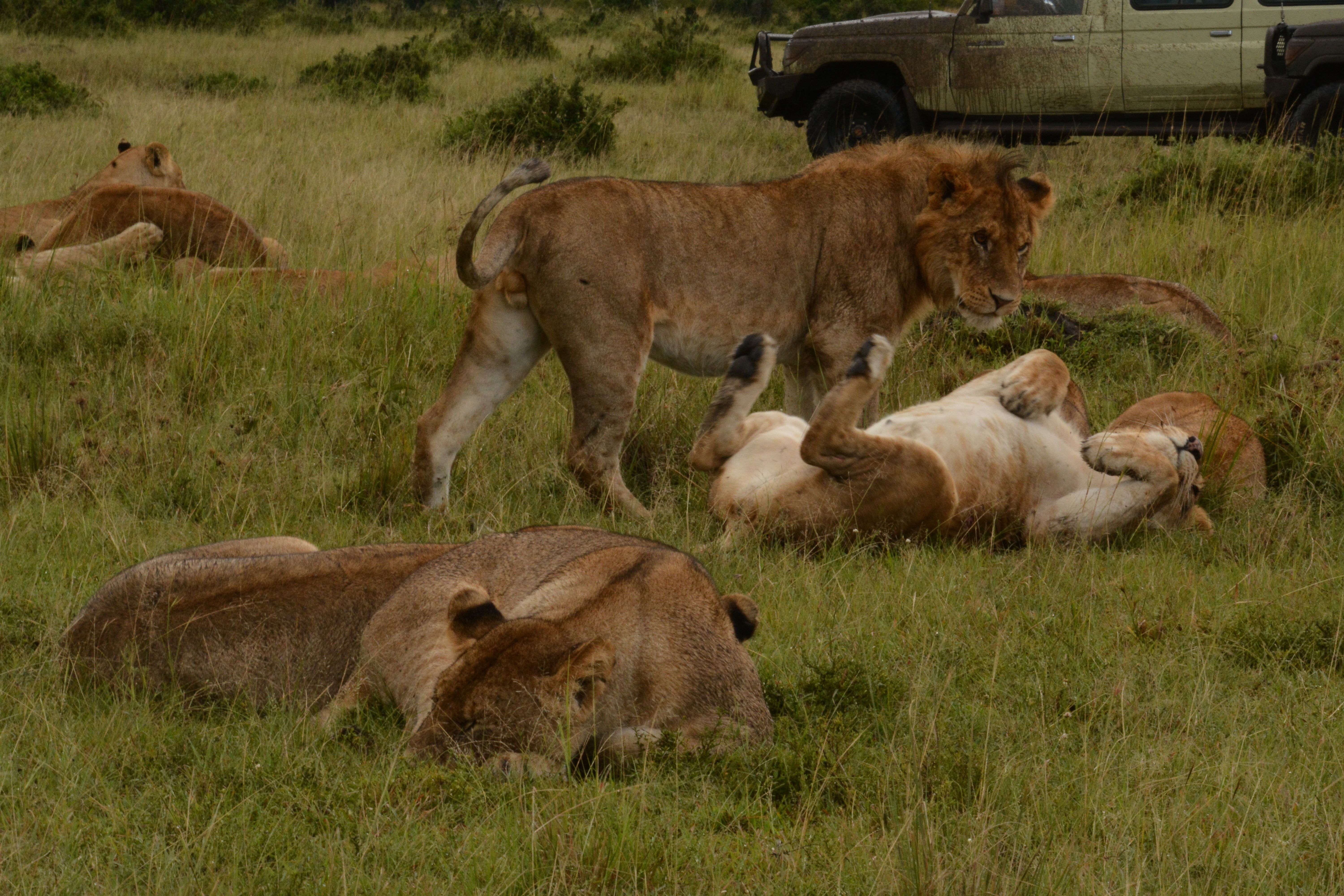
At the same time, Kenya's value proposition compares favourably to other long-haul options Australians consider. A safari through the Mara or Tsavo East National Park often delivers more concentrated game-viewing per travel day than a comparable trip to South America, where wildlife sightings are typically more dispersed and less guaranteed. Kenya also has decades of established tourism infrastructure, meaning lodges, guides, and transport networks are mature and well-tested.
Moreover, the timing of Kenya's dry season lines up neatly with the Australian winter school holidays and mid-year leave periods, which makes logistical sense for families and working professionals alike. For a deeper look at how Kenya stacks up against its closest safari rival, our Kenya vs Tanzania safari comparison breaks down the differences in cost, access, and wildlife patterns in detail.
As such, most Australians who make this trip describe it as a genuine bucket-list milestone rather than "just another overseas holiday." That said, the distance is real, and it deserves proper planning — which is exactly what the rest of this guide sets out to do.
A Kenya safari also pairs naturally with other East African highlights, which adds to its appeal for travellers making a once-in-a-lifetime long-haul trip. For example, many Australians extend their itinerary to include a few days at Diani Beach on the coast, combining bush and beach in a single trip. Others venture further afield into Tanzania's Serengeti National Park or the Ngorongoro Crater, since both sit within relatively easy reach of the Kenyan safari circuit. This flexibility means a single long-haul flight can effectively unlock two or three distinct African experiences, which improves the overall value equation considerably compared with a single-country trip elsewhere.
How Long Is the Flight from Australia to Kenya?
The flight from Australia to Kenya generally takes between 20 and 26 hours of total travel time, including one or two layovers, depending on your departure city and connection. This figure covers time in the air plus time spent transiting through a hub airport, not door-to-door travel including airport arrival buffers.
For example, a Sydney-to-Nairobi routing via Doha typically involves roughly 14-15 hours on the first long-haul sector, followed by a layover of anywhere from 90 minutes to several hours, then a further 5-6 hour flight down into Nairobi. Perth departures tend to shave a few hours off total travel time since Perth sits closer to the Middle Eastern hubs than the east coast cities do.
Jet lag is a real factor on this route, since Kenya sits several time zones behind Australia (Nairobi is typically 7-8 hours behind Sydney, depending on daylight saving). Many experienced Australian safari travellers deliberately build in a one or two-night stopover in a hub city like Singapore or Dubai to break up the journey and adjust before continuing on to Nairobi.
Are There Direct Flights from Australia to Nairobi?
There are no direct flights between Australia and Kenya, so travelers connect through hub cities such as Doha, Dubai, or Singapore before continuing to Nairobi. This has been the case for years and, based on current airline route planning, isn't likely to change in the near term given the relatively thin point-to-point demand between the two countries.
That said, "no direct flight" doesn't mean "difficult journey." In fact, all of the major hub carriers now run daily or near-daily services into Nairobi's Jomo Kenyatta International Airport, which means connection times are generally short and reliable. Qatar Airways, Emirates, and Singapore Airlines all run well-established Nairobi services that dovetail neatly with their Australia-bound schedules.
For travellers who want to minimise total transit time, a single-layover routing through Doha or Dubai is usually the fastest option available. Those keen to add a short city stopover, on the other hand, often route through Singapore, using the stop as a mini-holiday before the safari properly begins.
Which Airlines Fly from Australia to Kenya and Which Layovers Are Best?
The main airlines connecting Australia to Kenya are Qatar Airways, Emirates, Etihad, and Singapore Airlines, each routing passengers through their respective home hub before a final leg into Nairobi. Each of these carriers departs from multiple Australian gateway cities, so the "best" choice usually comes down to your home city, your preferred layover length, and how much stopover flexibility you want.
Flights from Sydney, Melbourne, Perth, and Brisbane
Sydney and Melbourne travellers have the widest choice of carriers and frequencies, since both cities operate as major Australian international gateways. Perth, by contrast, sits geographically closer to the Middle East, which can shave two to four hours off total journey time on Qatar Airways and Emirates routings. Brisbane travellers typically connect via Singapore or Sydney before joining a long-haul service, adding a short domestic or regional leg to the itinerary.
The table below summarises typical routing patterns by departure city.
| Departure City | Typical Hub | Approx. Total Travel Time | Layovers |
|---|---|---|---|
| Sydney | Doha or Singapore | 22-25 hours | 1-2 |
| Melbourne | Doha or Dubai | 22-25 hours | 1-2 |
| Perth | Doha or Dubai | 18-21 hours | 1 |
| Brisbane | Singapore | 24-27 hours | 1-2 |
Best Layover Cities for Breaking Up the Journey
Doha, Dubai, and Singapore each offer a genuinely useful stopover option rather than just a transit lounge. For example, a two-night Singapore stopover lets travellers recover from the first long-haul leg, sample the city, and arrive in Nairobi feeling considerably fresher than after a single marathon journey. Layover length matters more than layover city for most travellers — a rushed 60-minute connection creates more stress than a well-chosen 90-minute-plus buffer, regardless of which hub you're transiting through.
For those planning a multi-country trip, it's also worth checking flight options through Johannesburg or Addis Ababa, since some travellers combine Kenya with a Southern or Central African leg on the way home.
How Much Does a Kenya Safari from Australia Really Cost?
Total per-person costs for a Kenya safari from Australia generally range from around AUD 5,000 for a budget group tour to AUD 15,000 or more for a luxury lodge-based itinerary, once flights, park fees, and accommodation are included. This wide range reflects genuinely different trip styles rather than simple price-gouging, so it's worth understanding what drives the difference before comparing quotes.
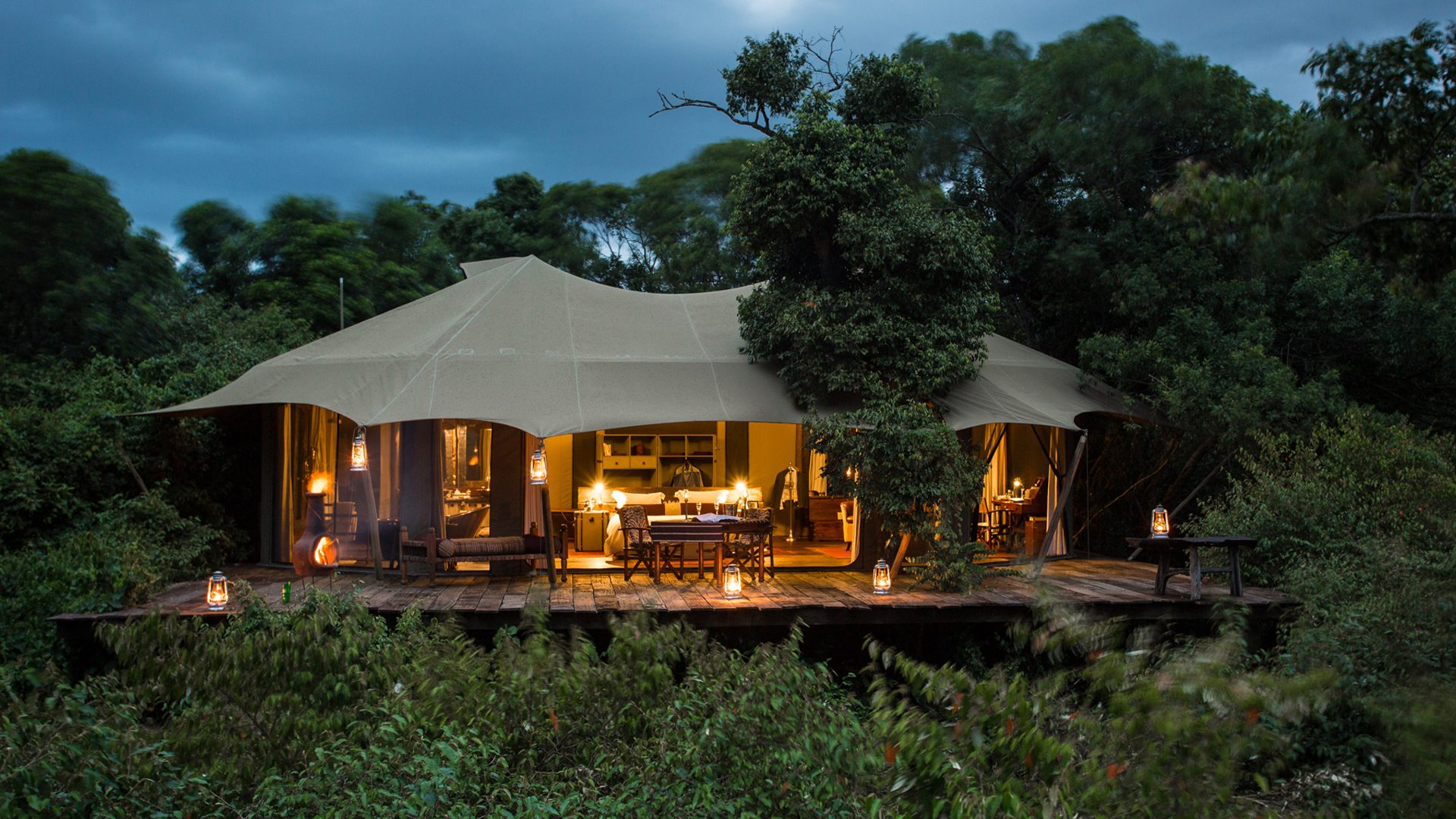
At the budget end, group tours use shared safari vehicles, simpler tented camps or lodges, and fixed group departure dates. Mid-range trips typically add private vehicles, better-located lodges, and more flexible itineraries. Luxury trips add premium tented camps or lodges inside private conservancies, fly-in transfers between parks, and a much higher staff-to-guest ratio.
Flight Costs from Australia
Round-trip flights from Australia to Kenya generally range from roughly AUD 1,200 to AUD 3,000+, depending on the season, airline, and how far in advance travelers book. Economy fares booked well in advance during shoulder-season months tend to sit at the lower end of that range, while last-minute July-September bookings frequently land near or above AUD 3,000.
Visa and Vaccination Costs
Australians need an eVisa to enter Kenya, along with proof of yellow fever vaccination if arriving from certain countries. The eVisa itself is a modest cost relative to the rest of the trip, but it's a mandatory line item that first-time travellers sometimes forget to budget for. Our dedicated guide to Kenya visa requirements for Australian travelers walks through the application steps, current fees, and processing times in more detail, and our yellow fever vaccination requirements for Kenya guide covers the health-side requirements.
Safari Package Costs: Budget, Mid-Range, and Luxury
The table below breaks down typical per-person costs across the three main safari tiers, based on a standard 7-10 day itinerary.
| Safari Tier | Typical Accommodation | Per-Person Cost (AUD, excl. flights) | What's Included |
|---|---|---|---|
| Budget | Shared tented camps, group vehicles | AUD 2,500 - 4,500 | Group game drives, park fees, basic meals |
| Mid-Range | Private ensuite lodges/camps | AUD 4,500 - 8,000 | Private vehicle, better locations, full board |
| Luxury | Premium conservancy lodges | AUD 8,000 - 15,000+ | Fly-in transfers, exclusive game drives, top-tier service |
For a closer look at what actually separates these tiers beyond price, our budget vs luxury safari comparison is a useful next read, and our dedicated Kenya safari cost breakdown goes even deeper into daily rates and inclusions.
Park Fees and Travel Insurance
Park entry fees are charged per person, per day, and vary by reserve — the Maasai Mara typically carries a higher daily fee than parks like Tsavo or Lake Nakuru National Park. These fees are usually bundled into your safari package quote rather than paid separately, so it's worth confirming exactly what's included before comparing operators. Travel insurance is a non-negotiable add-on for a trip of this cost and remoteness; a solid travel insurance for safari trips policy should cover medical evacuation, trip cancellation, and lost luggage, given the multiple flight connections involved.
Other Costs Worth Budgeting For
Beyond the headline flight and package costs, a handful of smaller expenses tend to catch first-time Kenya travellers off guard. Tipping guides, drivers, and lodge staff is customary throughout Kenya, and while it's rarely included in the upfront package price, it adds up to a meaningful line item over a 7-10 day trip. For a clear, realistic figure to budget in AUD terms, our Kenya safari tipping guide sets out typical daily rates for guides, drivers, and camp staff.
In addition, most lodges and camps expect payment for extras — spa treatments, premium wine, or optional activities like hot air balloon safaris — in either US dollars or Kenyan shillings rather than AUD, so it's worth carrying a small cash buffer alongside your cards. Our Kenya safari cash guide explains exactly how much cash to carry and in which currency. Optional add-ons like a balloon safari over the Mara at sunrise are genuinely worth budgeting for separately, since they're rarely bundled into standard packages but are consistently rated as a trip highlight.
What Is the Best Time of Year to Go on a Kenya Safari?
The best time of year to go on a Kenya safari is during the dry season, running from June through October, which involves the lowest rainfall and the highest concentration of wildlife around permanent water sources, making it the peak period for game viewing. This is when vegetation thins out, animals cluster around rivers and waterholes, and visibility across the open plains is at its clearest.
That said, "best" depends partly on what you're optimising for. Wildlife photographers and first-time safari-goers generally prioritise the dry season for its reliability, while budget-conscious and crowd-averse travellers often prefer the quieter, cheaper green season instead.
Dry Season vs Green Season
The green season, from November to May, offers lower prices and fewer crowds but has a higher chance of rain and denser vegetation that can limit visibility. Rain during this period tends to arrive in short, intense afternoon bursts rather than as constant drizzle, so it rarely derails a full day's game drive. Bird life is also considerably richer during the green season, as migratory species arrive alongside newborn wildlife across many resident species.
When Does the Great Migration Happen in the Maasai Mara?
The Great Migration river crossings in the Maasai Mara typically occur between July and September, when wildebeest herds cross the Mara River in search of fresh grazing. This is arguably the single most sought-after wildlife spectacle in Africa, and it draws the heaviest crowds of the year to the Mara's riverbanks. For a full breakdown of where the herds are month by month, our Great Migration month-by-month guide tracks their movement from the southern Serengeti through to the Mara and back.
Month-by-Month Climate and Pricing Guide
| Month | Season | Wildlife Highlights | Relative Pricing |
|---|---|---|---|
| January-February | Green (dry spell) | Calving season, good cat sightings | Moderate |
| March-May | Green (long rains) | Lush scenery, fewer tourists | Lowest |
| June | Dry begins | Herds moving north | Rising |
| July-September | Peak dry | Mara River crossings | Highest |
| October | Late dry | Still excellent viewing, thinning crowds | High |
| November-December | Short rains | Migration returns south, festive season | Moderate-High |
For a more detailed seasonal breakdown built specifically around this data, see our full best time to visit Kenya guide.
Choosing a Season Around School Holidays and Budget
For Australian families, the choice of season often comes down to balancing school holiday windows against crowd levels and price. The July-September dry season conveniently overlaps with the Australian mid-year school holidays, which is precisely why lodges in this window book out furthest in advance and command the highest rates. Families with more flexibility — or travellers without school-age children — can often secure a noticeably better price and a quieter experience by shifting just a few weeks either side of the absolute peak, into late June or October. Our guide on Kenya safari experiences for families covers age-appropriate itinerary tips alongside seasonal timing advice specifically for family groups.
Do Australians Need a Visa to Visit Kenya?
Yes — Australians need a Kenya eVisa to enter the country, applied for online ahead of travel, along with proof of yellow fever vaccination if arriving from a country where the disease is present. Kenya moved to a fully electronic travel authorisation system in recent years, replacing visa-on-arrival for most nationalities, so this step now needs to be handled before departure rather than at the airport.
First, applicants complete the online application and upload the required documents, including a passport photo and passport bio page. Second, most applications process within a few business days, though it's sensible to apply several weeks ahead of departure to allow for any follow-up requests. Third, travellers should print or save a digital copy of their approval, since border officials will ask to see it on arrival.
Because Australia is not currently classified as a yellow fever risk country, most direct-from-Australia travellers won't need proof of vaccination purely on the basis of their departure point — but anyone connecting through, or having recently visited, a yellow-fever-endemic country should carry their certificate. Our detailed Kenya visa requirements for Australian travelers guide covers the exact application steps and current documentation requirements.
Is It Better to Book a Group Tour or a Private Safari?
Whether a group tour or a private safari is "better" depends on your budget, your travel style, and how much control you want over your daily schedule — there's no single right answer for every traveller. Group tours run on fixed departure dates with shared vehicles, which keeps costs down and works well for solo travellers or couples on a tighter budget.
Private safaris, on the other hand, offer full flexibility over pace, stops, and photography time, since you're not sharing a vehicle or itinerary with other guests. For example, a family with young children often finds a private safari far more manageable, since nap schedules and shorter game-drive windows are easy to accommodate without disrupting a group. Honeymooning couples, similarly, tend to lean toward private or small-group options for a more intimate experience.
That being said, group tours remain an excellent entry point for first-time safari travellers, particularly those who enjoy the social element of travelling alongside like-minded guests. Our how to choose a safari tour operator checklist walks through the questions worth asking either type of operator before you commit.
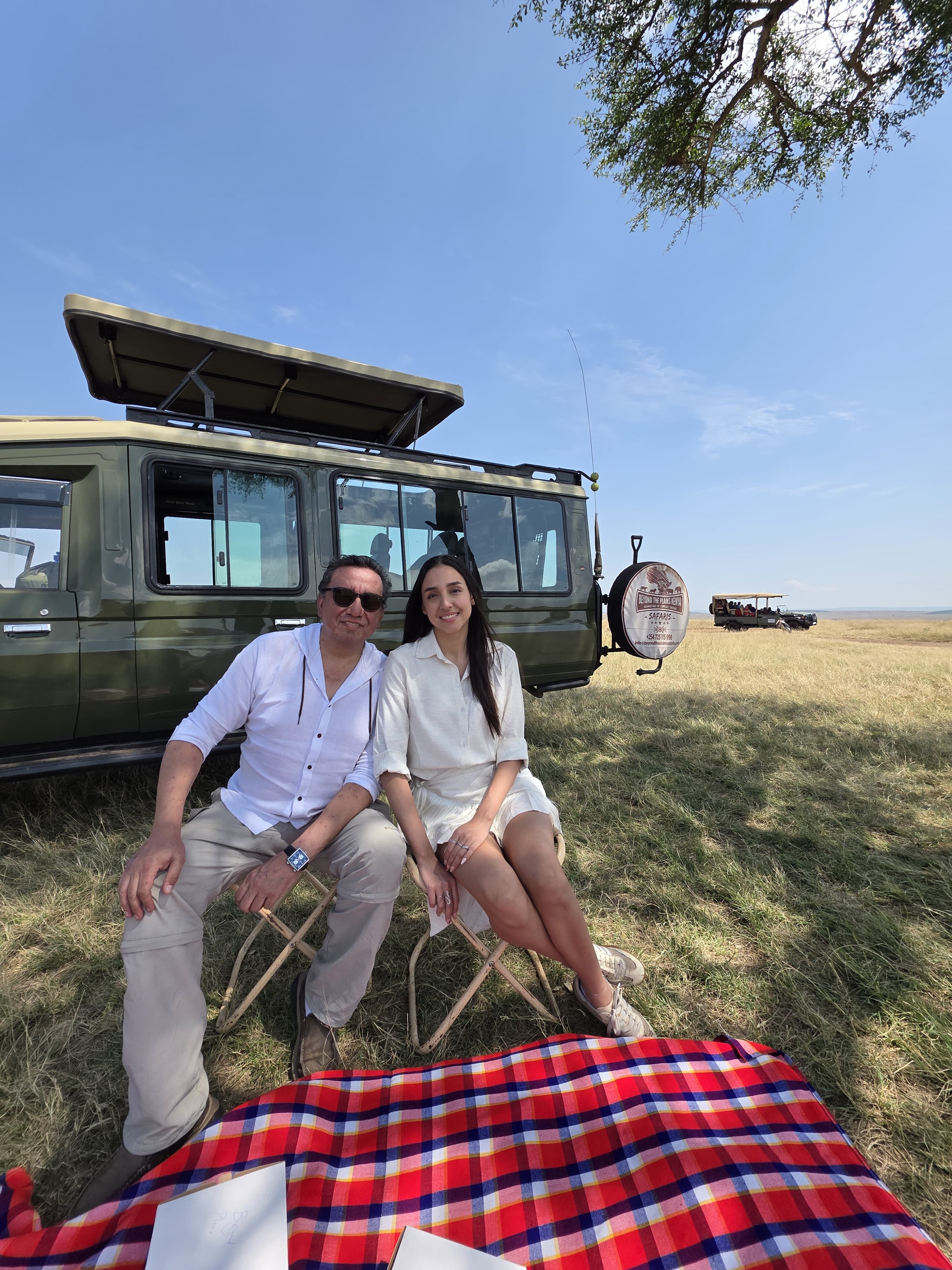
Couples planning a honeymoon or milestone anniversary trip almost always lean toward private safaris, given the added privacy and the ability to customise stops around romantic extras like private bush dinners or sundowner drives. Our honeymoon safari Kenya guide is worth a look if this describes your trip, since it covers lodge selection and pacing specifically for couples. Whichever style you choose, it's worth reading through exactly what's included in a Kenya safari package before comparing quotes, since inclusions can vary significantly between operators even at similar price points.
How Far in Advance Should Australians Book Their Kenya Safari?
Booking flights and safari packages four to six months in advance generally secures better pricing and availability, especially for July-September travel. This lead time matters more for Australians than for travellers departing from Europe, given the added complexity of connecting flights and the popularity of peak-season Mara accommodation.
For example, lodges inside the Maasai Mara's private conservancies often cap total guest numbers to protect the wildlife experience, which means peak-season rooms can sell out six to nine months ahead of the actual travel date. Flights follow a similar pattern — fares for July and August departures typically start climbing noticeably once availability in the cheaper booking classes runs out.
As such, travellers targeting a dry-season trip should aim to lock in both flights and accommodation by the four-to-six-month mark at the latest. Green-season travellers have considerably more flexibility, since availability and pricing remain more forgiving right up until a few weeks before departure. For a deeper dive into timing strategy, our guide on the cheapest time to book a Kenyan safari breaks down booking windows month by month.
What Should Australians Pack for a Kenya Safari?
Australians packing for a Kenya safari should prioritise neutral-coloured lightweight clothing, layers for cool early-morning game drives, and a good pair of broken-in closed shoes over anything formal or bulky. Mornings on game drives can be surprisingly cold, even during the dry season, while afternoons often warm up considerably, so layering is far more useful than a single "safari outfit."
Beyond clothing, a few practical items make a genuine difference to the trip. Binoculars, a wide-brim hat, and a dry bag for camera gear are consistently rated by returning travellers as the most useful non-obvious packing additions. Malaria prophylaxis, insect repellent, and a basic first-aid kit round out the health essentials for most itineraries.
For a full item-by-item breakdown, including what genuinely isn't worth packing, our packing list for an African safari covers everything from clothing to camera gear in detail.
It's also worth knowing what to leave at home. Camouflage clothing, for instance, is restricted for civilian use in Kenya and shouldn't be packed under any circumstances, while bulky hard-shell suitcases are a poor fit for light-aircraft transfers with strict soft-bag weight limits. Our companion guide on what not to bring on a Kenyan safari rounds out the packing picture with the mistakes most first-time travellers make.
Practical Planning: Itineraries, Tools, and Booking Tips
Turning all of the above into an actual booked trip comes down to three practical steps: choosing an itinerary length, selecting a reliable operator, and locking in your booking timeline. Most Australian travellers land on somewhere between 7 and 14 days once flights, jet lag recovery, and safari time are all factored in.
Sample Itinerary Structures
A shorter 7-8 day trip typically covers two parks — often the Maasai Mara paired with either Amboseli or Lake Nakuru National Park — while a 10-14 day trip allows for a more relaxed pace across three or four destinations, sometimes extending into Tanzania. Our sample 10-day Kenya safari itinerary is a useful starting template that many Australian travellers adapt to their own preferences.
Choosing the Right Lodges
Accommodation choice has a bigger impact on trip quality than most first-time travellers expect, particularly inside conservancies where guest numbers are limited. It's worth comparing a shortlist of best Maasai Mara safari lodges before finalising your booking, since location relative to the migration river crossings can significantly affect what you see.
Choosing a Tour Operator
Selecting the right operator matters just as much as choosing the right season, since ground logistics, guide quality, and vehicle standards vary considerably between companies. Look for operators with transparent, itemised quotes, verifiable local licensing, and genuine on-the-ground experience running trips specifically for international, long-haul travellers. Our full how to choose a safari tour operator checklist covers the exact questions worth asking before you pay a deposit.
What's Next: Your Kenya Safari Planning Checklist
By this point, you should have a much clearer picture of the flights, costs, and timing involved — so here's exactly what to do next to move from research to a booked trip.
- Get quotes from two or three operators for your preferred trip length and tier, comparing what's actually included rather than just the headline price.
- Check your visa and vaccination requirements early, since the eVisa and any medical prep can take a few weeks to sort out.
- Start monitoring flights from your nearest Australian gateway city, especially if you're targeting the July-September peak season.
- Decide on group vs private, based on your budget, travel companions, and how much flexibility you want each day.
- Book four to six months ahead if you're aiming for dry-season travel, to secure both flights and your preferred lodges.
Taking these five steps in order removes most of the guesswork that tends to stall Kenya trip planning at the research stage.
I read through the live page — good news is there's currently no FAQ block on it at all, which is likely part of why it's underperforming (no FAQ schema eligibility, no snippet-targeting content, thin AI-citation surface). Here's a full FAQ block built from the "People Also Searched" queries, written so each answer leads with a direct, self-contained, quotable sentence (ideal for Featured Snippets and LLM citation), then adds supporting detail with internal links to keep it consistent with the rest of your article.
Frequently Asked Questions
How much does a Kenya safari package cost from Australia?
A Kenya safari package from Australia typically costs between AUD 5,000 for a budget group tour and AUD 15,000+ per person for a luxury lodge-based safari, once flights, park fees, and accommodation are included. Mid-range trips with private vehicles and better-located lodges generally fall between AUD 4,500 and AUD 8,000 per person, excluding flights. See our full Kenya safari cost breakdown for a tier-by-tier comparison.
What is the best time to visit Kenya from Australia?
The best time to visit Kenya from Australia is during the dry season, from June to October, when wildlife clusters around water sources and the Great Migration river crossings peak between July and September. This window also lines up with Australian mid-year school holidays, making it the most popular — and most expensive — time to travel. Read our month-by-month guide to the best time to visit Kenya for a full seasonal breakdown.
How much are flights from Australia to Kenya?
Round-trip flights from Australia to Kenya generally cost between AUD 1,200 and AUD 3,000+, depending on the season, airline, and how far in advance you book. Fares booked during shoulder-season months sit at the lower end, while last-minute July–September bookings often exceed AUD 3,000.
Can you combine a Kenya and Tanzania safari in one trip?
Yes — a Kenya and Tanzania safari can be combined in a single trip, typically over 10 to 14 days, since destinations like the Serengeti National Park and Ngorongoro Crater sit within easy reach of the Kenyan safari circuit. This combination is popular with Australians making a once-in-a-lifetime long-haul trip, as it maximises the value of a single long-haul flight. See our Kenya and Tanzania safari packages for sample itineraries.
Are luxury Kenya safari tours available for Australian travellers?
Yes — luxury Kenya safari tours for Australian travellers typically range from AUD 8,000 to AUD 15,000+ per person, and include premium conservancy lodges, fly-in transfers between parks, and exclusive game drives with a high staff-to-guest ratio. These tours are best suited to travellers prioritising privacy, comfort, and exclusive access over group logistics. Our budget vs luxury safari comparison breaks down what separates each tier.
What is a good Kenya safari itinerary length?
A good Kenya safari itinerary length for Australian travellers is typically 7 to 14 days, factoring in flight time, jet lag recovery, and time in the parks. A 7-8 day trip usually covers two parks, such as the Maasai Mara and Amboseli, while a 10-14 day trip allows for three or four destinations, sometimes extending into Tanzania. See our sample 10-day Kenya safari itinerary as a starting template.
Do Australians need a visa to visit Kenya?
Yes — Australians need a Kenya eVisa, applied for online before travel, along with proof of yellow fever vaccination if arriving from a country where the disease is present. Kenya has moved to a fully electronic travel authorisation system, so this must be arranged before departure rather than on arrival. Full details are in our Kenya visa requirements for Australian travelers guide.
Is it better to book a group tour or a private Kenya safari?
Whether a group tour or private safari is better depends on your budget and travel style: group tours cost less and suit solo travellers or couples, while private safaris offer full flexibility over pace and stops and suit families or honeymooners. There's no universally "better" option — it comes down to how much control over your daily schedule you want. Our safari tour operator checklist covers what to ask either type of operator.
How far in advance should I book a Kenya safari from Australia?
You should book a Kenya safari from Australia four to six months in advance, especially for July-September dry-season travel, since peak-season conservancy lodges can sell out six to nine months ahead. Green-season travellers have more flexibility and can often book closer to departure without losing availability or paying a premium.
Which airlines fly from Australia to Kenya?
The main airlines flying from Australia to Kenya are Qatar Airways, Emirates, Etihad, and Singapore Airlines, each connecting through their home hub — Doha, Dubai, Abu Dhabi, or Singapore — before a final leg into Nairobi. There are no direct flights between Australia and Kenya, so total travel time typically runs 20 to 26 hours including one or two layovers.
Conclusion
A Kenya safari from Australia is a genuinely achievable, well-worn journey — not the logistical mountain it can seem like from the outside. Once you understand the flight routes through Doha, Dubai, or Singapore, budget realistically in AUD, and time your trip around the dry season or the Great Migration, the rest of the planning falls into place. Kenya's wildlife, landscapes, and hospitality have drawn Australians across the world for decades, and with the right preparation, your own dusty-Land-Cruiser moment at dawn in the Maasai Mara is closer than it might feel right now. If you're ready to put real dates and numbers behind your trip, book a consultation with our team and start turning this guide into an actual itinerary.










Comments (0)
Leave a Comment
No comments yet. Be the first to comment!