

Kenya Safari Packages: What's Included & How to Choose
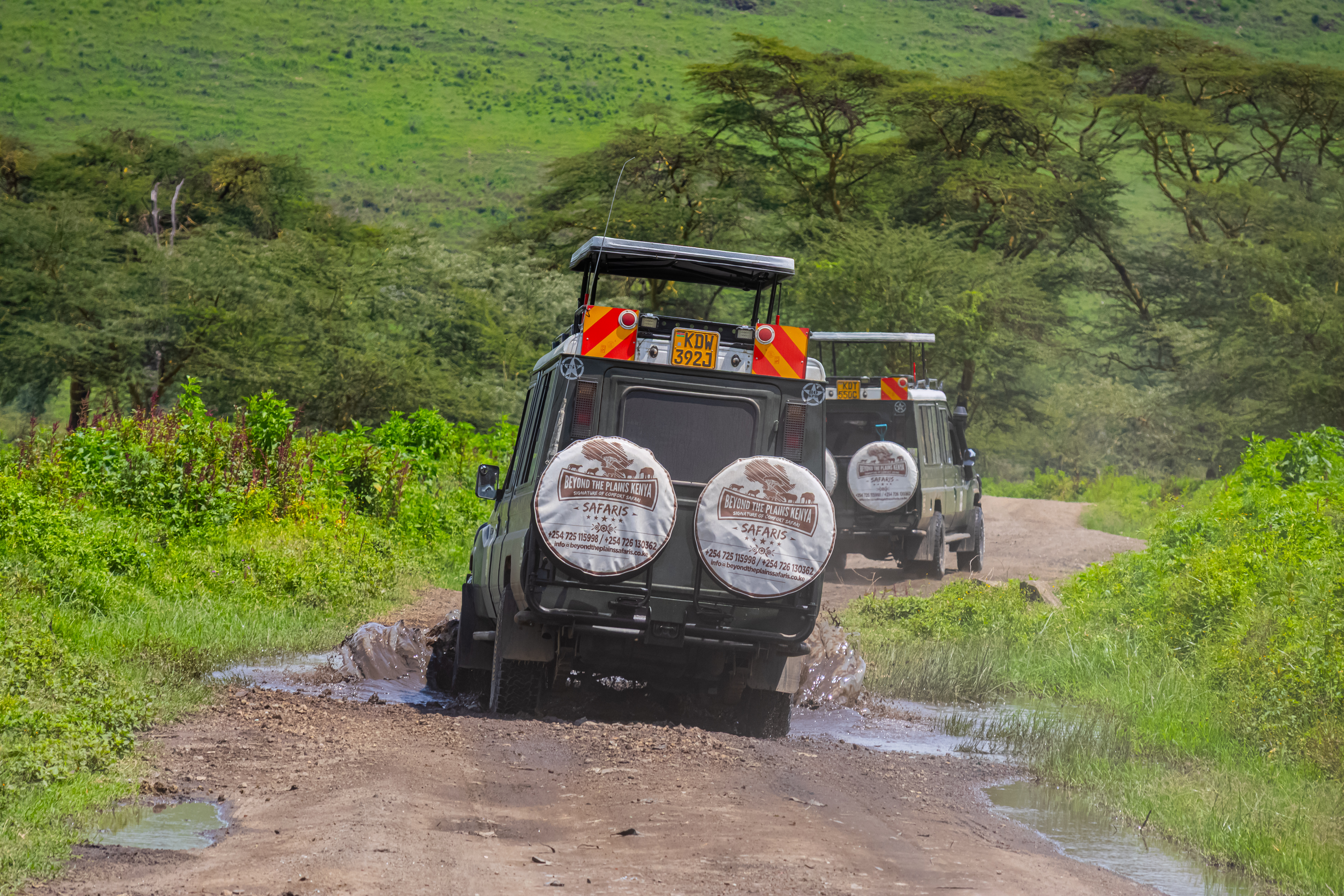
When comparing Kenya safari packages, most look identical on paper. You see a list of parks, a price, and a few photos of lions at sunset. Then you book, arrive in Nairobi, and discover the vehicle seats 12, the lodge was swapped without notice, and your guide follows the same road every morning regardless of where the wildlife actually is. Many travelers report exactly this gap between what a package promises and what it delivers, and that gap is the real story here.
This guide breaks down exactly what Kenya wildlife safaris include (and quietly leave out), walks through realistic itinerary structures from 7-day Maasai Mara trips to 14-day Kenya and Zanzibar combinations, gives you honest pricing benchmarks by tier, and explains the one structural question that shapes the entire experience: do you want a fixed group departure, or a package built around your specific goals and travel dates?
Beyond the Plains Safaris states that it builds every itinerary from scratch rather than slotting travelers into pre-scheduled group tours. Whether that approach is right for you depends on what you want from the trip. Read through the breakdown below and you will know exactly how to judge any quote you receive.
What Kenya safari packages actually include (and what they don't)
A standard Kenya tour package quote typically covers accommodation during the safari portion of your trip, full-board meals (breakfast, lunch, and dinner), park and conservancy entrance fees, daily game drives, a professional driver-guide, transport in a 4x4 safari vehicle, and airport transfers at the start and end. Some packages, particularly mid-range and luxury tiers, also fold in domestic flights between parks to save ground travel time.
What almost never appears in the quoted price: international flights, visa fees, travel insurance, gratuities for your guide and camp staff, alcoholic beverages, and optional add-ons like a hot-air balloon safari over the Mara or a Maasai cultural village visit. Single-room supplements are another common exclusion that surprises solo travelers. Comparing two quotes without checking these line items is one of the most expensive mistakes you can make during the planning phase. For a clear checklist of common inclusions and exclusions to watch for, consult our Kenya safari beginner's guide.
Before you sign off on any Kenya vacation package, confirm in writing that park fees are included (not just assumed), ask whether meals are provided on arrival and departure days, clarify which domestic flight segments are covered, and get clarity on the tipping structure. A legitimate operator answers all of these without hesitation. Vague or evasive responses at the inquiry stage are a reliable signal of what the experience will feel like on the ground.
Kenya safari itineraries by trip length: what each one actually covers
The 7-day Maasai Mara-focused safari
The most common first-timer structure starts with a Nairobi arrival, transfers directly to the Maasai Mara for 3 to 4 full game drive days, and returns via Lake Nakuru or Lake Naivasha before the departure flight. This length works well: you get solid big cat sightings, access to the Mara River crossing zones during peak migration season (July to October), and enough time in the reserve to feel the landscape without rushing. It is a focused, manageable introduction to Kenya without the fatigue of a longer circuit.
The 10-day classic Kenya circuit
Ten days gives you room to build a proper "best of Kenya" itinerary. The most popular combination runs through Amboseli for elephant herds and views of Kilimanjaro, Lake Nakuru for rhinos and flamingos, Lake Naivasha for a boat safari, and the Maasai Mara as the anchor. If you swap the Rift Valley lakes for Samburu National Reserve,
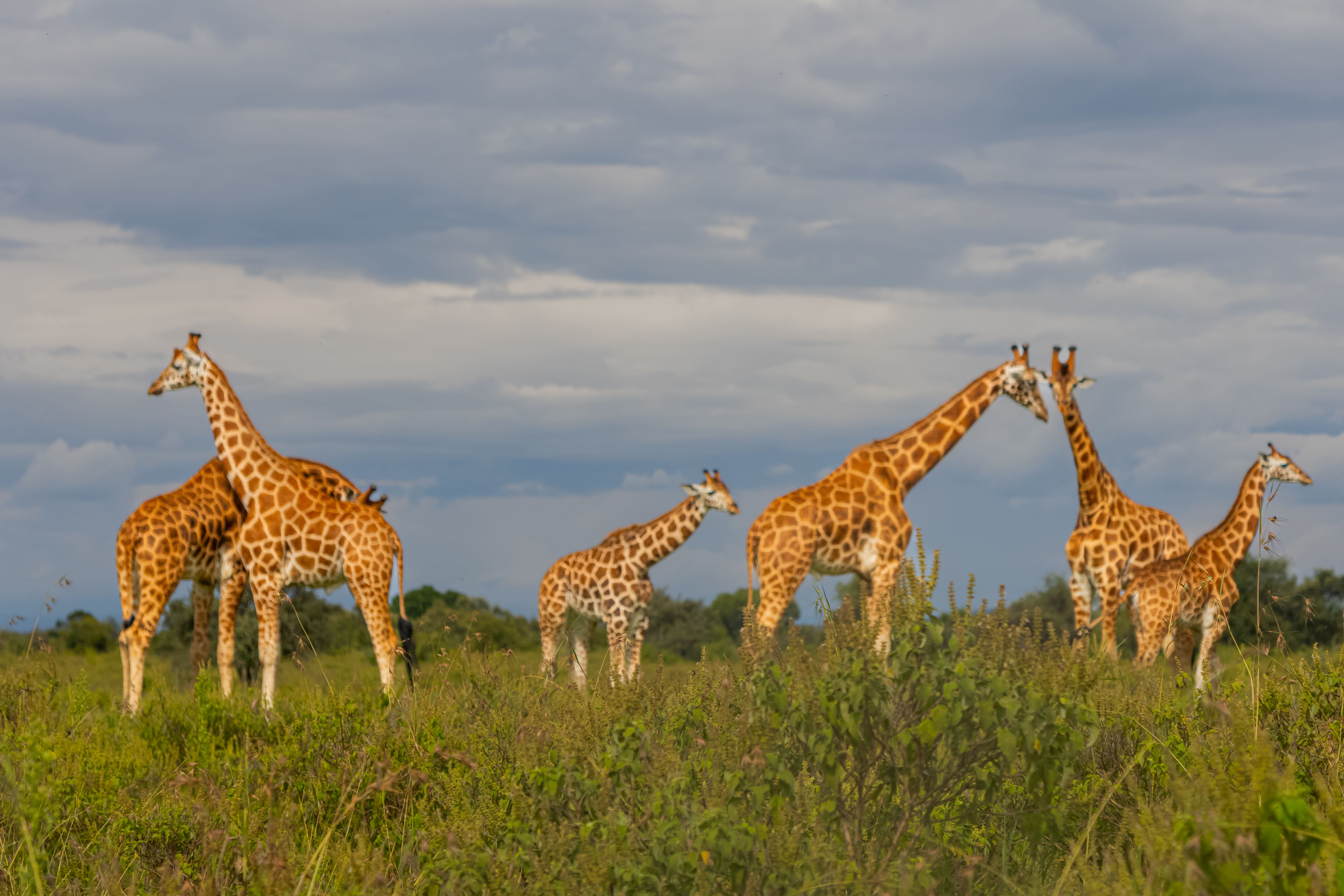
you get a completely different experience: northern Kenya's dry landscape, unique species like Grevy's zebra and reticulated giraffe, and far fewer tourists. Both routes work well at this length.
The 14-day Kenya and Zanzibar combination
Two weeks allows a full wildlife circuit combined with a 3 to 4 day Zanzibar beach extension. A typical structure covers the Maasai Mara, Amboseli, and a northern park like Samburu, then connects to Zanzibar via a short flight from Nairobi or Mombasa. This structure is particularly well-suited to couples and honeymooners: the safari section delivers the wildlife intensity, and the Zanzibar extension provides the decompression. The logistics are straightforward when your operator manages the inter-segment transfers.
Choosing Kenya safari packages by price tier: real 2026 benchmarks
The per-day framework is the most useful way to benchmark Kenya safari deals without being misled by total package figures that obscure what is actually included. Note that these ranges are market-rate estimates; exact costs vary based on specific parks, accommodation choices, group size, and which items — such as park fees, meals, and domestic flights — are bundled into your quote.
| Tier | Per day (per person) | 7 days | 10 days | 14 days |
|---|---|---|---|---|
| Budget | $200–$350 | $1,400–$2,450 | $2,000–$3,500 | $2,800–$4,900 |
| Mid-range | $350–$700 | $2,450–$4,900 | $3,500–$7,000 | $4,900–$9,800 |
| Luxury | $700–$1,500+ | $4,900–$10,500+ | $7,000–$15,000+ | $9,800–$21,000+ |
Budget Kenya all-inclusive safaris typically place you in shared vehicles with tented camps or basic lodges. The wildlife access is real, but the flexibility and comfort are limited. Mid-range is where most US travelers land on a first trip: established lodges or quality en-suite tented camps, often a private or semi-private vehicle, and a strong overall experience without the premium camp price tag. Luxury packages add private camps, butler service, fly-in itineraries between parks, and access to exclusive conservancy land where wildlife density is higher and visitor numbers are far lower.
For up-to-date market comparisons and 2026 cost breakdowns, see our guide to the cheapest time to book a Kenyan safari.
Why custom-built packages outperform cookie-cutter group tours
Fixed-departure group tours operate on a straightforward model: set dates, pre-booked lodges purchased in bulk, a fixed park rotation, and a guide who follows the same route every week regardless of current wildlife movement. That model suits budget-focused travelers who want a basic framework, not travelers whose primary goal is a Mara River crossing or who value time over price.
Beyond the Plains Safaris states that it builds every itinerary from the ground up, structured around the traveler's specific dates, budget, pace preference, and wildlife goals. If the Great Migration is running ahead of schedule, the guide adjusts. If a client wants an extra day in Amboseli and less transit time between parks, the itinerary shifts to reflect that. The operator's planning process moves through four stages — initial inquiry, itinerary build, refinement, and booking confirmation — so that every package reflects actual priorities rather than whatever lodge inventory happened to be available at a bulk rate.
The on-the-ground advantage matters most at the guide level. Beyond the Plains Safaris guides track real-time wildlife movement and adapt daily game drive routes based on live conditions, not a printed schedule. For a traveler investing $5,000 to $15,000 or more in a once-in-a-decade trip, that difference is not a luxury feature; it is the mechanism by which the trip actually delivers. The operator holds KATO registration and maintains a strong verified review record — confirm the latest ratings and any industry recognition directly on their profile before booking.
Timing your Kenya safari around wildlife and your goals
The Great Migration window: July to October
The Mara River crossings happen July through October, with August and September typically offering the most dramatic and concentrated action. This is peak season: packages cost more, the best riverfront camps book out 6 to 12 months in advance for US travelers, and the experience reflects the premium. If witnessing a crossing is your primary goal for 2026, this is the window to target and the time to start planning now. Our month-by-month Great Migration guide breaks down exactly when and where to position yourself for the best chance of a river crossing.
Shoulder season value: January, February, and June
January and February offer excellent wildlife viewing, strong visibility from thinner dry-season vegetation, and noticeably fewer crowds compared to peak migration months. Pricing sits at a moderate level, making these months genuinely good value for travelers who want quality conditions without the full peak-season premium.
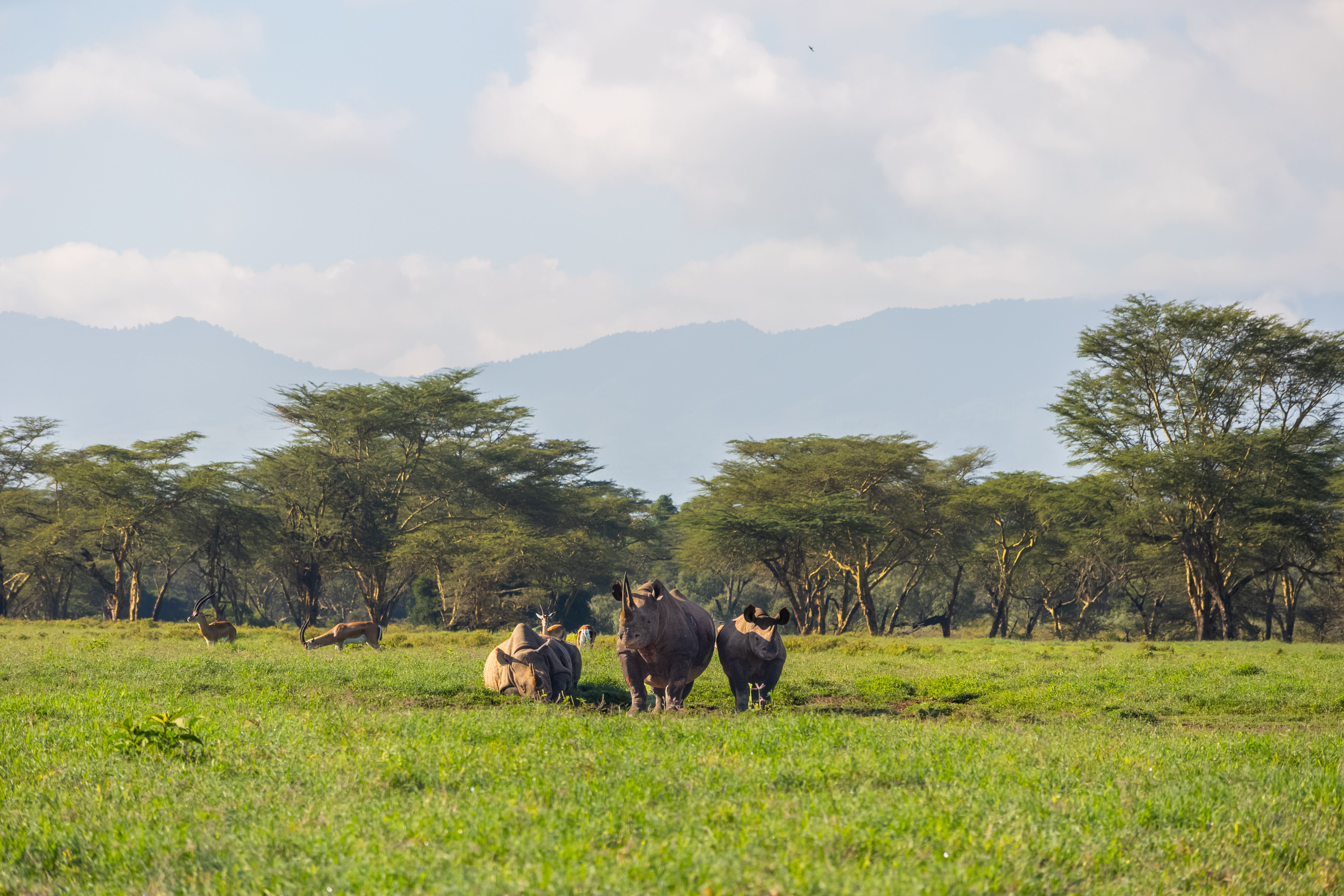
June marks the start of the dry season: game viewing is strong, conditions are favorable, and prices sit just below the July surge. Both windows are solid choices for first-time Kenya safari travelers who want a high-quality experience at a more accessible price point.
How off-season travel changes the equation
The long rains from March through May bring the lowest per-day rates across all tiers. What they also bring: muddy roads, thicker vegetation that makes game spotting harder, and reduced predictability on game drives. For most US travelers making their first or only Kenya safari trip, the cost savings of off-season travel rarely justify the trade-off in overall experience quality. Shoulder season or peak season packages deliver better value when the full cost of getting to East Africa is factored into the equation.
How to choose a Kenya safari operator you can actually trust
KATO registration is the starting point, not the finish line. Membership in the Kenya Association of Tour Operators confirms an operator is licensed, accountable within the local industry, and subject to professional standards. It is a necessary baseline, not a differentiator on its own. What distinguishes operators is the combination of review volume, review consistency, transparent pricing, and communication quality during the inquiry phase.
Watch for these red flags when comparing Kenya safari deals:
- Prices that seem unusually low without clearly itemizing park fees as included
- Itineraries that list destinations but not specific lodge or camp names
- No mention of guide qualifications or experience level
- Slow, vague, or evasive responses to straightforward follow-up questions
A legitimate operator names specific accommodation in every itinerary, answers follow-up questions directly and without sales pressure, and provides a clear breakdown of what is and is not included in the quoted price. If a quote arrives without lodge names or with a long list of asterisked exclusions, treat it as incomplete. For a deeper look at how to evaluate operators, see our guide to choosing the best DMC in Kenya.
For US travelers targeting the Great Migration window in July through October 2026, the planning window is right now. Premium Maasai Mara camps and private conservancy access fill early, and a properly built custom itinerary from Beyond the Plains Safaris requires lead time to get right. For shoulder season travel in January, February, or June, three to four months of advance planning is generally workable as a guideline, though booking earlier always expands your accommodation options, particularly for premium riverside and conservancy camps.
Making the most of your Kenya safari packages
Confirm exactly what is inside your quote before comparing prices. Match your itinerary length to your actual priorities — whether that is the Great Migration, elephants under Kilimanjaro at Amboseli, or northern Kenya's remote wildlife zones. Then choose the price tier that reflects what you genuinely want from the experience, not simply the lowest figure on the page.
For most US travelers investing seriously in East Africa, the custom-built route is the smarter call. Your itinerary moves with wildlife conditions. Your guide knows the specific landscape you are visiting. You are not sharing a vehicle with strangers on a fixed schedule designed around someone else's priorities.
Beyond the Plains Safaris builds Kenya safari packages from the ground up, structured around your dates, your budget, and the wildlife experiences that matter most to you. Reach out directly to start building your 2026 itinerary, or browse our African safari tours to get a solid baseline for your planning.










Comments (0)
Leave a Comment
No comments yet. Be the first to comment!