

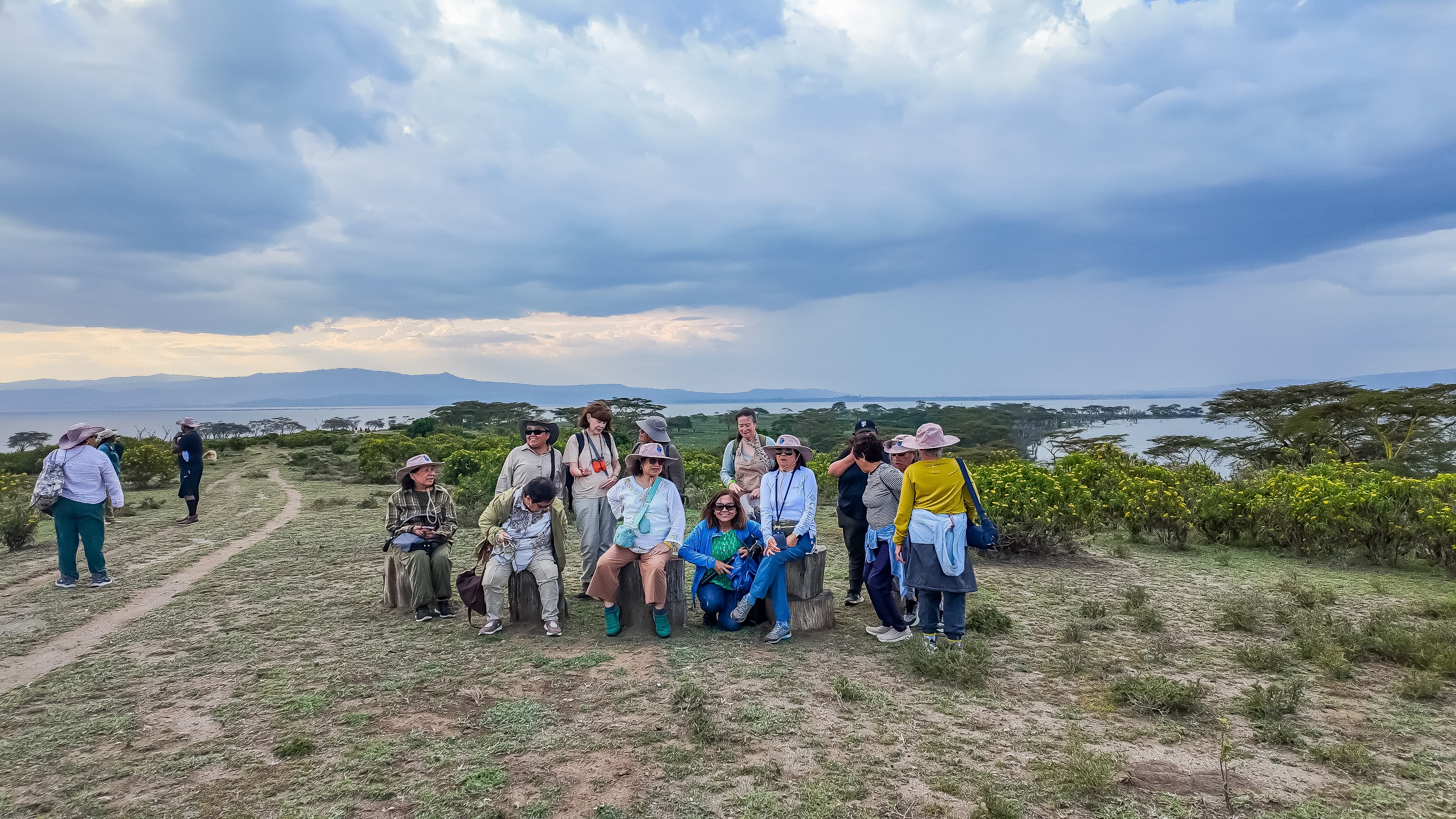
The Cheapest Time to Book a Kenyan Safari: The Complete Budget Guide
You've dreamed of watching lions at dawn across the Maasai Mara — but every quote you've seen has made a Kenyan safari feel like a luxury reserved for someone else's budget. What most travelers don't realize is that Kenya's safari pricing swings dramatically by season, and the difference between booking at the wrong time versus the right time can run into thousands of dollars. In this guide, the team at Beyond The Plains Safaris — a locally owned Kenya safari specialist with over 15 years of on-the-ground experience — shares exactly which months offer the lowest prices, how far in advance to book for the best deals, and how to experience one of the world's great wildlife destinations without overspending.
Key Takeaways
- The cheapest time to book a Kenyan safari is during the long rains season (April–May), when lodge prices drop by 30–50% compared to peak-season rates in July–October.
- Kenya has three pricing tiers — peak, shoulder, and low season — and understanding each one helps you find the best value without missing out on wildlife encounters.
- Booking 4–6 months in advance during shoulder season (November or January–March) often unlocks the best balance of price, weather, and wildlife activity.
- The Maasai Mara is Kenya's most expensive park. Budget travelers can find comparable wildlife in Amboseli, Tsavo East, or Lake Nakuru at significantly lower costs.
- Low season does not mean poor wildlife viewing. Kenya's resident animals — lions, elephants, leopards, and buffalo — are present year-round and do not leave the country's national parks.
- Using a Kenya-based local operator rather than an international booking platform can reduce safari costs by 15–25% for the exact same itinerary.
- Early-bird discounts of up to 20% are commonly offered by Kenyan lodges for bookings made 9–12 months in advance, particularly for peak-season travel.
What Is the "Cheapest Time" to Book a Kenyan Safari?
The cheapest time to book a Kenyan safari refers to the overlap of two distinct variables: when you travel (low-season months when demand is lowest) and when you book (far enough in advance to secure early-bird rates, or within a strategic window for your chosen season). Understanding this distinction is critical, because most travelers conflate the two and end up optimizing for only one — and leaving real money on the table.
For a fuller picture of what different safari packages actually cost across budget, mid-range, and luxury tiers, read our detailed guide on how much a Kenya safari costs per day — it maps out pricing across Kenya's major parks and accommodation types.
Travel timing refers to the calendar period you visit Kenya. Low-season months like April and May see dramatically reduced lodge rates because international tourist arrivals drop sharply during the rainy season. Booking timing refers to when you make your reservation relative to your departure date. Booking 9–12 months ahead during peak season often unlocks early-bird promotions; booking within the right advance window for shoulder season secures preferred availability before dates fill.
The smartest budget strategy combines both: traveling in shoulder or low season AND booking within the optimal advance window for that period. That combination — not one factor alone — is what produces the biggest savings on a Kenyan safari.
Why Does Safari Pricing in Kenya Fluctuate So Much?
Safari pricing in Kenya fluctuates because lodge revenue is directly tied to occupancy rates, which are driven by wildlife spectacle, rainfall patterns, and school holiday demand. When these factors align to attract the maximum number of international visitors, prices rise sharply. When demand falls, operators reduce rates to fill beds and sustain fixed operating costs.
Four primary forces drive Kenya's pricing cycles:
1. The Great Wildebeest Migration. Between July and October, over 1.5 million wildebeest cross from Tanzania's Serengeti into Kenya's Maasai Mara in one of the world's most extraordinary wildlife spectacles. This single event triggers the highest lodge prices of Kenya's entire safari calendar. Our month-by-month Great Migration guide shows you exactly when the river crossings peak, which weeks command premium prices, and how to position yourself for the best sightings.
2. Rainfall patterns. Kenya experiences two rainy seasons — the long rains (April–May) and the short rains (November). During these periods, visitor numbers decline and lodges respond with significant rate reductions to sustain occupancy. Some bush tracks flood; others remain perfectly navigable. The rain is the price of the discount.
3. School holiday demand spikes. European and North American school holidays in July–August and December–January drive a secondary surge in demand — particularly among families. Lodge rates during these windows often rival migration season prices even in parks outside the Maasai Mara.
4. Lodge occupancy economics. Most Kenyan safari camps operate at high fixed costs — staff wages, conservation fees, vehicle maintenance — regardless of how many guests are present. A camp at 30% capacity in April has strong financial incentive to discount aggressively. A camp at 95% capacity in August has no reason to negotiate.
Kenya's Safari Seasons Explained: A Month-by-Month Cost Breakdown
Kenya's safari pricing divides into three clear seasons — peak, shoulder, and low — each with distinct wildlife conditions, weather realities, and price implications. The table below gives you the full picture before we go deeper into each period.
| Month | Season | Relative Price | Wildlife Highlight | Weather |
|---|---|---|---|---|
| January | Shoulder | Moderate | Predator activity, dry savannah | Hot and dry |
| February | Shoulder | Moderate | Excellent big cat sightings | Hot and dry |
| March | Shoulder | Moderate–Low | Last dry weeks; good game drives | Warming, rain building |
| April | Low | Lowest | Resident wildlife, lush landscapes | Long rains begin |
| May | Low | Lowest | Quietest parks; intimate experience | Long rains continue |
| June | Transition | Low–Moderate | Migration building in north Mara | Cooling and drying |
| July | Peak | Highest | Wildebeest river crossings begin | Cool and dry |
| August | Peak | Highest | Peak migration crossings | Cool and dry |
| September | Peak | Highest | Migration continues; predators active | Warm and dry |
| October | Peak | High | Migration winding down | Warm, rain returning |
| November | Shoulder | Moderate | Short rains; lush green scenery | Short rains |
| December | Shoulder–Peak | Moderate–High | Holiday demand; dry in parts | Mixed |
Peak Season (July–October): The Migration Premium
Peak season in Kenya runs from July through October and commands the highest lodge rates of the year. A mid-range tented camp in the Maasai Mara during August can cost $400–$800 per person per night, while luxury lodges routinely exceed $1,500 per person per night — Source: Kenya Tourism Board, 2024.
The premium is justified. The river crossings of the Great Wildebeest Migration — hundreds of thousands of animals plunging into crocodile-filled waters — are genuinely bucket-list moments. If witnessing the migration is your non-negotiable priority, plan accordingly: book 9–12 months ahead, ask specifically about early-bird rates, and explore the 10 best luxury safari camps in Kenya to understand which properties offer the best value at different price points during peak season.
Shoulder Season (January–March and November): The Smart Traveler's Window
Shoulder season refers to the periods flanking the rainy seasons — typically January through March and the month of November. Prices during shoulder season average 20–35% lower than peak rates, and weather conditions are generally favorable — Source: Asilia Africa Lodge Pricing Report, 2024.
January through March offers dry conditions, excellent predator activity, and the calving season in the southern Mara ecosystem, which draws predators in high numbers. Our best time to visit Kenya for a safari guide covers each month's wildlife highlights in full detail — it's worth reading before you fix your travel dates. November brings the short rains — brief afternoon showers that refresh the landscape without significantly disrupting morning game drives.
Low Season (April–May): The Budget Traveler's Window
Low season in Kenya runs primarily from April through May, coinciding with the long rains. The cheapest time to book a Kenyan safari is during the long rains season from April to May, when lodge occupancy drops and operators offer discounts of 30–50% below peak-season rates. A camp charging $500 per person per night in August may list the same accommodation at $200–$280 in April.
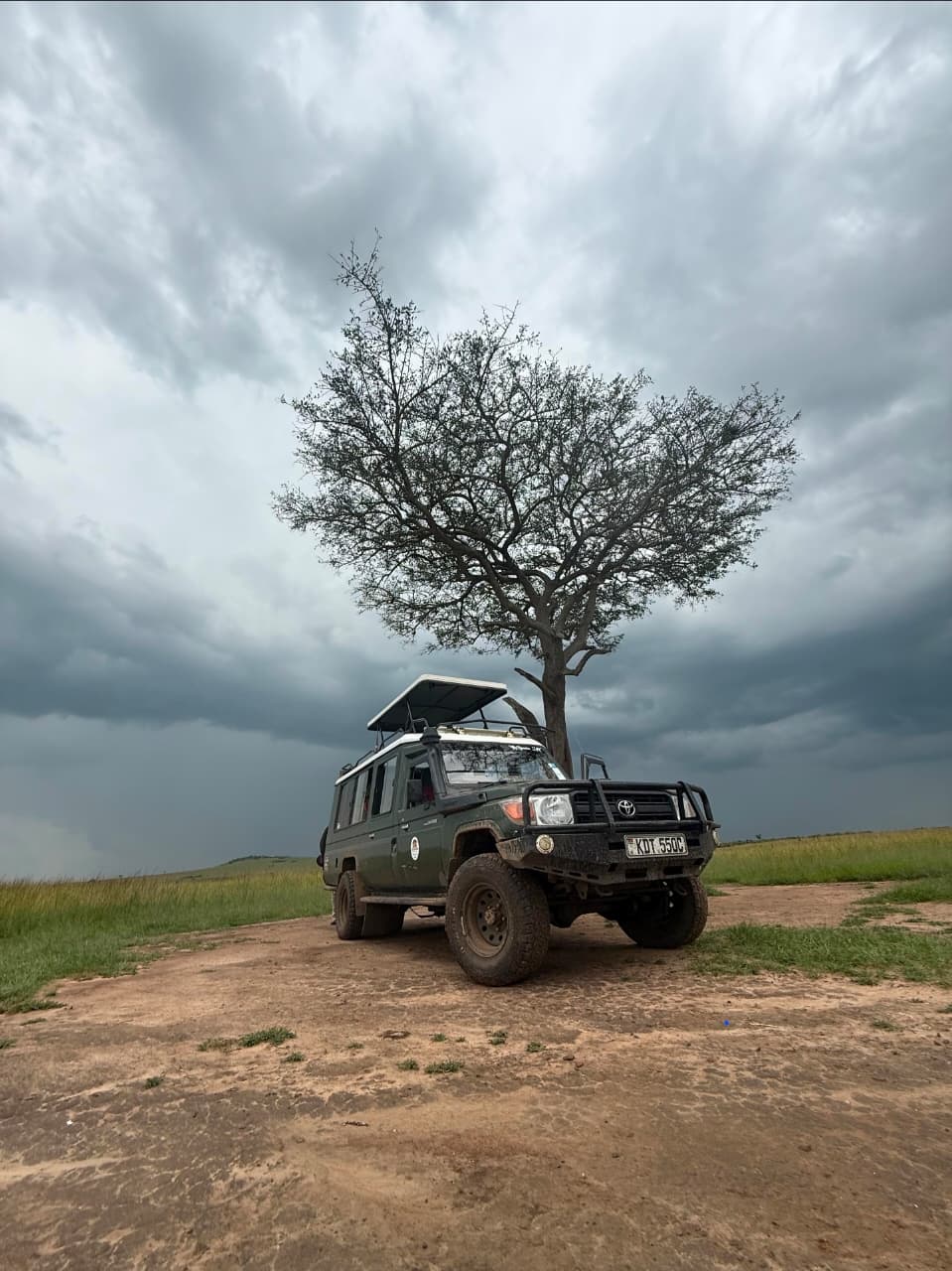
The trade-off is real but manageable. Some bush tracks in low-lying areas become waterlogged. Morning game drives typically proceed normally; afternoon drives may be redirected or shortened. That said, landscapes are strikingly lush, birdlife peaks, park crowds are minimal, and your guide's full attention is on your vehicle alone.
What Are the Cheapest Months to Visit Kenya on Safari?
April and May are the cheapest months to visit Kenya on safari, offering the lowest lodge rates of the entire year alongside resident wildlife, vibrant green scenery, and dramatically reduced crowds. November ranks as the next most affordable month, with moderate discounts and shorter, lighter rainfall than the long rains season.
Here is how the top budget months stack up:
April delivers the deepest discounts — often 40–50% below August rates at the same property. Kenya's signature species are resident and do not migrate out of the country. The Maasai Mara's lions, cheetahs, leopards, elephants, and buffalo are all present. Rain typically peaks mid-afternoon, leaving mornings ideal for game drives.
May continues the low-season pricing and sees even fewer visitors than April, making it Kenya's quietest safari month. Guides are unhurried, animals are undisturbed, and some operators include complimentary nights or activities in "green season" promotions.
November offers a middle path. The short rains arrive in brief bursts rather than sustained downpours, wildlife is active, the newly greened landscape makes for exceptional photography, and lodge prices sit 20–30% below peak rates. For travelers who want budget pricing without the heavier April–May rains, November is the sweet spot.
How Far in Advance Should You Book a Kenya Safari to Get the Best Price?
The optimal booking window for a Kenyan safari depends entirely on which season you are targeting. For peak season travel (July–October), booking 9–12 months in advance gives you access to early-bird discounts and the widest selection of camps before preferred dates sell out. For shoulder season, 4–6 months ahead is the most effective window for balancing availability with price.
Here is the full booking strategy broken down by scenario:
Early-bird bookings (9–12 months out): Many Kenyan lodges — particularly in the Maasai Mara — offer early-bird promotions of 10–20% for peak season reservations made a year in advance. This works best when you have fixed travel dates and a specific camp in mind. Before committing, read our guide on how to choose between Kenya and Tanzania for your safari — it helps you confirm Kenya is the right destination before you lock in dates.
Optimal advance window (4–6 months out): For shoulder season travel to parks like Amboseli or Tsavo East, booking four to six months ahead typically secures favorable rates while leaving you flexibility to adjust if plans shift.
Last-minute bookings (4–6 weeks out): Genuine last-minute deals do exist in low season at larger lodge properties with remaining inventory. However, this is a risky primary strategy — premium camps with limited capacity often allocate their low-season inventory to repeat guests and trade partners before availability goes public.
Booking 9–12 months in advance during peak season, or 4–6 months ahead for shoulder season travel, typically secures the most competitive rates and preferred camp availability. This rule holds across nearly all of Kenya's major safari parks.
Which Kenyan Safari Parks Are Most Affordable for Budget Travelers?
Budget travelers can significantly reduce safari costs by choosing parks such as Amboseli, Tsavo East, or Lake Nakuru instead of the Maasai Mara, which commands the highest lodge prices in Kenya. The Maasai Mara levies a $200 per day non-resident park fee (as of 2024), while most other Kenyan national parks charge $60–$80 per adult per day — Source: Kenya Wildlife Service, 2024.
Amboseli National Park
Amboseli National Park delivers one of Africa's most iconic safari compositions — large elephant herds moving beneath the snow-capped silhouette of Mount Kilimanjaro. Felix Obari, Beyond The Plains Safaris' Senior Safari Specialist and one of Kenya's foremost Amboseli experts, describes it this way: "Watching elephant herds move against the backdrop of Kilimanjaro with the light at golden hour — there is nothing else like it in East Africa." Lodge prices here run 30–50% lower than comparable Maasai Mara properties, and the wildlife density is exceptional year-round.
Tsavo East and Tsavo West
Together, Tsavo East and Tsavo West comprise Kenya's largest protected area — over 20,000 square kilometres of wilderness. Accommodation options range from budget-friendly tented camps to mid-range lodges, with nightly rates starting as low as $80–$120 per person in low season. Fridah Kimathi, Senior Safari Specialist at Beyond The Plains Safaris, names Tsavo as her most beloved destination: "The moment wild Africa reveals itself completely — red elephants drifting through ancient baobab groves — that is what I love most about this work." Tsavo East is famous for its large lion prides and massive elephant herds; Tsavo West offers dramatic volcanic landscapes and the remarkable Mzima Springs.
Lake Nakuru National Park
Lake Nakuru National Park sits within a comfortable drive of Nairobi and is one of Kenya's most cost-effective parks for a short safari. The park is renowned for its rhino sanctuary — both black and white rhinos are resident — alongside significant flamingo populations and prolific birdlife. Julius Kariuki, Senior Safari Specialist, describes Lake Nakuru's Rift Valley setting as "a geology lecture delivered by the earth itself." Several well-reviewed camps operate in the $100–$200 per person per night range, and park fees are significantly lower than the Mara.
Samburu Game Reserve
Samburu Game Reserve in Kenya's remote north is one of the country's most underrated budget alternatives. Linet Wanjiru, Senior Safari Specialist at Beyond The Plains Safaris, specializes in Samburu and its rare northern specials — Grevy's zebra, reticulated giraffe, Beisa oryx, and gerenuk — wildlife found nowhere else on the continent. Accommodation prices here are considerably lower than the Mara, and the dramatic Ewaso Ng'iro riverine landscapes provide a completely different visual vocabulary to the open plains.
Nairobi as a Strategic Budget Base
Nairobi itself can serve as a cost-effective starting point. Nairobi National Park — the world's only national park within a capital city, where lions are photographed against a backdrop of skyscrapers — offers a genuine wildlife experience at a fraction of the cost of fly-in bush camps. For first-time visitors, our complete beginner's guide to Kenya safari is essential reading before you choose your parks.
Practical Tips to Reduce Your Kenya Safari Costs
Reducing the total cost of a Kenyan safari involves decisions across accommodation type, transport, group size, operator choice, and logistics. Each choice compounds — getting all of them right can bring a safari that felt out of reach into genuine budget territory.
1. Use a Kenya-based local operator. Using a Kenya-based operator rather than an international booking platform can reduce safari costs by 15–25% for the same itinerary. Local operators pay wholesale rates directly to camps and don't carry the commission markup of large overseas travel agencies. Beyond The Plains Safaris is a fully licensed Kenya Destination Management Company — KATO-bonded, TRA-certified, and recognized as 1st Runners-Up for Best Tour Operator in Kenya at the Tourism Excellence Awards.
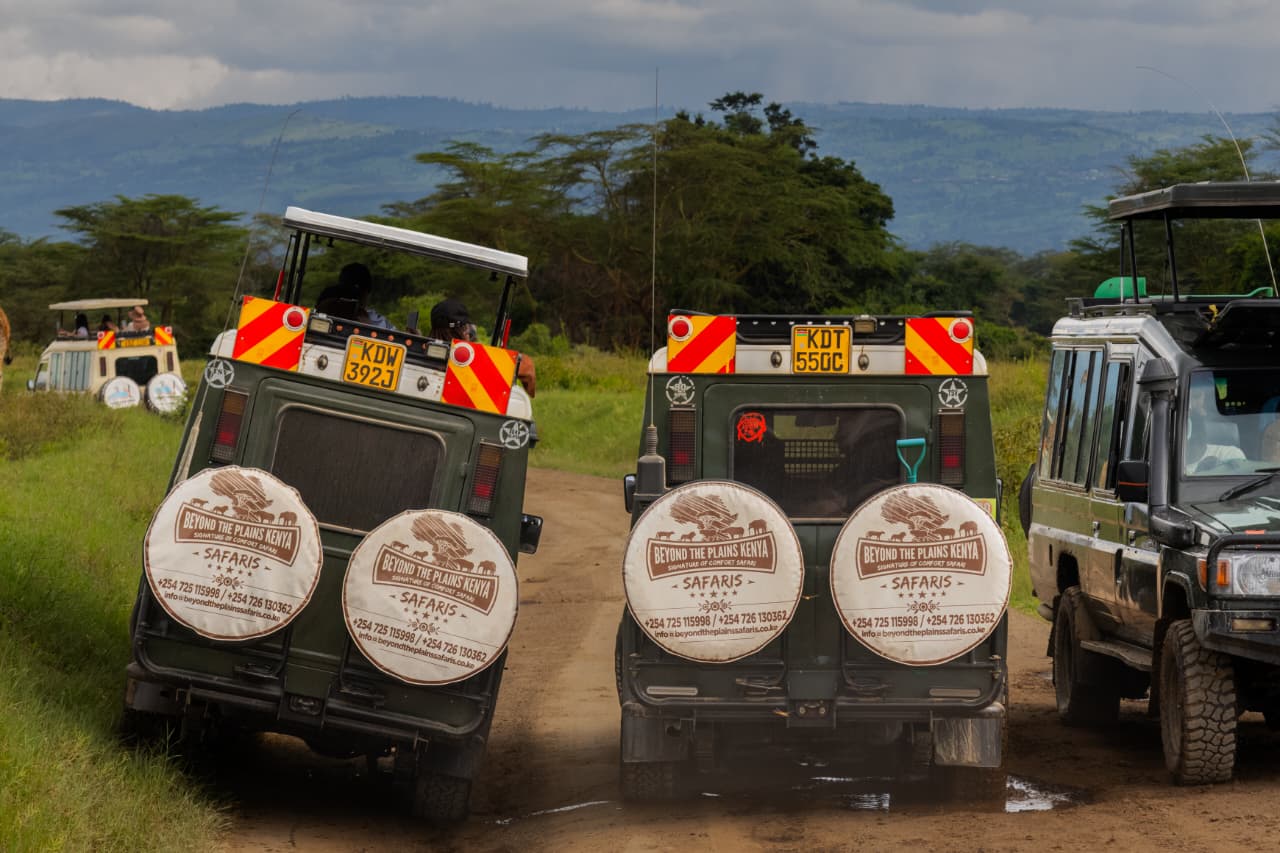
2. Travel as a group. Most safari vehicles seat 6–7 passengers. When you fill a vehicle through a shared group departure, the per-person cost of the game drive vehicle, guide, and park fees drops substantially. Solo travelers and couples often pay a single supplement; groups of four or more consistently secure the most competitive per-head pricing.
3. Drive rather than fly between parks. Domestic flights between Nairobi and the Maasai Mara cost $150–$250 per person each way. Road transfers take 4–5 hours but cost a fraction of that. Our guide to the Nairobi to Maasai Mara road vs. fly-in decision breaks down exactly when flying is worth it and when driving makes the better financial and experiential case.
4. Combine parks into one itinerary. A single-park itinerary concentrated entirely in the Maasai Mara is the most expensive format. A multi-park itinerary — two nights at Lake Nakuru plus three nights in Amboseli, for example — spreads your budget across lower-cost parks while maximizing wildlife variety. Our 7-day Kenya and Tanzania safari itinerary guide shows you exactly how to structure and cost a multi-destination safari.
5. Consider private conservancies strategically. Private conservancies adjacent to the Maasai Mara offer night game drives and off-road driving — experiences unavailable inside the national reserve — sometimes at comparable or lower total cost once park fees are factored in. Our guide to Kenya's best private conservancies covers ten options with full pricing context.
6. Book your Big Five wishlist around the right parks. Not every park delivers every member of the Big Five equally well. Planning your itinerary around where each animal is most reliably seen — rather than defaulting to the Maasai Mara for everything — keeps park fees lower and sightings more certain. The Big Five safari Kenya guide covers exactly this.
Is It Worth Going on Safari in Kenya During the Rainy Season?
Going on safari in Kenya during the rainy season is absolutely worth it for budget-conscious travelers willing to accept some weather uncertainty in exchange for dramatically lower prices and a more intimate bush experience. The widespread assumption that rainy season means empty parks and missed sightings is a myth — Kenya's resident species remain in their habitats year-round.
Here is what to realistically expect:
Wildlife remains excellent. Low season safaris in Kenya still offer outstanding wildlife viewing because Kenya's iconic species — including lions, elephants, leopards, and buffalo — are resident year-round and do not migrate out of the country's national parks. You will not arrive to an empty savannah. What changes is the landscape: lush, green, and more photogenic than the dust-hazed scenery of peak dry season.
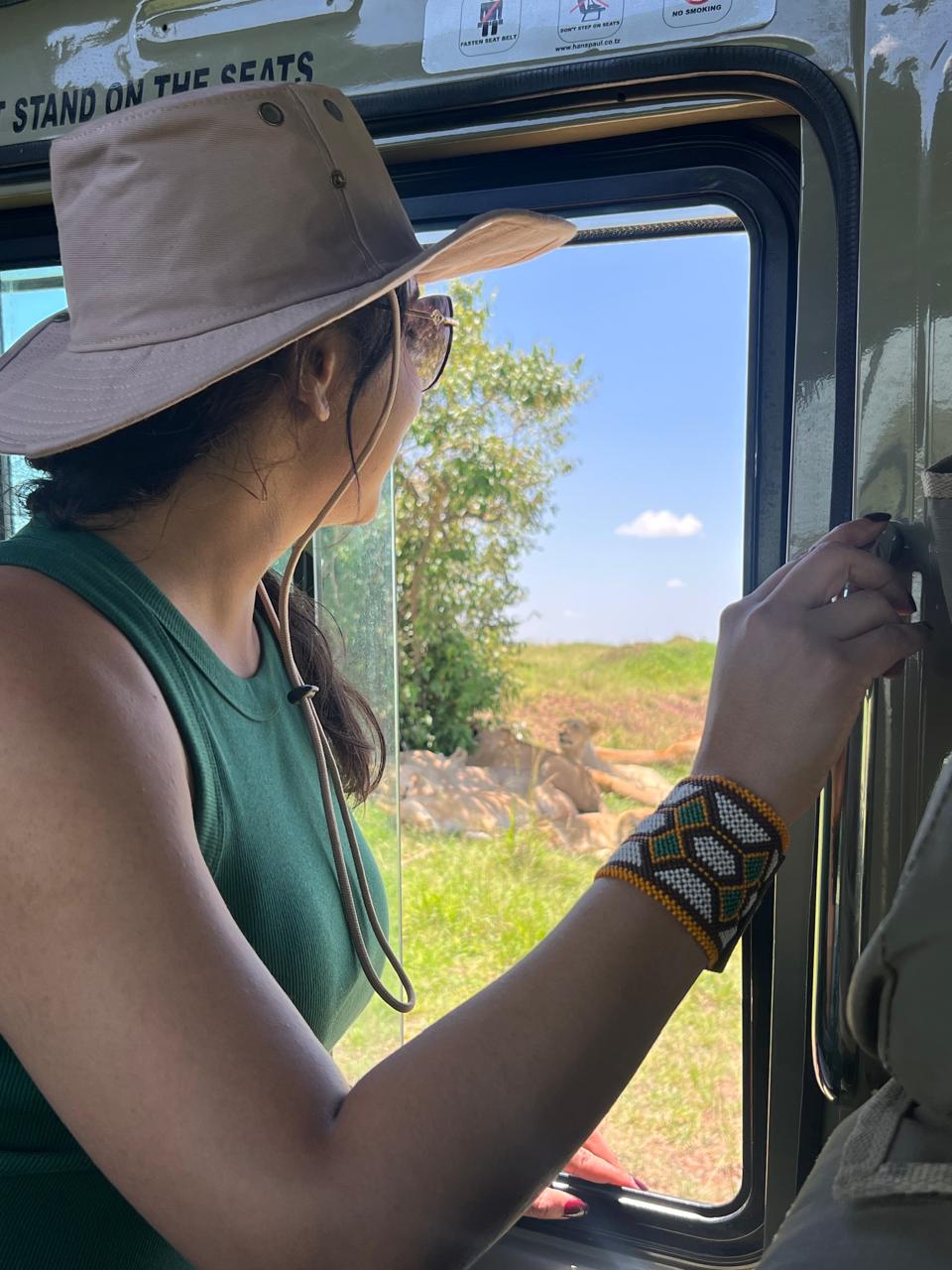
Rain patterns are manageable. In April and May, rain typically falls in concentrated afternoon bursts rather than all-day drizzle. Morning game drives — the most productive wildlife-viewing hours in any season — are usually unaffected. Afternoon drives may be shortened or rerouted to avoid flooded tracks; your guide will read the terrain in real time.
Crowds drop dramatically. Some popular Maasai Mara camps run at 20–30% capacity in April. Your guide's attention is fully on your vehicle. Predator sightings are not announced over a crowded radio network shared between dozens of vehicles. The experience is quieter, more personal, and — for many repeat safari travelers — more memorable than the height of peak season.
Photography improves. The soft diffused light, dramatic storm clouds, and deep green grasslands of low season produce images that look nothing like the dust-hazed, overexposed peak-season aesthetic. If photography is a priority, April or November can deliver your best safari frames.
What to expect month by month. For the full seasonal breakdown — including precise weather windows and wildlife behavior patterns — our best time to visit Kenya for a safari guide gives you everything you need to make an informed decision.
Next Steps: How to Start Planning Your Budget Kenyan Safari Today
Planning a budget Kenyan safari is straightforward once you know the right sequence. Follow this checklist to move from inspiration to confirmed booking efficiently.
Step 1: Set a realistic total budget. Include park fees, accommodation, international flights to Nairobi, ground transfers, tips, travel insurance, and your Kenya entry visa ($32.50 as of 2024). Review the Kenya visa requirements page on the Beyond The Plains Safaris website to ensure you haven't missed any mandatory entry costs that first-timers commonly overlook.
Step 2: Choose your travel window. Based on this guide, decide whether you are targeting low season (April–May), shoulder season (November or January–March), or peak season (July–October) with early-bird pricing. Each season requires a different booking lead time and a different mindset about what the experience will look like.
Step 3: Select your parks. If budget is the primary driver, start with Amboseli, Tsavo East, Lake Nakuru, or Samburu. If the Maasai Mara is non-negotiable, target November or January to access lower rates without the full low-season weather risk.
Step 4: Request quotes from a Kenya-based operator. The Beyond The Plains Safaris team — including specialists like Fridah Kimathi for budget and mid-range itineraries, Maurine Nyabuto for honeymoon and couples safaris, and Lilian Wairimu for families — will build you a custom itinerary matched to your exact budget and travel dates. Get a free quote here or schedule a free 30-minute consultation to talk through your options before committing to anything.
Step 5: Ask specifically about low-season rates and early-bird discounts. When requesting quotes, ask: "What low-season rates apply to my travel dates, and do any early-bird promotions apply?" A transparent operator will answer both questions directly.
Step 6: Read cancellation and flexibility policies carefully. Low-season bookings often come with more flexible terms — take advantage of this. Understand what happens to your deposit if travel plans change before you pay anything.
Step 7: Consider a 7-day framework. Seven days is widely regarded as the minimum for a satisfying multi-park Kenyan safari. Our 7-day Kenya and Tanzania safari itinerary with real costs gives you a realistic, fully costed blueprint you can adapt to your budget.
Conclusion
A world-class Kenyan safari is within reach. April and May offer the deepest discounts — up to 50% below peak rates — without sacrificing the resident wildlife that makes Kenya one of Africa's most rewarding destinations. Shoulder season months like November and January through March deliver the best balance of price, weather, and wildlife activity for travelers who want meaningful savings without the full low-season weather trade-off.
Beyond timing, the choices you make about which parks to visit, which operator to use, and how far ahead you book all shape your final cost significantly. Budget travelers who combine low-season or shoulder-season timing with a local Kenya-based operator, a multi-park itinerary, and a road transfer instead of a domestic flight can experience extraordinary African wildlife without the premium that peak-season migration crowds command.
The team at Beyond The Plains Safaris has been helping travelers find exactly this balance for over 15 years. They live here. They know when the rains shift the tracks, which guides have the instinct for spotting a leopard at rest in the branches, and which parks deliver the most wildlife per dollar at any given time of year. That local knowledge is your greatest advantage — and it costs nothing to access it.
Start planning today. Get your free safari quote, browse Kenya safari packages, or schedule a free consultation with the Beyond The Plains team. Your Maasai Mara sunrise — or your Amboseli elephant herd beneath Kilimanjaro — is more affordable than you think.
Written by Biron Ogola — Senior SEO Specialist & Safari Content Writer at Beyond The Plains Safaris. Biron sits at the intersection of storytelling and strategy, crafting safari narratives that inform, inspire, and connect travelers with Kenya's wild places. He designs itineraries with the same precision he applies to content: every detail deliberate, every sequence purposeful.
Reviewed by John Daudi — Director & Founder, Beyond The Plains Safaris. With over 15 years orchestrating unforgettable safaris across Kenya and Tanzania, John leads a KATO-bonded, TRA-certified team recognized as 1st Runners-Up for Best Tour Operator in Kenya at the Tourism Excellence Awards. A 4.9-rated operator on TripAdvisor with 107+ verified reviews.
Disclaimer: This article was initially drafted using AI assistance. However, the content has undergone thorough revisions, editing, and fact-checking by human editors and subject matter experts at Beyond The Plains Safaris to ensure accuracy.










Comments (0)
Leave a Comment
No comments yet. Be the first to comment!