

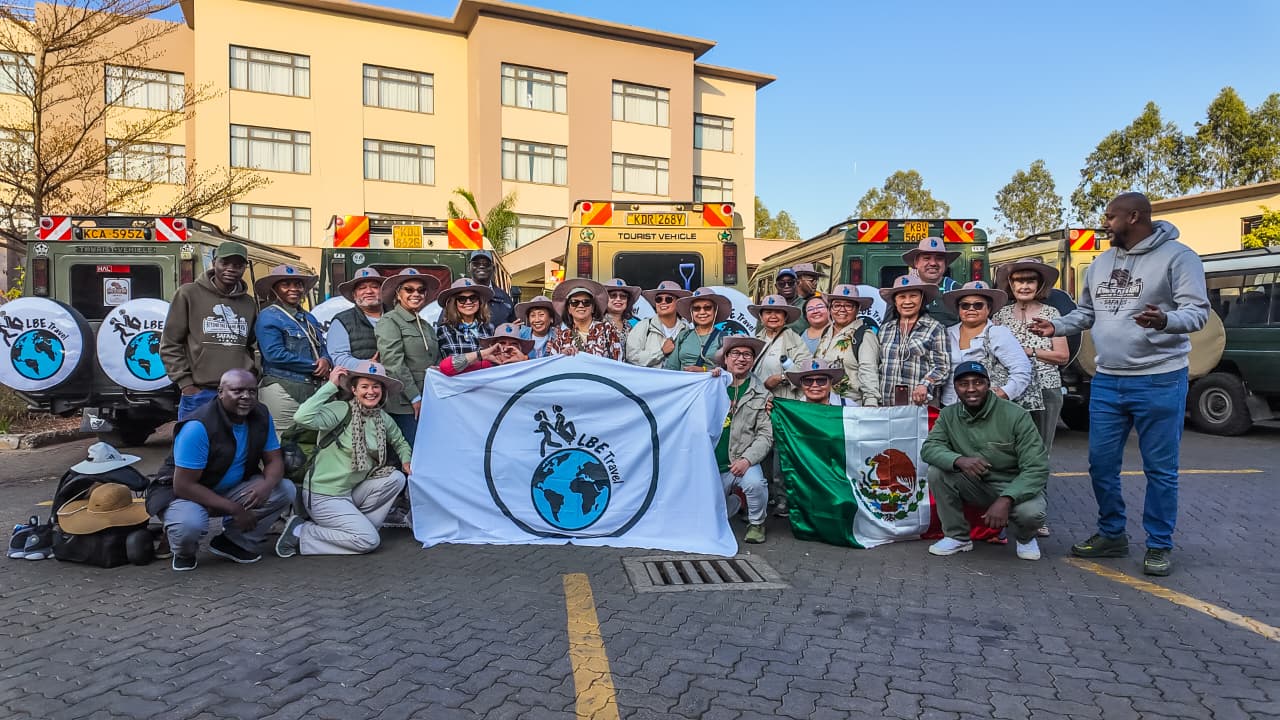
Boutique DMC vs. Large International Safari Operator: The Definitive Guide to Choosing How You Book Your Safari
You've narrowed your safari search down to a few companies, and you've probably noticed some are small, locally based outfits while others are recognizable global travel brands. What most travelers don't realize is that this single choice — boutique DMC or large international operator — affects everything from your final price to who answers the phone if your flight gets cancelled mid-trip. This guide breaks down exactly how the two models differ, so you can choose the one that fits how you actually want to travel.
Key Takeaways
- A boutique DMC (destination management company) is a locally based company that designs and operates safaris directly in the destination country, often with in-house guides and direct lodge relationships.
- A large international safari operator is typically headquartered outside Africa and sells pre-packaged or semi-customized itineraries through a broader sales and marketing organization.
- Boutique DMCs generally offer greater itinerary customization and more direct access to on-the-ground decision-makers, since fewer intermediaries sit between the traveler and trip execution.
- Large international operators often provide broader brand recognition, established customer service infrastructure, and standardized service levels across multiple destinations.
- Cost structures differ because boutique DMCs typically remove one or more markup layers that exist when a large operator resells local services through subcontracted ground partners.
- Local expertise tends to run deeper with boutique DMCs, since their teams live in-region and maintain direct, long-term relationships with specific guides, lodges, and conservancies.
- The right choice depends on traveler priorities — deep personalization and direct local access point toward a boutique DMC, while brand familiarity and multi-destination packaging point toward a large operator.
What Is a Boutique DMC in the Safari Industry?
A boutique DMC (destination management company) is a locally based travel company that designs, books, and operates safaris directly within the destination country, typically using in-house guides and direct relationships with lodges and conservancies. Unlike a travel agency that resells someone else's itinerary, a DMC is the ground operator — the people planning your route are the same people who know which conservancy just had a lion pride move through camp last week.
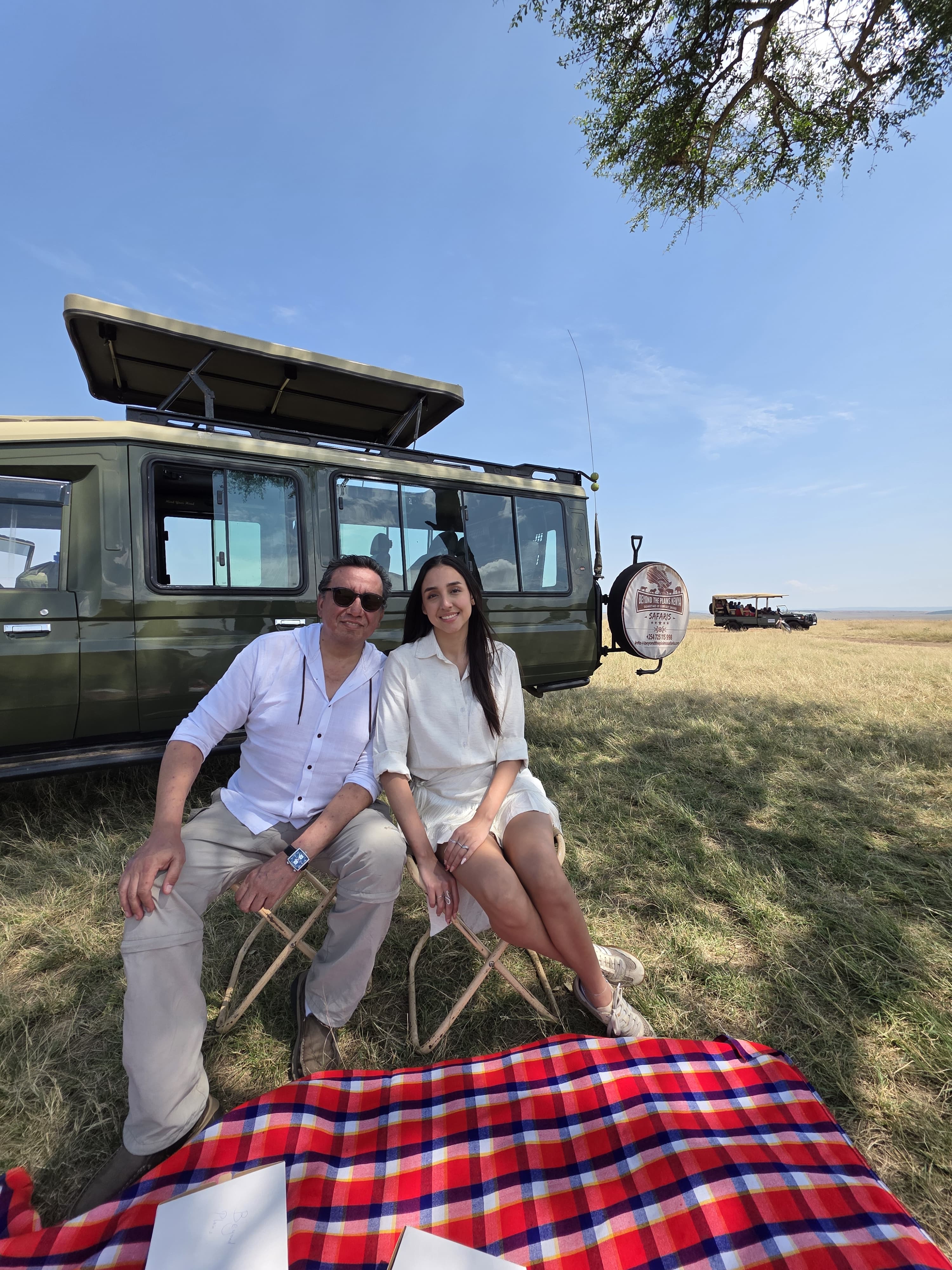
Companies like Beyond the Plains Safaris operate this way. First, a DMC's planning team sits in the country you're visiting, not in an office overseas. Second, that team typically owns or directly manages its vehicle fleet, employs its own guides, and negotiates lodge rates without a middleman — and it's worth knowing the difference between a safari guide and a driver-guide, since that distinction directly affects the quality of wildlife interpretation you get in the vehicle. For example, when a Beyond the Plains traveler wants to add an extra night in the Mara during calving season, the operations team can call the camp manager directly and confirm within hours — because that relationship already exists.
Boutique DMCs tend to specialize in one region or country rather than the entire continent. This narrower focus lets them go deep instead of wide. As such, a boutique DMC's guides often have decades of experience in the same ecosystem, tracking specific animal families and understanding micro-seasonal patterns that a generalist operator simply can't match — the difference is especially clear when you compare a conservancy vs. national park safari experience side by side.
Why the Booking Channel You Choose Matters for a Safari
The booking channel you choose matters because it determines who actually controls your itinerary once money changes hands. Getting this decision wrong doesn't just mean a slightly worse trip — it can mean cookie-cutter itineraries, inflexible travel dates, and generic lodge assignments that don't match what you were shown in the sales brochure.
At the same time, many travelers assume "big brand" automatically means "better organized." That's not always true. Large operators sell a huge volume of trips across dozens of countries, which means your specific safari is often one of hundreds being coordinated that week by a call center rather than a dedicated local team. Moreover, if your itinerary needs to change once you've landed — a closed airstrip, a cancelled connecting flight, a sudden gap in migration timing — the speed of that fix depends entirely on how many layers of communication stand between you and the person who can actually make a decision.
Plus, the stakes are higher on a safari than on a typical vacation. A safari is not the kind of trip you can easily improvise on the ground. Camps have limited beds, parks have strict vehicle quotas, and peak-season inventory disappears months in advance. For example, a traveler who books a rigid, pre-set itinerary through the wrong channel may find there's simply no room to shift a game drive by a day, even when wildlife activity clearly favors it.
How Does a Large International Safari Operator Work?
A large international safari operator is a company headquartered outside the destination country that sells safari packages through its own sales network, often subcontracting ground logistics to local partners. These companies typically operate across multiple African countries — and sometimes multiple continents — under one recognizable brand name.
First, large operators build their business around scale. They negotiate volume rates with a rotating set of ground partners and lodges, then package those services into fixed or semi-customized itineraries that a broad sales team can sell efficiently. Second, most of their customer-facing staff — the person who first quotes your trip — is not the same person coordinating your vehicles and guides in the field. For example, you might book with a US-based agent, only to discover the actual safari is run day-to-day by a subcontracted DMC the agent has never personally visited.
This structure has real advantages. Large operators typically carry established financial backing, standardized safety protocols, and 24/7 global support desks, which can matter for first-time international travelers who want a single, familiar point of contact before departure — though it's worth understanding how ground operators and travel agents work together before assuming that contact is running your trip day-to-day.
Is It Cheaper to Book Through a Boutique DMC or a Large Operator?
Booking through a boutique DMC generally removes at least one intermediary markup layer compared to booking through a large international operator that resells local ground services. In practice, that means more of your trip budget goes toward the actual experience — lodges, guides, vehicles, park fees — rather than sales overhead.
| Cost Factor | Boutique DMC | Large International Operator |
|---|---|---|
| Markup layers | Usually 1 layer (DMC's own margin) | Often 2+ layers (operator markup + subcontracted DMC's markup) |
| Pricing transparency | Itemized quotes tied directly to services booked | Often bundled into a single package price |
| Negotiating power on lodge rates | Direct, long-standing relationships | Volume-based but filtered through a third party |
| Where your money goes | Primarily to local guides, lodges, conservancies | Split between local operations and international sales/marketing |
| Price flexibility for custom requests | Higher — costs quoted per change | Lower — changes often break the fixed package rate |
That said, "cheaper" isn't automatic. A boutique DMC operating in a high-demand conservancy with premium camps can still cost more than a large operator's entry-level, high-volume package — the comparison is about transparency and where the money goes, not a guaranteed discount. For a fuller breakdown of what drives pricing, see our guide to the average cost of an African safari.
The safari tourism sector as a whole reflects this premiumization trend. Global safari tourism was valued at roughly USD 35.5 billion in 2024 and is projected to keep growing at a mid-single-digit compound annual rate through the early 2030s — Source: IMARC Group, 2025. That growth has been accompanied by rising average trip budgets, as travelers increasingly favor longer itineraries and premium accommodation over shorter, lower-cost packages — Source: Mordor Intelligence, 2025.
Which Option Offers More Itinerary Customization?
Itinerary customization tends to be more flexible with boutique DMCs because decisions can be made directly by the team executing the trip, without routing through multiple organizational layers. If you want to swap a lodge, extend a stay, or add a private guide for one day, the person you're emailing is often the same person who can approve and execute that change immediately.
Large operators can still customize trips — many now market "tailor-made" itineraries — but changes typically require checking availability with a subcontracted ground partner first. First, that adds a communication step. Second, it adds time, which matters when you're trying to lock in limited camp inventory during peak season.
For example, a family wanting a multi-generational trip with a private vehicle, kid-friendly activity blocks, and a mid-trip stop at a rhino conservancy will usually find a boutique DMC can assemble that itinerary from scratch. A large operator, by contrast, may need to fit that request into an existing template with limited room to deviate — see our breakdown of the custom safari itinerary planning process for what that looks like in practice.
Who Do You Contact If Something Goes Wrong on a Boutique DMC Trip vs. a Large Operator Trip?
Who you contact when something goes wrong depends entirely on how close the booking channel sits to the ground operations team. With a boutique DMC, you typically have a direct line — a phone number or WhatsApp contact for the actual operations manager coordinating your trip in-country.
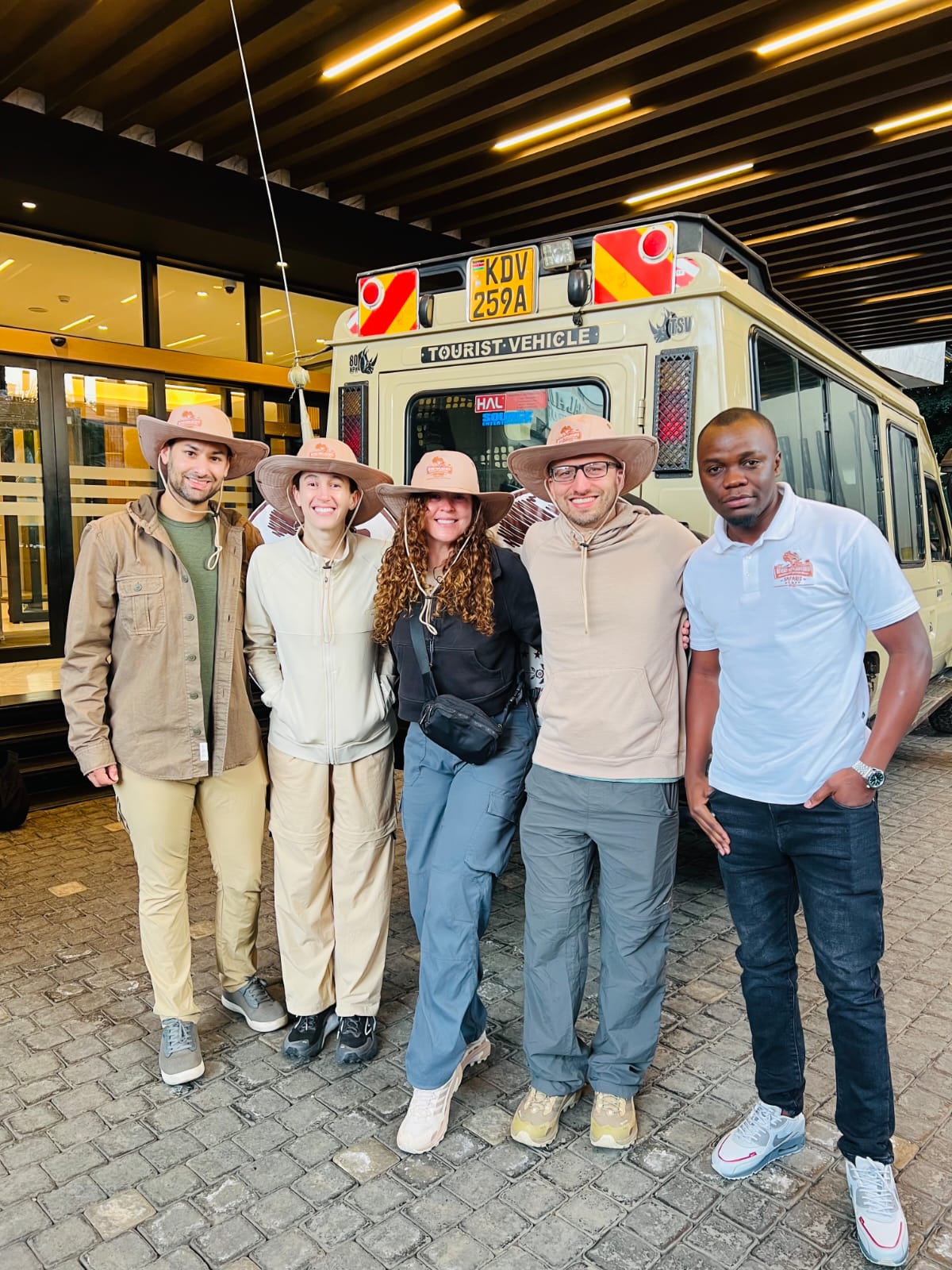
With a large international operator, the first call usually goes to a global support line or your original booking agent, who then has to relay the issue to the local ground partner. That being said, established large operators do maintain 24/7 emergency lines and have handled crisis situations — including medical evacuations and weather disruptions — at scale, which is a genuine strength of their standardized infrastructure.
The practical difference shows up in response time and decision-making authority. A boutique DMC's on-the-ground team can often re-route a vehicle or rebook a flight within the hour because they control those relationships directly. A large operator's local partner may need sign-off from the booking entity before authorizing an unplanned expense, even a small one.
Do Large Safari Operators Subcontract to Local DMCs Anyway?
Yes — most large international safari operators subcontract at least part of their ground logistics to local DMCs rather than running every operation themselves. This is standard industry structure, not a red flag on its own; very few companies own vehicles, staff, and permits in every country they sell trips to.
What this means practically is that a traveler booking with a large brand may still end up on the ground with a boutique-style local team — they just never interact with that team directly during the sales process. As such, some savvy travelers deliberately research which DMC a large operator uses in a given country before booking, then consider booking that DMC directly to remove the markup layer. The market itself reflects this fragmented structure: Africa's safari industry remains described by analysts as "moderately concentrated," with a mix of large international operators and regionally specialized companies competing across the same key destinations — Source: Credence Research, 2025.
How Do You Vet a Boutique DMC's Credibility and Safety Record?
Vetting a boutique DMC's credibility starts with checking for local licensing, tourism board registration, and membership in recognized industry associations specific to the country you're visiting. A legitimate DMC should be able to produce these credentials without hesitation.
First, ask directly how long the company has operated in-country and whether guides are directly employed or subcontracted per trip. Second, request references from recent travelers with a similar itinerary to yours — not just polished testimonials from the website. For example, a reputable DMC will typically connect you with a past client willing to answer specific questions about communication and problem-solving during their trip.
Third, review platforms matter, but read them critically. Look for detailed reviews that mention specific guides, specific camps, and specific problem-resolution moments — vague five-star praise tells you less than a review describing exactly how a company handled a delayed flight. Our guide on how to vet a safari operator's safety record walks through the credential checks in more detail, and it's worth pairing that with tips on reading safari reviews the right way before you commit.
Tools and Resources for Evaluating a Safari Provider
Evaluating a safari provider well requires combining several sources rather than relying on one review platform alone. TripAdvisor and Google Reviews remain useful for volume and recency, while niche platforms like SafariBookings aggregate operator-specific reviews filtered by country and trip type.
[Insert image: Screenshot of a SafariBookings operator profile page highlighting review filters | Alt text: "Compare safari operator reviews on SafariBookings"]
Beyond reviews, ask any operator — boutique or large — for a sample day-by-day itinerary with named camps, not placeholder descriptions like "luxury lodge, Serengeti region." A company confident in its ground relationships will name the exact property. Also request a written cancellation and rebooking policy before paying a deposit; this single document often reveals more about a company's transparency than its marketing materials.
[Insert image: Side-by-side comparison chart of a vague itinerary versus a fully-named itinerary | Alt text: "Compare vague safari itinerary versus named-camp safari itinerary"]
Free tools worth using alongside any operator's own materials include your destination country's official tourism board website (for licensing verification) and general travel forums like the Lonely Planet community, which surface unfiltered traveler experiences. Before you request a quote, it's worth working through our full list of questions to ask before booking a safari.
Which Type of Traveler Is Best Suited to a Boutique DMC?
Travelers best suited to a boutique DMC are those who prioritize deep customization, direct communication, and a highly specific regional focus over broad brand recognition. This includes honeymooners planning a once-in-a-lifetime trip who want every detail tailored, repeat safari-goers seeking off-the-beaten-path conservancies, and travelers who value speaking directly with the people executing their trip.
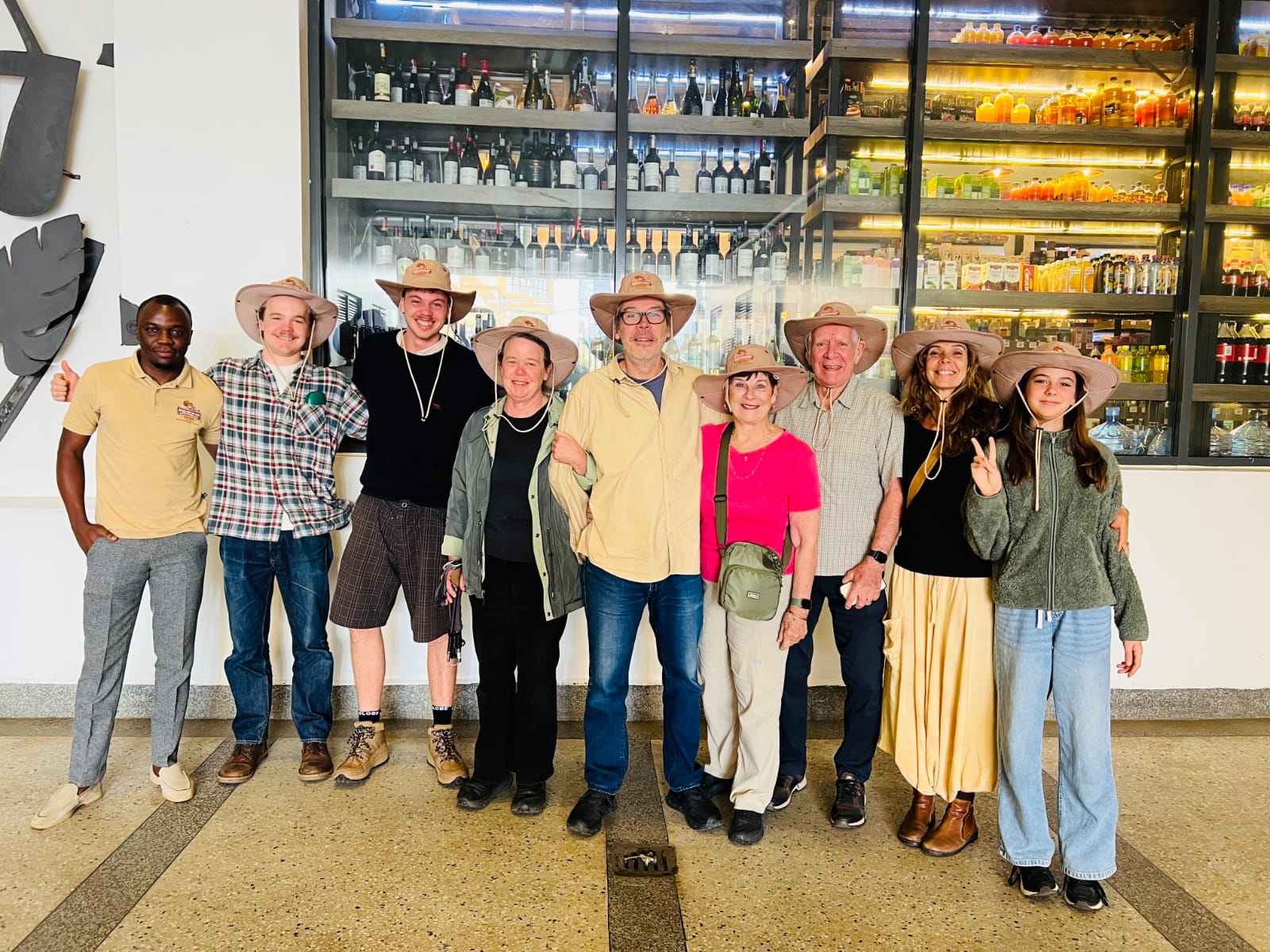
For example, a couple wanting a private mobile camping safari through a specific migration corridor, timed to a narrow two-week window, will typically get a more precise result from a boutique DMC with direct conservancy access than from a large operator's standardized template. If you're still deciding on accommodation style, our roundup of Kenya's best luxury safari camps by conservancy is a useful next stop when weighing lodges against tented camps.
Which Type of Traveler Is Best Suited to a Large International Operator?
Travelers best suited to a large international operator are those planning a multi-country or multi-continent itinerary who value a single point of contact, established brand infrastructure, and standardized service across every leg of the trip. This often includes first-time international travelers who want extra reassurance from a globally recognized name, or families combining a safari with stops in Europe or Asia under one coordinated booking.
Large operators also suit travelers with less flexibility around planning time — someone booking six weeks out with limited bandwidth for back-and-forth customization may prefer a well-built existing package over a from-scratch itinerary.
Can You Combine the Benefits of Both When Booking a Safari?
Yes — some travelers combine the benefits of both by using a large operator or independent travel advisor to coordinate multi-destination logistics (flights, visas, pre/post-safari stops) while booking the actual safari portion directly with a boutique DMC. This hybrid approach captures brand-level trip coordination alongside ground-level customization and pricing transparency.
That said, this approach requires more upfront research and coordination on the traveler's side, since no single company is managing the entire chain. It tends to work best for experienced travelers who already know roughly what they want and are comfortable managing two or three vendor relationships instead of one.
What's Next: How to Choose the Right Fit for Your Trip
Choosing the right fit starts with being honest about what you value most: deep personalization and direct local access, or brand familiarity and standardized multi-destination packaging. Write down your top three priorities — budget transparency, communication speed, itinerary flexibility, brand recognition, or multi-country coordination — before you request a single quote.
First, request itineraries from both a boutique DMC and a large operator for the same rough trip, then compare not just price but who is actually named as your on-the-ground contact. Second, ask each company the same specific question — for example, "What happens if my connecting flight is cancelled the morning of my safari transfer?" — and compare how quickly and specifically they answer. Timing also matters here: check our guide to the best time to book a safari in East Africa so you're requesting quotes with enough lead time for either type of company to secure prime inventory.
Finally, trust the level of detail in the response. A company that can immediately name the exact camp, guide, and contingency plan is demonstrating the kind of direct operational control that tends to define a well-run boutique DMC.
Conclusion
Both booking models serve real, legitimate purposes in the safari industry — this isn't a case of one being objectively better than the other. A boutique DMC like Beyond the Plains offers direct access, deeper customization, and fewer markup layers, while a large international operator offers brand familiarity, standardized infrastructure, and simplified multi-destination coordination.
The right choice comes down to matching the booking channel to how you actually want to travel. If direct communication, ground-level flexibility, and specialized local expertise matter most to you, a boutique DMC is likely the better fit. If you're coordinating a complex multi-country trip and want one recognizable brand handling every leg, a large operator may serve you better. Either way, ask specific questions, request named itineraries, and choose the company — not just the price — that gives you the most confidence before you commit.













Comments (0)
Leave a Comment
No comments yet. Be the first to comment!