
Kenya Safari Tours: The Complete Guide to Planning Your East Africa Safari (2026 & 2027)
Written by the Beyond the Plains Safaris guide and planning team, Nairobi, Kenya. KATO-registered operator · TRA-licensed · 2025 Tourism Excellence Awards 1st Runners-Up · 107+ verified international reviews.
What a Kenya Safari Actually Looks Like on the Ground
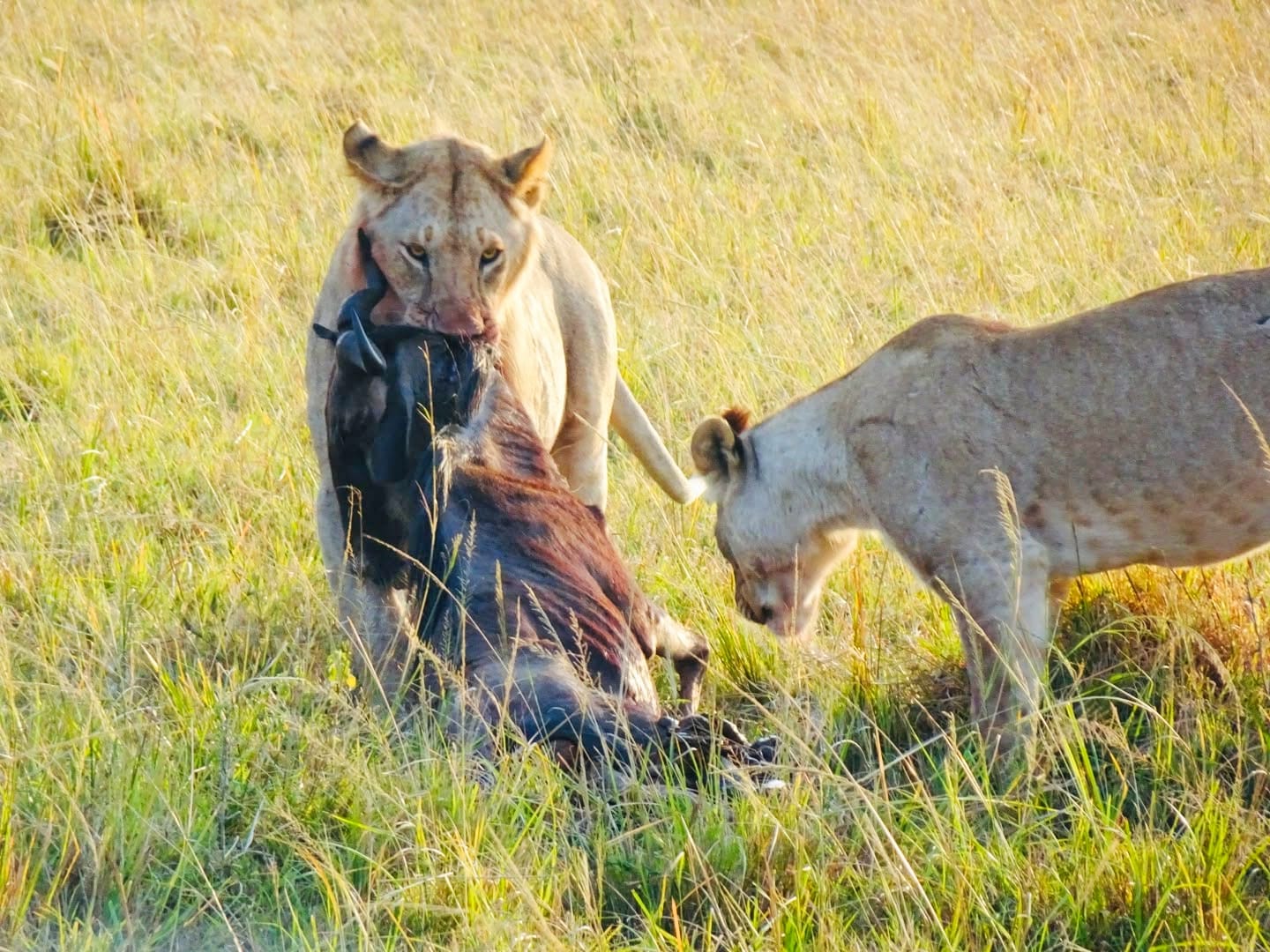
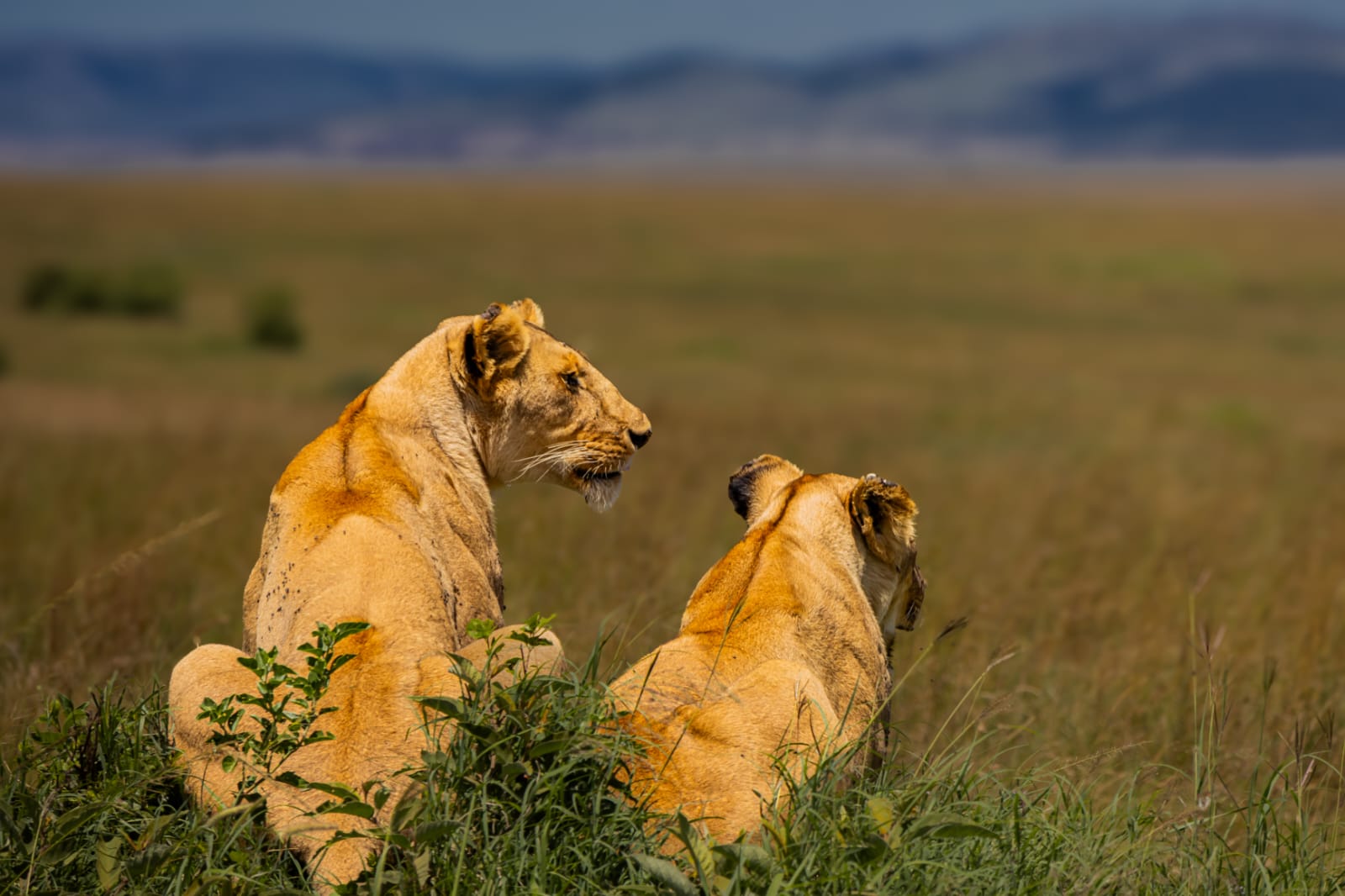
At 4:15am, before the first game drive brief, our senior guide Kennedy picks up the low rumble through the tent canvas — not thunder, but the measured footfall of a lion coalition moving through the lugga east of camp. By the time the first grey light opens up the Mara plain, those lions are resting 400 metres off the track, flanks heaving, a kill from the night still visible in the grass. Our clients are in the vehicle at 6:30am. The coalition hasn't moved. That's what a Kenya safari tour actually is — not a postcard, but a morning built around real intelligence, route knowledge, and a guide who was reading the land before you arrived.
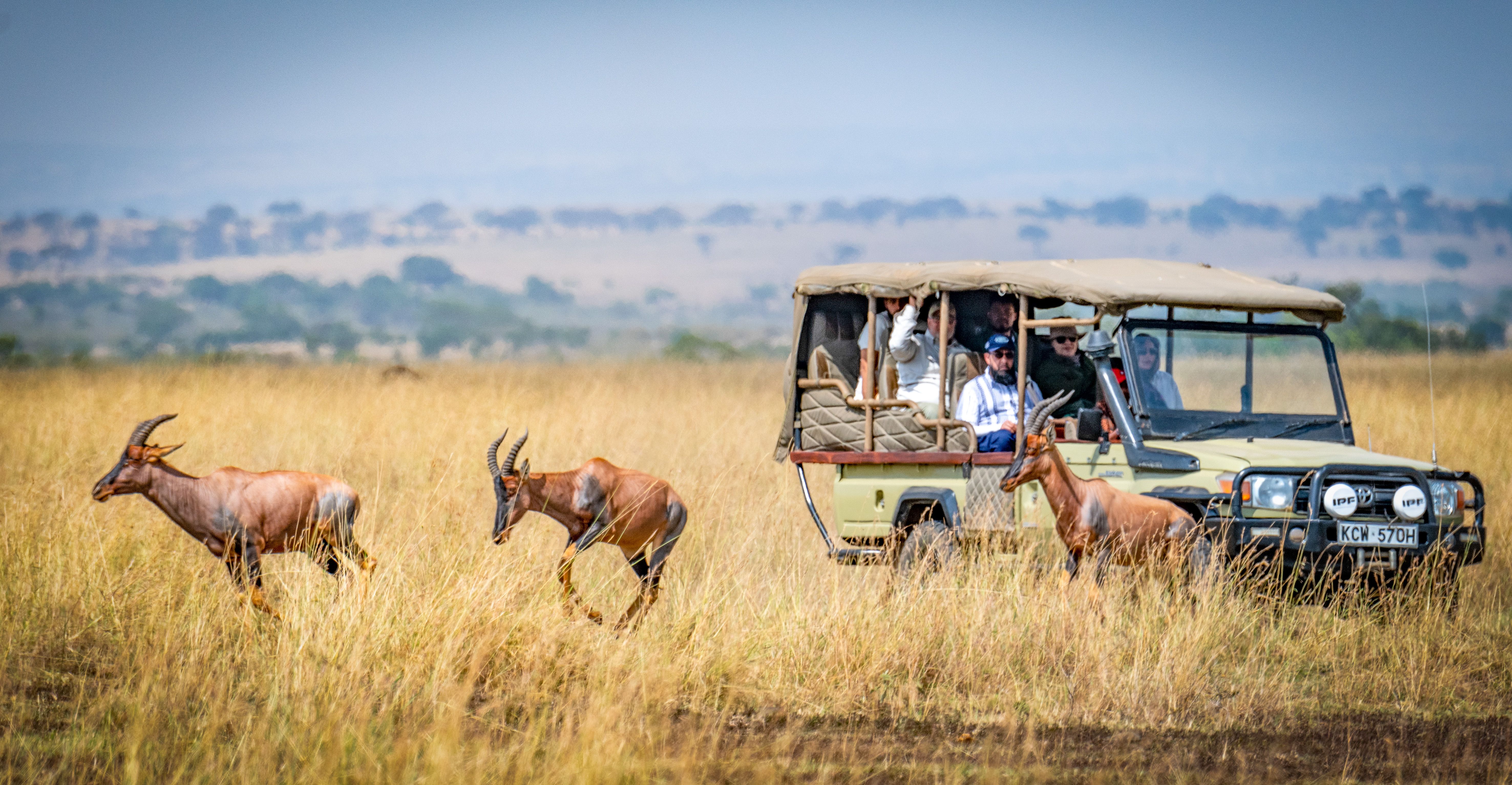
Safari client watching zebra grazing from an open-roof 4WD game drive vehicle on the Kenyan plains
What Kenya Safari Tours Include — and What Sets Operators Apart
A Kenya safari tour is a structured, fully guided wildlife experience that combines a purpose-built 4WD game drive vehicle with pop-up roof, a professional guide certified by the Kenya Wildlife Service, national park entrance and conservation fees, accommodation — ranging from tented camps to private lodge rooms — and all ground transfers between parks and airports. Every element is coordinated by a single licensed operator, not assembled from separate third-party bookings.
What separates reputable operators from the many unregistered agents working out of hotel lobbies and WhatsApp groups is legal standing and accountability. A KATO-registered operator — Kenya Association of Tour Operators — has met specific membership criteria including financial bonding and industry standards compliance. A TRA-licensed operator holds a current Tourism Regulatory Authority of Kenya licence issued under Kenyan law. Beyond the Plains Safaris is both: KATO-registered and TRA-licensed, based in Nairobi, with every itinerary confirmed in writing before any payment is made or deposit requested.
When you book kenya safari packages through us, you receive a written trip confirmation listing every inclusion — vehicle, guide, park fees, accommodation, and transfers — before a single shilling changes hands.
Kenya's Best Safari Parks — Where to Go and Why
Kenya's safari parks are not interchangeable. Each has a distinct ecology, a specific wildlife calendar, and a different atmosphere on the ground. The right combination for your trip depends on your travel dates, your wildlife priorities, and how much time you have.
Maasai Mara National Reserve is Kenya's most celebrated ecosystem and the centrepiece of the Great Migration circuit. From July through October, wildebeest and zebra pour north from the Serengeti in numbers that peak at around 1.5 million animals — and the Mara River crossings during this period are among the most dramatic wildlife events on Earth. What most travel articles miss is the distinction between the Mara Triangle and the main reserve. The Triangle, managed by the Mara Conservancy on the western bank of the river, operates under a stricter vehicle control policy: fewer vehicles at sightings, better road maintenance, and a noticeably quieter experience during peak season. Our guides route clients into the Triangle specifically during the July–September crossing window to avoid the congestion that builds on the eastern side.
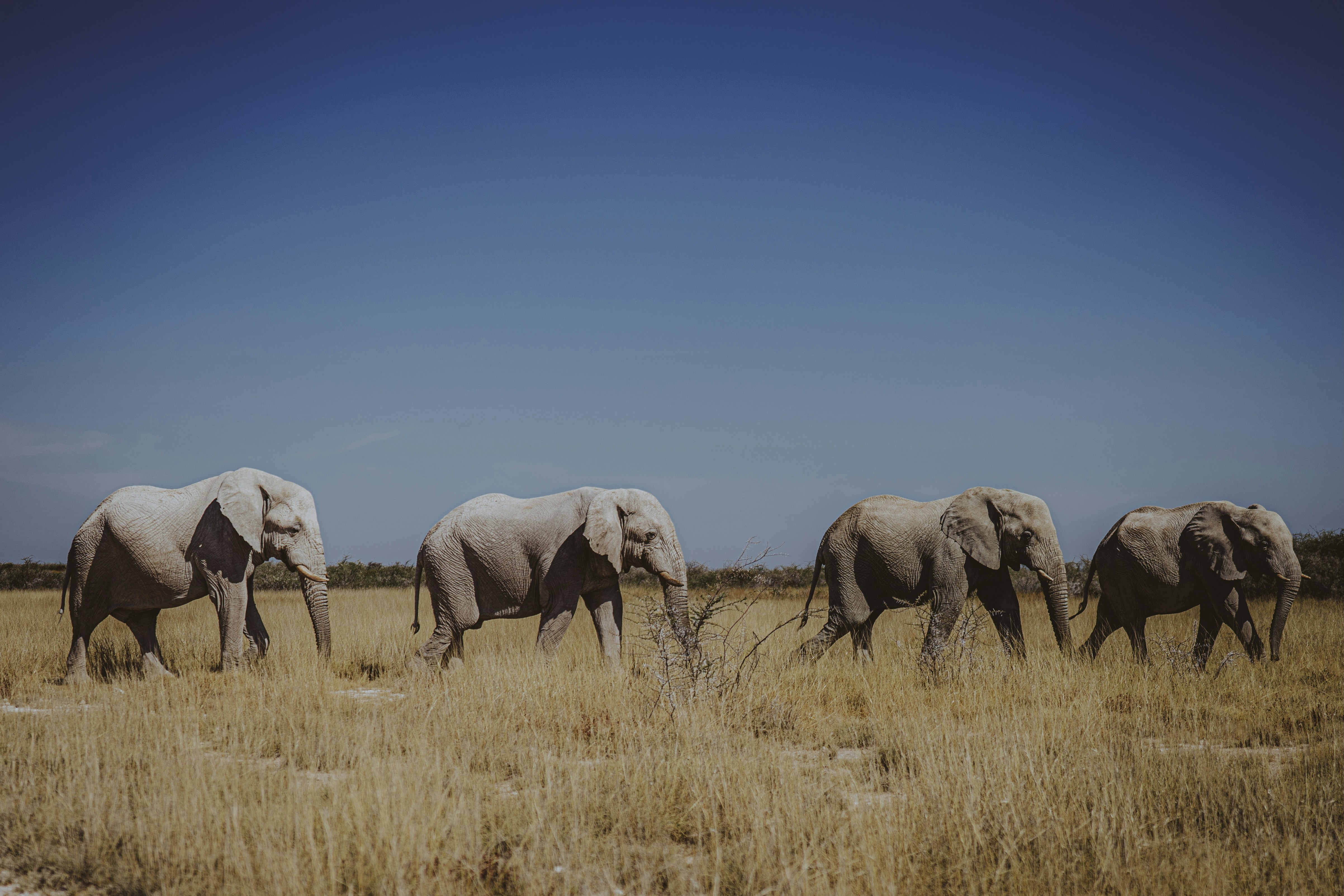
Amboseli National Park sits at the foot of Mount Kilimanjaro and holds some of the most studied elephant herds in Africa. The park's resident population — around 1,600 animals — moves in large multi-generational family groups that are habituated to vehicles, allowing approach distances that are simply not possible elsewhere in East Africa. Kilimanjaro is clearest in the early morning, before cloud builds around the summit by midday, which makes the 6:30am drive the priority here. January through March is an underrated window: the park is dry, the elephants concentrate around the swamp systems, and lodge rates are 20–30% below peak season prices. We regularly recommend Amboseli as a standalone first safari destination for families and first-time visitors.
Samburu Game Reserve in Kenya's semi-arid north is home to the Special Five — five species found nowhere else in Kenya: Grevy's zebra, reticulated giraffe, Beisa oryx, gerenuk, and Somali ostrich. These species exist because Samburu's ecosystem is entirely different from the Mara grasslands — drier, more open, and structured around the Ewaso Ng'iro River, where elephant, lion, and leopard concentrate along the banks. The argument for combining Samburu with the Maasai Mara on a 9- or 10-day Kenya safari is compelling: the two parks share almost no species overlap, which means a client who does both sees a fundamentally different Africa in each location. Most 7-day itineraries skip Samburu because the logistics look complicated; our team handles the internal road or flight transfer routinely.
Tsavo East and Tsavo West together form Kenya's largest park system, covering approximately 42,000 square kilometres — roughly the size of Switzerland. Tsavo East is defined by its vast open plains and the red-dusted elephant herds that roll in laterite soil, giving them their distinctive colouring. Tsavo West adds Mzima Springs, where hippos and crocodiles share crystal-clear water fed by underground Kilimanjaro snowmelt, and the Shetani lava flow, a 200-square-kilometre geological remnant that gives the western park a landscape unlike anywhere else in Kenya. Tsavo suits travellers who want space over density — you can drive for hours without seeing another vehicle, which is an experience that's become harder to find in the Mara during peak season.
The right park combination depends entirely on your travel dates and wildlife priorities. Beyond the Plains Safaris builds every Kenya safari tour around both.
Best Time to Go on a Kenya Safari Tour
Kenya's wildlife calendar rewards travellers who plan around specific conditions rather than generic seasons. Our guides track seasonal conditions across the Mara, Amboseli, and Samburu every month — and the right timing varies by park.
January through March is one of the most underrated windows in the Kenya safari calendar. The parks are dry, animal sightings are concentrated around water sources, and predator activity is high. The Mara is quieter than peak season, lodges are running at lower occupancy, and Amboseli's elephants are at their most accessible. If you're considering combining Kenya with Tanzania, this is also the calving season in the southern Serengeti — arguably the least-known but most extraordinary wildlife event in East Africa.
April and May bring the long rains. Roads in some parks — particularly the Mara and Samburu — can become difficult to navigate, and some smaller camps close for renovation. The upside is significant: lodge rates drop to their lowest point of the year, the landscape turns extraordinarily green, and East Africa's resident and migratory birdlife peaks at around 1,000 species. For photographers and birders willing to accept a muddier drive, the green season delivers images that dry-season visitors never see.
June through October is peak season, and for good reason. This is the Great Migration window, with wildebeest river crossings in the Mara concentrated from July through September. Big Five sightings are excellent across all major parks. June is a particularly strong value month — conditions are peak but crowds haven't yet reached July levels. For July, August, and September Mara travel, we advise booking lodge accommodation 6 to 12 months ahead; the best camps sell out well before peak season.
November brings the short rains — typically two to four weeks of afternoon showers that clear quickly. Wildlife is excellent, lodge rates drop into shoulder season pricing, and the parks are noticeably less crowded than October. It's a window our team consistently recommends to clients with flexible dates.
December is dry again, and marks the start of the festive travel season. Family groups and honeymooners account for a large share of December departures. Rates rise toward peak levels at premium lodges, but the wildlife and conditions are consistently strong.
For a full month-by-month breakdown, see our detailed guide to the best time for a Kenya safari.
How Much Do Kenya Safari Tours Cost?
Kenya safari pricing is structured around three distinct tiers, and understanding what drives cost at each level will help you match your budget to realistic expectations.
Budget safaris run from $150 to $250 per person per day. At this tier, most clients travel in shared departure vehicles with fixed itineraries and pre-set park combinations. Accommodation is typically at mid-range lodges or bandas. Flexibility is limited — the vehicle departs on a set schedule regardless of what's happening at a sighting — and group sizes of six to eight passengers are standard.
Mid-range safaris run from $250 to $500 per person per day. This is the most popular tier for independent travellers and small groups. At this level, you get a private vehicle and driver-guide assigned exclusively to your party, custom routing that can be adjusted daily based on wildlife conditions, and solid tented camp or lodge accommodation. Beyond the Plains Safaris operates primarily in this tier, with custom Kenya safari packages built around specific client priorities.
Luxury safaris run from $500 to $1,500 or more per person per day. At the upper end, clients access private conservancy camps outside the national park boundaries — areas where night drives, bush walks, and off-road driving are permitted under conservancy rules — along with fly-in charter transfers, exclusive game drives, and premium lodge brands with private pools and dedicated butlers.
Several factors drive the final cost regardless of tier: the accommodation category selected, group size (private vehicles become proportionally cheaper per person as group size increases), Kenya Wildlife Service park fees (which are set by the government and non-negotiable), whether internal flights or road transfers are used, and seasonal surcharges during peak July–September weeks.
For a full Kenya safari cost breakdown by park and package type, see our dedicated pricing guide. Beyond the Plains Safaris sends custom quotes within 24 hours of any enquiry, and all pricing is confirmed in writing before any deposit is requested.
Types of Kenya Safari Tours — Which One Fits Your Trip?
Not every Kenya safari tour is structured the same way. The right format depends on your group, your budget, your wildlife goals, and how much flexibility matters to you.
Private custom safaris give your group exclusive use of the vehicle, guide, and itinerary. Nothing is shared with other travellers, the route is yours to adjust daily, and the guide's focus is entirely on your priorities — whether that means spending two hours at a cheetah with cubs or doubling back to a leopard sighting before the light drops. This is the format we recommend for couples, families, and any traveller with specific wildlife goals. Most of our departures are private.
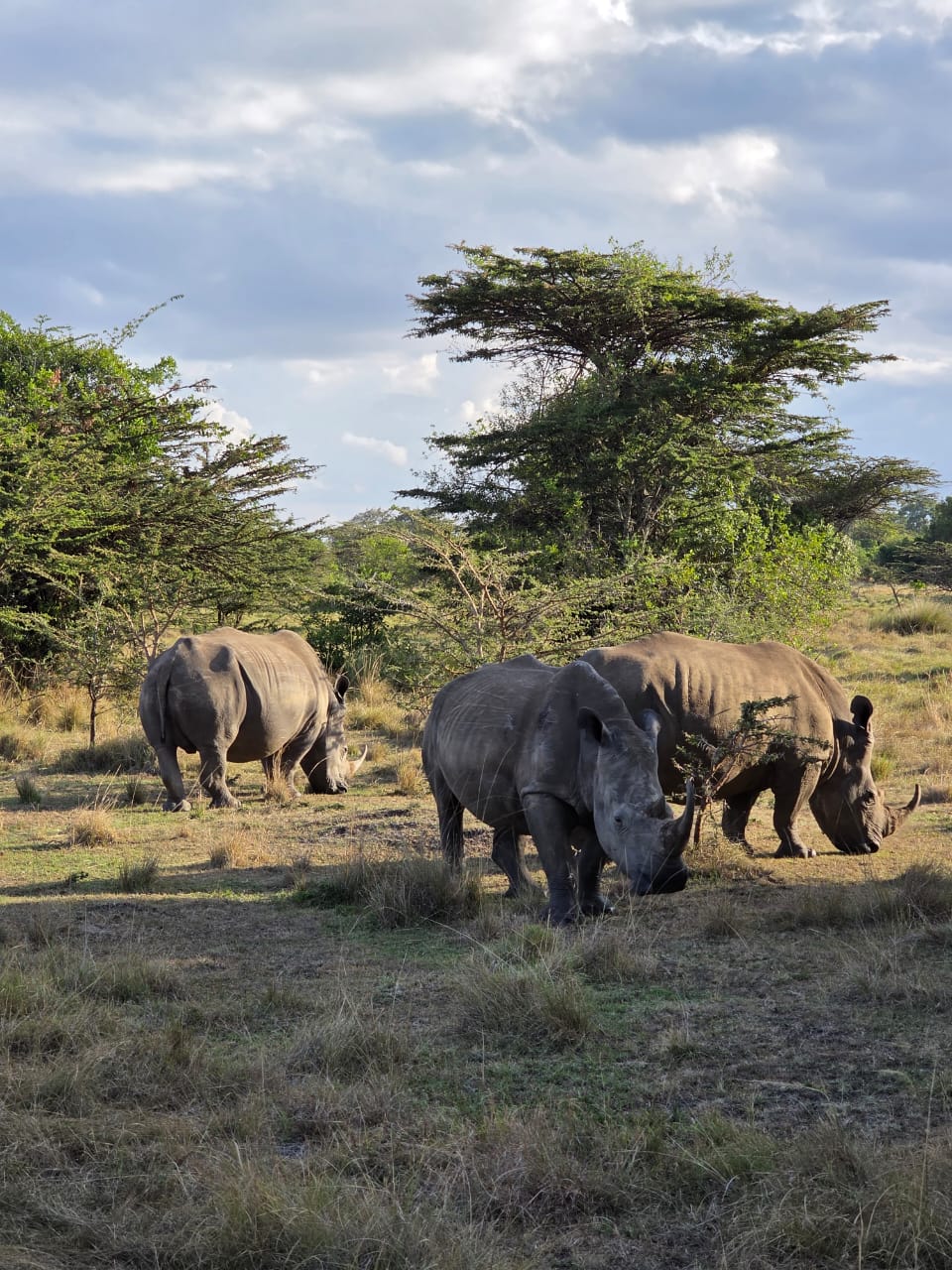
Family safaris are paced differently from standard adult departures: shorter drives broken into morning and afternoon sessions, child-friendly accommodation with adjoining rooms or family tents, and parks chosen for reliability over exclusivity. Amboseli is consistently our top recommendation for families — the elephant access is exceptional, the roads are manageable, and the Kilimanjaro backdrop makes for images that stay with children for life. Ol Pejeta Conservancy, home to the last two northern white rhinos on Earth, is another strong family choice.
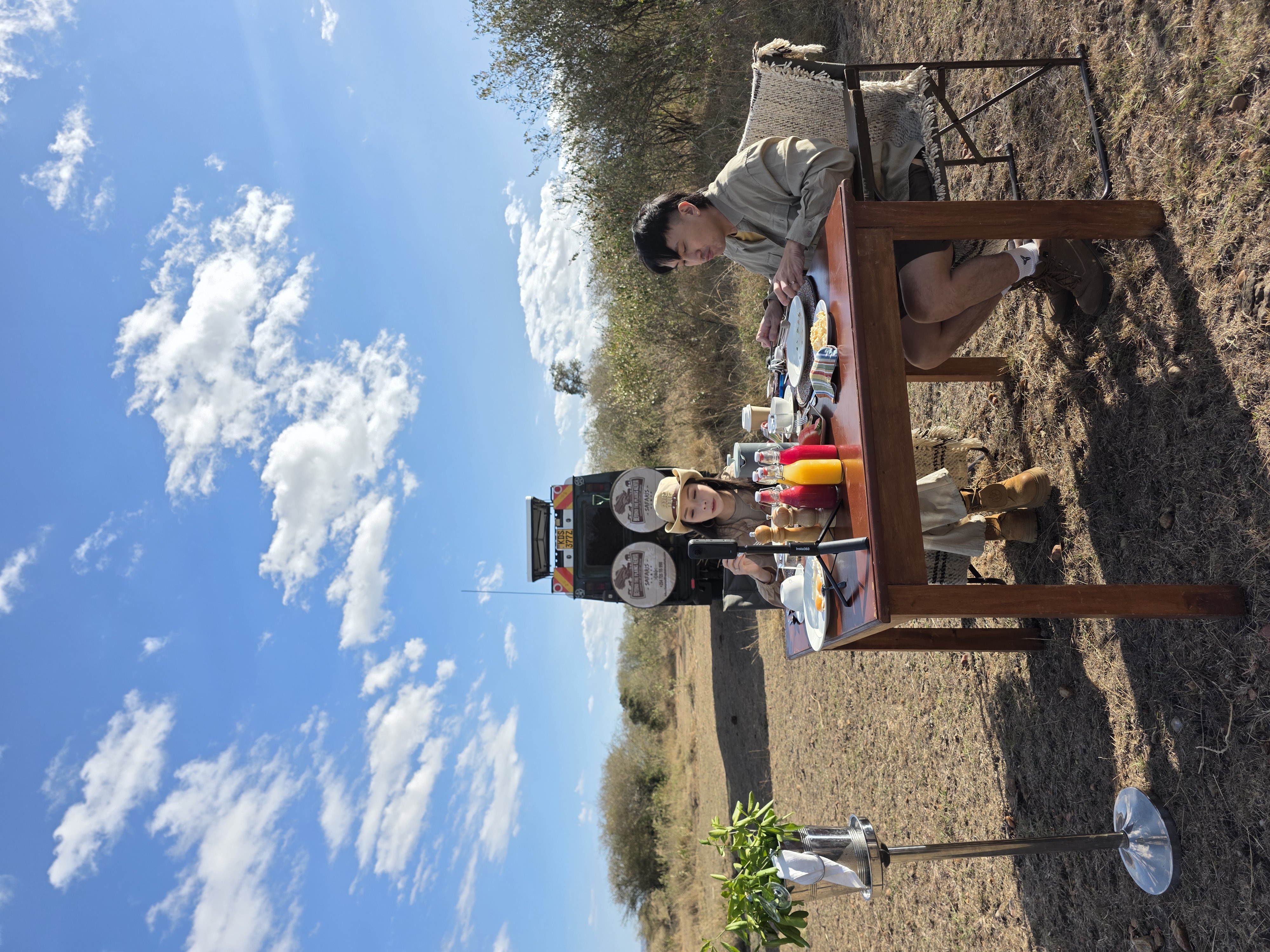
Honeymoon safaris build on the private vehicle format with specific add-ons: bush dinner setups arranged in the field, romantic lodge upgrades, and itineraries designed to balance wildlife intensity with downtime. The classic honeymoon circuit runs Maasai Mara and Amboseli before extending to Zanzibar for a beach component — four to five days in the parks, three to four nights on the coast.
Budget safaris use shared departure vehicles with fixed itineraries and set accommodation. They're the right choice for solo travellers or pairs who want to experience Kenya's major parks without the cost of a private vehicle. The trade-off is flexibility: you drive the route the operator has set, not the one your guide spots wildlife on.
Fly-in safaris replace road transfers between parks with internal charter flights, typically on small six- to twelve-seat aircraft operating out of Nairobi Wilson Airport. Eliminating the road transfer — which can run five to six hours between Nairobi and the Mara — adds one to two full days of game drive time to a 7-day itinerary. This format is particularly suited to travellers with limited time or those for whom the driving component of a road safari is a constraint rather than part of the experience.
For a full planning framework, see our guide to how to plan your Kenya safari.
How to Choose a Kenya Safari Tour Operator — What Actually Matters
The Kenya safari operator market includes KATO-registered, TRA-licensed companies with multi-decade track records, and it includes unregistered agents with a website, a WhatsApp number, and no legal accountability whatsoever. Knowing how to distinguish between them before you book protects your money and your trip.
KATO registration — membership in the Kenya Association of Tour Operators — is the baseline credential for any legitimate Kenya safari operator. KATO membership requires financial bonding, which means the operator has posted a surety that protects client deposits in the event of insolvency or failure to deliver. Beyond the Plains Safaris is a fully bonded KATO member. Ask any operator you're considering to confirm their membership number and verify it on the KATO website.
TRA licensing — a current Tourism Regulatory Authority of Kenya licence — is a legal requirement for any operator conducting tours in Kenya. The TRA issues licences annually; an operator whose licence has lapsed is operating outside Kenyan law. Our TRA licence is publicly available and can be provided on request.
Guide experience in specific parks is something most travellers don't ask about but should. A guide who has spent three seasons in the Maasai Mara does not automatically know Samburu's wildlife patterns, terrain, or seasonal rhythms. When assessing any operator, ask how long the assigned guide has worked specifically in the parks on your itinerary. Our guides are assigned to itineraries based on park-specific experience, not general availability.
Written confirmation before payment is non-negotiable. Every inclusion — vehicle type, guide name, park fees, accommodation, meals, and transfers — should be itemised in writing before any deposit is made. If an operator is reluctant to provide this, treat it as a warning sign. We provide written trip confirmations as standard before any payment is requested.
Beyond the Plains Safaris was recognised as 1st Runners-Up at the 2025 Tourism Excellence Awards for Best Tour Operator in Kenya — a peer-assessed recognition from one of the industry's most credible panels. That recognition, combined with 107+ verified reviews across TripAdvisor and Google, reflects a consistent client experience over multiple years of operation.
For a detailed pre-booking checklist, see our guide to how to choose a Kenya safari operator.
Combining Kenya Safari Tours with Tanzania
The Maasai Mara and Tanzania's Serengeti are not separate ecosystems — they are one continuous wildlife landscape divided by a political border. The wildebeest that cross the Mara River in August and September are the same animals that calved in the southern Serengeti in February and trekked north through the Serengeti's western corridor between May and July. A Kenya-only safari captures one chapter of that story. A combined Kenya and Tanzania itinerary gives you the full circuit.
The two most common Tanzania additions to a Kenya safari tour are the Serengeti and the Ngorongoro Crater. The Serengeti's central and northern zones align naturally with a Maasai Mara departure — the drive from the Mara to the Serengeti across the border post at Namanga or via internal charter is a logistics operation our team handles routinely. The Ngorongoro Crater, a collapsed volcanic caldera holding approximately 25,000 animals in a self-contained 260-square-kilometre bowl, is one of the most concentrated wildlife environments in Africa — and a natural add-on to any 10-day or longer itinerary.
Beyond the Plains Safaris manages all cross-border logistics for Kenya–Tanzania combinations: permits, internal flights or road crossings, Tanzania park fees, and accommodation across both countries coordinated under a single operator. For a full planning guide, see our resource on combining Kenya and Tanzania safari.
Kenya Safari Tours — Common Questions Answered
How much does a Kenya safari tour cost per day?
Kenya safari tours cost between $150 and $1,500+ per person per day depending on the tier. Budget safaris, using shared vehicles and mid-range accommodation, run $150–$250 per person per day. Mid-range safaris with private vehicles and tented camp accommodation run $250–$500 per person per day. Luxury safaris in private conservancies with fly-in transfers and premium lodge accommodation run $500–$1,500 or more per person per day. Park fees charged by Kenya Wildlife Service are included at all tiers and are non-negotiable government rates. Beyond the Plains Safaris offers safari tours from $250 per person per day, with all inclusions confirmed in writing before any deposit is requested.
What is the best time to book a Kenya safari tour?
Peak season is July through October, driven by the Great Migration river crossings in the Maasai Mara. For July, August, and September travel, clients should book 6 to 12 months ahead — lodge availability in the Mara Triangle and premium conservancies is exhausted well before peak season at the most sought-after properties. January through March and June offer excellent wildlife conditions with shorter booking lead times and lower lodge rates. The green season — April and May — offers the lowest rates of the year and strong birdlife, though some camp access can be limited by road conditions. November is a shoulder season sweet spot: good wildlife, brief rains, and reduced rates.
Which parks should I include on a Kenya safari tour?
The right park selection depends on trip length. For a 7-day Kenya safari, the Maasai Mara combined with Amboseli National Park covers two distinct ecosystems — savannah predator country and elephant-dominated wetland terrain — with a Kilimanjaro backdrop. For 9 to 10 days, adding Samburu Game Reserve introduces the Special Five species and a completely different landscape. For 12 to 14 days, a full Kenya circuit covering Mara, Amboseli, Samburu, and Tsavo provides the most comprehensive picture of Kenya's wildlife diversity — or the itinerary can extend across the border into Tanzania's Serengeti and Ngorongoro Crater for a complete Great Migration circuit.
Is a private Kenya safari better than a group safari?
A private Kenya safari is objectively better for wildlife immersion, flexibility, and pace — but it costs more than a group departure. On a private vehicle, the guide can spend unlimited time at any sighting, reposition to track a predator, or adapt the morning route based on radio reports from other guides. On a shared group departure, the vehicle leaves the sighting when the group consensus says so, and the route follows a preset itinerary regardless of what's happening in the field that day. For travellers with specific wildlife goals — a leopard with cubs, a cheetah hunt, the full sequence of a river crossing — private is the only format that delivers. Beyond the Plains Safaris operates exclusively on private vehicle departures; we do not run shared group tours.
Plan Your Kenya Safari Tour with Beyond the Plains Safaris
Beyond the Plains Safaris is a KATO-registered, TRA-licensed Kenya safari operator based in Nairobi. We have been building and running custom safari itineraries across Kenya and Tanzania for international clients, and our 107+ verified reviews and 2025 Tourism Excellence Awards recognition reflect the consistency of what we deliver on the ground. Every itinerary we send is custom-built around your travel dates, wildlife priorities, and budget. Every inclusion is confirmed in writing before any deposit is made. Custom quotes go out within 24 hours of any enquiry.
If you're ready to start planning, contact our team for a free custom itinerary — or explore our best Kenya safari itineraries for route ideas and real trip examples to get started.
Comments (0)
Leave a Comment
No comments yet. Be the first to comment!