
Perfect 7-Day Kenya & Tanzania Safari Itinerary & Costs
By John Dante, Director & Operations Manager, Beyond the Plains Safaris John Dante has planned and operated hundreds of East Africa safaris from Nairobi, specialising in Kenya–Tanzania cross-border itineraries. He leads the team at Beyond the Plains Safaris, a fully licensed Kenyan operator known for deeply personalised wildlife experiences.
A perfect 7-day Kenya and Tanzania safari covers three iconic destinations — the Maasai Mara, the Serengeti, and the Ngorongoro Crater — and costs between $2,100 and $10,500 per person depending on accommodation level. Seven days is the minimum needed to do justice to both countries, and with the right structure, it's one of the most wildlife-rich weeks you'll ever spend anywhere on earth.
I've been designing and operating this exact cross-border route for years. What you'll read below isn't stitched together from research tabs — it's what I personally brief every guest before they fly into Nairobi.
Why a Kenya–Tanzania Combo Safari Is Worth Every Dollar
You could spend a week in Kenya alone. You could spend a week in Tanzania alone. But crossing both borders in seven days gives you something neither country can offer solo: you follow the same ecosystem from two different angles, see how the landscape changes as the Mara grasslands give way to the Serengeti's endless plains, and tick off destinations that individually rank among the top five safari experiences in the world.
The Maasai Mara and Serengeti are actually the same continuous wilderness split by an international border. The wildebeest certainly don't care about the boundary — and neither should you. See both halves of the migration story, and add the extraordinary Ngorongoro Crater, and you have a safari that's genuinely hard to beat anywhere on the continent.
If you want a side-by-side comparison of the two countries before deciding, read our detailed breakdown: Kenya vs Tanzania Safari: An Honest Verdict from an Operator Who Books Both.
The 7-Day Kenya & Tanzania Safari Itinerary at a Glance
| Day | Location | Highlight |
|---|---|---|
| Day 1 | Nairobi → Maasai Mara | Arrive, evening game drive |
| Day 2 | Maasai Mara | Full-day game drives, Big Five pursuit |
| Day 3 | Maasai Mara | Morning drive, optional balloon safari |
| Day 4 | Maasai Mara → Isibania border → Serengeti | Border crossing, game drive en route |
| Day 5 | Serengeti (Seronera) | Full-day Serengeti exploration |
| Day 6 | Serengeti → Ngorongoro Highlands | Morning drive, afternoon crater rim arrival |
| Day 7 | Ngorongoro Crater → Arusha | Crater floor game drive, departure |
Best time to visit: July–October for the Great Migration river crossings; January–February for calving season and lower Mara fees. Budget range: $300–$1,500+ per person per day, all-inclusive of park fees, accommodation, game drives, and meals.
Day 1: Nairobi to the Maasai Mara
The safari begins the moment you land at Jomo Kenyatta International Airport. Nairobi is one of Africa's best-connected hubs, with direct flights from London, Amsterdam, Dubai, and Doha — which means you can fly in, be picked up, and be watching lions on the Mara plains by late afternoon.
Drive or fly? The road journey from Nairobi to the Maasai Mara takes 5–6 hours via the Great Rift Valley escarpment. It's a genuinely beautiful drive — you stop at the Rift Valley viewpoint, pass through Narok town, and the road eventually gives way to the red dirt tracks that signal you've arrived in real safari country. The fly-in option via Safarilink or AirKenya takes under an hour and costs around $300 per person each way. If budget allows, fly in and drive back — you get the aerial view of the Mara on arrival and the scenic road journey on departure.
Where to stay: Your choice of accommodation dramatically shapes your experience. Camps inside the reserve — particularly in the Mara North, Ol Kinyei, or Naboisho conservancies — allow 5:45am game drive starts, no gate queues, and exclusive off-road driving rights. Budget and mid-range lodges near the Talek or Sekenani gates are excellent value and still put you on the reserve within minutes.
In my experience, guests who opt for a private conservancy camp consistently report the most intimate wildlife encounters. You may have a sighting entirely to yourselves — no other vehicles, no noise, just the animal and the land.
Explore our Maasai Mara National Reserve destination page for a full overview of zones and camps.
Days 2–3: Maasai Mara — Kenya's Crown Jewel
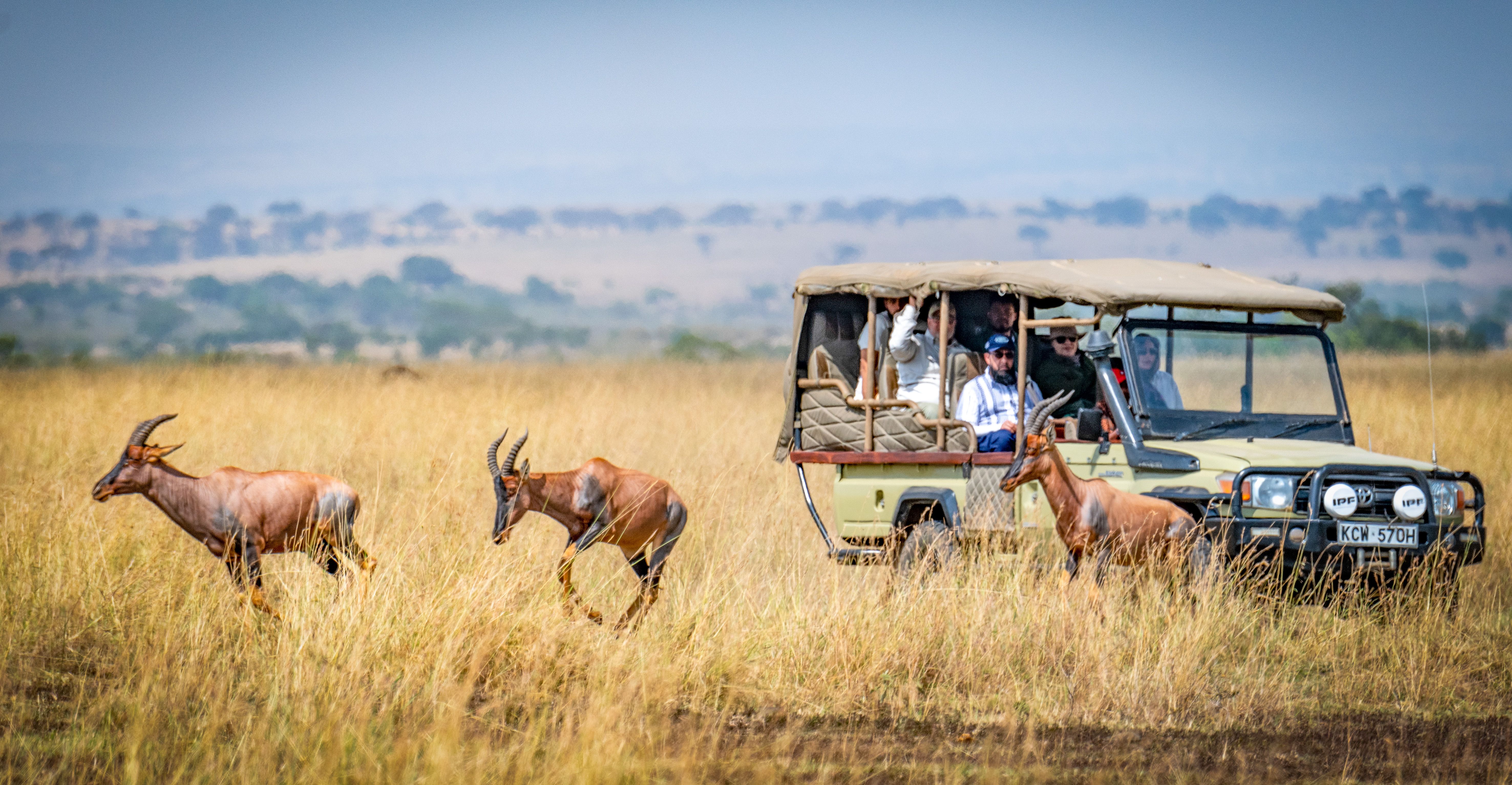
Two full days in the Mara is the sweet spot for this itinerary. It's enough time to cover the core reserve, visit a riverine forest for leopard, cross open plains for cheetah, and — if you're visiting between mid-July and mid-October — position yourself for a Mara River crossing.
What Wildlife to Expect
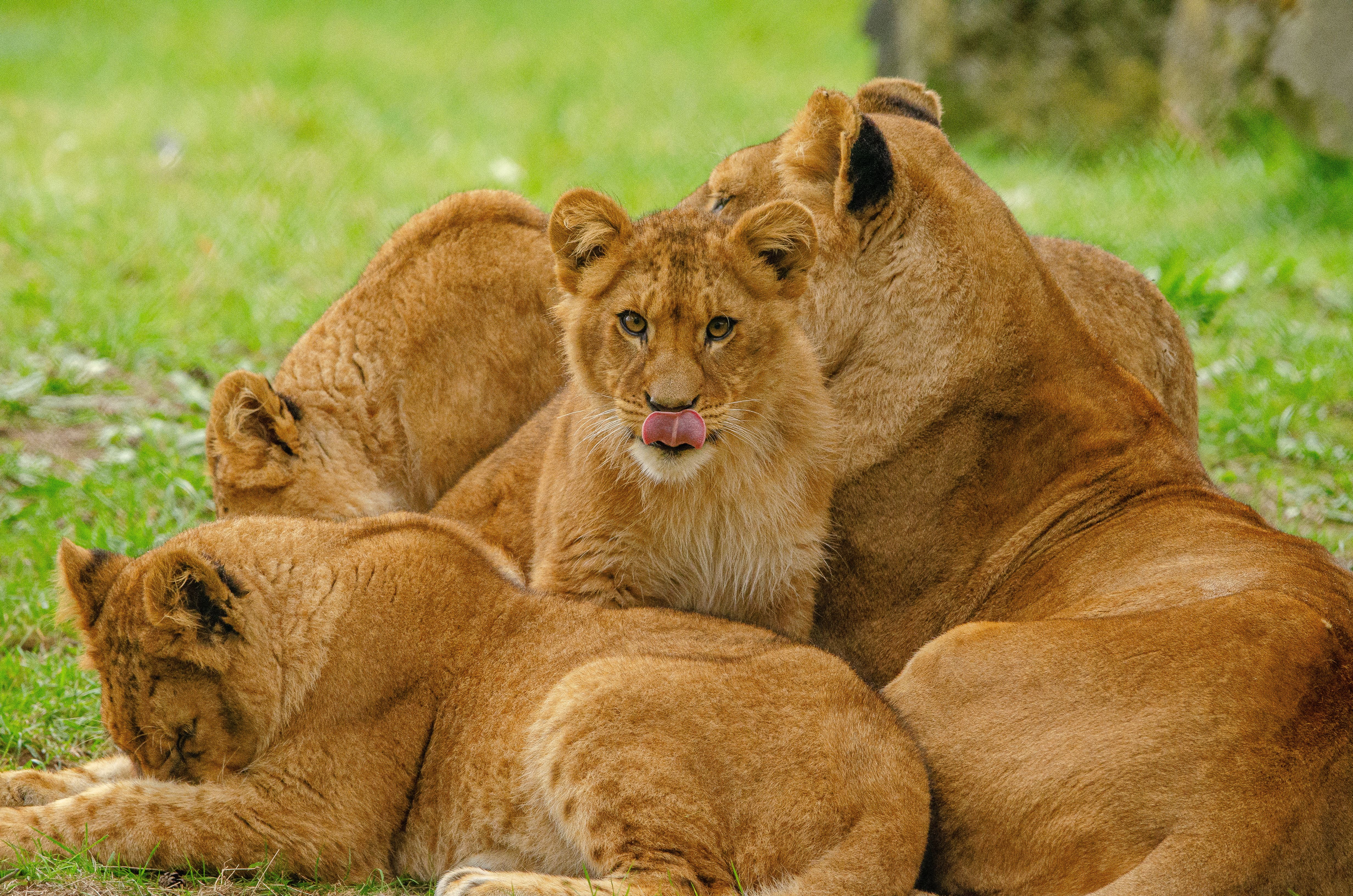
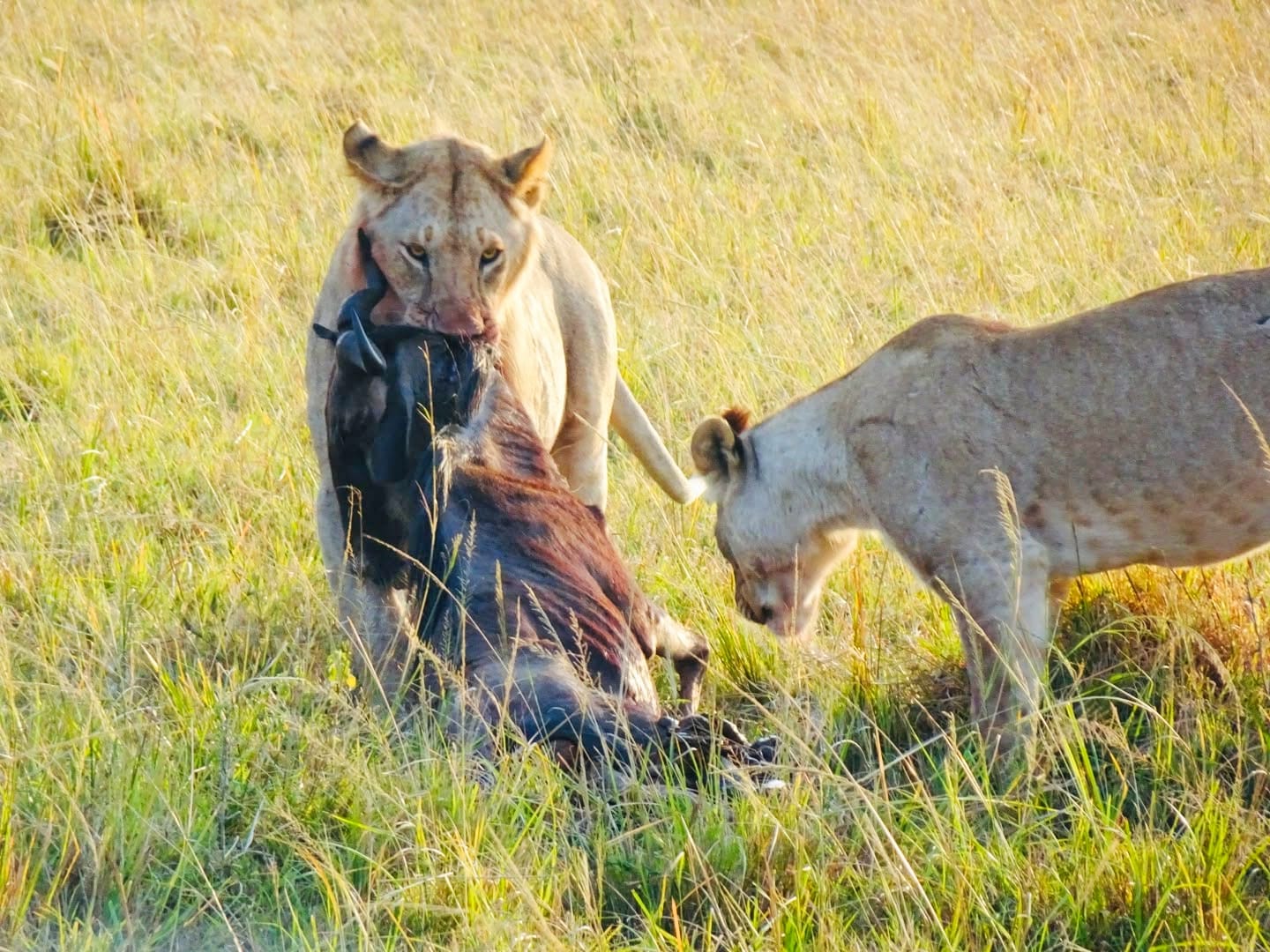
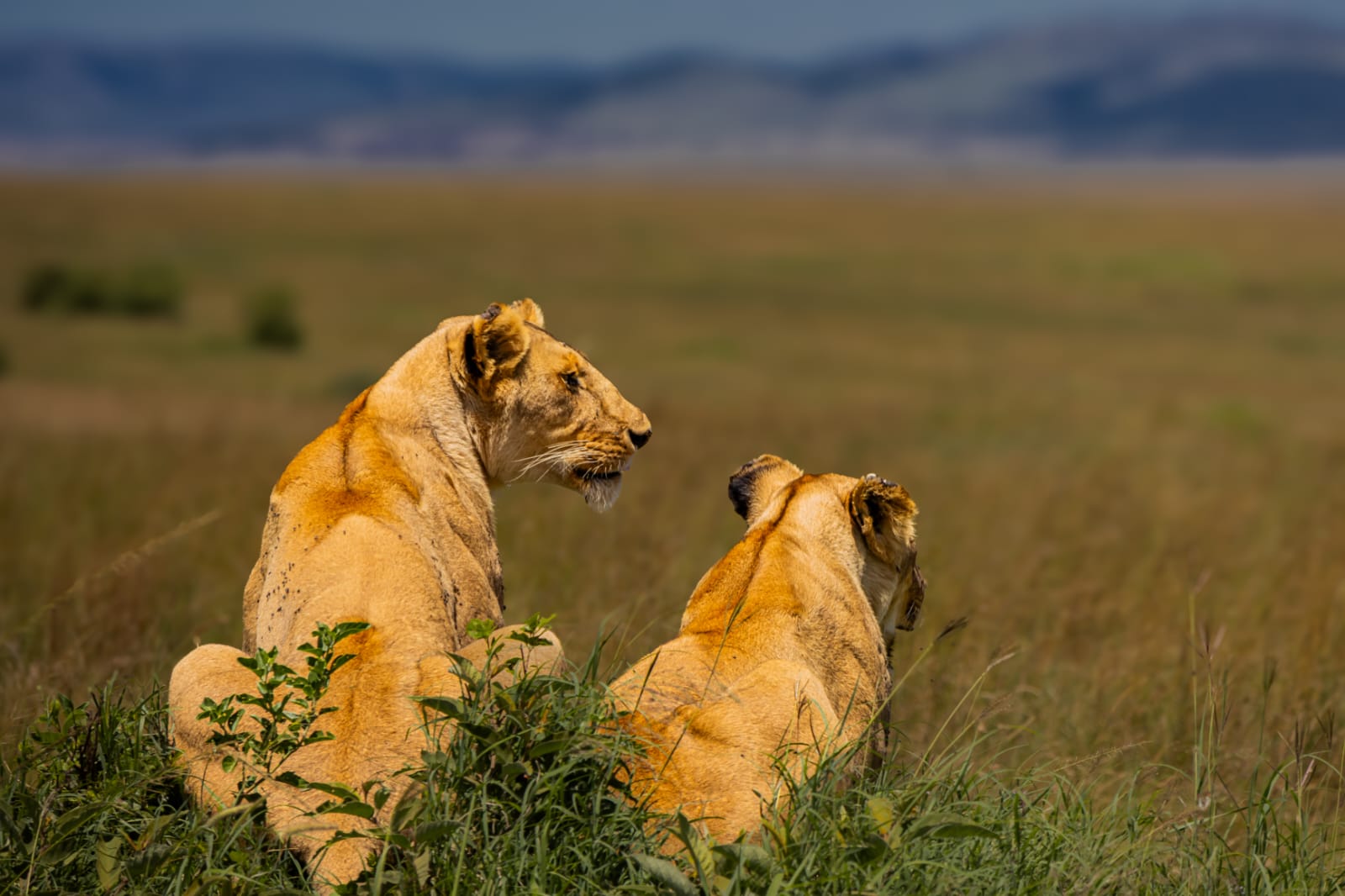
The Maasai Mara has the highest lion density of any reserve in Kenya, at approximately 16.5 lions per 100 km² driven. On a two-day visit, multiple lion sightings are likely. Cheetahs are frequently spotted in the open grasslands of the Musiara and Serena areas. Leopards, the shiest of the big cats, reward patience — the fig tree clusters along the Mara River are reliably productive territory.
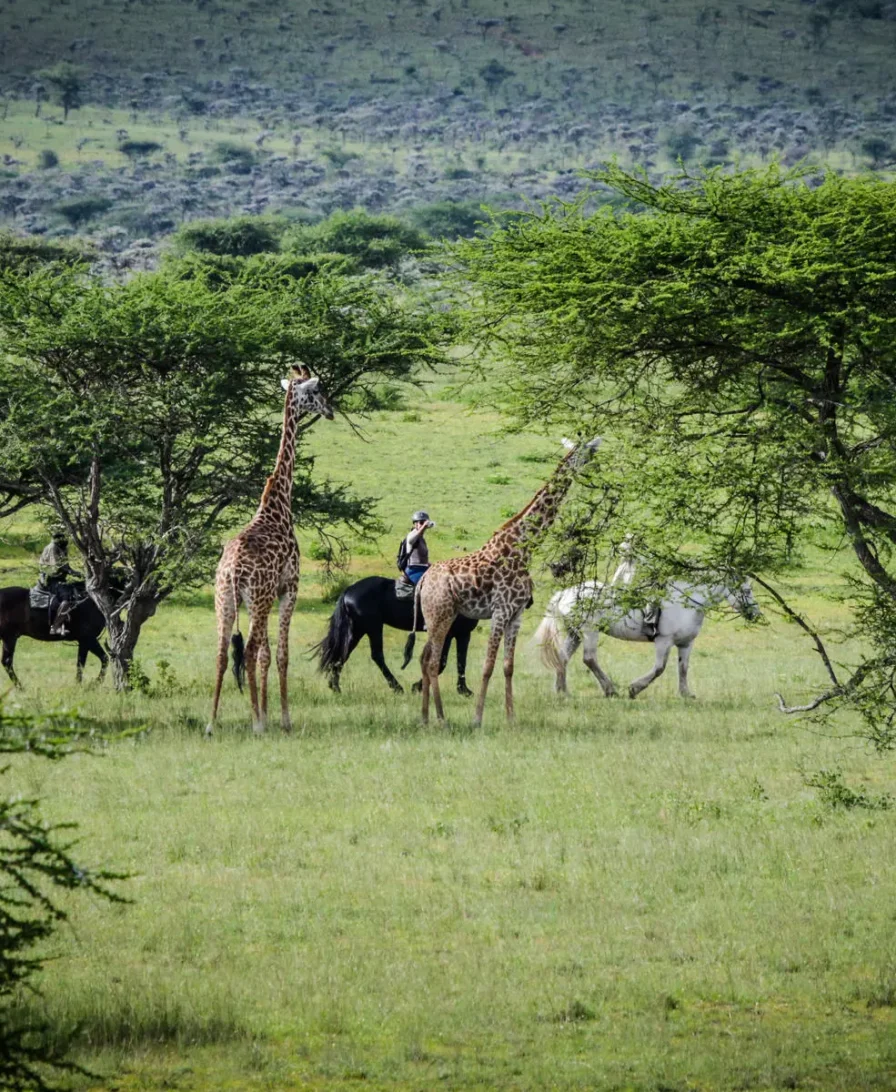
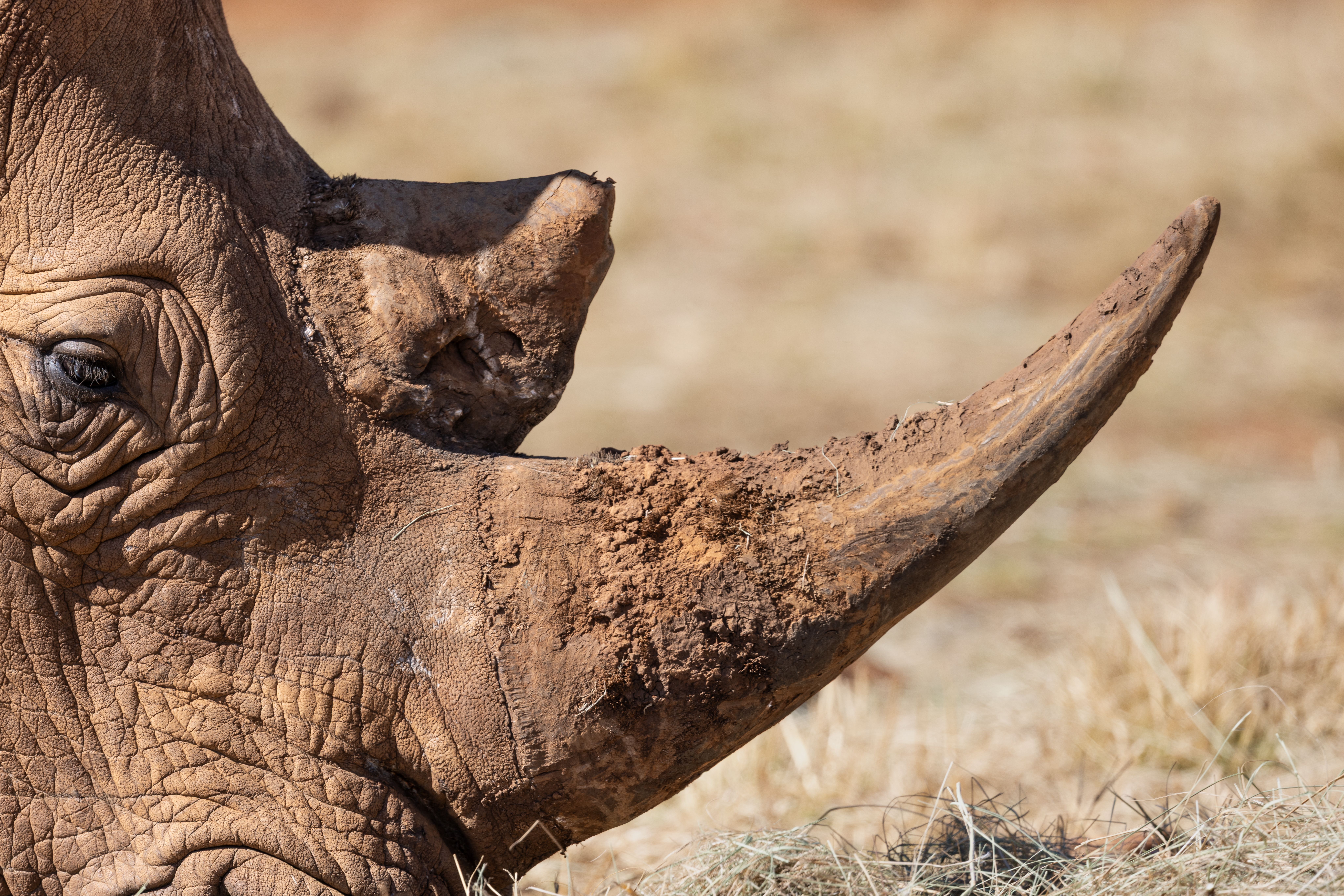
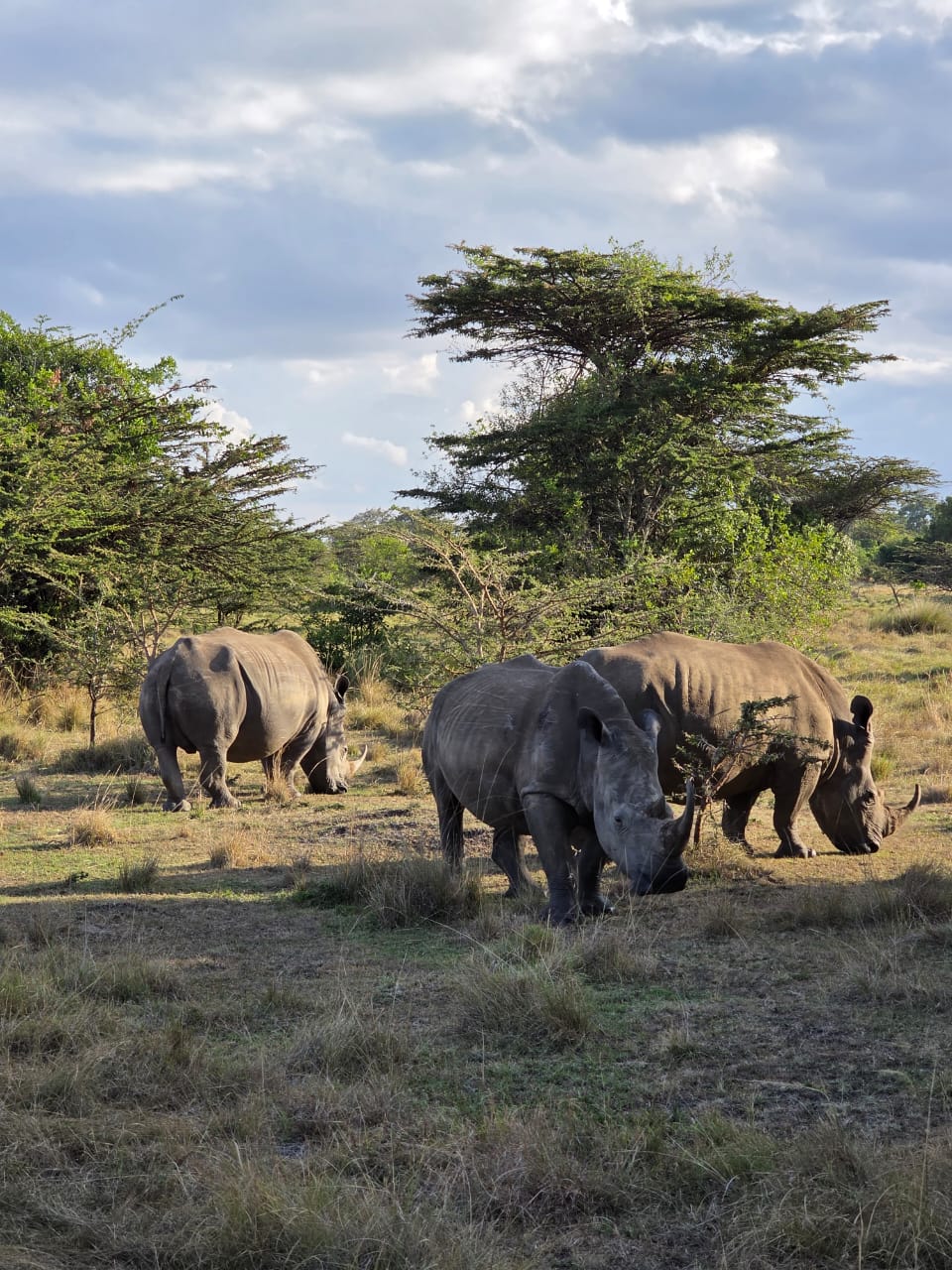
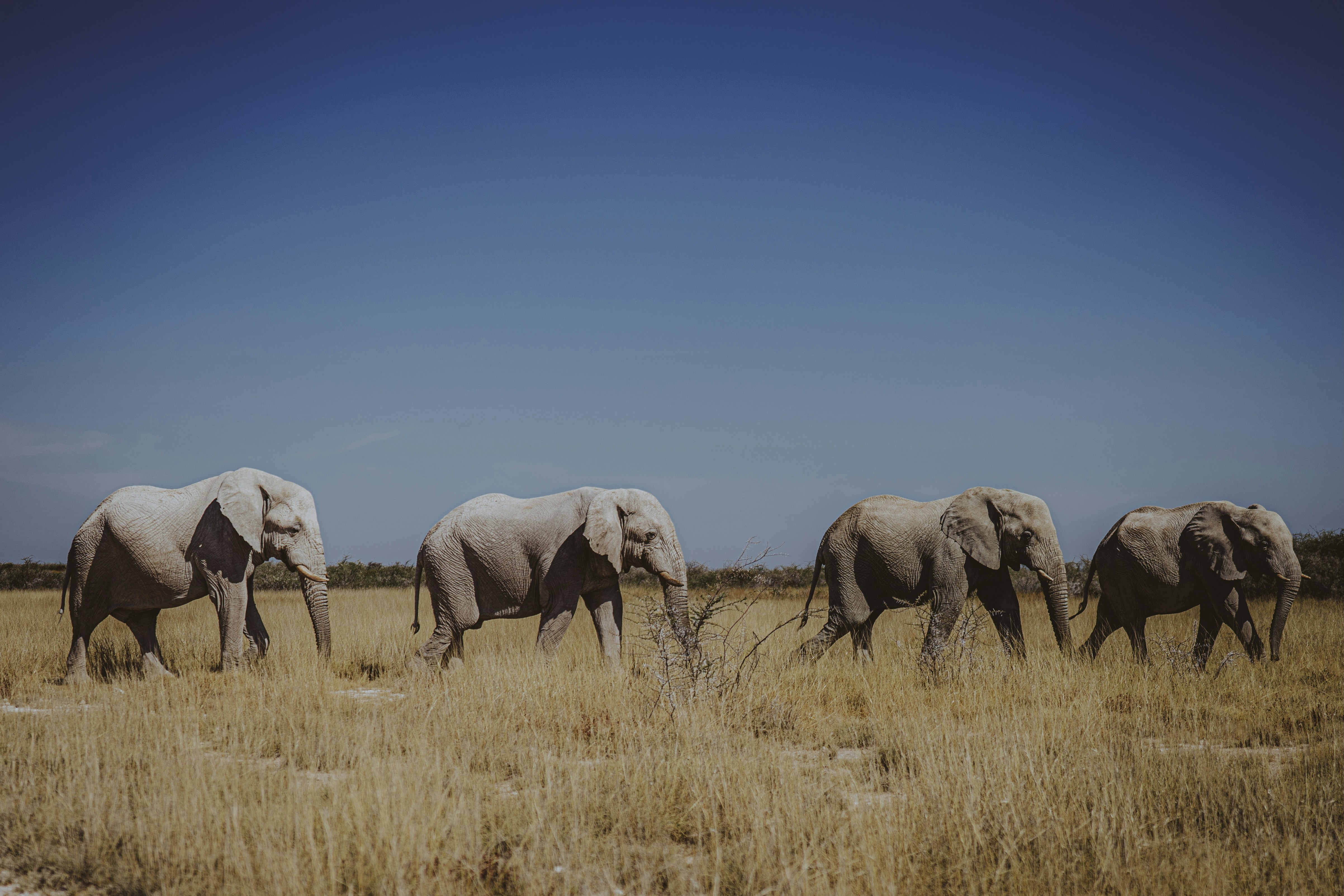
Elephant, buffalo, giraffe, zebra, and hippo pools round out every game drive. Black rhino sightings exist but require luck and local guide knowledge — there are roughly 40 individuals in the wider Mara ecosystem.
A local tip no generic guide tells you: Ask your guide specifically about the Fig Tree Camp area near the Talek River at dawn. Leopards use this corridor regularly for early morning movement, and the soft morning light there between 6:30am and 8am is extraordinary for photography.
Planning Your Game Drives
Start each day before the gate opens at 6am. Pack a breakfast and lunch box from your camp — staying out all day maximises your game drive time and means you're in position when the midday lull ends and predators stir again around 4pm.
For guests staying inside the conservancies, night game drives are permitted — a significant advantage over the main reserve, where driving after 7pm is prohibited. If your budget allows, this is the single upgrade I'd recommend most strongly for photographers and serious wildlife watchers.
An optional hot air balloon safari over the Mara (approximately $600 per person) departs at dawn on Day 3. It's expensive, but watching the Great Migration herds from 300 feet above the plains at sunrise is a memory that outlasts the cost.
For a deeper look at the migration timing, read our Great Migration Kenya: Month-by-Month Guide.
Day 4: The Isibania Border Crossing into Tanzania
This is the logistics day — long, occasionally bumpy, and genuinely exciting if you frame it correctly. You're crossing from one country into another, from one safari ecosystem into its even larger twin.
Depart by 6:30am. The drive from Talek to Isibania takes about 3.5 hours. If your lodge is further into the reserve (near Sekenani, for example), add 90 minutes. The road between the Mara and Isibania has significant potholes — bring a neck pillow and accept that this is part of the adventure.
The Isibania Border: What to Expect
Isibania is open 24 hours. Processing time is typically 30–90 minutes during peak season (July–October). You'll need:
- A valid passport
- A Tanzanian e-visa (apply at visa.immigration.go.tz at least 10 days before departure)
- Yellow fever vaccination certificate
Your Kenya vehicle cannot legally operate in Tanzania. At the border, your Kenyan guide hands you over to your Tanzanian guide, vehicles parked side by side. It's a simple transfer — your operator handles everything — but it's worth having all your documents in a single accessible folder to speed things up.
Once across, the final 3–4 hours of driving to your Serengeti lodge is essentially a game drive. You'll enter through the Bolongoja Gate on the eastern Serengeti. In my experience, this section of the park is underrated — the Seronera woodlands begin appearing here, and the afternoon game drive en route regularly delivers elephant, giraffe, and sometimes even a roadside leopard.
Consider flying this sector if you have the budget — it compresses a 10-hour day into 3 hours and gives you an afternoon of proper game driving in the Serengeti on arrival. Domestic flights operate from Wilson Airport (Nairobi) or the Keekorok airstrip (within the Mara) to Seronera.
Day 5: Full Day in the Serengeti
The Serengeti is, in a word, immense. At 14,763 km² — nearly ten times the size of the Maasai Mara — it simply cannot be rushed. One full day devoted entirely to game driving here is essential.
Where to Drive
Seronera (Central Serengeti) is the year-round wildlife capital of the park. The Seronera River and its tributaries support the highest leopard density in the Serengeti, with approximately 5–6 leopards per 100 km² in the wet season. Your guide will know which kopjes (rocky outcroppings) the resident leopards use for resting — ask specifically about the Mawe Mbili kopje area.
Lions are everywhere. The Serengeti holds approximately 2,500 lions — the largest single-park population in Africa. Expect multiple pride sightings throughout the day.
If you're visiting July–October, your guide may suggest driving north toward the Kogatende area, where the Mara River crossings happen from the Tanzanian side. On a good day, a crossing can last 20 minutes or run for hours as the herds build courage, hesitate, surge, and retreat. I've watched guests cry watching it. I still feel something every time.
Ndutu (Southern Serengeti) is the destination if you're visiting January–March. The calving season here sees up to 8,000 wildebeest calves born per day across the Ndutu plains — and every predator in the ecosystem knows it. Cheetah, lion, and hyena activity during calving season rivals anything the Mara can produce in July.
Practical Tips
- Stay out all day with a packed lunch. The Serengeti's scale rewards those who cover ground.
- The Seronera area has a public picnic site near the hippo pool — a good midday stop.
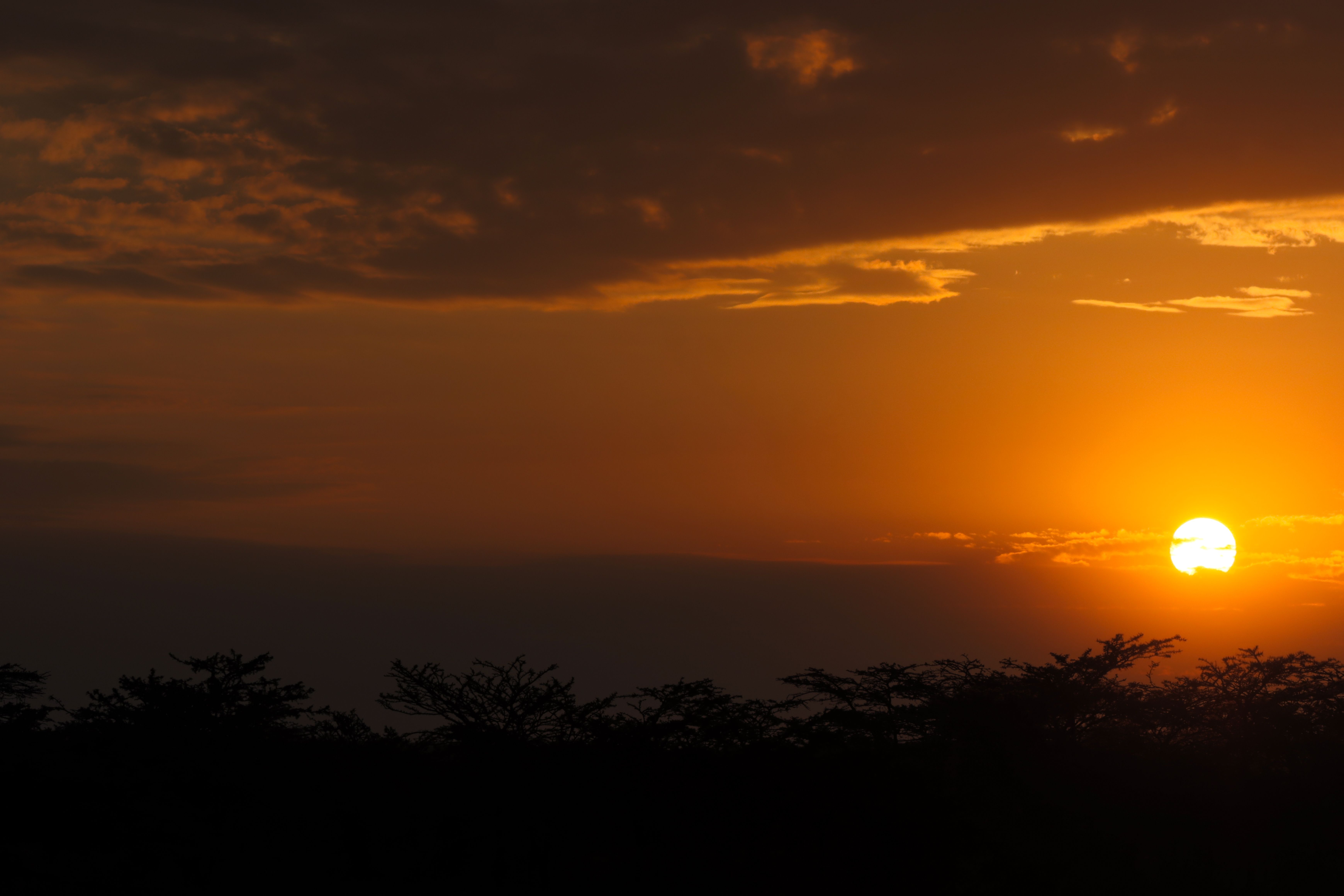
- Evening light across the Serengeti's open plains is exceptional for photography. Try to be positioned on an elevated kopje between 5pm and sunset.
Read our full Serengeti National Park destination guide for a deeper breakdown.
Day 6: Serengeti to the Ngorongoro Highlands
A half-day morning game drive in the Serengeti, then pack up and drive southeast to the Ngorongoro Conservation Area. The 3-hour journey is one of the most scenic road transfers in East Africa — the flat Serengeti plains slowly rise into montane forest, the air cools, and you suddenly find yourself at the rim of a collapsed ancient volcano staring down into one of the most extraordinary wildlife sanctuaries on earth.
The crater rim sits at approximately 2,286 metres. Rim-top lodges offer views directly down to the crater floor — on a clear evening, you can watch the setting sun paint the 264 km² caldera floor gold while elephants move like shadows along the treeline below.
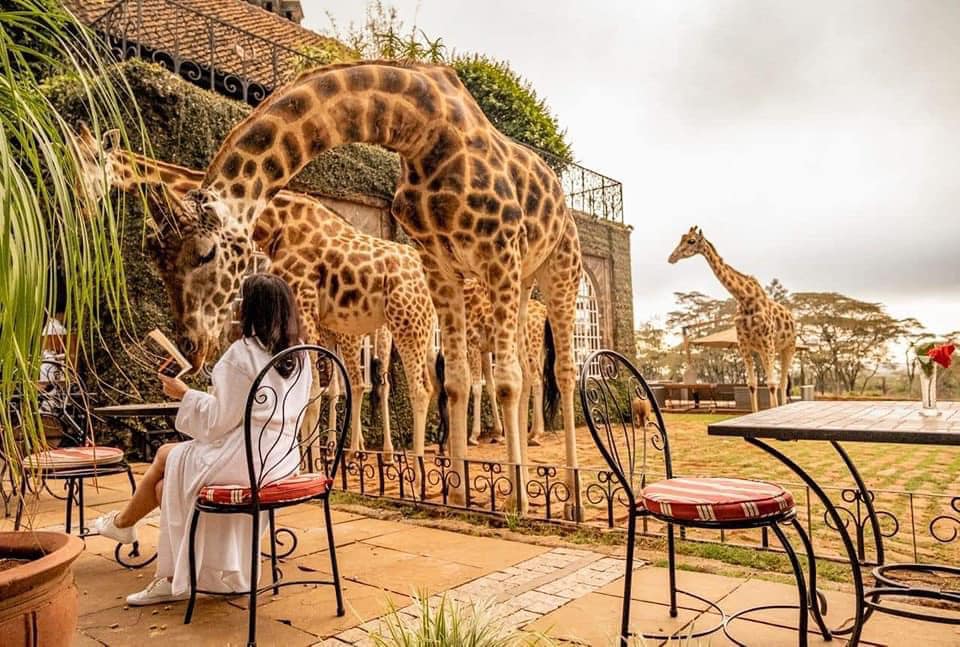
There are no giraffes inside the crater — the walls are too steep for them to descend. But virtually everything else is there. The Ngorongoro Crater holds approximately 25,000 large mammals within its walls year-round, including Africa's highest lion density and Tanzania's most reliable black rhino sightings.
If you have the option, stay at a lodge on the western crater rim. The sunrise views from the west face are unmatched, and you'll descend into the crater with the morning light ahead of you.
Explore our Ngorongoro Crater destination page for accommodation options.
Day 7: The Crater Floor — and Departure from Arusha
This is the final morning, and in some ways the most concentrated wildlife experience of the entire trip. You descend 600 metres from the crater rim to the floor via the Seneto descent road (the standard descent route), arriving as the crater fills with morning mist and the wildlife begins to stir.
What to Expect on the Crater Floor
The crater floor is divided into open grassland (home to the lion prides and their prey), the Lerai Forest (fever tree woodland that is the centre of elephant activity), Lake Magadi (alkaline lake that draws flamingos seasonally), and Mandusi Hippo Pool (reliable hippo and waterfowl viewing).
Black rhino: This is your best chance on the entire itinerary. The crater population stands at roughly 26 individuals — critically endangered, intensively monitored. Sightings are not guaranteed, but your crater guide (required by law — all vehicles must be accompanied by a NCCA-licensed guide on the crater floor) will have radio contact with other guides and will redirect based on where the rhinos were last seen. The Ngoitokitok Springs area on the eastern floor is a historically productive zone.
Lions: The crater prides are legendary. In a single morning drive, seeing three or four different prides is not unusual. Some individuals are so habituated to vehicles they'll walk directly alongside you.
A practical note: Crater floor time is limited to 6 hours per vehicle visit. Descend as early as possible (typically 7am from the rim) to maximise your time before the required 1pm ascent. The Lerai exit road on the south is the standard ascent route.
After ascending, it's a 3-hour drive to Arusha or Kilimanjaro International Airport (JRO) for international departures. Nairobi connections via Kilimanjaro are straightforward with multiple daily flights.
7-Day Kenya & Tanzania Safari Costs: The Honest Breakdown
Budget safari (shared vehicle, budget camps): $300–$400 per person per day / $2,100–$2,800 total Mid-range (private vehicle, quality tented camps): $500–$700 per person per day / $3,500–$4,900 total Luxury (private guide, premium lodges): $900–$1,500+ per person per day / $6,300–$10,500+ total
What's Included
Every reputable operator — including Beyond the Plains Safaris — includes park and conservancy fees, unlimited game drives, full-board accommodation, ground transfers, and a dedicated guide in their package pricing. International flights and gratuities are always separate.
Biggest Cost Variables
Park fees are significant here. The Maasai Mara charges $200 per adult per day in peak season (July–December) and $100 in low season (January–June). The Serengeti charges $70 plus 18% VAT (~$82.60) plus a $60 per night camping fee for lodge guests. Ngorongoro Crater charges $70.80 per person plus $295 per vehicle for crater descent.
Accommodation is your largest single variable. A budget tented camp near Talek runs $80–$150 per person per night. A premium conservancy camp in Mara North or Naboisho — where you get off-road driving rights and lower vehicle density — runs $600–$1,200+.
Flying vs driving between parks adds roughly $300 per sector. On a 7-day trip, flying the Mara–Serengeti leg saves a full travel day and is worth the cost if you have it.
For a complete Kenya cost breakdown, read our detailed guide: How Much Does a Kenya Safari Cost Per Day?
Best Time for a 7-Day Kenya & Tanzania Safari
Peak season (July–October): The Great Migration river crossings happen in this window, with the Mara River most active between late July and mid-October. Wildlife viewing is at its easiest — dry conditions concentrate animals around water sources. Parks are at their busiest and most expensive.
Shoulder season (November): My personal favourite month to operate this route. The parks quiet down dramatically after October, accommodation prices drop, and the short rains bring fresh greenery that makes photography spectacular. Baby animals appear across both parks. The Mara's lion prides are active and hunting successfully.
Low season (January–February): Excellent value and outstanding wildlife. Mara park fees halve in January. The wildebeest calving on Ndutu plains (Southern Serengeti) in February is one of Africa's great wildlife spectacles — arguably more emotionally powerful than the crossing for many guests.
Avoid (March–May): Heavy long rains make roads difficult, some camps close, and game viewing is genuinely compromised by dense vegetation. Not impossible, but not ideal for a first safari.
For a complete month-by-month guide, read: The Best Time to Visit Kenya for a Safari.
Private vs Group Safari: Which Is Right for This Itinerary?
On a 7-day cross-border trip, I strongly recommend a private safari. Here's why: the logistics of this route — border crossing, changing vehicles, coordinating timing across three ecosystems — work most smoothly when a single operator controls the entire trip end-to-end and your guide can adapt the schedule in real time.
A private safari also means your vehicle stops for as long as you want at any sighting. No compromise, no group vote. When you find a female cheetah with four cubs near Aitong Hill, you stay until she moves — not until the group gets restless.
Group safaris (typically 6–7 passengers in a shared vehicle) reduce costs meaningfully — from around $500 per person per day to $150–$250. They're best suited to solo travellers on a tight budget who are comfortable with fixed schedules.
Explore the full range of our Kenya & Tanzania safari packages and East Africa safaris to find the right fit.
Packing List: What to Bring on a Kenya–Tanzania Safari
- Clothing: Neutral colours (khaki, olive, sand) only. Avoid dark navy and black — both attract tsetse flies, which are present in parts of the Mara and Serengeti.
- Layers: Crater rim nights drop to 10°C. Serengeti mornings in the vehicle can be cold at 6am even in July. Bring a fleece.
- Camera gear: If you have a telephoto lens, bring it. A 100–400mm range covers most scenarios well.
- Documents: Passport, e-visas for both countries if needed, yellow fever vaccination certificate (required for Tanzania and Kenya entry from certain countries).
- Medications: Malaria prophylaxis, travel insurance documentation, basic first aid supplies.
Frequently Asked Questions
Is 7 days enough for a Kenya and Tanzania safari?
Seven days is the minimum workable duration for a combined Kenya–Tanzania safari covering the Maasai Mara, Serengeti, and Ngorongoro Crater. You'll spend roughly 2 nights in the Mara, 2 nights in the Serengeti, and 1 night on the crater rim, with one day consumed by the border crossing transfer. The itinerary is efficient but fast-paced — if you have 10 days, the extra time makes a meaningful difference to pace and wildlife opportunities.
How much does a 7-day Kenya and Tanzania safari cost?
A 7-day private Kenya and Tanzania safari costs approximately $2,100–$2,800 per person at budget level, $3,500–$4,900 at mid-range, and $6,300–$10,500+ at luxury level. Prices include park fees, accommodation, game drives, and full-board meals. International flights and tips are always additional.
What is the best time to go on a Kenya and Tanzania safari?
The best time is July to October for the Great Migration river crossings — the most dramatic wildlife event in East Africa. January and February are excellent value months with lower Mara park fees and wildebeest calving on the Ndutu plains. November is a well-kept shoulder-season secret: quieter parks, lower prices, and outstanding wildlife viewing.
Do I need a visa for both Kenya and Tanzania?
Yes. Kenya offers an e-visa system at evisa.go.ke, and Tanzania issues e-visas at visa.immigration.go.tz. Both should be applied for at least 10 days before departure. You'll also need a yellow fever vaccination certificate for entry.
Can I self-drive this Kenya–Tanzania itinerary?
Self-driving is not permitted in the Maasai Mara National Reserve as of June 2024. In the Serengeti and Ngorongoro Crater, self-driving is technically possible for experienced off-road drivers with a suitable 4WD, but crossing an international border in a rental vehicle involves significant insurance and legal complications. We strongly recommend a guided safari with a licensed cross-border operator for this route.
What wildlife can I realistically expect to see in 7 days?
On a well-guided 7-day Kenya–Tanzania safari, realistic expectations include lion (virtually certain across all three areas), elephant (Serengeti and Ngorongoro especially), leopard (good odds in Seronera), cheetah (Mara and Serengeti open plains), buffalo, giraffe, hippo, zebra, wildebeest, and hyena. Black rhino sightings are possible at Ngorongoro but not guaranteed. With a skilled guide and some luck, the full Big Five in seven days is absolutely achievable.
Plan Your 7-Day Kenya & Tanzania Safari with Beyond the Plains Safaris
This itinerary is one I've refined over years of operating it — adjusting camp selections, testing driving routes, working out the logistics of the border crossing in both peak and low season. When you book with Beyond the Plains Safaris, you get a team based in Nairobi that knows these roads, knows the guides, and knows exactly where the wildlife is likely to be in any given month of the year.
We handle everything: Kenya and Tanzania park permits, accommodation across all parks, cross-border transfers, dedicated guides, and 24/7 support throughout your trip. Our Mara & Serengeti safari packages are fully customisable — whether you're travelling as a couple, a family, or a small group.
Get your free, no-obligation safari quote here — or schedule a consultation directly with me and I'll walk you through every detail personally.
The plains are waiting.
Comments (0)
Leave a Comment
No comments yet. Be the first to comment!