

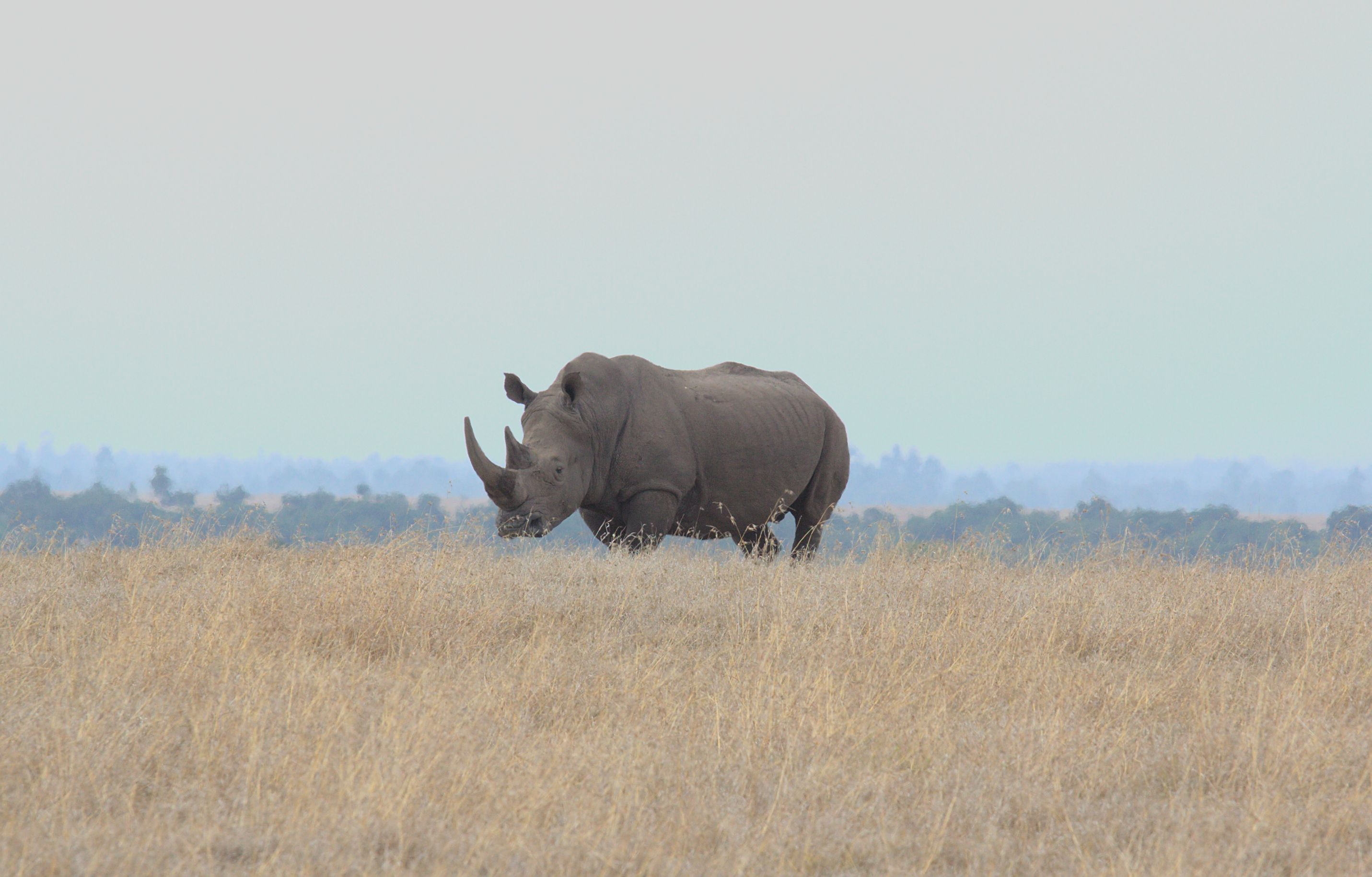
You already know Kenya means the Maasai Mara — lions on the plains, jeeps lined up at a river crossing, that iconic postcard shot. What most travelers don't realize is that just north of Mount Kenya lies a quieter, rarer kind of safari, where you can track rhino on foot or ride a horse past giraffe with barely another vehicle in sight. This guide breaks down exactly what a Laikipia conservancies safari involves, which conservancies fit your priorities, and how to plan a visit.
Key Takeaways
- Laikipia is a roughly 9,500-square-kilometer plateau in central Kenya made up of private and community-owned wildlife conservancies rather than a single government-run park.
- Conservancies operate outside national park restrictions, which allows activities such as night drives, walking safaris, and horseback or camel safaris that are unavailable in reserves like the Maasai Mara National Reserve.
- Laikipia holds Kenya's largest black rhino population and its second-largest elephant population, alongside species rarely seen elsewhere such as Grévy's zebra and the African wild dog.
- Leading conservancies including Lewa, Ol Pejeta, Borana, Loisaba, and Solio each offer distinct wildlife strengths, activities, and lodge styles.
- The dry seasons from July to September and December to March generally offer the best wildlife visibility across the conservancies.
- Access is typically by light aircraft from Nairobi's Wilson Airport directly to a conservancy's private airstrip, cutting travel time compared to overland routes.
- Choosing a conservancy depends on priorities such as rhino tracking, horseback safaris, family-friendly programming, or lower visitor density.
What Are the Laikipia Conservancies?
The Laikipia conservancies are a network of private and community-owned wildlife reserves spread across the Laikipia Plateau in central Kenya, an area covering roughly 9,500 square kilometers (950,000 hectares) — Source: Africa Geographic, 2026. Unlike the Maasai Mara or Amboseli, Laikipia is not one government-managed protected area. Instead, it is a patchwork of ranches, community lands, and private reserves that have been converted, in whole or in part, into wildlife conservancies.
Formally, many of these properties belong to the Laikipia Conservancies Association, a body representing 24 member conservancies covering around 3,500 square kilometers (350,000 hectares) — Source: Africa Geographic, 2026. Each conservancy sets its own rules for tourism, conservation management, and community partnership, which is why the experience can vary noticeably from one property to the next. If you want a deeper look at how this ownership model compares with Kenya's national reserves, our guide to Kenya's conservancy safaris versus national reserves breaks down the practical differences in wildlife sightings and vehicle density.
For example, some conservancies like Ol Pejeta are almost entirely tourism- and conservation-focused, while others like Mugie or El Karama still run cattle alongside wildlife as a working ranch model. This mixed-use approach is part of what makes Laikipia unique: livestock, people, and endangered wildlife coexist on the same land, often within sight of each other. If you're weighing whether a conservancy stay fits your itinerary alongside a national park, our overview of the best private conservancies in Kenya is a useful companion resource.
A wildlife conservancy is a privately or community-managed land area set aside for wildlife protection and low-impact tourism, operating under its own conservation and visitor rules rather than national park regulations. That distinction is the single most important thing to understand before booking a Laikipia trip, because it explains almost everything else about the experience — from the activities on offer to the number of vehicles you'll see at a sighting.
Where Is Laikipia Located in Kenya?
Laikipia sits in central Kenya, stretching across the plateau north and west of Mount Kenya and extending toward Lake Baringo and the more arid landscapes of Kenya's northern frontier. Geographically, it bridges two very different worlds: the greener savanna typical of southern Kenya and the drier, more rugged terrain associated with the north.
This in-between location is a major reason Laikipia supports such an unusually long species list. The region's mix of grassland, acacia woodland, and semi-arid scrub draws both classic savanna wildlife and species better adapted to arid conditions, such as Grévy's zebra and the gerenuk. Nanyuki, the region's main gateway town, sits at the foot of Mount Kenya and is where many overland transfers and light-aircraft charters begin. If Mount Kenya itself is part of your plans, it's worth checking our destination overview for Kenya as a safari destination to see how Laikipia fits into a broader northern Kenya itinerary.
Most travelers combine Laikipia with other parts of Kenya rather than visiting it in isolation. It pairs naturally with the Maasai Mara, Samburu, or Amboseli as part of a multi-stop safari, and its proximity to Nairobi (roughly a 30 to 45-minute flight) makes it easy to add without major logistical strain.
Why Laikipia Conservancies Matter
Laikipia's conservancies matter because they protect a disproportionately large share of Kenya's endangered wildlife on land that receives no direct government funding for conservation. Collectively, the region's private reserves protect the country's largest populations of black rhino, alongside significant numbers of Grévy's zebra, Jackson's hartebeest, and African wild dog — Source: SafariBookings, 2026.
Laikipia is the only major region in Kenya where wildlife numbers have measurably increased since independence, a trend attributed to the conservancy model's combination of private investment, community revenue-sharing, and dedicated anti-poaching units — Source: SafariBookings, 2026. This stands in contrast to many state-run reserves, where wildlife numbers have come under greater pressure from habitat loss and human encroachment.
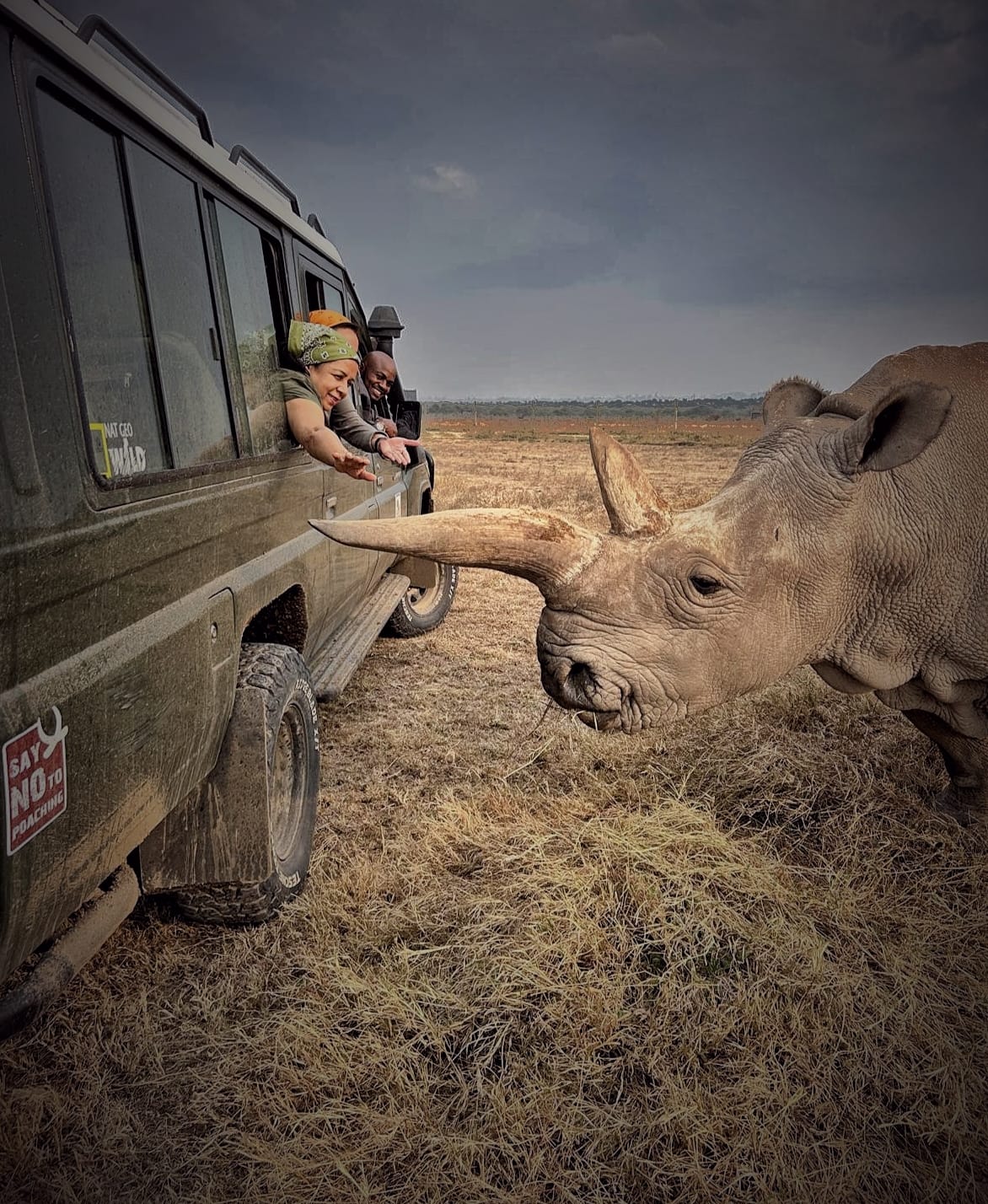
The conservancies also matter economically. Tourism revenue from lodges and camps is typically shared with neighboring communities, funding schools, healthcare, and water projects in areas that would otherwise have few economic alternatives to livestock grazing or subsistence farming. For readers interested in how conservancy tourism translates into community benefit more broadly across Kenya, our guide to community-owned conservancies and how safari funds support local communities covers the funding model in detail.
Beyond rhino and elephant, Laikipia plays an outsized role in predator conservation. It holds one of Kenya's most important populations of the endangered African wild dog, along with confirmed sightings of the exceptionally rare black leopard — a melanistic variant that has drawn international attention from wildlife researchers and photographers alike.
Which Are the Best Laikipia Conservancies to Visit?
Laikipia has no single "best" conservancy — the right choice depends on what you want most from your safari. Below is an overview of the region's leading properties and what each is known for.
Lewa Wildlife Conservancy
Lewa is one of Kenya's pioneering conservancies and a UNESCO World Heritage Site recognized for its rhino conservation program. It is home to a meaningful share of Kenya's black and white rhino population, alongside strong numbers of Grévy's zebra and elephant. Lewa is also known for its guided walking safaris and rhino-tracking excursions, which let guests approach these animals on foot alongside experienced rangers. Travelers wanting a short, focused introduction to the conservancy can look at options like a 3-day Lewa fly-in safari from Nairobi.
Ol Pejeta Conservancy
Ol Pejeta is the largest black rhino sanctuary in East Africa and one of the most visited conservancies in the region — Source: Africa Geographic, 2026. It is also the only place in Kenya where visitors can see chimpanzees, thanks to the Sweetwaters Chimpanzee Sanctuary, which rehabilitates chimps rescued from other parts of Africa. Ol Pejeta combines strong Big Five sightings with a well-developed lodge and camp infrastructure, making it a popular first-time choice. You can explore dedicated options on our Ol Pejeta Conservancy destination page or browse a ready-made Kenya Ol Pejeta Conservancy tour package.
Borana Conservancy
Borana sits adjacent to Lewa, and the two properties share an unfenced boundary that allows wildlife to move freely between them. Borana is particularly known for its horseback safaris across open grassland, plus strong predator sightings including lion and cheetah. Its smaller number of camps keeps visitor density low even during peak season.
Loisaba Conservancy
Loisaba is best known for introducing "star bed" luxury camping platforms, open-air sleeping decks where guests can watch the night sky from bed while overlooking a waterhole. Loisaba also runs a respected camel-safari program and sits within an important wildlife corridor connecting Laikipia to the Ewaso Nyiro River ecosystem.
Solio Conservancy
Solio is one of the oldest private rhino sanctuaries in Kenya and remains one of the most reliable places in the country to see both black and white rhino in a single visit, thanks to decades of dedicated breeding and protection programs.
Mugie and El Karama Conservancies
Both Mugie and El Karama retain elements of working cattle ranches alongside their conservation role. This blended land-use model appeals to travelers interested in seeing how pastoralism and wildlife protection coexist, and both properties tend to offer a more understated, less commercial lodge experience.
Ol Jogi Conservancy
Ol Jogi is a private, largely exclusive-use conservancy known for strong predator populations and an active wildlife rehabilitation program. It typically caters to smaller, more private bookings rather than high guest volumes. For a broader ranked comparison of camps across these properties, our roundup of the best luxury safari camps in Kenya ranked by conservancy is a useful next step.
What Wildlife Can You See in the Laikipia Conservancies?
Laikipia hosts one of the longest wildlife species lists of any safari region in Kenya, a result of its position between southern savanna and northern arid habitat. Big Five sightings — lion, leopard, elephant, buffalo, and rhino — are all realistic across the region's larger conservancies.
| Species | Where It's Notable in Laikipia |
|---|---|
| Black & white rhino | Ol Pejeta, Lewa, Solio |
| Grévy's zebra | Lewa, Loisaba, Mugie |
| African wild dog | Borana, Ol Jogi, Lewa |
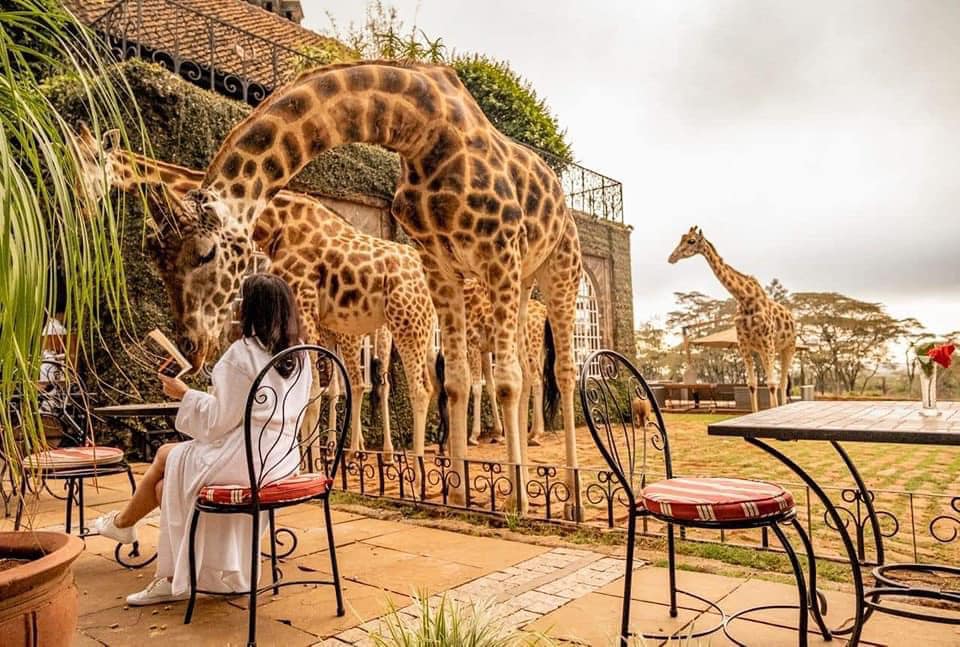
| Reticulated giraffe | Widespread across northern conservancies |
| Black leopard | Occasional sightings, several conservancies |
| Elephant | Ol Pejeta, Lewa, El Karama |
| Striped hyena | Drier northern conservancies |
Laikipia also holds Kenya's second-largest elephant population, behind only Tsavo, giving the region strong herd sightings even outside peak season — Source: Africa Geographic, 2026. If elephants are a priority for your trip, our dedicated guide to the best places to see elephants in Kenya puts Laikipia in context alongside Amboseli and Tsavo. Photographers chasing rarer sightings, including the region's black leopards, may also want to check our guide to where to see leopards in Kenya.
For travelers building a Big Five checklist, our broader Big Five safari guide covering Kenya's best parks explains how Laikipia's sightings compare with the Mara, Amboseli, and Tsavo.
Why Is Laikipia Important for Rhino Conservation?
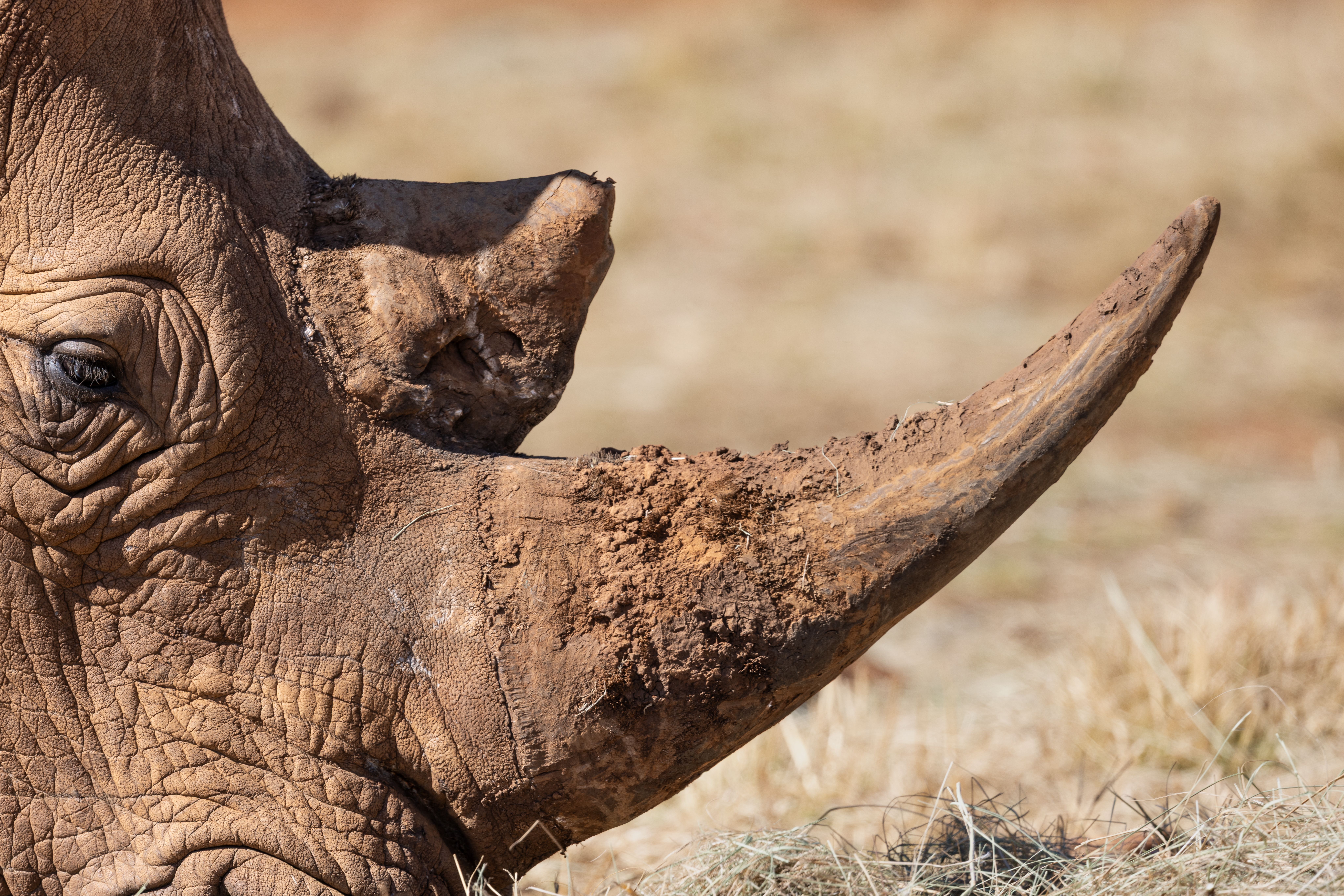
Rhino tracking on foot is a signature Laikipia activity, in which guests follow black or white rhino alongside armed rangers to observe them at close range. Laikipia's conservancies collectively protect Kenya's largest black rhino population, a direct result of decades of coordinated anti-poaching investment across properties like Ol Pejeta, Lewa, and Solio — Source: SafariBookings, 2026.
This concentration of rhino exists largely because private conservancies can fund dedicated ranger units, aerial surveillance, and fencing at a level that would be difficult for a single national park budget to match. As a result, Laikipia has become something of a model for rhino conservation elsewhere in East Africa, with several other regions studying its ranger-training and community-benefit programs.
For travelers, this means Laikipia offers some of the most consistent rhino sightings in Kenya, often within a single morning game drive rather than requiring multiple days of searching.
What Safari Activities Are Available Only in Laikipia's Conservancies?
Conservancy status frees Laikipia's properties from the activity restrictions that apply inside national parks and reserves, which is the practical reason so many travelers choose it as a complement to, or substitute for, the Mara.
Night Drives
Night drives use spotlights to find nocturnal and rarely seen species such as aardvark, genet, and striped hyena. These are banned in most Kenyan national parks and reserves but permitted across nearly all Laikipia conservancies.
Guided Walking Safaris
Walking safaris put you on foot with an armed ranger and tracker, reading spoor and approaching wildlife slowly and quietly. This is one of the most immersive ways to understand animal behavior, and it's especially popular for rhino tracking at Lewa and Ol Pejeta.
Horseback and Camel Safaris
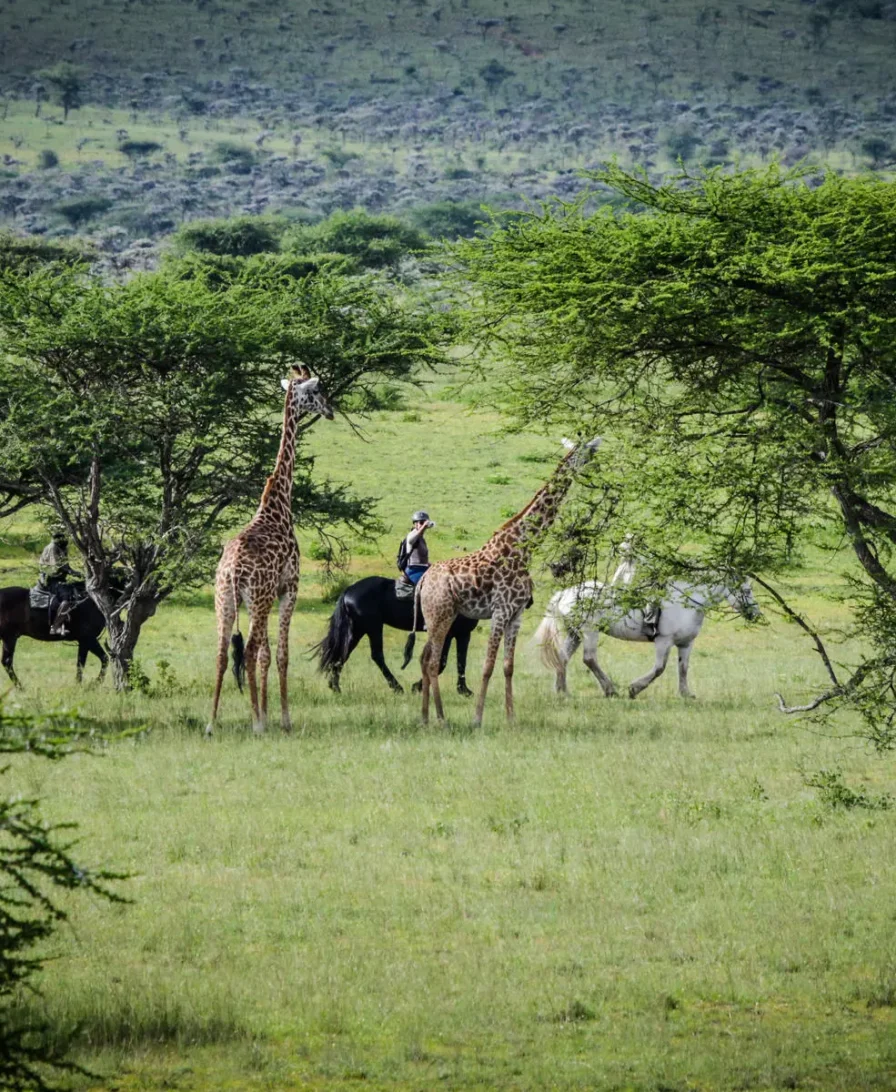
Borana and Loisaba both run structured horseback-riding programs that let experienced riders approach plains game far more quietly than a vehicle allows. Loisaba's camel program offers a slower, multi-day alternative for travelers who prefer walking pace over riding.
Off-Road and Night Photography Access
Because conservancies set their own vehicle rules, off-road driving to approach sightings is generally permitted, which benefits photographers chasing a specific angle or light condition that fixed-track parks don't allow.
Together, these activities are the biggest practical difference between a Laikipia safari and a standard park-based itinerary, and they're often the deciding factor for repeat visitors to Kenya. Our guide on what actually matters in a private East Africa safari expands on how activity flexibility shapes the overall experience.
Is Laikipia Better Than the Maasai Mara for a Safari?
Neither region is objectively "better" — they serve different priorities, and many experienced Kenya travelers visit both. The Maasai Mara remains unmatched for sheer predator density and, seasonally, the wildebeest migration, while Laikipia offers rarer species, lower visitor numbers, and activities the Mara's reserve rules don't allow.
| Factor | Laikipia Conservancies | Maasai Mara National Reserve |
|---|---|---|
| Visitor density | Low, limited by conservancy bed capacity | Can be high in peak season |
| Activities allowed | Night drives, walking, horseback, off-road | Game drives only, on-track |
| Signature wildlife | Rhino, Grévy's zebra, wild dog | Lion prides, wildebeest migration |
| Best for | Repeat visitors, activity variety, rhino tracking | First-time visitors, predator density, migration |
| Access from Nairobi | ~30–45 minute flight | ~45 minute flight or 5–6 hour drive |
If crowding is your main concern, our detailed breakdown of whether the Maasai Mara is too crowded and how vehicle numbers actually work is worth reading before you decide. Many travelers ultimately combine both: three or four nights in the Mara for predator sightings and the migration (when in season), followed by two or three nights in Laikipia for rhino tracking and a walking or horseback safari. For a deeper comparative look at conservancy-style stays generally, see our guide to Mara North Conservancy and Naboisho Conservancy, which apply a similar private-conservancy model closer to the Mara ecosystem.
When Is the Best Time to Visit Laikipia?
The best time to visit Laikipia's conservancies is during the dry seasons of July through September and December through March, when vegetation thins and wildlife concentrates around permanent water sources. These windows overlap with Kenya's broader high season, so booking several months ahead is recommended for the most sought-after camps.
The shoulder months of April through June bring the long rains, which can make some conservancy roads harder to navigate but also bring dramatic green landscapes and excellent birdlife. Because Laikipia sits at higher altitude than the Mara or Tsavo, nights can be notably cool year-round, so packing layers matters more here than in lower-altitude parks.
For a month-by-month breakdown that accounts for rainfall, wildlife concentration, and crowd levels across Kenya, our best time to visit Kenya for a safari guide is a useful planning reference alongside this one.
How Do You Get to the Laikipia Conservancies?
Most Laikipia conservancies are reached by light aircraft flying directly from Nairobi's Wilson Airport to a private airstrip on the property, a flight that typically takes between 30 and 50 minutes depending on the specific conservancy. This is the fastest and most common option for travelers combining Laikipia with other parts of Kenya on a multi-stop itinerary.
An overland drive from Nairobi is also possible, generally taking four to five hours depending on the conservancy and road conditions, and can be a reasonable option for travelers already road-tripping through central Kenya. For a broader look at how fly-in logistics work across Kenya's safari circuit, our guide to fly-in safaris in Kenya and options for safaris departing from Nairobi cover the practical scheduling details.
How Much Does a Laikipia Safari Cost?
Laikipia sits toward the mid-to-upper end of Kenya's safari price spectrum, largely because most camps are small, owner-run properties with high staff-to-guest ratios rather than large-volume lodges. Per-person nightly rates commonly range from mid-range full-board packages to high-end luxury camps with private guiding, though exact pricing depends heavily on season, camp choice, and whether flights are included.
Because pricing structures vary so widely by operator and season, it's worth reviewing a dedicated cost breakdown before budgeting your trip. Our guides on Kenya safari cost and how much a Kenya safari costs per day walk through typical price bands across budget, mid-range, and luxury tiers, which apply directly to conservancy stays like Laikipia's.
Is Laikipia Good for Families or First-Time Safari-Goers?
Laikipia works well for families, largely because many conservancies run junior ranger programs, shorter walking activities suited to children, and family-sized tented units that aren't always available in national park lodges. Lower visitor density also means less pressure around sightings, which tends to make the experience calmer for younger travelers.
For first-timers, Laikipia is an excellent complement to a Maasai Mara or Amboseli itinerary rather than a sole destination, since it adds variety in activities without requiring prior safari experience. If you're building your first Kenya itinerary from scratch, our complete guide to planning a Kenya safari for first-timers and our broader Kenya safari beginner's guide are strong starting points. Families specifically should also review our Kenya safari tips for families and our page on Kenya safari experiences designed for families.
Planning Your Laikipia Safari: Practical Next Steps
Once you've decided Laikipia fits your priorities, the practical planning stage comes down to three decisions: which conservancy, which season, and which camp style. Start by ranking your priorities — rhino tracking, horseback riding, family suitability, or lowest possible visitor density — since that ranking should drive your conservancy choice more than price alone.
Next, decide how Laikipia fits into your broader Kenya itinerary. Most travelers pair it with the Maasai Mara, Samburu, or Amboseli rather than visiting Laikipia in isolation, since the flight network between these regions is well established. Finally, confirm packing needs early: Laikipia's higher altitude means cooler mornings and evenings than lower-lying parks, so a proper packing list matters. Our Kenya safari packing list covers exactly what to bring for this kind of climate variation.
Before booking, it's also worth reviewing a general checklist of questions to ask any operator, regardless of destination. Our guide on questions to ask before booking a safari covers deposit terms, cancellation policies, and what should be included in a quoted rate.
What's Next: Booking a Laikipia Safari
If you're ready to move from research to planning, the most efficient next step is speaking directly with a Kenya-based safari specialist who can match a conservancy to your specific priorities, season, and budget. This avoids the trial-and-error of comparing dozens of camp websites individually.
You can also browse our broader Kenya safari tour operator and package options to see how Laikipia is typically combined with other destinations, or reach out directly through our safari consultation page to start building a custom itinerary around Laikipia's conservancies.
Conclusion
Laikipia isn't a replacement for the Maasai Mara — it's what rounds out a Kenya safari that a single destination can't fully deliver. Between rhino tracking on foot, night drives, and horseback rides past reticulated giraffe, the region rewards travelers willing to look beyond the postcard image of Kenya safari tourism. Whether you're drawn to Lewa's rhino program, Ol Pejeta's chimpanzee sanctuary, or Loisaba's star beds, a Laikipia conservancies safari adds a layer of variety and conservation impact that's hard to find anywhere else in East Africa. Start by identifying which conservancy matches your priorities, and the rest of the itinerary tends to fall into place.










Comments (0)
Leave a Comment
No comments yet. Be the first to comment!