

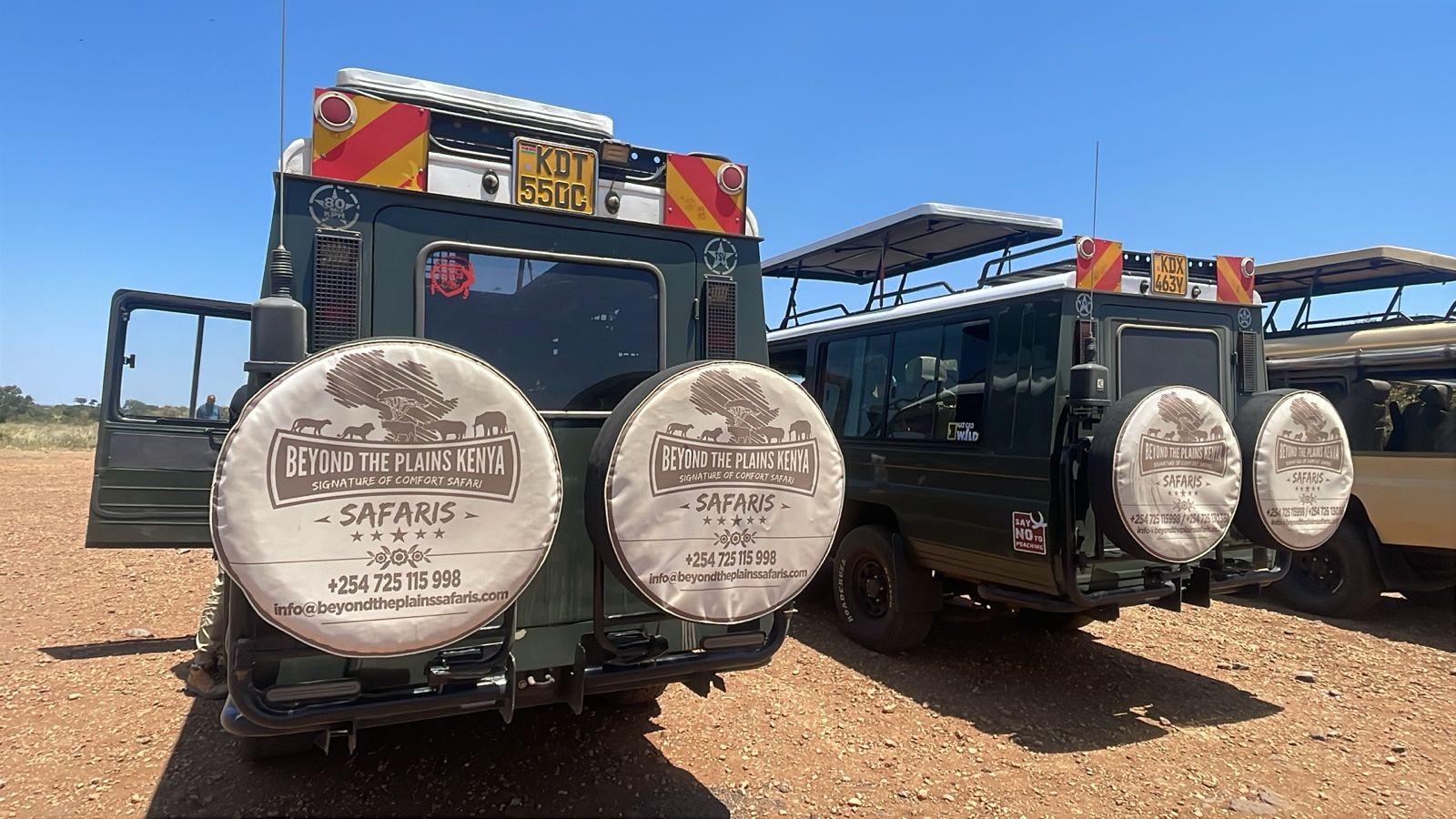
You've probably seen the viral photos: dozens of safari vehicles crowded around a single cheetah kill or a river crossing, sparking outrage about the Maasai Mara being "loved to death." But viral images capture the worst moments, not the average one — they don't tell you how often this actually happens, where, or whether it's avoidable. In this guide, we'll break down what the real vehicle-count data shows, how it varies by season and location, and what it means for planning a Maasai Mara safari that isn't ruined by traffic jams.
Key Takeaways
- Vehicle crowding in the Maasai Mara is concentrated at specific hotspots — river crossings and Big Five sightings — rather than being spread evenly across the reserve.
- Reported vehicle counts at major wildebeest river crossings have ranged from dozens up to 100–300+ during peak migration season, according to safari operators and conservation groups.
- Private conservancies bordering the reserve typically cap vehicle numbers at three to six per sighting, which is a structurally different experience from the open National Reserve.
- Peak crowding aligns with the Great Migration season, roughly July through October, while the green season sees substantially lighter vehicle traffic.
- Narok County officials have acknowledged visitor pressure on the ecosystem and introduced seasonal pricing to redistribute tourism throughout the year.
- Choosing a conservancy stay, timing your trip outside peak crossing weeks, or booking with operators who avoid crowd-chasing are the most effective ways to reduce your exposure to vehicle congestion.
- Vehicle crowding is a management and behavioral issue as much as a volume issue, since enforcement, operator conduct, and zoning affect the experience as much as raw visitor numbers do.
What Is Vehicle Crowding in the Maasai Mara?
Vehicle crowding in the Maasai Mara refers to the clustering of multiple safari vehicles around a single wildlife sighting or river crossing, rather than the reserve's overall visitor volume. This distinction matters because most people who ask "is the Mara too crowded?" are really asking about a narrower problem: dozens of Land Cruisers boxing in a pride of lions or lining a riverbank during a crossing.
That's different from two other things people often lump into the same complaint. First, there's total annual visitor numbers, which measure how many tourists enter the reserve over a year. Second, there's lodge and camp density, which measures how many beds exist within the ecosystem. All three — vehicle clustering, visitor volume, and lodge density — feed into the broader "overtourism" conversation, but only vehicle clustering is what you'll actually experience moment-to-moment on a game drive.
For example, a reserve can have moderate annual visitor numbers overall and still produce chaotic, 80-vehicle pileups at a single crossing point during a two-week window in August. That's precisely what has happened in the Mara in recent years, and it's why "vehicle numbers" — not total tourist counts — is the more useful lens for answering this question.
Why Does This Question Matter Right Now?
This question matters now because rising visitor numbers, viral videos of vehicle swarms, and Narok County's own acknowledgment of ecosystem pressure have turned Mara crowding into an active, unresolved debate. Travelers planning a bucket-list trip want to know if they're walking into a traffic jam; conservationists want to know if the ecosystem can absorb the pressure.
Marley Saitoti, Assistant Director of Tourism and Wildlife in Narok County, has stated that the reserve once received close to 400,000 visitors in a single year, and that such numbers place real pressure on the Mara's fragile ecosystem — Source: Tourism Update, 2026. That admission, coming from the body that manages the reserve, is significant. It confirms that the crowding conversation isn't just internet outrage; it's something the reserve's own tourism officials are actively trying to manage.
At the same time, tourism generates an estimated Sh456 billion annually for Kenya, and the Maasai Mara is included in almost every international safari itinerary — Source: CNN/Swala Nyeti, 2025. That economic reality is why the response has been about managing crowding rather than shutting tourism down. Narok County doubled peak-season park entry fees in 2023 specifically to address overcrowding during the busiest months — Source: CNN, 2025.
Some researchers go further, arguing the Mara's visitor density is roughly ten times higher than other Kenyan parks and around 17 times higher than Tanzania's Serengeti, with resident wildebeest populations reportedly declining by as much as 75 percent over time in the most heavily used areas. Those figures come from conservation commentary rather than official surveys, so they should be read as a directional warning sign rather than a precise measurement — but they explain why this topic keeps resurfacing.
How Many Vehicles Actually Gather at a Maasai Mara River Crossing?
Reported vehicle counts at major Maasai Mara river crossings have ranged from roughly 50 to over 100 vehicles during peak migration season, with some accounts citing 200 to 300 vehicles at the most extreme crossings. These aren't isolated exaggerations. Multiple independent safari operators and conservation watchdogs have documented similar ranges from different vantage points over several migration seasons.
The Mara Conservancy, which administers a section of the reserve, has reported vehicle counts as high as 300 at a single crossing point, describing the resulting congestion as genuinely disruptive to the crossing itself — Source: Serengeti Watch, citing Mara Conservancy data. Safari guides who specialize in the region have separately described personally witnessing groups of over 100 vehicles at big river crossings during high season, with secondhand reports of two to three hundred — Source: ATR Safari, 2025.
It's worth noting these numbers apply to a small number of specific pinch points — the Mara River and Talek River crossing zones — during a roughly 10-to-14-week window each year, not to the reserve as a whole, at all times. If you're planning your trip around the Great Migration month-by-month, it helps to know exactly which weeks carry this level of risk.
Vehicle Counts at Predator Sightings
Away from river crossings, crowding tends to be smaller in scale but more frequent. Reports describe five to ten vehicles converging on a single lion sighting as a routine, near-daily occurrence during busy periods — Source: ATR Safari, 2025. A cheetah kill, in particular, has been known to attract a "fleet" of vehicles within minutes, sometimes reaching up to 60, as guides and tour operators rush clients toward the action — Source: Masai Mara National Reserve overtourism report, 2024.
This pattern has been labeled "aggressive tourism" by some conservationists, referring to operators who prioritize close-up footage for social media over giving animals space — Source: Masai Mara National Reserve overtourism report, 2024. It's a behavioral problem as much as a numbers problem: two operators driving respectfully can share a sighting comfortably, while a dozen chasing the same shot cannot.
How Crowding Varies by Season and Location
Crowding in the Mara is not evenly distributed. It spikes hard during the Great Migration season, generally July through October, and clusters almost entirely around river crossing points and predator sightings near main access roads. Outside that window, and away from those hotspots, vehicle density drops sharply — a pattern we break down further in the best time to visit Kenya month-by-month guide.
Is the Maasai Mara More Crowded Than the Serengeti?
Yes — by most operator and conservation accounts, the Maasai Mara experiences noticeably heavier vehicle clustering than Tanzania's Serengeti, largely because of its smaller size and shorter access routes. The Serengeti is vastly larger than the Mara, allowing migrating herds and the tourist vehicles following them to spread across a much wider area, which naturally thins out crowds outside a handful of hotspots.
The Mara, by contrast, is a comparatively small and fragile ecosystem relative to the combined Serengeti-Ngorongoro system, and its own tourism officials have said it cannot sustainably operate as a mass-tourism destination at current volumes — Source: Tourism Update, 2026. Popular Mara sightings have been reported to attract 30 or more vehicles, a scale of clustering that's less common in the Serengeti thanks to its stricter vehicle limits and greater physical space — Source: Best Day Safaris, 2026.
That said, the comparison isn't absolute. Both destinations have crowded pinch points during migration season, and both have quiet, low-traffic corners. If you're weighing the two head-to-head for your own trip, our honest Masai Mara vs. Serengeti comparison walks through the trade-offs in more depth, and our Masai Mara vs. Serengeti safari tours guide covers which destination suits different migration-viewing goals.
Why Does Vehicle Crowding Happen at River Crossings and Predator Sightings?
Vehicle crowding happens at river crossings and predator sightings because both are rare, high-value moments that every operator's clients want to see, and radio-sharing networks between guides quickly funnel every nearby vehicle to the same spot. Understanding this mechanism explains why crowding is so lopsided — a few sightings get swarmed while most of the reserve stays quiet at the exact same time.
First, river crossings are genuinely unpredictable. Wildebeest herds can gather at a crossing point for hours, or days, before actually entering the water, and no one — not guides, not rangers, not researchers — can reliably predict the exact moment it happens. As a result, guides tend to pre-position vehicles at the most likely crossing points and wait, which creates standing convoys of 20, 50, or more vehicles well before any crossing even begins.
Second, most Mara guides use two-way radios to share sighting locations with colleagues, including guides from other companies they've built relationships with over years in the field. That's normally a helpful practice — it means your guide can find a leopard faster. For example, once one guide radios in a river crossing beginning, the message spreads through the network within minutes, and every vehicle within radio range and driving distance converges on the same spot at once.
Third, client expectations play a real role. Many visitors arrive having seen crossing footage online and specifically request to be positioned as close as possible for photos or video, which pushes guides toward more aggressive positioning than they might otherwise choose. Tour operators and conservationists have specifically flagged this dynamic — sometimes labeled "aggressive tourism" — as a behavioral driver of crowding that exists independent of total visitor numbers. This means that even if annual visitor numbers stayed flat, crowding at hotspots could still worsen if guide behavior and client demand for close-up footage keep intensifying.
Fourth, geography concentrates the problem. The Mara River has only a handful of viable, regularly-used crossing points along its length, so the physical space available for vehicles to spread out is limited by the terrain itself, not just by visitor volume. A wider river, or more crossing points, would likely reduce clustering even at the same visitor numbers.
What's the Difference Between the Maasai Mara Reserve and Its Conservancies?
The Maasai Mara National Reserve is the open, government-managed core area with no enforced cap on vehicles per sighting, while the private conservancies that border it typically limit vehicle numbers to three to six per sighting through contractual agreements with camp operators. This single rule is the biggest structural reason conservancy game drives feel calmer than reserve game drives.
Roughly half of the total land area in the greater Maasai Mara ecosystem is made up of these conservancies — private land leased from local Maasai landowners and managed by safari operators under strict visitor and vehicle limits — Source: ATR Safari, 2025. Conservancies such as Olare Motorogi, Mara North, and Nashulai typically restrict sightings to five or six vehicles, and camps within them cap total room counts, which keeps overall guest density low — Source: Africa Safari Mag, 2025.
Here's a side-by-side breakdown of the core differences:
| Feature | Maasai Mara National Reserve | Private Conservancies |
|---|---|---|
| Vehicle limit per sighting | No enforced cap; can reach dozens at hotspots | Typically 3–6 vehicles |
| Off-road driving | Restricted to designated tracks | Often permitted under guide supervision |
| Night game drives | Not permitted | Frequently offered |
| Walking safaris | Not permitted | Often available |
| Lodge/camp density | Higher, including some large lodges | Capped, mostly small camps |
| Access | Open to day-trippers and self-drive | Guests of conservancy-affiliated camps only |
| Revenue model | Park entry fees | Conservancy fees reinvested in local communities |
If a quieter, lower-vehicle experience matters to you, it's worth reading our definitive guide to community-owned conservancies in Kenya, our field guide comparing conservancy safaris to the national reserve, and our roundup of the best private conservancies in Kenya. Two specific options worth a closer look are the Mara North Conservancy and Naboisho Conservancy, both of which enforce low vehicle caps year-round.
Why Conservancies Can Enforce Limits When the Reserve Struggles To
The enforcement gap comes down to a simple structural difference: conservancies are private land under lease agreements, while the National Reserve is public land managed by the county government. When a camp inside a conservancy operates under a signed lease with the local landowners, that lease typically spells out exact vehicle limits, off-road driving rules, and guest-density caps as binding contractual terms — break them, and the operator risks losing access to the land entirely. That's a powerful, direct incentive that keeps conservancy guides self-policing.
The National Reserve doesn't have that same lever. Any licensed tour vehicle, from any operator, in the country, can legally enter through the main gates, and enforcement depends on a relatively small number of rangers monitoring a very large area. During peak season, the sheer volume of vehicles entering through Sekenani, Talek, and Oloolaimutia gates makes real-time enforcement of crowding rules genuinely difficult, even where the rules technically exist on paper.
When Is the Maasai Mara Least Crowded?
The Maasai Mara is least crowded during the green season, roughly November through June, excluding the short Easter and Christmas holiday peaks, when vehicle traffic at sightings drops substantially compared to the July–October migration window. This isn't a minor seasonal dip — it's the difference between sharing a sighting with two vehicles instead of twenty.
Peak Migration Months vs. the Green Season
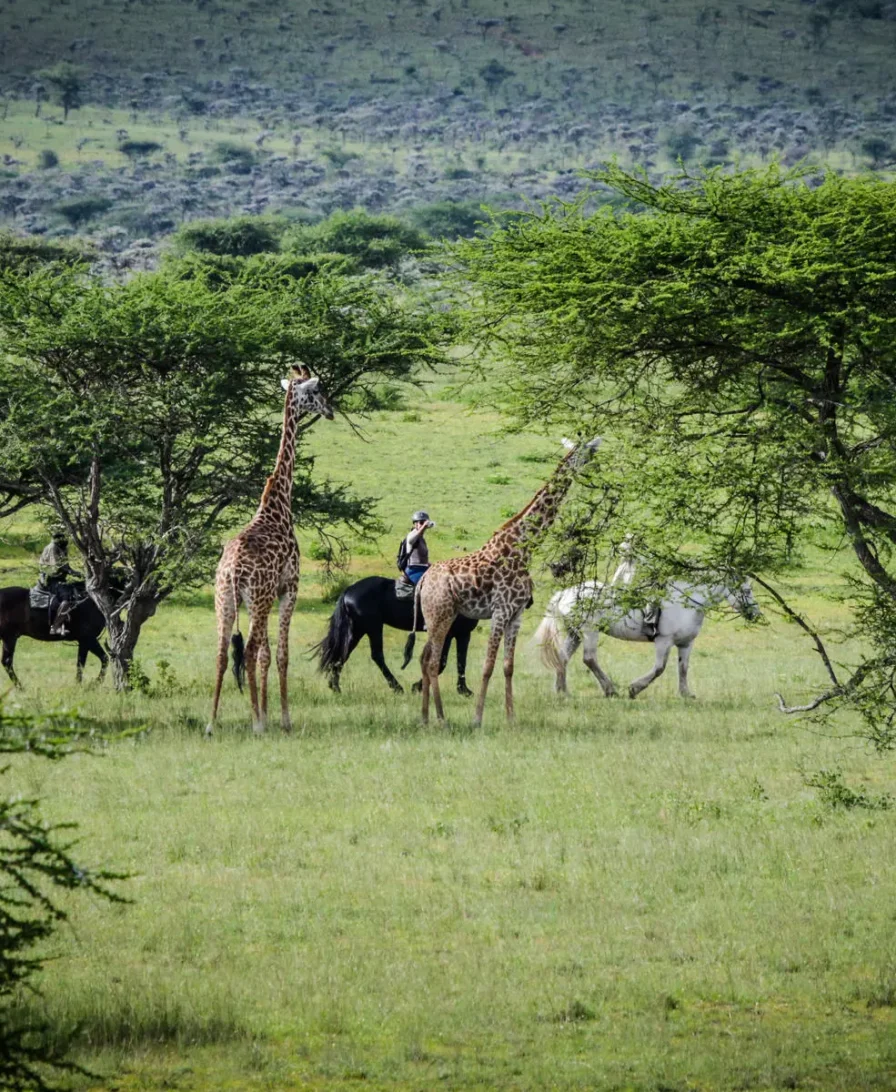
During July through October, wildebeest herds cross the Mara and Talek rivers in search of grazing, and nearly every tour operator times client visits to catch a crossing. That concentration of demand is exactly what produces the 100-plus-vehicle pileups described earlier. Outside those months, the wildebeest have typically moved back into the Serengeti, and general game viewing — lions, elephants, giraffes, resident wildlife — continues with far fewer vehicles competing for the same sighting.
The green season also brings lower accommodation rates and lusher scenery, though it does carry a higher chance of rain showers. Roads can turn muddy after heavy rain, and some remote conservancy camps close briefly around April and May for maintenance, so it's worth checking availability early rather than assuming every property operates year-round. For a month-by-month breakdown of what to expect, see our best time to visit Kenya for a safari guide and our dedicated Maasai Mara safari guide covering best time to go, costs, and where to stay.
There's also a middle path worth knowing about: the shoulder weeks right before or after the main crossing rush, typically late June or early November, often deliver a large portion of the migration spectacle — big herds, plenty of game, dramatic scenery — with noticeably fewer vehicles than the absolute peak weeks in August and September. Guides who track herd movement closely can sometimes time a visit to these shoulder windows deliberately, which is one more reason working with a specialist familiar with current conditions, rather than booking off a generic calendar, pays off.
Are There Rules Limiting Vehicle Numbers in the Maasai Mara?
Yes, but enforcement differs sharply between the National Reserve and the conservancies — conservancies contractually enforce vehicle caps of three to six per sighting, while the open reserve has comparatively looser, less consistently enforced limits. This gap in enforcement is a large part of why viral crowding footage almost always comes from inside the main reserve rather than from a conservancy.
Within the reserve, rules around off-road driving, radio communication between guides, and minimum distances from animals do exist, but compliance varies by operator and by how aggressively guides pursue a sighting for their clients. Conservancies close this gap by contractually binding every camp operating within their boundaries to the same vehicle limits, since violating the agreement risks losing access to the land entirely.
How Is Narok County Addressing Overcrowding?
Narok County, which manages the Maasai Mara National Reserve, has addressed overcrowding primarily through seasonal pricing and infrastructure upgrades designed to redistribute visitors throughout the year rather than simply reducing total numbers. According to Saitoti, the explicit goal isn't necessarily fewer tourists — it's better distribution of the tourists who do come — Source: Tourism Update, 2026.
Under the current pricing structure, international visitors pay around US$100 during the green season and US$200 during peak migration months, a model informed by Kenya's National Tourism Strategy 2021–2025 — Source: Tourism Update, 2026. Early proposals reportedly considered fees as high as US$400 for some premium conservation areas before Narok County settled on the current US$200 ceiling to balance conservation goals against competitiveness. You can see the current fee breakdown in full in our guide to Masai Mara park fees for 2026/27.
Alongside pricing, the county has upgraded infrastructure: more than 200 kilometers of roads within the reserve have been graded and maintained, and airstrips, gates, washrooms, and rest areas have received upgrades, alongside new technology aimed at improving overall visitor management — Source: Tourism Update, 2026.
Does Higher Park Pricing Actually Reduce Crowding?
Higher peak-season pricing appears to shift some demand toward the cheaper green season, but it hasn't eliminated vehicle clustering at the most famous crossing points, which remain a magnet regardless of cost. Pricing changes the distribution of visitors across the calendar more effectively than it changes behavior within the peak season itself. A traveler paying US$200 to see a river crossing is generally just as motivated to get close to that crossing as one who paid less in previous years.
That's why pricing works best as one tool among several — alongside stricter enforcement of vehicle limits, better guide coordination, and continued growth of the conservancy model — rather than as a stand-alone fix.
Is It Worth Paying More to Stay in a Conservancy Instead of the Main Reserve?
For travelers whose top priority is avoiding vehicle crowds, yes — conservancy stays typically cost more per night but deliver a structurally different, lower-density experience with enforced vehicle caps, night drives, and walking safaris unavailable in the main reserve. The trade-off is straightforward: you're paying a premium for scarcity and better-managed wildlife encounters, not for luxury alone.
For travelers on a tighter budget, or those specifically chasing a river crossing (which mostly happen within the National Reserve's boundaries, not the conservancies), a reserve-based stay combined with careful timing can still deliver a strong experience without the conservancy price tag. Our team can help you weigh this trade-off directly through a personal safari consultation.
Practical Ways to Verify and Avoid Mara Crowding
The most reliable ways to verify or avoid Maasai Mara vehicle crowding are checking recent migration timing reports, booking a conservancy stay, and working with an operator who enforces a no-crowd-chasing policy. None of these require specialist tools — they're mostly about who you book with and when you go.
Start by cross-checking migration timing against a recent, dated source rather than a generic "July to October" rule of thumb, since crossing timing shifts year to year based on rainfall. Our Great Migration month-by-month guide is updated with typical crossing windows by month. From there, decide whether you're prioritizing a river crossing (reserve-based, higher crowd risk) or general game viewing (conservancy-friendly, lower crowd risk).
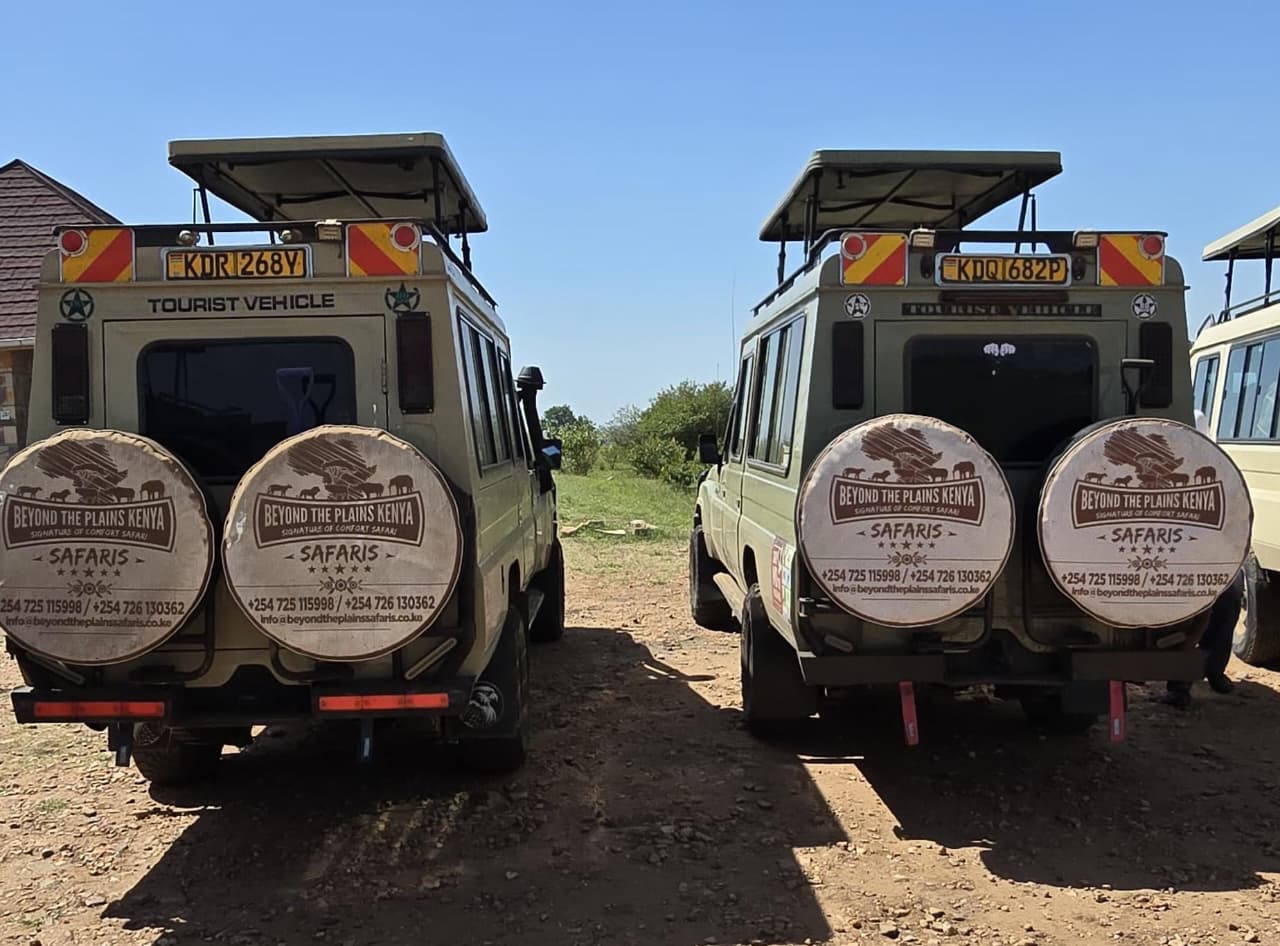
Next, vet your operator specifically on crowd behavior — not just price or itinerary. Ask directly whether guides use radio-sharing networks that funnel vehicles toward the same sighting, and whether they'll pull back from an over-crowded scene rather than push in for a closer view. Our guide to choosing the best Masai Mara safari operators for private safaris covers exactly these questions. If you'd rather have a specialist build the itinerary around low-crowd timing and conservancy stays from the start, our Masai Mara safari tour packages and combined Masai Mara and Serengeti safari packages are both built with this in mind.
Finally, consider how you get into the reserve. Self-drive and budget day-tripper vehicles are more likely to cluster at the most obvious, easy-to-find sightings near main gates, while fly-in access and private guiding tend to reach quieter areas faster. Our Nairobi to Masai Mara road vs. fly-in guide breaks down that trade-off in detail.
What's Next: How to Plan a Less-Crowded Mara Trip
The most effective next step is to lock in your travel window and accommodation type before choosing dates, since these two decisions determine your crowd exposure more than anything else you do once you arrive. With the data above in hand, here's a practical sequence for planning:
- Decide your priority first. If witnessing a river crossing matters more than avoiding crowds, accept that trade-off and plan around it deliberately rather than being surprised by it.
- Pick a season that matches that priority. Use the best time to visit Kenya month-by-month guide to align your dates with either peak migration action or quieter green-season viewing.
- Choose reserve or conservancy accordingly. A conservancy stay, such as Mara North or Naboisho, suits travelers prioritizing low vehicle density over crossing access.
- Vet your operator on crowd behavior, not just price, using the criteria in our best Masai Mara operators guide.
- Pack and prepare properly, since a smoother logistical trip lowers the temptation to chase every sighting for a "worth it" photo. Our Kenya safari packing list and photographer's guide to safaris in Kenya both help you get the shot without needing to be first in line.
- Talk to a specialist before booking. A 2026 Masai Mara safari plan built around current crowding data will serve you better than a generic template itinerary.
Conclusion
So, is the Maasai Mara too crowded? The honest answer is: it depends entirely on where and when you go. The vehicle-number data shows real, well-documented clustering at river crossings and predator sightings during peak migration months — sometimes reaching genuinely disruptive levels of 100 or more vehicles. But that same data shows those numbers are concentrated in a handful of hotspots and a roughly three-month window, not spread evenly across the reserve or the calendar year.
Outside those pinch points, and especially inside the private conservancies that border the reserve, the Maasai Mara remains one of the most rewarding wildlife destinations on the planet. Most game drives, on most days, in most parts of the ecosystem, involve nowhere near the vehicle numbers seen in viral crossing footage — that footage is dramatic precisely because it captures an outlier moment, not a typical afternoon.
The crowding conversation isn't a reason to skip the Mara — it's a reason to plan it more deliberately. With the right timing, the right accommodation type, and an operator who won't chase every sighting for a photo, you can still experience everything that made this reserve famous: the open grasslands, the Big Five, and — if your timing lines up — a genuine river crossing, without becoming part of the traffic jam yourself. The data doesn't say "stay away." It says "know where you're going, and go with a plan." If you'd like help building that trip around the data in this guide, reach out for a free consultation and we'll map it out with you.










Comments (0)
Leave a Comment
No comments yet. Be the first to comment!