

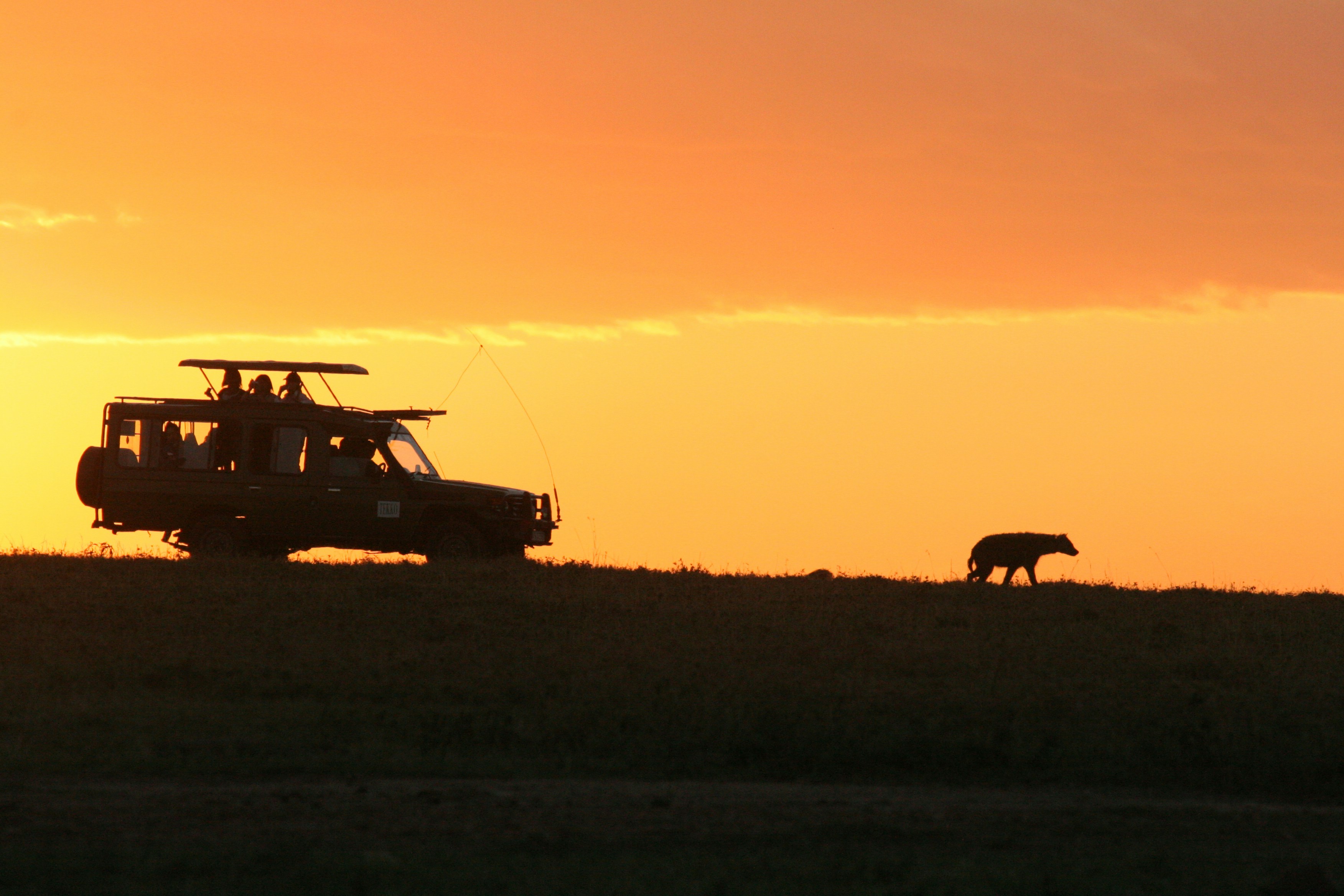
A budget Kenya safari typically costs $150–$300 per person per day, covering a shared 4x4 vehicle, tented camp or budget lodge accommodation, full board meals, park fees, and a driver-guide. A standard 3-day Masai Mara camping safari runs roughly $350–$450 per person, while a 6-day circuit covering multiple parks runs $900–$1,300 per person. Prices shift with season, park fees, and whether you travel in a shared or private vehicle, the breakdown below explains exactly why, and how to control each cost.
What Separates This Tier From Mid-Range and Luxury
Safaris in Kenya are usually grouped into three brackets. Knowing which one you're looking at prevents a lot of the confusion that comes from comparing wildly different quotes side by side.
| Tier | Per person, per day | What changes |
|---|---|---|
| Camping / entry-level | $150–$300 | Shared vehicle, tented camp, full board |
| Mid-range | $300–$600 | Private vehicle, lodge stays, flexible scheduling |
| Luxury | $700+ | Fly-in access, private conservancy camps |
None of these tiers changes which parks you visit or what animals you're likely to see. They change comfort level and exclusivity, not access.
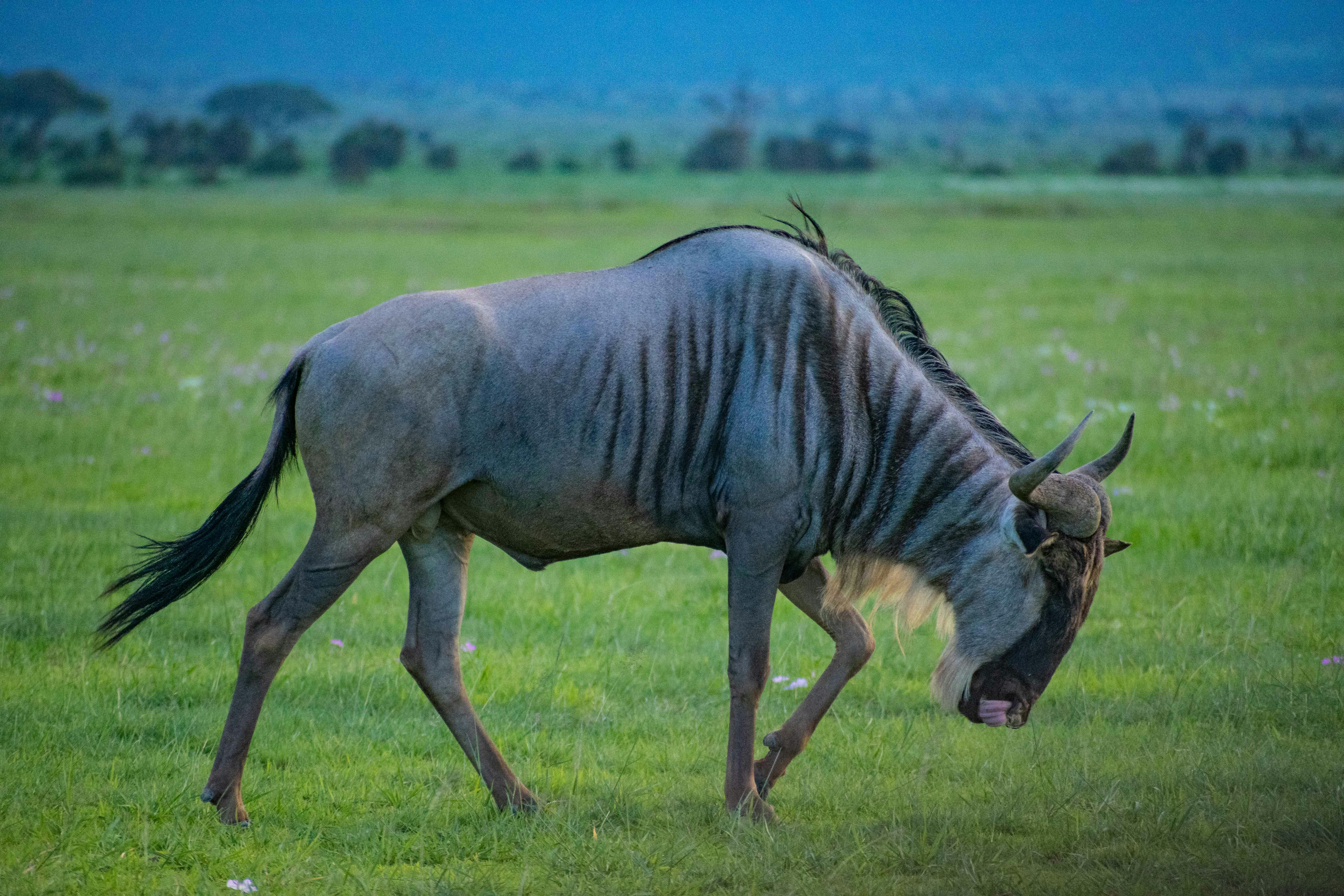
Real Numbers by Trip Length
- 3 days, Masai Mara only: $350–$450 per person
- 5 days, Mara plus one additional reserve: $650–$950 per person
- 6 days, Mara + Lake Nakuru + Amboseli: $900–$1,300 per person
- 7 days, combined with a Serengeti crossing: $1,400–$2,100 per person
These figures include park entry, transport, a driver-guide, and full board. Reserve fees are set annually by county and national wildlife authorities and shift from year to year, so treat these as a planning range and confirm current rates with our team.
What Drives the Cost of a Kenya Safari?
Three factors determine your total cost: park fees, accommodation type, and vehicle arrangement.
Park fees are fixed by the relevant county or national authority and apply per person, per day, regardless of which operator you book with. Most parks charge a lower rate during the low season (roughly April–June and November) and a higher rate during peak season (roughly July–December), when demand is highest. This seasonal difference is often the single largest cost variable in a safari budget.
Accommodation ranges from shared tented camps just outside a park boundary to private fly-in lodges inside a conservancy. A budget tented camp typically costs $25–$60 per person per night; a luxury camp on the same river can cost 10–20 times that. The wildlife viewing is identical, the difference is bed size, private plunge pools, and staff-to-guest ratio.
Vehicle arrangement is the easiest lever for budget travelers to pull. A shared safari van split among five or six travelers costs significantly less per person than a private 4x4 with a dedicated guide, while offering the same access, the same guide expertise, and the same game drives.
Kenya Budget Camping Safaris: What You Actually Get
A budget camping safari includes a shared 4x4 vehicle, a tented camp with real beds and en-suite or shared bathrooms, full board meals, park entry fees, and a professional driver-guide.
Despite the name, camping safaris are not rough or improvised. A typical structure looks like this:
- Pickup from Nairobi, Lodge or Residence, in a pop-top safari van
- A small shared group of 4–7 travelers
- Two or three nights at a tented camp near the park gate, with proper beds and hot water
- Morning and afternoon game drives with a licensed, experienced driver-guide
- Full board meals included in the package price
The guides used on camping safaris are the same guides used on mid-range and luxury trips, safety standards, licensing, and wildlife knowledge do not change by price tier. What changes is where you sleep and whether you share your vehicle.

Two Sample Routes
5 days — Masai Mara + Lake Nakuru
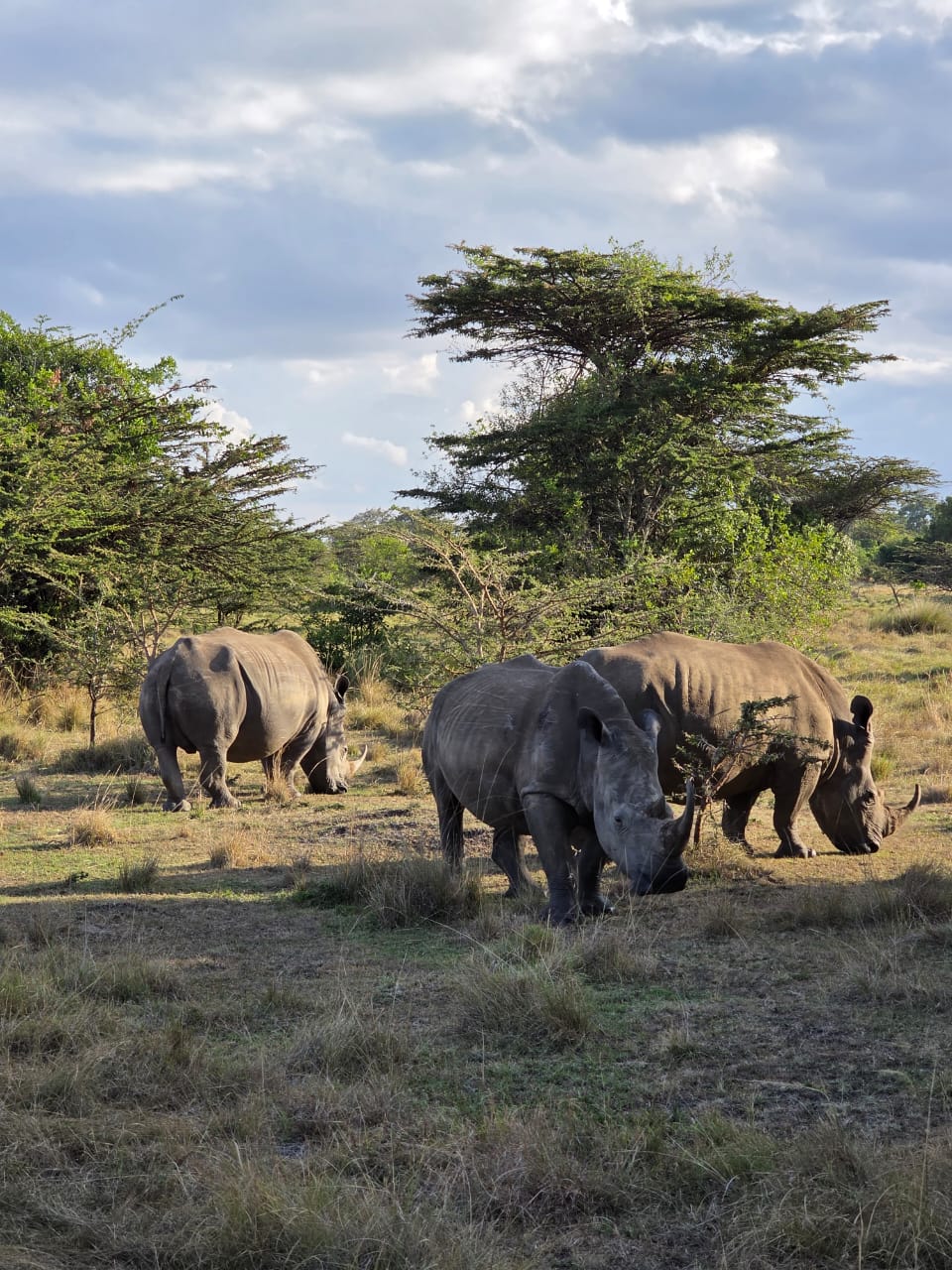
Two full days in the Mara, one night at Nakuru for the rhino sanctuary and lakeside birdlife, with the rest spent in transit and on drives. Shared vehicle, camping-tier: roughly $650–$950 per person.
6 days — Masai Mara + Lake Nakuru + Amboseli
| Day | Route | Notes |
|---|---|---|
| 1–2 | Nairobi → Masai Mara | Two nights, morning and afternoon drives |
| 3 | Masai Mara → Lake Nakuru | One night, rhino sanctuary and lake birdlife |
| 4–5 | Lake Nakuru → Amboseli | Two nights, elephant herds beneath Kilimanjaro |
| 6 | Amboseli → Nairobi | Return transfer |
Shared vehicle, tented-camp accommodation: roughly $900–$1,300 per person, three ecosystems in one trip, at a fraction of what a comparable mid-range or luxury version would cost.
Should You Combine Kenya and Tanzania on a Budget?
Combining Kenya and Tanzania on a budget adds $500–$800 to a typical week-long trip but is worth it primarily for travelers targeting the Great Migration river crossings. A combined budget safari covering the Masai Mara and crossing into the Serengeti typically runs $1,400–$2,100 per person on a camping basis, including park fees for both countries and cross-border ground transport.
The trade-off is logistical: two separate park fee structures, a border crossing, and generally more planning than a single-country trip. For travelers without a specific reason to see both ecosystems, a Kenya-only circuit delivers comparable wildlife density at a lower total cost.

Timing Still Matters More Than Almost Anything Else
The lowest prices consistently occur during the green season (roughly April–June and November), when park fees drop and accommodation rates fall 20–30% below peak pricing.
- Green season (April–June, November): Lowest park fees, lowest lodge rates, fewer vehicles at sightings, short afternoon rain rather than continuous downpours
- Calving season (January–March): Strong predator activity in the Mara ecosystem, moderate pricing, good wildlife-to-cost ratio
- Peak/migration season (July–October): Highest park fees, highest accommodation rates, heaviest crowds at popular sightings
Booking outside the July–October peak window is the single most reliable way to reduce total safari cost without reducing the quality of the experience.
What You're Actually Trading Away
Worth being upfront about the trade-offs rather than pretending there aren't any:
- You'll share a vehicle rather than have one to yourself
- Camps sit just outside the park boundary, adding a short drive each morning
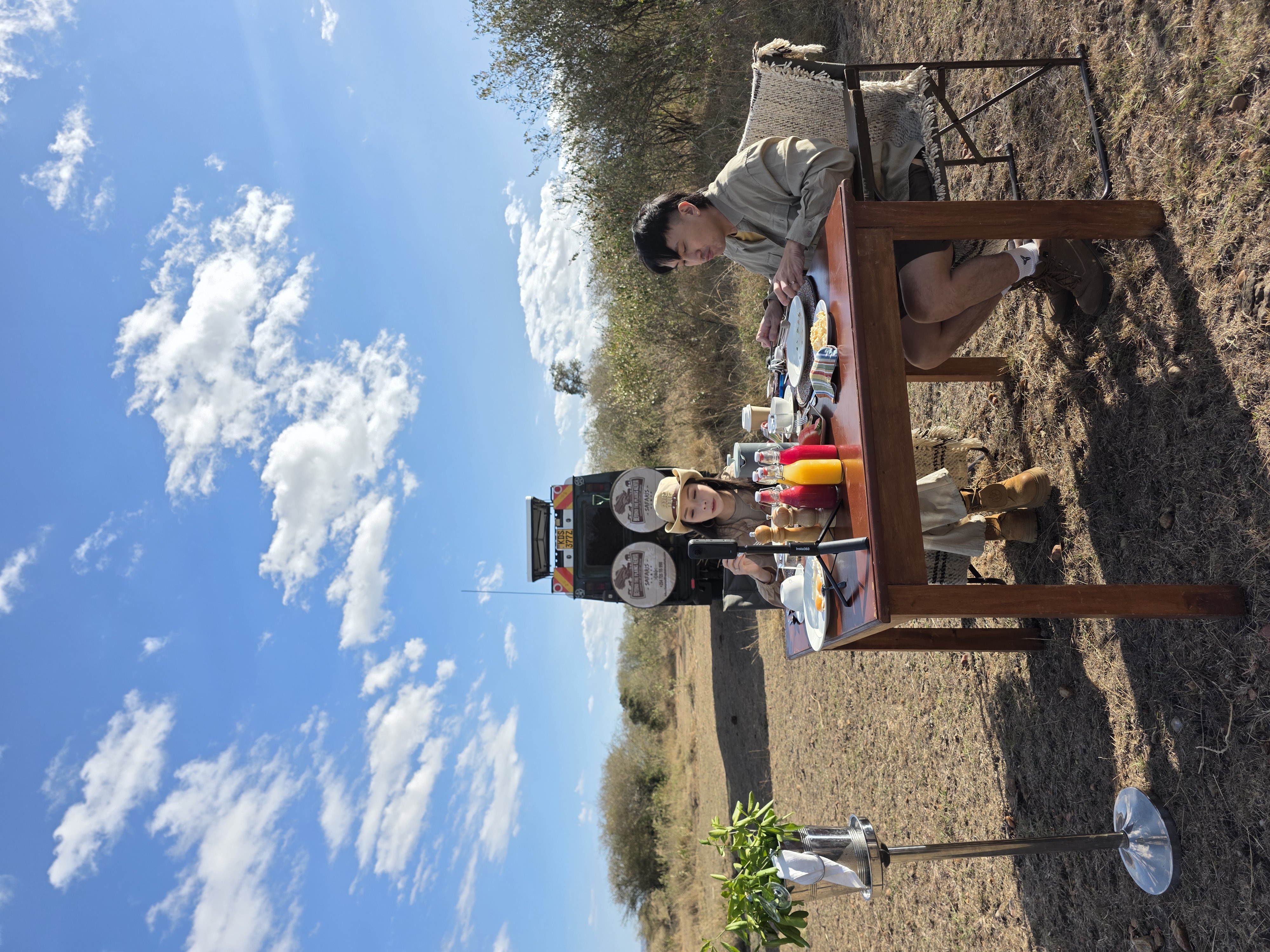
- Extras like a balloon ride, a night drive, or a bush breakfast are booked separately, on any tier
What doesn't change: the animals in front of you, the guide's knowledge of where to find them, and the reserve or conservancy you're standing in. None of that is exclusive to a higher price bracket.
Reading a Quote Properly
A complete quote should spell out reserve fees, all meals, transport, and guiding services without you having to ask. Confirm those four line items are explicitly included before comparing price against any other operator.
What's typically left out, on every tier: tips (a common guideline is $10–$20 per person per day for your guide, with a smaller amount for camp staff), alcoholic drinks, and optional activities. If one quote comes in noticeably lower than several others for the same route, check which of those it's quietly missing before assuming it's simply a better deal.
What to Budget Beyond the Package Price
A few extra costs catch first-time travelers off guard: international flights into Nairobi, an eTA application fee, any pre-trip vaccinations your doctor recommends, and basic gear like a neutral-colored jacket and a good pair of binoculars. None of these are large individually, but plan for roughly $150–$300 total on top of your package price to cover them.
Frequently Asked Questions
Is this tier as safe as a private trip?
Yes. Entry-level operators use the same licensed vehicles and guides as higher-priced ones, safety standards don't change with the price bracket, only accommodation and vehicle privacy do.
What's the single most effective way to cut the cost?
Travel outside July–October and join a shared group vehicle. Those two choices together typically cut total cost by 30–50% compared to a private, peak-season trip.
Will I see less wildlife for paying less?
No. Every tier uses the same parks, reserves, and road networks. What you see depends on season and guide skill, not on how much you paid for your tent.
How many days should I plan for?
Three days covers the Masai Mara properly. Five to six days allows a multi-park route, which generally offers better value per day than a single, short trip.
Does traveling solo cost more on this tier?
Not if you join a scheduled group departure, that avoids the single-occupancy surcharge that applies to private bookings.
Is Kenya cheaper than Tanzania overall?
Generally yes, mainly due to lower reserve fees and a wider spread of entry-level accommodation near the Masai Mara than around the Serengeti.










Comments (0)
Leave a Comment
No comments yet. Be the first to comment!