

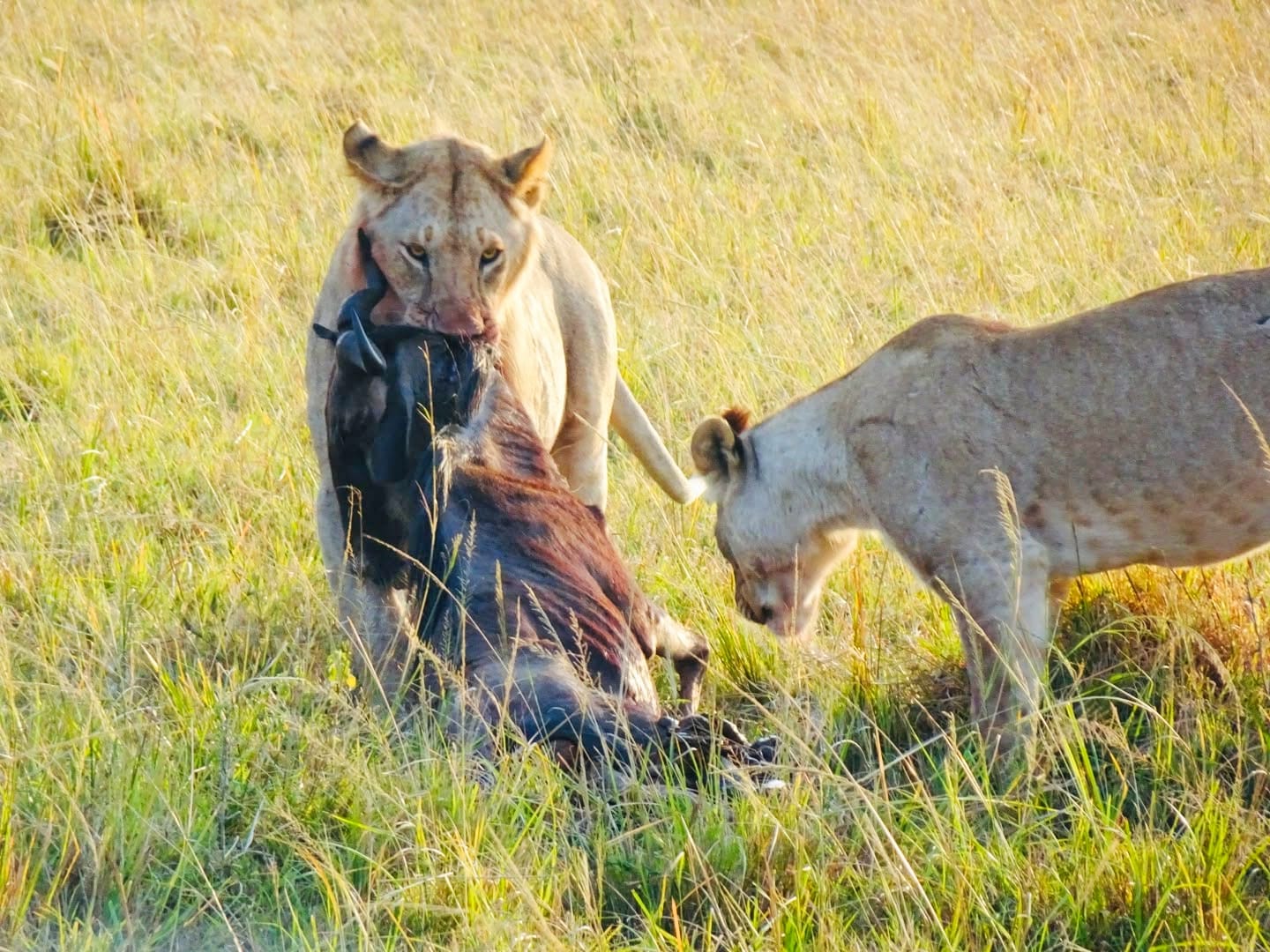
You've probably already pictured it: dust rising behind a Land Cruiser, a lion stretched out in the grass at golden hour, no one else's itinerary to compromise on. But most Kenya safari pricing pages and safety guides are written with couples and families in mind, which leaves solo male travelers guessing at real costs, single supplement traps, and what safety actually looks like on the ground. This guide breaks down exactly what a solo male safari in Kenya costs in 2026, how to avoid unnecessary supplement fees, and what the current safety picture really is — so you can book with a clear head instead of a browser full of open tabs.
Key Takeaways
- Solo male safari travel in Kenya combines independently arranged trip logistics with guided game-viewing, typically booked through tour operators offering both scheduled group-join departures and private itineraries.
- Single supplements are additional fees — commonly 20% to 60% of the per-person sharing rate, and occasionally up to 100% on luxury camps — charged to solo travelers to cover the unfilled second bed in a room priced for double occupancy.
- Budget safaris in Kenya generally run $150–$250 per person per day, mid-range lodge safaris $250–$450 per day, and luxury fly-in safaris $450–$1,000+ per day, all excluding international flights.
- Joining a scheduled group departure is the single most reliable way for a solo male traveler to avoid paying a single supplement altogether.
- The U.S. State Department rates Kenya a Level 2 "Exercise Increased Caution" destination, with its specific risk areas concentrated in named Nairobi neighborhoods and remote border counties — not in the Maasai Mara, Amboseli, or the other major safari circuits.
- International arrivals to Kenya reached 2.79 million in the 2025/26 financial year, up 15.3% year over year, evidence that solo and independent travel to the country is part of a genuine, ongoing boom rather than a fringe trend.
- Careful operator vetting, timing, and travel insurance reduce both cost and risk more than any single safety hack — and they cost nothing but a bit of homework before you book.
What Is Solo Male Safari Travel in Kenya?
Solo male safari travel in Kenya is the practice of booking and taking a guided wildlife safari as an unaccompanied male traveler, either through a scheduled group-join departure shared with other guests or a private itinerary built around one person. It differs from a standard couples' or family safari mainly in pricing structure and social dynamic — not in the actual game-viewing experience, which runs on the same guides, vehicles, and parks either way.
The defining financial concept for this trip type is the single supplement: an extra charge that safari lodges and tour operators apply when one traveler occupies a room, tent, or vehicle seat priced on a per-person-sharing (PPS) basis. Most safari accommodation quotes assume two people splitting a room, so a solo traveler either pays the gap between the shared rate and the full room cost, or finds a way around it — which is exactly what the sections below unpack.
Solo male travel has historically received far less tailored content than solo female travel, even though the logistics — cost, safety, loneliness, booking structure — are largely shared. For a side-by-side look at how the two experiences differ, see our companion guide to solo female safari travel in Kenya, which covers gender-specific safety considerations this guide does not duplicate.
Why Solo Safari Travel in Kenya Matters for Men Specifically
Solo safari travel matters for men because it is a fast-growing, financially significant travel segment that the industry has historically under-served with generic, one-size-fits-all pricing and safety messaging. Solo travelers now account for roughly 18% of global tourism bookings, and bookings from solo travelers have risen 42% over the past two years — Source: Condor Ferries/Hostelworld, 2025. That is not a niche anymore; it is a mainstream and still-accelerating share of the travel market.
Men are a substantial part of that shift. Booking.com's Travel Predictions research found that 63% of male travelers said they were looking to take a trip alone, compared with 54% of women — Source: Booking.com, via Solo Traveler World. At the same time, most published "solo safari" content defaults to a female-traveler framing, leaving men to work out cost logic and safety realities largely on their own.
A solo safari also solves a real scheduling problem. Professional men in their 30s to 50s often have unpredictable vacation windows that don't line up with a partner's or a friend group's calendar. Booking solo removes the coordination bottleneck entirely — you pick the dates, the pace, and the parks. The trade-off is financial (the single supplement) and, for many first-timers, psychological (the safety question). Both are solvable, and that's the rest of this guide.
How Much Does a Solo Male Safari in Kenya Actually Cost?
A solo male safari in Kenya typically costs between $150 and $1,000+ per person per day, depending on accommodation tier, vehicle exclusivity, and whether you join a group or travel privately — with flights, park fees, and single supplements added on top of the base daily rate. These figures reflect itinerary data compiled by Beyond the Plains Safaris across guest bookings and quote comparisons through 2025 and into 2026, and they exclude international airfare to Nairobi.
For example, a nine-night budget camping safari through the Maasai Mara, Lake Nakuru, and Amboseli might land around $1,800–$2,200 all-in for a solo traveler, while the same route on a luxury fly-in itinerary with private conservancy camps can run $6,000–$9,000 or more. The gap comes down almost entirely to accommodation category, vehicle exclusivity, and whether flights replace road transfers between parks.
| Travel Style | Typical Cost Per Person, Per Day | What's Included | Typical Single Supplement |
|---|---|---|---|
| Budget (camping/mobile tented camps) | $150–$250 | Shared 4x4 vehicle, basic tented camps, park fees, meals | 20%–35% of PPS rate |
| Mid-range (lodges and permanent tented camps) | $250–$450 | Ensuite lodge rooms, game drives, most meals, park fees | 30%–50% of PPS rate |
| Luxury (fly-in, private conservancies) | $450–$1,000+ | Premium camps, light-aircraft transfers, private guiding, all-inclusive meals and drinks | 50%–100% of PPS rate |
For a deeper breakdown of what drives these numbers — vehicle type, park fee schedules, and seasonal pricing swings — see our full guides on Kenya safari cost and how much a Kenya safari costs per day.
What Drives the Price Beyond the Daily Rate?
First, international flights into Jomo Kenyatta International Airport (Nairobi) typically add $700–$1,600 round-trip depending on your origin and season. Second, park entrance fees vary by reserve and are usually billed separately from your accommodation rate — the Maasai Mara, for instance, has its own conservation fee structure that changes seasonally, which we detail in our Maasai Mara park fees guide. Third, tips for guides and camp staff are a real line item, not an afterthought; our Kenya safari tipping guide sets realistic daily benchmarks so you can budget it in advance rather than scrambling for cash at the end of a game drive.
Is a Budget Safari Worth It for a Solo Traveler?
A budget safari is worth it for a solo male traveler who prioritizes wildlife time over creature comforts and doesn't mind sharing a vehicle with other guests on a scheduled departure. This setup can be especially good value, because joining a scheduled budget departure is also the easiest way to sidestep the single supplement entirely — you're already sharing transport and often a twin tent with another same-sex traveler on request. Our budget Kenya safari guide walks through exactly which compromises (road transfers instead of flights, shared 4x4s, simpler camps) deliver the biggest savings without cutting into actual game-viewing quality.
What Does a Mid-Range or Luxury Solo Safari Add?
Mid-range and luxury safaris add privacy, comfort, and — usually — a private vehicle and guide, at a proportionally higher single supplement because you're no longer sharing costs with anyone. A private vehicle means your own pace: no group votes on whether to linger at a cheetah sighting or push on toward camp. If comfort and flexibility matter more to you than shaving costs, our mid-range vs. luxury safari comparison and luxury Kenya safari cost guide break down exactly what the extra spend buys at each tier.
What Is a Single Supplement and Why Do Solo Travelers Pay It?
A single supplement is an additional fee charged to solo travelers to cover the cost of an unoccupied second bed in a room, tent, or vehicle seat priced on a per-person-sharing basis. Safari lodges price most rooms assuming two occupants split the nightly rate; when only one person books that room, the property still has to cover its fixed costs — staffing, food service, vehicle allocation — so it recovers the shortfall through the supplement.
This charge can feel punitive, but it reflects a real cost structure rather than an arbitrary penalty. A tented camp with 12 rooms built for double occupancy has a fixed number of staff, a fixed kitchen output, and fixed vehicle capacity regardless of whether each room sleeps one guest or two. When solo travelers fill half as many beds as expected, the property's per-guest overhead rises, and the supplement is how that gap gets closed.
How Can Solo Travelers Avoid Paying Single Supplements in Kenya?
Solo travelers can avoid or reduce single supplements in Kenya primarily by joining a scheduled group-join departure, where the vehicle and often the room-sharing arrangement are already split among several guests booked independently. By joining a group-join safari, you can eliminate the supplement on transport entirely and, on request, share a twin-bedded tent with another solo traveler of the same gender to cut the accommodation supplement as well.
A second option is room-share matching, which some operators offer on request, pairing solo travelers of the same gender who are willing to share a twin room. A third option is choosing operators and seasons that waive the supplement outright — many camps drop or reduce single supplements during Kenya's shoulder seasons (April–May and November) when occupancy is lower and they'd rather fill the bed at a discount than leave it empty. For a fuller comparison of what you gain and give up by traveling with others versus alone, see our guide to group vs. private safari experiences in Kenya.
Should You Book a Group-Join Safari or a Private Solo Safari?
You should book a group-join safari if minimizing cost matters more than privacy, and a private safari if pace, flexibility, and personal space matter more than the extra spend. Joining a scheduled group typically saves 30% to 60% versus a fully private solo itinerary at the same accommodation tier, because the vehicle, guide, and often the room cost are split across several paying guests instead of one.
That said, group-join isn't automatically the "budget" choice — you can join a group departure at a luxury camp just as easily as a budget one; the group simply shares the fixed costs regardless of comfort tier. If total control over your schedule matters most — waking at 4:30 a.m. for a specific sighting, skipping a stop that doesn't interest you — a fully private itinerary is worth the premium. Our guide to private Kenya safaris walks through what that premium actually buys beyond just "no strangers in your vehicle."
Is Kenya Safe for Solo Male Travelers in 2026?
Kenya is generally safe for solo male travelers in the parks and conservancies where safaris actually take place, though the country carries a Level 2 "Exercise Increased Caution" advisory from the U.S. State Department, reissued on July 28, 2026 — Source: U.S. Embassy in Kenya, 2026. The advisory's specific risk flags (crime, kidnapping, terrorism, unrest) are concentrated in named locations, not spread evenly across the country.
This distinction matters a lot in practice. The advisory's "do not travel" zones are the Nairobi neighborhoods of Eastleigh and Kibera; the counties of Garissa, Wajir, Mandera, Lamu, and Tana River (with Tsavo National Park itself specifically carved out as an exception); Kilifi County north of highway C103; coastal areas north of Malindi; West Pokot and western Turkana; and small border strips of Marsabit and Turkana near Ethiopia — Source: U.S. Embassy in Kenya, July 2026. None of those areas overlap with the Maasai Mara, Amboseli, Lake Nakuru, Samburu, Ol Pejeta, or the other major safari circuits that solo travelers actually visit. For a broader look at how this advisory should shape (or not shape) your trip planning, see our dedicated guide on whether Kenya is safe for tourists.
The advisory does specifically flag that "solo travelers in particular should exercise caution" — Source: U.S. Embassy in Kenya, July 2026 — mainly in reference to urban crime and nighttime travel risk in cities, not wildlife areas under guide supervision. Tourism volume backs up the broader safety picture: Kenya recorded 2.79 million international arrivals in the 2025/26 financial year, a 15.3% increase over the prior year — Source: Kenya Ministry of Tourism and Wildlife, 2026 — the large majority of whom visit safari circuits and coastal resorts without incident.
What Are the Biggest Safety Risks on a Solo Safari in Kenya?
The biggest realistic safety risks on a solo Kenya safari are urban petty crime in transit cities, road traffic safety, and health risks like malaria — not wildlife encounters, which are managed by trained guides operating under strict park protocols. Petty theft and opportunistic crime cluster around Nairobi's transit points, crowded markets, and nighttime travel — exactly the pattern the State Department advisory describes — rather than inside lodges, tented camps, or game-viewing vehicles.
For example, a solo traveler is statistically far more likely to lose a phone to a distraction theft at a Nairobi bus stage than to have any negative wildlife encounter on a guided game drive, where vehicles maintain safe distances and guides are trained to read animal behavior before it becomes a problem. Road safety deserves real attention too: long transfer days on rural highways carry more everyday risk than almost anything else on a typical itinerary, which is one reason many solo travelers opt for fly-in safaris on longer trips — a trade-off our Nairobi to Maasai Mara road vs. fly-in guide breaks down in detail.
A well-run guided vehicle is, in practice, one of the safer parts of the entire trip. Guides train extensively on animal behavior, radio between vehicles to share sighting and hazard information, and follow park rules on approach distances specifically designed to keep both wildlife and guests calm. The loneliness factor — often cited as a "risk" of solo travel — is also largely solved by the shared-vehicle format itself: group-join departures put you alongside other travelers for hours each day, which is part of why so many solo travelers report making real friendships on safari rather than feeling isolated.
What Vaccinations and Health Precautions Do Solo Male Safari Travelers Need?
Solo safari travelers to Kenya should carry proof of yellow fever vaccination if arriving from or transiting through a yellow fever-endemic country, and should take malaria prophylaxis for travel below roughly 2,500 meters elevation, which covers the majority of Kenya's safari and coastal regions. Yellow fever vaccination itself is recommended, though not required for entry, for most travelers heading direct to Kenya's safari and coastal areas — it becomes a hard entry requirement specifically for anyone arriving from a yellow-fever-risk country — Source: CDC Yellow Book, 2025. The CDC and WHO additionally recommend typhoid and hepatitis A vaccination for most itineraries — Source: CDC, 2025.
Malaria is the health risk that matters most day-to-day. It transmits year-round across most of Kenya's lower-elevation safari areas, so prescription antimalarial medication — not just insect repellent — is the standard recommendation for anyone spending nights in the Maasai Mara, Amboseli, Samburu, or the coast. Book a travel health consultation 4–6 weeks before departure, since some vaccines require multiple doses spaced weeks apart. Our full Kenya safari vaccinations and health guide covers exact vaccine timelines and which ones matter for your specific route.
Is It Safe to Travel Alone After Dark in Kenya?
Traveling alone after dark carries meaningfully higher risk in Kenya than daytime travel, largely due to road conditions and urban crime patterns rather than anything specific to solo travel — this is standard guidance across most travel advisories, not a Kenya-specific concern. Inside lodges and camps, nighttime movement is normally escorted by camp staff (a genuine safety measure given wildlife proximity, not a crime concern), so this guidance mainly applies to urban nightlife and independent city transit rather than time spent in the bush.
A practical rule that works well: schedule long inter-city road transfers for daylight hours, use hotel-booked or app-based rideshare rather than hailing street taxis in Nairobi or Mombasa, and always follow your camp's escort protocol after dinner. Solo male travelers in Kenya's LGBTQ+ community should also review local laws before booking, since Kenya's legal landscape differs from many home countries; our Kenya safari guide for LGBTQ+ travelers covers this in detail.
Which Kenyan Safari Parks Are Best Suited for Solo Travelers?
The Maasai Mara, Amboseli, and Lake Nakuru are the three parks best suited to solo travelers, because all three offer frequent scheduled group-join departures, established road and fly-in access, and a dense concentration of lodges and camps used to hosting single guests. Starting with a well-trodden circuit reduces logistical friction on a first solo trip, since you're relying on infrastructure other travelers have already tested rather than figuring things out from scratch.
The Maasai Mara National Reserve is Kenya's flagship reserve and the easiest place to find a same-week group departure, which matters directly for solo cost control. Our Maasai Mara safari guide covers best time to visit, cost tiers, and where to stay in more depth than this guide has room for.
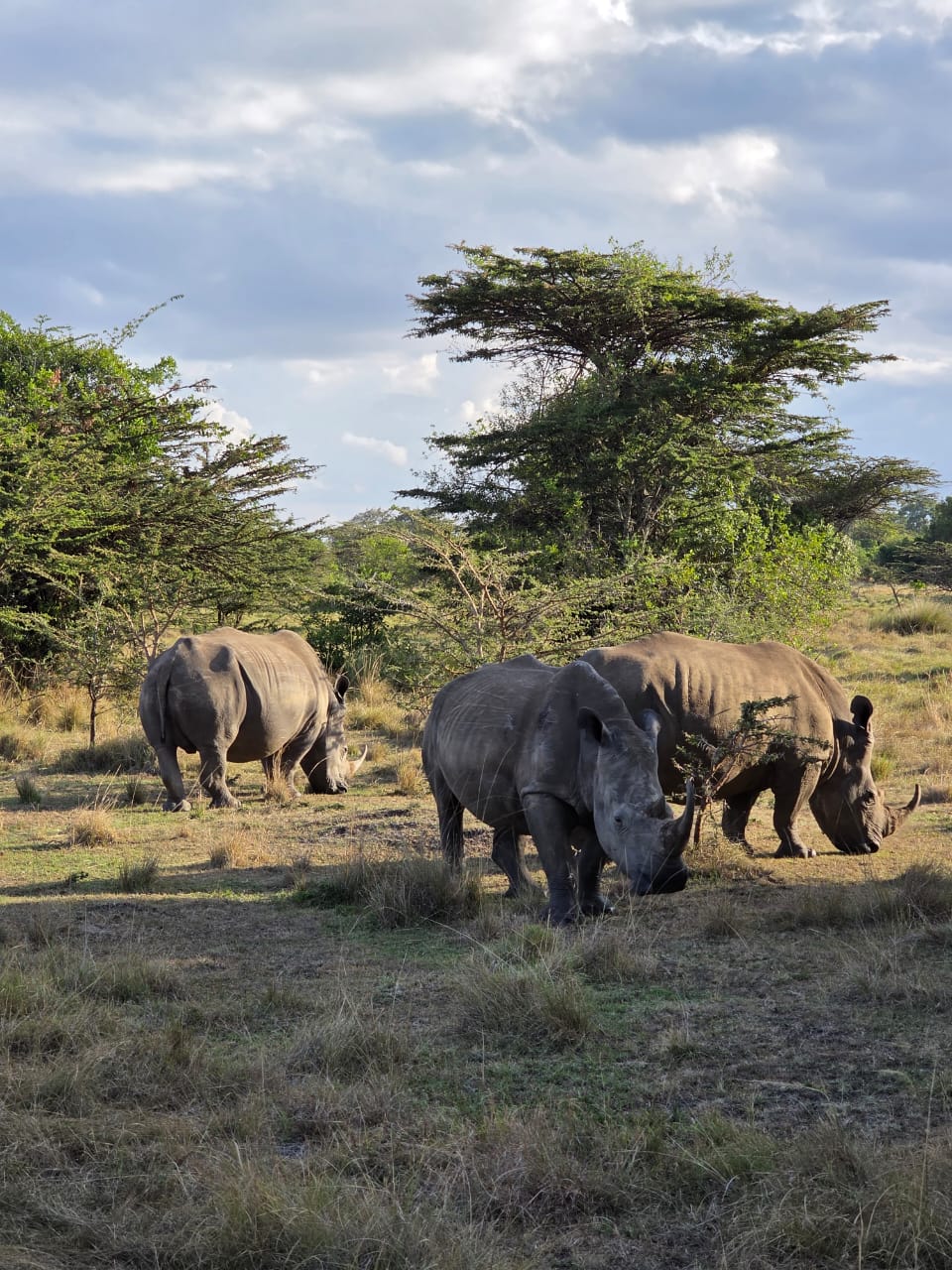
Amboseli National Park pairs elephant herds with Kilimanjaro views and sits close enough to the Mara or Tsavo to combine easily on a multi-park itinerary — see our Amboseli safari guide for specifics on timing and camp selection. Lake Nakuru National Park, known for flamingos and rhino sightings, works well as a shorter add-on for travelers with limited vacation days; our Lake Nakuru guide has current best-time recommendations. For a broader shortlist beyond these three, our top 10 safari parks in Kenya ranks the full field.
When Is the Best Time for a Solo Male Traveler to Visit?
The best time for a solo male traveler to visit Kenya is during the dry seasons — roughly June through October and January through February — when wildlife concentrates around water sources and road conditions are at their most reliable for independent travel. These windows also line up with peak group-join availability, since operators schedule the most frequent departures when demand and wildlife visibility both peak, which directly benefits a solo traveler trying to fill a group vehicle and split costs.
If budget matters more than guaranteed peak sightings, the April–May and November shoulder seasons often bring single-supplement waivers and lower base rates, in exchange for a real chance of afternoon rain interrupting a game drive. Our best time to visit Kenya for a safari guide breaks the calendar down month by month against both wildlife activity and pricing.
What Travel Insurance Do Solo Safari Travelers Need in Kenya?
Solo safari travelers need a travel insurance policy that specifically covers emergency medical evacuation, trip cancellation, and adventure activities like game drives and walking safaris, since standard credit-card travel coverage frequently excludes remote medical evacuation by air. This distinction matters more for a solo traveler than for a group, because there's no travel companion on-site to manage logistics, contact your embassy, or coordinate care if something goes wrong far from a hospital.
Flying doctor or air-evacuation coverage is worth treating as non-negotiable rather than optional, given how far some conservancies sit from full-service hospitals. For example, a serious injury or illness in a remote section of the Mara or Samburu could require air evacuation to Nairobi, a service that costs far more out-of-pocket than the insurance premium that would have covered it. Confirm your policy explicitly lists Kenya (not just "Africa" generally) and covers your planned activities — including any walking safaris or night game drives — before you rely on it, since some budget policies quietly exclude both.
What Should Solo Male Safari Travelers Pack for Kenya?
Solo male safari travelers should pack neutral-colored, lightweight layered clothing, a strong headlamp, a portable power bank, and any prescription medication in carry-on rather than checked luggage, since fly-in safari flights often carry strict baggage weight limits that rule out overpacking anyway. A soft-sided duffel, not a hard-shell suitcase, is the standard recommendation for any itinerary involving light-aircraft transfers between parks, because small bush planes have limited, irregularly shaped cargo holds.
Beyond clothing, the items solo travelers most often forget are a universal power adapter, a basic first-aid kit with any personal medication, and physical copies of key documents (passport photo page, travel insurance policy, yellow fever certificate if required) stored separately from the originals. Traveling without a companion means there's no one to double-check your bag before you leave the hotel, so a written checklist genuinely earns its place. Our full Kenya safari packing list and what to pack for a Kenya safari guide go item by item, including what's genuinely optional versus what isn't.
Recommended Trip Types, Operators, and Booking Tools for Solo Male Safari-Goers
Choosing the right operator matters more for solo travelers than for any other traveler segment, because you have no travel companion to catch a bad itinerary decision, an overpriced quote, or a mismatched vehicle group before it becomes your problem mid-trip. Vetting an operator properly before you book protects both your budget and your trip quality — this is worth doing even if it takes an extra afternoon.

Start by comparing multiple detailed quotes rather than a single headline price, since safari quotes often bury single supplements, park fees, and transfer costs in different line items across operators, making apples-to-apples comparison genuinely hard without a system. Our step-by-step guide to comparing Kenya safari quotes walks through exactly what to line up side by side.
Before signing anything, work through a structured checklist covering licensing, vehicle condition, guide qualifications, and cancellation terms — our questions to ask before booking a safari and how to choose a Kenya safari operator checklist both give you a concrete list rather than vague reassurance. For a starting shortlist of vetted companies, our 10 best Kenya safari companies for 2026/27 is a useful cross-check against whatever quote lands in your inbox.
What's Next: A Step-by-Step Action Plan for Booking a Solo Safari
Booking a solo male safari in Kenya works best on a structured timeline that starts roughly four to six months before departure, giving you time to compare quotes, arrange health prep, and lock in group-join availability before departures fill up. Working backward from your travel dates avoids the two most common solo-traveler mistakes: overpaying because you booked reactively, and missing a group-join departure that would have eliminated your single supplement.
- Set your dates and budget tier first. Decide between budget, mid-range, or luxury before requesting quotes, since mixing tiers across a multi-operator comparison makes the numbers meaningless.
- Request itemized quotes from three to four vetted operators, specifically asking each to break out the single supplement as its own line item.
- Ask directly about group-join availability for your travel window — this single question can eliminate hundreds of dollars in supplement charges.
- Confirm entry requirements, including Kenya's electronic travel authorization process, well before booking flights; our Kenya eTA guide for safari travelers and visa requirements guide cover the current process.
- Book a travel health consultation 4–6 weeks out to allow time for multi-dose vaccines and to fill your antimalarial prescription.
- Understand your deposit and balance schedule before you pay anything — our safari deposit and balance due guide explains standard industry terms so you know what's refundable and when.
- Pack deliberately, not last-minute. Our Kenya safari packing list and what to pack for a Kenya safari guide cover both the obvious and the frequently-forgotten items.
- Plan your cash and tipping budget before arrival, since ATM access is limited once you're out of Nairobi — see our Kenya safari cash guide and tipping guide for concrete numbers.
For example, a traveler booking a July Maasai Mara departure should start this process by February or March, since peak-season group departures fill first, and last-minute solo bookings almost always mean paying the full single supplement with no room-share option left.
Conclusion
Solo male safari travel in Kenya is not the improvised, expensive, or risky undertaking it might look like from the outside. The costs are predictable once you understand the single supplement mechanics, the safety picture is well-documented and concentrated in specific, avoidable locations, and the booking process becomes straightforward once you know which questions to ask an operator upfront. Kenya's tourism numbers — a record 2.79 million international arrivals in the 2025/26 financial year — reflect a country actively built to receive independent travelers, not one where solo visitors are an afterthought.
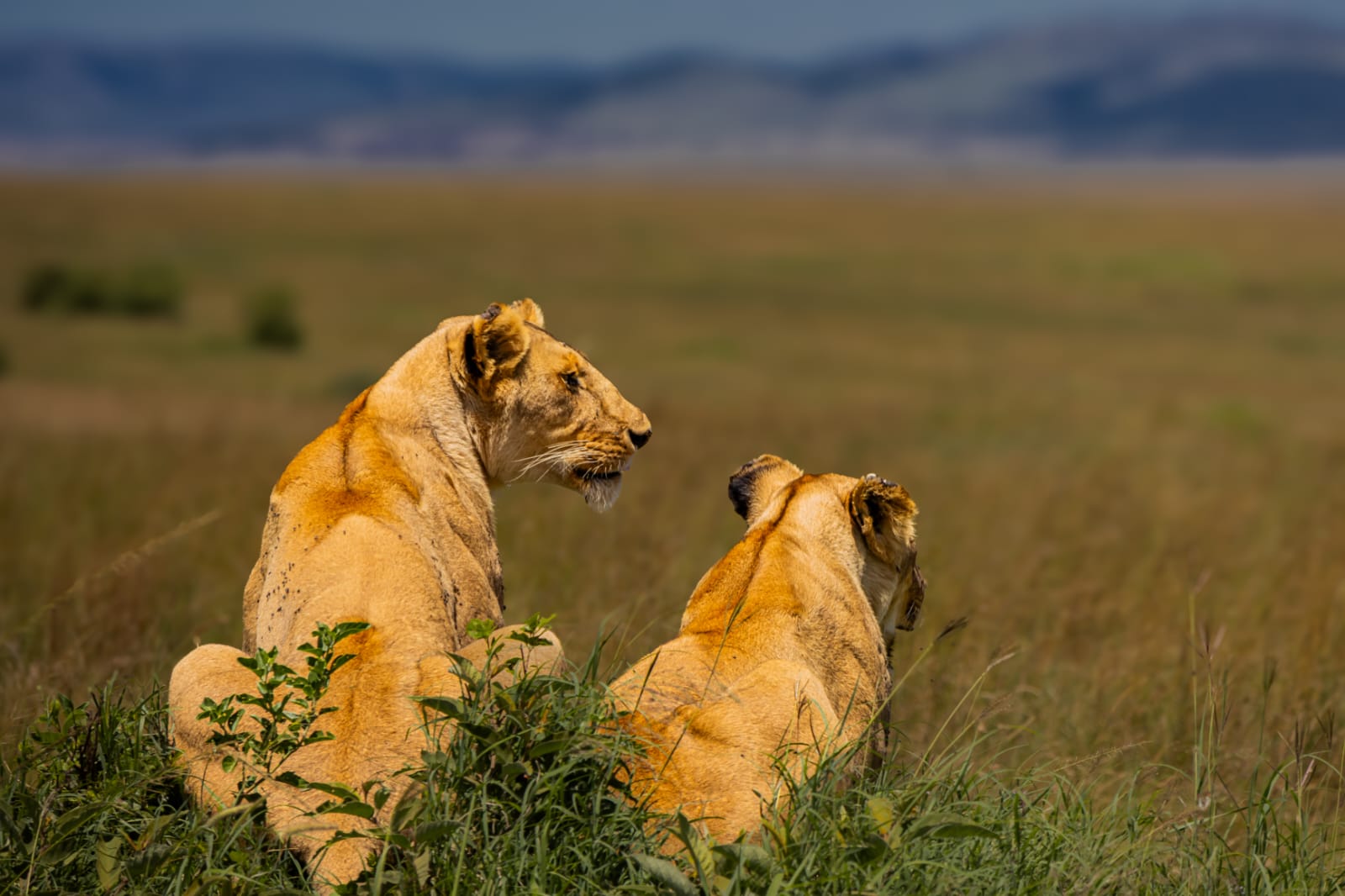
The gap between "thinking about a solo safari" and "watching a lion move through the grass at golden hour" is really just a few structured decisions: a travel style tier, an operator willing to itemize a single supplement honestly, and a realistic timeline. Start that process today with a free consultation with our Nairobi-based team, and let's turn the trip you've been picturing into a dated itinerary.










Comments (0)
Leave a Comment
No comments yet. Be the first to comment!