

You've probably seen the photos — a lake so densely packed with pink flamingos it looks painted onto the landscape. But what most travel guides won't tell you is that those flamingo numbers rise and fall dramatically depending on when you visit, and missing the timing can mean missing the spectacle entirely. This guide breaks down exactly when to go, what else a lake nakuru national park safari offers beyond the birds, and how to plan a visit that actually delivers on the postcard image.
Key Takeaways
- Lake Nakuru National Park is a 188-square-kilometer protected area in Kenya's Rift Valley, gazetted in 1968 to safeguard its alkaline lake ecosystem.
- Flamingo numbers fluctuate based on water levels and algae availability. Recent years have seen the lake's water rise significantly, pushing large flocks toward neighboring Lake Bogoria, so sightings at Nakuru itself are no longer guaranteed.
- The park operates as Kenya's first officially designated rhino sanctuary (since 1987), hosting both black and white rhinos within a fully fenced perimeter built to stop poaching.
- The dry seasons, roughly January to March and June to October, generally offer the best overall game viewing thanks to easier animal spotting and firmer roads.
- Lake Nakuru sits about 156 kilometers northwest of Nairobi, roughly a 2.5-hour drive, making it accessible as a day trip or a short overnight safari.
- Beyond flamingos and rhinos, the park supports over 450 recorded bird species and mammals including lions, leopards, endangered Rothschild's giraffes, and buffalo.
- Visitors should budget for park entry fees, vehicle fees, and optional guided game drives, with costs varying for international visitors versus East African residents and citizens.
What Is Lake Nakuru National Park?
Lake Nakuru National Park is a 188-square-kilometer protected area in Kenya's Rift Valley, gazetted in 1968 to safeguard its shallow, alkaline lake ecosystem. The park surrounds Lake Nakuru itself, one of several soda lakes strung along the floor of the Great Rift Valley, and sits just south of Nakuru town, Kenya's fourth-largest urban center.
What sets this park apart ecologically is its soda lake chemistry. Lake Nakuru is fed largely by rainfall and a handful of small rivers, with no major outlet, which allows dissolved minerals and salts to concentrate in the water over time. That high alkalinity supports blue-green algae called Spirulina platensis — the exact food source that historically drew flamingos here by the hundreds of thousands. The same mineral-rich shallows also support fish populations, which in turn feed pelicans, cormorants, and fish eagles.
At just under 200 square kilometers, Lake Nakuru is one of the more compact parks in Kenya's safari circuit. That size is actually a strength for visitors. You can realistically cover the lakeshore, the surrounding acacia woodland, the rocky escarpments, and the open grassland in a single day. For travelers building a broader trip, our Kenya safari itinerary planning guide walks through how to slot a park this size into a longer route.
The park's landscape shifts noticeably as you move around the lake. Baboon Cliff and Out of Africa Lookout offer sweeping views over the water. The Naishi plains to the south hold open grassland favored by rhinos and grazing herds. Yellow-barked acacia woodland, often called "fever tree" forest, rings much of the shoreline and gives the park a distinctly different feel from the open savannah of parks like the Maasai Mara.
Why Lake Nakuru National Park Matters
Lake Nakuru National Park matters because it functions as Kenya's flagship rhino sanctuary, one of the country's most productive birding sites, and one of the most accessible Big Five parks from Nairobi. Few parks in East Africa combine all three roles in such a small footprint.
First, the conservation stakes here are real. Lake Nakuru became Kenya's first government-managed rhino sanctuary in 1987, a designation created specifically to give black and white rhinos a secure, intensively monitored home after poaching devastated populations across the region in the 1970s and 1980s — Kenya's black rhino numbers fell from around 20,000 in the early 1970s to fewer than 400 by the mid-1980s. Today Kenya's national black rhino population has climbed back past 1,000 animals, and Lake Nakuru remains one of the handful of sanctuaries central to that recovery, alongside Ol Pejeta Conservancy and Lewa (— Source: Kenya Wildlife Service, 2026).
Second, the birding credentials are exceptional. More than 450 bird species have been recorded within the park, ranging from pelicans and fish eagles to secretary birds and dozens of migratory waders. This density of species per square kilometer is rare even by East African standards, and it's a major reason Lake Nakuru was declared a UNESCO World Heritage Site component in 2011 as part of the Kenya Lake System in the Great Rift Valley.
Third, proximity matters for trip planning. At roughly 2.5 hours from Nairobi by road, Lake Nakuru is one of the most accessible Big Five-potential parks in the country. That makes it a natural first or last stop on a longer Kenya circuit, or a standalone day trip for travelers with limited time. For a side-by-side look at how it stacks up against Kenya's other headline reserve, see Maasai Mara vs. Lake Nakuru safari.
The Flamingo Spectacle
Why Do Flamingos Gather at Lake Nakuru?
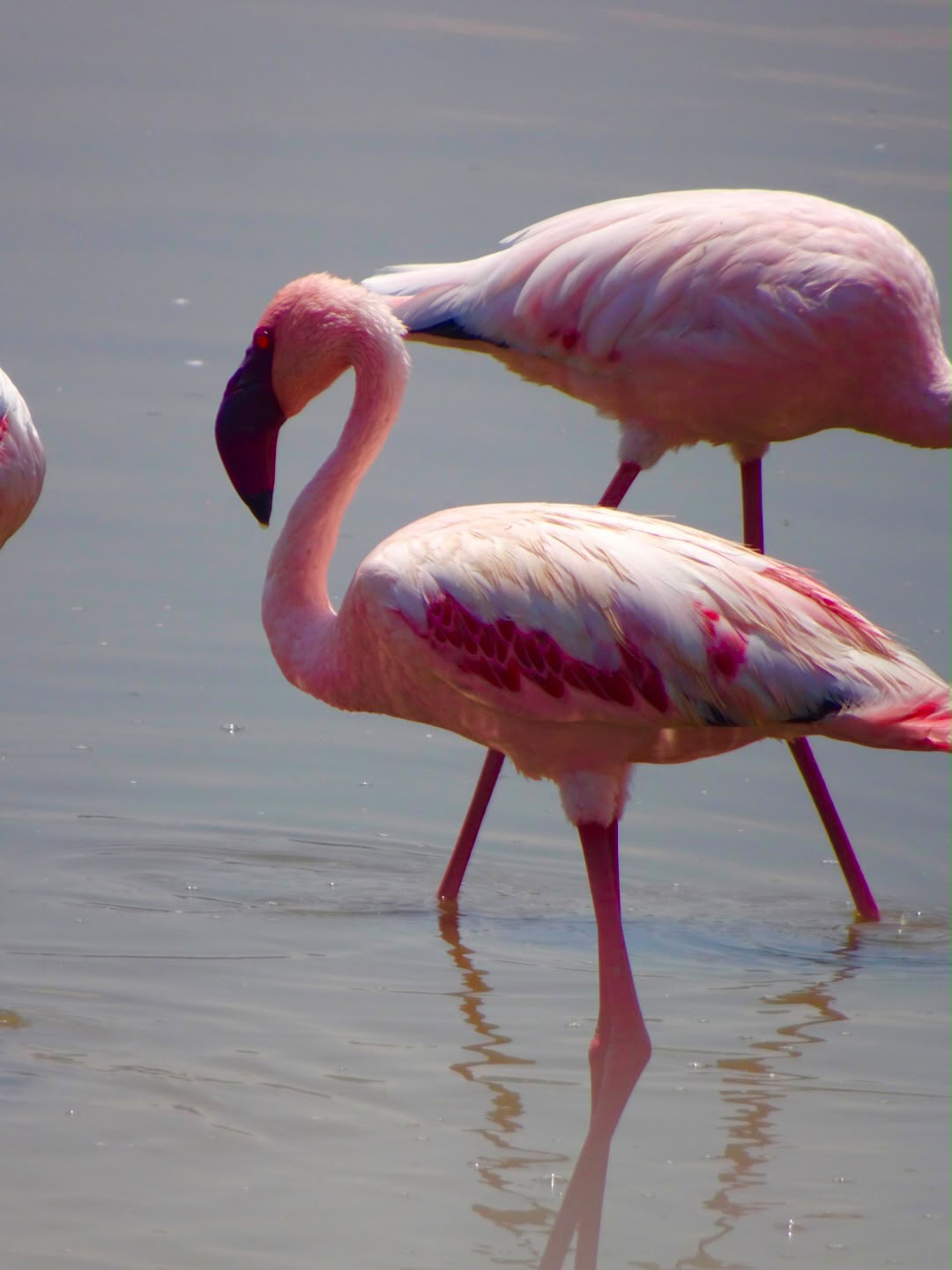
Flamingos gather at Lake Nakuru because its alkaline waters support dense blooms of blue-green algae, the flamingos' primary food source. Greater and lesser flamingos filter-feed on this algae along with tiny crustaceans, and when conditions are right, the birds can concentrate here in numbers that turn entire stretches of shoreline pink.
For decades, this was the image that put Lake Nakuru on the global map. At its historical peak, the lake has hosted flocks estimated at up to two million birds, a scale that made it one of the most photographed wildlife spectacles on the continent. The optimal viewing point for this phenomenon has traditionally been Baboon Cliff, which sits high enough above the shoreline to take in the full sweep of the lake at once.
Are Flamingos Always Present at Lake Nakuru?
No — flamingo numbers at Lake Nakuru are not guaranteed and have shifted significantly in recent years due to rising water levels. This is the single most important thing most travel guides gloss over, and it's worth understanding before you build a trip around the "pink lake" image.
Over the past several years, heavy rainfall across the Rift Valley has caused Lake Nakuru to expand well beyond its historical size, in some periods growing from a shallow puddle-like state to more than 80 square kilometers of open water. That expansion dilutes the lake's alkalinity, and without the right salt balance, the Spirulina algae the flamingos depend on can't bloom in the same concentrations. The practical result: many of the birds have redistributed to nearby soda lakes, particularly Lake Bogoria, which currently holds some of the densest flamingo flocks in the region.
That doesn't mean Nakuru is flamingo-free. As of early 2026, visitors can still expect to see clusters of roughly 10,000 to 30,000 greater flamingos, most often near the Naishi plains rather than the classic northern shoreline. This is a meaningful spectacle in its own right — just not the million-bird carpet of older photographs. The smartest move is to check with your safari operator or lodge the week before you travel, since flamingos are nomadic between Nakuru, Bogoria, and Lake Elementaita depending on current algae conditions. For a wider view of Rift Valley birding beyond Nakuru itself, our Rift Valley lakes birding guide covers nearby sites worth combining into one trip.
| Flamingo Viewing Factor | What to Expect in 2026 |
|---|---|
| Historical peak flock size | Up to 2 million birds (pre-flooding years) |
| Current typical flock size | Roughly 10,000–30,000 greater flamingos |
| Best current viewing area | Naishi plains and southern shoreline |
| Alternative flamingo hotspot | Lake Bogoria (denser flocks currently) |
| Best time to check conditions | 1 week before travel, via operator or lodge |
Rhino Sanctuary & Big Five Potential
How Many Rhinos Are in Lake Nakuru National Park?
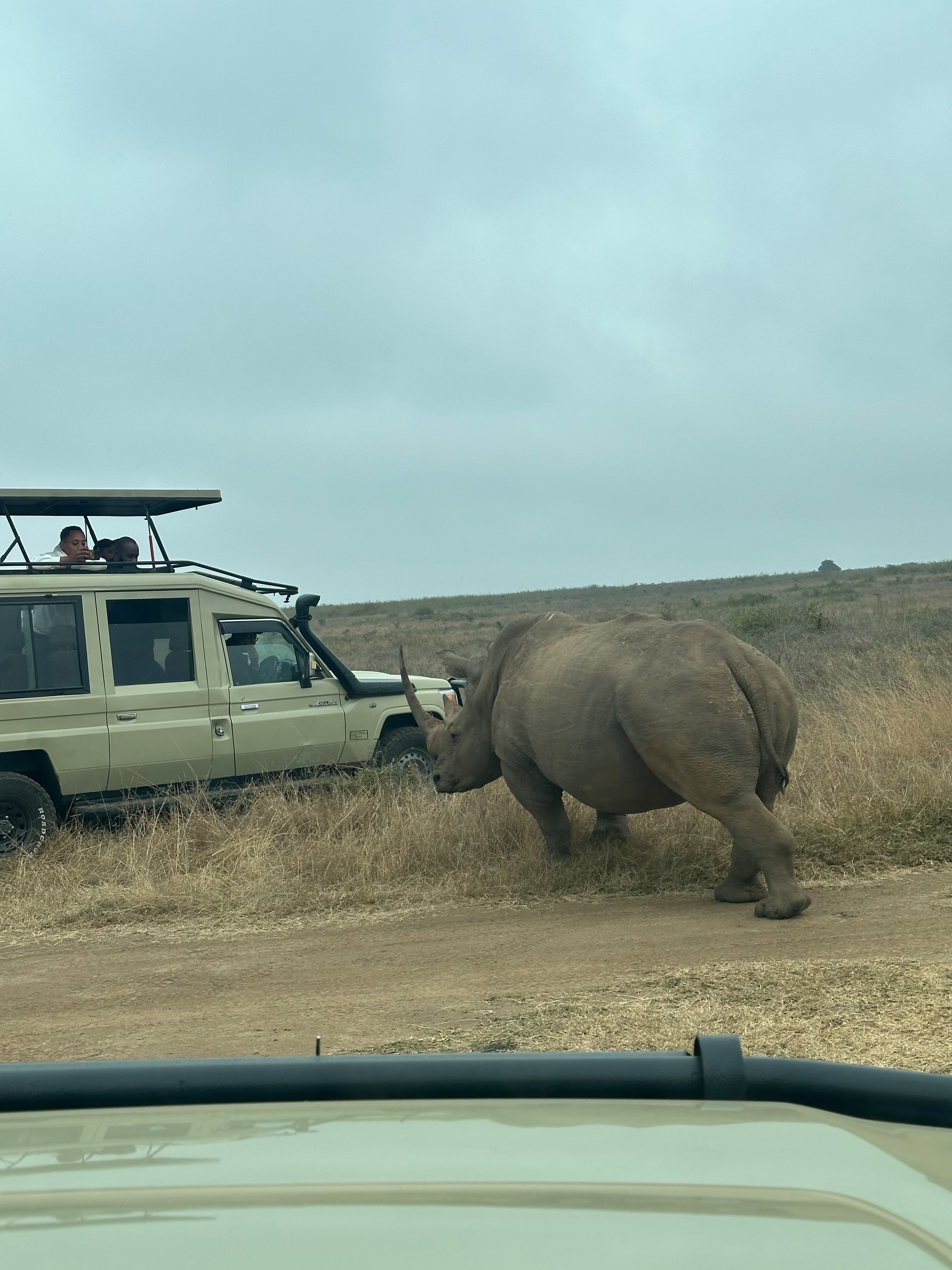
Lake Nakuru National Park is home to roughly 100 rhinos, split between white and black rhino populations, making it one of Kenya's largest single rhino concentrations. Estimates typically put the park at around 70 southern white rhinos and 25 to 30 eastern black rhinos, though numbers shift periodically as KWS manages translocations between sanctuaries to protect genetic diversity (— Source: Kenya Wildlife Service, 2026).
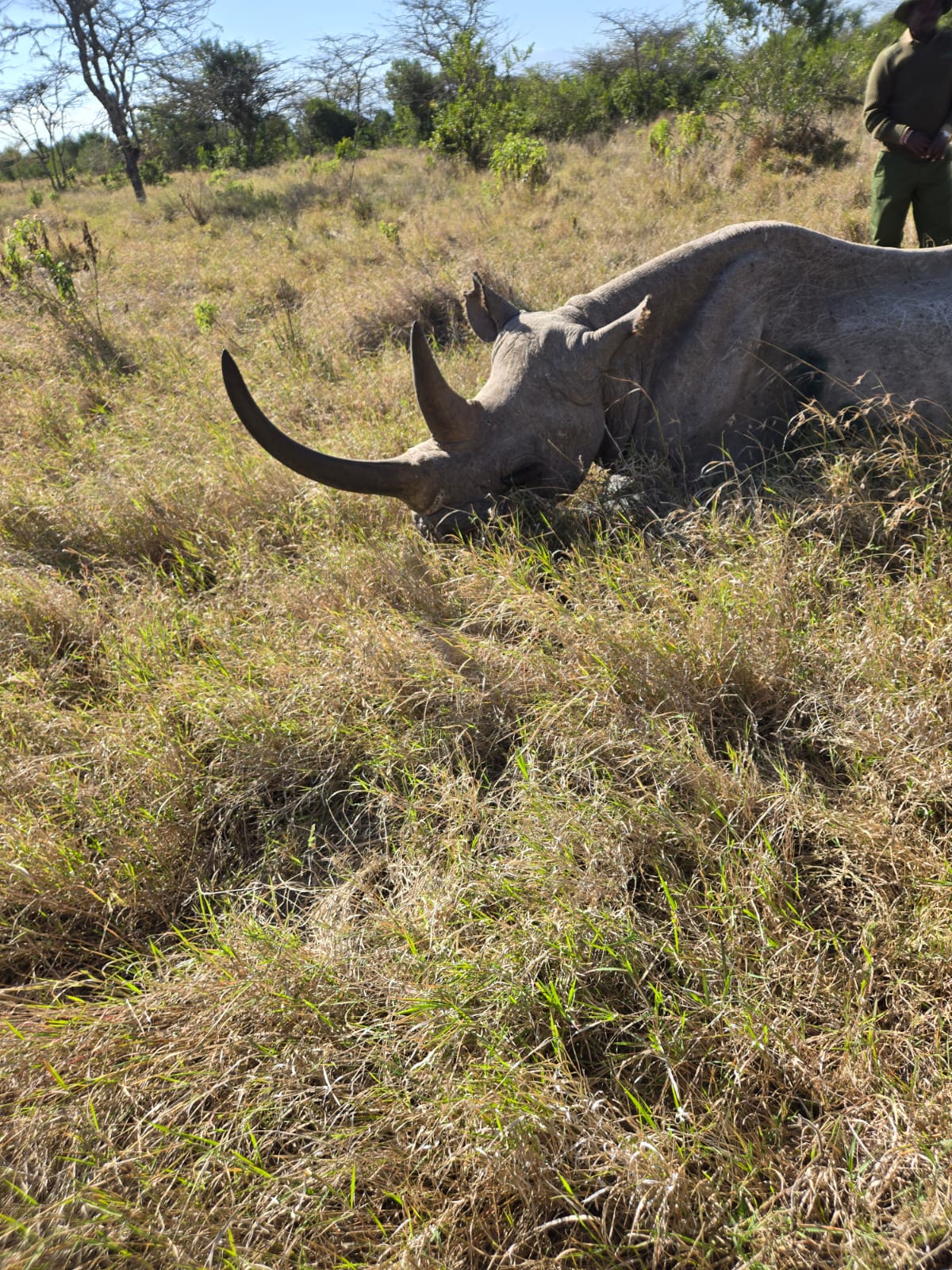
The entire park is fully fenced, a rare and deliberate conservation choice among Kenya's national parks. That fencing exists almost entirely for rhino protection, creating a secure perimeter that dramatically reduces poaching risk compared to open, unfenced ecosystems like the Maasai Mara, where rhino sightings are far rarer and more localized. This fencing is part of why Nakuru has maintained relatively stable rhino numbers even as populations elsewhere in East Africa have struggled.
Black rhinos in particular carry outsized conservation weight. Kenya's national black rhino population crashed from around 20,000 animals in the early 1970s to fewer than 400 by the mid-1980s, driven almost entirely by commercial poaching for horn. The species has since recovered past 1,000 individuals nationally, and Lake Nakuru — alongside Ol Pejeta Conservancy and Lewa Wildlife Conservancy — remains one of the country's core breeding sanctuaries in that recovery effort. To understand how Nakuru fits into Kenya's wider rhino conservation network, our guide to Kenya's Big Five parks breaks down where each species is most reliably spotted.
What Animals Can You See at Lake Nakuru Besides Flamingos and Rhinos?
Beyond flamingos and rhinos, Lake Nakuru National Park supports lions, leopards, buffalo, endangered Rothschild's giraffes, and over 450 bird species. This makes the park a genuine Big Five contender, missing only elephants, which are not present due to the park's limited size and fenced boundaries.
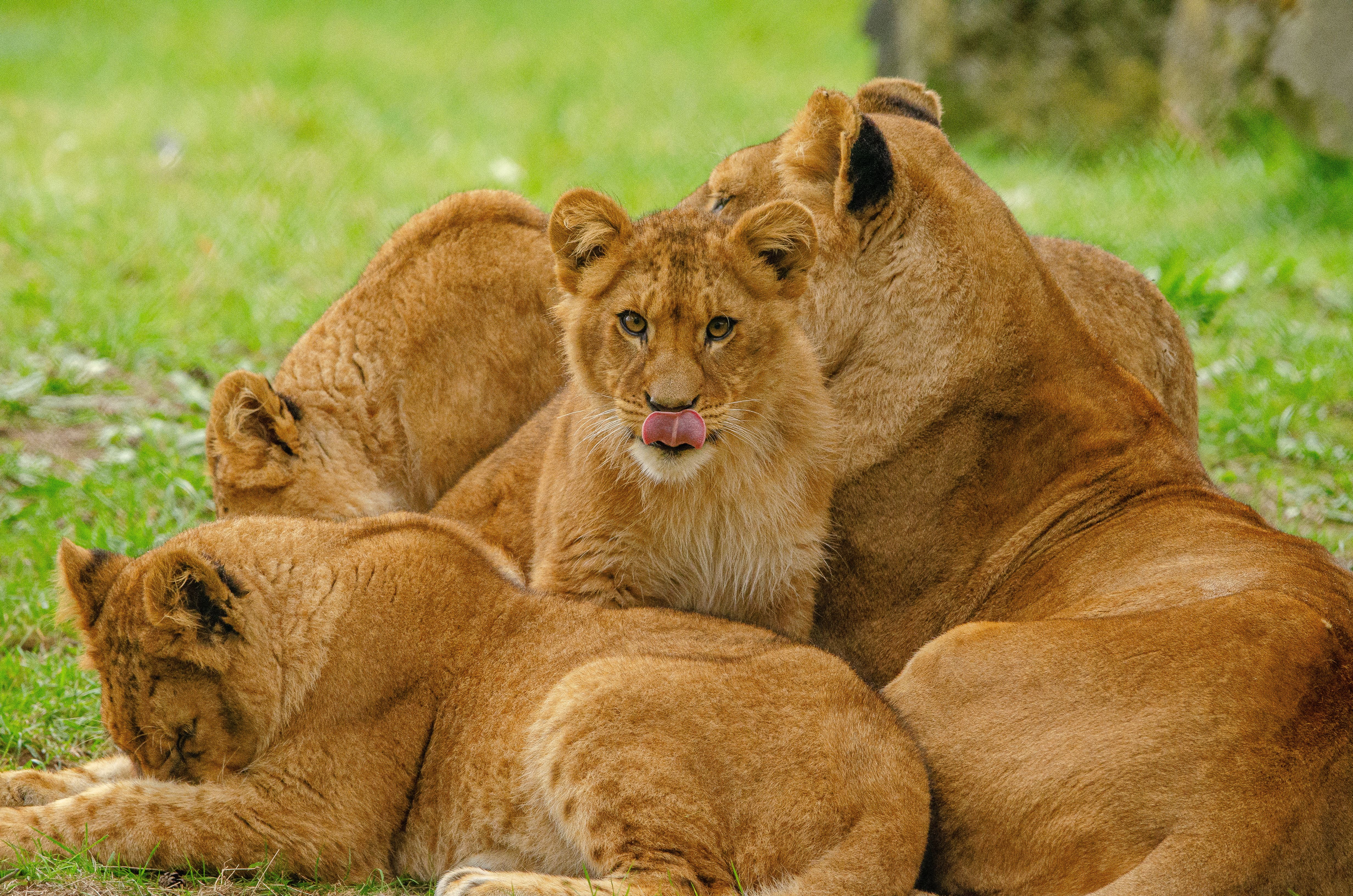
The park has become particularly well known among photographers and guides for its tree-climbing lions, a behavioral quirk seen in only a handful of East African populations. Prides here have been documented lounging in the branches of acacia trees during the heat of the day, a habit thought to relate to insect avoidance and cooler airflow off the ground. Leopards are present but elusive, typically spotted along the wooded escarpments rather than the open plains.
Rothschild's giraffes deserve special mention. This subspecies is one of the most endangered giraffe types in Africa, and Lake Nakuru was established as one of the key sanctuaries for its protection after a translocation program moved individuals here from threatened habitats elsewhere in Kenya. Spotting a Rothschild's giraffe at Nakuru is spotting a genuinely rare animal, not just a safari checklist item. Buffalo herds are common along the grassland edges, and waterbuck are especially dense around the lakeshore, giving the park one of the highest waterbuck concentrations of any Kenyan reserve.
What Is the Best Time to Visit Lake Nakuru National Park?
The best time to visit Lake Nakuru National Park for general game viewing is during the dry seasons, roughly January to March and June to October. During these windows, vegetation thins out, animals cluster more predictably around remaining water sources, and unpaved park roads stay firm and passable.
That said, "best time" depends heavily on what you're prioritizing. Game viewing, flamingo concentrations, and photography conditions don't always peak at the same moment, so it helps to separate these goals before you book.
Dry Season (January–March and June–October)
First, this is the most reliable window for spotting rhinos, lions, and buffalo, since animals gather more predictably near permanent water and open grassland. Roads are firm and easy for self-drive or guided vehicles alike. Skies also tend to be clearer, which matters if photography is a priority, since dry-season light produces sharper contrast across the lake and escarpments.
Wet Season (April–May and November–December)
At the same time, the wet season brings its own advantages that many first-time visitors overlook. Vegetation turns lush and green, migratory birds arrive in higher numbers, and newborn wildlife — including rhino and giraffe calves — becomes more common. The trade-off is muddier roads and denser bush that can make spotting harder, plus a higher chance of rain interrupting a game drive.
Best Months for Flamingo Viewing
For flamingos specifically, recent conditions favor June through February, when lower water levels concentrate the algae flamingos feed on, with January and February often cited as particularly strong months. Given the lake's current high water levels overall, though, this pattern is less consistent than it was a decade ago, and checking recent reports before travel is genuinely worthwhile.
| Season | Months | Best For |
|---|---|---|
| Dry (main) | January–March | Game viewing, photography, flamingos |
| Dry (secondary) | June–October | Game viewing, firm roads, clearer skies |
| Wet (long rains) | April–May | Lush scenery, fewer crowds, lower rates |
| Wet (short rains) | November–December | Birdlife, newborn wildlife, green landscapes |
What Is the Best Time of Day for Game Drives at Lake Nakuru?
The best time of day for game drives at Lake Nakuru is early morning, shortly after the 6:00 AM gate opening, and late afternoon before the 6:00 PM closing. Predators and grazing animals are most active during these cooler hours, while the midday heat pushes many species — including the park's tree-climbing lions — into shaded rest.
Morning drives tend to offer the best rhino and bird activity, since both are most mobile before the sun climbs. Late-afternoon drives, by contrast, often deliver the best light for photography, with a soft golden cast settling over the lake and escarpments in the final two hours before closing.
Practical Visitor Information
How Far Is Lake Nakuru from Nairobi?
Lake Nakuru National Park is located approximately 156 kilometers northwest of Nairobi, roughly a 2.5-hour drive along the A104 highway. The park is accessible through several gates, including Lanet Gate, Nderit Gate, and the Main Gate, which sits about 4 kilometers from Nakuru town itself. This distance makes the park realistic as either a long day trip from Nairobi or, more comfortably, an overnight stop on a longer safari circuit. Travelers combining a Nairobi stay with a Nakuru visit may also find our Nairobi day trip ideas useful for filling out the rest of an itinerary.
How Much Does It Cost to Enter Lake Nakuru National Park?
Entry fees at Lake Nakuru National Park are charged per person per 24-hour period and vary by residency status. As a KWS premium park, rates sit toward the higher end of the national park fee structure.
| Visitor Category | Adult Fee | Child Fee (age 3–17) |
|---|---|---|
| Non-resident (international) | USD 90 | USD 45 |
| Kenya resident | KES 2,025 | KES 1,050 |
| East African citizen | KES 1,500 | KES 750 |
Fees are collected through the KWSpay digital system rather than cash at the gate, and vehicle fees apply separately. Because rates change periodically, it's worth confirming current pricing with your operator before finalizing a budget. Beyond entry fees, most visitors also budget for guided game drives, park vehicle hire, and accommodation, all of which vary widely by comfort level.
Where to Stay Near Lake Nakuru
Accommodation options range from luxury lodges inside the park boundary to budget guesthouses in Nakuru town itself. Staying inside the park gives you first access to early-morning game drives before day visitors arrive, while lodges outside the gates typically cost less and put you closer to town amenities. Popular in-park options include lodges perched on Lion Hill with direct lake views, while nearby Lake Elementaita hosts several upscale tented camps favored by honeymooners and photographers. For a broader rundown of where to base yourself across a Kenya itinerary, see our guide to the best safari lodges near Lake Nakuru.
Safety and Park Rules
Lake Nakuru enforces standard KWS safari rules: stay inside your vehicle except at designated picnic and viewpoint areas, maintain a safe distance from wildlife (rangers strictly enforce a 50-meter buffer around rhinos in particular), and avoid feeding or approaching animals. The park operates daily from 6:00 AM to 6:00 PM, and gates close firmly at that time. As with any Kenyan safari, packing appropriately matters — our Kenya safari packing checklist covers what to bring for a smooth visit.
Tips for Planning Your Visit
Planning a Lake Nakuru visit well means matching your itinerary length, drive style, and timing to what you actually want to see. A handful of practical decisions make the difference between a rushed pass-through and a visit that delivers on the flamingo-and-rhino promise.
- Budget at least one full day, ideally with an overnight stay. Given the park's compact size, a single day is workable, but an overnight allows both a sunrise and sunset drive, which is when wildlife activity peaks.
- Decide between guided and self-drive early. A guided game drive with an experienced local driver-guide dramatically improves your odds of spotting rhinos and tree-climbing lions, since guides track radio reports and know current animal movement patterns. Self-drive is workable on Nakuru's well-maintained roads but works best paired with some local knowledge — our self-drive safari tips in Kenya covers vehicle choice and driving considerations for exactly this kind of park.
- Prioritize Baboon Cliff and the Naishi plains in the same day. These two viewpoints cover the lake panorama and the current rhino/flamingo activity zones respectively, giving you the fullest picture of what the park currently offers.
- Bring a zoom lens if photography matters to you. Flamingos and rhinos are both best photographed from a respectful distance, and a 300mm-plus lens makes a meaningful difference in image quality without disturbing wildlife.
- Time your visit around golden hour. As covered above, the two hours after gate opening and the two hours before closing consistently deliver both the best animal activity and the best light.
What's Next: Planning a Broader Kenya Safari Itinerary
Lake Nakuru rarely stands alone on a well-built Kenya itinerary. Its central Rift Valley location and short drive time from Nairobi make it a natural connector park, one that pairs efficiently with destinations further afield. Many travelers combine a Nakuru stop with the Maasai Mara for Big Cat and Great Migration viewing, or with Amboseli for its dramatic Kilimanjaro backdrop and elephant herds.
If you're still deciding how Nakuru fits into a wider trip, start by reading our guide on planning a complete Kenya safari itinerary, which walks through how to sequence parks by distance, wildlife highlights, and season. Travelers weighing Nakuru against Kenya's other Rift Valley lakes, including Naivasha and Elementaita, may also find it useful to compare parks side by side before committing to a route. When you're ready to move from research to booking, how to book a Kenya safari outlines the practical next steps, from choosing an operator to locking in dates.
Conclusion
Lake Nakuru National Park earns its reputation, even as the flamingo spectacle has shifted with the lake's rising water levels. This is still a park where you can watch rhinos graze the Naishi plains in the morning, spot a leopard draped over an acacia branch by midday, and catch flamingos wading the shallows by afternoon — all within a single, compact, easily accessible protected area. The key to a satisfying visit is timing your expectations correctly: come for the rhino sanctuary and Big Five potential first, and treat any flamingo sighting as the bonus it currently is rather than the guarantee older photos suggest.
Whether you're building a focused day trip from Nairobi or weaving Nakuru into a longer Kenya circuit, this park rewards travelers who plan around current conditions rather than outdated postcards. If you're ready to see it for yourself, reach out and we'll help you build an itinerary — Lake Nakuru included — around exactly what you want to experience.










Comments (0)
Leave a Comment
No comments yet. Be the first to comment!