

You've dreamed of watching the Great Migration thunder across the Maasai Mara or waking to elephants outside your tent — and Kenya delivers that in a way few places can. But if you're LGBTQ+, the excitement of planning that trip comes with a question most standard travel guides never answer: is it actually safe, and what do the laws really mean for you? In this guide, we break down Kenya's legal landscape, practical safety strategies, and how to book with confidence through LGBTQ+-experienced operators.
Laws and policy positions referenced in this article are current as of August 2026. Kenya's legal situation around LGBTQ+ rights is actively in flux, so we recommend verifying current conditions close to your travel date.
Key Takeaways
- Kenya's Penal Code criminalizes consensual same-sex sexual activity under Sections 162 and 165, with penalties historically cited up to 14 years' imprisonment, though prosecutions of foreign tourists are rare.
- Same-sex marriage is constitutionally banned in Kenya, and public displays of LGBTQ+ identity, including Pride symbols, can draw social or legal scrutiny in some regions.
- Discretion in public spaces significantly reduces risk. Most safety concerns for LGBTQ+ travelers stem from social attitudes and local enforcement variability rather than targeted tourist prosecution.
- LGBTQ+-experienced tour operators exist and can meaningfully improve safety and comfort by vetting accommodations, guides, and itineraries in advance.
- Urban centers like Nairobi tend to have more LGBTQ+-visible communities and resources compared to rural or coastal conservative areas.
- Booking through operators who explicitly confirm inclusive policies, rather than assuming inclusivity, is the single most effective pre-trip safety step.
- Legal conditions are subject to change. A constitutional challenge to Kenya's Penal Code provisions is currently before the Court of Appeal, and a proposed Family Protection Bill remains under parliamentary review, so travelers should check current status before departure.
What Do LGBTQ+ Travelers Need to Know About Kenya? A Legal and Cultural Overview
LGBTQ+ travel to Kenya means navigating a country that offers world-class safari experiences alongside a legal and cultural environment that has not caught up with global LGBTQ+ rights norms. Kenya is one of Africa's most popular safari destinations, drawing over two million international visitors a year with its Big Five game viewing, the Maasai Mara ecosystem, and lodges ranging from budget tented camps to award-winning luxury properties. At the same time, Kenya retains colonial-era Penal Code provisions that criminalize consensual same-sex sexual activity, and the country's constitution explicitly bans same-sex marriage.
This doesn't mean LGBTQ+ travelers can't or shouldn't visit Kenya. Thousands do every year, often without incident, by understanding a few practical realities. The law targets private conduct, not identity or presence — being LGBTQ+ is not itself illegal in Kenya, and no law requires travelers to disclose their sexual orientation to anyone. What matters most for safety is public behavior, accommodation choices, and who you're traveling with, which is exactly what this guide addresses.
For context on the destination itself, it's worth understanding the best time to visit Kenya for the Great Migration before layering in the safety planning covered below, since your travel dates can also affect which regions and operators are realistic options.
Is Kenya Safe for LGBTQ+ Travelers in 2026?
Kenya is generally navigable for LGBTQ+ travelers who exercise discretion, though it is not a legally protected or broadly LGBTQ+-affirming destination. Most LGBTQ+ visitors who plan carefully — choosing inclusive operators, avoiding public displays of affection, and sticking to well-established tourist circuits — report safe, enjoyable trips. That said, the underlying legal risk and social stigma are real, and safety is not guaranteed the way it would be in a country with explicit LGBTQ+ protections.
The safest approach treats Kenya the way experienced travelers treat any country with restrictive laws around identity: plan proactively, stay discreet in public, and rely on vetted, experienced local partners rather than assuming things will simply work out.
Why Understanding Kenya's Laws Matters Before You Book Your Safari
Understanding Kenya's laws matters because it directly shapes decisions you'll make before you ever board a flight — from which operator you book with, to whether you share a tent or hotel room, to how you plan your itinerary. Skipping this step doesn't make the legal landscape disappear; it just means you're making booking decisions blind.
First, legal knowledge changes what you book. An operator who understands the legal context will know which lodges have quietly hosted same-sex couples for years and which properties or regions carry more risk of an awkward or unsafe encounter with staff or local authorities. Second, it changes how you behave on the ground. Knowing that Section 162 of the Penal Code technically applies to private conduct, not identity, helps travelers distinguish between manageable risk (discretion in public) and non-issues (existing as an LGBTQ+ person in the country). Third, it changes your contingency planning. Travelers who understand the legal baseline going in are far better equipped to handle an uncomfortable moment with a guide, staff member, or local official than those who are caught off guard.
A 2023 Pew Research Center survey found that over 90% of Kenyans oppose same-sex marriage — Source: Pew Research Center, 2023. That statistic doesn't predict how any individual guide, lodge manager, or fellow traveler will treat you, but it does explain why public social attitudes toward LGBTQ+ identity remain conservative even where enforcement of the law itself is inconsistent. This gap between formal law and everyday social attitudes is the central thing LGBTQ+ travelers need to plan around.
Kenya's Legal Landscape: What the Penal Code Actually Says About Same-Sex Relationships
Kenya's Penal Code, first introduced in 1930 under British colonial rule, criminalizes consensual same-sex sexual activity through two specific provisions: Section 162 and Section 165. These laws were inherited from colonial-era legislation and have remained on the books since Kenya's independence in 1963, despite growing legal challenges.
What Does Kenyan Law Actually Say About Same-Sex Relationships?
Section 162 of the Penal Code prohibits "carnal knowledge against the order of nature," a phrase that has historically been interpreted to cover anal intercourse, and carries a penalty of up to 14 years' imprisonment. Section 165 addresses "indecent practices between males," covering broader same-sex conduct between men, whether in public or private, with a penalty of up to five years' imprisonment. Kenya's Penal Code criminalizes consensual same-sex sexual activity, with penalties historically including imprisonment, though prosecutions of foreign tourists are rare.
Notably, these provisions are written to apply most directly to men, though Section 162's broad "against the order of nature" language has at times been interpreted as potentially extending to sexual activity between women as well. Same-sex marriage is not legally recognized in Kenya, as the constitution defines marriage strictly as a union between a man and a woman, a position formally enshrined when Kenya adopted its current constitution in 2010.
For comparison, it's useful to understand how Kenya's safari experience stacks up against neighboring Tanzania if legal considerations are influencing which East African country you choose for your trip.
Is There a Legal Challenge Underway?
Yes. As of mid-2026, a constitutional petition challenging Sections 162 and 165 remains active before Kenya's Court of Appeal. The case — which argues the provisions violate constitutional rights to privacy, dignity, and equal protection — has been repeatedly adjourned since being referred to a five-judge bench in late 2025, with hearings pushed from late 2025 into 2026. A related and separate legal development came in 2023, when Kenya's Supreme Court upheld the right of LGBTQ+ organizations to formally register, a ruling that has since triggered political backlash rather than settling the broader legal question.
At the same time, a proposed law known as the Family Protection Bill (2023), sponsored by an individual member of parliament, has been under committee review for several years without advancing to a full parliamentary vote. If passed in its currently proposed form, it would significantly increase penalties for same-sex activity and restrict LGBTQ+ advocacy and assembly. As of this writing, it has not become law, but its existence signals ongoing political pressure in the opposite direction from the court challenge. This is exactly the kind of legal detail that can change quickly, so travelers should verify the current status of both the court case and the bill close to their departure date.
Does Enforcement Actually Target Tourists?
In practice, enforcement of same-sex conduct laws against foreign tourists is rare, and there is little documented pattern of authorities specifically targeting visiting LGBTQ+ travelers for prosecution. Most documented enforcement and harassment cases involve Kenyan nationals and LGBTQ+ residents rather than short-term visitors. That said, "rare" is not the same as "impossible," and the same discretion that protects LGBTQ+ Kenyans from unwanted attention — avoiding public displays of affection, not volunteering information about relationship status to strangers — is the most reliable protective strategy for travelers too.
On-the-Ground Safety: Public Behavior, Accommodation, and Regional Differences
On-the-ground safety for LGBTQ+ travelers in Kenya comes down to three practical factors: how you behave in public spaces, which accommodations you choose, and which regions of the country you're visiting. Each of these is something you control directly through planning, unlike the underlying law itself.
What Should I Avoid Doing in Public as an LGBTQ+ Traveler in Kenya?
The clearest safety guideline is to minimize public displays of affection, including hand-holding, kissing, and overtly romantic body language in public spaces such as airports, markets, restaurants, and safari vehicles shared with other travelers. Public displays of affection carry higher social risk in Kenya than in many Western destinations, regardless of a couple's sexual orientation, due to broader cultural norms around public behavior — Kenyan culture is generally reserved about physical affection between any couple in public, heterosexual or otherwise, which means discretion doesn't read as unusual or suspicious.
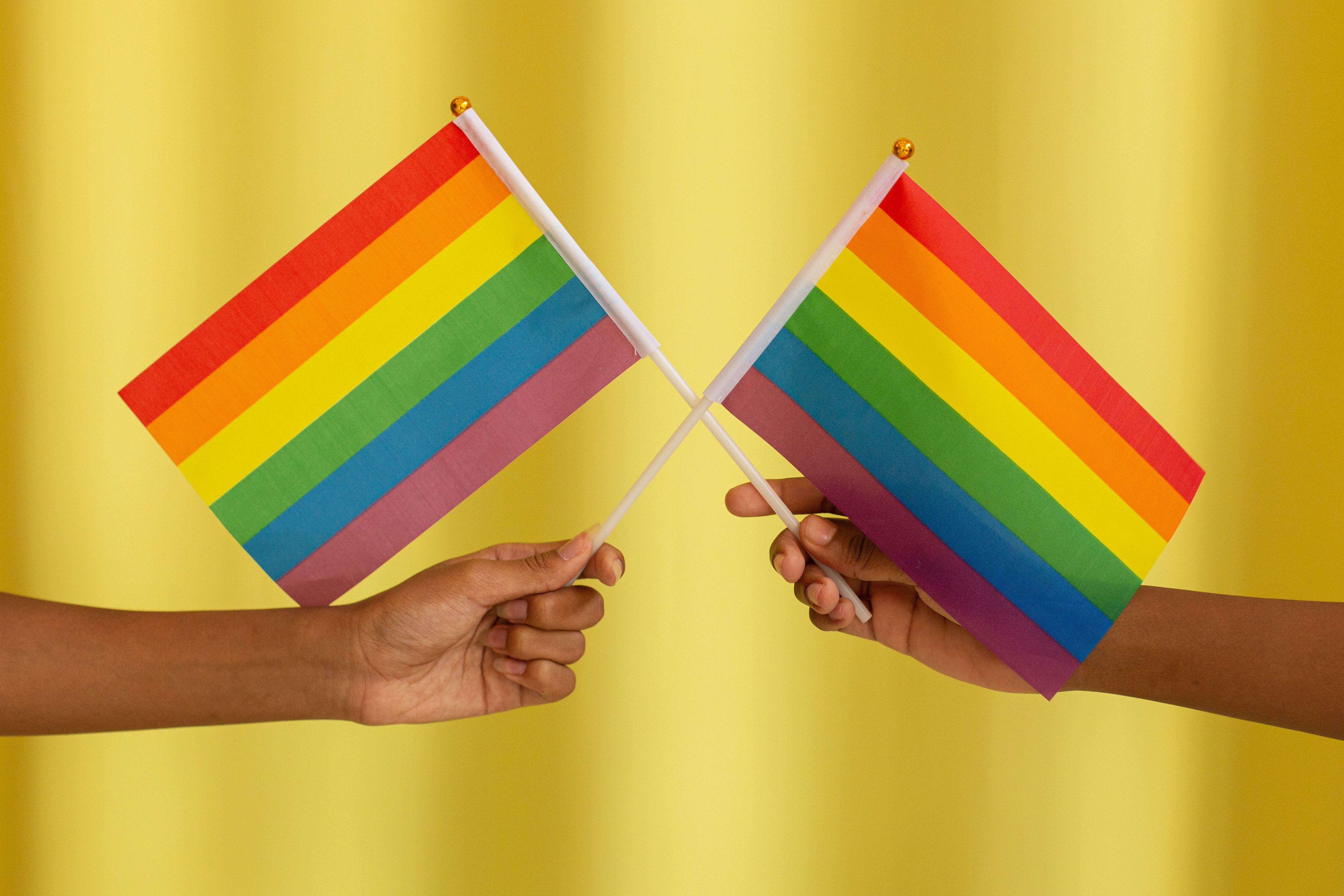
Beyond physical affection, it's worth being thoughtful about visible symbols tied to LGBTQ+ identity, such as Pride flags, rainbow merchandise, or clothing with explicit LGBTQ+ messaging, particularly outside major urban centers. This isn't about denying your identity; it's a practical risk-reduction step, similar to advice given to travelers of any minority identity visiting a country with a conservative social climate.
Can LGBTQ+ Couples Share a Hotel Room or Tent in Kenya?
Yes — LGBTQ+ couples can generally share a hotel room or safari tent in Kenya without issue, particularly at properties accustomed to hosting international travelers. Most safari lodges, tented camps, and city hotels book rooms based on guest preference rather than requiring proof of marital status or gender-matched pairings, and staff at reputable, tourist-oriented properties are typically professional and discreet.
That said, this isn't universal. Smaller, more remote guesthouses in conservative regions may be less predictable, which is exactly why confirming a property's actual track record with LGBTQ+ guests in advance, rather than assuming based on its marketing, is worth the extra step. This is where booking through an operator who has already vetted accommodations pays off (more on this below).
Which Regions of Kenya Are More or Less LGBTQ+-Friendly?
Kenya's social attitudes toward LGBTQ+ identity vary meaningfully by region, and understanding this variation helps with itinerary planning.
| Region | General Climate | Notes for LGBTQ+ Travelers |
|---|---|---|
| Nairobi | More visible and tolerant | Home to LGBTQ+ community organizations, private social spaces, and the widest range of internationally experienced hospitality staff |
| Maasai Mara / Central safari circuit | Neutral, low visibility | Focus is on wildlife tourism; discretion works well, most staff are used to diverse international guests |
| Coastal region (Mombasa, Diani) | More socially conservative | Larger Muslim population influences public norms; discretion is especially important in public spaces |
| Rural and smaller towns | Most conservative | Lower exposure to international travelers, less predictable local attitudes |
Nairobi has a more visible LGBTQ+ community and greater access to support resources compared to rural and coastal regions of Kenya. Most safari itineraries naturally minimize time spent in the highest-risk rural areas anyway, since travelers move between Nairobi, established conservancies, and well-known parks — but it's still worth factoring regional differences into any extended stays, side trips, or coastal add-ons. If a Nairobi stopover is part of your plan, our Nairobi city guide for safari travelers covers practical logistics for first-time visitors to the capital.
Are There LGBTQ+ Travel Groups or Communities in Nairobi?
Yes. Nairobi hosts a number of LGBTQ+ community organizations, support networks, and private social spaces, largely a result of the 2023 Supreme Court ruling that affirmed LGBTQ+ organizations' right to formally register. These groups operate with varying degrees of public visibility, and while most don't function as tourist-facing resources in the way an LGBTQ+ travel group might in a country like South Africa, their existence reflects Nairobi's relatively more established LGBTQ+ community infrastructure compared to the rest of the country.
How Do Kenya's Laws Compare to Other Popular African Safari Destinations?
LGBTQ+ legal status varies significantly across East and Southern Africa's most popular safari countries, which matters if legal risk is a deciding factor in your destination choice.
| Country | Legal Status of Same-Sex Activity | Same-Sex Marriage |
|---|---|---|
| Kenya | Criminalized (Sections 162, 165) | Not recognized |
| Tanzania | Criminalized, with severe penalties | Not recognized |
| South Africa | Legal, constitutionally protected | Legal since 2006 |
| Uganda | Criminalized under severe 2023 Anti-Homosexuality Act | Not recognized |
| Botswana | Decriminalized in 2019 | Not recognized |
South Africa remains the clearest legal choice for LGBTQ+ travelers prioritizing legal protection above all else, while Kenya sits in a middle position: legally restrictive on paper, but with a well-established, internationally experienced tourism industry that regularly and quietly hosts LGBTQ+ guests. For a deeper look at how Kenya and Tanzania compare as safari destinations more broadly, see our guide on choosing between Kenya and Tanzania for your African adventure.
Choosing LGBTQ+-Friendly Safari Operators, Lodges, and Guides
Choosing an LGBTQ+-friendly safari operator involves confirming inclusive accommodation policies, briefing guides in advance, and selecting lodges with a track record of welcoming diverse guests. This single decision does more to reduce risk and improve comfort than almost anything else in the planning process, because an experienced operator has already done the vetting work that individual travelers can't easily replicate from abroad.
How Do I Find an LGBTQ+-Friendly Safari Operator or Lodge?
Start by looking for operators who explicitly state inclusive policies rather than simply avoiding the topic altogether. A generic "we welcome all travelers" statement is a starting point, but the strongest signal is an operator willing to have a direct, specific conversation about your itinerary, room configuration, and any concerns before you pay a deposit.
Second, prioritize operators with direct, first-hand knowledge of specific lodges and camps, since this is what allows them to steer you toward properties with an established comfort level hosting same-sex couples and away from ones where staff experience is more limited. Third, look for transparency about their guide-briefing process — a reputable operator will proactively brief drivers and camp staff on respectful, discreet service for LGBTQ+ guests rather than leaving it to chance on arrival.
Beyond the LGBTQ+-specific criteria, the fundamentals of choosing a responsible safari operator still apply: check licensing, read recent reviews, and confirm the operator has an established, on-the-ground presence in Kenya rather than operating purely as a booking middleman.
What Should Vetted Accommodations Actually Look Like?
Well-vetted, LGBTQ+-experienced lodges and camps tend to share a few traits: international guest volume high enough that staff are accustomed to a wide range of travelers, private, non-shared accommodations (as opposed to dormitory-style budget camps), and management that has hosted LGBTQ+ guests before, even if that isn't advertised publicly. Boutique and mid-to-luxury tented camps in the Maasai Mara, Amboseli, and other established conservancies generally fit this profile more reliably than budget hostels or small guesthouses off the main tourist circuit.
Sustainable, community-based tourism operators are also worth considering, since properties built around fair, respectful guest relationships often extend that same ethos to LGBTQ+ travelers. Our guide to sustainable and community-based tourism in Kenya explains how these operators work and what to look for.
Practical Booking Tips: What to Ask Operators Before You Pay
Practical booking tips for LGBTQ+ travelers center on asking direct, specific questions before any money changes hands, rather than assuming an operator's general marketing reflects their actual on-the-ground practices.
What Questions Should I Ask a Tour Operator Before Booking?
Before booking, ask your operator the following:
- "Have you hosted same-sex couples before, and can you speak to specific lodges where that's gone smoothly?" — A confident, specific answer is a good sign; vague reassurance is not.
- "Will our guide be briefed on our travel arrangement in advance?" — This avoids awkward on-the-ground conversations and ensures respectful service from day one.
- "What is the room and tent configuration policy for same-sex couples?" — Confirm shared accommodation is treated the same as it would be for any couple.
- "Are there any regions or properties on our itinerary you'd flag as more conservative?" — A transparent operator will tell you honestly rather than downplaying it.
- "What's your protocol if we experience discomfort or discrimination from staff or another traveler mid-trip?" — This tells you whether they've actually thought this through.
By asking these five questions before booking, you can identify within one email exchange whether an operator has real LGBTQ+ travel experience or is simply saying what they think you want to hear.
It's also worth understanding what to ask before booking any safari, LGBTQ+-specific or not, since licensing, vehicle standards, and itinerary transparency matter regardless of who's traveling. If cost is part of your decision-making, our breakdown of what a Kenya safari actually costs in 2026 can help you compare quotes on equal footing.
Private vs. Group Safaris: Which Is Safer for LGBTQ+ Travelers?
Private safaris generally offer more comfort and control for LGBTQ+ travelers than group tours, since you're not navigating the reactions or assumptions of other travelers sharing your vehicle and campfire conversations. Group tours can still work well, particularly with LGBTQ+-focused travel groups or operators who screen group composition thoughtfully, but they introduce a variable — your fellow travelers — that a private safari removes entirely. Our comparison of group versus private safari experiences in Kenya walks through the tradeoffs in more detail, including cost differences.
Documentation and Booking Confirmations
Once you've settled on an operator, get key inclusivity commitments in writing — even a simple email confirmation stating room configuration and any special arrangements protects you if there's a miscommunication with a property later. This is standard best practice for any safari booking, but it carries extra weight here, since it gives you something concrete to reference if an issue arises mid-trip.
What to Do If You Feel Unsafe or Encounter Discrimination
If you feel unsafe or encounter discrimination in Kenya, the priority is de-escalation first, followed by contacting your tour operator, then your embassy or consulate if the situation is serious. Most uncomfortable moments LGBTQ+ travelers report are social friction — an awkward comment, a staff member's visible discomfort — rather than acute danger, and most of these resolve simply by moving on or changing the immediate situation.
What Should I Do If I Feel Unsafe or Face Discrimination in Kenya?
First, remove yourself from the immediate situation if possible, whether that means stepping away from a conversation, changing tables at a restaurant, or requesting a different guide. Second, contact your tour operator immediately — a reputable operator with real LGBTQ+ travel experience will have a plan for exactly this scenario, whether that's relocating you to a different property or directly addressing the issue with staff. Third, in situations involving actual legal risk, harassment, or physical safety concerns, contact your embassy or consulate, since consular staff can provide guidance and support regardless of the underlying circumstances.
It's worth having emergency contacts and embassy resources saved before you travel, not looked up for the first time in a stressful moment. Keep both your operator's emergency contact and your embassy's local number accessible on your phone and written down as a backup in case of connectivity issues in remote safari areas.
Should I Report an Incident to Local Police?
This requires judgment. Given that Kenya's Penal Code criminalizes same-sex conduct, involving local police in an LGBTQ+-specific incident carries its own risk and isn't automatically the safest first move, unlike in a country with legal protections. For issues unrelated to your LGBTQ+ identity — theft, an accident, a general safety concern — normal reporting procedures apply as they would for any traveler. For anything touching directly on your identity or relationship, loop in your tour operator and embassy first, and let them help you assess whether and how to involve local authorities.
What's Next: Preparing for Departure and Building Your Support Network
Preparing for departure means finalizing the practical layers around your trip — documentation, packing, and support contacts — once the legal and operator research is done. This is the stage where planning turns into logistics.
Start by confirming your operator relationship is solid: you've asked your vetting questions, gotten commitments in writing, and feel confident in your itinerary. From there, shift to standard trip prep. A well-organized East Africa safari packing list covers the basics every traveler needs, though LGBTQ+ travelers may want to think slightly more conservatively about clothing with explicit identity-related messaging, particularly for time spent outside lodges and safari vehicles.
Before departure, also take time to:
- Save your operator's 24/7 emergency contact and your destination embassy's contact information in your phone.
- Register your trip with your home country's travel advisory or registration program, if one is available, so your government knows you're in-country.
- Tell a trusted contact your itinerary, including lodge names and dates, independent of your travel companions.
- Check the current legal status of the Court of Appeal case and Family Protection Bill one final time close to departure, since both remain unresolved as of this writing.
- Review your operator's cancellation and change policy, in case circumstances shift and you need flexibility.
Building a small support network before you go — even just your operator's local team and your embassy's contact details — gives you a practical safety net you're unlikely to need but will be glad to have.
Conclusion: Traveling Kenya Safely, Respectfully, and With Confidence
Kenya's Great Migration, its conservancies, and its Big Five wildlife remain some of the most extraordinary travel experiences on the planet, and LGBTQ+ travelers don't have to give that up because of a complicated legal landscape. The path to a safe, memorable trip runs through preparation, not avoidance: understanding the actual law rather than rumors, practicing reasonable discretion in public, and booking with operators who've done the vetting work for you.
None of this eliminates every risk, and Kenya remains a country where LGBTQ+ identity carries real legal and social weight. But thousands of LGBTQ+ travelers visit safely every year, and the difference between a smooth trip and a stressful one usually comes down to the planning covered in this guide. If you're ready to start building an itinerary with an operator who takes these questions seriously from the first conversation, reach out to a Kenya-based team directly and ask them the questions above — their answers will tell you everything you need to know.










Comments (0)
Leave a Comment
No comments yet. Be the first to comment!