

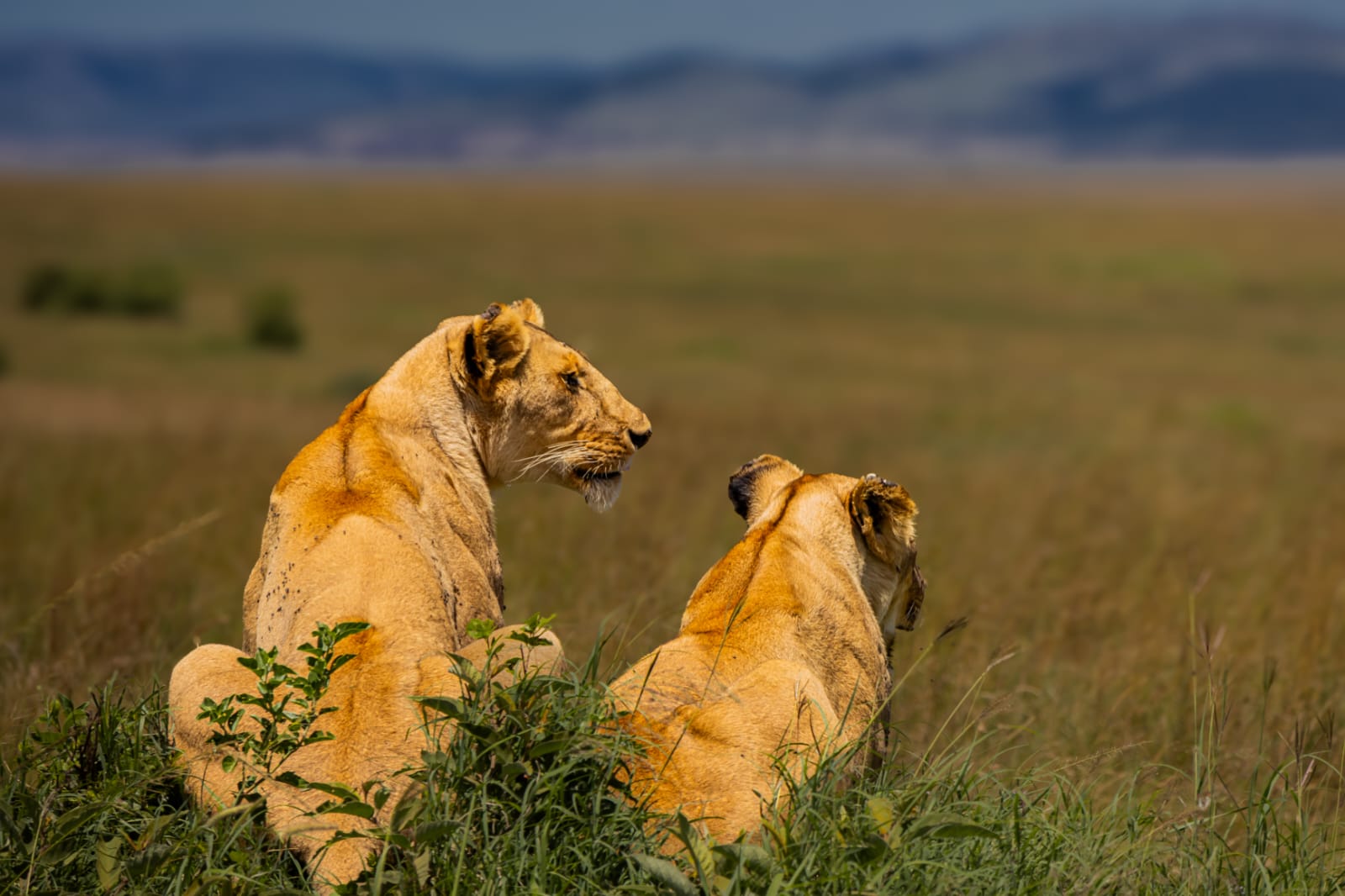
You already know the Maasai Mara delivers Africa's most famous wildlife spectacle, and that where you sleep each night shapes everything else about the trip. What most first-time planners don't realize is that "best" changes completely depending on your budget, the month you travel, and whether you choose the open reserve or a private conservancy — get that wrong and you can miss the river crossings entirely or overpay for a view you will barely use. This guide ranks the best Maasai Mara safari camps and lodges for 2026 by budget, location, and traveler type, using verified pricing, conservancy data, and firsthand tour-operator insight from Beyond the Plains Safaris, so you can shortlist with confidence.
Key Takeaways
- The Maasai Mara offers two core accommodation types: tented camps, which combine canvas guest tents with hotel-grade comforts, and permanent lodges, which use brick-and-mortar rooms and larger hotel-style facilities.
- Camps inside private conservancies such as Mara North and Naboisho allow night game drives and off-road tracking, activities that the main Maasai Mara National Reserve does not permit.
- Flagship luxury camps such as Angama Mara, Mara Plains Camp, and Mahali Mzuri typically charge $1,500–$2,500+ per person per night, while value-focused properties such as Entim Mara Camp start closer to $490 per person per night.
- Camps positioned along the Mara River, including Governors' Camp and Kichwa Tembo Tented Camp, offer the most direct access to Great Migration river crossings, which run mainly from July through October.
- Narok County's official 2026 park fees for the Maasai Mara National Reserve are $100 per non-resident adult per day from January to June and $200 per day from July to December, a cost every camp comparison should factor in.
- The Maasai Mara conservancies now cover roughly 450,000 acres and involve more than 15,000 Maasai landowners, according to the Maasai Mara Wildlife Conservancies Association — a scale that directly shapes how exclusive (or crowded) a camp will feel.
- Booking 6–12 months ahead is strongly recommended for migration-season travel, since the best-located camps in both the reserve and the conservancies sell out first.
What Are Maasai Mara Safari Camps and Lodges?
Maasai Mara safari camps and lodges are the overnight accommodations built inside or immediately bordering the Maasai Mara ecosystem in southwestern Kenya, ranging from canvas tented camps to permanent stone lodges. Both categories exist to put travelers close to the wildlife, but they differ in construction, feel, and typically in price.
A tented camp is built around semi-permanent canvas guest tents, each with its own en-suite bathroom, a private veranda, and — at the luxury end — a plunge pool or outdoor shower. Camps like Governors' Camp and Kicheche Valley Camp use this format because canvas structures have a lighter footprint on fragile conservancy land and can be relocated or removed entirely, which matters for landowners who lease the ground on renewable terms.
A lodge, by contrast, uses permanent brick, stone, or timber construction with hotel-style rooms, larger dining rooms, and amenities such as spas, gyms, or conference facilities. Mara Serena Safari Lodge and Masai Mara Sopa Lodge are classic examples — built for scale and comfort rather than the intimate, expedition-style feel of a small tented camp.
The second distinction that matters just as much is location: inside the Maasai Mara National Reserve itself, managed by Narok County, or within one of the private conservancies that border it, managed by partnerships between camps and Maasai landowners. For a full breakdown of how these two models differ in practice, see our guide to Kenya's conservancy safaris versus national reserves.
A tented camp in the Maasai Mara is a semi-permanent accommodation built around canvas guest tents with en-suite bathrooms, distinct from a lodge, which uses permanent construction. That single distinction — canvas versus permanent build, reserve versus conservancy — is the first filter every traveler should apply before comparing individual properties.
A third, less obvious category worth knowing about is the mobile or seasonal camp, which relocates a handful of times a year to follow the migration or to reduce its footprint on a specific stretch of grassland. These camps trade some fixed-infrastructure comfort — a permanent pool, for instance — for being positioned exactly where the wildlife action is concentrated during a given month. They're less common than fixed tented camps but worth asking about if your travel dates fall squarely inside peak migration weeks.
Why Choosing the Right Maasai Mara Camp Matters
Choosing the right Maasai Mara camp matters because your camp's location determines what you actually see, how crowded your game drives feel, and how much of your budget goes toward experience versus overhead. Two travelers can spend the same amount and have completely different trips, purely based on where they sleep.
Timing and river-crossing access are the biggest variable. The Great Migration's dramatic Mara River crossings happen mainly between July and October, and camps sited directly on the river — such as Governors' Camp, Kichwa Tembo, and Mara Intrepids — put you within a short drive of the action during that window. Our month-by-month Great Migration guide breaks down exactly where the herds are likely to be in any given month, which should directly inform which camp you shortlist.
Vehicle density is the second factor, and it is a real, measurable difference rather than a marketing claim. The national reserve has drawn public debate over vehicle numbers at popular sightings during peak season; we cover the specifics in is the Maasai Mara too crowded? Private conservancies, by contrast, enforce strict caps. Mara Naboisho Conservancy, for instance, limits sightings to a small number of vehicles and maintains roughly one guest bed per 350 acres of land, according to the Maasai Mara Wildlife Conservancies Association's conservancy profile. That kind of exclusivity carries a price premium, but for many travelers it is the entire point of choosing a conservancy camp over a reserve lodge.
Budget and value round out the decision. A camp's nightly rate typically bundles in game drives, meals, and sometimes conservancy or park fees — but not always, and the gaps matter. Our Kenya safari cost breakdown and Maasai Mara park fees guide both explain what's typically included versus billed separately, which is essential reading before you compare two camps' headline prices.
Should You Stay Inside the Maasai Mara Reserve or in a Private Conservancy?
Whether to stay inside the Maasai Mara Reserve or in a private conservancy depends on whether you prioritize proximity to river crossings and Big Five density, or exclusivity and flexible game-drive rules. Neither option is objectively "better" — they serve different priorities.
Staying inside the reserve puts you closest to the highest concentration of resident wildlife and, during migration season, the river crossings themselves. Reserve camps like Mara Serena Safari Lodge and Governors' Camp sit directly on or near the Mara River. The tradeoff is that reserve rules prohibit off-road driving and night game drives, and vehicle numbers at a single sighting can run higher during peak months, since access isn't capped the way conservancies cap it.
Staying in a private conservancy — such as Mara North Conservancy, Mara Naboisho Conservancy, or Olare Motorogi Conservancy — trades some proximity to the river for exclusivity, off-road tracking, night drives, and walking safaris, none of which are permitted inside the national reserve. The Maasai Mara Wildlife Conservancies Association currently counts 24 member conservancies covering roughly 450,000 acres and involving more than 15,000 Maasai landowners, who collectively receive an estimated $7.5 million annually in lease payments — Source: Maasai Mara Wildlife Conservancies Association, 2026. That land-lease model is also why conservancy stays tend to cost more: guests are directly funding the conservation lease that keeps the land wild.
Booking a Maasai Mara camp inside a private conservancy grants access to night game drives and off-road tracking, activities that are not permitted inside the main national reserve. For deeper comparisons, read our dedicated guides to Mara North Conservancy, Naboisho Conservancy, and our roundup of Kenya's best private conservancies. Many seasoned travelers split a trip between both — two or three nights in the reserve during peak crossing weeks, then a few nights in a conservancy for a quieter, more flexible finish.
What Are the Best Luxury Camps and Lodges in the Maasai Mara?
The best luxury camps and lodges in the Maasai Mara combine a standout location — an escarpment view, a private conservancy, or a river frontage — with small guest counts, personalized service, and rates that typically start above $1,000 per person per night, all-inclusive.
Angama Mara, perched on the Oloololo Escarpment above the Mara Triangle, is widely regarded as one of the Mara's most photographed properties for its panoramic valley views and design-forward suites. Mara Plains Camp, set inside the Olare Motorogi Conservancy, keeps just a handful of tents and pairs classic 1920s-style safari décor with exclusive conservancy access. Mahali Mzuri, Sir Richard Branson's twelve-tent camp also in Olare Motorogi, blends contemporary design with strong conservation partnerships. andBeyond Bateleur Camp, on the Oloololo Escarpment inside the reserve's western edge, was named the world's top hotel by Travel + Leisure's 2025 World's Best Awards — a notable third-party endorsement for a property built around classic safari romance.
At the very top of the market, The Ritz-Carlton, Masai Mara Safari Camp, which opened in August 2025, has quickly become the region's most expensive option, with private plunge pools and butler service starting around $2,250 per person per night. Established names such as Fairmont Mara Safari Club, Cottar's 1920s Camp in the private Olderkesi Conservancy, and Olare Mara Kempinski round out the luxury tier, each carrying strong guest ratings on independent review platforms like Tripadvisor.
Luxury Maasai Mara camps such as Angama Mara and Mara Plains Camp typically charge between $1,500 and $2,500 per person per night on an all-inclusive basis. For a broader ranked comparison across every conservancy in the ecosystem, see 10 best luxury safari camps in Kenya, ranked by conservancy, and if you're weighing a scheduled flight over a long road transfer to reach any of these properties, our luxury Kenya fly-in safaris guide explains how that typically works.
Quick-Reference Comparison: Top-Rated Maasai Mara Properties
| Camp / Lodge | Location | Typical Rate (pp/night) | Best For |
|---|---|---|---|
| Entim Mara Camp | Inside reserve, Mara River | From ~$490 | Value-conscious river access |
| Governors' Il Moran | Musiara sector, reserve | From ~$650 | Couples, migration-season access |
| Sanctuary Olonana | Mara River, Mara Triangle | From ~$1,050 | Families, spacious suites |
| Cottar's 1920s Camp | Olderkesi Conservancy | From ~$1,150 | Heritage style, conservation focus |
| andBeyond Bateleur Camp | Oloololo Escarpment, reserve | From ~$1,245 | Classic safari romance |
| Mahali Mzuri | Olare Motorogi Conservancy | From ~$1,560 | Design-forward exclusivity |
| Mara Plains Camp | Olare Motorogi Conservancy | From ~$1,740 | Intimate, conservation-minded |
| The Ritz-Carlton Masai Mara Safari Camp | Private setting near reserve | From ~$2,250 | Ultra-luxury, private pools |
Rates are indicative per-person, per-night, all-inclusive figures compiled from publicly listed 2026 rate sheets and third-party travel sites; always confirm current pricing directly with the property or your tour operator before booking.
What Are the Best Mid-Range and Value Camps in the Maasai Mara?
The best mid-range and value camps in the Maasai Mara deliver comfortable en-suite tents, full game-drive programs, and reserve or near-reserve locations for roughly $500–$1,200 per person per night — a fraction of the flagship luxury rate without giving up the core safari experience.
Entim Mara Camp, sited directly on the Mara River inside the reserve, is one of the strongest value plays in the ecosystem, with rates starting close to $490 per person per night according to recent published rate comparisons. Mara Serena Safari Lodge, perched on a hill inside the reserve with sweeping plains views, and Ashnil Mara Camp, popular for its riverside pool and family rooms, both sit firmly in this tier. Basecamp Masai Mara, known for its community-ownership model and eco-certifications, and Mara Intrepids, a long-running tented camp with strong family reviews on Tripadvisor, are also frequently shortlisted by travelers who want a proper safari camp experience without conservancy-level pricing.
Location inside this tier matters more than the marketing photos suggest. A mid-range camp sited on the Mara River, such as Entim Mara Camp, can deliver river-crossing sightings comparable to a luxury property three times its price, simply because proximity — not thread count — is what puts you at the crossing point. By contrast, a mid-range lodge set further from the river trades some of that proximity for a lower rate, which is a perfectly reasonable choice for travelers visiting outside the July–October migration window, when resident wildlife viewing across the reserve is strong regardless of which camp you choose.
Group and family travelers in this tier should also weigh room configuration carefully. Interconnecting family tents, triple-occupancy rooms, and children's discounts are far more common at mid-range lodges like Ashnil Mara Camp and Mara Intrepids than at the smallest luxury camps, many of which cap occupancy at two adults per tent and don't accept young children at all. Checking a property's minimum-age policy before booking avoids a late-stage itinerary rebuild.
For readers building a trip around cost above everything else, our budget Kenya safari guide and mid-range versus luxury safari comparison both go deeper into where the money actually goes — and where it's safe to cut corners without compromising the wildlife experience. It's also worth reading our full Kenya safari cost breakdown, since park fees, vehicle costs, and internal flights can shift a "budget" camp's true landed cost more than the room rate suggests.
Which Maasai Mara Camps Are Closest to the Great Migration River Crossings?
The Maasai Mara camps closest to the Great Migration river crossings are those sited directly along the Mara River inside the reserve or the Mara Triangle, since the herds cross at a limited number of points along that same stretch of water.
Governors' Camp and its sister properties in the Governors' Camp Collection sit on the Mara River in the Musiara sector, one of the most reliable crossing zones during peak migration months. Kichwa Tembo Tented Camp, on the Oloololo Escarpment near the Mara Triangle, and Mara Explorer Camp and Mara Intrepids, both riverside in the reserve, are consistently named among the best-positioned properties for crossing access. On the Mara Triangle side, Mara Serena Safari Lodge offers an elevated vantage point overlooking the river valley.
The Great Migration river crossings occur primarily between July and October, making camps near the Mara River, such as Governors' Camp and Kichwa Tembo, the best-positioned properties during that window. Timing your stay is just as important as choosing the camp — our Great Migration month-by-month guide maps expected herd locations by week, which lets you match a specific camp to the specific stretch of river where crossings are most likely during your travel dates.
How Much Do Maasai Mara Safari Camps Cost Per Night?
Maasai Mara safari camps cost anywhere from roughly $490 to $2,500+ per person per night on an all-inclusive basis, with the wide range driven mainly by location (reserve versus conservancy), tent count, and service level.
Entry-level and value camps inside the reserve start around $490–$700 per person per night. Established mid-range lodges and camps typically run $700–$1,200. Premium and flagship properties — Angama Mara, Mara Plains Camp, Mahali Mzuri, and similar conservancy camps — run $1,500–$2,500+ per person per night, all-inclusive of meals, house drinks, and twice-daily game drives.
On top of the room rate, non-resident travelers must budget for the Maasai Mara National Reserve entry fee, set by Narok County at $100 per adult per day from January through June 2026, rising to $200 per adult per day from July through December 2026 — Source: Narok County Government, 2026. Children aged 9–17 pay $50 per day year-round, and children eight and under enter free. Conservancy camps typically fold their own conservancy fee directly into the nightly room rate, so it's worth asking explicitly what's included before you compare two quotes side by side. Our full Maasai Mara park fees 2026/27 guide has the complete fee tables by residency category, and our guide on how to compare Kenya safari quotes walks through exactly which line items to check before you book.
Which Maasai Mara Camps Are Best for Families, Honeymooners, and Photographers?
The best Maasai Mara camps for families, honeymooners, and photographers differ mainly in tent layout, activity flexibility, and proximity to wildlife hotspots — matching the camp to the traveler type matters more here than matching it to a generic "best of" ranking.
For families, look for camps with interconnecting or family tents, kids' programs, and pools — Mara Intrepids, Ashnil Mara Camp, and Sanctuary Olonana are consistently recommended for this reason. Our dedicated guide to Kenya safari experiences for families covers age-appropriate activities and which camps actively welcome younger children on game drives.
For honeymooners, conservancy camps with private plunge pools, secluded tent placement, and couples' dining — such as Mara Plains Camp, Angama Mara, and Cottar's 1920s Camp — tend to score highest on privacy and romance. See our honeymoon safari Kenya guide for full itinerary pairings.
For photographers, conservancy camps with off-road access and extended golden-hour drive times — permitted under conservancy rules but not inside the reserve — give a meaningful edge, since being able to reposition a vehicle for light and angle matters as much as the wildlife sighting itself. Our photographer's guide to Kenya safaris covers camp-by-camp considerations for this niche.
Solo travelers, particularly solo women, should also weigh camp size and guide-to-guest ratios carefully; our solo female safari travel guide names specific camps known for strong safety practices and single-supplement flexibility.
Practical Tools and Resources for Comparing Maasai Mara Camps
Comparing Maasai Mara camps properly requires more than reading a "best of" list — it means checking what's actually included, how you'll reach the property, and what independent reviewers say about recent stays.
Start with third-party review data. Tripadvisor's Maasai Mara lodging rankings and guest-review counts are a useful cross-check against any single blog's opinion, since they aggregate thousands of recent, dated stays rather than a single visit. Cross-referencing a shortlist against Tripadvisor ratings before booking is a simple, free step that catches properties whose marketing has outpaced recent guest experience.
Check the transfer method. Reaching camps deep inside conservancies or the reserve's interior usually means a scheduled bush flight rather than a multi-hour road transfer from Nairobi. Our Nairobi to Maasai Mara: road versus fly-in guide compares cost, time, and comfort for both options, which can materially change which camps are realistic for a short trip.
Use a detailed quote-comparison checklist. Two camps at similar nightly rates can differ significantly once you account for park fees, conservancy fees, drinks packages, and laundry. Our step-by-step guide on how to compare Kenya safari quotes and our questions to ask before booking a safari checklist both exist specifically to close that gap. You can also start directly with a tailored comparison by requesting a free safari consultation from our team, who quote across multiple camps and conservancies rather than a single fixed itinerary.
Free tools worth using alongside paid research include Google Maps' satellite view, which shows a camp's real proximity to the Mara River versus its marketing photos, and airline seat-availability calendars for scheduled bush flights, which fill up fastest in July and August.
What's Next: How to Choose and Book Your Maasai Mara Camp
Choosing and booking your Maasai Mara camp comes down to five sequential decisions, and working through them in order avoids the most common planning mistakes.
- Set your travel month first, then choose reserve versus conservancy. If river crossings are the priority, aim for July–October and prioritize reserve or Mara Triangle camps near the water. Check our Great Migration month-by-month guide before locking dates.
- Set a realistic nightly budget, inclusive of fees. Use the $490–$2,500+ per person per night range in this guide as your anchor, then add park or conservancy fees using our park fees guide.
- Shortlist three to five camps that fit your travel type — family, honeymoon, photography, or solo — using the traveler-specific sections above.
- Confirm transfer logistics and lock flights or road transfers early, since scheduled bush flights to popular airstrips sell out well before ground rooms do. Our road versus fly-in guide explains the tradeoffs.
- Book 6–12 months ahead for migration-season travel, and request a detailed, itemized quote rather than a single headline price. Our cheapest time to book a Kenyan safari guide covers how far in advance different seasons typically require, and you can start that process directly through our Maasai Mara safari packages or by booking a free planning consultation.
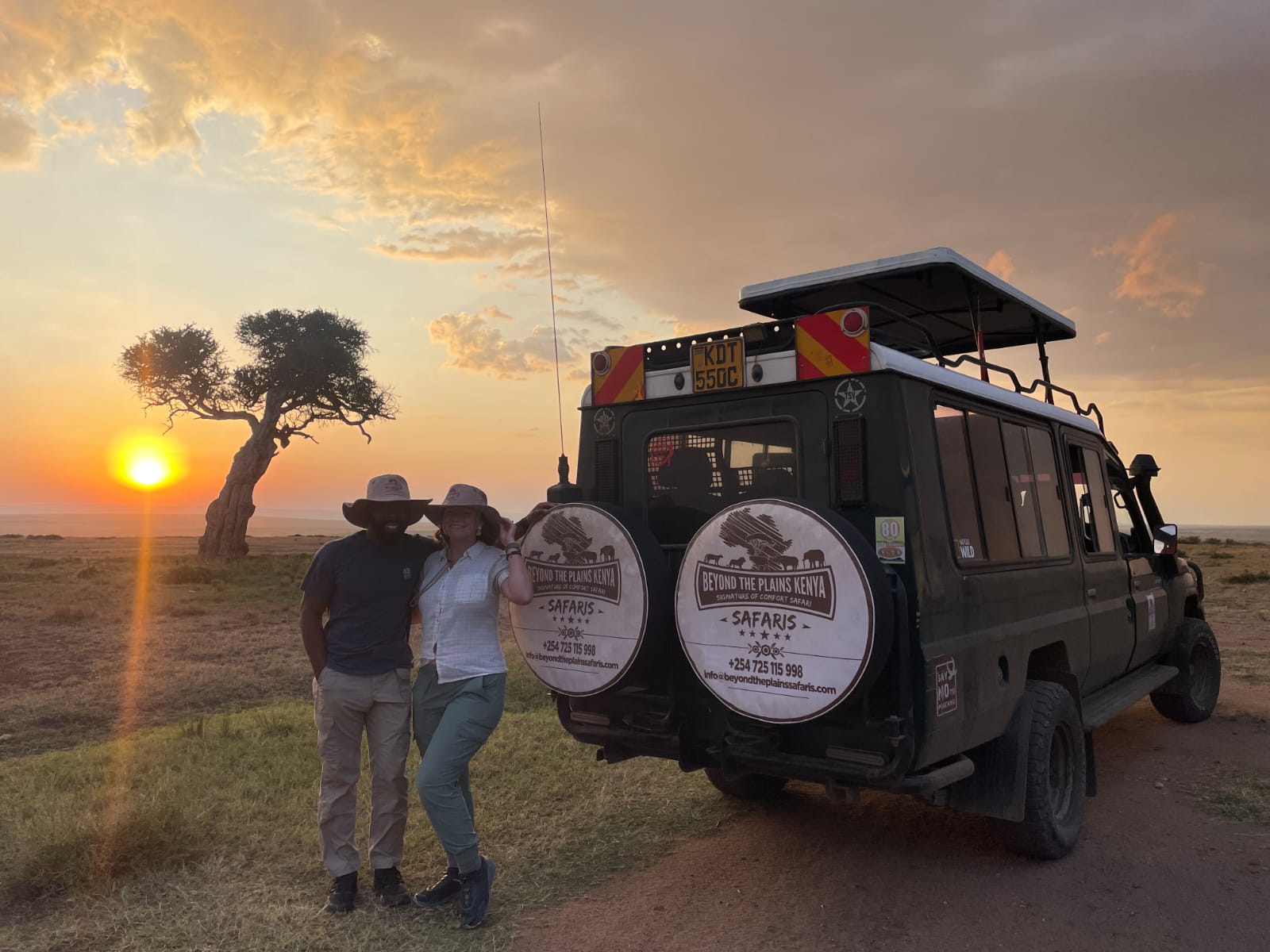
Migration-season Maasai Mara camps are recommended for booking six to twelve months in advance because top properties sell out first. If you're also weighing a multi-country itinerary, our guide to combining a Kenya and Tanzania safari and our Maasai Mara versus Serengeti comparison are both worth reading before you finalize your camp shortlist, since crossing timing differs meaningfully between the two ecosystems.
What Should You Pack and Know Before Staying at a Maasai Mara Camp?
What you should pack and know before staying at a Maasai Mara camp comes down to three practicalities: neutral-toned clothing for game drives, cash in small denominations for tips and extras, and an understanding of each camp's specific inclusions before you arrive.
Clothing and gear. Most camps recommend khaki, olive, or muted earth-tone clothing rather than bright colors or all-black outfits, since dark colors can attract tsetse flies in certain areas of the ecosystem. Layers matter more than most first-time travelers expect — early-morning game drives in an open vehicle can dip into the low teens Celsius (roughly mid-50s Fahrenheit), even though afternoon temperatures often climb into the high 20s Celsius (80s Fahrenheit). A wide-brimmed hat, polarized sunglasses, and a lightweight rain layer during the November–December short rains round out the essentials. For a complete, camp-tested packing checklist, see our Kenya safari packing list.
Cash and tipping. Most Maasai Mara camps operate largely cashless for the room bill itself, since rates are typically prepaid through your tour operator. However, staff tipping, curio purchases, and any à la carte spa treatments usually require cash — US dollars or Kenyan shillings both work at most properties, though small denominations printed after 2013 are preferred. Our Kenya safari tipping guide sets out standard per-day guide and camp-staff tipping ranges so you aren't guessing at the front desk.
Inclusions vary more than travelers expect. "All-inclusive" at one camp may mean house wine and beer only, while another includes premium spirits and laundry; some conservancy camps bundle the conservancy fee into the room rate while reserve camps bill the Narok County park fee separately. Confirming this in writing before you travel — not after you arrive — is the single most effective way to avoid an unexpected bill at checkout, and it's exactly the kind of detail our questions to ask before booking a safari checklist is built to catch.
How Far in Advance Should You Book a Maasai Mara Safari Camp?
You should book a Maasai Mara safari camp six to twelve months in advance for migration-season travel between July and October, and three to six months ahead for the quieter January–June low season.
The camps with the smallest tent counts and the best river-crossing or conservancy positioning — Mara Plains Camp's six tents or Naboisho's small camp footprint, for example — sell out first, sometimes more than a year ahead for peak-week migration dates. Larger lodges such as Mara Serena Safari Lodge or Masai Mara Sopa Lodge carry more inventory and can occasionally be booked closer to travel, but even these fill quickly around the August–September crossing peak. Booking earlier also tends to secure better scheduled-flight seats on the small bush airlines serving Mara airstrips, since seat counts per flight are limited and flights can't simply be added on short notice during peak weeks.
If your dates are flexible, shifting even two to three weeks outside the absolute peak (late July or mid-October, for example) can meaningfully improve availability and pricing while still offering strong odds of a river crossing. Our guides to the cheapest time to book a Kenyan safari and best time to visit Kenya for a safari both go deeper into how shoulder-season timing affects both camp availability and rate.
Conclusion
The Maasai Mara doesn't have a single "best" camp — it has a best camp for your specific trip, and that answer depends on your season, your budget, and whether exclusivity or river-crossing proximity matters more to you. What's consistent across every price tier, from Entim Mara Camp at roughly $490 a night to The Ritz-Carlton Masai Mara Safari Camp at $2,250 and up, is that the Mara's wildlife, guiding standards, and conservation partnerships remain genuinely world-class. Kenya's tourism sector welcomed a record 7.9 million visitors in 2025, generating roughly $3.84 billion in revenue — Source: Kenya Ministry of Tourism and Wildlife, 2026 — and the Maasai Mara remains the single biggest draw behind that growth.
Use the criteria in this guide — reserve versus conservancy, migration timing, budget tier, and traveler type — to build a real shortlist rather than a wish list, then get an itemized quote before you commit. If you'd rather skip the spreadsheet entirely, our team at Beyond the Plains Safaris plans Maasai Mara stays across every conservancy and budget tier covered here; start with a free consultation and we'll match you to the camps that actually fit your trip.










Comments (0)
Leave a Comment
No comments yet. Be the first to comment!