

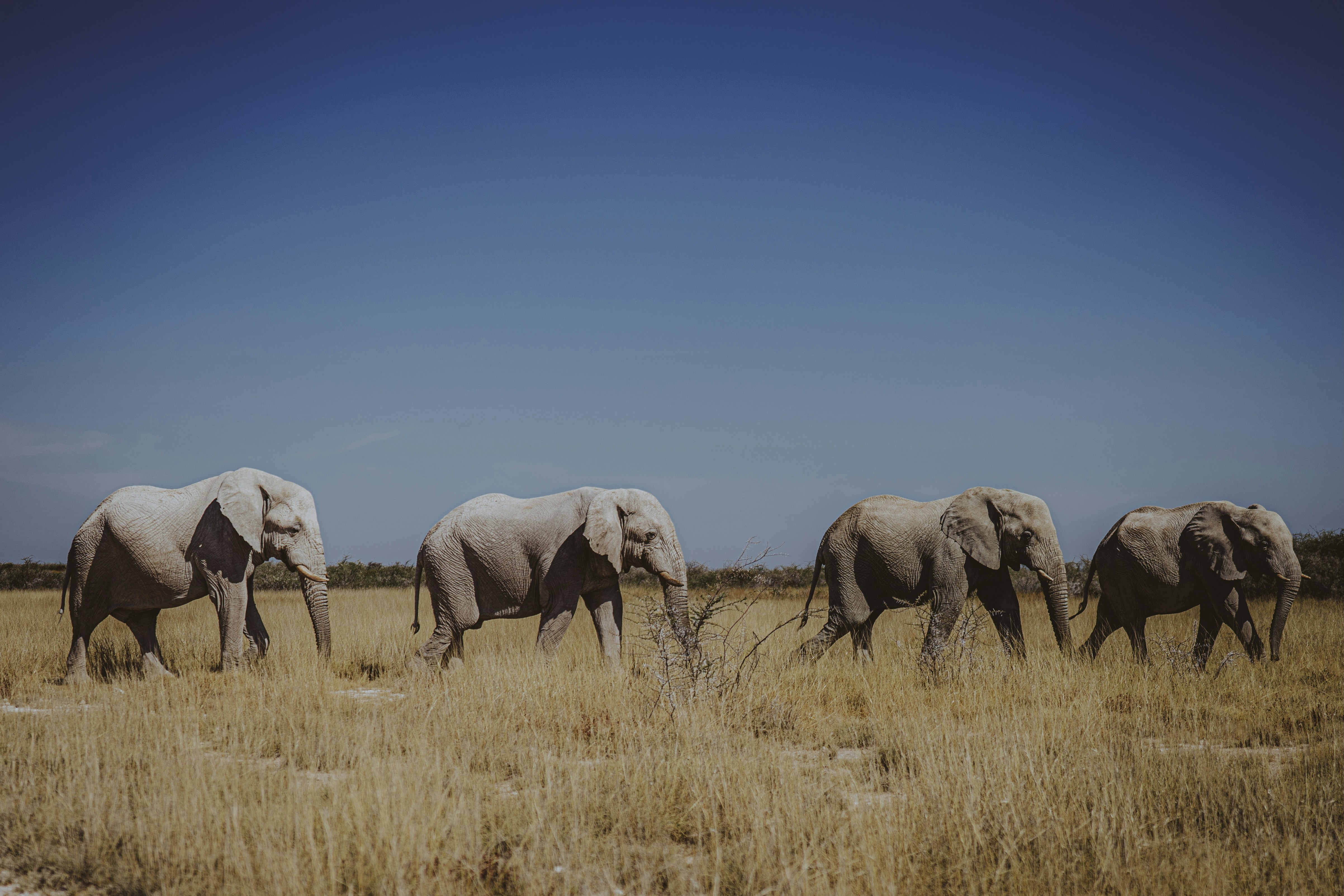
Quick Take
- Top destinations: Laikipia Plateau, Masai Mara Conservancies (Naboisho, Lemek), Hell's Gate National Park, Crescent Island
- Average cost: $50–$150 per person for short walks; $350–$900+ per day for multi-day walking safaris (guides, conservancy fees, and full board included)
- Safety rating: Extremely safe when led by armed KWS rangers and certified KPSGA trackers
Walking safaris put you on the ground instead of behind a windshield. They are one of the most immersive ways to experience Kenya's wildlife. This guide covers where to go, what it costs, and how safe it really is.
What Is a Kenya Walking Safari?
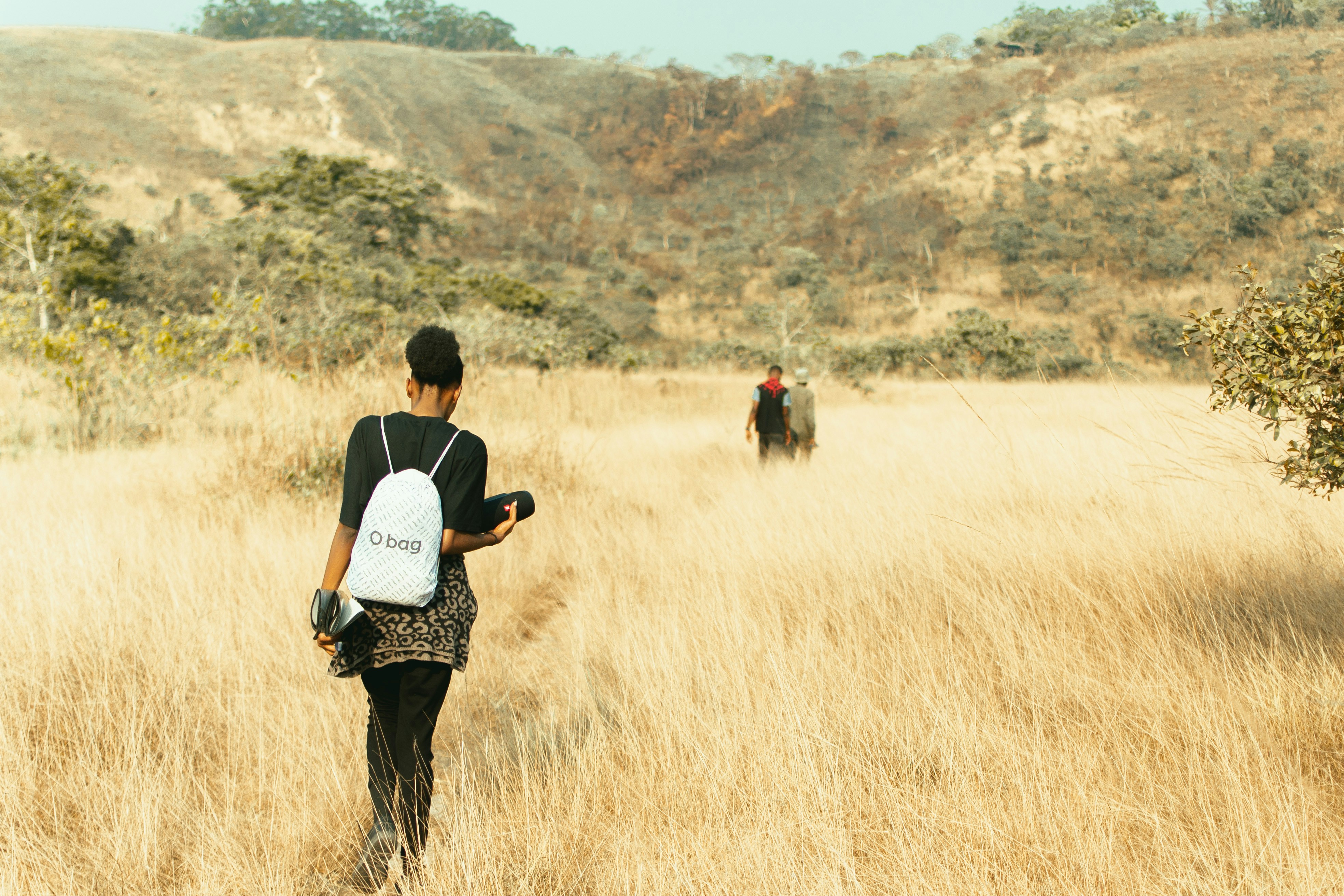
A walking safari is a guided, on-foot wildlife experience led by an armed ranger and a professional tracker. Instead of covering long distances at speed, you move slowly and observe wildlife signs, plants, and terrain up close.
A vehicle game drive is built for covering ground and spotting big animals fast. A walking safari flips that. You track footprints, read dung, learn which plants treat which ailments, and experience the bush at eye level. It's slower, quieter, and far more sensory.
Is It Safe to Do a Walking Safari in Kenya?
Yes. Walking safaris in Kenya are safe when conducted in private conservancies and authorized reserves with accredited guides. Operators follow strict protocols built specifically around foot-based wildlife encounters.
The Four Non-Negotiable Safety Protocols
1. Armed guard escort
Every walk includes an armed Kenya Wildlife Service ranger or an armed conservancy scout. They carry firearms specifically for emergency deterrence, not for use on wildlife.
2. Professional tracking guides
Walks are led by KPSGA-certified (Kenya Professional Safari Guides Association) Maasai or Samburu guides. They read wind direction, animal behavior, and alarm calls before you get anywhere near an animal.
3. Strict rules of engagement
Guides avoid thick bush where visibility drops. They maintain a minimum 100-meter distance from megafauna like elephants and buffalo. Group discipline is enforced at all times, no wandering off, no sudden movement, no loud talking.
4. Territory restrictions
High-density predator zones inside public national parks generally ban walking altogether. Walking is permitted and tightly regulated only in specific private conservancies built for this purpose.
Top Destinations for Walking Safaris in Kenya
1. Laikipia Plateau (Lewa, Ol Pejeta, Karisia)
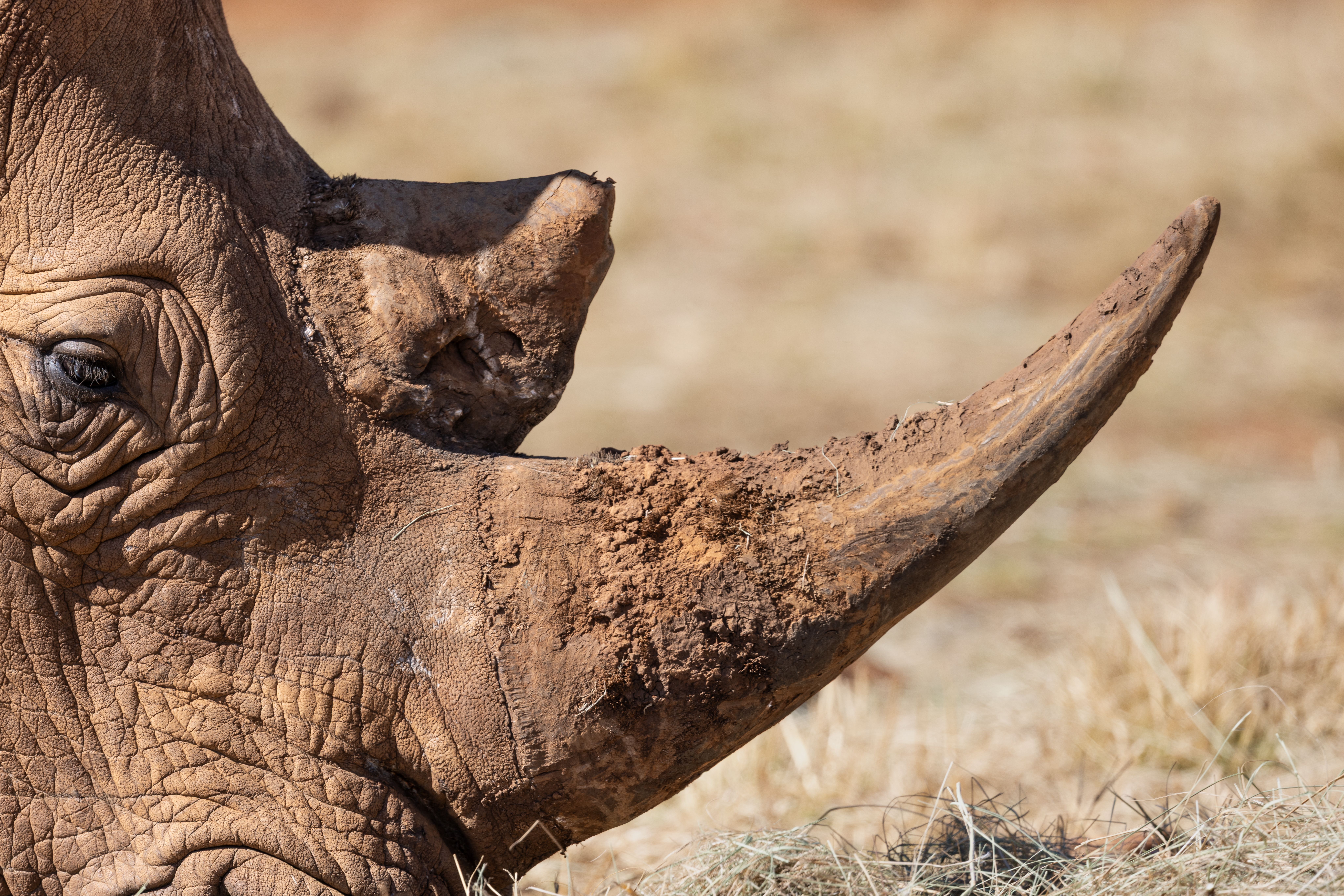
This is the gold standard for multi-day walking safaris in Kenya. Laikipia conservancies specialize in camel-backed trekking and fly-camping, plus dedicated rhino-tracking walks. If you want a serious multi-day expedition, this is where to book it.
2. Masai Mara Private Conservancies (Mara Naboisho, Ol Kinyei, Lemek)
These conservancies border the main Masai Mara Reserve, where walking is banned. Here, you get Big Five territory on foot, off the beaten track, with far fewer vehicles around.
3. Great Rift Valley (Hell's Gate & Crescent Island, Naivasha)
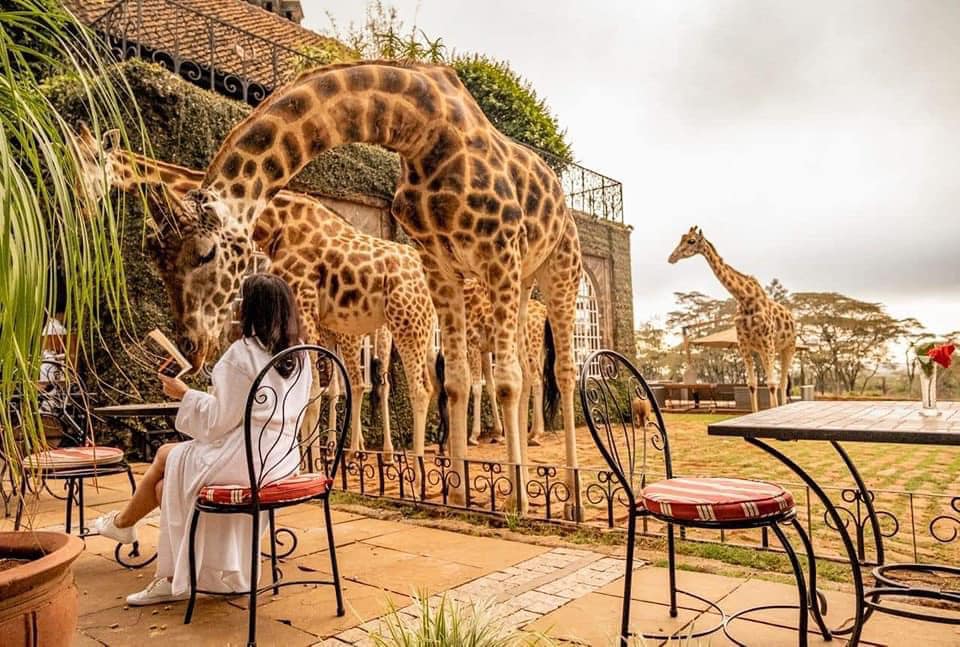
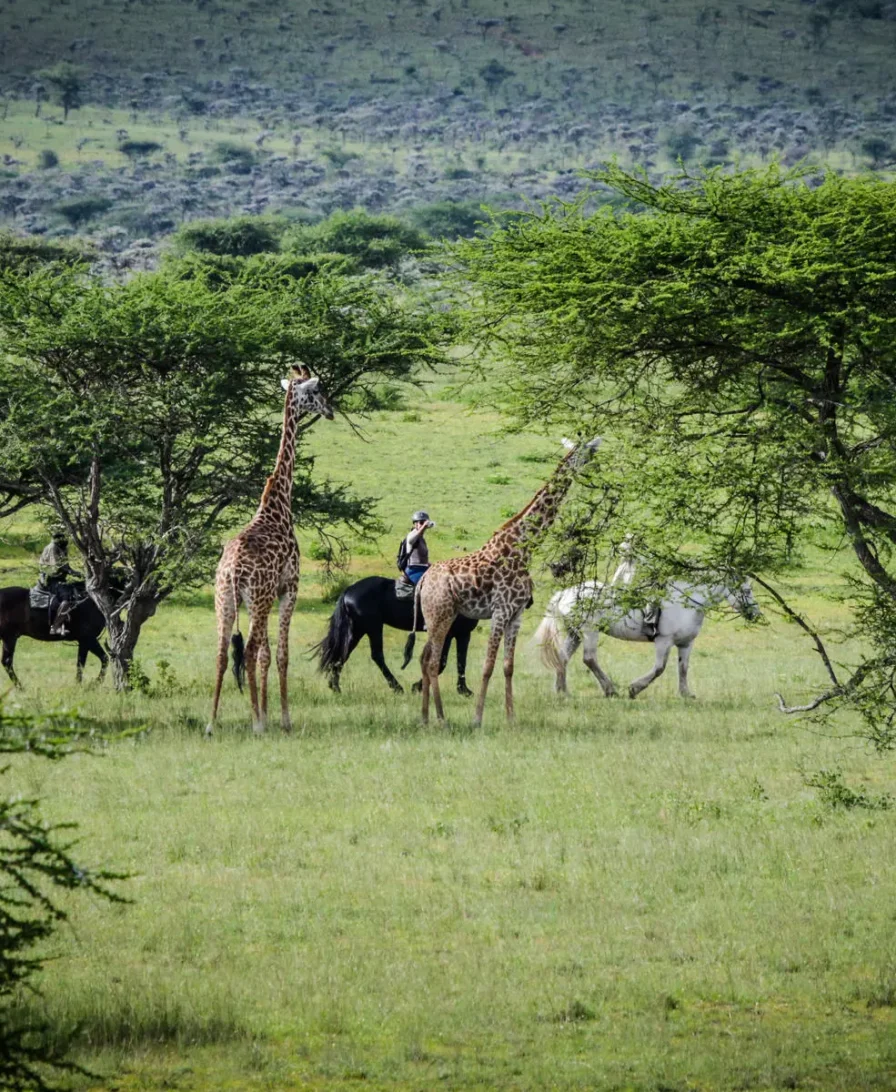
This is the budget-friendly, non-predator option. You'll walk among giraffes, zebras, and gazelles without an armed escort requirement in most areas. It's ideal for families, first-timers, and short day trips from Nairobi or Naivasha.
4. Mount Kenya & Aberdare Ranges
For a different kind of walking safari, these ranges offer high-altitude trekking and canopy forest walks. Expect cooler temperatures, denser vegetation, and a completely different ecosystem from the savanna.
Walking Safari Costs in Kenya: Detailed Price Breakdown
| Safari Category | Expected Cost (USD) per Person | What's Included | Ideal For |
|---|---|---|---|
| Budget Day Walk (Crescent Island / Hell's Gate) | $30 – $80 | Local guide fee, park entry fee | Day-trippers, budget travelers |
| Conservancy Bush Walk (Mid-Range Add-On) | $100 – $250 per walk | Armed KWS ranger, tracker, conservancy fees | Travelers staying at mid-range tented camps |
| Multi-Day Walking & Fly-Camping Safari | $450 – $950+ per night | Private conservancy fees, mobile camp setup, armed guides, full board, private transfers | Luxury and true wilderness seekers |
Other cost factors to know before booking:
- Conservancy conservation fees are usually charged separately from camp rates
- Prices shift seasonally, high season (July–October) runs higher than shoulder months
- Guide and tracker tipping typically runs $15–$20 per day, per guest
What to Expect on a Typical Walking Safari
Morning departure
Walks start early, before the heat sets in. Expect a dawn coffee and a short safety briefing before you set out.
On the trail (2–3 hours)
Your guide points out tracks, dung, and alarm calls. You'll cover bush survival basics, medicinal plant uses, and often stop for birding along the way.
Bush breakfast
Many walks end with a stop under an acacia tree for fresh coffee and a full breakfast, set up ahead of your arrival by camp staff.
What to Pack for a Kenya Walking Safari
- Neutral-colored clothing: khaki, olive green, or beige. Avoid blue and black, they attract tsetse flies. Skip bright colors too.
- Sturdy, broken-in trail shoes or hiking boots
- High-SPF sunscreen, a wide-brimmed hat, and DEET-based insect repellent
- Compact 8x42 or 10x42 binoculars and lightweight camera gear
Why Book Your Kenya Walking Safari with Beyond The Plains Safaris?
Beyond The Plains Safaris builds walking itineraries around your fitness level, interests, and travel dates. Every walk is arranged with vetted, KPSGA-certified guides and the correct conservancy permits, no guesswork, no last-minute surprises. Ground transport, camp logistics, and pricing are handled transparently from the first inquiry.
Ready to trade the safari vehicle for boots on the ground? Contact Beyond The Plains Safaris today to customize your private Kenya walking safari itinerary.
Frequently Asked Questions
Can children go on a walking safari in Kenya?
Most conservancies require children to be at least 12 years old for walks in predator territory. Gentle, non-predator walks like Crescent Island welcome all ages.
What is the best time of year for a walking safari in Kenya?
The dry seasons, July to October and January to March, offer the best trail conditions and wildlife visibility.
Do I need to be extremely fit for a walking safari?
No. Standard walking safaris are slow-paced and cover 3–7 km. Multi-day treks require moderate fitness, but nothing extreme.










Comments (0)
Leave a Comment
No comments yet. Be the first to comment!