

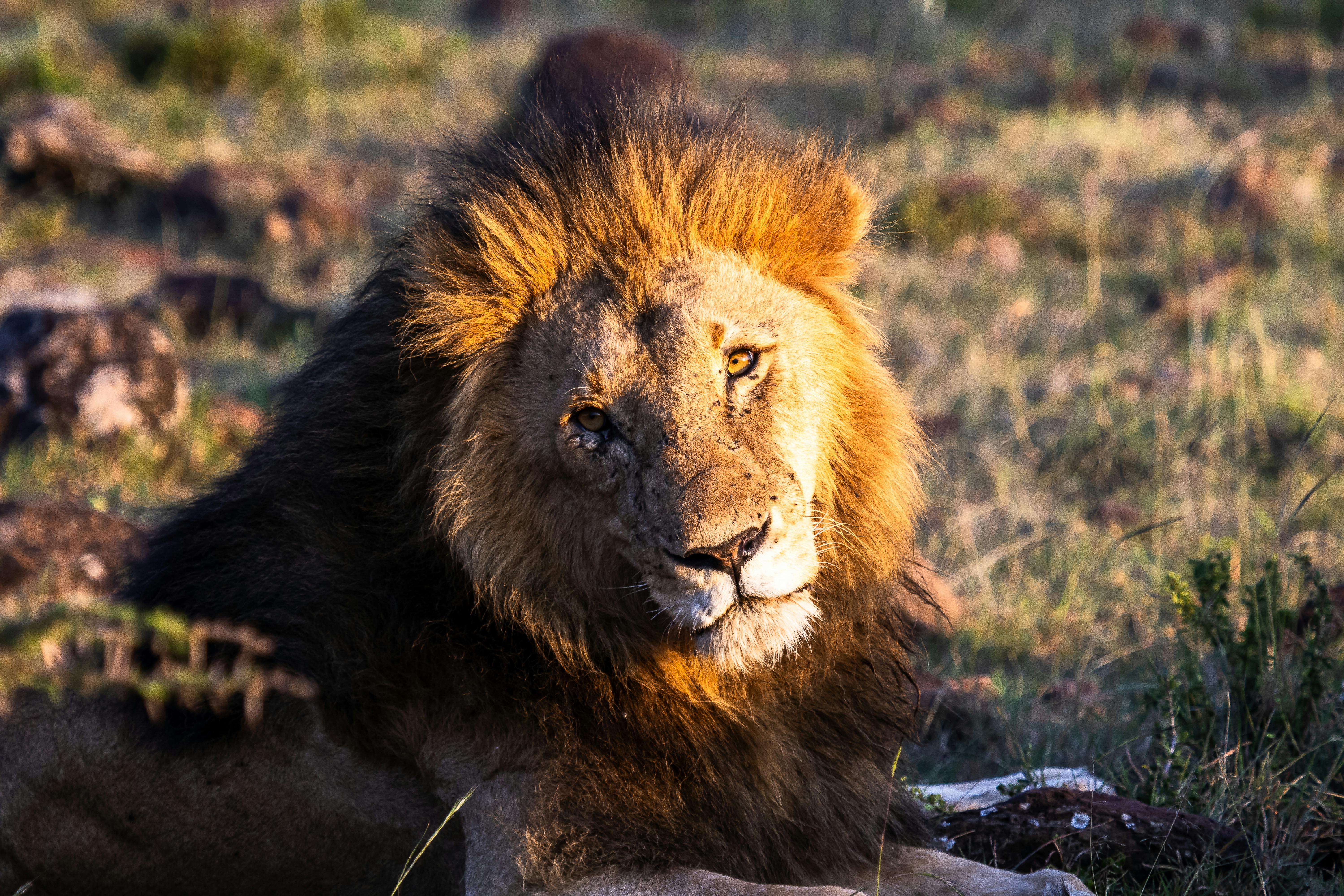
You already know that Kenya and South Africa both top every "best safari destination" list, and you've probably narrowed your dream trip down to one of the two. What most travelers don't realize until they're deep in planning is that these two safaris differ dramatically in cost, logistics, and wildlife experience — differences that can make or break your trip. This guide breaks down exactly how Kenya and South Africa safaris compare, so you can book the one that actually fits your budget, timeline, and travel style.
Key Takeaways
- Kenya safaris center on the Maasai Mara and the Great Migration, offering dense predator-prey action, especially between July and October.
- South Africa safaris are anchored by Kruger National Park, which allows self-drive access and pairs easily with Cape Town and the Garden Route.
- South Africa generally offers more budget-friendly self-drive options starting around $80 per person per day, while Kenya's guided-camp model typically runs $200 to $670 per person per day at the budget-to-mid-range tiers — Source: African Budget Safaris, 2026 and Plentiful Adventures, 2026.
- Kenya Airways now flies nonstop between New York and Nairobi in roughly 14 to 15 hours, while South African Airways no longer operates a nonstop US route to Johannesburg, so US travelers typically connect through London or Nairobi on a 19- to 20-hour itinerary — Source: FlightRoutes.com, 2026.
- Malaria risk exists in both countries' lowveld and savanna regions, though Cape Town and most of the Western Cape are malaria-free.
- Kenya suits travelers prioritizing classic migration wildlife spectacles and guided luxury tented camps.
- South Africa suits travelers wanting flexible self-drive safaris combined with wine country, coastline, and city stops.
What Is a Kenya Safari vs. a South Africa Safari?
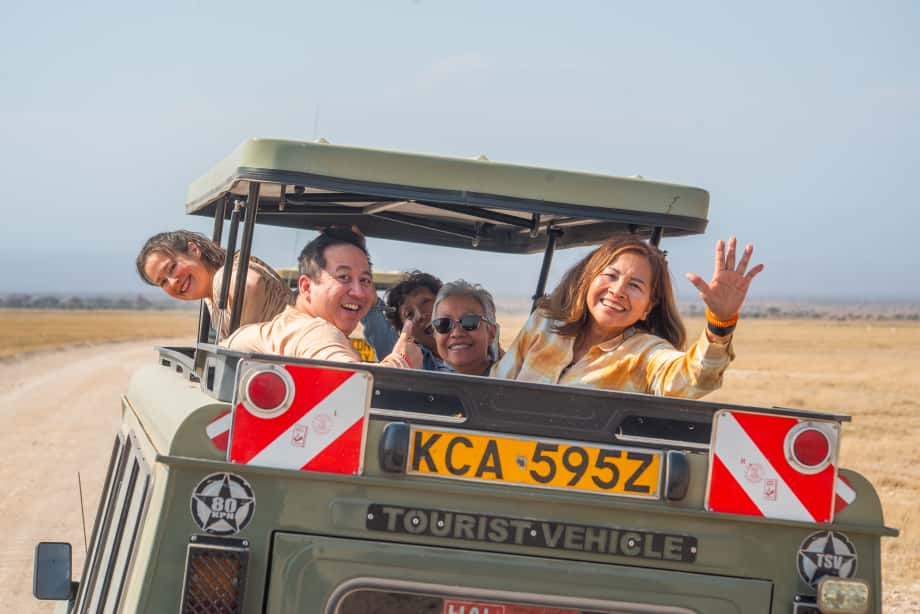
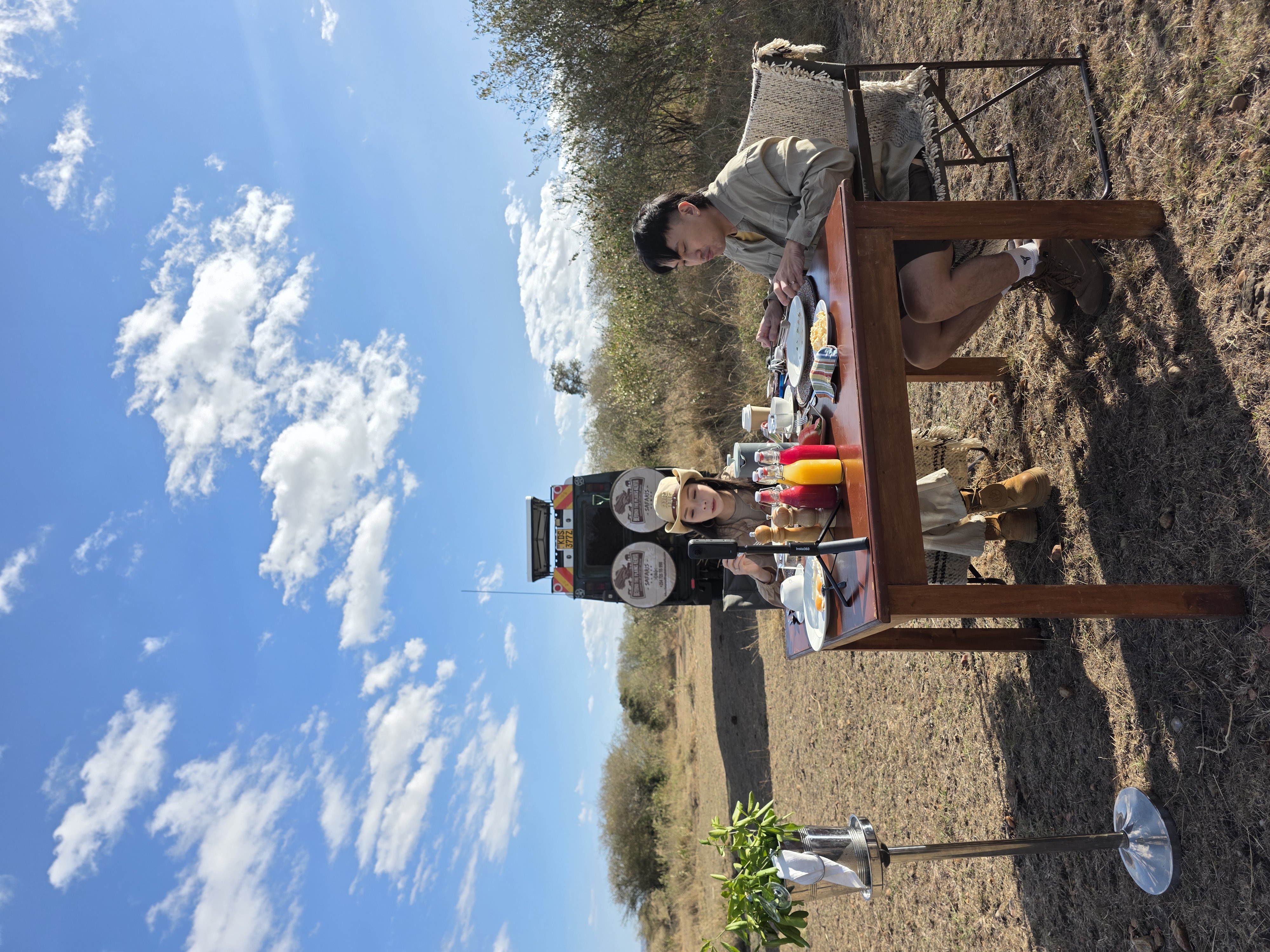
A Kenya safari is a wildlife trip centered on ecosystems like the Maasai Mara, known for guided game drives and the annual wildebeest migration. Most Kenya safaris are built around a guide-and-vehicle model, where a professional driver-guide takes you through national reserves and private conservancies in a 4×4. You generally can't drive yourself through the Maasai Mara or Amboseli — a licensed guide handles navigation, animal tracking, and radio coordination with other vehicles.
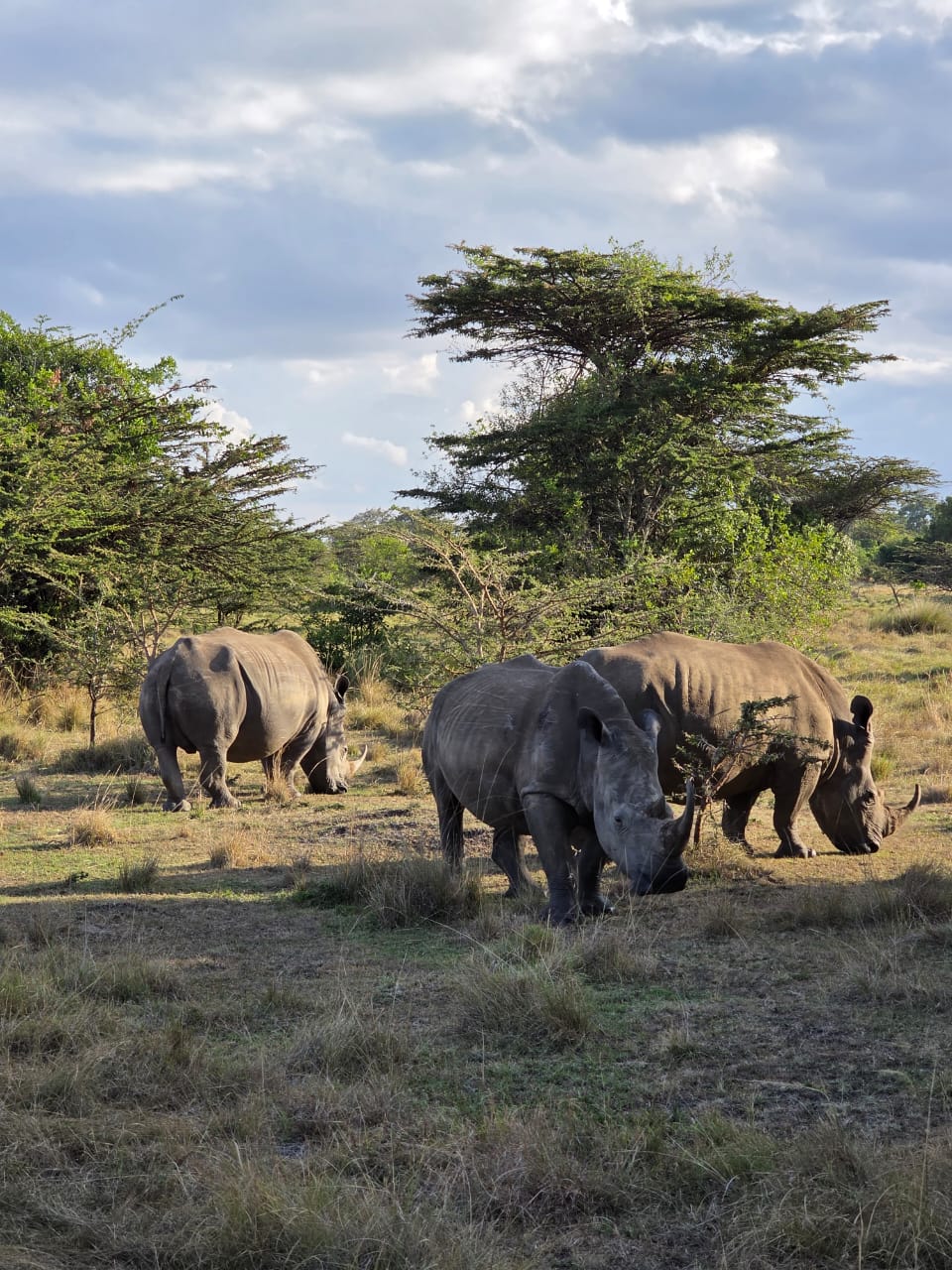
Kenya's core safari circuit includes the Maasai Mara National Reserve, famous for the Great Migration and one of the highest lion densities in Africa, alongside Amboseli National Park, known for large elephant herds set against Mount Kilimanjaro's silhouette. Other key parks round out the picture: Lake Nakuru for rhino sightings, Samburu for arid-country species like the Grevy's zebra, and Tsavo East and West for classic red-earth landscapes. If you want to see exactly when the wildebeest herds move through the Mara, our Great Migration timing guide breaks the migration down month by month.
A South Africa safari is a wildlife trip centered on parks like Kruger National Park, distinguished by the option to self-drive without a guide. Kruger is roughly the size of Israel and has a well-maintained network of public tar and gravel roads, fuel stations, and rest camps, so independent travelers can rent a car in Johannesburg and drive themselves through Big Five territory. South Africa's safari scene is also unusually diverse, ranging from budget self-catering rest camps inside Kruger to ultra-exclusive private reserves like Sabi Sands and Timbavati that border the park.
For example, a couple with two weeks and a rental car can spend four days self-driving through Kruger, then continue south to Cape Town for wine tasting and coastal scenery — a combination that simply isn't possible with Kenya's guide-dependent model. That flexibility is the single biggest structural difference between the two countries, and it shapes almost every other comparison in this guide.
Why Does the Kenya vs. South Africa Comparison Matter?
This comparison matters because both countries are premier safari destinations, but they deliver very different trips for the same vacation budget and time off work. Travelers rarely have unlimited vacation days or an open-ended budget, so choosing between Kenya and South Africa means eliminating one option with confidence rather than researching both indefinitely.
First, the trip structures differ fundamentally. Kenya's guided-camp model means your itinerary is built for you — game drives happen on a schedule, and you're generally not responsible for navigation or vehicle logistics. Second, South Africa's self-drive option changes the cost equation entirely, since you're not paying a guide's daily rate on top of accommodation. As such, two travelers with identical budgets can end up with very different trip lengths depending on which country they choose.
At the same time, the "right" answer depends heavily on what kind of experience you actually want. A first-time safari-goer chasing a single unforgettable migration scene has different priorities than a repeat visitor who wants the independence of a rental car and an open road. Let's explore how these differences play out across wildlife, cost, and logistics.
Which Country Has Better Big Five Sightings, Kenya or South Africa?
Both Kenya and South Africa offer strong Big Five sightings, but they deliver them through different mechanisms — density and migration drama in Kenya, versus self-drive accessibility and private-reserve exclusivity in South Africa. Neither country is objectively "better" for Big Five viewing; the difference is in how the sighting happens and what else surrounds it.
The Maasai Mara Migration Advantage
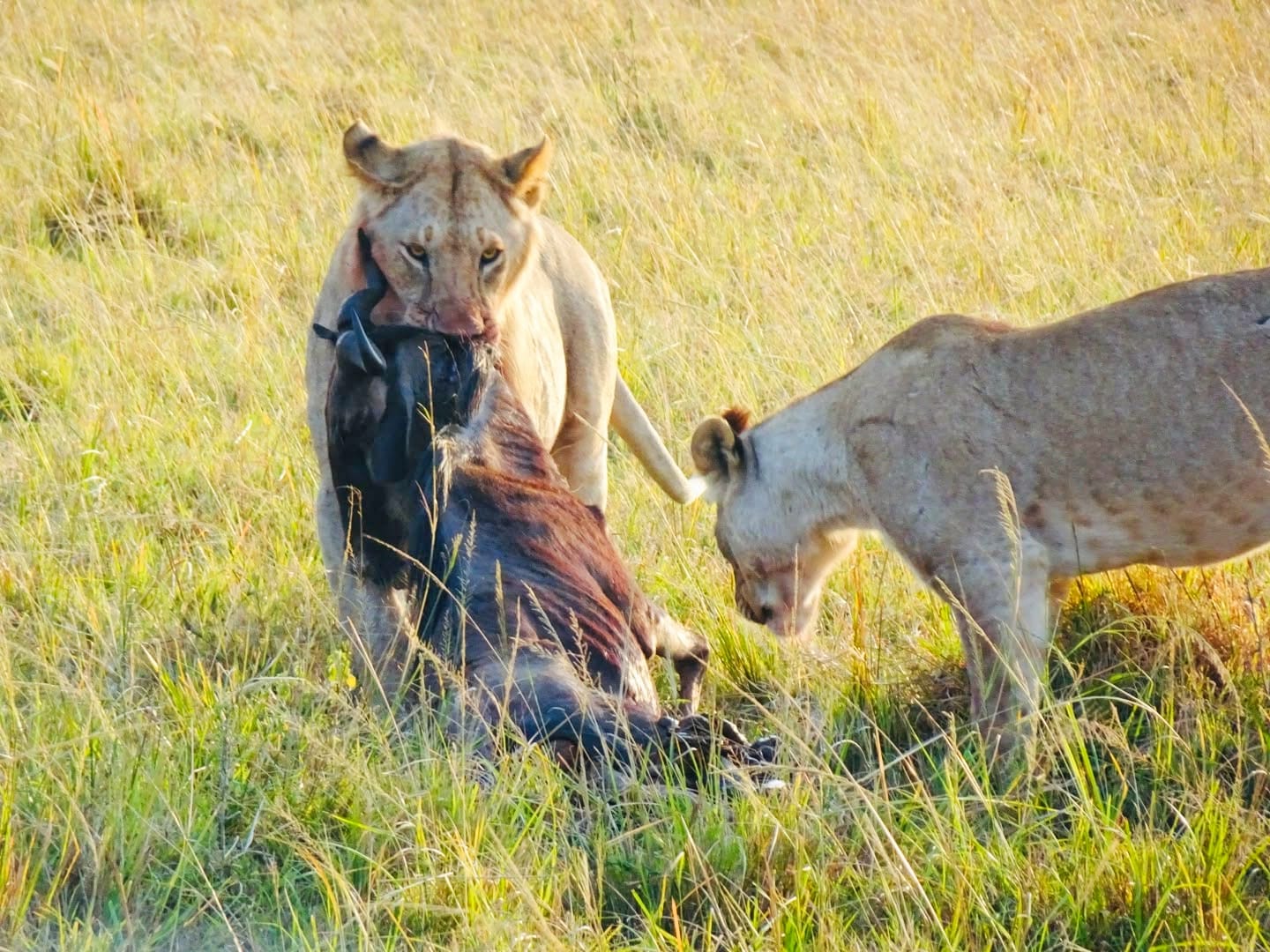
The Great Migration is the annual movement of over a million wildebeest and zebra between Tanzania's Serengeti and Kenya's Maasai Mara, typically peaking between July and October. During this window, the Mara sees some of the highest concentrations of lions, cheetahs, and hyenas anywhere on the continent, all converging on the migrating herds. If you're weighing the Mara against its Tanzanian counterpart for this same spectacle, our Serengeti vs. Maasai Mara guide compares the two side by side.
Outside migration season, the Mara's resident wildlife still delivers reliable Big Five sightings, particularly in private conservancies bordering the reserve, where vehicle limits keep game drives uncrowded. Amboseli adds strong elephant viewing to the mix, and the Kilimanjaro backdrop makes for some of the most photographed scenes in African travel.
Kruger's Self-Drive Big Five Access
Kruger National Park allows self-drive access and pairs easily with Cape Town and the Garden Route, making it the most road-accessible Big Five destination in Africa. Self-drive safaris involve renting a vehicle and navigating a park's public roads independently, an option available in South Africa's Kruger but not in Kenya's Maasai Mara. This means budget-conscious travelers can see lions, leopards, elephants, buffalo, and rhino without paying for a dedicated guide.
For travelers who want a more curated experience, Kruger's neighboring private reserves — Sabi Sands and Timbavati among them — allow off-road driving and night drives, which Kruger itself does not permit. That combination of a public, self-drive core park plus adjoining private reserves gives South Africa a wider spread of price points for essentially the same Big Five wildlife.
| Dimension | Kenya (Maasai Mara / Amboseli) | South Africa (Kruger) |
|---|---|---|
| Signature wildlife event | Great Migration (Jul–Oct) | Year-round resident Big Five |
| Vehicle model | Guided 4×4 only | Self-drive or guided |
| Off-road driving | Allowed in private conservancies | Not allowed in main park; allowed in private reserves |
| Best for | Migration spectacle, guided luxury | Independent travel, flexible pacing |
Is a Kenya Safari or South Africa Safari More Expensive?
A Kenya safari is generally more expensive per day than a South Africa safari, because Kenya's dominant travel model bundles a private guide and vehicle into the daily rate, while South Africa offers a genuinely cheaper self-drive tier. That said, both countries scale all the way up to five-figure luxury experiences, so "more expensive" depends heavily on which tier you're comparing.
Kenya Safari Cost Breakdown
Budget group safaris in Kenya, using shared vehicles and simple tented camps, run from roughly $150 to $330 per person per day — Source: African Budget Safaris, 2026. Mid-range safaris with private or semi-private 4×4 vehicles and comfortable en-suite tented camps average $350 to $670 per person per day — Source: African Budget Safaris, 2026. Luxury Kenya safaris, with high-end tented camps, private conservancy access, and personalized guiding, typically start around $670 to $1,500 per person per day, with top-tier exclusive camps exceeding $2,000 — Source: African Budget Safaris, 2026.
Park fees also add up fast in Kenya. The Maasai Mara National Reserve charges $100 per adult per 24-hour period from January through June, and $200 per adult per 24-hour period from July through December, which lands right in migration season — Source: Nova Expedition Tours, 2026. For example, a family of four visiting the Mara for three nights in August would pay $2,400 in park fees alone, before accommodation or guiding costs. To see how these numbers apply to a real multi-day trip, our Kenya safari cost guide walks through full itinerary pricing, and you can browse luxury safari lodges in Kenya if that's your target tier.
South Africa Safari Cost Breakdown
South Africa safari costs range from about $200 to $800 per person per day depending on accommodation tier — Source: Plentiful Adventures, 2026. The self-drive tier is where South Africa pulls ahead on affordability: Kruger National Park self-drive safaris start from around $80 per person per day, covering park fees and a basic self-catering rest camp — Source: Plentiful Adventures, 2026. The international visitor day-conservation fee for Kruger runs roughly $25 to $30 per person per day, a fraction of the Mara's peak-season rate — Source: Plentiful Adventures, 2026.
On the luxury end, private reserves bordering Kruger such as Sabi Sands and Timbavati charge $500 to $1,500 per person per night, all-inclusive of meals and guided game drives — Source: Plentiful Adventures, 2026. This means South Africa's price range is actually wider than Kenya's at the bottom, since no equivalent $80-a-day guided option exists in the Mara.
| Tier | Kenya (per person/day) | South Africa (per person/day) |
|---|---|---|
| Budget | $150 – $330 | $80 – $200 (self-drive) |
| Mid-range | $350 – $670 | $200 – $500 |
| Luxury | $670 – $1,500+ | $500 – $1,500+ |
Beyond the daily rate, both countries carry hidden costs worth budgeting for: international flights, tips for guides and camp staff, travel insurance, and pre-trip vaccinations. If you're weighing a mid-range trip against a splurge, our mid-range vs. luxury safari comparison breaks down exactly what you gain at each price point, and travelers on a tighter budget can also look at self-catering, lower-cost Kenya itineraries that narrow the price gap with South Africa's self-drive model.
Travel Logistics: Visas, Flight Times, Malaria Zones, and Getting Around
Travel logistics differ meaningfully between the two countries, covering entry requirements, flight routing, and health precautions that affect how much total travel time and preparation your trip requires.
Do You Need a Visa for Kenya or South Africa Safaris?
Kenya requires an Electronic Travel Authorization (eTA) for nearly all foreign visitors, including US, UK, and EU citizens. The standard single-entry eTA costs $30 and typically processes within two to five business days, granting a 90-day stay — Source: Africa Unpacked, 2026. US citizens also have the option of a five-year multiple-entry eTA for $185, which is worthwhile for anyone planning repeat trips to East Africa — Source: Lost Between Oceans, 2026. Our guide on how to get an East Africa visa walks through the application step by step.
South Africa, by contrast, allows visa-free entry for up to 90 days for citizens of the US, UK, Canada, Australia, and most EU countries — Source: Africa Unpacked, 2026. This means American and European travelers pay nothing and skip the pre-travel application process entirely for South Africa, while the same travelers must budget time and $30 for Kenya's eTA. For travelers holding passports from countries that do require a South African visa, the process runs through VFS Global or a South African embassy and can take considerably longer.
Flight Times to Kenya vs. South Africa
Flight logistics have shifted in Kenya's favor in recent years. Kenya Airways now operates nonstop flights between New York and Nairobi, with a flying time of roughly 14 hours 45 minutes to 15 hours — Source: FlightRoutes.com and Trip.com, 2026. South African Airways discontinued its nonstop US route, so travelers flying from New York to Johannesburg today typically connect through London or Nairobi, with total journey times of about 19 hours 35 minutes to 20 hours 5 minutes — Source: FlightRoutes.com, 2026.
From Europe, the picture is more balanced, since London has direct flights to both Nairobi and Johannesburg at broadly similar flight times. For example, a traveler flying from Chicago would now reach Nairobi with one fewer connection than Johannesburg, which matters if you're trying to protect vacation days from being eaten by transit time.
Malaria Risk in Kenya and South Africa Safari Regions
Malaria risk exists in the lowveld regions of both Kenya and South Africa, while South Africa's Western Cape, including Cape Town, is malaria-free. In Kenya, risk is present across nearly all safari regions, including the Maasai Mara, Amboseli, and the coast, so most doctors recommend prophylaxis for any Kenya itinerary. In South Africa, the Kruger lowveld carries seasonal malaria risk, especially in the wetter summer months, while Cape Town, the Garden Route, and most of the Western Cape carry no malaria risk at all.
This matters for trip planning: a South Africa itinerary that spends most of its time in Cape Town and the Winelands with just a few days in Kruger involves less overall malaria exposure than a Kenya itinerary, where nearly every stop sits in a risk zone. That said, prophylaxis is well-tolerated by most travelers and shouldn't be the deciding factor on its own. Our safari malaria prevention guide covers current prophylaxis options, required vaccinations, and how to talk to your travel doctor before departure.
Can You Do a Self-Drive Safari in Kenya Like You Can in South Africa?
No, you generally cannot self-drive through Kenya's premier reserves the way you can in Kruger. The Maasai Mara, Amboseli, and most of Kenya's top parks require a licensed guide and, in many cases, restrict private vehicles from entering without one. This is the clearest structural difference between the two countries, and it's worth internalizing before you start comparing daily rates, since it changes what you're actually paying for.
When Is the Best Time to Visit Each Destination?
Seasonal timing shapes both wildlife viewing and pricing in Kenya and South Africa, and the two countries' best windows don't always overlap.
Best Time of Year to Visit Kenya for Safari
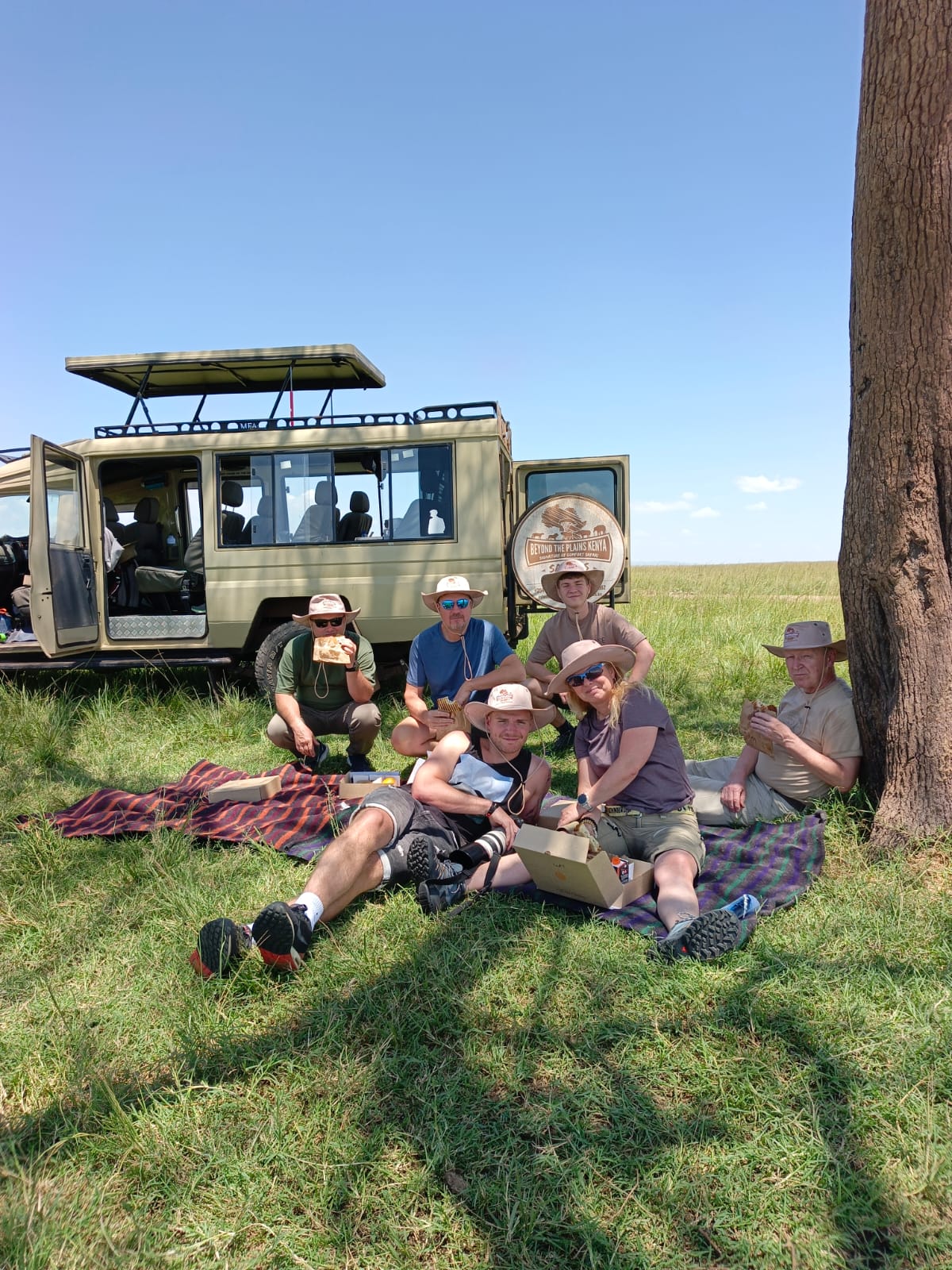
The best time to visit Kenya for safari is during the dry season from July through October, when the Great Migration reaches the Maasai Mara and wildlife concentrates around remaining water sources. This period also coincides with peak pricing and the $200 daily Mara conservation fee mentioned earlier. The shoulder months of January and February offer a different draw — calving season on the southern plains, with dense predator activity around newborn wildebeest and cheaper rates than peak migration months.
Best Time of Year to Visit South Africa for Safari
The best time to visit South Africa for safari is during the dry winter months from May through September, when sparse vegetation and animals clustering around waterholes make Big Five sightings easier, including on self-drive routes through Kruger. Winter in Kruger also means lower malaria transmission risk, since mosquito activity drops in the drier, cooler months. Cape Town and the Garden Route, meanwhile, are best visited in the Southern Hemisphere summer (November to March), which creates a useful split-season opportunity: winter for Kruger wildlife, summer for the coast and Winelands.
| Destination | Best Wildlife Window | Weather Notes |
|---|---|---|
| Maasai Mara (Kenya) | July – October (migration) | Dry, cooler mornings, dusty |
| Kruger (South Africa) | May – September (dry season) | Cool, low malaria risk, sparse bush |
| Cape Town / Garden Route | November – March | Warm, dry, best for wine country and coast |
Which Safari Is Better for First-Time Travelers, Kenya or South Africa?
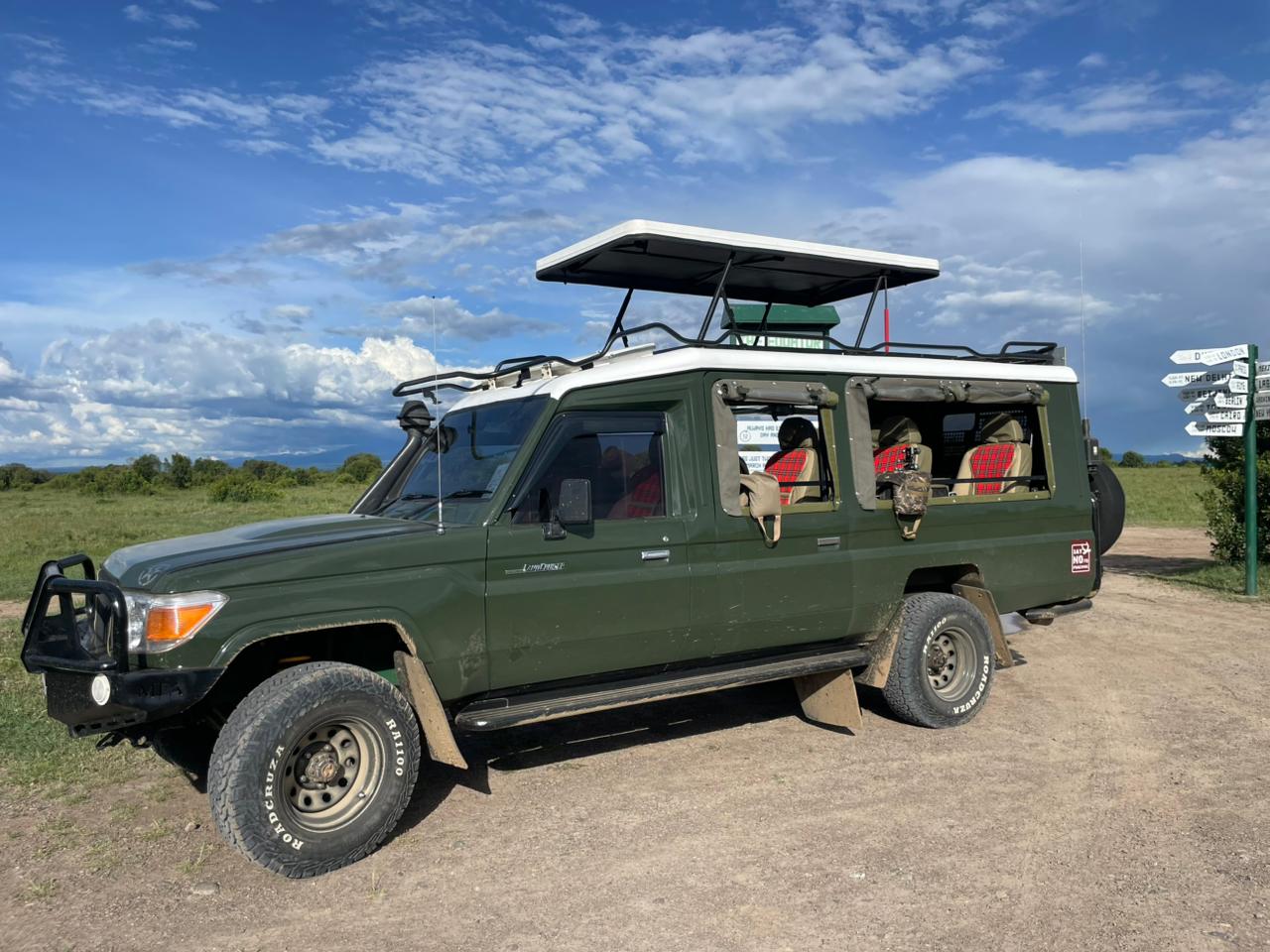
For most first-time travelers, Kenya's fully guided model removes decision fatigue — you don't have to navigate, track animals, or plan routes yourself, which lowers the learning curve considerably. This can be reassuring for a first safari, especially for honeymooners or milestone trips where the goal is to relax and be looked after rather than manage logistics.
South Africa can also work well for first-timers, particularly those who prefer more control over their pace and budget, or who want to combine wildlife with a broader itinerary spanning cities, coastline, and wine country in a single trip. A first-timer nervous about driving unfamiliar roads can simply book a guided Kruger package instead of self-driving, getting Kenya-style convenience with South Africa-style trip flexibility around it.
Can You Combine a Kenya or South Africa Safari With Other Destinations?
Yes, both countries combine well with neighboring destinations, though the natural add-ons differ. Kenya pairs naturally with a Tanzania extension into the Serengeti or Zanzibar's beaches, since flights between Nairobi and northern Tanzania are short and well-served. If you're weighing that exact pairing, our Kenya vs. Tanzania comparison is a useful next read.
South Africa pairs naturally with Cape Town and the Garden Route, letting travelers combine Big Five game drives with wine tasting, coastal drives, and a major world city in one trip. This built-in variety is one of South Africa's strongest selling points for travelers who don't want a wildlife-only vacation.
Tools and Resources for Planning Either Safari
Whichever country you choose, a handful of practical resources make planning easier and reduce the risk of costly mistakes.
For itinerary and cost research: Start by comparing sample itineraries and pricing at your tier of interest. [Insert image: Screenshot of a sample multi-day Kenya itinerary with per-night pricing | Alt text: "Compare Kenya safari itinerary pricing by tier"]. Our own Kenya safari tour packages page lists current itineraries across budget, mid-range, and luxury tiers, and you can compare that against listing aggregators like SafariBookings for South Africa-based options.
For choosing an operator: You can evaluate operators using a mix of reviews, licensing checks, and direct conversations about group size and vehicle type. Our tour operator comparison guide walks through what separates a reputable Kenya-based DMC from a reseller, which matters for both service quality and pricing transparency.
For visas: Apply for Kenya's eTA directly through the official government portal to avoid third-party markup fees, and confirm South Africa's visa-free eligibility for your passport before booking flights. [Insert image: Screenshot of the official Kenya eTA application portal homepage | Alt text: "Apply for a Kenya eTA before booking flights"].
For health prep: Book a travel medicine consultation at least four to six weeks before departure to allow time for any recommended vaccinations and malaria prophylaxis to take effect. Free resources like the CDC's destination pages are a solid starting point alongside your doctor's guidance, and our own safari malaria prevention guide covers Kenya-specific recommendations in detail.
For packing: Both countries share a similar core packing list — neutral colors, layers for cold mornings and hot afternoons, and a good pair of binoculars. Our African safari packing list covers the essentials either way, and photographers should also check our safari camera gear guide before investing in a new lens.
What's Next: How to Decide and Book Your Safari
Once you've weighed wildlife, cost, and logistics, the next step is turning that decision into a booked itinerary. First, set a firm daily budget range and match it against the cost tables above — this alone eliminates a lot of noise. Second, decide how much control you want over your pace: if the idea of navigating your own route through the bush sounds appealing, lean toward South Africa; if you'd rather be guided end-to-end, lean toward Kenya.
Third, check your passport's visa status for both countries before you fall in love with a specific itinerary, since visa timelines can affect your booking window. Fourth, talk to a specialist. A destination-focused operator can flag hidden costs, recommend the right season for your dates, and build a realistic day-by-day plan around your priorities rather than a generic template. Our first-time safari planning checklist is a good starting point if Kenya is your likely pick, and you can also request a personalized consultation to get a quote built around your exact dates and budget.
Conclusion: Two Incredible, Complementary Safari Experiences
Kenya and South Africa aren't really competitors — they're two different answers to the same question of "where should I see Africa's wildlife?" Kenya delivers the classic guided migration experience with the Maasai Mara at its heart, while South Africa offers unmatched flexibility through Kruger's self-drive access and easy pairing with Cape Town's coast and Winelands. Neither one "wins"; the right choice simply depends on your budget, your appetite for independent travel, and whether a migration spectacle or a flexible road-trip safari sounds more like your kind of trip.
Whichever destination you choose, the details in this guide — cost tiers, visa rules, flight routing, and malaria zones — should give you enough to book with confidence instead of second-guessing your decision for another month. If Kenya's Maasai Mara and Amboseli sound like your trip, browse our current Kenya safari packages or reach out for a tailored consultation to start planning your dates.
Written by John Dante, Director of Operations Manager at Beyond the Plains Safaris, a Nairobi-based safari operator specializing in Kenya and East Africa travel planning.
Reviewed by Beyond the Plains Safaris editorial and travel advisory team.
Disclaimer: This article was initially drafted using AI assistance. However, the content has undergone thorough revisions, editing, and fact-checking by human editors and subject matter experts to ensure accuracy.










Comments (0)
Leave a Comment
No comments yet. Be the first to comment!